
 IN
Petrochemical Additives
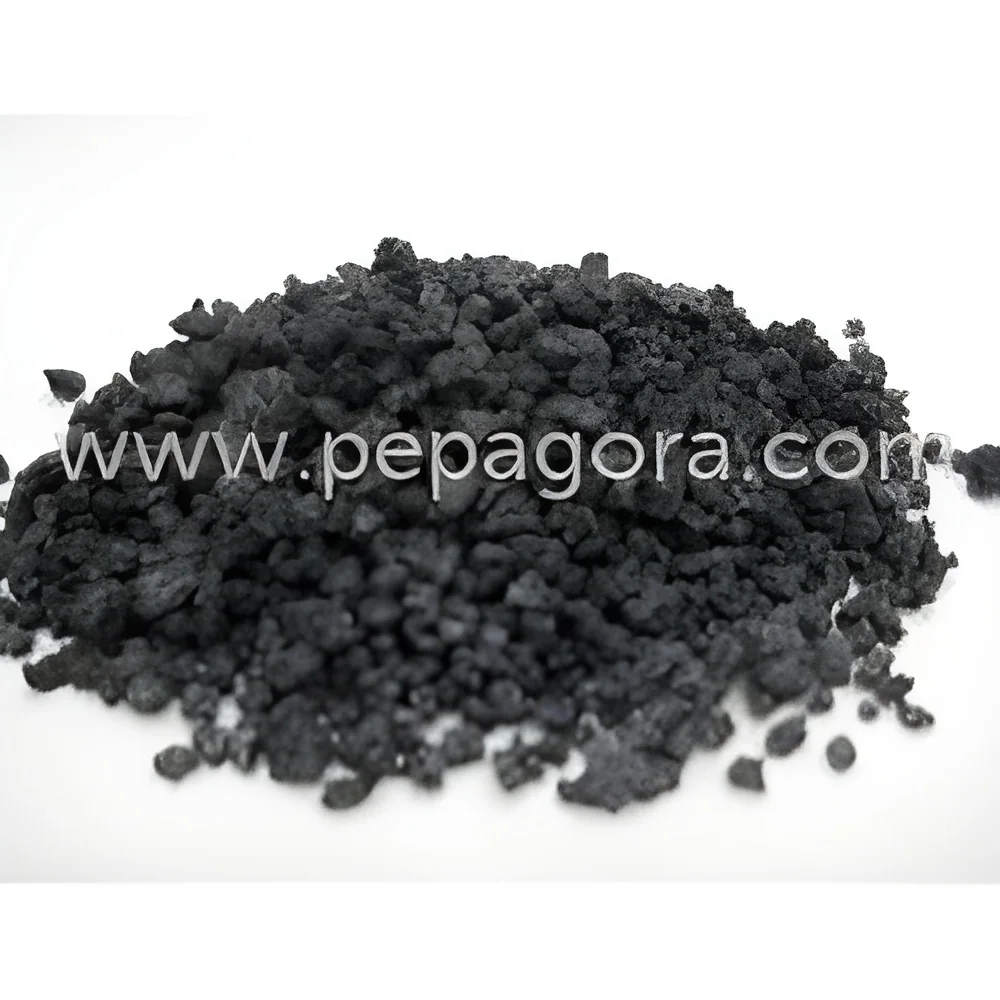
2 products available
What are Petrochemical Additives?
Petrochemical additives are specialized chemical compounds that enhance the properties of petrochemical products. These additives play a crucial role in improving the performance, stability, and quality of various petrochemical materials. They are used to modify characteristics such as viscosity, thermal stability, and resistance to degradation, thereby making the final products more effective and durable.
The primary uses of petrochemical additives span various industries, including plastics, paints, coatings, lubricants, and adhesives. In these applications, additives can enhance the processability of materials, improve compatibility with other substances, and provide specific functionalities such as anti-oxidation or flame retardation. The petrochemical industry continues to innovate with these additives, adapting to changing market needs and regulatory requirements.
In the current market context, petrochemical additives are essential for companies striving to meet high-performance standards and sustainability goals. As industries face increasing pressure to reduce environmental impact, the development of eco-friendly additives has become a focal point. This trend reflects the industry's commitment to sustainability while maintaining product efficacy.
Key Features and Specifications
Petrochemical additives are characterized by a range of features that cater to specific applications. Understanding these specifications is essential for selecting the right additives for various industrial processes.
Key specifications include:
1. Compatibility
- Ability to blend seamlessly with base materials
- Ensures uniform performance across applications
2. Thermal Stability
- Resistance to degradation at high temperatures
- Critical for applications in high-heat environments
3. Viscosity Modification
- Adjusts flow characteristics of petrochemical products
- Enhances processing and application efficiency
4. Anti-Oxidative Properties
- Prevents degradation from oxidation
- Extends product shelf life and performance
5. Flame Retardancy
- Reduces flammability of materials
- Important for safety in construction and automotive applications
6. Impact Resistance
- Improves durability and strength of materials
- Essential for products subject to mechanical stress
7. Regulatory Compliance
- Meets industry standards and safety regulations
- Ensures market acceptance and product safety
8. Eco-friendliness
- Development of biodegradable options
- Aligns with sustainability initiatives in manufacturing
These features make petrochemical additives versatile and vital in enhancing product performance across various industries.
Common Applications and Use Cases
Petrochemical additives find applications in a wide range of sectors, each benefiting from their unique properties.
1. Plastics: Used to improve the processing and durability of plastic materials, enhancing their utility in consumer goods and packaging.
2. Coatings and Paints: Additives enhance the application performance, preventing issues like settling and improving the finish quality.
3. Lubricants: These additives help in reducing friction and wear, increasing the efficiency and lifespan of machinery.
4. Adhesives: They improve bond strength and flexibility, making adhesives suitable for diverse applications in construction and manufacturing.
5. Automotive: Used in fuel formulations and engine oils to enhance performance and reduce emissions.
6. Construction: Additives improve the workability and durability of construction materials, contributing to safer building practices.
7. Textiles: Enhance the properties of synthetic fibers, improving strength and resistance to environmental factors.
Product Variants and Subcategories
The diversity of petrochemical additives allows for tailored solutions to meet specific industrial needs.
Variant 1: Performance Enhancers
These additives are designed to boost the efficacy of petrochemical products. They can enhance properties such as adhesion, flexibility, and heat resistance, making them ideal for high-performance applications.
Variant 2: Stabilizers
Stabilizers are crucial for maintaining the integrity of products throughout their lifecycle. They prevent degradation from environmental factors, ensuring longevity and reliability in end-use applications.
Variant 3: Processing Aids
These additives facilitate easier processing of petrochemical materials, improving manufacturing efficiency and product quality. They are commonly used in plastic and rubber production.
Benefits and Advantages
Sourcing petrochemical additives offers numerous advantages to businesses within the petrochemical sector.
Key benefits include:
1. Enhanced Performance: Additives improve the overall performance of products, making them more competitive in the market.
2. Cost Efficiency: By improving product quality and lifespan, additives can reduce long-term costs associated with failures and replacements.
3. Regulatory Compliance: Many additives are designed to meet or exceed industry regulations, helping businesses avoid legal issues.
4. Customization: The ability to tailor additives to specific requirements allows for greater flexibility in product development.
5. Sustainability: Eco-friendly additives contribute to greener production processes, aligning with global sustainability trends.
6. Increased Market Appeal: Products enhanced with additives can attract more customers due to improved features and performance.
Buying Guide for B2B Buyers
When sourcing petrochemical additives, several factors should be considered to ensure optimal selection and procurement.
1. Quality Assessment: Evaluate the quality of additives based on performance metrics and compliance with industry standards. Consider third-party testing results and certifications.
2. Supplier Verification: Vet suppliers to ensure they have a proven track record in the industry. Look for certifications and customer testimonials to gauge reliability.
3. Pricing and MOQ: Understand the pricing structures and minimum order quantities. Consider long-term contracts for better pricing and stability.
4. Delivery and Lead Times: Assess the logistics capabilities of suppliers, including their ability to meet deadlines and handle large orders efficiently.
5. Compliance Requirements: Ensure that additives comply with relevant regulations in the target market. This includes safety, environmental, and industry-specific standards.
Compliance and Certifications
Compliance with quality standards and regulations is critical in the petrochemical industry. Key standards include ISO 9001, which ensures consistent quality management systems, and CE certification for product safety within the European market.
Safety and testing requirements are paramount, as petrochemical additives must meet stringent guidelines to ensure they do not pose risks to health or the environment. This includes proper labeling, handling, and disposal practices.
Regional compliance considerations vary, as different countries may impose specific regulations on the use and manufacturing of petrochemical products. Understanding these regional differences is crucial for international trade and market entry.
Why Source Petrochemical Additives from Pepagora?
Pepagora provides a trusted platform for sourcing petrochemical additives, offering several key advantages that benefit B2B buyers.
Verified Supplier Network: Pepagora ensures that all suppliers in its network are thoroughly vetted for quality and reliability. This gives buyers confidence in the sourcing process and product integrity.
Streamlined RFQ Process: The platform simplifies the request for quotation process, allowing buyers to compare options quickly and efficiently. This reduces time spent on procurement and enhances decision-making.
Trade Assurance and Support: Pepagora offers trade assurance, providing protection for buyers during transactions. Support services are available to assist with any issues that may arise, ensuring a smooth purchasing experience.
Regional Coverage: With a strong presence in India, the GCC, and Southeast Asia, Pepagora caters to a broad geographic market. This extensive coverage allows buyers to access a diverse range of products and suppliers tailored to their specific needs.

Frequently Asked Questions
What are Petrochemical Additives?
Petrochemical additives are chemical compounds derived from petroleum that are used to enhance the properties of various products. They play a crucial role in improving performance, stability, and durability in applications such as plastics, coatings, and fuels.
What are the different types of Petrochemical Additives?
The different types of petrochemical additives include antioxidants, stabilizers, plasticizers, and surfactants. Each type serves a specific purpose, such as preventing degradation, improving flexibility, or enhancing the mixing of materials in industrial applications.
How do I choose the right Petrochemical Additives?
Choosing the right petrochemical additives involves understanding the specific requirements of your application and the properties needed. It is essential to consult with suppliers or manufacturers to identify the most suitable additives based on performance criteria and compatibility with other materials.
What are the standard specifications for Petrochemical Additives?
Standard specifications for petrochemical additives can vary based on their intended use and type. Common specifications include purity levels, viscosity, molecular weight, and performance characteristics, which are essential for ensuring consistency and effectiveness in applications.
What is the price range for Petrochemical Additives?
The price range for petrochemical additives can vary widely depending on the type, quality, and quantity purchased. Generally, prices can range from a few hundred to several thousand Indian Rupees per kilogram, depending on market conditions and supplier pricing.
What quality standards apply to Petrochemical Additives?
Quality standards for petrochemical additives typically include compliance with industry regulations such as ASTM, ISO, and REACH. These standards ensure that the additives meet safety, performance, and environmental criteria before they are used in manufacturing processes.
Where can I find Petrochemical Additives suppliers in India?
You can find petrochemical additives suppliers in India through online B2B marketplaces, trade shows, and industry directories. Platforms like Pepagora.com provide a comprehensive listing of manufacturers and suppliers, making it easier to connect and source products.
Can Petrochemical Additives be customized?
Yes, petrochemical additives can often be customized to meet specific performance requirements or formulations. Many manufacturers offer tailored solutions, allowing customers to specify particular characteristics such as viscosity, stability, and compatibility with other materials.
What is the typical minimum order quantity for Petrochemical Additives?
The typical minimum order quantity (MOQ) for petrochemical additives can vary by supplier and product type. Generally, MOQs can range from 100 kg to 1000 kg, depending on the manufacturer's policies and the specific additives being ordered.
What is the typical lead time for Petrochemical Additives?
The typical lead time for petrochemical additives varies based on the supplier and order size, but it generally ranges from 1 to 4 weeks. Factors such as customization requests and availability of stock can also influence delivery times.
Why Businesses Trust Pepagora
Thousands of companies trust Pepagora to source smarter and sell faster
Expand Your Sales Globally

Source Smarter,Grow Faster
