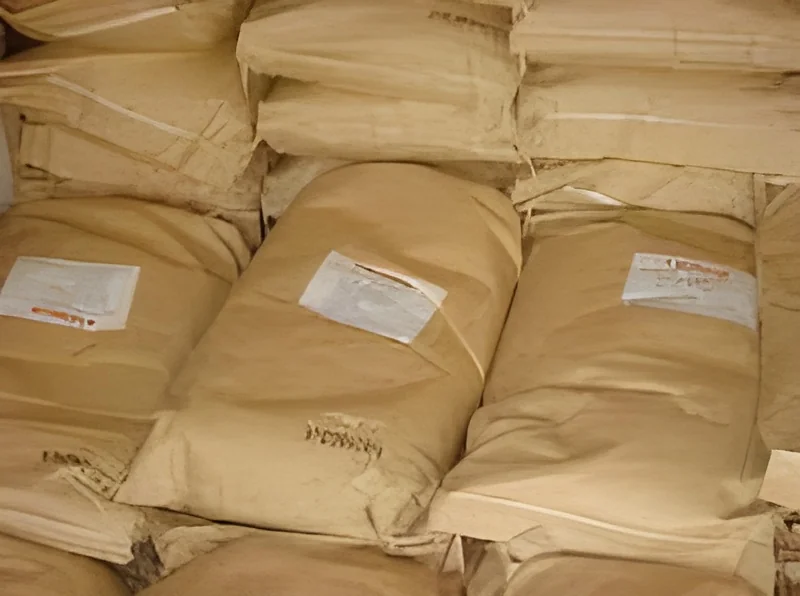
What are Formaldehyde?
Formaldehyde is a colorless, strong-smelling gas that is commonly used in various industrial applications. It is a simple aldehyde with the chemical formula CH2O. As a versatile chemical, formaldehyde can exist in both gaseous and aqueous forms. In its liquid state, it is often found as formalin, a solution containing 37% formaldehyde in water.
The primary uses of formaldehyde span multiple industries, including construction, manufacturing, and healthcare. In construction, it is a vital component in the production of resins and adhesives. In the healthcare sector, it is used for tissue preservation and as a disinfectant. Additionally, formaldehyde is used in the production of various consumer products, such as furniture, textiles, and insulation materials. Its widespread applications underscore its importance in the industrial landscape.
As a key chemical in many manufacturing processes, formaldehyde plays a significant role in the global market. Its demand is influenced by trends in construction and consumer goods production. The regulatory environment surrounding formaldehyde, particularly concerning health and safety standards, also shapes its market dynamics.
Key Features and Specifications
Formaldehyde offers several critical features that are essential for various industrial applications. Understanding its specifications can help businesses select the right type for their needs.
Key specifications include:
1. Chemical Composition
- Formaldehyde is composed of one carbon atom, two hydrogen atoms, and one oxygen atom.
- Its chemical formula is CH2O.
2. State of Matter
- Available as both a gas and a liquid (formalin).
- Liquid form typically contains 37% formaldehyde in water.
3. Purity Levels
- Varies based on industrial requirements, with common purities ranging from 37% to 50%.
- High-purity options are available for specialized applications.
4. Melting Point
- Formaldehyde has a melting point of approximately -80 degrees Celsius.
- This property is relevant for storage and handling.
5. Boiling Point
- The boiling point of formaldehyde is about 19.5 degrees Celsius.
- This characteristic is important for applications involving heat.
6. Solubility
- Highly soluble in water and various organic solvents.
- Its solubility makes it versatile for different formulations.
7. Stability
- Formaldehyde is stable under normal conditions but can polymerize when exposed to heat or light.
- Proper storage is necessary to maintain its effectiveness.
8. Reactivity
- Reacts with a variety of compounds, making it useful in chemical synthesis.
- Careful handling is required due to its reactive nature.
In summary, understanding these specifications is vital for businesses looking to utilize formaldehyde effectively in their operations.
Common Applications and Use Cases
Formaldehyde serves various industries due to its versatile properties and applications.
1. Construction: Formaldehyde is widely used in the production of adhesives and composite wood products like plywood and particleboard. Its strong bonding capabilities make it essential in the construction sector.
2. Healthcare: In the medical field, formaldehyde is primarily used for tissue preservation and as a disinfectant. It plays a crucial role in laboratory settings and the manufacturing of medical equipment.
3. Automotive: Formaldehyde is used in the production of certain automotive parts and materials, where its strong adhesive properties enhance durability and performance.
4. Textiles: In the textile industry, formaldehyde is used in the finishing processes to improve fabric durability and reduce wrinkling. This application is common in clothing and home textiles.
5. Furniture: Many furniture items are manufactured using formaldehyde-based adhesives and resins, which help create sturdy and long-lasting products.
6. Agriculture: Formaldehyde is also utilized in agricultural products as a preservative and fungicide, contributing to crop protection and storage.
7. Cosmetics: Certain cosmetic formulations may include formaldehyde as a preservative, ensuring product stability and safety during use.
Product Variants and Subcategories
Formaldehyde is available in various forms to meet specific industrial needs.
Formalin: This is the most common form of formaldehyde, typically consisting of 37% formaldehyde in water. It is widely used in laboratories and medical facilities for tissue preservation and disinfection.
Urea-Formaldehyde Resin: This variant is used extensively in the production of furniture and wood products. It offers excellent bonding properties and is essential for creating composite materials.
Phenol-Formaldehyde Resin: This type is commonly used in high-performance applications, including automotive parts and electrical insulation. It provides superior heat resistance and durability.
Benefits and Advantages
Formaldehyde offers several benefits that make it a valuable chemical for industrial applications.
Key benefits include:
1. Versatility: Formaldehyde can be used in a wide range of processes across multiple industries, making it a versatile choice for manufacturers.
2. Strong Bonding: Its adhesive properties provide excellent bonding strength, which is critical in construction and manufacturing applications.
3. Cost-Effectiveness: Formaldehyde is generally less expensive than other adhesive options, offering businesses a cost-efficient solution.
4. Stability: When stored correctly, formaldehyde remains stable, ensuring consistent performance in various applications.
5. Regulatory Compliance: Many formaldehyde products are compliant with industry regulations, making them suitable for use in sensitive environments.
6. Customization: Formaldehyde can be formulated to meet specific industry requirements, allowing for tailored solutions.
Buying Guide for B2B Buyers
When sourcing formaldehyde, several factors should be considered to ensure the right selection.
1. Quality Assessment: Evaluate the purity and stability of formaldehyde. High-quality products will ensure better performance in applications.
2. Supplier Verification: Vet potential suppliers for their reliability and reputation in the market. Look for certifications and customer reviews.
3. Pricing and MOQ: Understand the pricing structures and minimum order quantities (MOQ) from suppliers to ensure they align with your budget and needs.
4. Delivery and Lead Times: Discuss logistics with suppliers to determine lead times for delivery. Timely availability is crucial for maintaining production schedules.
5. Compliance Requirements: Ensure that the formaldehyde products meet relevant regulatory standards for safety and environmental impact.
Compliance and Certifications
Formaldehyde is subject to various quality standards and certifications that ensure its safe use in industrial applications.
ISO 9001: This standard ensures that manufacturers adhere to quality management principles, promoting consistent quality in formaldehyde production.
CE Certification: Products containing formaldehyde may require CE marking to indicate compliance with European health, safety, and environmental protection standards.
Safety Testing: Formaldehyde products must undergo rigorous safety testing to assess their impact on health and the environment. This includes assessments for toxicity and potential exposure risks.
Regional Compliance: Different regions may have specific regulations governing the use of formaldehyde, especially concerning emissions and exposure levels. It is essential to stay informed about local laws to ensure compliance.
Why Source Formaldehyde from Pepagora?
Pepagora provides a trusted platform for sourcing formaldehyde, offering several key advantages for B2B buyers.
Verified Supplier Network: Pepagora connects buyers with a network of verified suppliers. This ensures that businesses can source high-quality formaldehyde from reliable manufacturers.
Streamlined RFQ Process: The quotation system on Pepagora allows buyers to request quotes easily from multiple suppliers. This competitive approach helps businesses find the best prices and terms.
Trade Assurance and Support: Buyers benefit from trade assurance, which protects their purchases and offers support throughout the sourcing process. This builds trust and confidence in transactions.
Regional Coverage: Pepagora has a broad geographic reach, covering regions such as India, the GCC, and Southeast Asia. This allows buyers to find suppliers that are conveniently located for their needs.
In conclusion, Pepagora serves as an invaluable resource for businesses looking to procure formaldehyde efficiently and effectively.

 IN
IN