
 IN
Panel Meters (Digital, Analog)
35 products available
Key Features and Specifications
Panel meters come equipped with several key features that enhance their functionality. Understanding these specifications is essential for selecting the right device for specific applications.
Key specifications include:
1. Display Type
- Digital or analog display options available
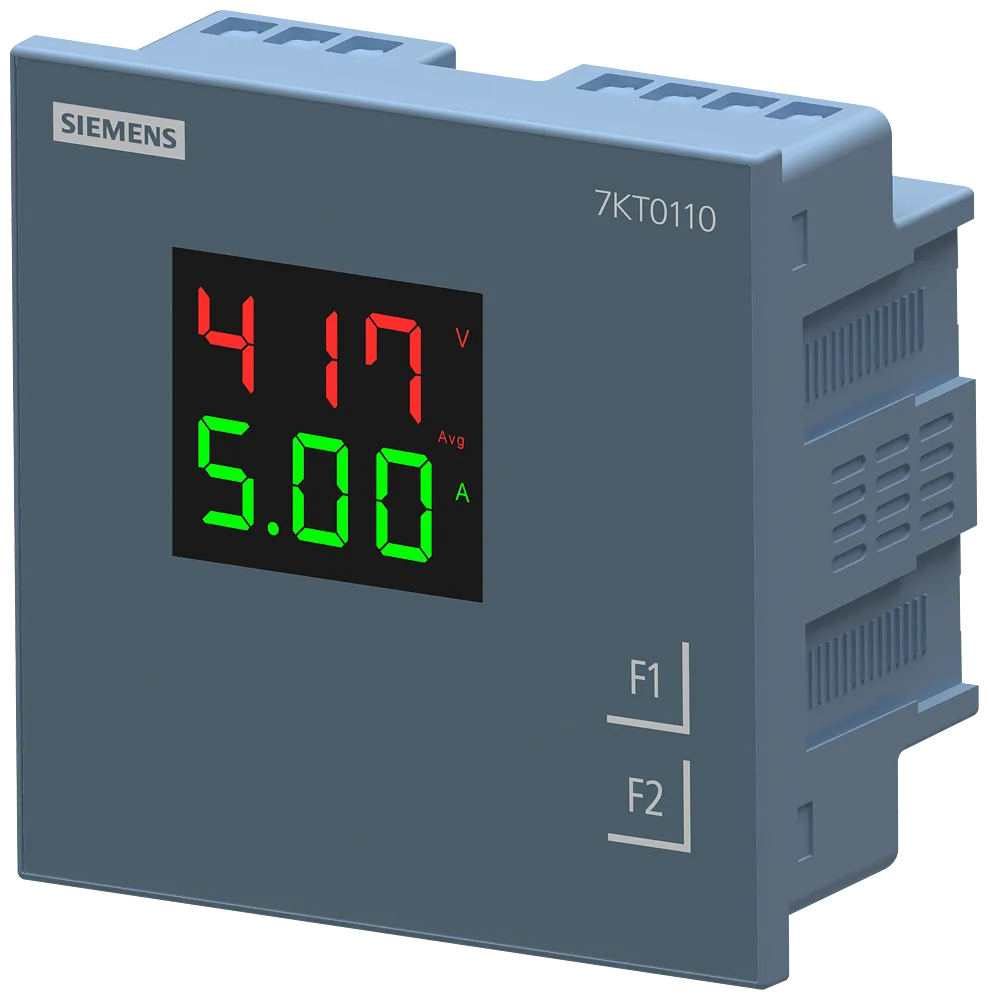
- Digital displays often feature LED or LCD screens for clear visibility
2. Measurement Range
- Various ranges depending on the specific parameter being measured
- Common ranges include low voltage (0-10V), high voltage (0-600V), and current (0-10A)
3. Accuracy
- Precision of measurement typically expressed as a percentage
- Higher accuracy rates are vital for critical applications
4. Input Type
- Supports different input types such as AC, DC, and thermocouples
- Selection depends on the measurement needs of the application
5. Environmental Ratings
- Designed to operate under various environmental conditions
- Ratings may include temperature and humidity tolerance
6. Power Supply
- Operates on different power sources, including battery or mains
- Power requirements vary based on meter design
7. Mounting Options
- Available in panel mount or portable designs
- Choice depends on installation and user needs
8. Communication Protocols
- Some models offer communication features for data logging and integration with other systems
- Common protocols include RS-232, RS-485, and Modbus
In summary, the features and specifications of panel meters are diverse and tailored to meet the demands of various applications. Buyers should consider these aspects closely to ensure they select the most suitable device for their operational needs.
Common Applications and Use Cases
Panel meters are utilized across a wide range of industries, making them versatile tools in monitoring and control systems.
1. Manufacturing: In manufacturing, panel meters are used to monitor equipment performance and ensure optimal operation. They help in tracking energy consumption and process parameters.
2. Energy Management: Utilities employ panel meters to measure electrical consumption and monitor grid performance. This aids in efficient energy distribution and management.
3. Automotive: In the automotive industry, panel meters are critical for testing and monitoring vehicle electrical systems during production and maintenance.
4. Pharmaceuticals: Panel meters are used in pharmaceutical manufacturing to ensure compliance with strict regulations by monitoring critical process parameters.
5. Food Processing: In food processing facilities, panel meters help monitor temperatures and other variables to maintain product quality and safety.
6. HVAC Systems: Panel meters are integral in heating, ventilation, and air conditioning systems to monitor operational parameters and improve energy efficiency.
7. Laboratory Settings: In laboratories, panel meters are used for precise measurements in experiments and research applications.
Product Variants and Subcategories
Panel meters come in various configurations to cater to different measurement needs. This diversity allows businesses to select the most appropriate device for their specific applications.
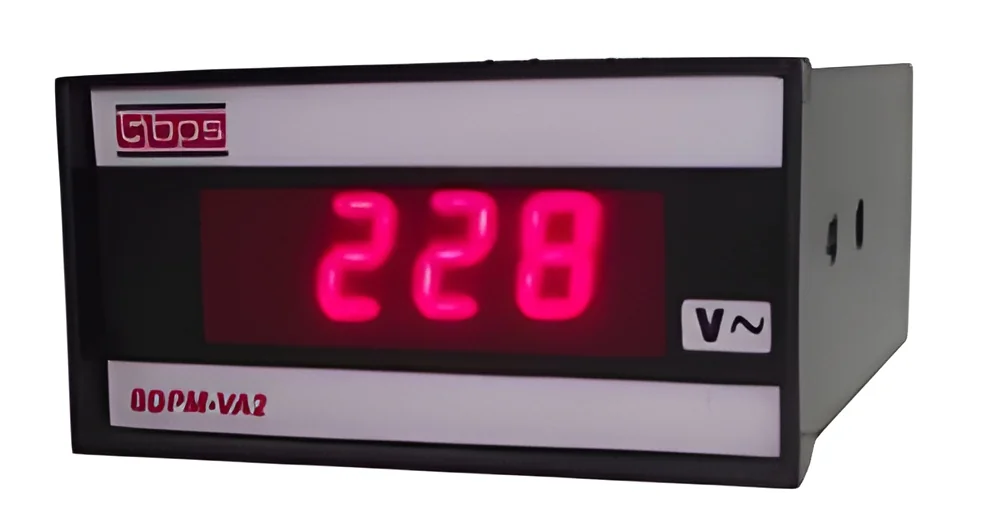
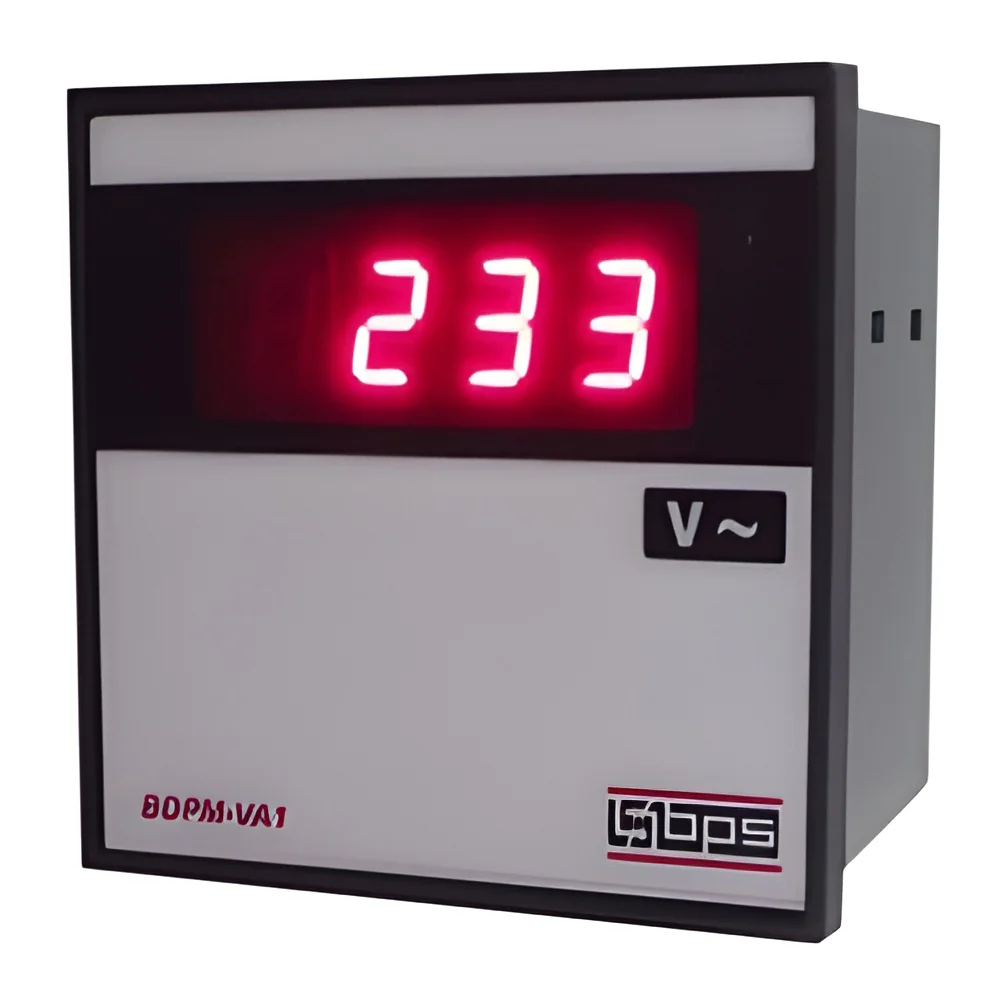
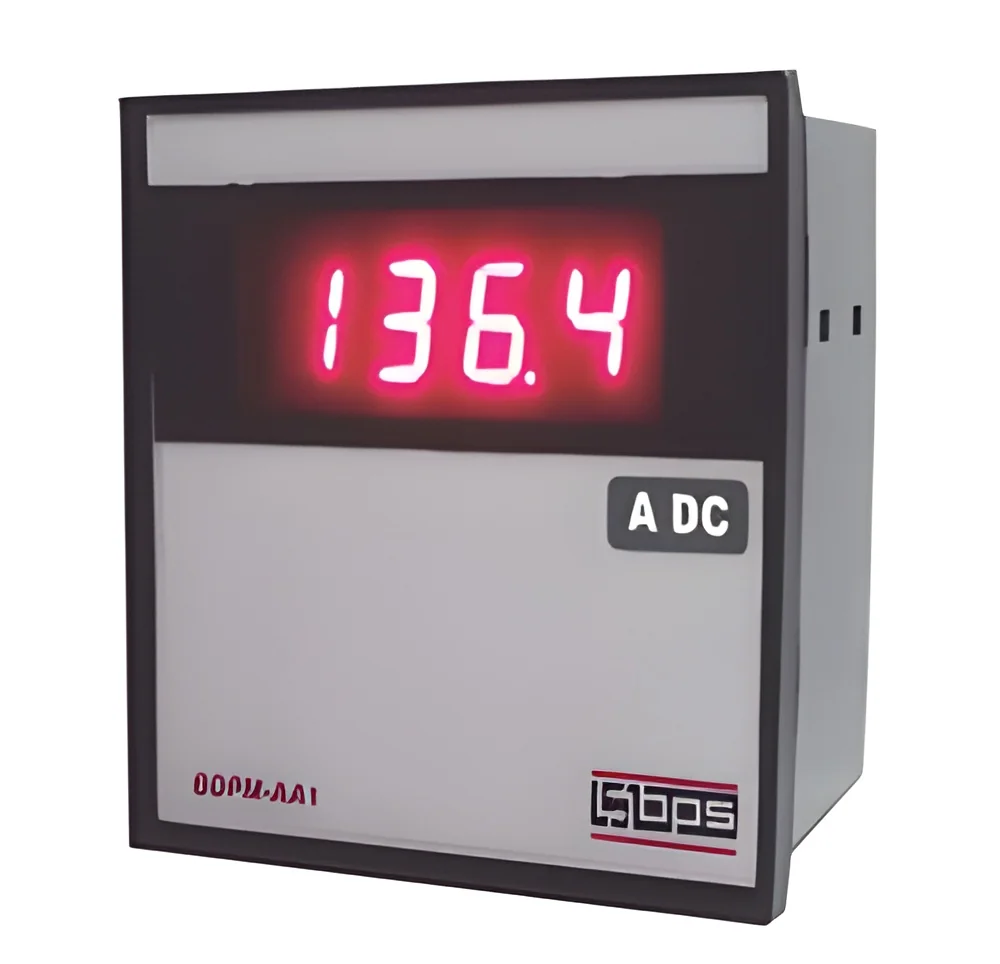
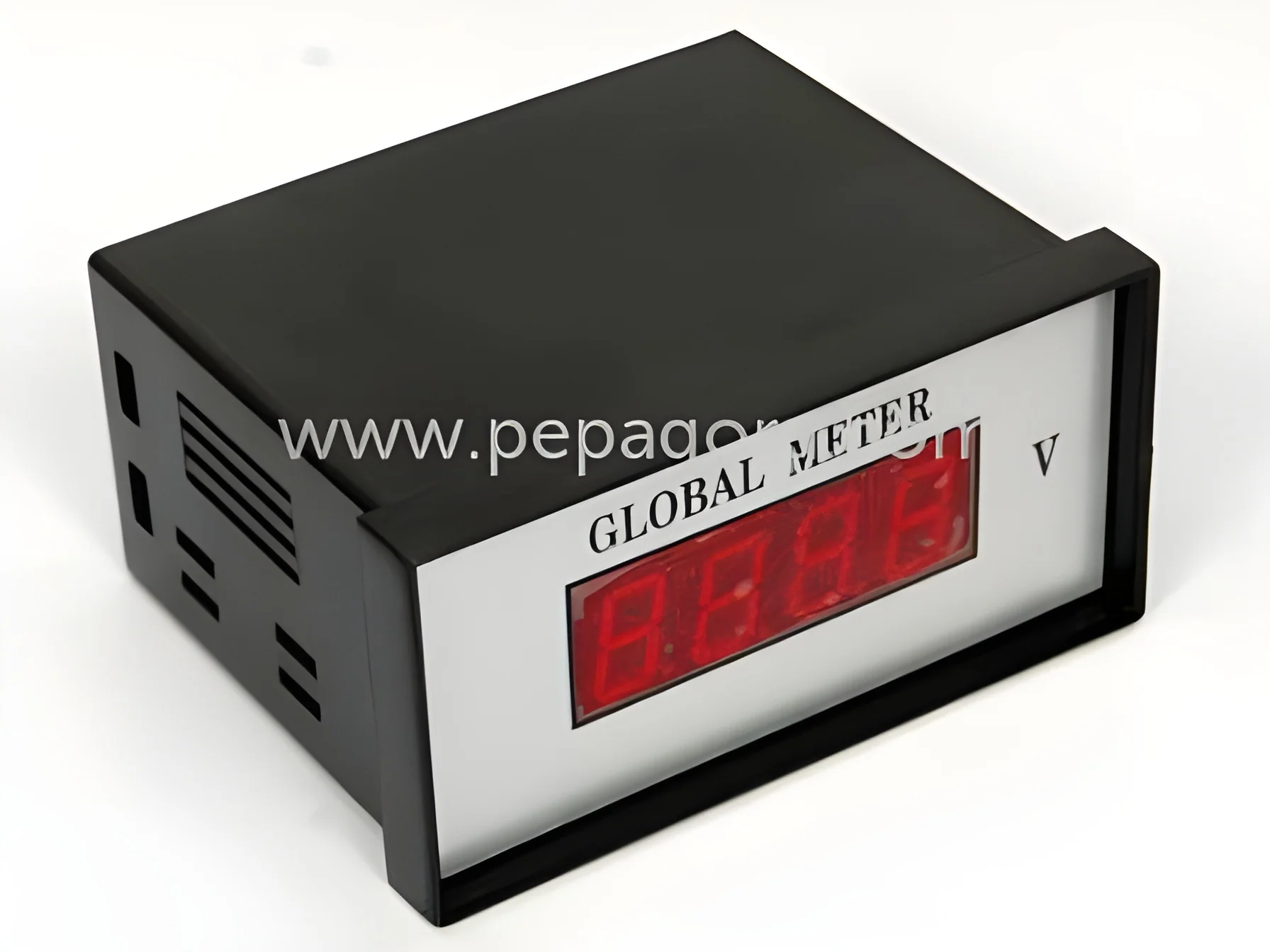
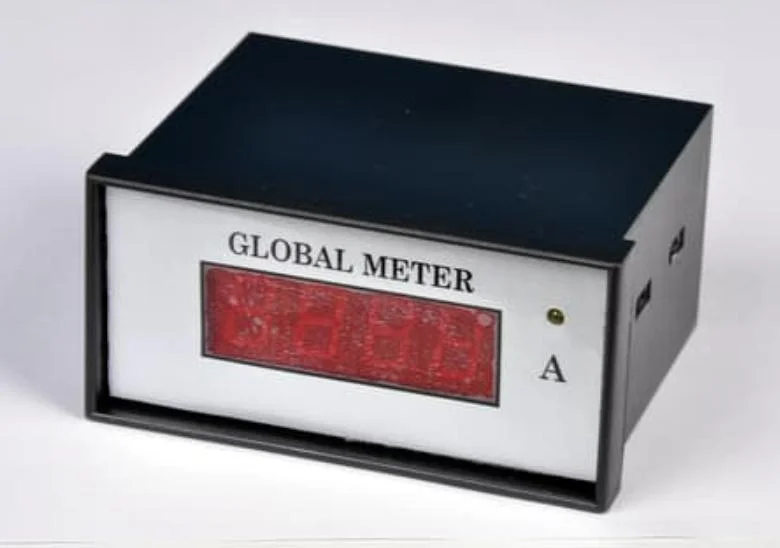
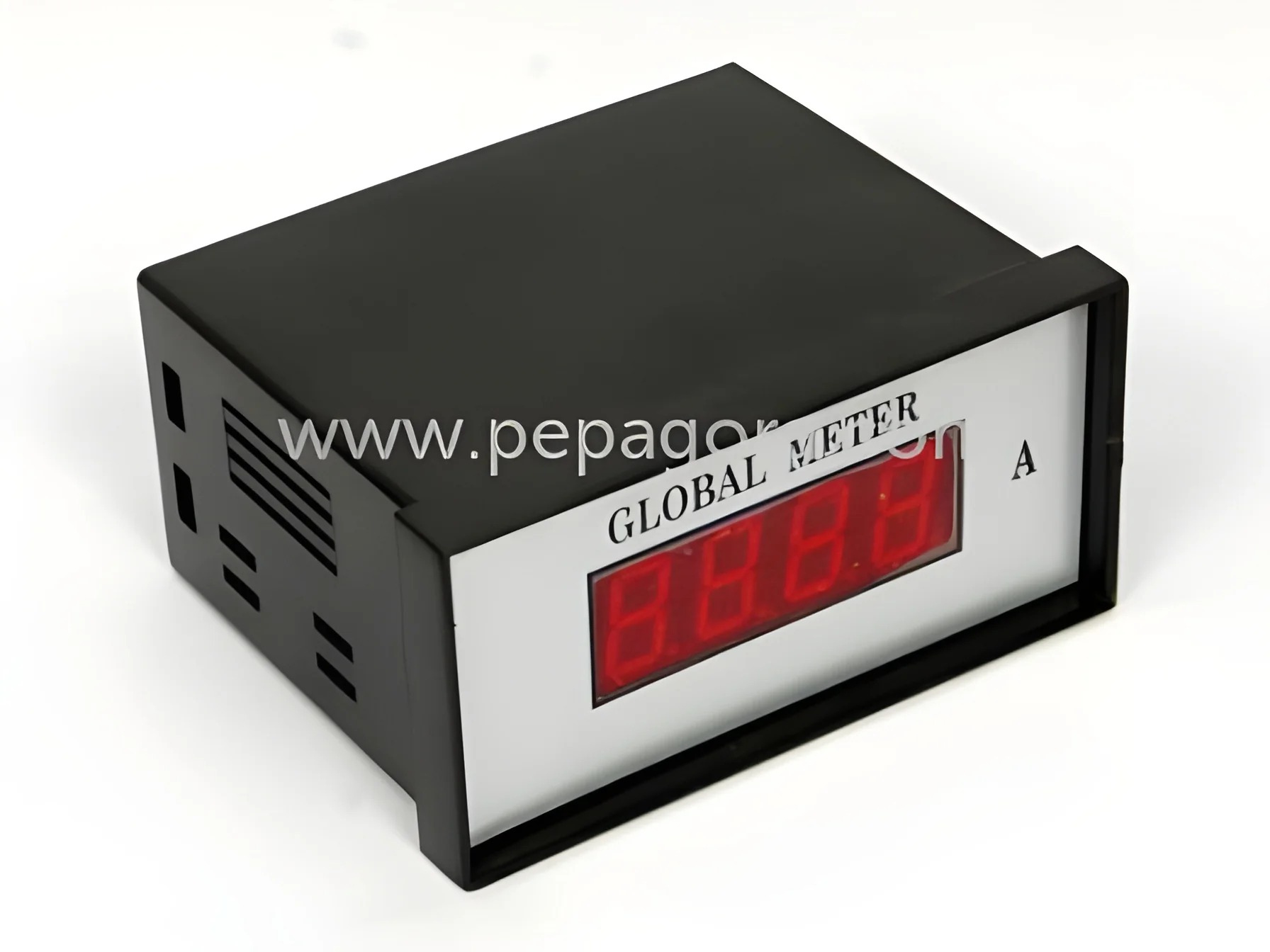
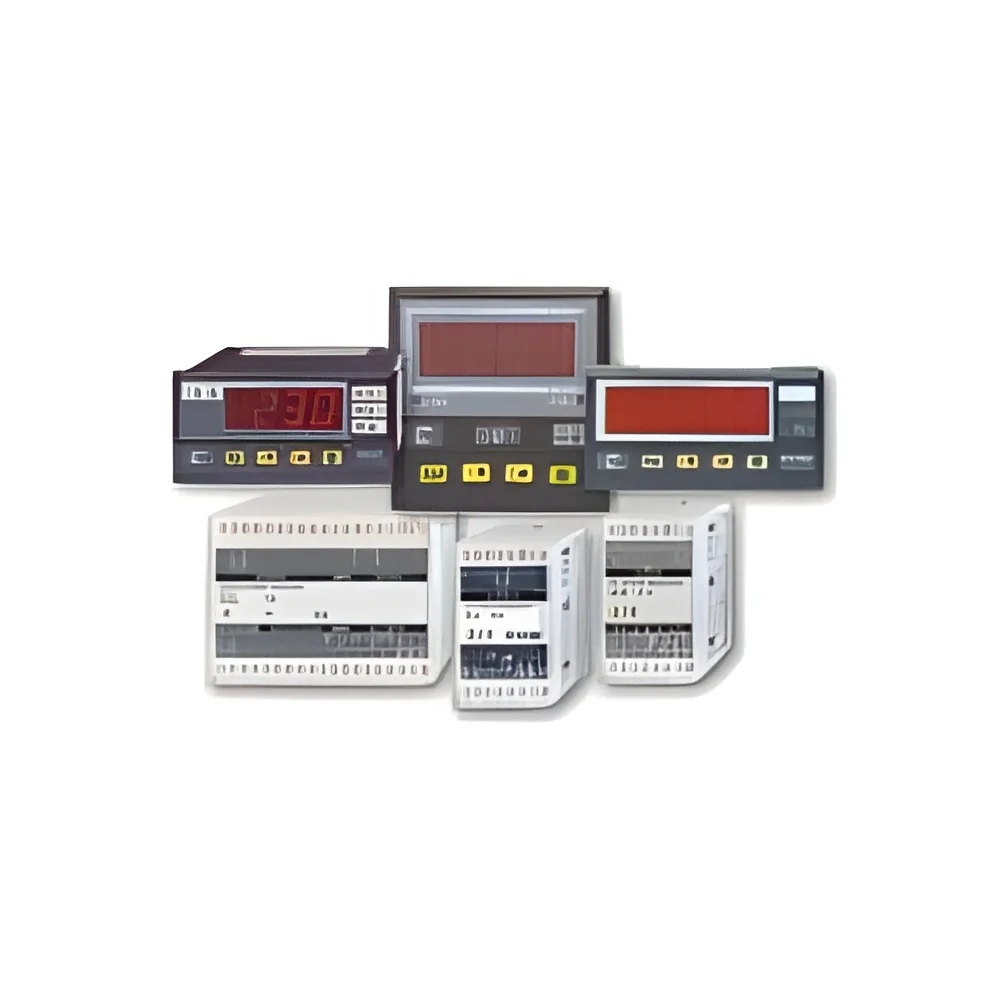
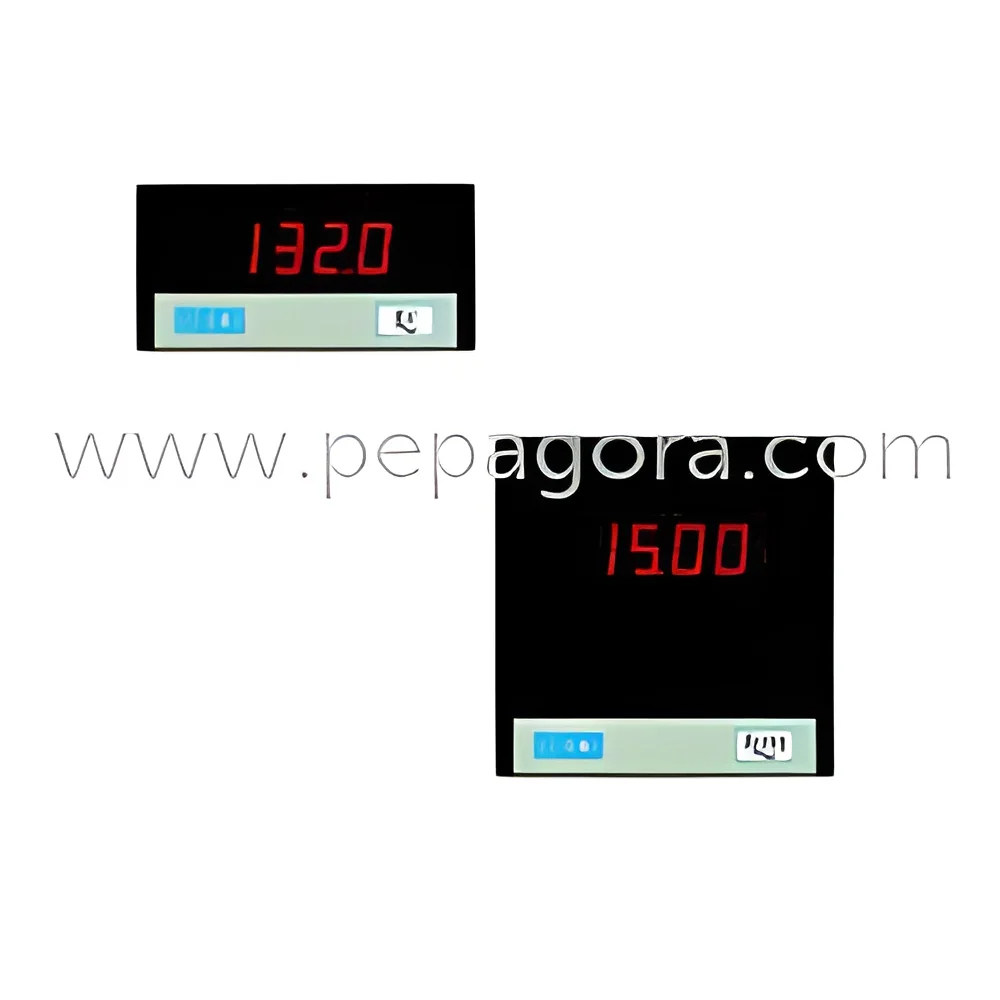
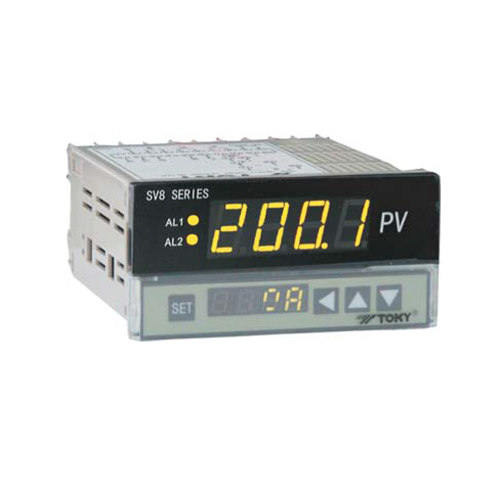
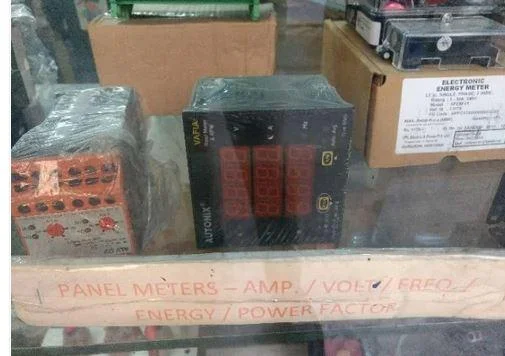
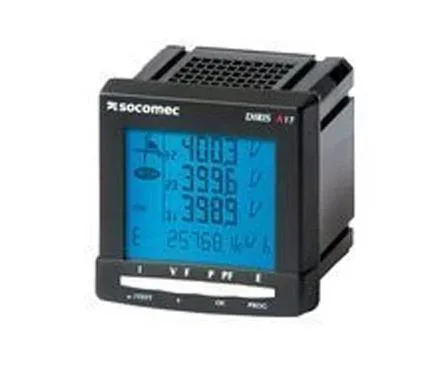
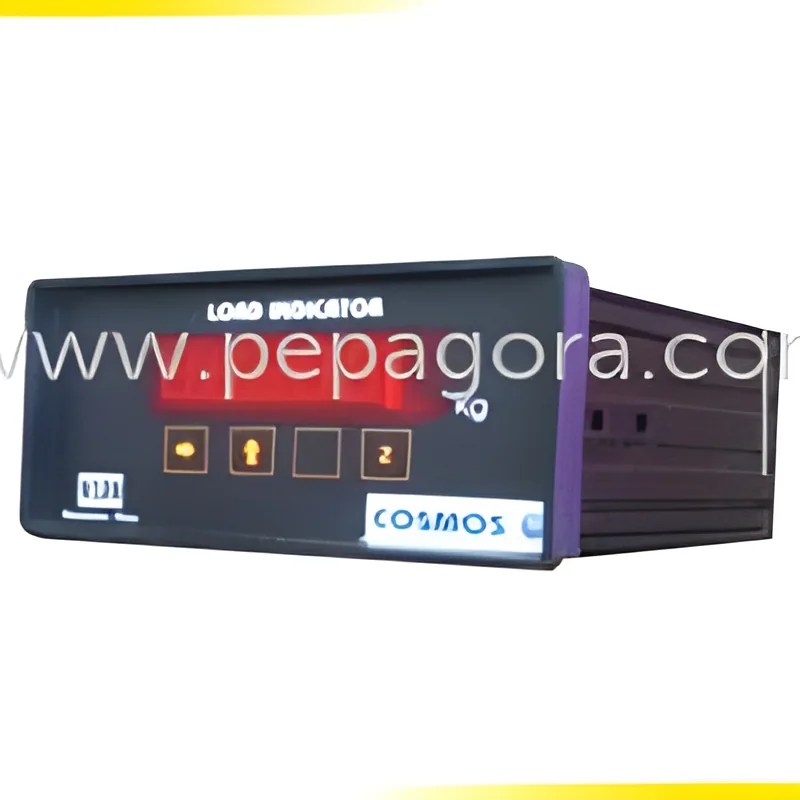
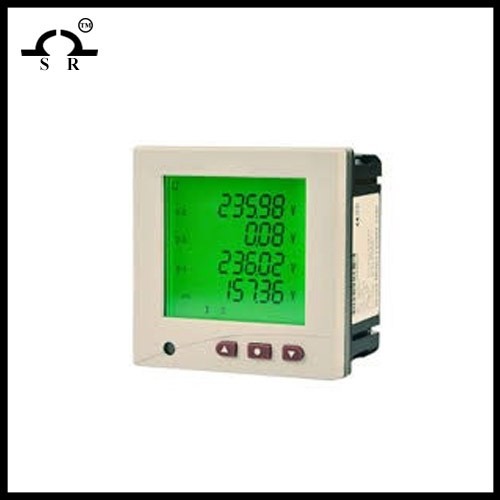
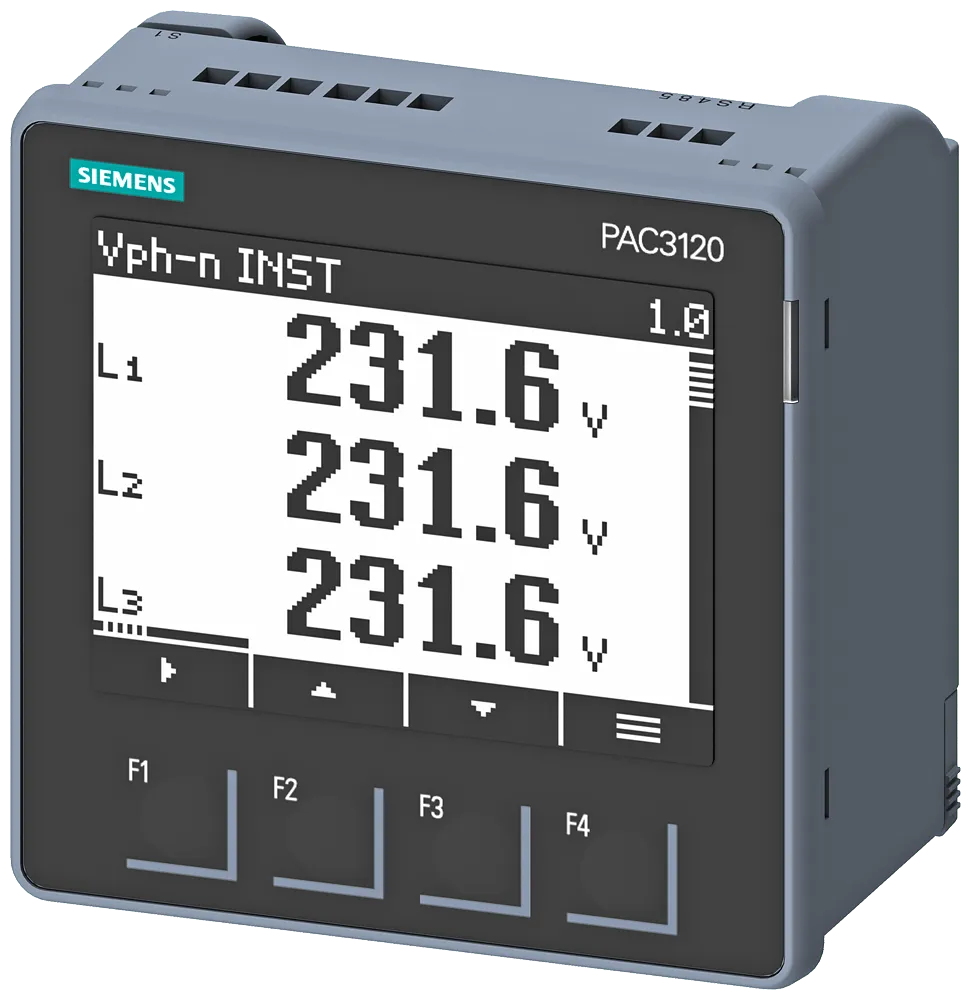
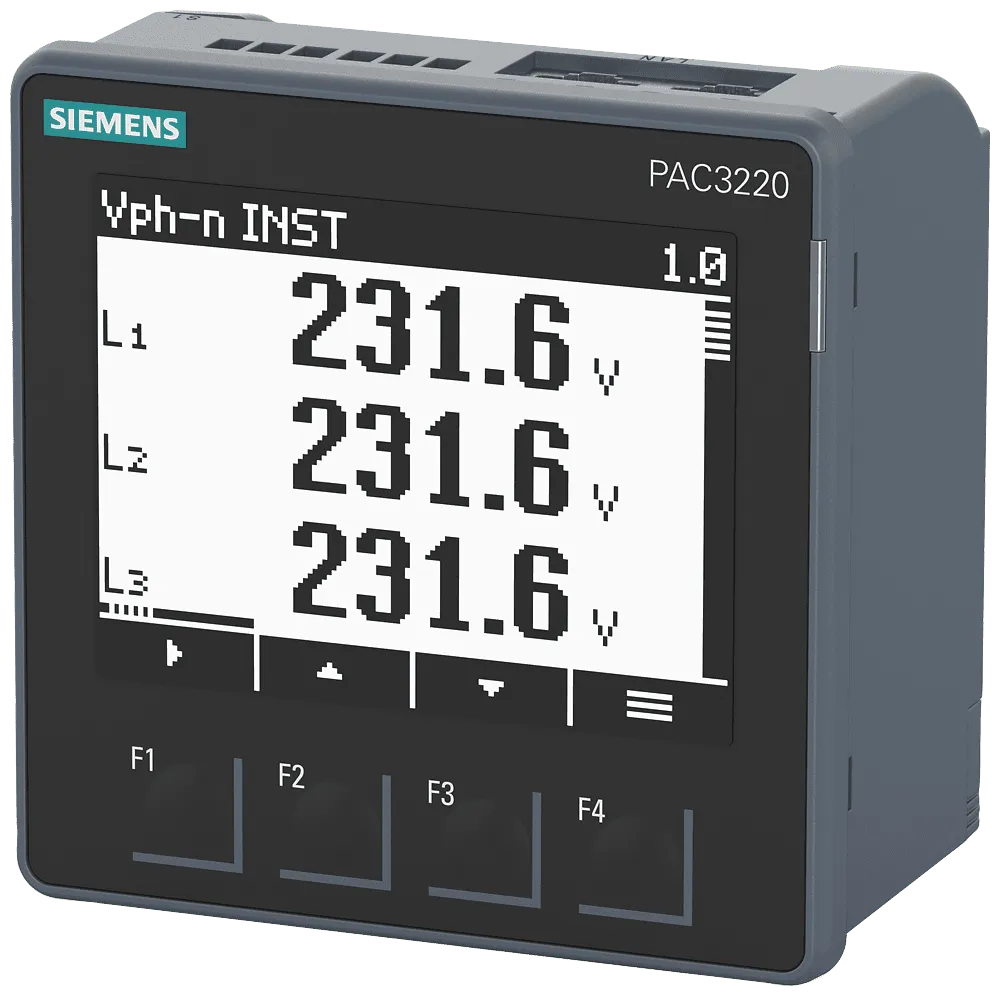
Digital Panel Meters: These meters offer high visibility with their numeric displays. They are commonly used in applications requiring precise readings of voltage and current. Features often include data logging capabilities and multiple input options.
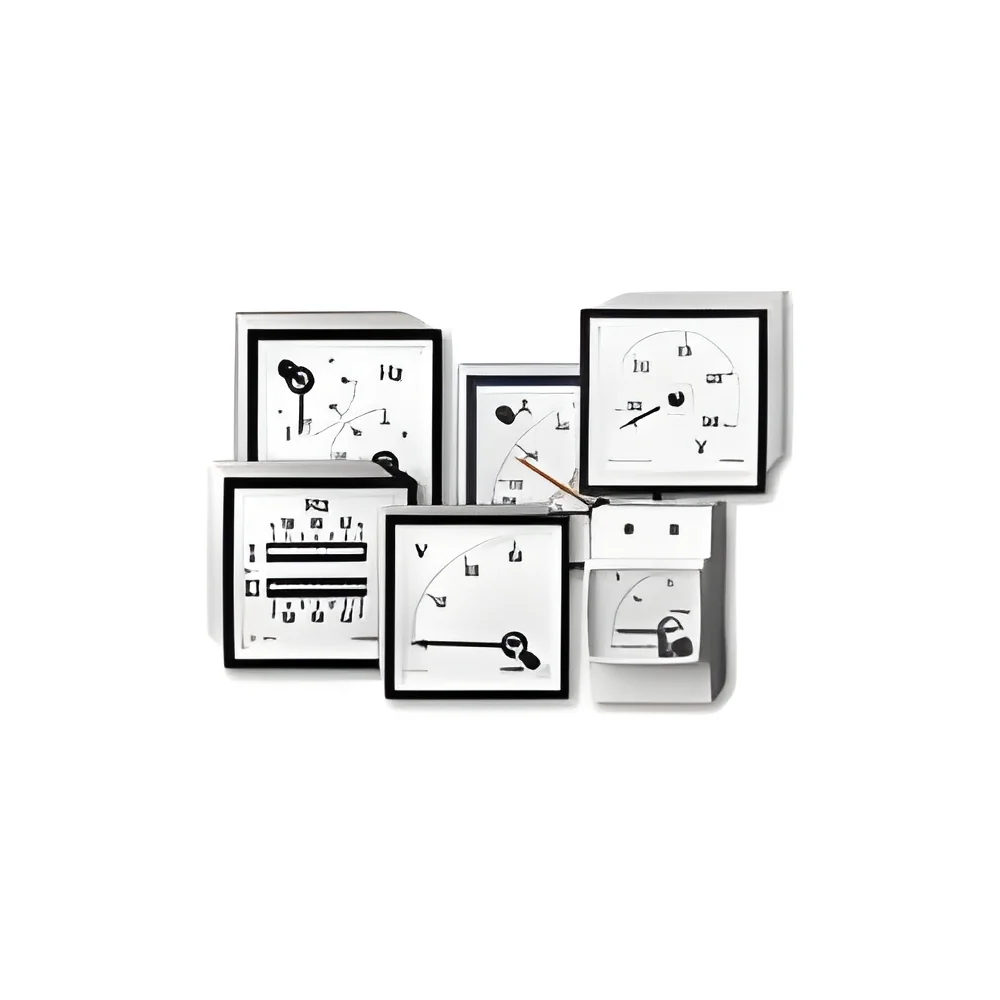
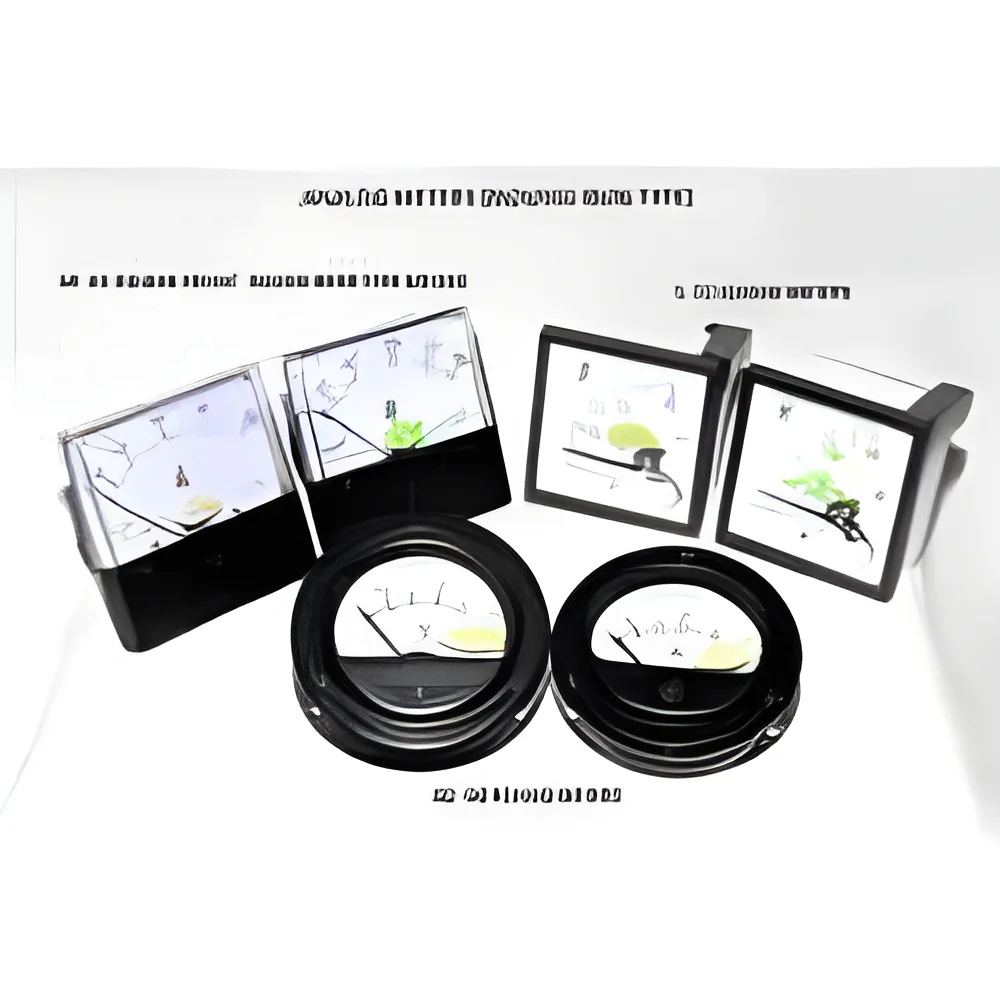
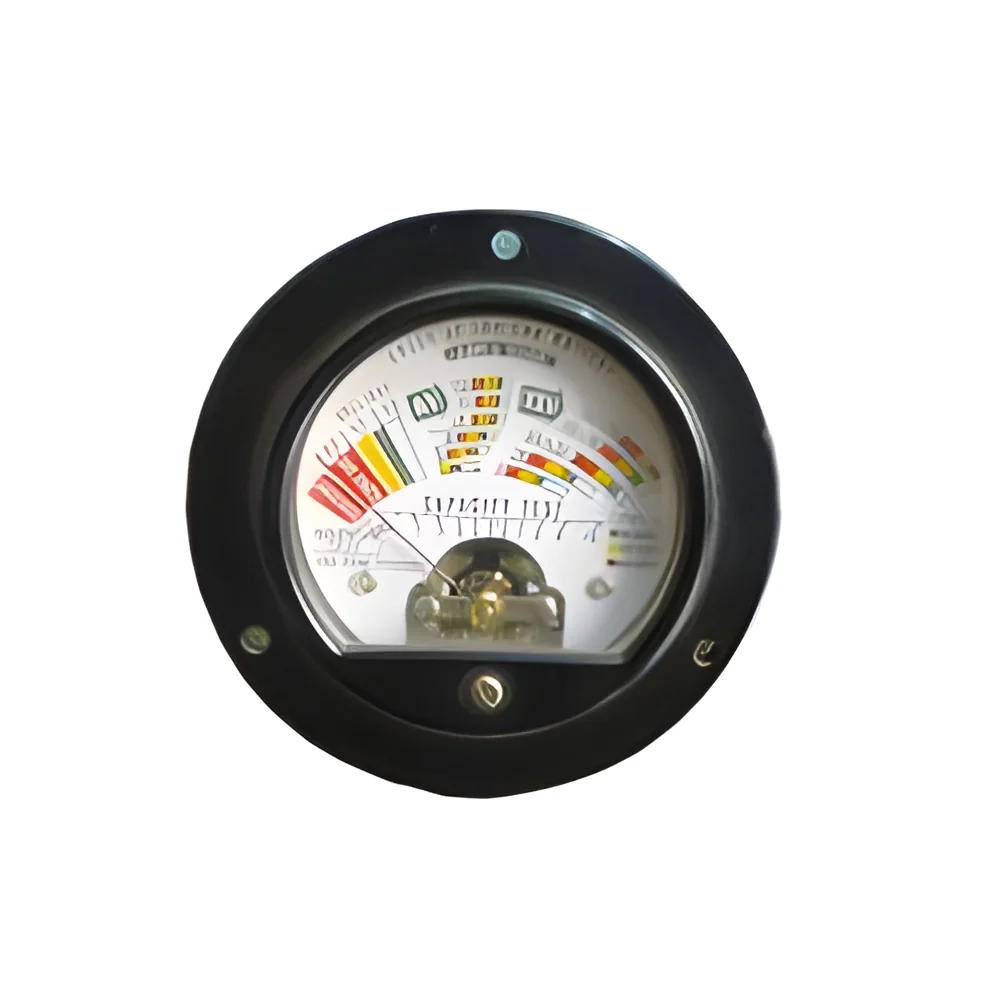
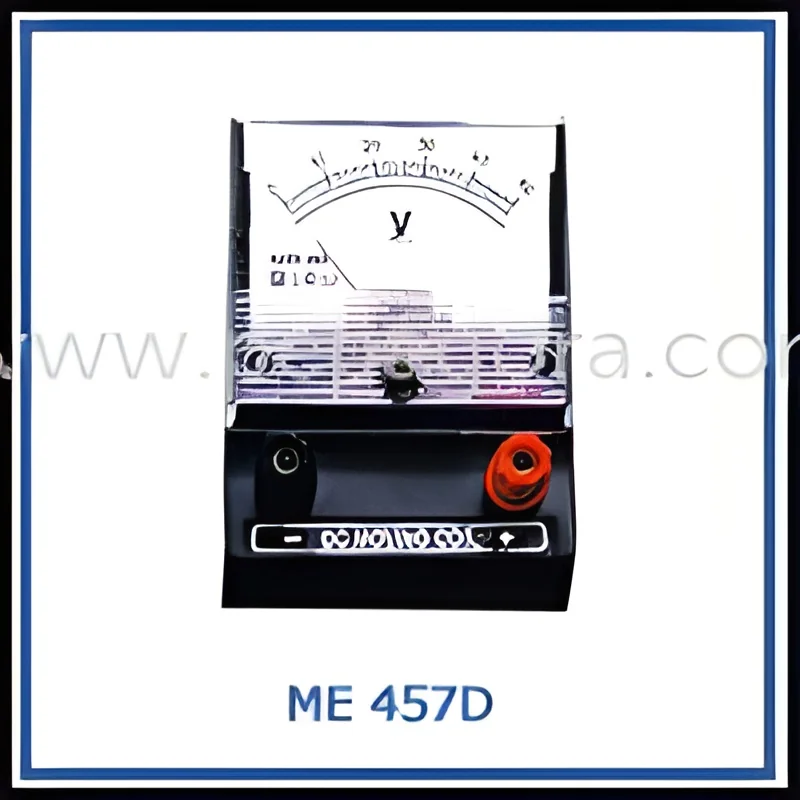
Analog Panel Meters: Utilizing a needle and dial system, analog panel meters are ideal for applications where visual interpretation is necessary. They are often favored in environments where quick assessments of trends and changes in parameters are required.
Benefits and Advantages
Panel meters provide several advantages that enhance their appeal in industrial settings.
1. Enhanced Accuracy: Panel meters offer precise measurements, ensuring reliability in data readings. This is crucial in applications where accuracy affects operational efficiency.
2. Real-Time Monitoring: These devices allow for real-time data visualization, enabling immediate response to changing conditions. This can help prevent equipment failures and optimize performance.
3. Versatile Applications: Panel meters are suitable for various industries, making them a flexible solution for measurement needs. Their adaptability allows companies to use them across different operational areas.
4. User-Friendly Interfaces: Many panel meters feature intuitive interfaces, making them easy to operate and reducing the training time for staff. This contributes to overall workplace efficiency.
5. Cost-Effective Solutions: The long lifespan and durability of panel meters provide a cost-effective investment for businesses. Their reliability leads to lower maintenance costs over time.
6. Compliance Support: Panel meters can assist in meeting regulatory compliance requirements by providing accurate data necessary for audits and reporting.
Buying Guide for B2B Buyers
When sourcing panel meters, companies should consider several important factors to ensure they are selecting the right product.
1. Quality Assessment: Evaluate the quality of panel meters by reviewing manufacturer certifications and product reviews. High-quality meters ensure reliable performance and longevity.
2. Supplier Verification: Conduct thorough vetting of suppliers to ensure they are reputable and provide high-quality products. This can include checking references and previous customer experiences.
3. Pricing and MOQ: Understand the pricing structure and minimum order quantities (MOQ) that suppliers offer. This helps in budgeting and aligns with procurement policies.
4. Delivery and Lead Times: Inquire about delivery options and lead times to ensure that products arrive promptly. Timely delivery is crucial for maintaining operational efficiency.
5. Compliance Requirements: Review any regulatory compliance requirements that may apply to the specific application or industry. This ensures that the selected panel meters meet necessary standards.
Compliance and Certifications
Panel meters must adhere to various quality standards and certifications to ensure their reliability and safety in industrial applications.
Relevant quality standards include ISO 9001, which emphasizes a quality management system that promotes continuous improvement and customer satisfaction. Adherence to such standards indicates that the manufacturer maintains rigorous quality control processes.
Industry certifications, such as CE marking, signify compliance with European Union safety, health, and environmental protection standards. This certification is essential for products sold within the EU market, ensuring they meet the required safety criteria.
Safety and testing requirements also play a significant role in the manufacturing of panel meters. Products must undergo rigorous testing to ensure they operate safely under specified conditions.
Regional compliance considerations are vital, as different regions may have unique regulatory requirements. Manufacturers must stay informed about these regulations to ensure their products are compliant across various markets.
Why Source Panel Meters (Digital, Analog) from Pepagora?
Pepagora serves as a trusted platform for sourcing panel meters, offering several key advantages to buyers.
Verified Supplier Network: Pepagora connects buyers with a network of verified suppliers, ensuring that they receive high-quality products from reputable manufacturers. This verification process mitigates risks associated with sourcing.
Streamlined RFQ Process: The request for quotation (RFQ) system simplifies the procurement process. Buyers can easily request quotes, compare options, and make informed purchasing decisions based on detailed proposals from multiple suppliers.
Trade Assurance and Support: Pepagora provides trade assurance and support to protect buyers throughout the procurement process. This includes assistance with negotiations and ensuring that agreements are honored.
Regional Coverage: With a focus on markets in India, the Gulf Cooperation Council (GCC), and Southeast Asia, Pepagora offers extensive regional coverage. This allows buyers to tap into local suppliers while benefiting from a broader market reach.
Overall, Pepagora enhances the sourcing experience for panel meters, enabling businesses to find the right products efficiently and confidently.


 India
 India
 India
 India
 India

 India
 India

 India
 India
 India

 India
Frequently Asked Questions
What are Panel Meters (Digital, Analog)?
Panel Meters are instruments used to measure and display electrical or mechanical parameters such as voltage, current, and frequency in a visual format. They can be categorized into digital and analog types, where digital meters display measurements in numeric form, while analog meters use a needle and scale.
What are the different types of Panel Meters (Digital, Analog)?
The main types of Panel Meters include digital panel meters, which provide clear numeric displays, and analog panel meters, which use a moving needle on a dial. Additionally, specialized types include voltmeters, ammeters, wattmeters, and frequency meters, each designed for specific measurement purposes.
How do I choose the right Panel Meters (Digital, Analog)?
Choosing the right Panel Meters involves considering factors such as the measurement parameters required, the accuracy and resolution needed, and the environment in which they will be used. It's also important to evaluate the display type, ease of installation, and compatibility with existing systems.
What are the standard specifications for Panel Meters (Digital, Analog)?
Standard specifications for Panel Meters typically include measurement range, accuracy (% of reading), resolution, and input impedance. Additionally, environmental ratings such as temperature range, humidity, and IP protection ratings are also important specifications to consider.
What is the price range for Panel Meters (Digital, Analog)?
The price range for Panel Meters can vary significantly based on type, features, and manufacturer. Generally, basic analog meters may start from a few hundred Indian Rupees, while advanced digital meters with additional functionalities can range from several thousand to tens of thousands of Rupees.
What quality standards apply to Panel Meters (Digital, Analog)?
Panel Meters are often subject to quality standards such as ISO 9001 for manufacturing processes and specific electrical safety standards like IEC and UL. Compliance with these standards ensures reliability, accuracy, and safety in operation.
Where can I find Panel Meters (Digital, Analog) suppliers in India?
You can find Panel Meters suppliers in India through online B2B marketplaces like Pepagora, where manufacturers and distributors list their products. Additionally, trade shows and industry directories can also provide valuable contacts for sourcing meters.
Can Panel Meters (Digital, Analog) be customized?
Yes, many manufacturers offer customization options for Panel Meters to meet specific requirements. Customizations may include display formats, housing designs, and additional functionalities tailored to the user's needs.
What is the typical minimum order quantity for Panel Meters (Digital, Analog)?
The typical minimum order quantity (MOQ) for Panel Meters varies by supplier and product type. Generally, the MOQ can range from 1 to 100 units, depending on the manufacturer and customization options.
What is the typical lead time for Panel Meters (Digital, Analog)?
The typical lead time for Panel Meters can range from a few days to several weeks, depending on the supplier's inventory, order quantity, and whether customization is required. It's advisable to confirm lead times with the supplier during the ordering process.
Why Businesses Trust Pepagora
Thousands of companies trust Pepagora to source smarter and sell faster
Expand Your Sales Globally

Source Smarter,Grow Faster
