
 IN
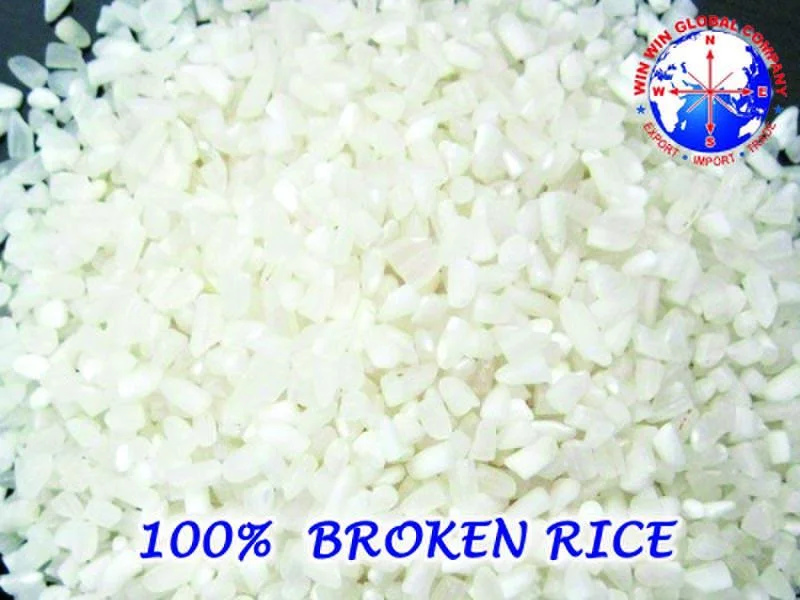
Non-Basmati Rice
8 products available
What are Non-Basmati Rice?
Non-Basmati Rice refers to a variety of rice that does not fall under the Basmati classification. Unlike Basmati rice, which is known for its long grains and aromatic qualities, Non-Basmati Rice encompasses a wide range of varieties, including both short and medium-grain types. This rice category is primarily cultivated in regions outside of the traditional Basmati-growing areas, such as India and Pakistan. Non-Basmati Rice is often characterized by its versatility, affordability, and ease of cultivation, making it a staple in many households and industries.
The primary uses of Non-Basmati Rice extend across various sectors, including food processing, catering, and retail. It serves as a fundamental ingredient in numerous cuisines, often used for dishes like biryani, fried rice, and various stews. In commercial applications, Non-Basmati Rice is frequently utilized in the production of rice flour, snacks, and other processed food items. As a result, it holds significant relevance in the agricultural and food manufacturing industries, contributing to both local economies and global trade.
In the current market context, Non-Basmati Rice is gaining attention due to rising demand for affordable staple foods. As populations grow and food security becomes increasingly important, the cultivation and distribution of Non-Basmati Rice are vital. The rice market is also impacted by trade dynamics and regulatory policies that affect pricing and availability, making this product a key player in the global food supply chain.
Key Features and Specifications
Non-Basmati Rice offers several key features that cater to diverse consumer needs and preferences. Understanding these specifications is crucial for businesses looking to source this product effectively.
Key specifications include:
1. Grain Length
- Typically ranges from short to medium grain
- Affects the cooking quality and texture
2. Aroma
- Less aromatic than Basmati rice
- Varieties may have mild natural scents
3. Cooking Time
- Generally requires 15 to 20 minutes to cook
- Varies based on grain type and preparation method
4. Nutritional Content
- Rich in carbohydrates, providing energy
- Contains essential vitamins and minerals
5. Moisture Content
- Ideal moisture levels are between 12% to 14%
- Ensures optimal shelf life and quality
6. Color
- Available in both white and brown varieties
- Color impacts market preference and usage
7. Packaging
- Offered in bulk or retail packaging
- Packaging affects storage and transportation efficiency
8. Shelf Life
- Typically lasts 6 to 12 months when stored properly
- Shelf life may vary based on storage conditions
These specifications help buyers make informed decisions when sourcing Non-Basmati Rice for their applications.
Common Applications and Use Cases
Non-Basmati Rice is widely used across various industries due to its versatility and cost-effectiveness.
1. Food Processing: Non-Basmati Rice is a key ingredient in the production of rice flour, snacks, and ready-to-eat meals, catering to the growing demand for convenience foods.
2. Catering Services: Restaurants and catering companies often prefer Non-Basmati Rice for its affordability and ability to complement a wide range of dishes, enhancing menu options.
3. Retail: Supermarkets and grocery stores stock Non-Basmati Rice in various packaging sizes to meet consumer demand for staple food items.
4. Export: Non-Basmati Rice is frequently exported to international markets, supporting global food supply chains and enhancing trade relationships.
5. Animal Feed: Certain varieties of Non-Basmati Rice are utilized in animal feed, contributing to livestock nutrition and agricultural sustainability.
6. Organic Farming: Organic Non-Basmati Rice is increasingly popular among health-conscious consumers, providing an alternative to conventionally grown rice.
7. Ethnic Cuisine: Non-Basmati Rice is essential in various regional dishes globally, appealing to diverse culinary preferences.
Product Variants and Subcategories
Non-Basmati Rice encompasses a range of variants, each with unique characteristics tailored to different culinary applications.
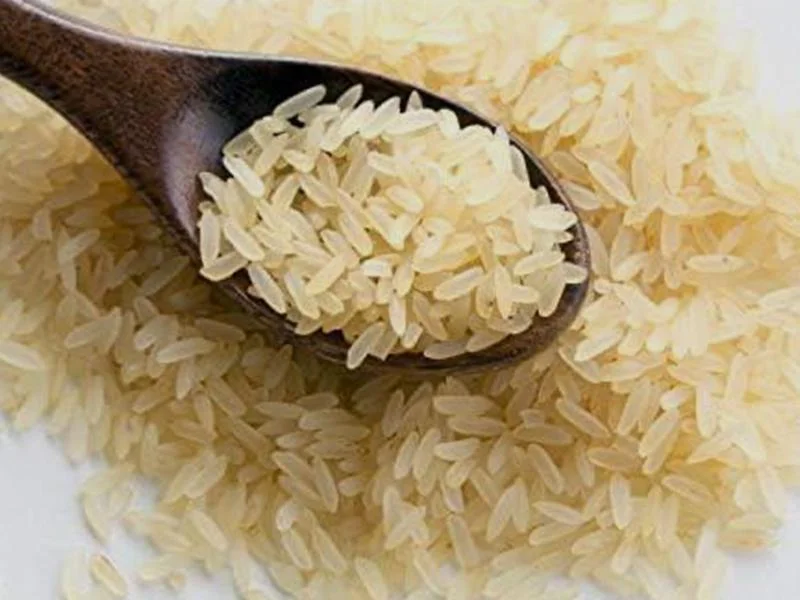
Sona Masoori Rice: This medium-grain rice is popular in South Indian cuisine. It is lightweight, aromatic, and ideal for dishes like biryani and pulao.
IR 64 Rice: Known for its high yield and resilience, IR 64 is commonly used in commercial applications. It has a short cooking time and is suitable for various preparations.
Parboiled Rice: This rice undergoes a steaming process before milling, which enhances its nutritional value. It is favored in regions where rice is a staple food.
Red Rice: This variety is known for its distinctive color and nutritional benefits. It is often preferred for health-oriented recipes and organic markets.
Benefits and Advantages
Sourcing Non-Basmati Rice presents several advantages for businesses looking to enhance their product offerings.
Key benefits include:
1. Cost-Effectiveness: Non-Basmati Rice is generally more affordable than Basmati rice, making it an economical choice for bulk purchases.
2. Versatility: This rice variety can be used in numerous culinary applications, from traditional dishes to modern recipes, appealing to a broad audience.
3. High Yield: Non-Basmati Rice crops typically yield more compared to other rice types, ensuring a steady supply for businesses.
4. Nutritional Value: It provides essential nutrients, contributing to a balanced diet and meeting consumer health demands.
5. Easy Availability: Non-Basmati Rice is widely available from various suppliers, simplifying the sourcing process for buyers.
6. Adaptability: It thrives in diverse growing conditions, making it a reliable choice for farmers and businesses alike.
Buying Guide for B2B Buyers
When sourcing Non-Basmati Rice, it is essential to consider several key factors to ensure a successful procurement process.
1. Quality Assessment: Evaluate quality based on factors such as grain length, aroma, and moisture content to meet specific end-use requirements.
2. Supplier Verification: Conduct thorough due diligence on suppliers to ensure reliability and quality compliance. Look for certifications and customer reviews.
3. Pricing and MOQ: Understand current market pricing and minimum order quantities to negotiate favorable terms while maintaining quality standards.
4. Delivery and Lead Times: Factor in logistics, including delivery times and transportation methods, to align with production schedules and minimize delays.
5. Compliance Requirements: Ensure that the rice meets local and international regulatory standards, including food safety and quality certifications.
Compliance and Certifications
Non-Basmati Rice must adhere to various quality standards and regulatory requirements to ensure safe and high-quality products.
Relevant quality standards include ISO 9001, which outlines requirements for a quality management system, aiding in consistent product quality. HACCP (Hazard Analysis and Critical Control Points) is crucial for food safety, helping businesses identify potential hazards in production and distribution processes.
Industry certifications, such as CE, signify that products meet EU safety and environmental standards, enhancing marketability. Compliance with safety and testing requirements is essential for maintaining industry standards and consumer trust.
Additionally, regional compliance considerations may vary. Buyers must be aware of local regulations regarding food safety, labeling, and import/export requirements to ensure smooth operations.
Why Source Non-Basmati Rice from Pepagora?
Pepagora provides a trusted platform for sourcing Non-Basmati Rice, offering several advantages for businesses.
Verified Supplier Network: Pepagora connects buyers with a network of verified suppliers, ensuring quality and reliability. This network facilitates trust and transparency in the sourcing process.
Streamlined RFQ Process: The request for quotation (RFQ) system simplifies the procurement process. Buyers can easily compare offers from multiple suppliers, ensuring competitive pricing and terms.
Trade Assurance and Support: Pepagora offers buyer protection through trade assurance policies, providing peace of mind during transactions. Support services are available to assist with any inquiries or issues.
Regional Coverage: With a strong presence in regions like India, GCC, and Southeast Asia, Pepagora ensures that buyers have access to a wide range of Non-Basmati Rice options, catering to diverse market needs.

 India




 India
 India



Frequently Asked Questions
What are Non-Basmati Rice?
Non-Basmati Rice refers to various rice varieties that do not fall under the Basmati category. These rice types are commonly grown in India and are known for their unique flavors and textures. Non-Basmati Rice is often used in everyday cooking and is available in different forms, including long-grain, medium-grain, and short-grain.
What are the different types of Non-Basmati Rice?
There are several types of Non-Basmati Rice, including Sona Masoori, Ponni, and IR-64. Each type has its own characteristics, such as grain length, aroma, and cooking properties. Sona Masoori, for instance, is lightweight and aromatic, making it popular for South Indian dishes.
How do I choose the right Non-Basmati Rice?
Choosing the right Non-Basmati Rice depends on the intended use and personal preference. Consider factors such as grain type, cooking time, and flavor profile when making your selection. It is also advisable to sample different varieties to determine which best suits your culinary needs.
What are the standard specifications for Non-Basmati Rice?
Standard specifications for Non-Basmati Rice typically include moisture content, grain length, and purity levels. For example, high-quality Non-Basmati Rice should have a moisture content of around 12-14% and a purity level of 90% or higher. These specifications ensure the rice is suitable for consumption and meets industry standards.
What is the price range for Non-Basmati Rice?
The price range for Non-Basmati Rice can vary significantly based on the type, quality, and market demand. Generally, prices may range from INR 30 to INR 60 per kilogram, depending on the specific variety and sourcing location. Bulk purchases often lead to better pricing options.
What quality standards apply to Non-Basmati Rice?
Quality standards for Non-Basmati Rice include parameters set by organizations such as the Food Safety and Standards Authority of India (FSSAI). These standards typically cover aspects like contaminants, moisture levels, and overall grain quality. Adhering to these standards ensures that the rice is safe and suitable for consumption.
Where can I find Non-Basmati Rice suppliers in India?
You can find Non-Basmati Rice suppliers in India through online B2B marketplaces such as Pepagora.com. Additionally, local agricultural markets and trade shows provide opportunities to connect with manufacturers and suppliers. Conducting online research and reaching out to industry professionals can also yield valuable contacts.
Can Non-Basmati Rice be customized?
Yes, Non-Basmati Rice can be customized based on specific buyer requirements, such as packaging, branding, and grain size. Many manufacturers offer customization options to cater to the diverse needs of their clients. It is advisable to discuss your requirements directly with suppliers to explore available options.
What is the typical minimum order quantity for Non-Basmati Rice?
The typical minimum order quantity (MOQ) for Non-Basmati Rice varies by supplier but usually ranges from 500 kg to several tons. Smaller suppliers may have lower MOQs, while larger manufacturers often set higher thresholds. It is important to inquire with each supplier for their specific MOQ policies.
What is the typical lead time for Non-Basmati Rice?
The typical lead time for Non-Basmati Rice orders can vary based on factors such as order size and supplier location. Generally, lead times can range from 1 to 4 weeks. Suppliers may provide more accurate timelines upon confirming the order details and availability.
Why Businesses Trust Pepagora
Thousands of companies trust Pepagora to source smarter and sell faster
Expand Your Sales Globally

Source Smarter,Grow Faster
