IN
IN₹
Apparel & Fashion
Description
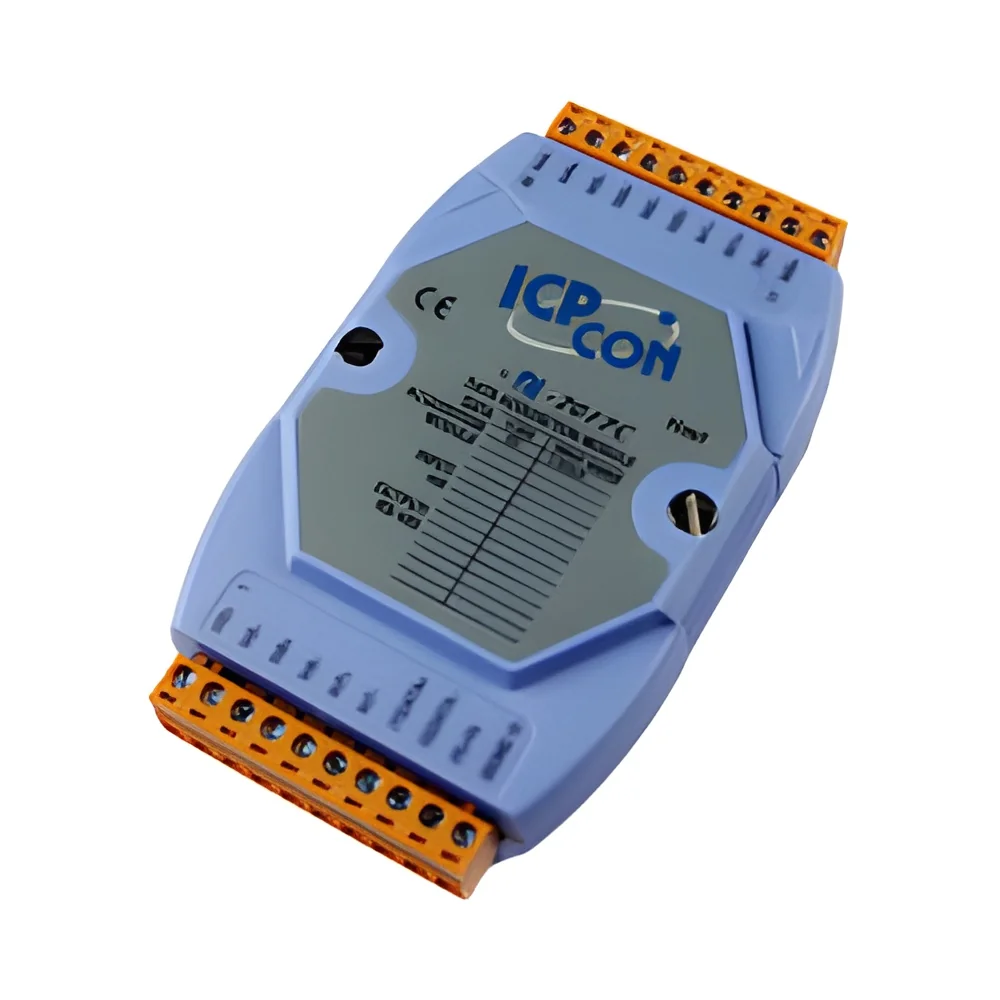
The Industrial Automation 8 Channel Current Input Module I-7017C represents precision engineering for demanding industrial environments, featuring eight differential input channels that support multiple current signal ranges including +/-20mA, 0-20mA, and 4-20mA inputs. With exceptional 16-bit resolution and sampling rate of 10 samples per second, this module delivers accurate signal conversion with +/-0.1% accuracy, ensuring reliable data capture from various sensors and transducers. The robust design incorporates 3000 VDC intra-module isolation, high common mode rejection, and minimal drift characteristics, providing stable performance even in electrically noisy conditions. This combination of technical excellence and durable construction makes the I-7017C an indispensable component for industrial automation systems requiring consistent and precise current signal monitoring.

Across multiple industrial sectors, this current input module demonstrates remarkable versatility and reliabi...
The Industrial Automation 8 Channel Current Input Module I-7017C represents precision engineering for demanding industrial environments, featuring eight differential input channels that support multiple current signal ranges including +/-20mA, 0-20mA, and 4-20mA inputs. With exceptional 16-bit resolution and sampling rate of 10 samples per second, this module delivers accurate signal conversion with +/-0.1% accuracy, ensuring reliable data capture from various sensors and transducers. The robust design incorporates 3000 VDC intra-module isolation, high common mode rejection, and minimal drift characteristics, providing stable performance even in electrically noisy conditions. This combination of technical excellence and durable construction makes the I-7017C an indispensable component for industrial automation systems requiring consistent and precise current signal monitoring.

Across multiple industrial sectors, this current input module demonstrates remarkable versatility and reliability. Manufacturing facilities integrate it with PLC and SCADA systems to monitor machine parameters, production line variables, and equipment performance metrics. Energy sector applications include current loop measurements in power distribution networks, substation monitoring, and renewable energy systems where accurate data collection is critical. Water treatment plants utilize the module for level sensing, pump control, and chemical dosing systems, while building management systems rely on it for HVAC monitoring and energy efficiency optimization. The module's compatibility with standard industrial protocols ensures seamless integration into existing infrastructure, making it suitable for both continuous process monitoring and specialized testing applications in research and development environments.

Businesses investing in the I-7017C gain significant operational advantages through enhanced data accuracy, reduced maintenance requirements, and improved process control capabilities. The module's high isolation and low drift characteristics ensure long-term stability, minimizing calibration needs and associated downtime while maximizing operational efficiency. Its robust construction and noise immunity features translate to reliable performance in challenging industrial environments, reducing system failures and maintenance costs. The straightforward integration with existing automation infrastructure provides a cost-effective solution for system upgrades or expansions, delivering immediate value through improved data quality and process visibility. These reliability factors combined with precise performance make the I-7017C a smart investment for organizations prioritizing quality and long-term operational excellence in their industrial automation strategies.

Key Features:
- Eight differential input channels supporting multiple current ranges including +/-20mA, 0-20mA, and 4-20mA signals
- High 16-bit resolution ensuring precise data acquisition and accurate signal conversion for critical measurements
- Consistent sampling rate of 10 samples per second with excellent +/-0.1% accuracy for reliable performance
- Robust 3000 VDC intra-module isolation and high common mode rejection providing superior noise immunity
- Minimal zero drift and temperature drift specifications maintaining stability across varying operating conditions

Benefits:
- Multiple input channel compatibility reduces equipment needs and simplifies system architecture
- High resolution and accuracy ensure precise data collection for informed decision-making and process optimization
- Reliable sampling performance maintains data integrity for continuous monitoring and control applications
- Strong electrical isolation protects sensitive equipment and ensures stable operation in noisy environments
- Low drift characteristics minimize calibration requirements and maintenance costs over the product lifecycle
Specifications
| Additional Information | |
|---|---|
| Country of Origin | India |
Application
The I-7017C 8-Channel Current Input Module is engineered for industrial environments requiring precise current signal monitoring across multiple input types including +/-20mA, 0-20mA, and 4-20mA. Its 16-bit resolution and high accuracy ensure reliable data acquisition from various sensors and transducers, making it ideal for integration into complex automation systems where signal integrity is paramount for operational success and process optimization.
Built for demanding sectors like manufacturing, energy management, and process control industries, this module delivers stable performance with 3000 VDC isolation and minimal drift characteristics. Its robust construction withstands electrical noise and harsh conditions, making it suitable for continuous operation in PLC systems, SCADA networks, and automated testing environments where consistent data accuracy drives operational decisions and system reliability.
- Monitoring industrial process variables including pressure, flow rate, and temperature using 4-20mA sensors in manufacturing plants
- Integrating with PLC and DCS systems for real-time data acquisition in automated production lines and machinery monitoring
- Energy management applications measuring current loops in power distribution systems and renewable energy installations
- Water treatment facilities utilizing level sensors and chemical dosing controls with reliable 4-20mA signal inputs
- Laboratory testing equipment and research environments requiring precise measurement and data logging capabilities
Trade Details
| Available Stock | In Stock |
| Sample Availability | No |
Payment Terms
| Payment Terms |
|
Company Profile

Adaptek Automation Technology, Tamil Nadu
 Tamil Nadu, India
Tamil Nadu, India26 yrs
Trading Company•Distributor•Wholesaler•Retailer
Factory Details
Factory SizeBelow 1000 sqm
Annual Production Capacity0
Main Markets
Domestic
India
Industrial Automation 8 Channel Current Input Module 16 Bit Resolution
I-7017C 8-channel current input module delivers 16-bit resolution for precise +/-20mA, 0-20mA, and 4-20mA signal acquisition in industrial automation, ensuring reliable data collection with high accuracy and robust performance.
Min. Order Quantity: 1 unit
Shipping
Shipping fee and delivery date to be negotiated. Contact supplier now for more details.
Adaptek Automation Technology Tamil Nadu, India
Tamil Nadu, IndiaTrading Company