Key Features and Specifications
Frozen storage units (-20°C and below) come equipped with essential features that enhance their functionality and reliability. Understanding these specifications is crucial for businesses looking to invest in this equipment.
Key specifications include:
1. Temperature Range
- Maintains temperatures at or below -20°C.
- Ensures optimal conditions for various products requiring deep freezing.
2. Storage Capacity
- Available in different sizes, from compact units to large walk-in freezers.
- Capacity options cater to diverse business needs and storage volumes.
3. Energy Efficiency
- Designed to minimize energy consumption while maintaining performance.
- Energy-efficient models help reduce operational costs.
4. Insulation
- High-quality insulation materials to prevent heat transfer.
- Ensures consistent internal temperatures despite external conditions.
5. Digital Monitoring Systems
- Equipped with advanced monitoring technology for temperature and humidity.
- Alerts users to any deviations from set conditions.
6. Security Features
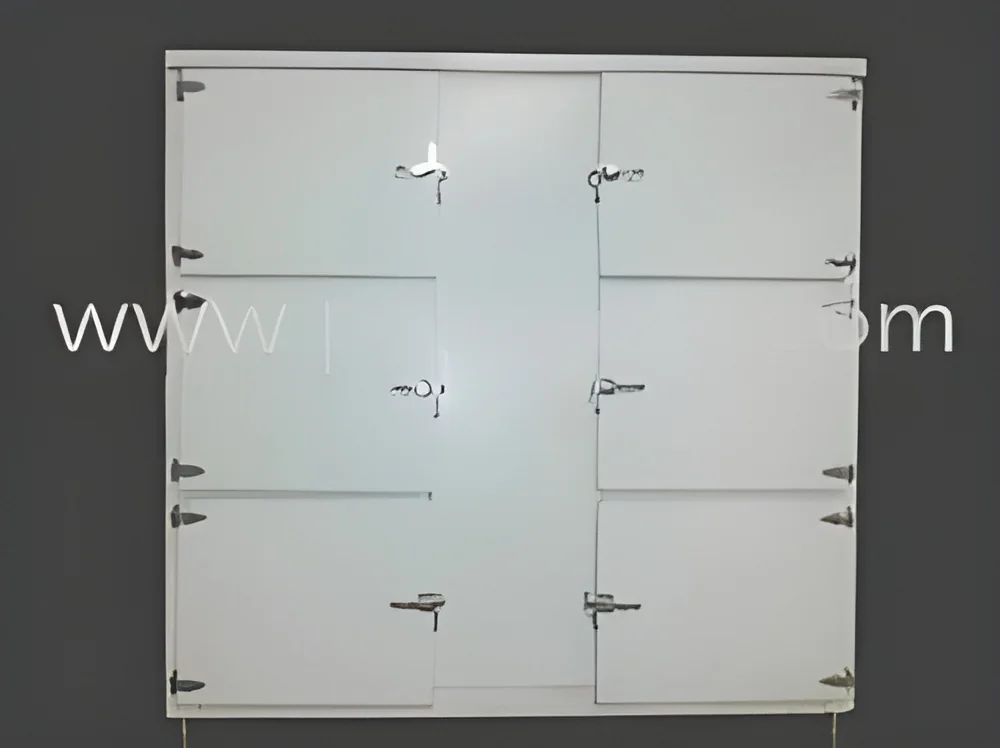
- Lockable doors and alarm systems to prevent unauthorized access.
- Ensures the safety of stored products.
7. Durability
- Built with robust materials for long-term usage.
- Resistant to corrosion and wear, suitable for frequent use.
8. Compliance Standards
- Adheres to industry standards for food safety and storage.
- Certifications like CE ensure reliability and quality assurance.
These specifications highlight the importance of selecting a frozen storage unit that meets specific business needs while complying with industry standards.
Common Applications and Use Cases
Frozen storage units (-20°C and below) are versatile and serve various industries effectively.
1. Food and Beverage: These units are essential for preserving frozen foods, ice cream, and other perishable items. They maintain quality and prevent spoilage, ensuring food safety.
2. Pharmaceuticals: Used for storing vaccines and sensitive medications that require strict temperature control. These units are vital for maintaining efficacy and compliance with health regulations.
3. Biotechnology: Critical for storing biological samples, enzymes, and other research materials. Maintaining low temperatures ensures the integrity of these sensitive products.
4. Chemical Industry: Used for storing temperature-sensitive chemicals and raw materials. Proper storage helps in maintaining the quality and safety of these substances.
5. Supermarkets and Retail: Provide essential storage for frozen food sections, ensuring products remain at optimal temperatures for customer satisfaction.
6. Logistics and Distribution: Integral to cold chain logistics, these units facilitate the transportation of frozen goods, ensuring they arrive at their destination in perfect condition.
7. Catering Services: Used for storing large quantities of frozen ingredients, ensuring that catering operations can efficiently serve fresh meals.
Product Variants and Subcategories
Frozen storage units (-20°C and below) come in various configurations to meet the diverse needs of businesses.
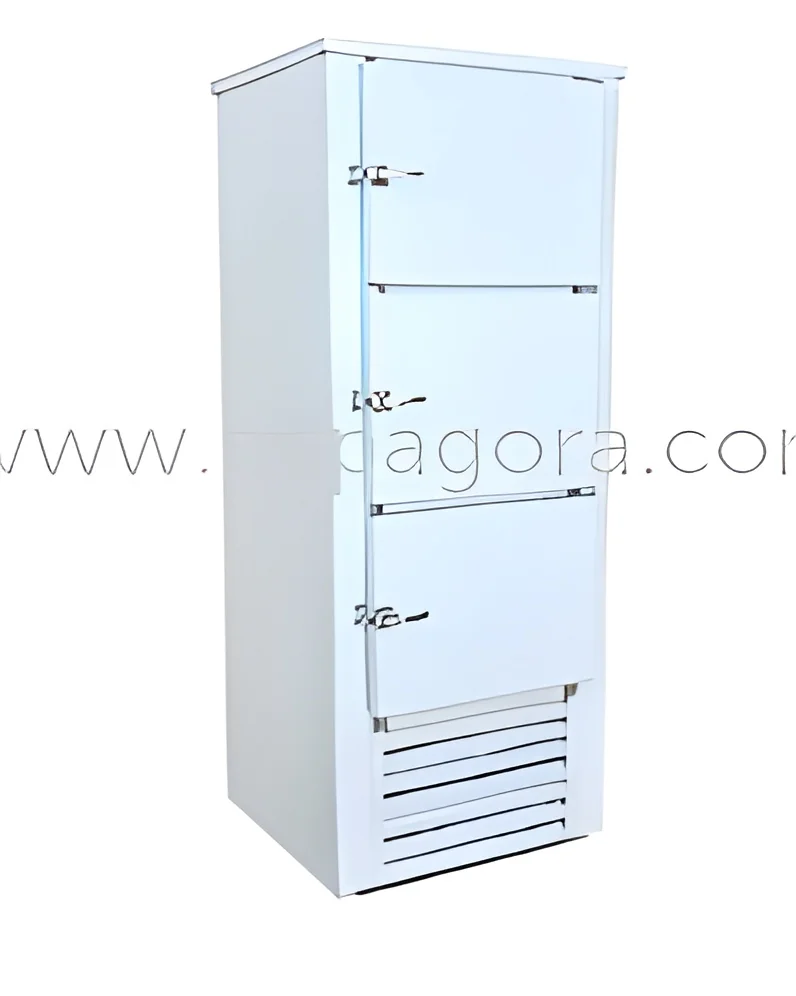
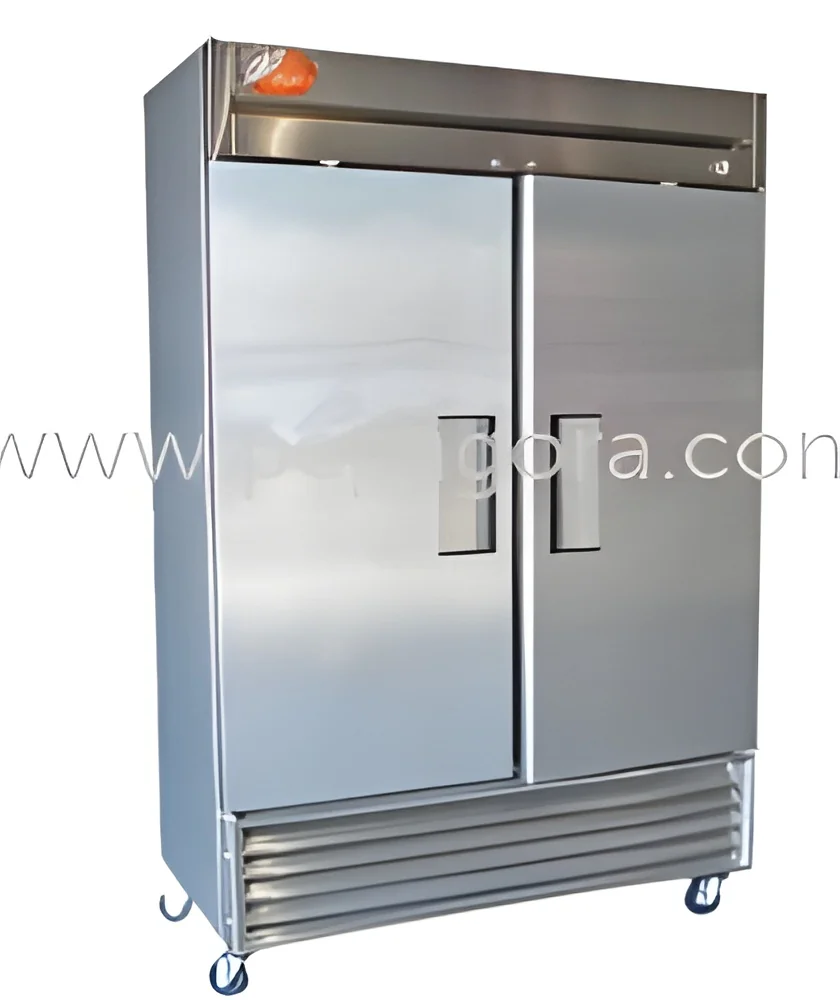
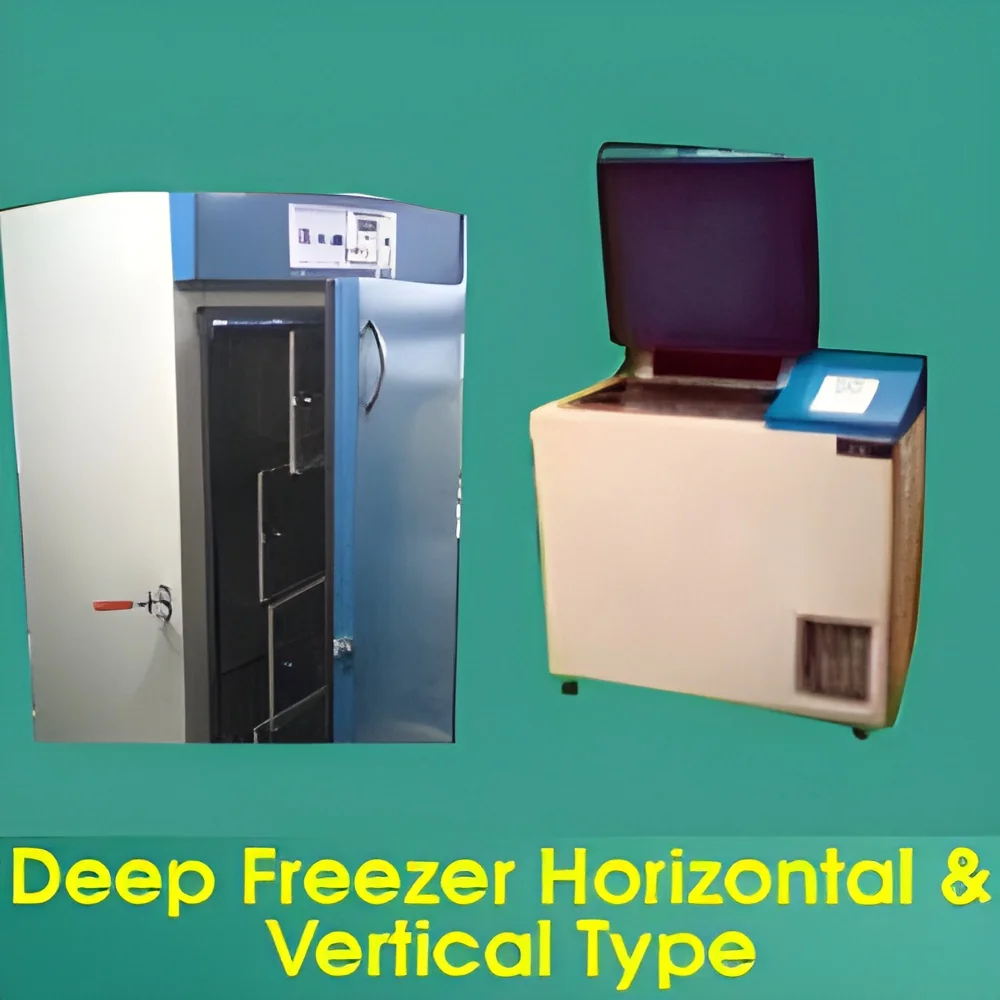
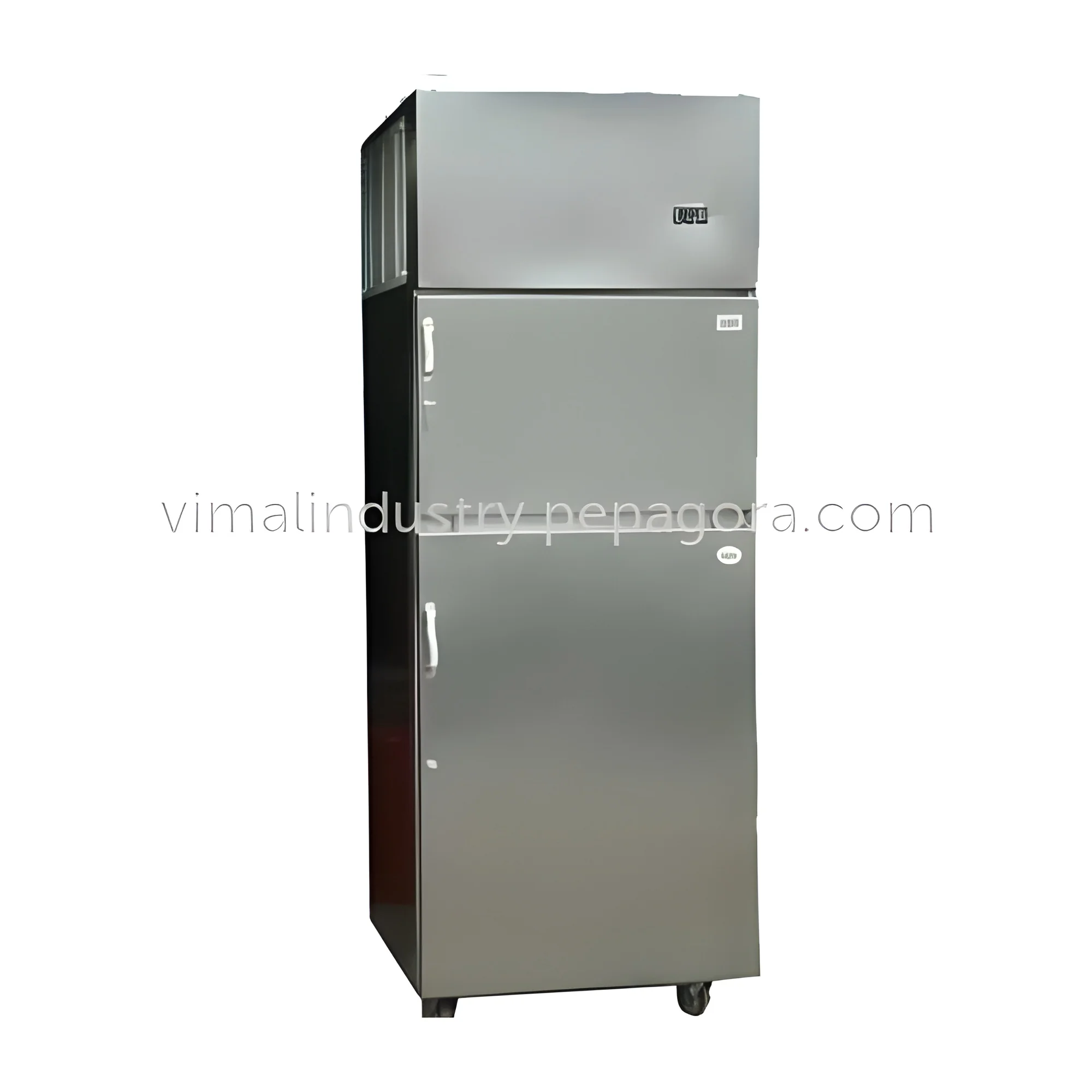
Vertical Freezer Units: These units are designed for efficiency, providing ample storage in a smaller footprint. They are ideal for restaurants and retail spaces with limited floor area.
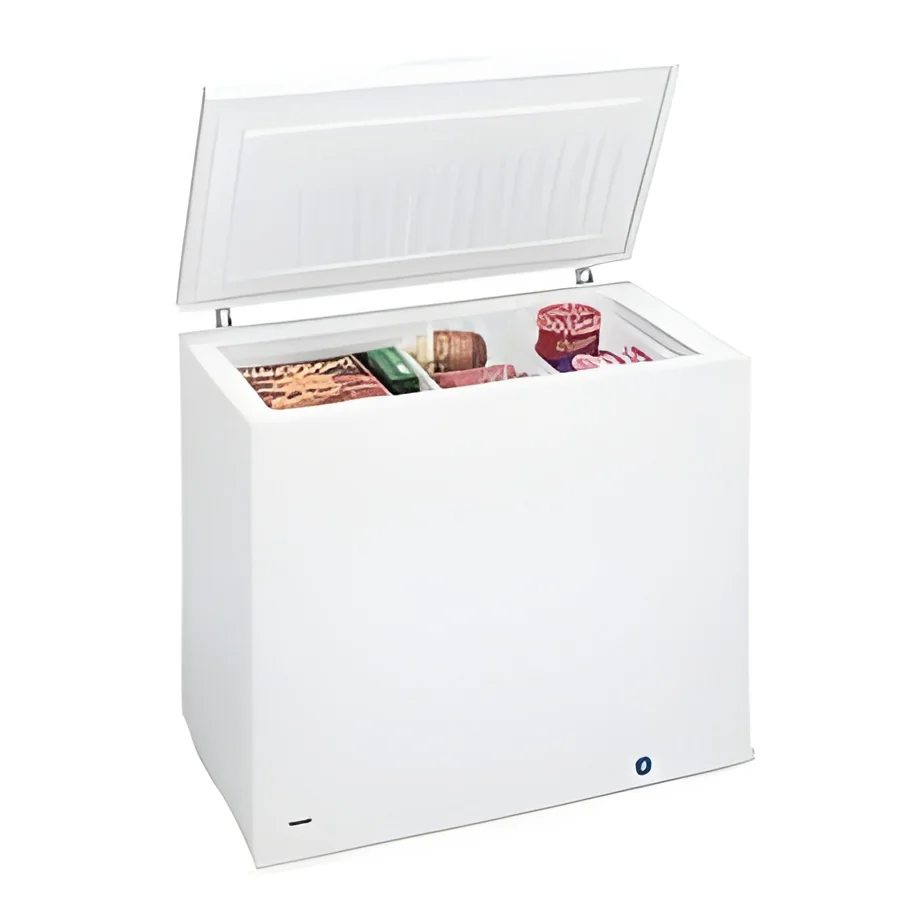
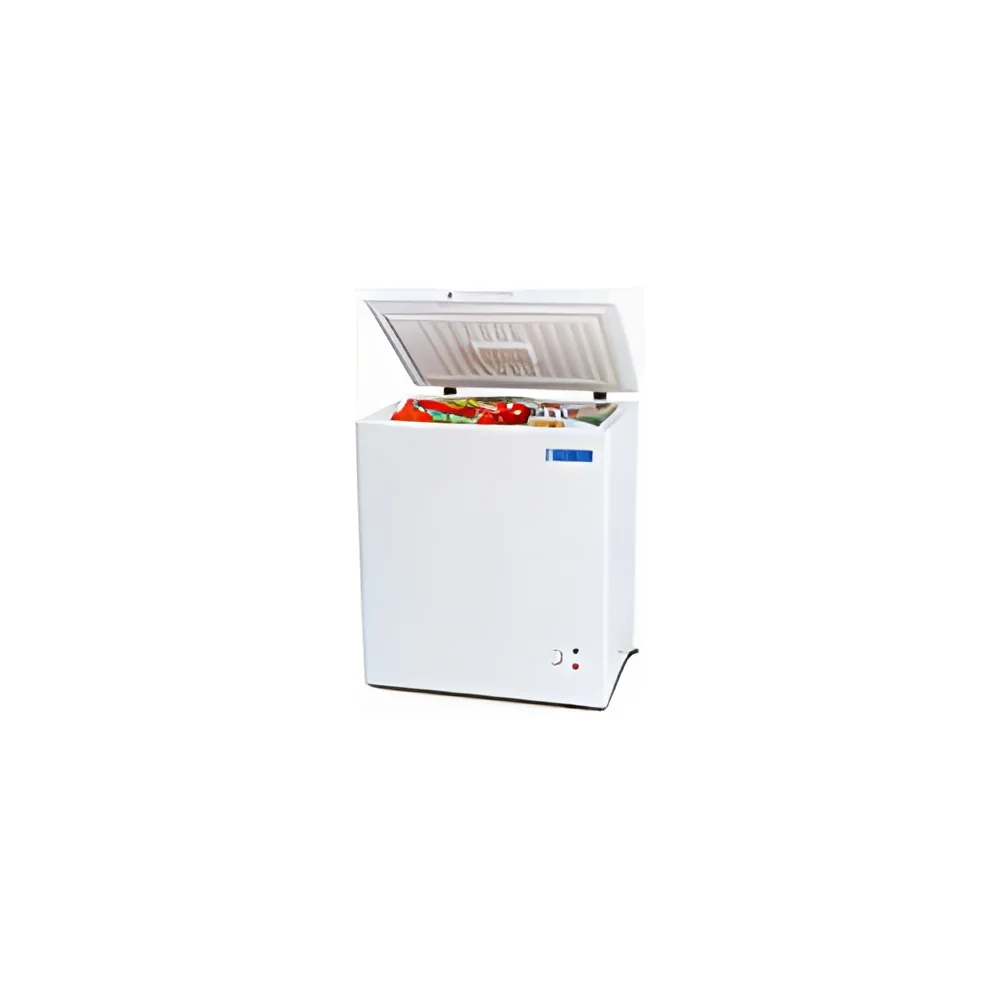
Chest Freezers: Offering larger storage capacity, chest freezers are perfect for bulk storage. They are commonly used in supermarkets and warehouses for storing frozen products.
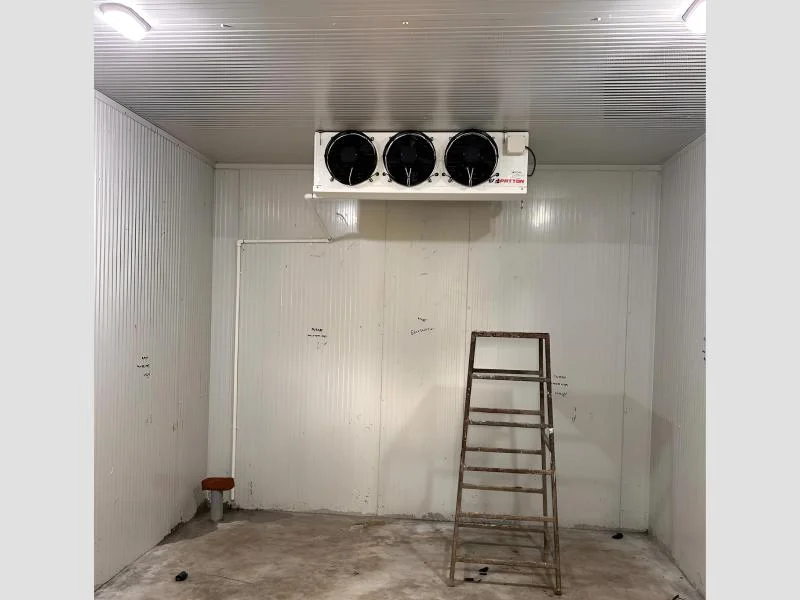
Walk-In Freezers: These spacious units are designed for high-volume storage. They allow easy access to a large inventory and are suitable for food distributors and large-scale operations.
Portable Freezer Units: These units are designed for mobility, making them ideal for temporary storage needs such as events or construction sites.
Each variant is tailored to specific applications, ensuring that businesses can choose the right solution based on their operational requirements.
Benefits and Advantages
Investing in frozen storage units (-20°C and below) offers numerous advantages for businesses.
1. Product Preservation: These units maintain the quality and safety of perishable goods by preventing spoilage and extending shelf life.
2. Compliance Assurance: Frozen storage units help businesses comply with health and safety regulations, reducing the risk of penalties and product recalls.
3. Cost Efficiency: Energy-efficient models can significantly lower operational costs, making them a financially sound investment.
4. Versatility: Suitable for a wide range of industries, from food service to pharmaceuticals, ensuring diverse application.
5. Enhanced Security: Features like locking mechanisms and alarms provide added security, safeguarding valuable inventory.
6. Improved Inventory Management: Digital monitoring systems allow for real-time tracking of conditions, ensuring optimal storage and reducing waste.
Buying Guide for B2B Buyers
When sourcing frozen storage units (-20°C and below), B2B buyers should consider several critical factors to ensure they make informed decisions.
1. Quality Assessment: Evaluate the build quality and materials used in the unit's construction. Look for units with reliable insulation and proven durability.
2. Supplier Verification: Research potential suppliers to ensure they have a good reputation and track record. Check for customer reviews and testimonials.
3. Pricing and MOQ: Understand the pricing structure and minimum order quantity. Compare costs from different suppliers to find the best deal without compromising quality.
4. Delivery and Lead Times: Consider logistics and delivery terms. Ensure that your supplier can meet your timeline for installation and operational readiness.
5. Compliance Requirements: Verify that the units meet relevant industry standards and regulations. This includes checking for necessary certifications such as CE.
Compliance and Certifications
Frozen storage units (-20°C and below) must adhere to various compliance standards and certifications to ensure safety and reliability. Key certifications include ISO 9001, which focuses on quality management systems, ensuring that manufacturers maintain consistent quality in their products.
HACCP (Hazard Analysis and Critical Control Points) is another critical standard, particularly for food-related applications. It provides a systematic approach to identifying and controlling food safety hazards.
CE certification indicates that the product meets European safety, health, and environmental protection standards. This certification is crucial for gaining market access in the European Union.
Additionally, safety and testing requirements must be met to ensure these units operate safely and efficiently. Regional compliance considerations may vary, so it is important for businesses to be aware of local regulations and standards that apply to their specific industry.
Why Source Frozen Storage Units (-20°C and below) from Pepagora?
Pepagora offers a trustworthy platform for sourcing frozen storage units (-20°C and below), providing several key advantages for B2B buyers.
Verified Supplier Network: Pepagora ensures that all suppliers are thoroughly vetted. This verification process helps businesses connect with reliable manufacturers that comply with industry standards.
Streamlined RFQ Process: The quotation system allows buyers to request prices and specifications easily. This simplifies the decision-making process and saves time.
Trade Assurance and Support: Buyers benefit from trade assurance features that protect their purchases. This includes support for addressing any issues that may arise during the transaction.
Regional Coverage: Pepagora's reach extends across India, the GCC, and Southeast Asia, making it easier for businesses in these regions to find suitable suppliers for their frozen storage needs.
By choosing Pepagora, businesses can access quality frozen storage solutions while ensuring a secure and efficient purchasing experience.

 IN
IN

 India
India