IN
IN₹
Apparel & Fashion
Description
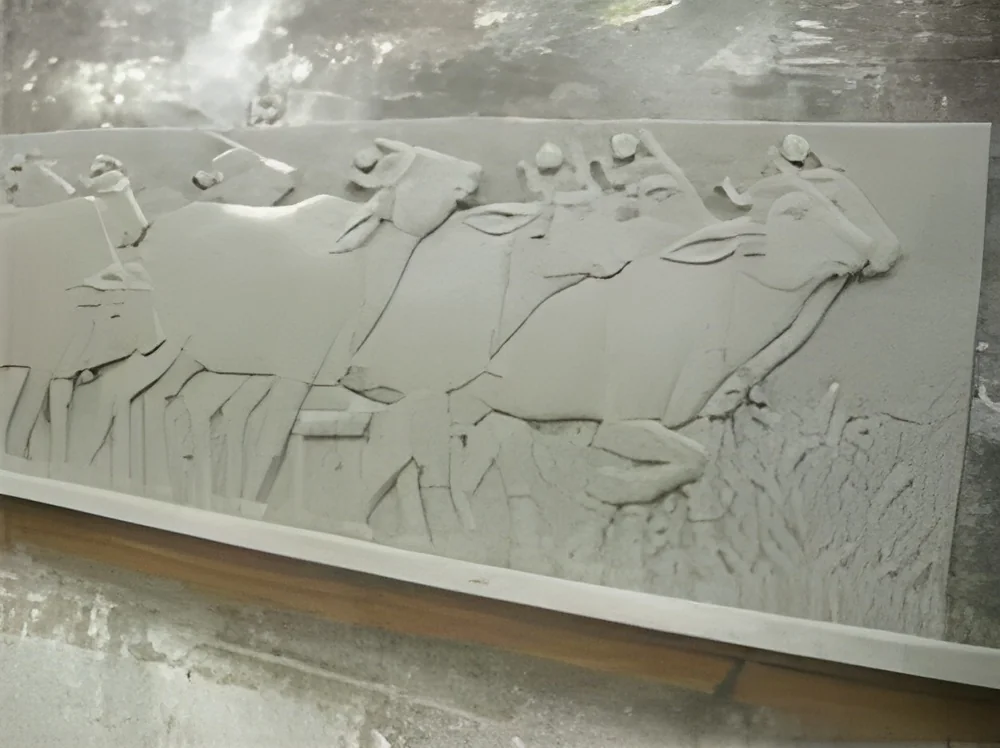
Industrial FRP products represent advanced fiberglass reinforced plastic solutions engineered for superior performance in demanding environments. These composite materials combine glass fibers with polymer matrices to create structures that excel where traditional materials fail. Known for exceptional corrosion resistance, FRP withstands exposure to chemicals, moisture, and harsh weather conditions while maintaining structural integrity. The material's lightweight nature simplifies installation and reduces structural support requirements. With reliable performance characteristics, these solutions deliver long service life with minimal maintenance, making them a practical choice for industrial applications requiring durability and cost-effectiveness.

Multiple industries benefit from FRP products due to their versatile properties and reliable performance. Construction sectors utilize FRP for roofing, wall panels, and structural supports that resist corrosion and environmental damage. Au...
Industrial FRP products represent advanced fiberglass reinforced plastic solutions engineered for superior performance in demanding environments. These composite materials combine glass fibers with polymer matrices to create structures that excel where traditional materials fail. Known for exceptional corrosion resistance, FRP withstands exposure to chemicals, moisture, and harsh weather conditions while maintaining structural integrity. The material's lightweight nature simplifies installation and reduces structural support requirements. With reliable performance characteristics, these solutions deliver long service life with minimal maintenance, making them a practical choice for industrial applications requiring durability and cost-effectiveness.

Multiple industries benefit from FRP products due to their versatile properties and reliable performance. Construction sectors utilize FRP for roofing, wall panels, and structural supports that resist corrosion and environmental damage. Automotive manufacturers incorporate FRP components for body panels and enclosures where light weight and strength are critical. Water treatment facilities depend on FRP for tanks, pipes, and scrubbers handling aggressive chemicals. Marine applications include docks, platforms, and structural elements exposed to saltwater environments. Industrial plants implement FRP for safety grating, ductwork, and storage solutions where durability and chemical resistance are essential for operational continuity.

Choosing FRP products delivers substantial business value through enhanced reliability and operational efficiency. The corrosion-resistant properties significantly extend product lifespan, reducing replacement frequency and associated downtime. Lightweight construction lowers transportation and installation costs while minimizing structural support requirements. Minimal maintenance needs translate to reduced long-term operational expenses and improved productivity. Safety benefits include non-conductive properties and fire-retardant characteristics that protect personnel and facilities. These advantages combine to provide competitive edge through durable, efficient solutions that support sustainable operations and project success across various industrial applications.

Key Features:
- High strength-to-weight ratio for durable yet lightweight performance
- Excellent corrosion resistance to chemicals, moisture, and UV exposure
- Customizable sizes, shapes, and resin types for specific needs
- Non-conductive and fire-retardant properties for enhanced safety
- Low maintenance requirements with long service life

Benefits:
- Extended product lifespan reducing replacement costs and downtime
- Reduced transportation and installation expenses due to lightweight nature
- Lower long-term operational costs through minimal maintenance requirements
- Enhanced workplace safety with non-conductive and fire-retardant properties
- Improved efficiency with tailored solutions for specific application needs
Specifications
| Additional Information | |
|---|---|
| Country of Origin | India |
Application
FRP products serve critical roles across industries where corrosion resistance and structural integrity are paramount. Their composite construction provides exceptional durability against chemicals, moisture, and environmental stressors while maintaining lightweight properties. These materials outperform traditional options in demanding conditions, offering long-term performance with minimal maintenance requirements. Industries value FRP for its adaptability and cost-efficiency throughout the product lifecycle.
Common applications include structural panels, storage tanks, grating systems, and protective enclosures. FRP is selected for its non-conductive characteristics and resistance to chemical exposure, UV degradation, and extreme temperatures. It serves as a preferred material for safety-critical infrastructure and durable industrial components. Businesses depend on FRP solutions to reduce operational costs while enhancing reliability in challenging environments.
- Chemical processing plants utilizing storage tanks and piping systems
- Structural building panels and roofing for industrial facilities
- Marine platform grating and walkway systems
- Automotive components requiring lightweight durability
- Water treatment plant components including covers and ducts
Trade Details
| Available Stock | In Stock |
| Sample Availability | No |
Payment Terms
| Payment Terms |
|
Company Profile

Art- O - Craft, Maharashtra
 Maharashtra, India
Maharashtra, IndiaHome & Lifestyle•Manufacturer•Distributor / Wholesaler•Importer / Exporter
Factory Details
Factory SizeBelow 1000 sqm
Annual Production Capacity0
Main Markets
Domestic
Industrial FRP Products Durable Corrosion Resistant Fiberglass Solutions
Industrial FRP products deliver durable corrosion-resistant fiberglass solutions for construction, automotive and water treatment applications. These fiberglass reinforced plastic solutions offer trusted reliability with custom sizing options for industrial needs.
Min. Order Quantity: 1 unit
Shipping
Shipping fee and delivery date to be negotiated. Contact supplier now for more details.
Art- O - Craft
 Maharashtra, India
Maharashtra, IndiaHome & LifestyleManufacturer