
 IN
Distribution Panels
32 products available
What are Distribution Panels?
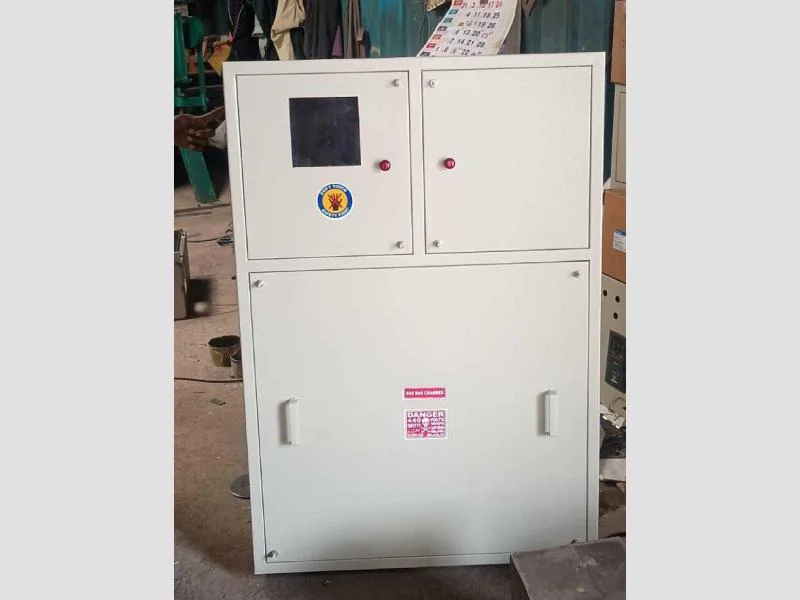
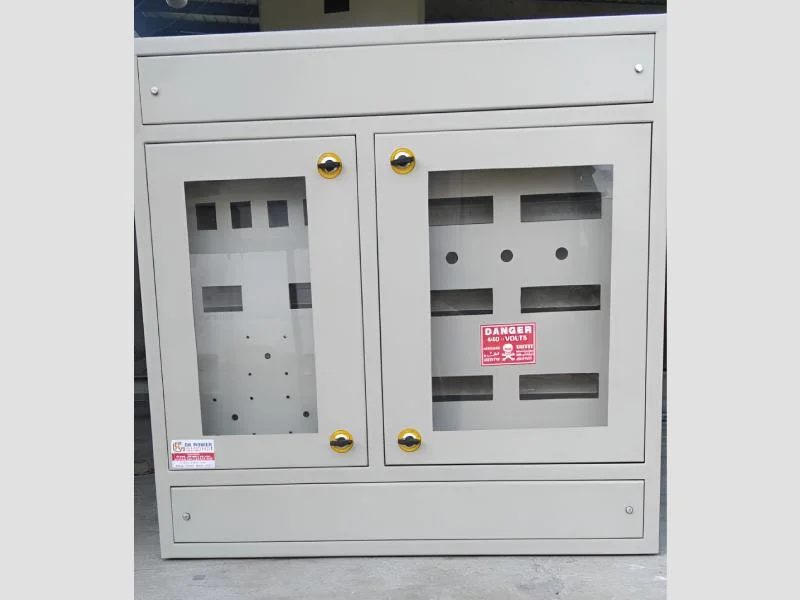
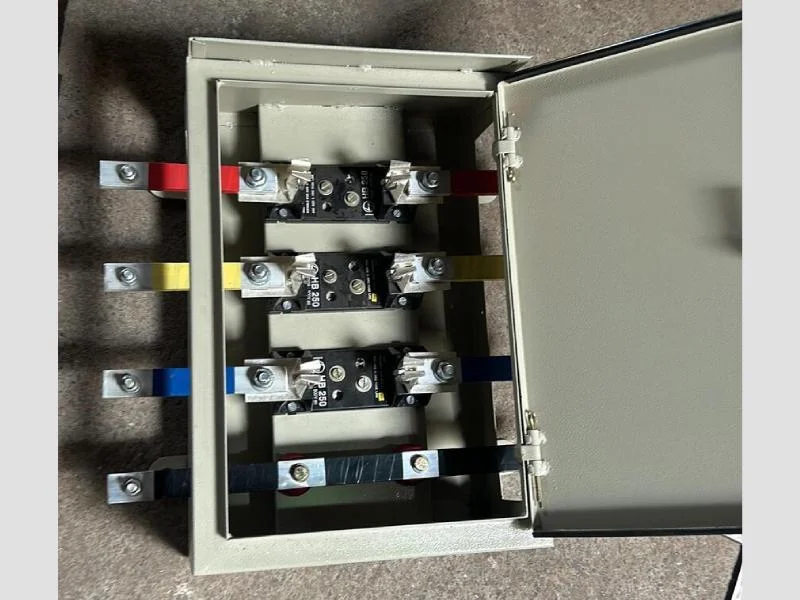
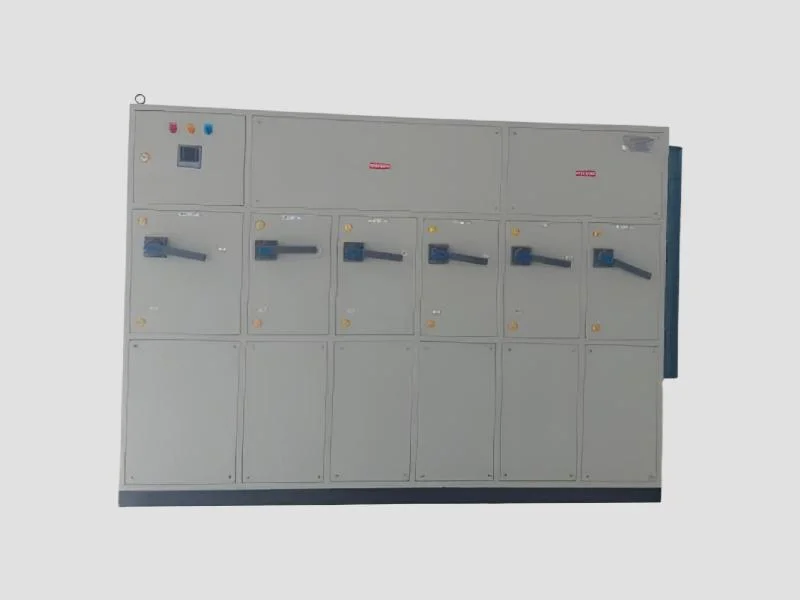
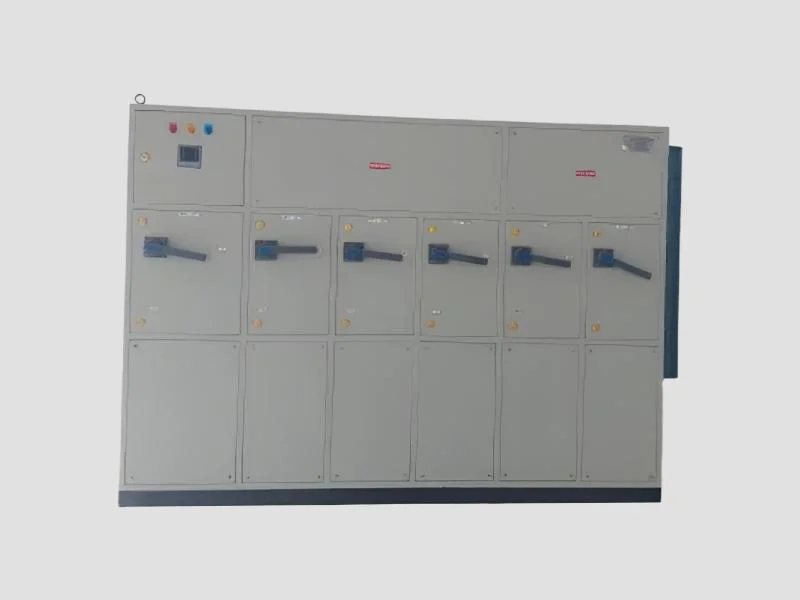
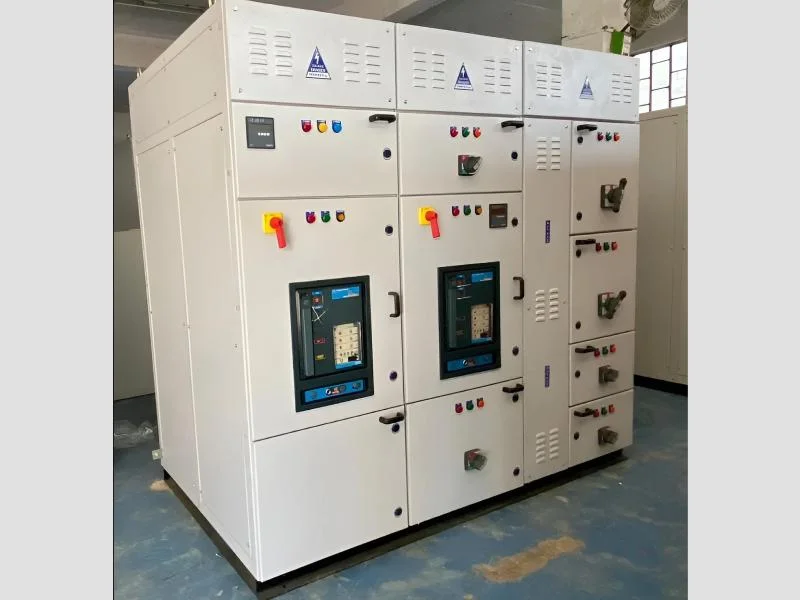
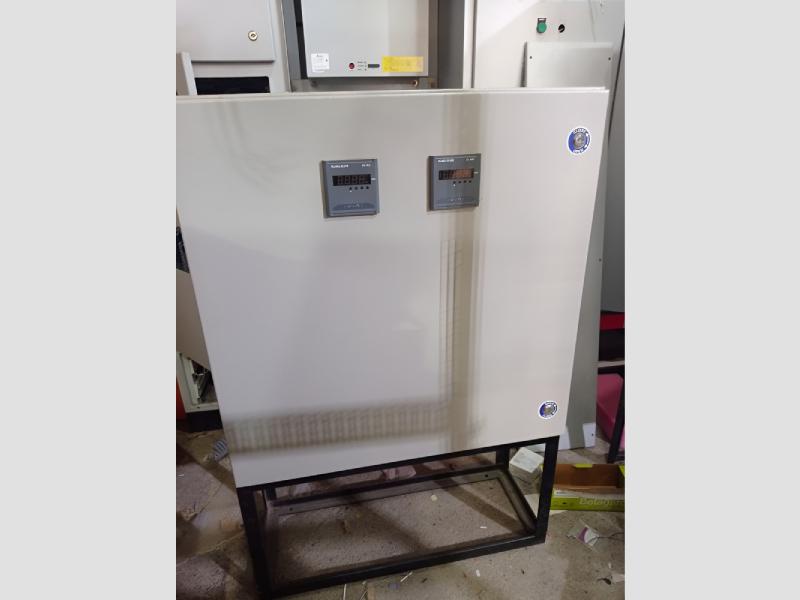
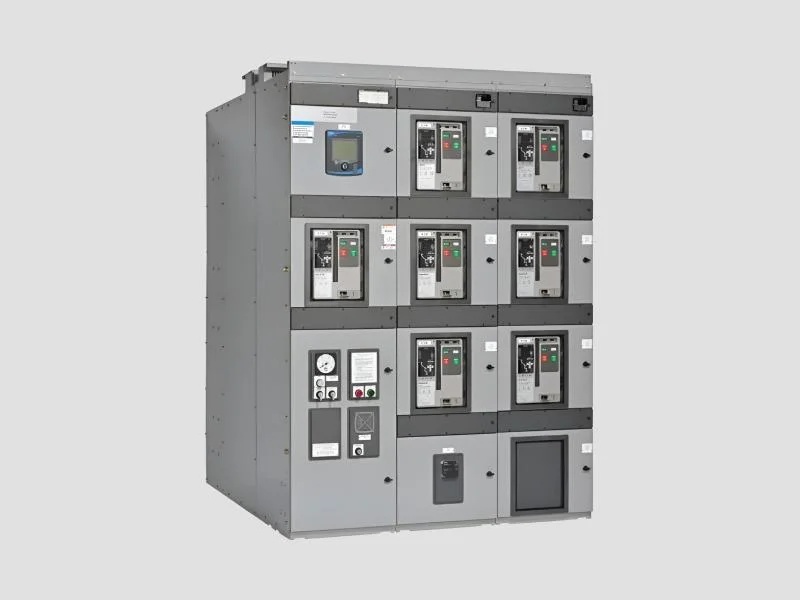
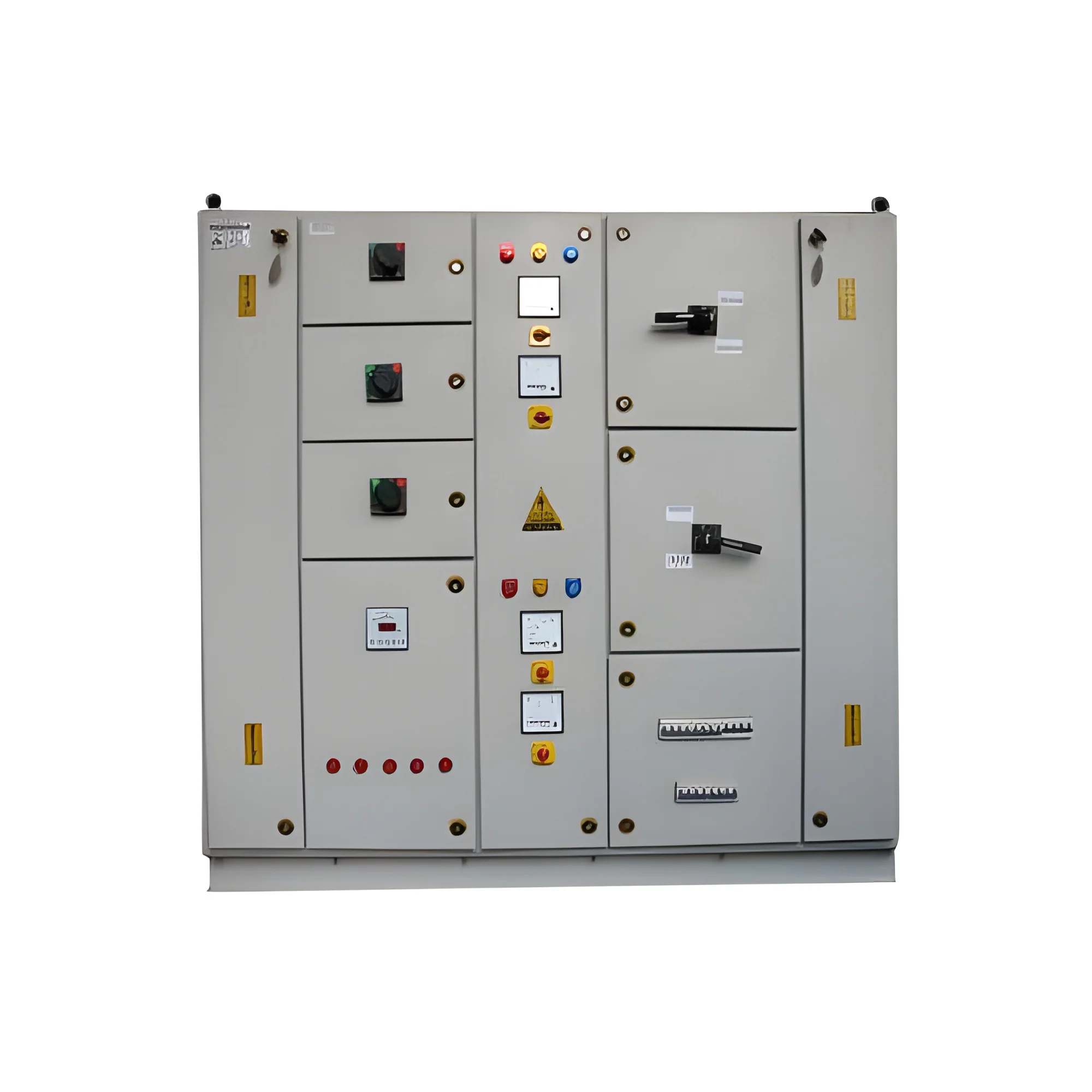
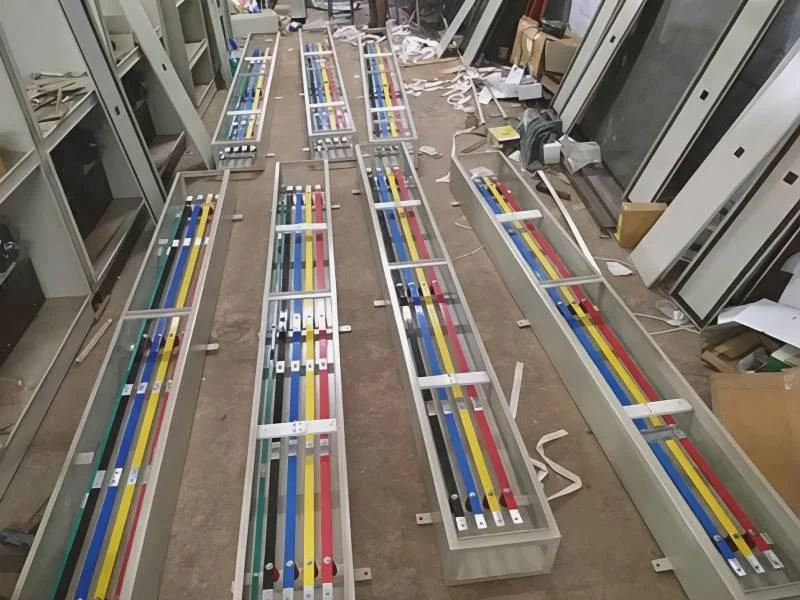
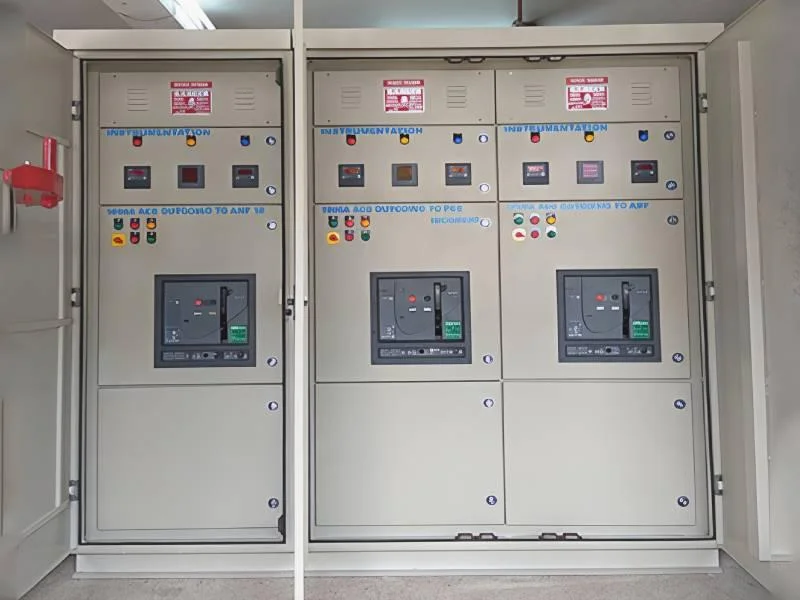
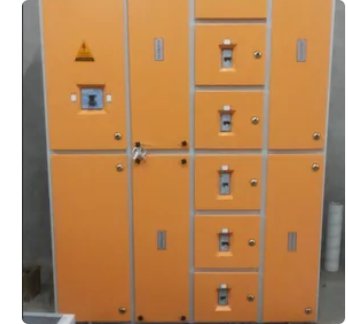
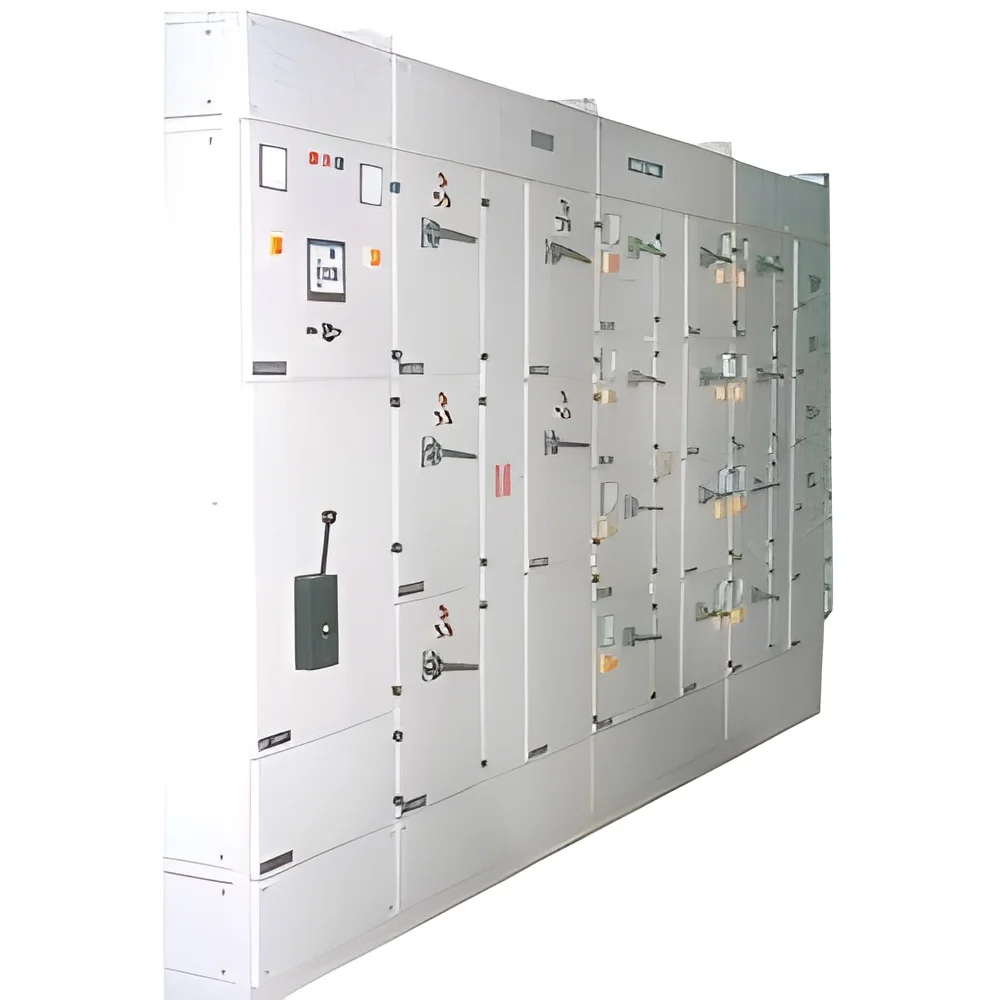
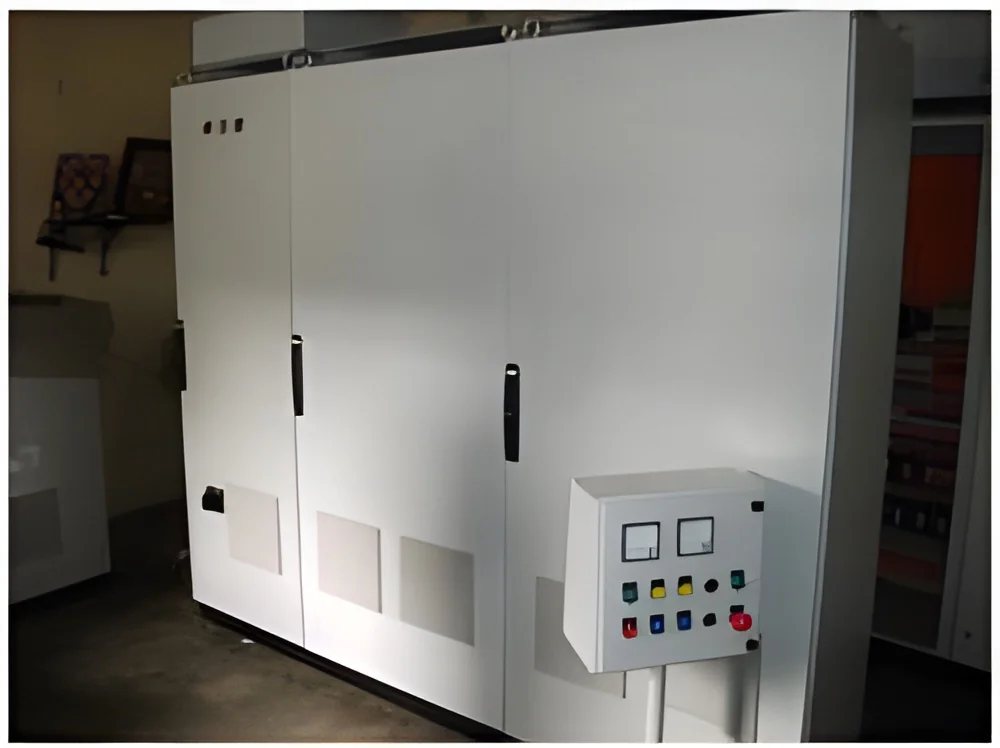
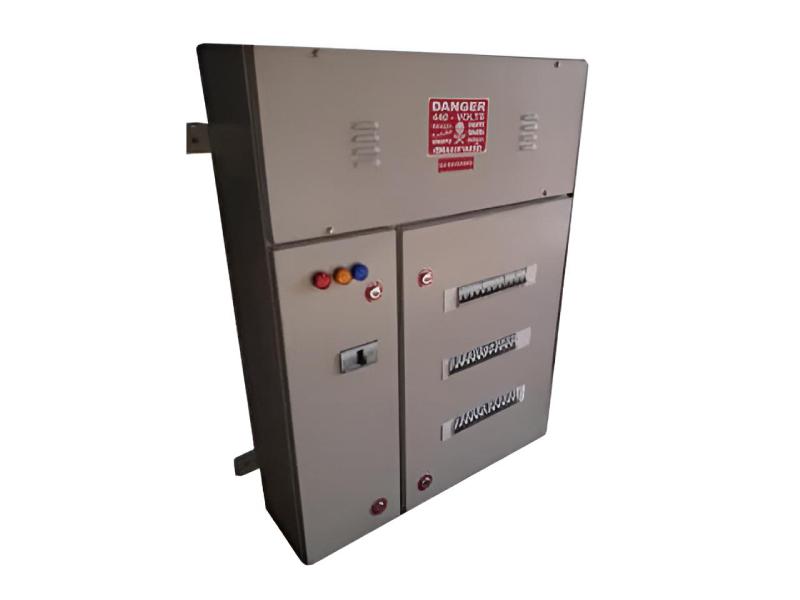
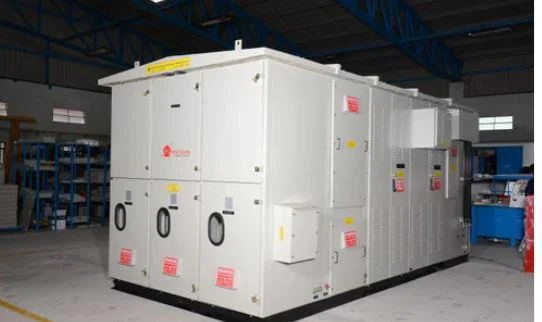
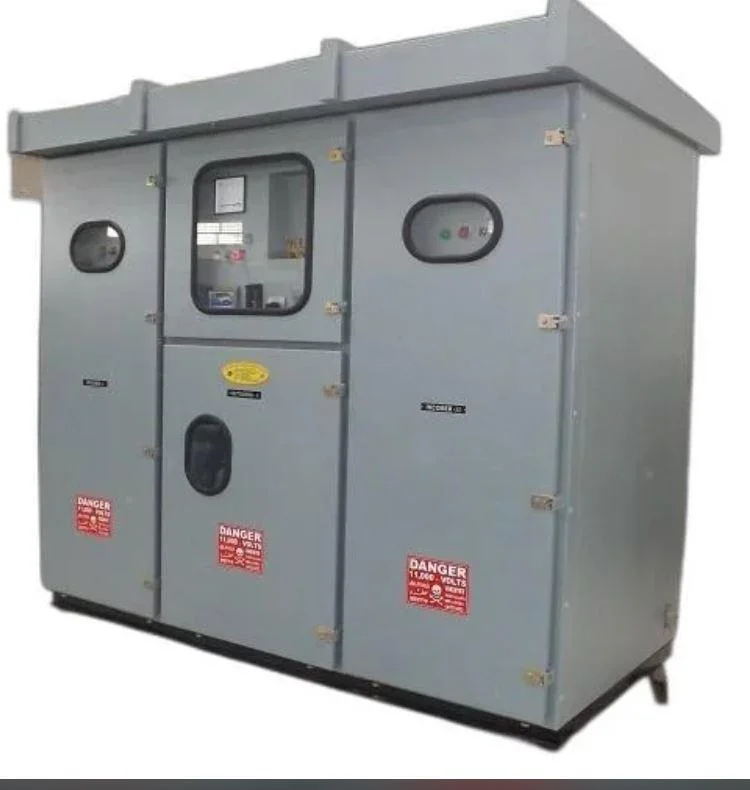
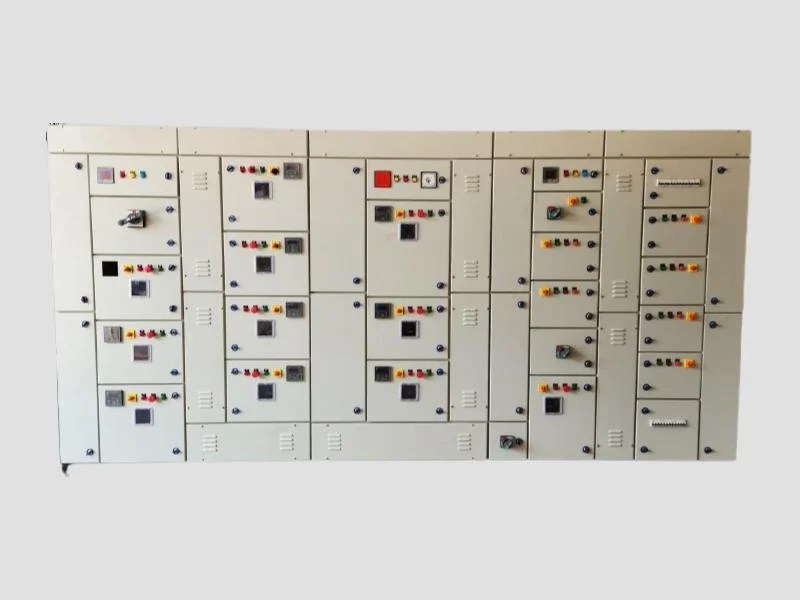
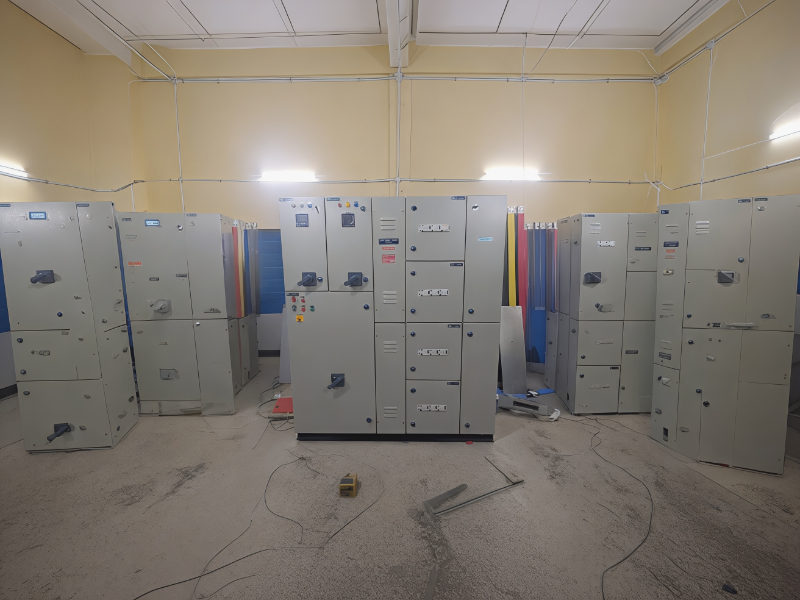
Distribution panels are essential components in electrical systems, responsible for distributing electricity from a single source to multiple circuits or devices. These panels serve as a central point for managing and directing electrical power, ensuring that each connected circuit receives the appropriate voltage and current. They play a crucial role in maintaining the safety and efficiency of electrical installations, protecting against overloads and short circuits.
Distribution panels are used in various business applications, ranging from commercial buildings to industrial facilities. They are integral to electrical infrastructure, allowing for the organized distribution of power throughout a facility. By effectively managing electrical loads and providing necessary circuit protection, distribution panels help businesses maintain operational continuity and compliance with safety regulations. The relevance of these panels spans multiple industries, making them a vital component in the electrical landscape.
Key Features and Specifications
Distribution panels are designed with several key features that cater to the diverse needs of industrial and commercial applications. Understanding these specifications is crucial for businesses looking to implement efficient electrical systems.
Key specifications include:
1. Voltage Rating
- Typically ranges from 120V to 480V
- Determines the maximum voltage the panel can handle
2. Current Rating
- Commonly available from 100A to 4000A
- Indicates the maximum current capacity of the panel
3. Enclosure Type
- Options include metal and fiberglass
- Provides protection against environmental factors
4. Number of Circuits
- Varies based on design, can support multiple circuits
- Allows for flexible electrical distribution
5. Mounting Style
- Available in surface-mounted or flush-mounted designs
- Influences installation and space requirements
6. Safety Features
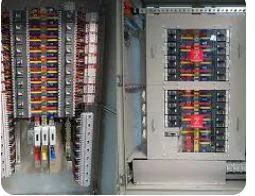
- May include circuit breakers and fuses
- Essential for protecting circuits from overloads
7. Compliance Standards
- Typically meets industry standards such as CE certification
- Ensures adherence to safety and performance regulations
In summary, understanding the key features and specifications of distribution panels enables businesses to select the right product for their specific electrical needs.
Common Applications and Use Cases
Distribution panels find application across various industries, demonstrating their versatility and importance in electrical systems.
1. Manufacturing: In manufacturing facilities, distribution panels manage power supply to machinery, ensuring reliable operation and preventing downtime.
2. Commercial Buildings: In office buildings and retail spaces, these panels distribute power to lighting, HVAC systems, and other electrical equipment.
3. Data Centers: Distribution panels are critical in data centers, providing stable power to servers and networking equipment while minimizing disruption.
4. Healthcare: In hospitals, distribution panels ensure reliable power to life-saving equipment and critical systems.
5. Construction: Temporary distribution panels are utilized on construction sites to power tools and lighting, facilitating efficient project execution.
6. Agriculture: In agricultural settings, distribution panels manage power for irrigation systems and other essential equipment.
7. Renewable Energy: Distribution panels are integral to solar power systems, allowing for efficient management of energy generated and consumed.
Product Variants and Subcategories
Distribution panels come in various types to meet specific application needs and industry requirements.
Standard Distribution Panels
These panels are designed for general use in commercial and industrial applications, offering reliable performance and flexibility in circuit management.
Smart Distribution Panels
Equipped with monitoring and control features, smart distribution panels provide real-time data and analytics, allowing businesses to optimize energy use and enhance safety.
Modular Distribution Panels
These panels allow for easy expansion and customization, making them suitable for growing facilities that require scalable power distribution solutions.
Benefits and Advantages
Choosing the right distribution panels offers several advantages that can significantly impact business operations.
1. Enhanced Safety: Distribution panels provide circuit protection, reducing the risk of electrical fires and equipment damage.
2. Improved Energy Efficiency: By effectively managing electrical loads, these panels help businesses reduce energy consumption and costs.
3. Easy Maintenance: With organized circuit management, maintenance and troubleshooting become more straightforward, minimizing downtime.
4. Customization Options: Many distribution panels can be tailored to meet specific needs, providing businesses with flexibility.
5. Compliance Assurance: Utilizing certified distribution panels ensures adherence to safety and regulatory standards.
6. Increased Reliability: A well-designed distribution panel contributes to the overall reliability of the electrical system, ensuring consistent power supply.
Buying Guide for B2B Buyers
When sourcing distribution panels, it is essential for B2B buyers to consider various factors to ensure a successful purchase.
1. Quality Assessment: Evaluate the quality of materials and construction standards. Look for panels that meet recognized certifications to ensure longevity and reliability.
2. Supplier Verification: Verify the credentials of potential suppliers, checking for industry experience and customer reviews to ensure they can meet your requirements.
3. Pricing and MOQ: Understand the pricing structure and minimum order quantities. This enables you to budget effectively and avoid overstocking or under-purchasing.
4. Delivery and Lead Times: Discuss logistics and expected delivery times with suppliers. Timely delivery is critical for project planning and execution.
5. Compliance Requirements: Ensure that the distribution panels meet local and industry-specific compliance standards. This is vital for safety and regulatory adherence.
Compliance and Certifications
Compliance and certifications are crucial factors for distribution panels, ensuring they meet industry standards and safety regulations.
Distribution panels typically adhere to quality standards such as ISO 9001, ensuring consistent quality management systems across manufacturing processes. This certification indicates that the panels are produced under stringent quality controls.
Additionally, many distribution panels are CE certified, signifying compliance with European safety standards. This certification assures buyers that the panels have undergone rigorous testing and meet essential health and safety requirements.
Safety and testing requirements can vary by region, and it is essential to consider local compliance standards when selecting distribution panels. For instance, certain regions may have specific electrical codes or safety regulations that must be followed.
Why Source Distribution Panels from Pepagora?
Pepagora provides a trusted platform for sourcing distribution panels, offering a range of key advantages for B2B buyers.
Verified Supplier Network: Pepagora features a network of verified suppliers, ensuring that buyers have access to reliable manufacturers who meet industry standards. This reduces the risk of purchasing subpar products.
Streamlined RFQ Process: The platform offers a straightforward Request for Quotation (RFQ) process, allowing buyers to easily compare prices and specifications from multiple suppliers, saving time and effort.
Trade Assurance and Support: Pepagora provides buyer protection through trade assurance, offering support throughout the purchasing process. This ensures buyers can confidently make their selections.
Regional Coverage: With a strong presence in India, the GCC, and Southeast Asia, Pepagora offers extensive regional coverage, making it easier for businesses in these areas to source distribution panels that meet their specific needs.


 India
 India
 India

 India
 India

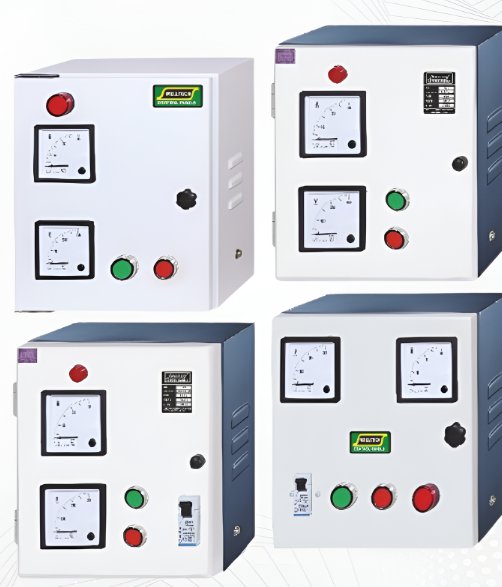 India
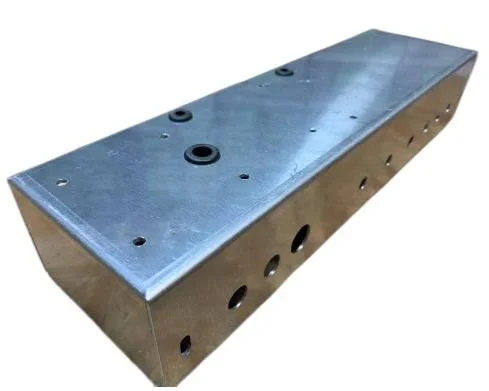 India
 India

 India




 India
 India
 India
 India
 India

Frequently Asked Questions
What are Distribution Panels?
Distribution Panels are electrical devices used to distribute electricity from a primary source to multiple circuits. They play a crucial role in managing electrical loads and ensuring safe and efficient power distribution in residential, commercial, and industrial settings.
What are the different types of Distribution Panels?
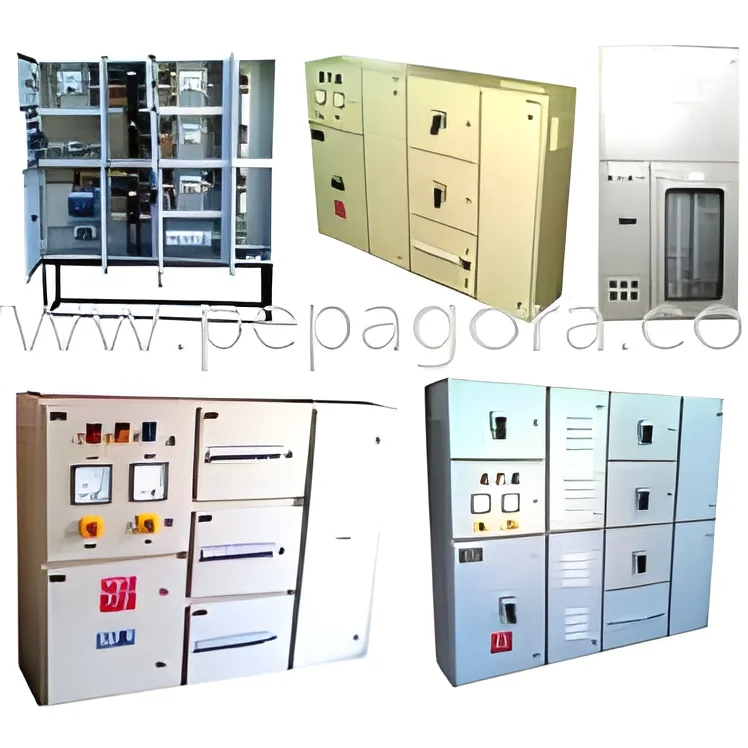
There are several types of Distribution Panels, including main distribution boards, sub-distribution boards, and consumer units. Each type serves a specific purpose in managing electrical distribution and can vary in size and complexity depending on the application's requirements.
How do I choose the right Distribution Panels?
When selecting Distribution Panels, consider factors such as the total load capacity, the number of circuits needed, and the environment in which the panel will be installed. Additionally, it's important to assess local electrical codes and standards to ensure compliance.
What are the standard specifications for Distribution Panels?
Standard specifications for Distribution Panels typically include voltage ratings, current ratings, enclosure type, and safety features. Common standards include IP ratings for dust and water resistance, as well as compliance with IEC and ANSI standards.
What is the price range for Distribution Panels?
The price of Distribution Panels can vary widely based on their specifications, size, and features. Generally, prices can range from a few thousand Indian Rupees for basic models to several lakhs for more advanced and customized panels.
What quality standards apply to Distribution Panels?
Distribution Panels must adhere to various quality standards, including IS (Indian Standard), IEC (International Electrotechnical Commission), and UL (Underwriters Laboratories) standards. These standards ensure safety, reliability, and performance in electrical installations.
Where can I find Distribution Panels suppliers in India?
You can find Distribution Panels suppliers in India through various channels such as online B2B marketplaces, local electrical supply stores, and industry trade shows. Websites like Pepagora can help you connect with reliable manufacturers and suppliers.
Can Distribution Panels be customized?
Yes, many manufacturers offer customization options for Distribution Panels to meet specific requirements. Customizations may include adjustments in size, circuit configurations, and additional safety features tailored to the client's needs.
What is the typical minimum order quantity for Distribution Panels?
The minimum order quantity (MOQ) for Distribution Panels can vary by manufacturer but often ranges from 1 to 10 units. It's advisable to check with individual suppliers for their specific MOQ policies.
What is the typical lead time for Distribution Panels?
Lead times for Distribution Panels can vary based on the manufacturer's production schedule and customization requests. Generally, standard panels can be delivered within 2 to 4 weeks, while customized orders may take longer.
Why Businesses Trust Pepagora
Thousands of companies trust Pepagora to source smarter and sell faster
Expand Your Sales Globally

Source Smarter,Grow Faster
