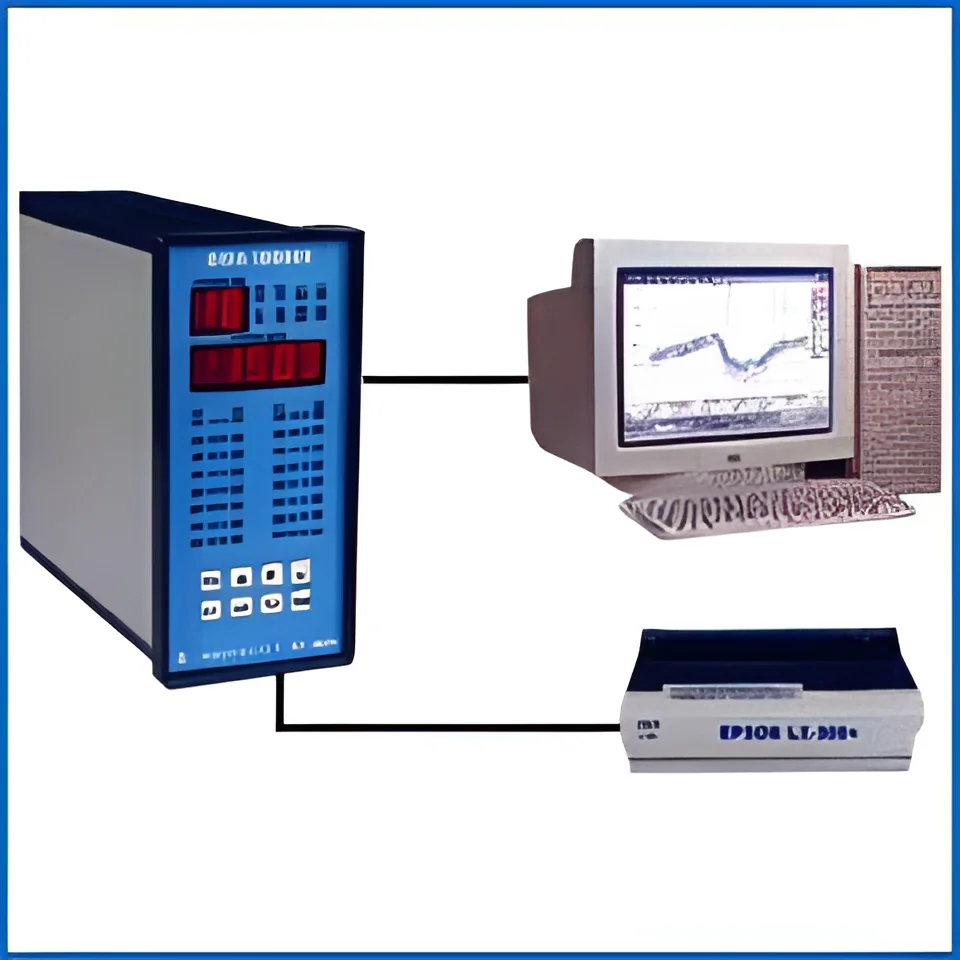
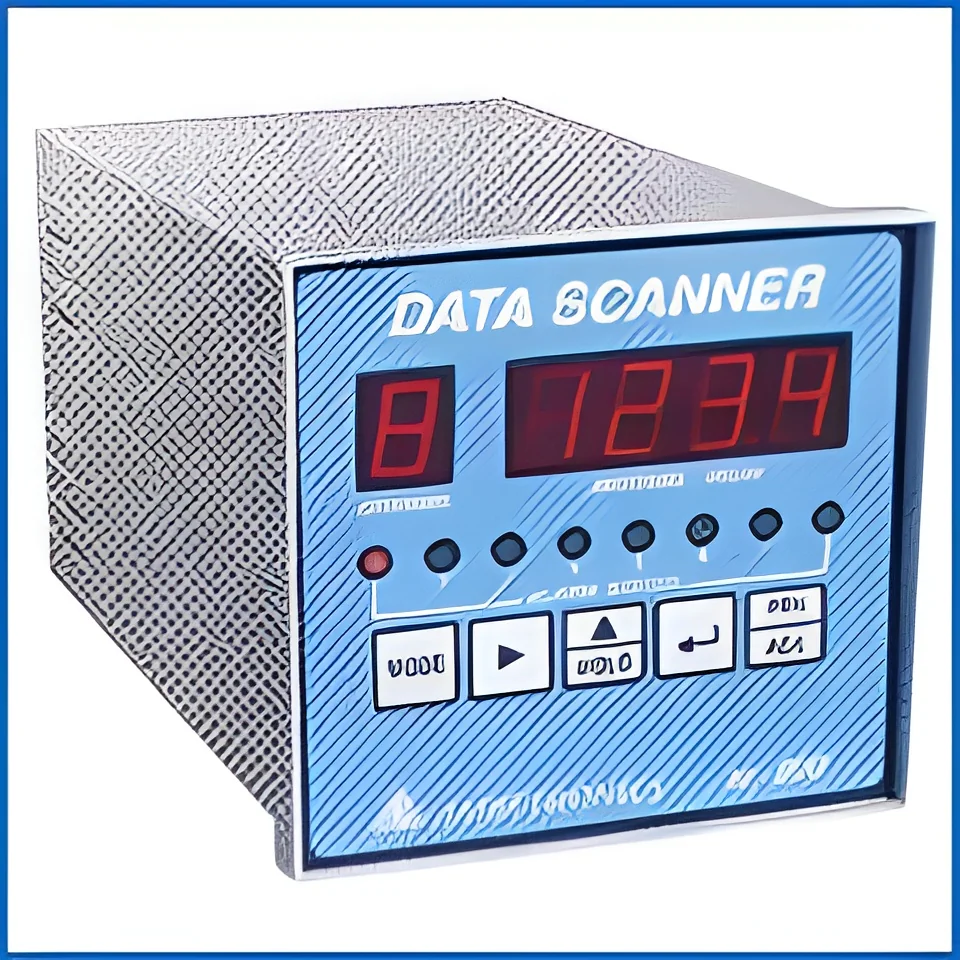
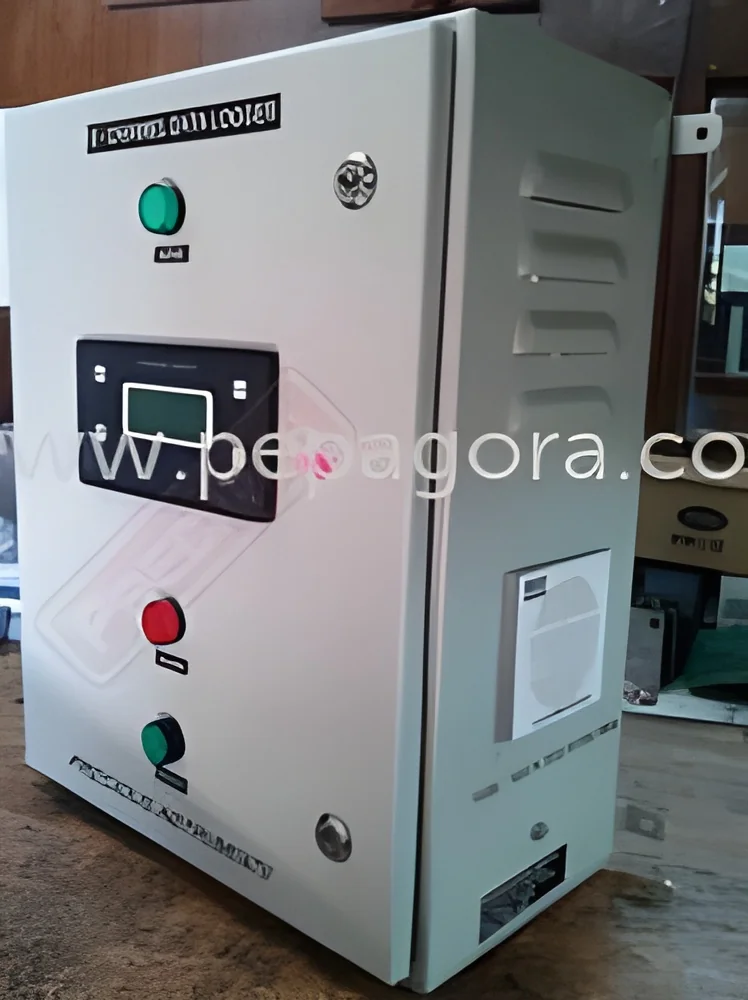
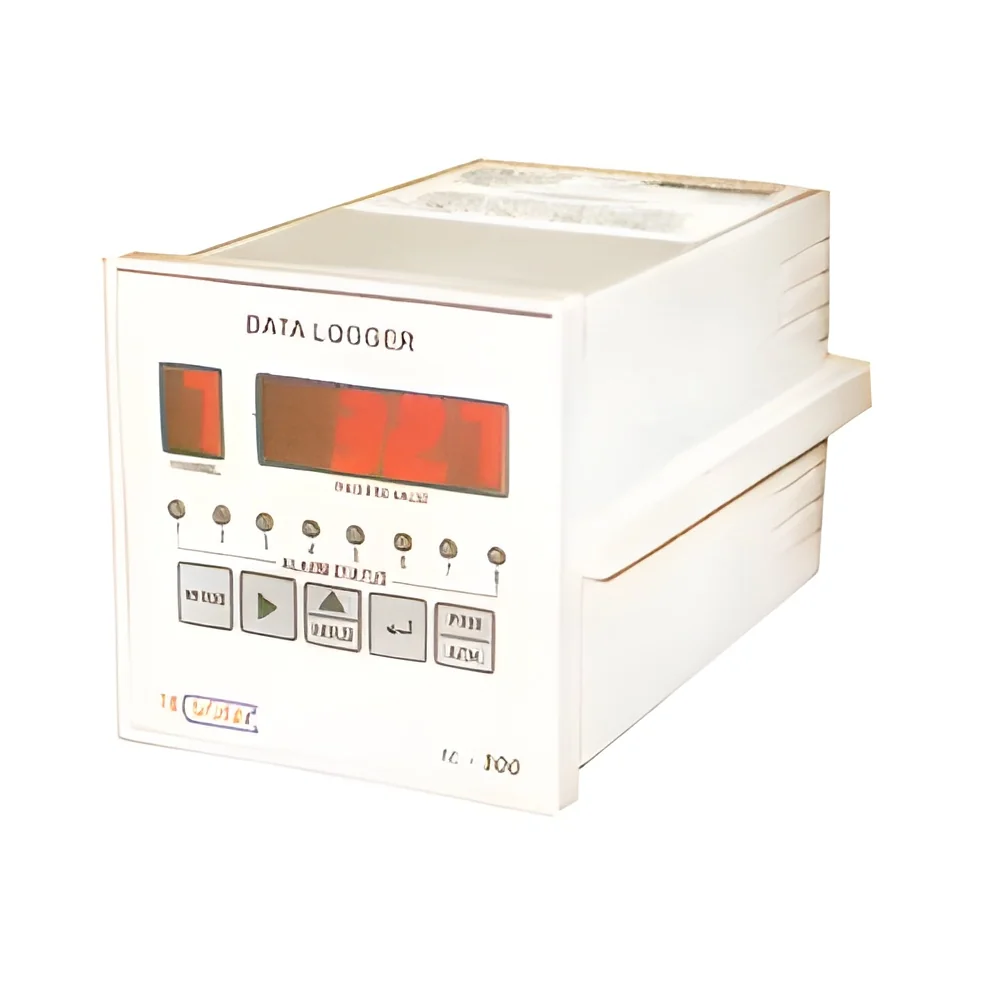
What are Data Loggers & RTUs?
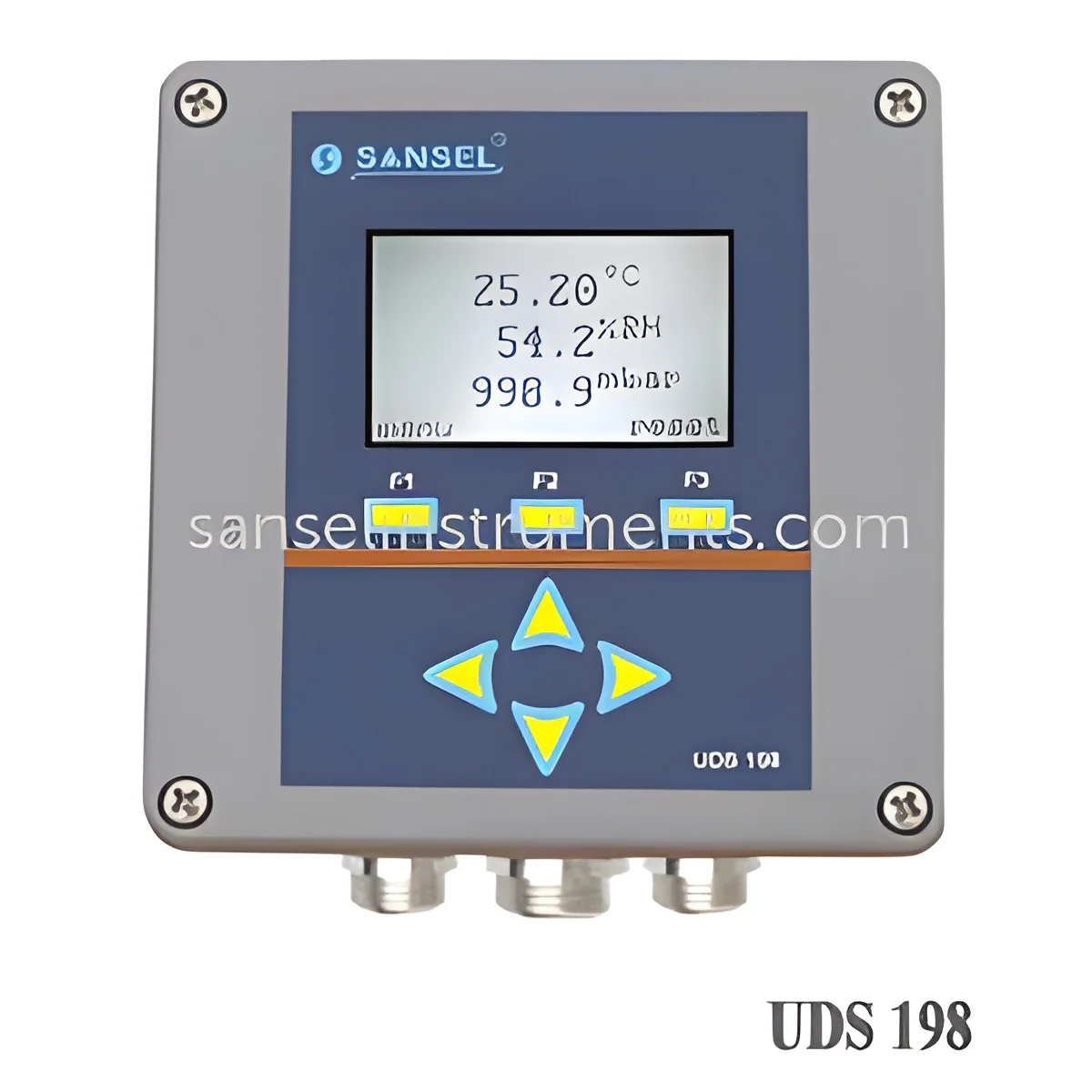
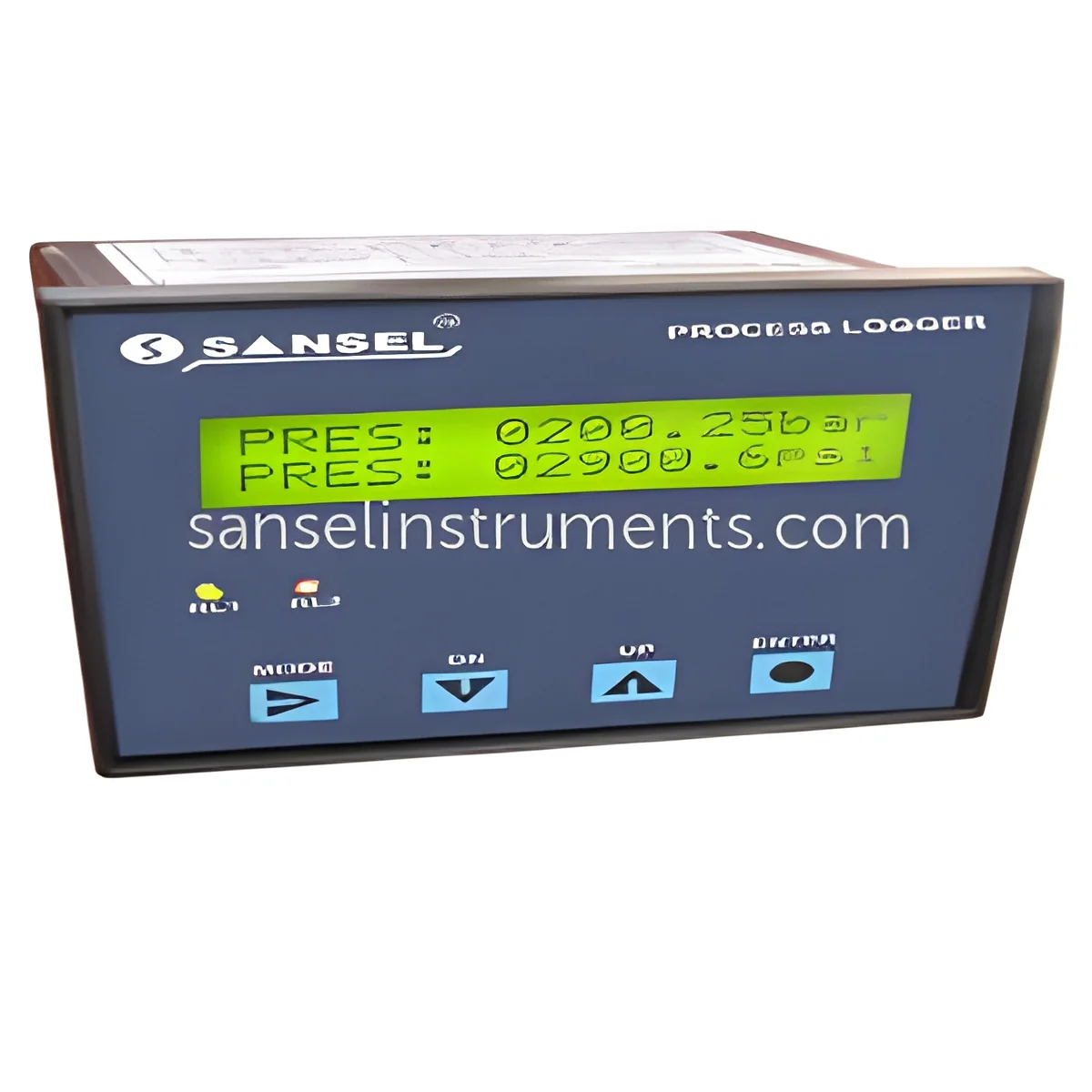
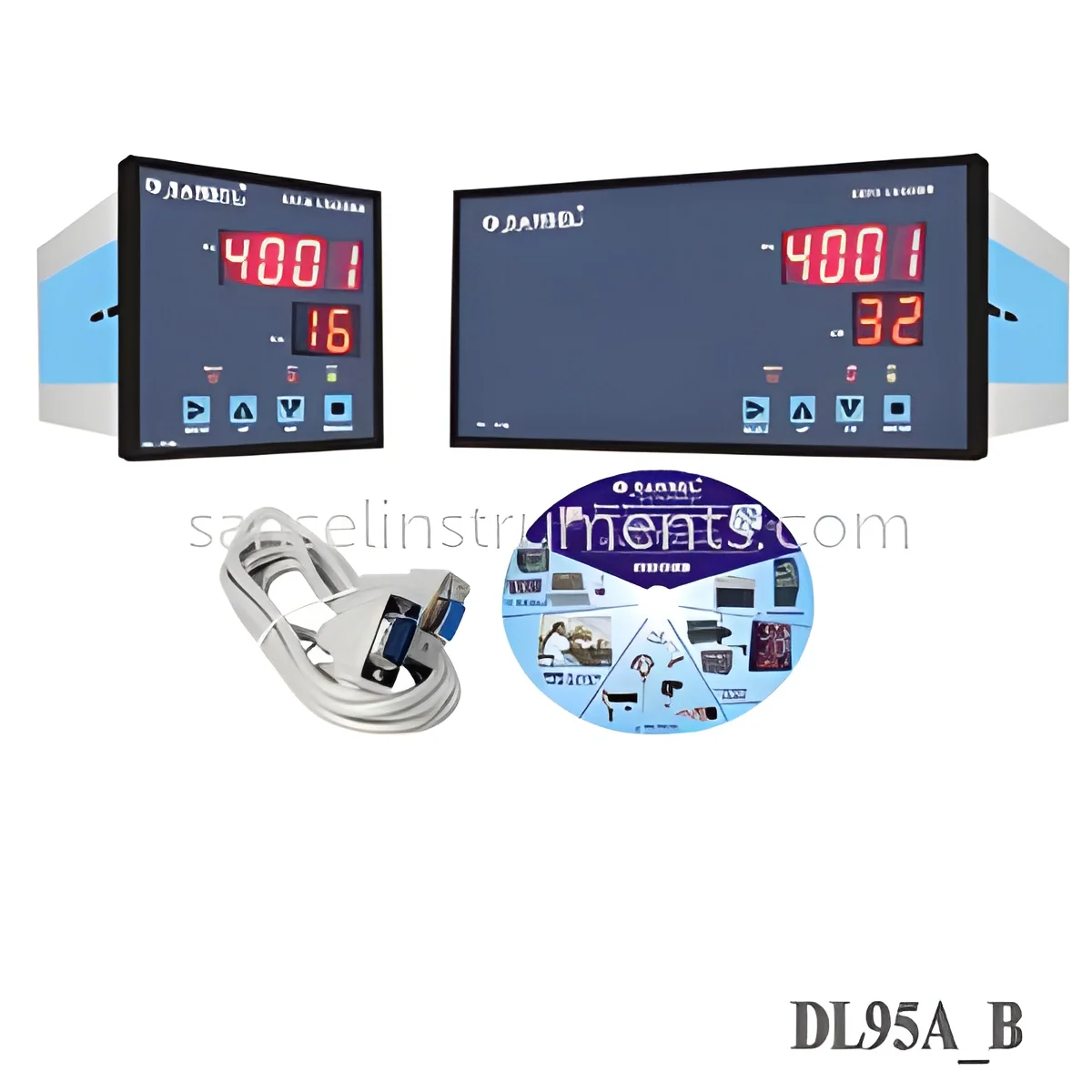
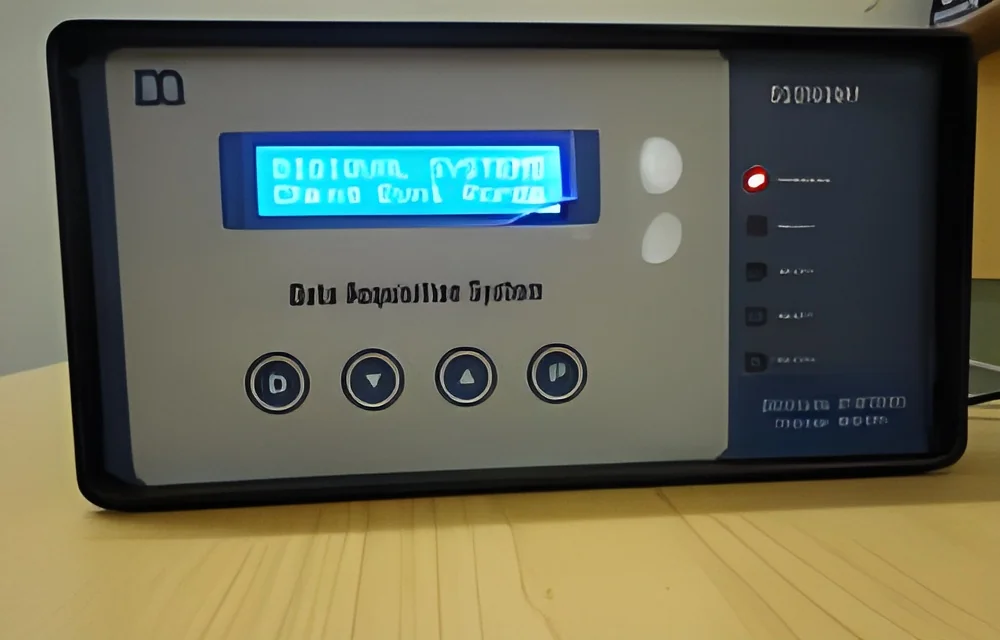
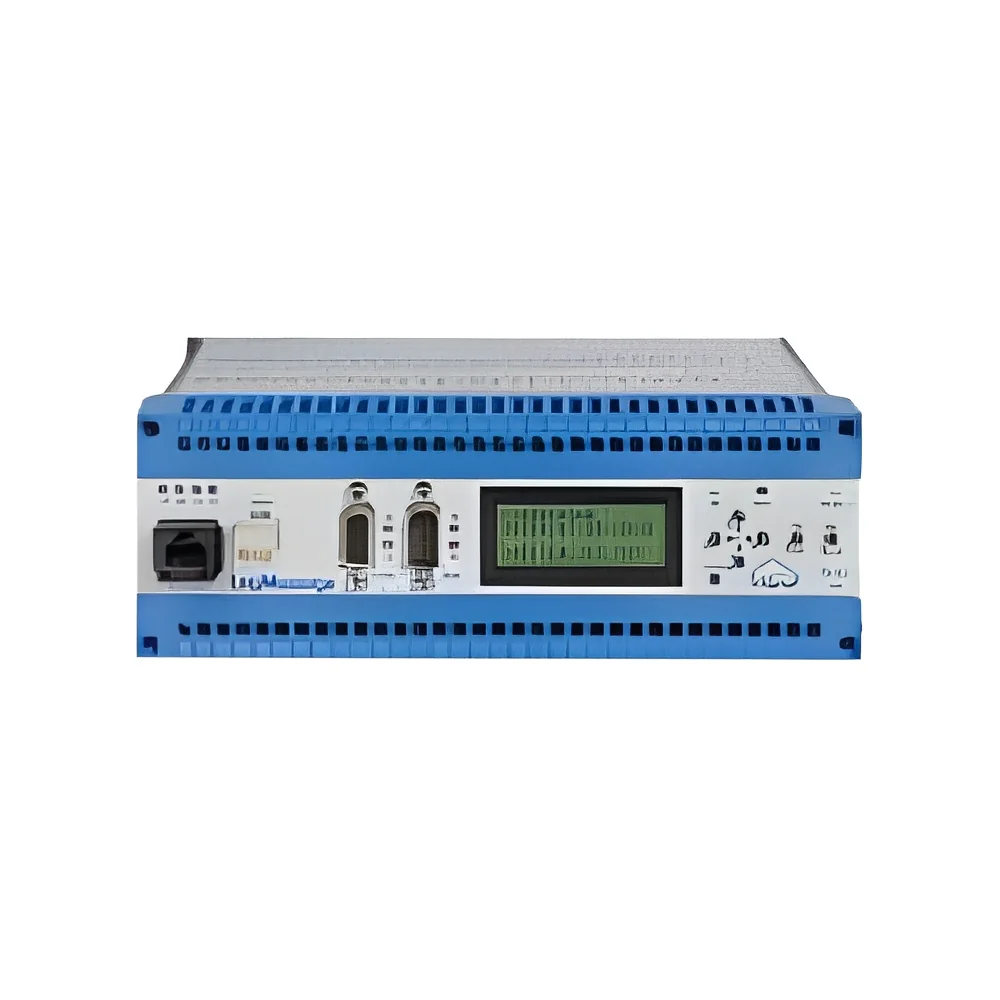
Data loggers and Remote Terminal Units (RTUs) are essential devices used for monitoring and recording data over time. A data logger is an electronic device that measures and stores physical or environmental parameters such as temperature, humidity, pressure, and more. RTUs, on the other hand, are specialized devices that gather data from various sensors and transmit it to a central system for monitoring and control. These devices often use wireless communication technologies to ensure real-time data transmission.
The primary uses of data loggers and RTUs span various sectors, including industrial automation, environmental monitoring, and process control. Businesses utilize these tools for critical applications such as quality assurance, compliance with regulatory standards, and operational efficiency. By collecting accurate data, organizations can make informed decisions that enhance productivity and reduce costs. The relevance of these devices in today’s market cannot be overstated, as industries increasingly rely on data-driven insights to optimize their operations.
As industries evolve and technology advances, the demand for efficient and reliable data collection solutions continues to grow. This trend is driven by the need for real-time monitoring and analysis to meet regulatory compliance and ensure operational excellence. Data loggers and RTUs play a crucial role in this landscape, providing the necessary tools for businesses to thrive in competitive environments.
Key Features and Specifications
Data loggers and RTUs come with a variety of features that enhance their functionality and usability. These devices are designed to be robust and adaptable, catering to the needs of various industries. The following specifications outline the essential characteristics that buyers should consider when evaluating these products.
Key specifications include:
1. Measurement Range
- Data loggers can measure a wide array of parameters, including temperature and humidity.
- Ranges may vary by model, typically from -40°C to 85°C for temperature.
2. Data Storage Capacity
- The storage capacity determines how much data can be logged over time.
- Some models can store thousands of data points, while others may offer expandable memory options.
3. Communication Protocols
- Data loggers and RTUs may support various communication methods, including Bluetooth, Wi-Fi, and cellular networks.
- This feature enables real-time data transmission to cloud platforms or local servers.
4. Power Supply
- These devices can be powered by batteries, solar energy, or external power sources.
- Battery life can range from several months to years, depending on usage and model.
5. Sensor Compatibility
- Many data loggers allow for external sensors to be connected, broadening their application scope.
- Compatibility with industry-standard sensors is crucial for usability.
6. User Interface
- Most data loggers come with user-friendly interfaces, often featuring LCD displays for easy data reading.
- Some models provide mobile app connectivity for remote monitoring.
7. Calibration Features
- Calibration is essential for maintaining accuracy; some devices offer built-in calibration options.
- Regular calibration ensures reliability in critical applications.
8. Environmental Protection
- Data loggers and RTUs often come with IP ratings indicating their resistance to dust and water.
- Models with higher IP ratings are suitable for outdoor or harsh environment deployments.
In summary, the features and specifications of data loggers and RTUs are vital for ensuring that these devices meet the operational requirements of various industries. Understanding these elements can help businesses choose the right products for their specific applications.
Common Applications and Use Cases
Data loggers and RTUs serve a diverse range of industries, each with unique monitoring and data collection needs. Their versatility makes them valuable tools in various settings.
1. Food and Beverage: In this industry, data loggers are used to monitor temperature and humidity during storage and transportation to ensure product safety and compliance with health regulations.
2. Pharmaceuticals: RTUs play a crucial role in monitoring environmental conditions in storage facilities, ensuring that sensitive products are maintained within required specifications.
3. Agriculture: Data loggers are employed to monitor soil moisture and temperature, helping farmers optimize irrigation and improve crop yields.
4. HVAC: These devices help in monitoring environmental conditions in buildings, enabling efficient climate control and energy savings.
5. Oil and Gas: RTUs are used to monitor pressure, temperature, and flow rates in pipelines, ensuring safe and efficient operations.
6. Environmental Monitoring: Data loggers track climatic conditions, water quality, and pollution levels, assisting in research and regulatory compliance.
7. Manufacturing: In production facilities, data loggers monitor machinery performance and environmental conditions, contributing to process optimization and quality control.
Product Variants and Subcategories
Data loggers and RTUs come in various forms to cater to specific monitoring needs across different applications.
Wireless Data Loggers: These devices offer the advantage of remote monitoring and data transmission without the need for physical connections. They are ideal for applications where mobility and flexibility are essential.
Portable Data Loggers: Designed for field use, portable data loggers can be easily transported and deployed in various environments. They are particularly useful for temporary monitoring situations.
Industrial RTUs: These robust units are built for harsh industrial environments and can handle multiple sensor inputs, making them suitable for complex monitoring tasks.
Benefits and Advantages
Choosing to implement data loggers and RTUs in operations can yield numerous benefits for businesses across industries.
Key benefits include:
1. Improved Data Accuracy: These devices provide precise measurements that enhance decision-making and operational efficiency.
2. Real-Time Monitoring: With capabilities for real-time data transmission, businesses can respond quickly to changes and issues as they arise.
3. Compliance Assurance: Data loggers help industries comply with regulations by providing reliable records of environmental conditions.
4. Cost Savings: By optimizing processes and reducing waste, data loggers and RTUs can lead to significant cost reductions over time.
5. Enhanced Operational Efficiency: Continuous monitoring allows businesses to identify inefficiencies and streamline operations.
6. Versatility: With applications across various industries, these devices can be adapted to meet diverse monitoring needs.
Buying Guide for B2B Buyers
When sourcing data loggers and RTUs, buyers should keep several factors in mind to ensure they select the right products for their needs.
1. Quality Assessment: It is crucial to evaluate the quality standards of potential products. Look for devices from reputable manufacturers known for reliability and performance.
2. Supplier Verification: Vetting suppliers is essential to ensure they have a good track record and can provide support and service when needed.
3. Pricing and MOQ: Understand the pricing structure and minimum order quantities, as this can vary significantly between suppliers and models.
4. Delivery and Lead Times: Consider logistics and ensure that suppliers can meet your delivery timelines to avoid disruptions in operations.
5. Compliance Requirements: Ensure that the products meet relevant regulatory standards and certifications applicable to your industry.
Compliance and Certifications
Data loggers and RTUs must adhere to various quality standards and certifications to ensure their reliability and safety in operations.
ISO 9001 is a widely recognized standard that focuses on quality management systems, ensuring that manufacturers maintain consistent quality in their products.
HACCP (Hazard Analysis Critical Control Point) is crucial in the food industry, requiring monitoring devices to be compliant to ensure food safety.
CE certification indicates that products meet European safety and environmental protection standards, which is essential for market access in Europe.
Additionally, devices must meet safety and testing requirements relevant to their specific applications. Regional compliance considerations are also important, as regulations can vary significantly between countries and regions.
Why Source Data Loggers & RTUs from Pepagora?
Pepagora provides a trusted platform for sourcing data loggers and RTUs, offering several key advantages to business buyers.
Verified Supplier Network: Pepagora ensures that all suppliers in its network are thoroughly vetted, providing buyers with confidence in the quality and reliability of the products offered.
Streamlined RFQ Process: The request for quotation (RFQ) process is designed to be user-friendly, allowing buyers to quickly and efficiently connect with multiple suppliers for their needs.
Trade Assurance and Support: Pepagora offers trade assurance that protects buyers in their transactions, providing an added layer of security and support throughout the purchasing process.
Regional Coverage: With a strong presence in India, the GCC, and Southeast Asia, Pepagora connects buyers with suppliers across these regions, facilitating access to a wide range of products and services.
By choosing Pepagora, businesses can ensure they are sourcing the best data loggers and RTUs available, backed by a reliable support network and comprehensive trade protections.

 IN
IN

 India
India