
 IN
Chemical Compounds (Organic/Inorganic)
41 products available
Key Features and Specifications
Chemical compounds, both organic and inorganic, exhibit distinct features that determine their applicability in various industries. Understanding these specifications is crucial for businesses when selecting the right compounds for their needs.
Key specifications include:
1. Composition
- The specific elements or compounds that make up the chemical.
- Varies widely depending on the type and application.
2. Purity Level
- The percentage of the desired chemical within the compound.
- High purity levels are often required for pharmaceutical and food applications.
3. Physical State
- Can be solid, liquid, or gas at room temperature.
- Determines handling and storage requirements.
4. Solubility
- The ability of the compound to dissolve in solvents.
- Important for applications in chemical reactions and formulations.
5. Stability
- The compound's ability to maintain its chemical structure under various conditions.
- Critical for storage and usage in sensitive environments.
6. Reactivity
- The tendency of the compound to undergo chemical reactions.
- Influences its suitability for various industrial processes.
7. Molecular Weight
- The weight of one mole of the compound.
- Affects the compound's behavior in reactions and applications.
8. Safety Data
- Information on handling, storage, and potential hazards.
- Essential for compliance with safety regulations.
Understanding these features helps companies make informed decisions, ensuring the right fit for their specific applications.
Common Applications and Use Cases
Chemical compounds play a vital role across diverse industries. Their applications showcase their versatility and importance in modern manufacturing and production processes.
1. Pharmaceuticals: Organic compounds are fundamental in drug formulation, providing active ingredients for treatments and therapies.
2. Agriculture: Chemical compounds, including fertilizers and pesticides, are essential for enhancing crop yield and protecting plants from pests and diseases.
3. Construction: Inorganic compounds are used in materials like cement and glass, contributing to the structural integrity of buildings and infrastructure.
4. Electronics: Chemical compounds are critical in manufacturing semiconductors and other electronic components, influencing performance and reliability.
5. Food and Beverage: Organic compounds serve as flavoring agents, preservatives, and colorants, ensuring product quality and safety.
6. Automotive: Inorganic compounds are used in manufacturing batteries and coatings, enhancing vehicle performance and durability.
7. Textiles: Chemical compounds are involved in dyeing and finishing processes, affecting the look and feel of fabrics.
Product Variants and Subcategories
Chemical compounds are diverse, with various variants tailored to meet specific industry requirements. Understanding these variants can help businesses select the right product for their needs.
Organic Solvents
These compounds are widely used in cleaning, degreasing, and as reaction mediums in chemical processes. They are essential for industries like paints and coatings.
Inorganic Salts
Commonly used in agriculture and water treatment, inorganic salts play a critical role in nutrient supply and chemical reactions.
Acids and Bases
These compounds are used in manufacturing, cleaning, and food processing. Their properties make them essential in pH control and chemical reactions.
Polymeric Compounds
These are used in creating plastics and elastomers, offering flexibility and durability for various applications, from packaging to automotive parts.
Benefits and Advantages
Sourcing chemical compounds offers numerous advantages that can enhance business operations and product quality.
1. Versatility: Chemical compounds can be tailored to meet specific application needs, making them suitable for a wide range of industries.
2. Efficiency: The right compounds can improve manufacturing processes, reducing waste and increasing productivity.
3. Quality Control: High-quality chemical compounds lead to better final products, ensuring compliance with industry standards and customer satisfaction.
4. Innovation: Access to diverse chemical compounds enables companies to innovate and develop new products, keeping them competitive in the market.
5. Cost-effectiveness: Bulk purchasing and direct sourcing can lead to significant cost savings, improving overall profitability.
6. Regulatory Compliance: Sourcing from reputable suppliers ensures that compounds meet safety and regulatory standards, mitigating risks for businesses.
Buying Guide for B2B Buyers
When sourcing chemical compounds, businesses should consider several critical factors to ensure they make informed purchasing decisions.
1. Quality Assessment: Buyers should evaluate the quality of chemical compounds through certifications and specifications, ensuring they meet the necessary industry standards.
2. Supplier Verification: It is essential to vet suppliers for reliability and reputation, including checking references and reviews to ensure they provide high-quality products.
3. Pricing and MOQ: Understanding the pricing structure and minimum order quantities helps buyers plan budgets and manage inventory effectively.
4. Delivery and Lead Times: Buyers should inquire about logistics, ensuring timely delivery of products to avoid disruptions in production processes.
5. Compliance Requirements: It is crucial to be aware of regulatory needs specific to the industry, including safety standards and environmental regulations, to ensure compliance.
Compliance and Certifications
Compliance and certifications are vital in the chemical industry, ensuring that products meet quality and safety standards.
ISO 9001 is a widely recognized quality management standard that ensures consistent product quality and customer satisfaction. Companies that adhere to this standard demonstrate their commitment to quality and continuous improvement.
HACCP (Hazard Analysis and Critical Control Points) is essential in the food industry, focusing on safety throughout the production process. Certification in HACCP assures clients that products are safe for consumption.
CE marking indicates compliance with European safety, health, and environmental protection standards, allowing products to be sold within the European Economic Area.
In addition to these certifications, companies must also consider safety and testing requirements to ensure that chemical compounds meet necessary safety standards. Regional compliance considerations also play a significant role, as regulations can vary widely across different countries and regions.
Why Source Chemical Compounds (Organic/Inorganic) from Pepagora?
Pepagora offers a reliable platform for sourcing chemical compounds, providing businesses with several key advantages that enhance their purchasing experience.
Verified Supplier Network: Pepagora connects buyers with a robust network of vetted suppliers, ensuring access to high-quality chemical compounds. This verification process guarantees that suppliers meet industry standards and can deliver consistent products.
Streamlined RFQ Process: The Request for Quotation (RFQ) system simplifies the purchasing process. Buyers can easily request quotes from multiple suppliers, allowing for better price comparisons and informed decision-making.
Trade Assurance and Support: Pepagora prioritizes buyer protection, offering trade assurance that safeguards transactions. This support gives buyers confidence in their purchases and fosters long-term relationships with suppliers.
Regional Coverage: With a strong presence in India, the GCC, and Southeast Asia, Pepagora provides extensive geographic reach. This regional coverage ensures that businesses can access a diverse range of chemical compounds tailored to their specific market needs.
By sourcing chemical compounds from Pepagora, businesses can streamline their procurement processes while ensuring quality and compliance, ultimately driving success in their operations.




Frequently Asked Questions
What are Chemical Compounds (Organic/Inorganic)?
Chemical compounds are substances formed from two or more elements chemically bonded together. Organic compounds primarily contain carbon atoms, while inorganic compounds include a broader range of substances, often lacking carbon. Both types of compounds are essential in various industrial applications.
What are the different types of Chemical Compounds (Organic/Inorganic)?
Chemical compounds can be categorized into two main types: organic and inorganic. Organic compounds include hydrocarbons and their derivatives, while inorganic compounds encompass salts, metals, and minerals. Each type serves distinct purposes across multiple industries.
How do I choose the right Chemical Compounds (Organic/Inorganic)?
Choosing the right chemical compounds involves understanding your specific application requirements, including chemical properties, compatibility, and safety standards. It's also essential to consult with suppliers or manufacturers to ensure the selected compounds meet industry-specific regulations.
What are the standard specifications for Chemical Compounds (Organic/Inorganic)?
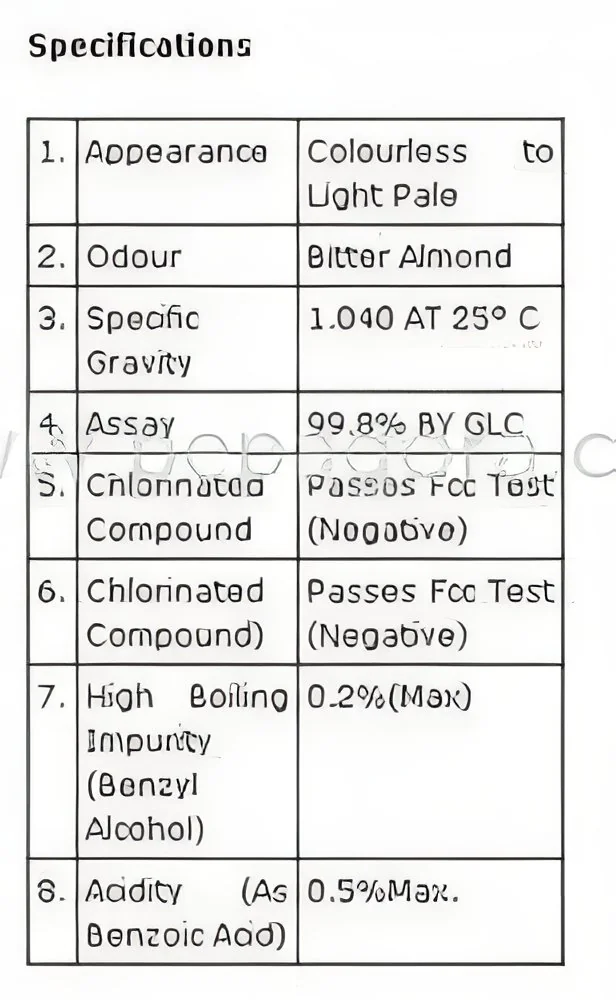
Standard specifications for chemical compounds often include purity levels, physical and chemical properties, and safety data sheets (SDS). These specifications vary based on the intended application and regulatory standards applicable to the industry.
What is the price range for Chemical Compounds (Organic/Inorganic)?
The price range for chemical compounds can vary significantly based on the type, quantity, and purity of the compound. Generally, prices can range from a few hundred to several thousand rupees per kilogram, depending on market demand and supply conditions.
What quality standards apply to Chemical Compounds (Organic/Inorganic)?
Quality standards for chemical compounds typically include ISO certifications, ASTM standards, and other industry-specific regulations. Compliance with these standards ensures that the compounds are safe, reliable, and suitable for their intended applications.
Where can I find Chemical Compounds (Organic/Inorganic) suppliers in India?
You can find chemical compound suppliers in India through B2B marketplaces, industry directories, and trade shows. Websites like Pepagora provide a platform to connect with various manufacturers and suppliers of chemical compounds.
Can Chemical Compounds (Organic/Inorganic) be customized?
Yes, many manufacturers offer customization options for chemical compounds based on specific customer requirements. This may include adjustments in formulation, packaging, or delivery conditions to meet particular industry needs.
What is the typical minimum order quantity for Chemical Compounds (Organic/Inorganic)?
The minimum order quantity (MOQ) for chemical compounds can vary widely depending on the supplier and the type of compound. Typically, MOQs can range from as low as 1 kilogram to several hundred kilograms for bulk orders.
What is the typical lead time for Chemical Compounds (Organic/Inorganic)?
The typical lead time for chemical compounds varies based on the supplier, order volume, and customization requirements. Generally, lead times can range from a few days to several weeks, depending on production schedules and stock availability.
Why Businesses Trust Pepagora
Thousands of companies trust Pepagora to source smarter and sell faster
Expand Your Sales Globally

Source Smarter,Grow Faster
