What are Desiccants?
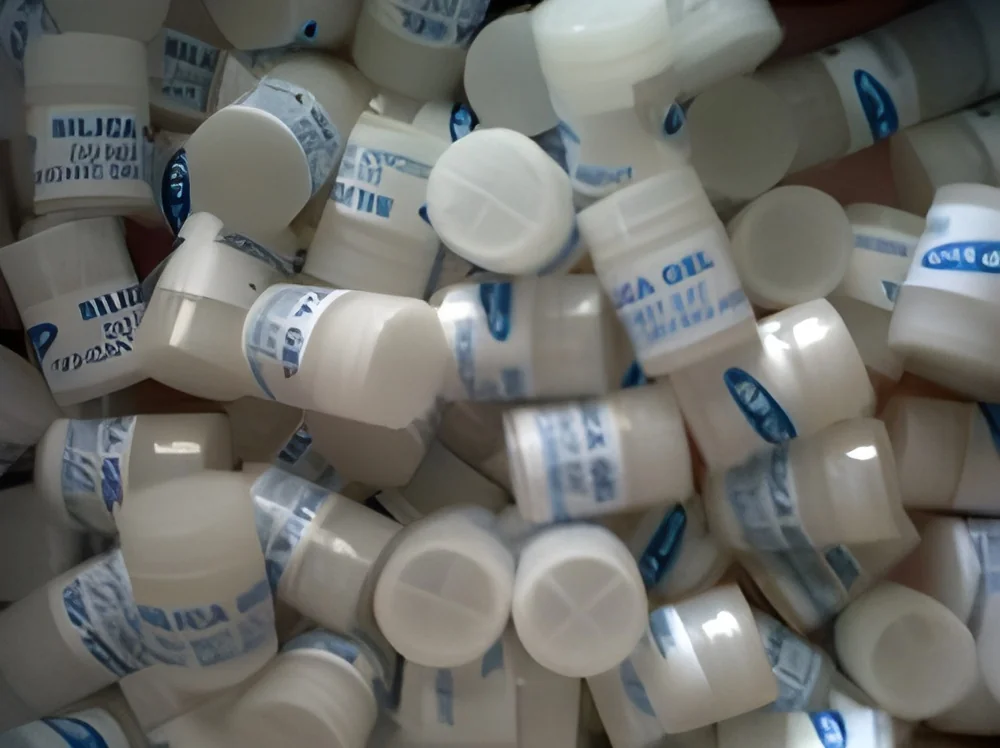
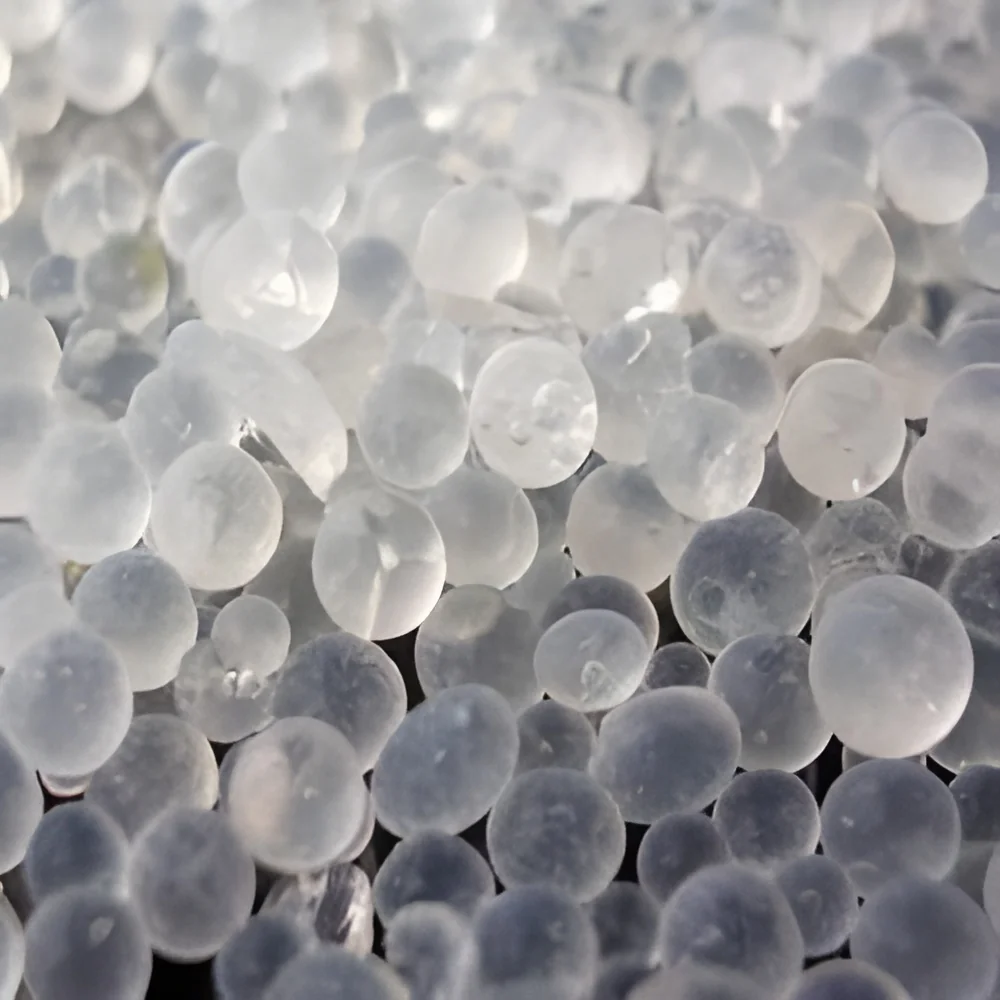
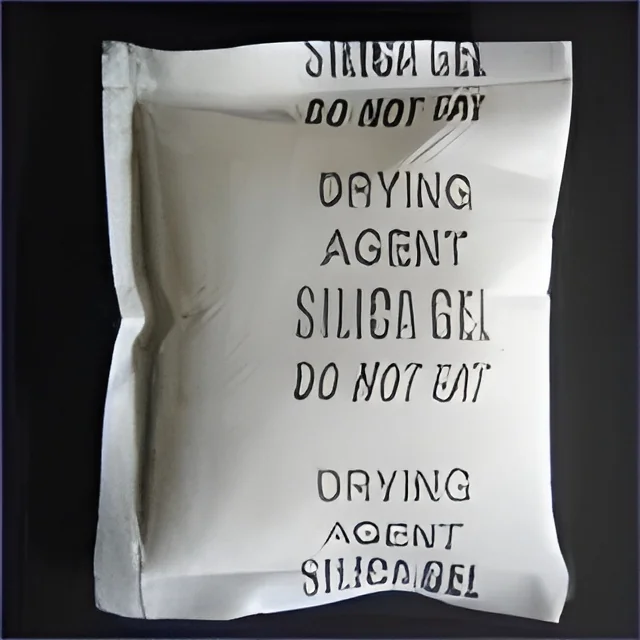
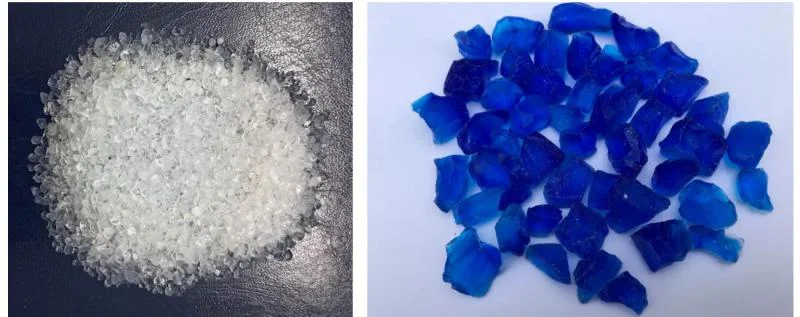
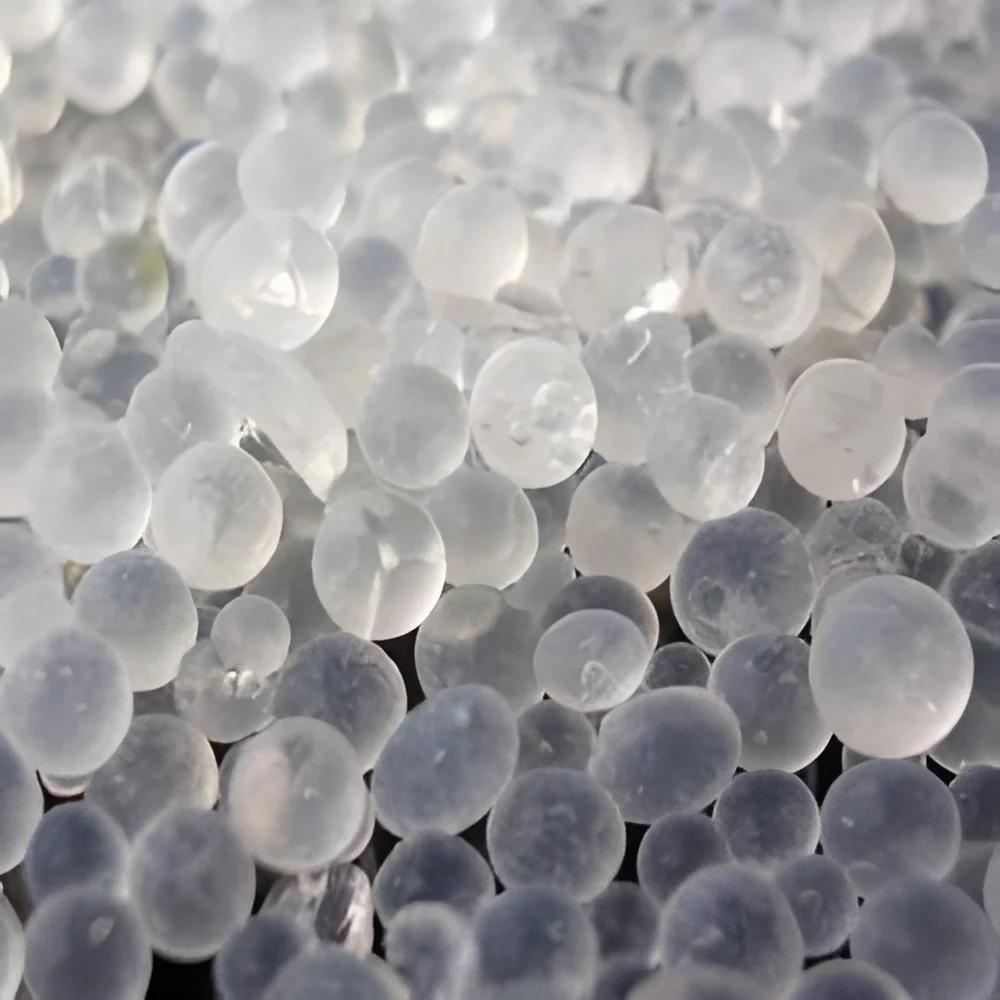
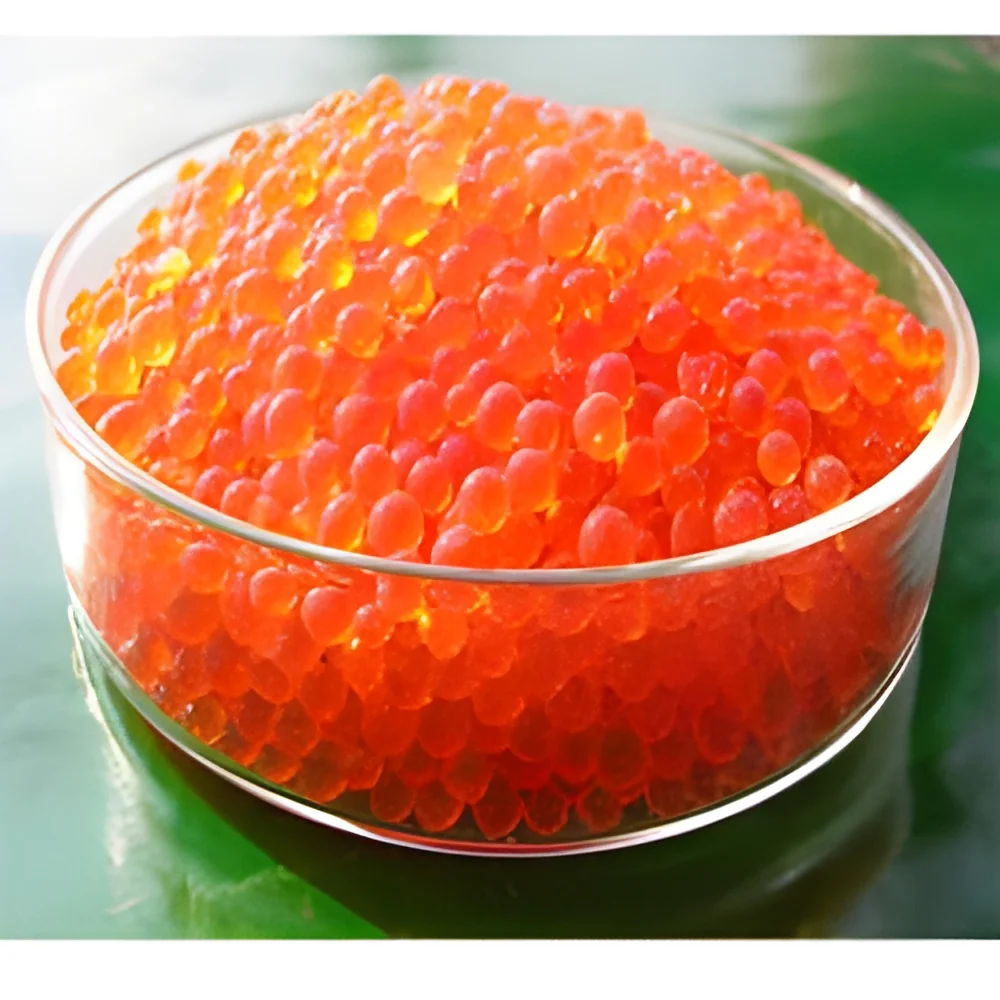
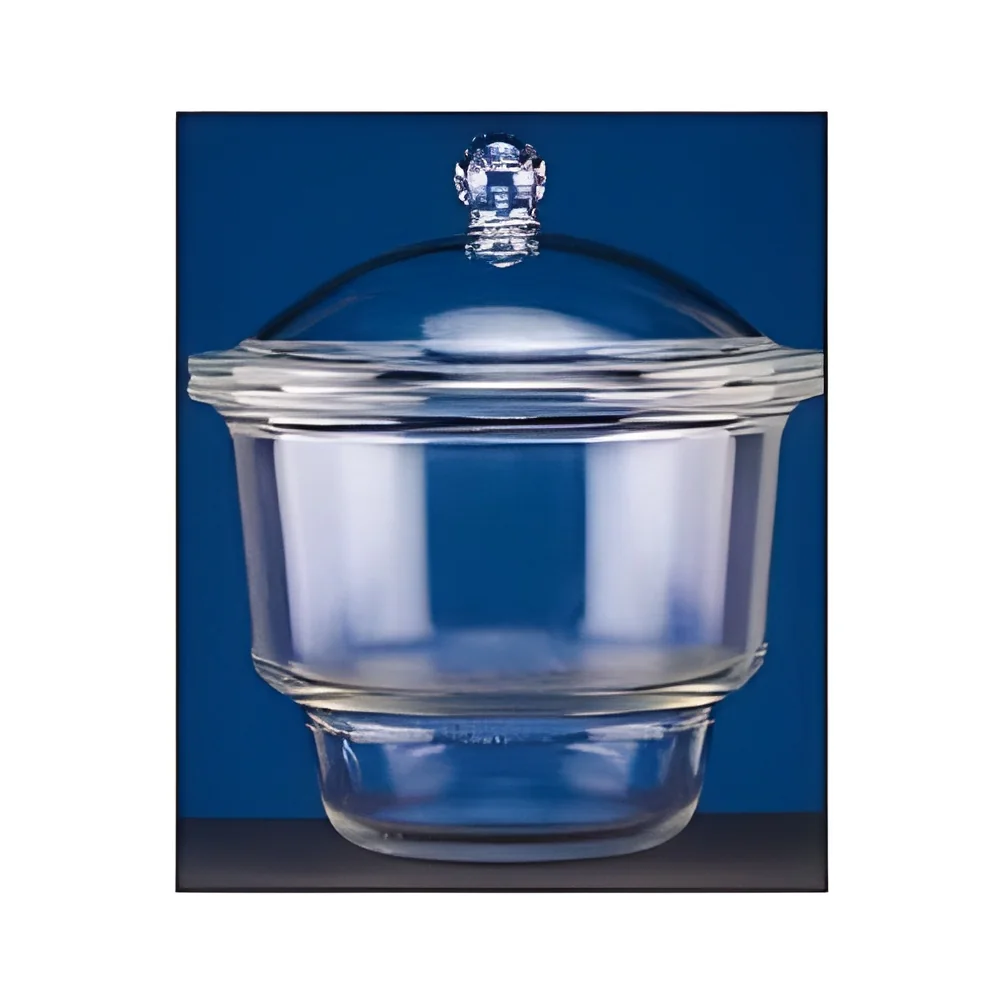
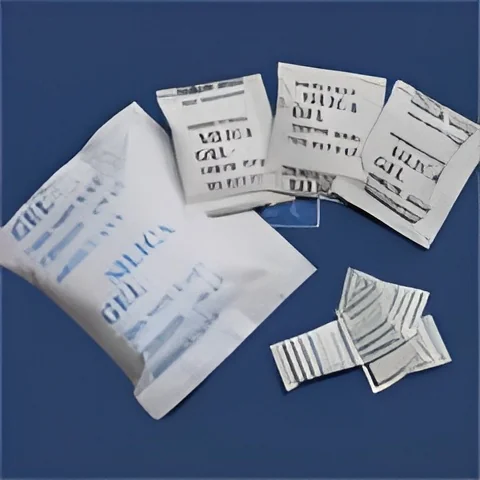
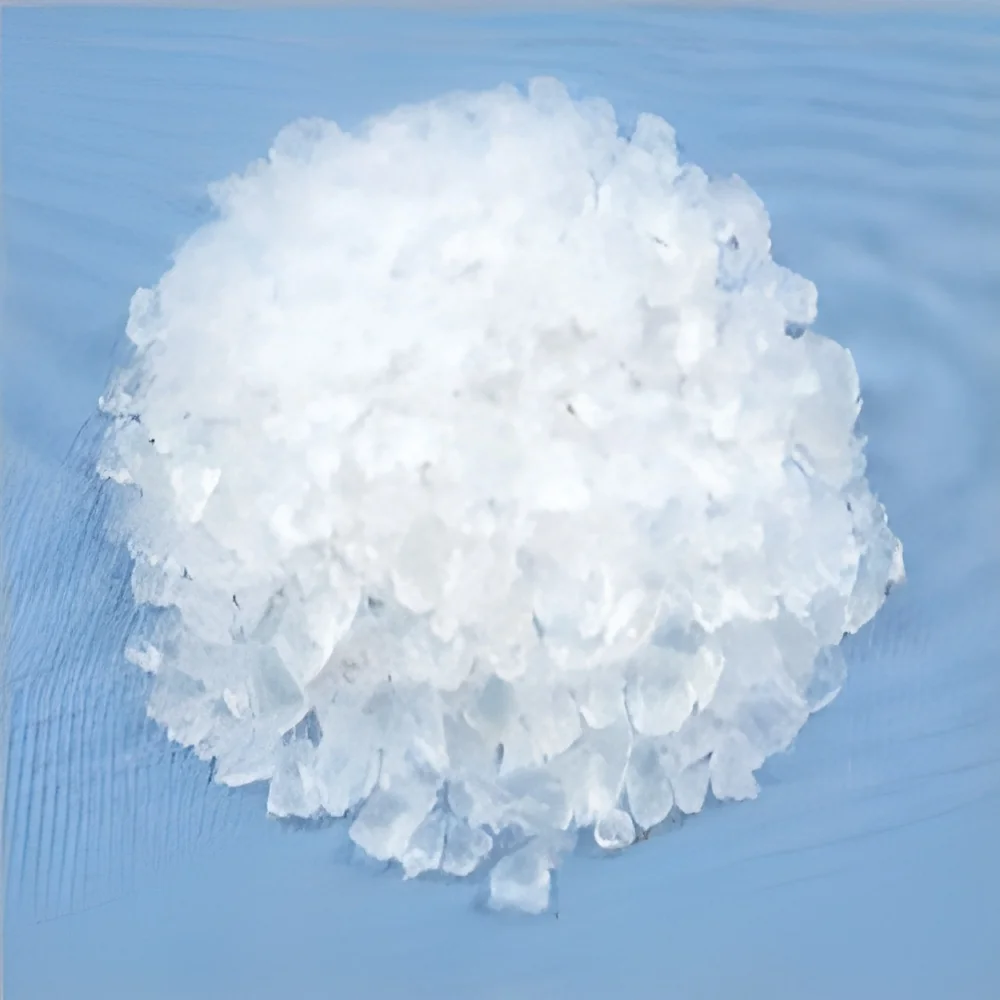
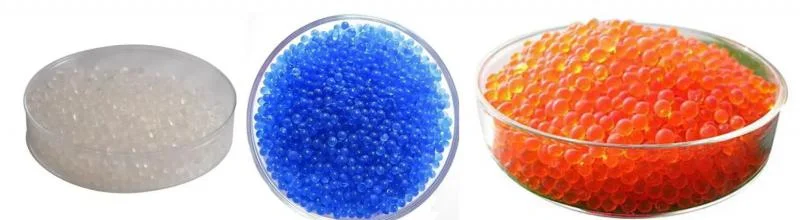
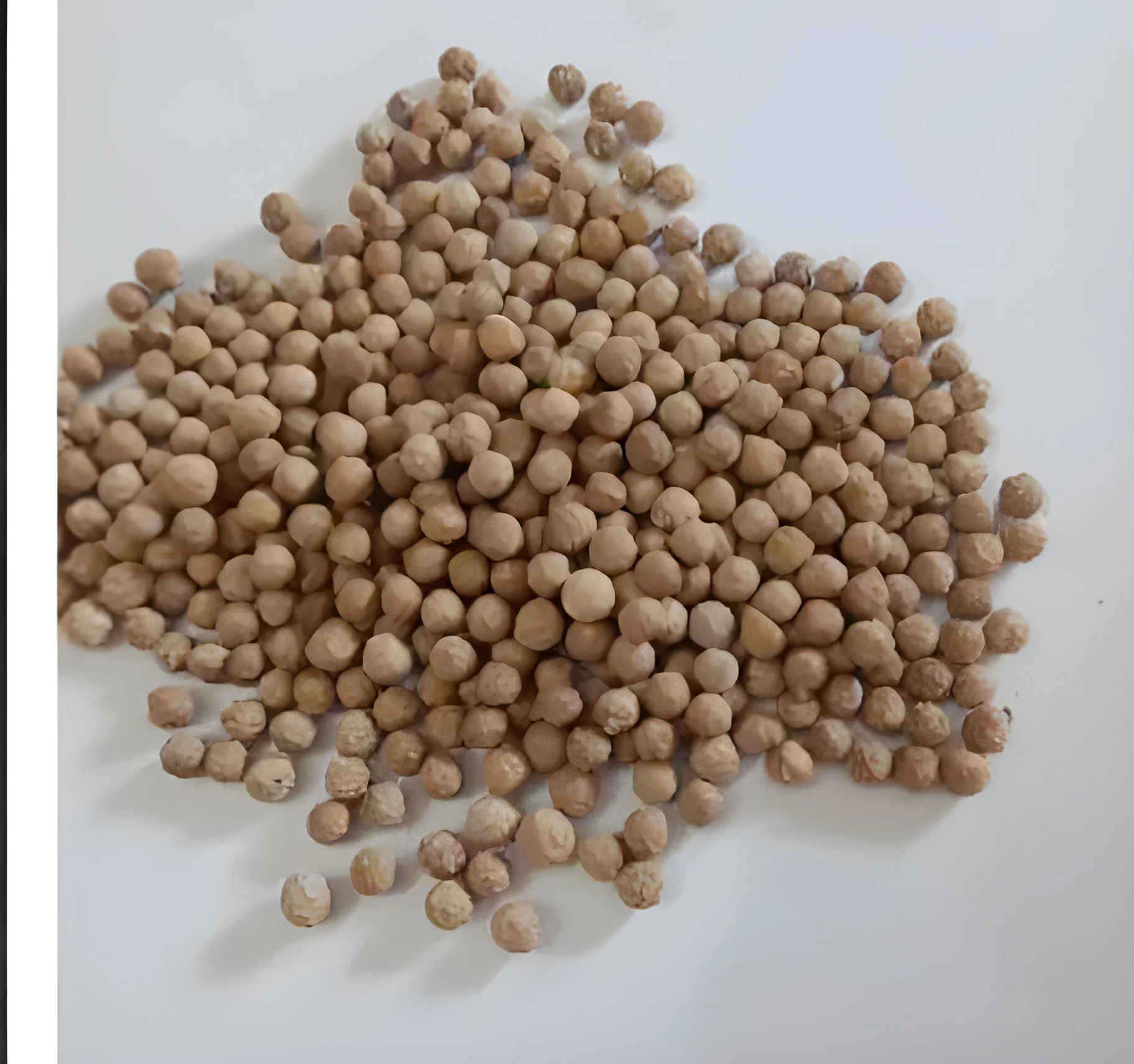
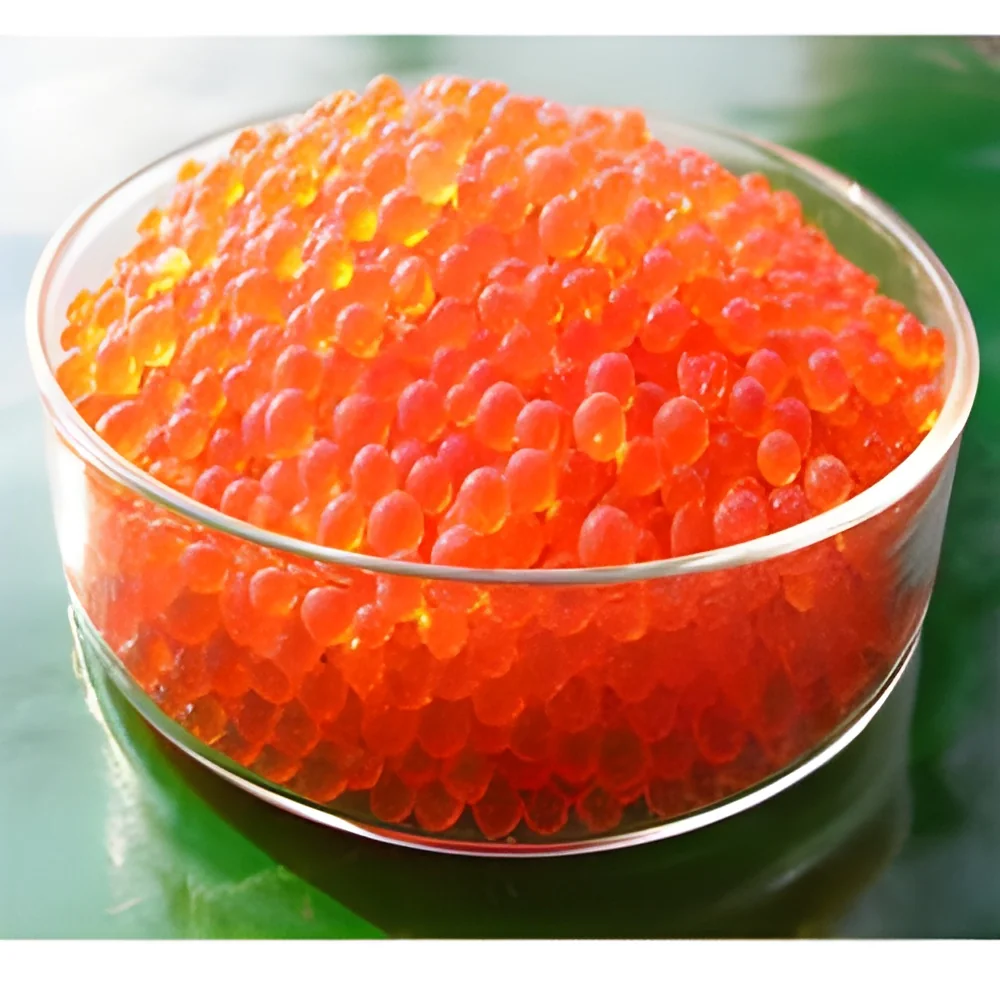
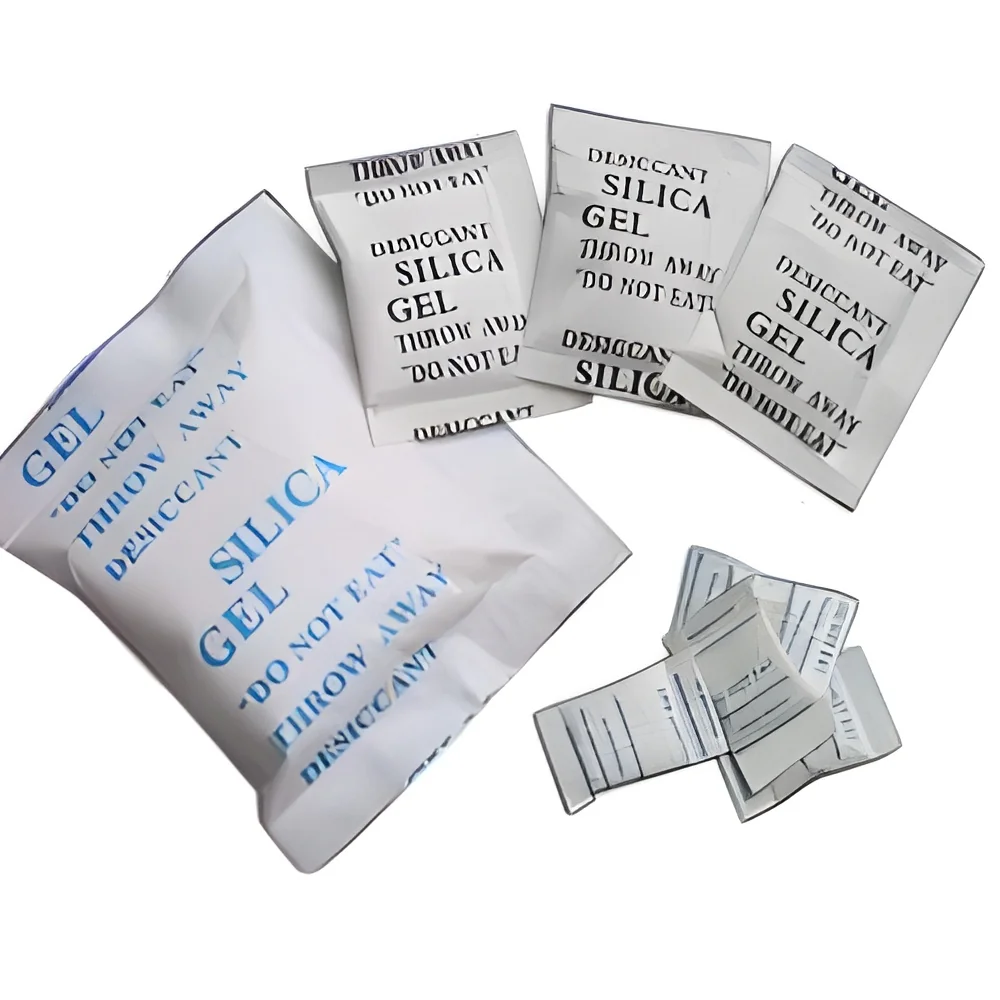
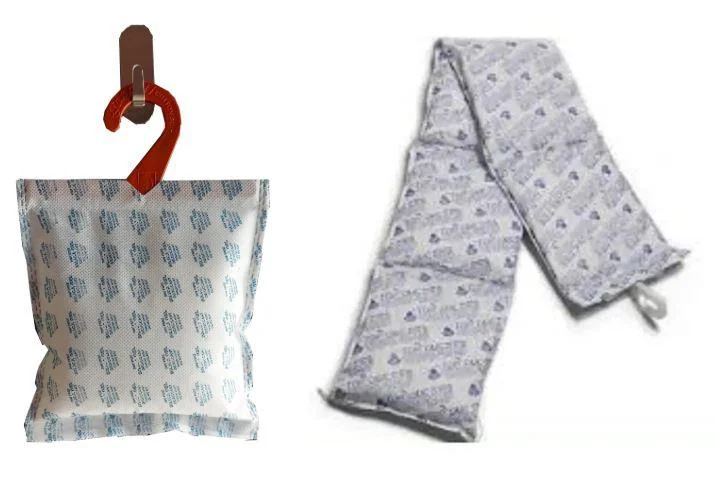
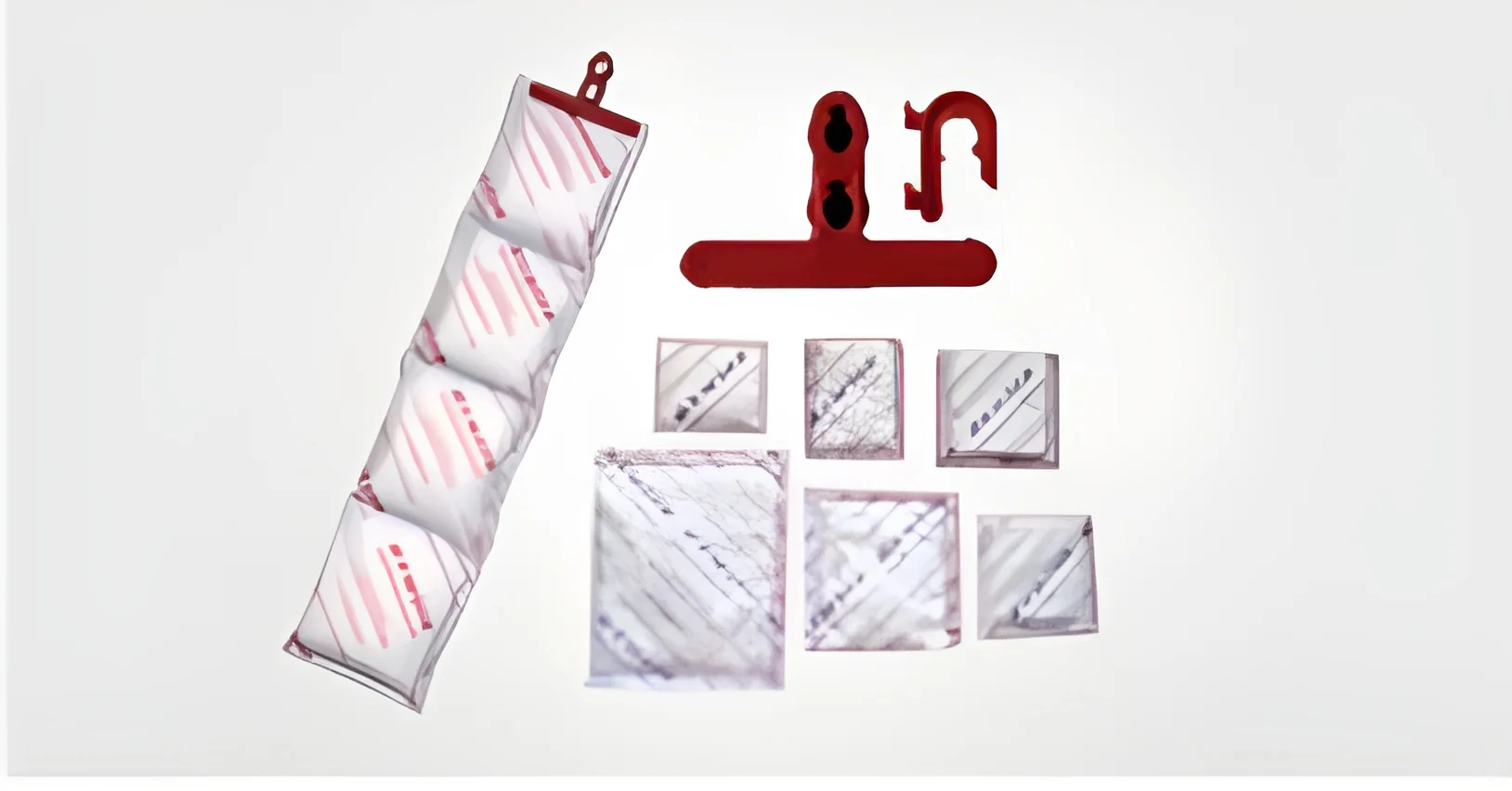
Desiccants are hygroscopic substances that absorb moisture from the air, creating a dry environment. They are commonly used to protect various products from moisture-related damage during storage and transportation. These materials can take various forms, including granules, powders, and packets, making them versatile for different applications.
Desiccants are widely utilized in industries such as pharmaceuticals, electronics, food packaging, and manufacturing. In the pharmaceutical sector, they help maintain the efficacy of medications by preventing moisture from causing degradation. In electronics, desiccants play a crucial role in safeguarding sensitive components from humidity that could lead to corrosion or failure. The relevance of desiccants in today's market is underscored by their increasing demand as industries recognize the importance of moisture control for product integrity.
Key Features and Specifications
Desiccants offer a range of features that enhance their effectiveness in moisture control. Understanding these specifications helps businesses select the right product for their needs.
Key specifications include:
1. Absorption Capacity
- The amount of moisture a desiccant can absorb, typically measured in grams of water per gram of desiccant.
- Varies by type; for example, silica gel can absorb up to 40% of its weight in moisture.
2. Regeneration Capability
- The ability of a desiccant to be dried and reused after it has absorbed moisture.
- Some desiccants can be regenerated through heating, while others may not.
3. Temperature Range
- The operational temperature range in which the desiccant remains effective.
- Specific ranges depend on the material used; data not available for precise figures.
4. Particle Size
- The size of the desiccant particles can affect the rate of absorption.
- Smaller particles typically have a higher surface area for moisture adsorption.
5. Chemical Composition
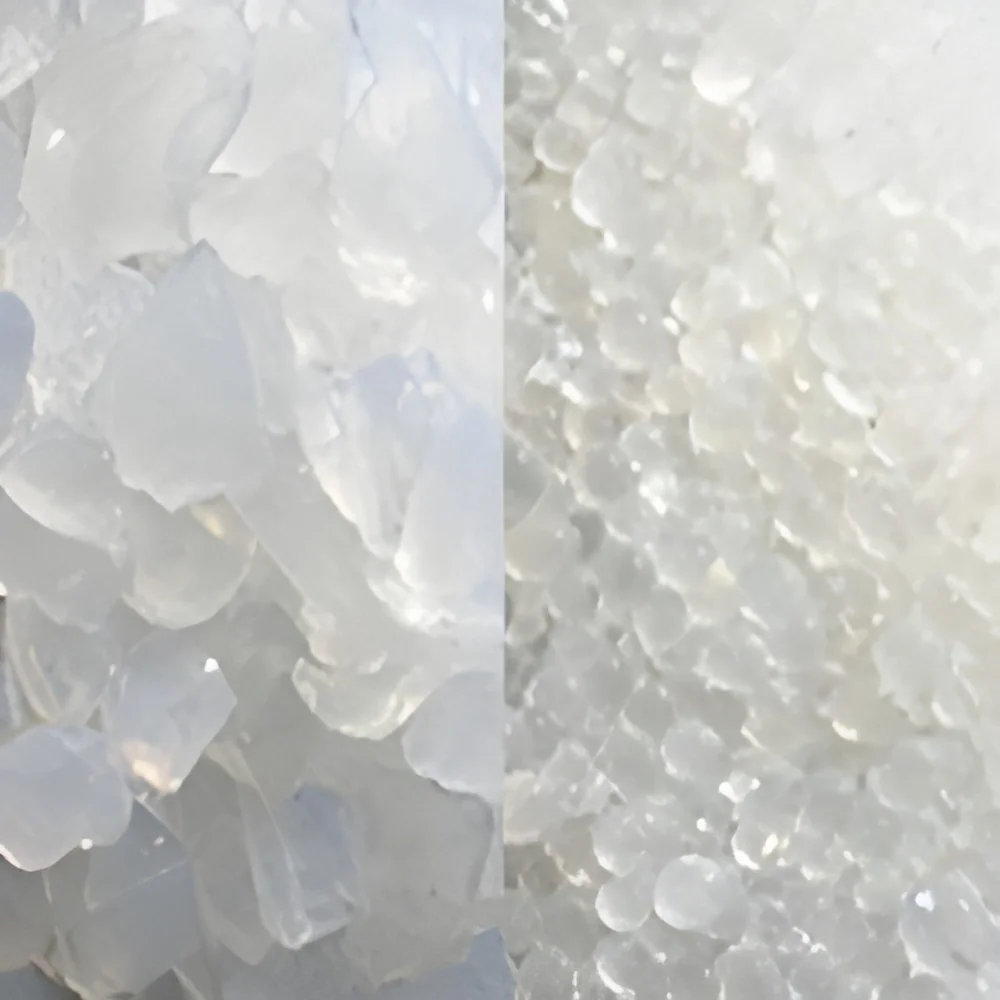
- Common materials include silica gel, clay, molecular sieves, and activated alumina.
- Each type offers unique properties suited for different applications.
6. Packaging Options
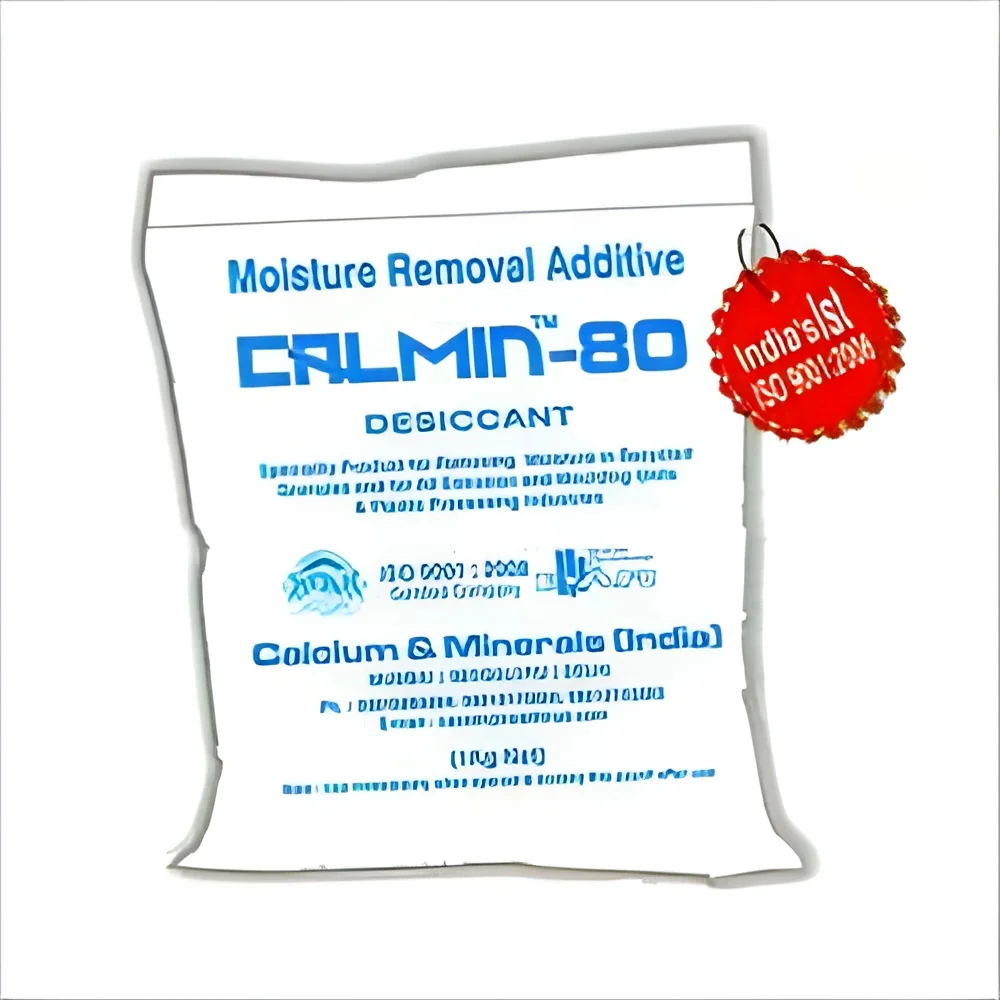
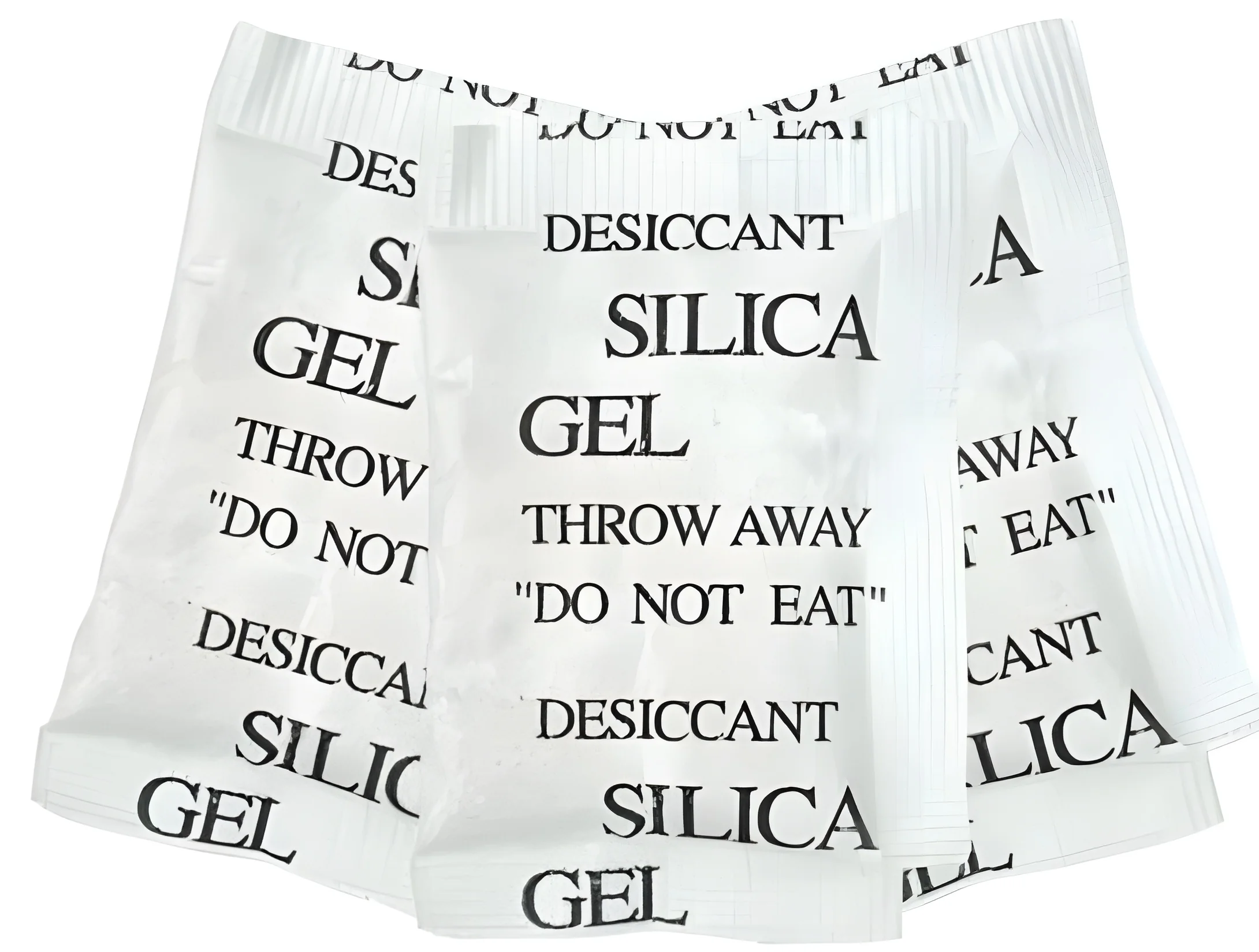
- Available in various forms such as packets, canisters, and bulk containers.
- Choose based on the application and ease of use.
7. Certification
- Many desiccants come with certifications, such as CE, ensuring they meet safety and quality standards.
8. Shelf Life
- The duration a desiccant remains effective under proper storage conditions before needing replacement.
In summary, selecting the right desiccant involves considering its absorption capacity, regeneration capabilities, and other specifications relevant to the intended application.
Common Applications and Use Cases
Desiccants are utilized across multiple industries to mitigate moisture-related risks.
1. Pharmaceuticals: In this sector, desiccants are used in packaging to maintain the stability and efficacy of medications, ensuring they remain effective throughout their shelf life.
2. Electronics: Moisture control is critical in electronics manufacturing, where desiccants protect sensitive components from humidity that can lead to corrosion or malfunction.
3. Food Packaging: Desiccants help preserve the freshness of food products by controlling moisture levels, thus extending shelf life and maintaining quality.
4. Logistics: In transportation, desiccants are employed in shipping containers to protect goods from humidity, especially during long-distance transit.
5. Textiles: Desiccants help prevent mold and mildew in storage environments for textiles, ensuring products remain in good condition.
6. Construction: In building materials, desiccants control moisture during storage and transport, reducing the risk of damage.
7. Automotive: Desiccants are used in automotive parts packaging to protect against moisture, which can cause rust and other issues.
Product Variants and Subcategories
Desiccants come in various forms to meet diverse industrial needs.
Silica Gel
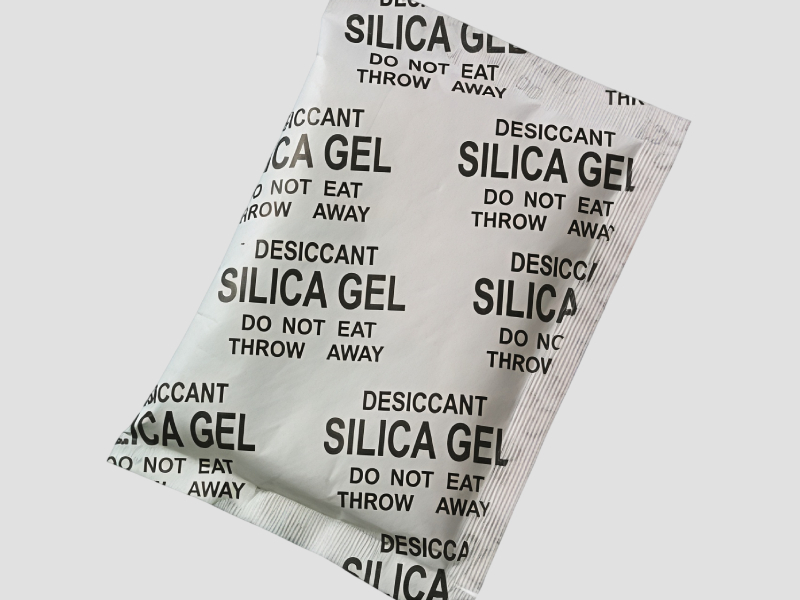
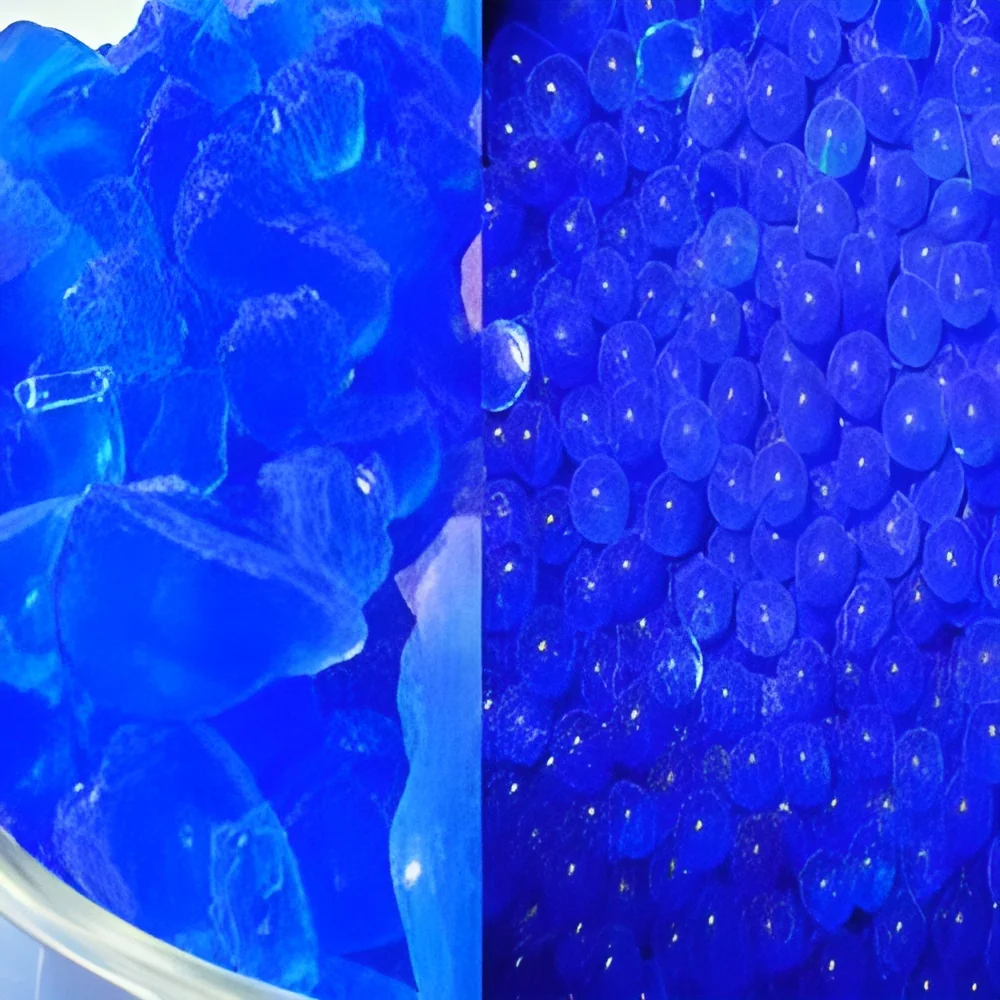
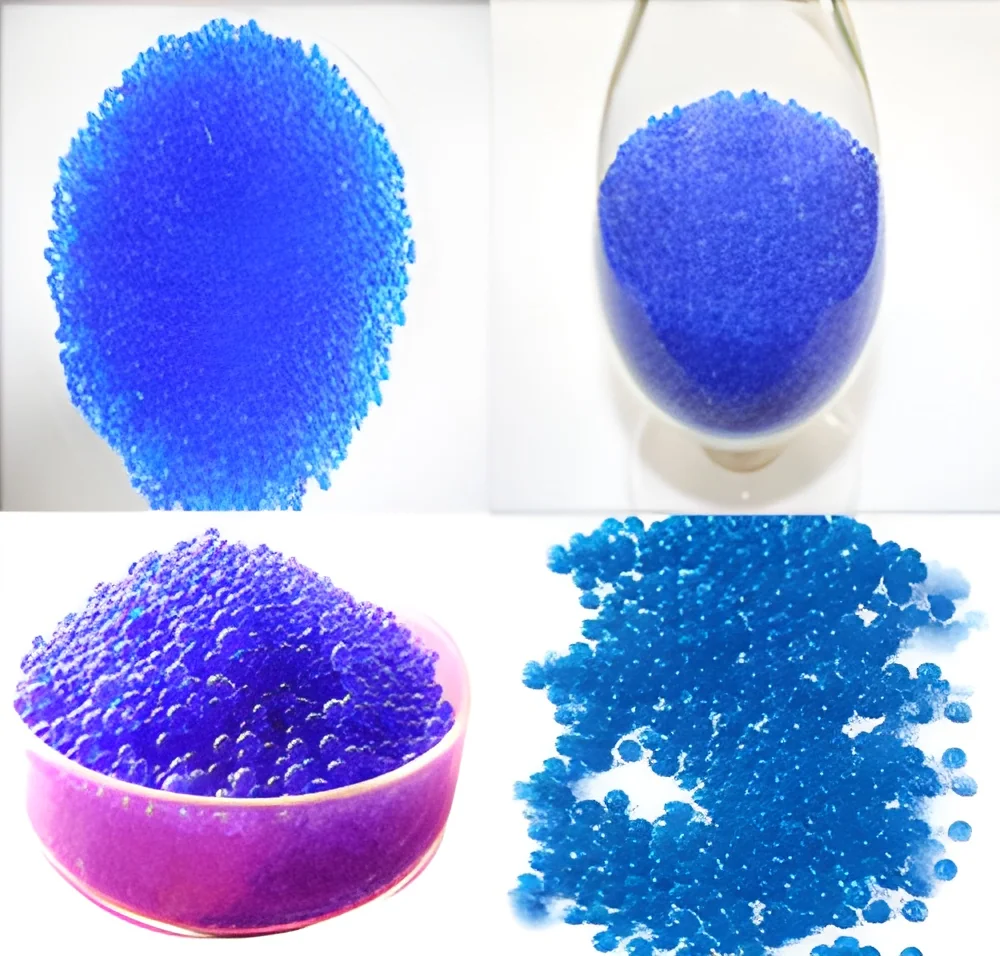
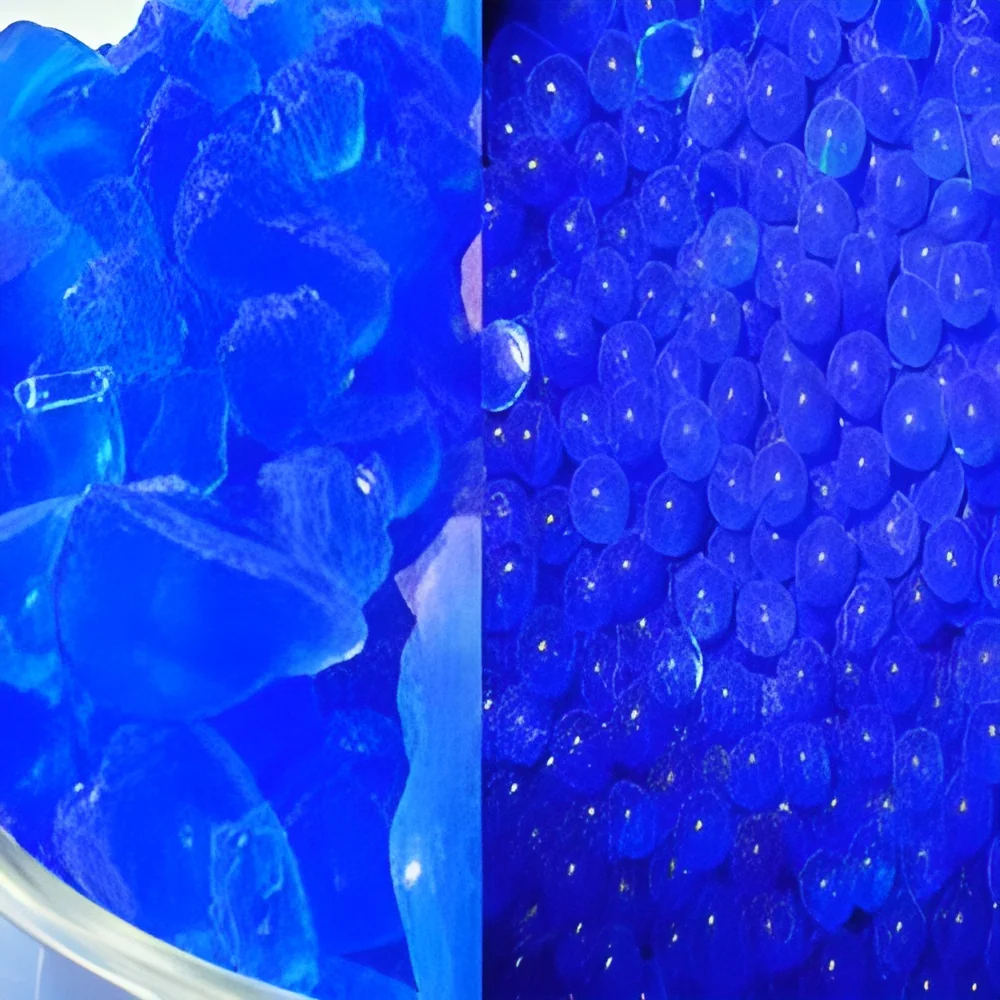
Silica gel is one of the most commonly used desiccants, known for its high absorption capacity. It is non-toxic and can be found in packets, making it ideal for applications in food and pharmaceuticals.
Activated Alumina
Activated alumina is another effective desiccant, often used in air and gas drying applications. It can be regenerated and is suitable for high-temperature operations.
Molecular Sieves
Molecular sieves are specialized desiccants that can selectively adsorb specific molecules based on size. They are used in applications requiring precise moisture control, such as in laboratories.
Clay Desiccants
Clay desiccants are natural materials that offer good moisture absorption and are often used in bulk applications. They are cost-effective and environmentally friendly.
Benefits and Advantages
The use of desiccants provides numerous benefits to businesses in various industries.
1. Moisture Control: Desiccants effectively absorb excess moisture, protecting products from damage due to humidity.
2. Cost Efficiency: By preventing product spoilage, desiccants help reduce waste and save costs associated with returns and replacements.
3. Versatility: Available in various forms and types, desiccants can be tailored to meet specific industry needs.
4. Increased Product Longevity: By maintaining optimal conditions, desiccants extend the shelf life of products, ensuring quality over time.
5. Easy to Use: Most desiccants come in user-friendly packaging, making them easy to implement in various applications.
6. Regulatory Compliance: Many desiccants meet industry standards, ensuring they are safe for use in sensitive environments like food and pharmaceuticals.
Buying Guide for B2B Buyers
When sourcing desiccants, businesses should consider several factors to ensure they choose the right product.
1. Quality Assessment: Evaluate the quality of the desiccants by reviewing specifications and certifications. Look for products that meet industry standards for safety and effectiveness.
2. Supplier Verification: Vet potential suppliers by checking their reputation, customer reviews, and certifications. A reliable supplier is crucial for maintaining consistent product quality.
3. Pricing and MOQ: Understand the pricing structure and minimum order quantities (MOQ) required by suppliers. Ensure that the costs align with your budget and purchasing needs.
4. Delivery and Lead Times: Discuss logistics with suppliers to understand delivery timelines and ensure that the desiccants arrive when needed to avoid production delays.
5. Compliance Requirements: Confirm that the desiccants meet any regulatory requirements specific to your industry, such as safety standards for food or pharmaceuticals.
Compliance and Certifications
Compliance with quality standards is essential for desiccants to ensure safety and effectiveness in various applications.
Many desiccants adhere to quality management standards such as ISO 9001, which ensures consistency in production and quality control processes.
Additionally, certifications like CE indicate that the products meet safety and environmental regulations, providing assurance to buyers about their reliability.
Desiccants may also be subject to safety and testing requirements specific to their intended use, especially in industries like food and pharmaceuticals.
Companies should be aware of regional compliance considerations, as regulations may vary by country. Ensuring compliance helps businesses avoid legal issues and maintain product integrity.
Why Source Desiccants from Pepagora?
Pepagora offers a trusted platform for sourcing desiccants, featuring several key advantages that benefit B2B buyers.
Verified Supplier Network: Pepagora connects buyers with a network of verified suppliers, ensuring that all products meet high-quality standards and compliance requirements.
Streamlined RFQ Process: The platform simplifies the request for quotation process, allowing buyers to quickly obtain competitive quotes from multiple suppliers, saving time and effort.
Trade Assurance and Support: Pepagora provides trade assurance and support, protecting buyers from potential risks associated with sourcing. This includes guarantees on product quality and delivery.
Regional Coverage: With a focus on India, the GCC, and Southeast Asia, Pepagora has a wide geographic reach, making it easier for businesses in these regions to find reliable desiccant suppliers that meet their specific needs.

 IN
IN