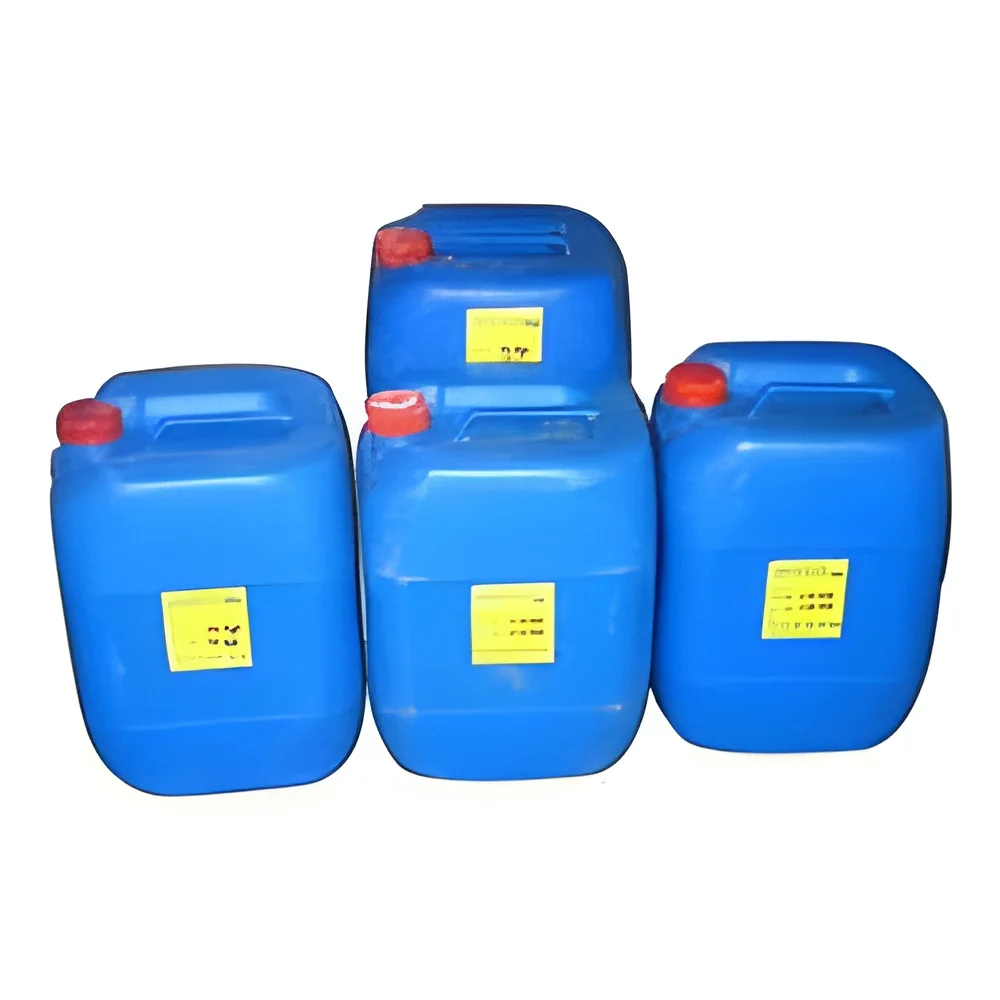
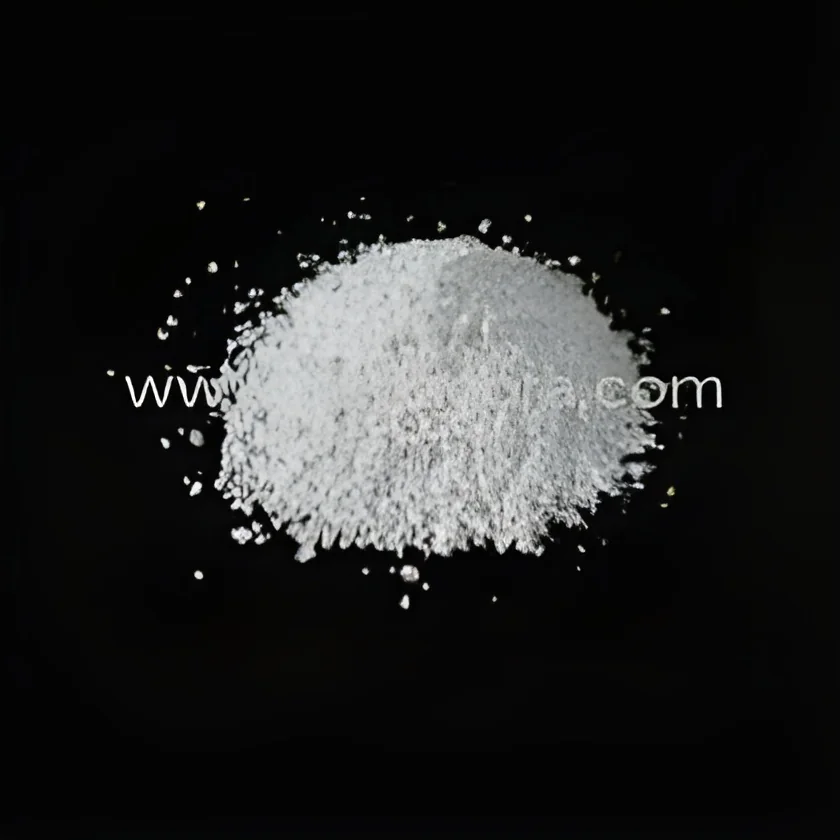
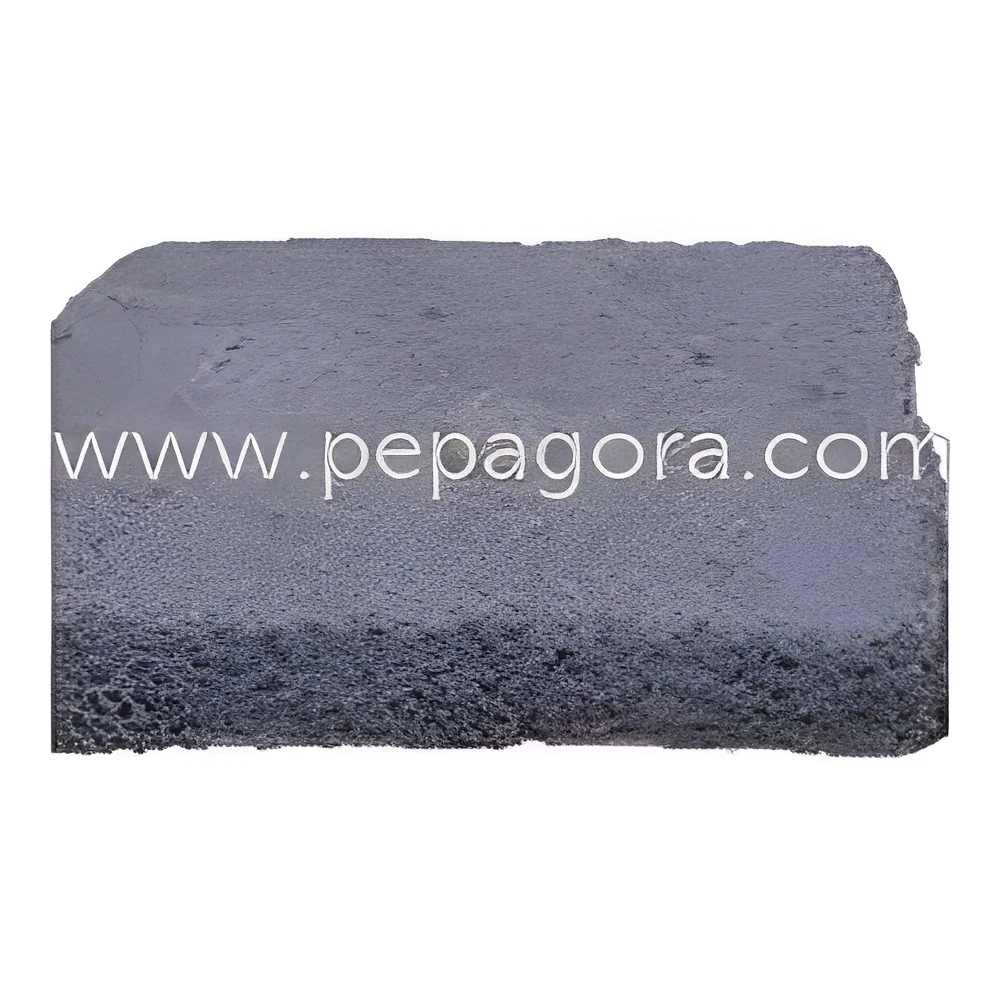
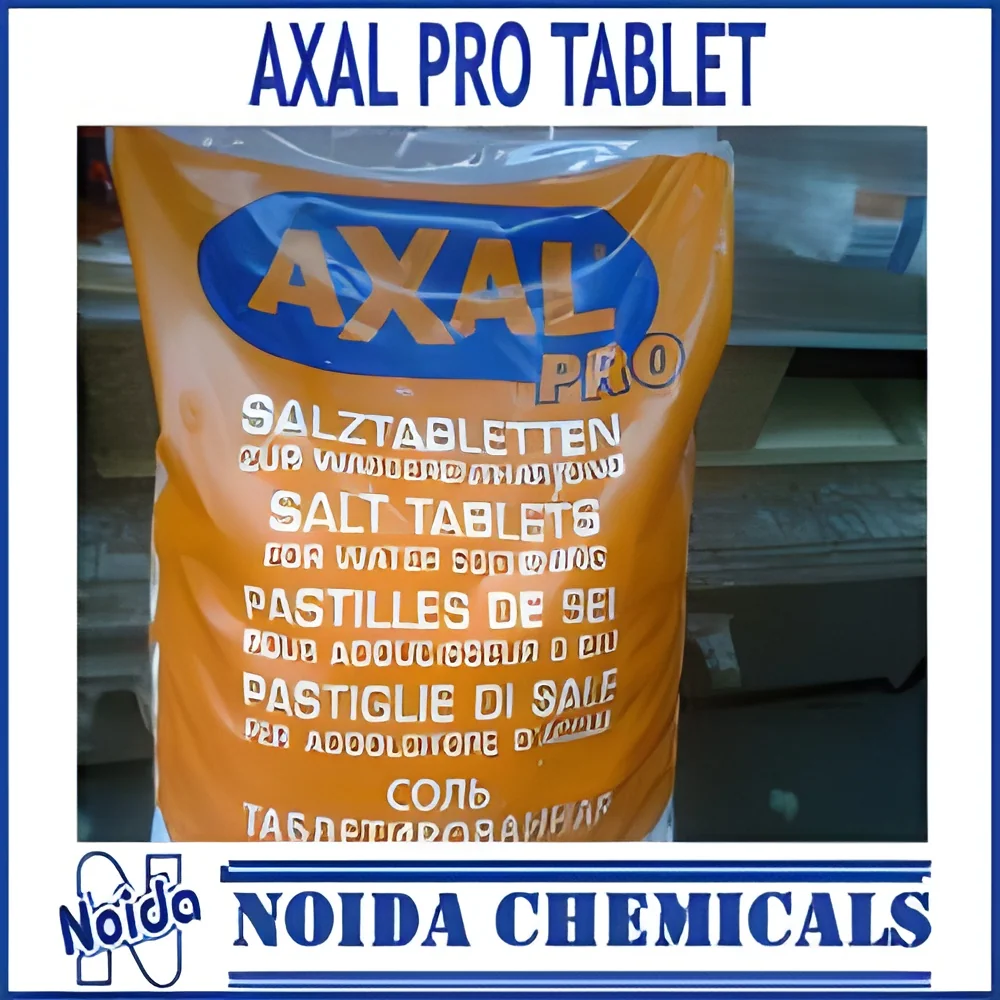
What are Water Treatment Chemicals?
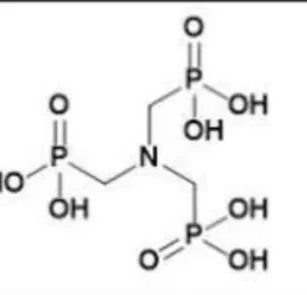
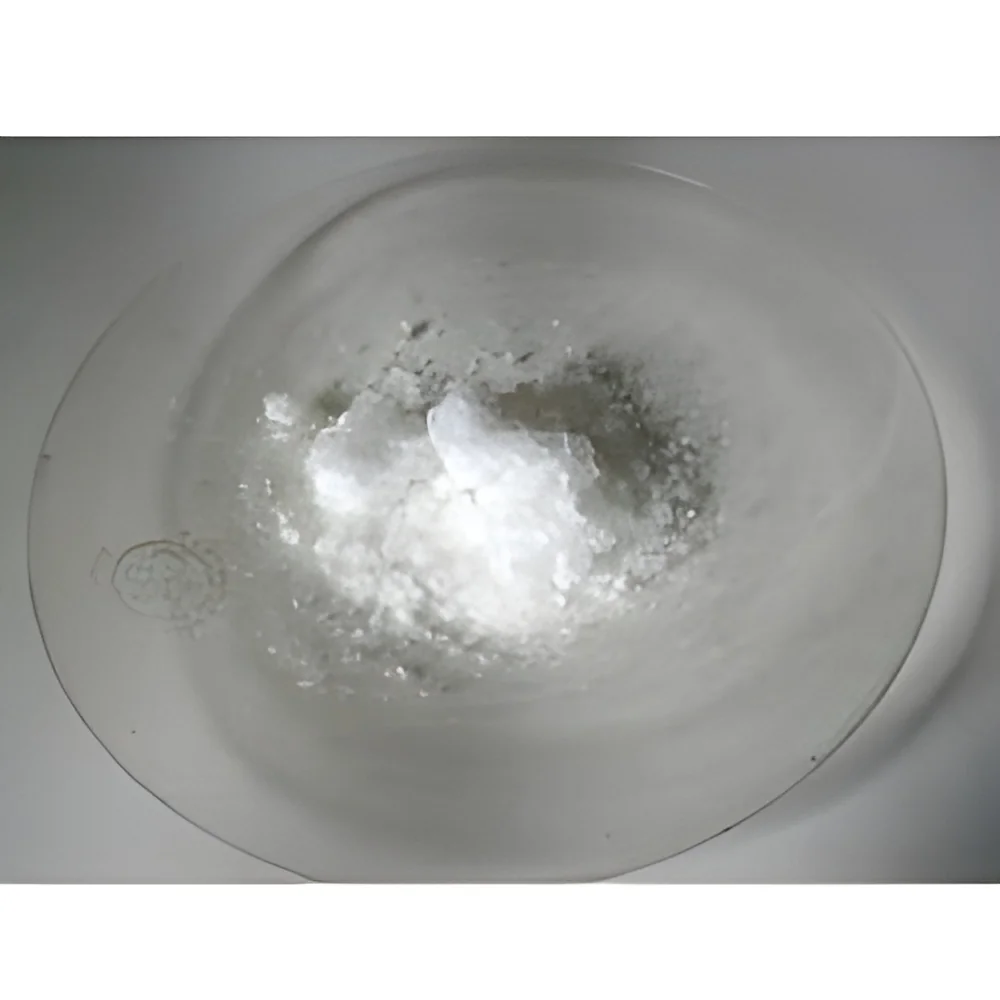
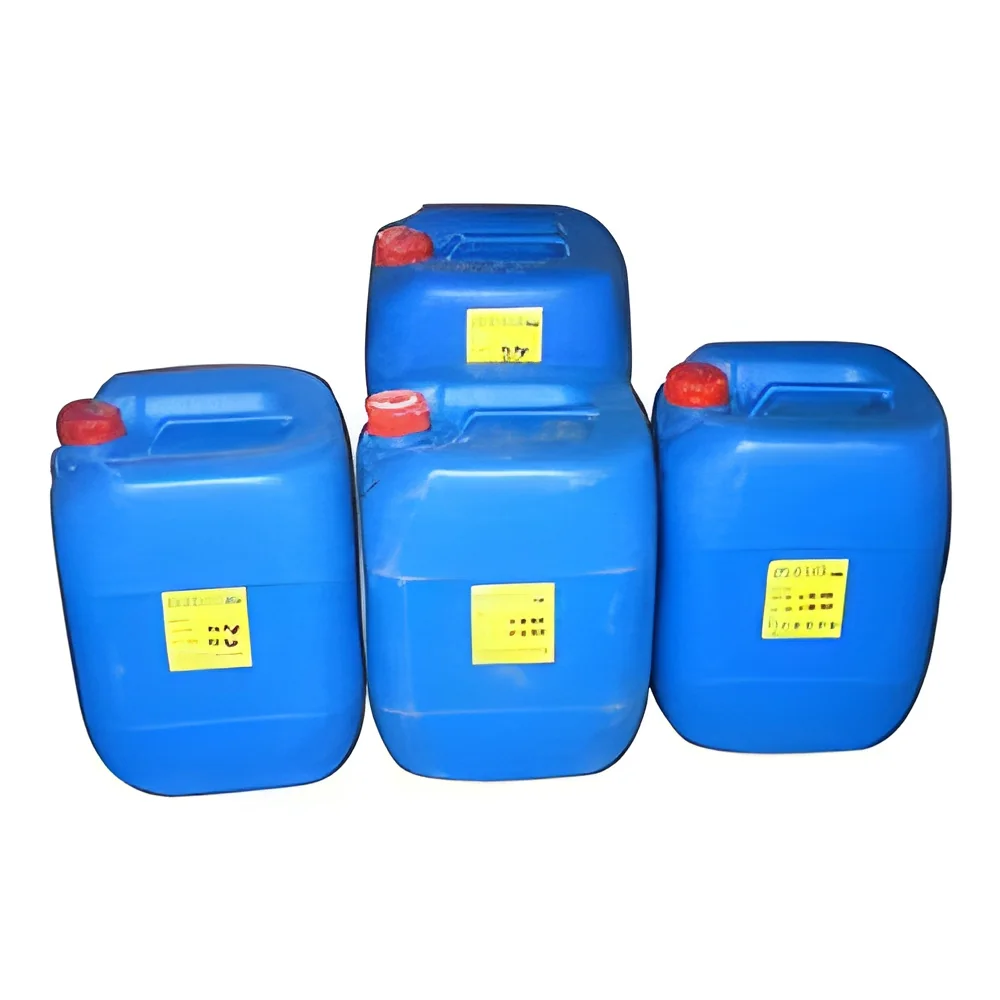
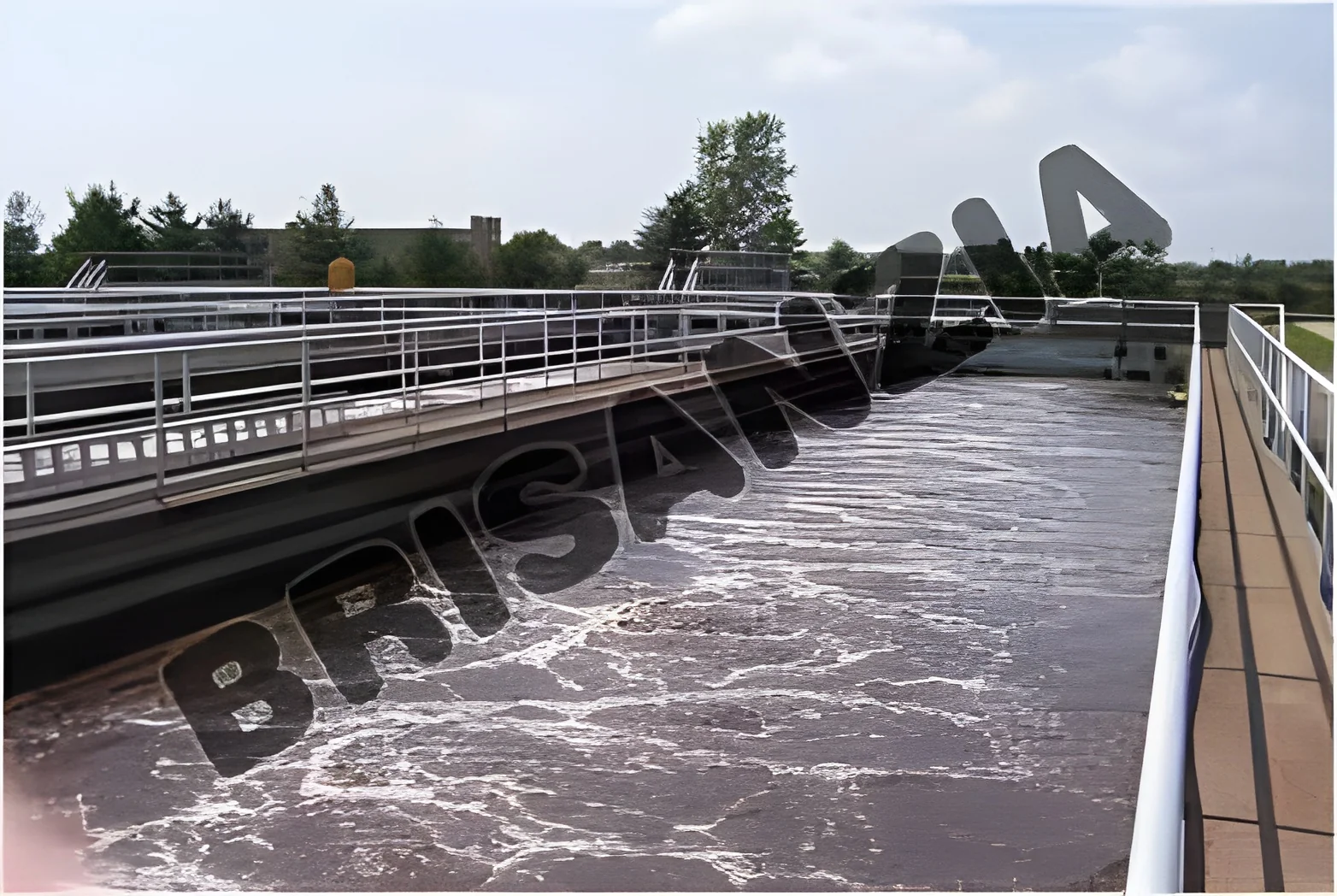
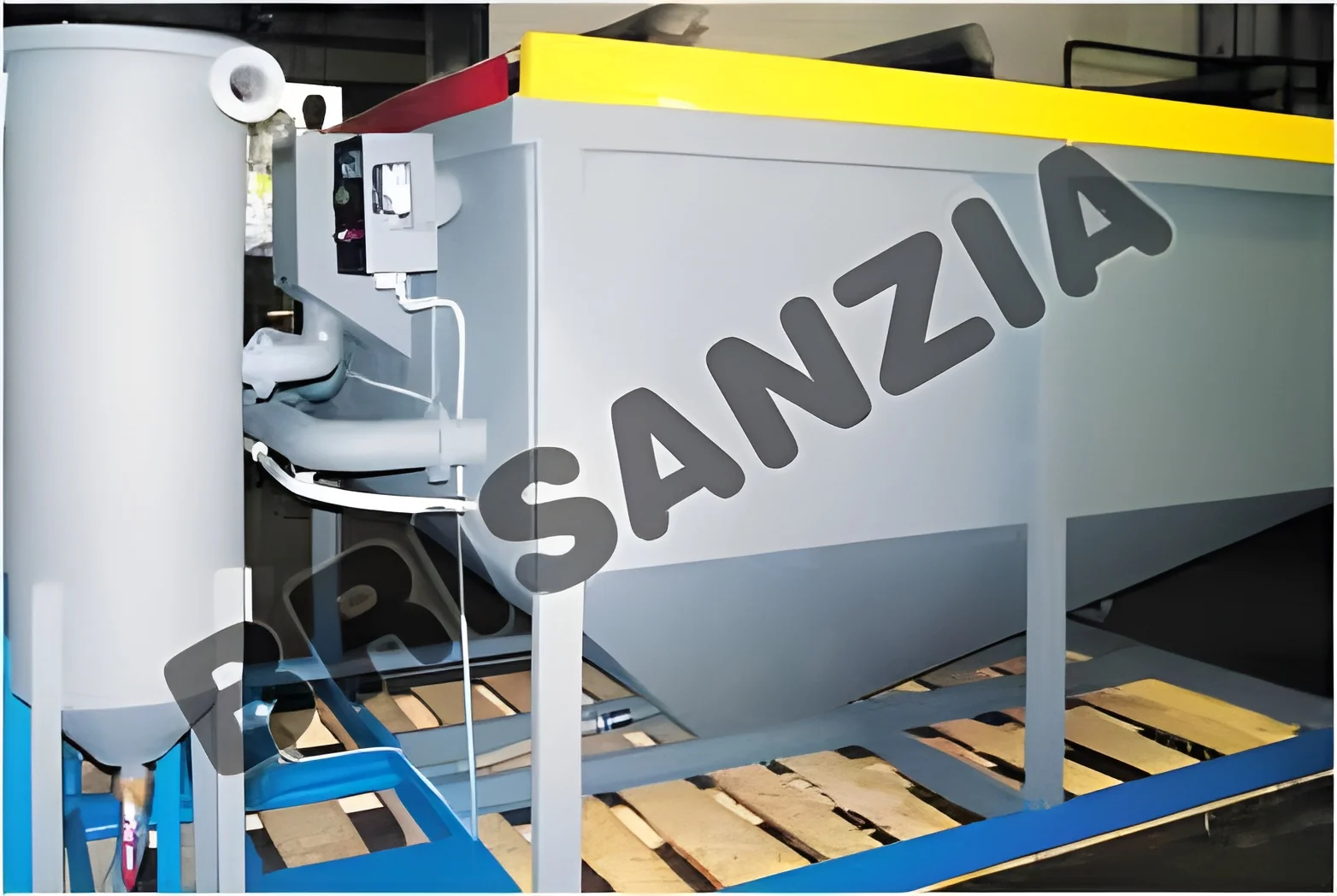
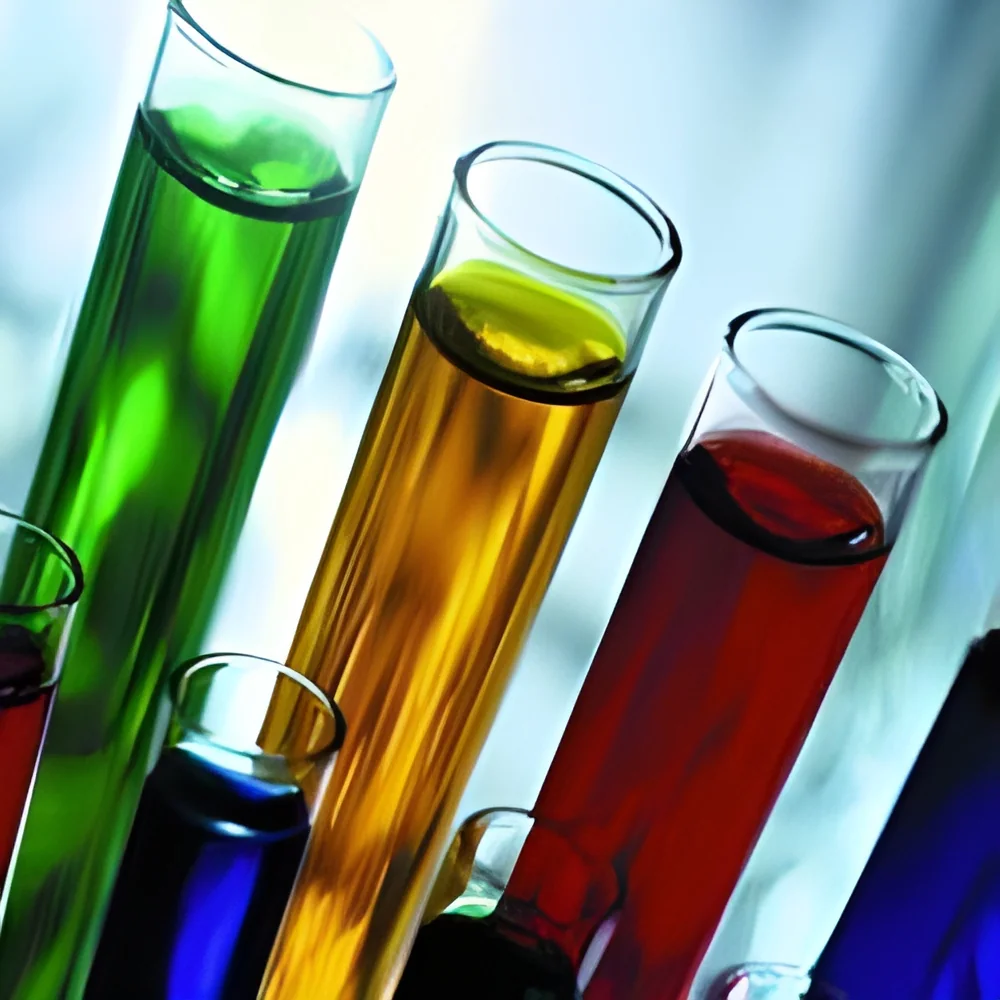
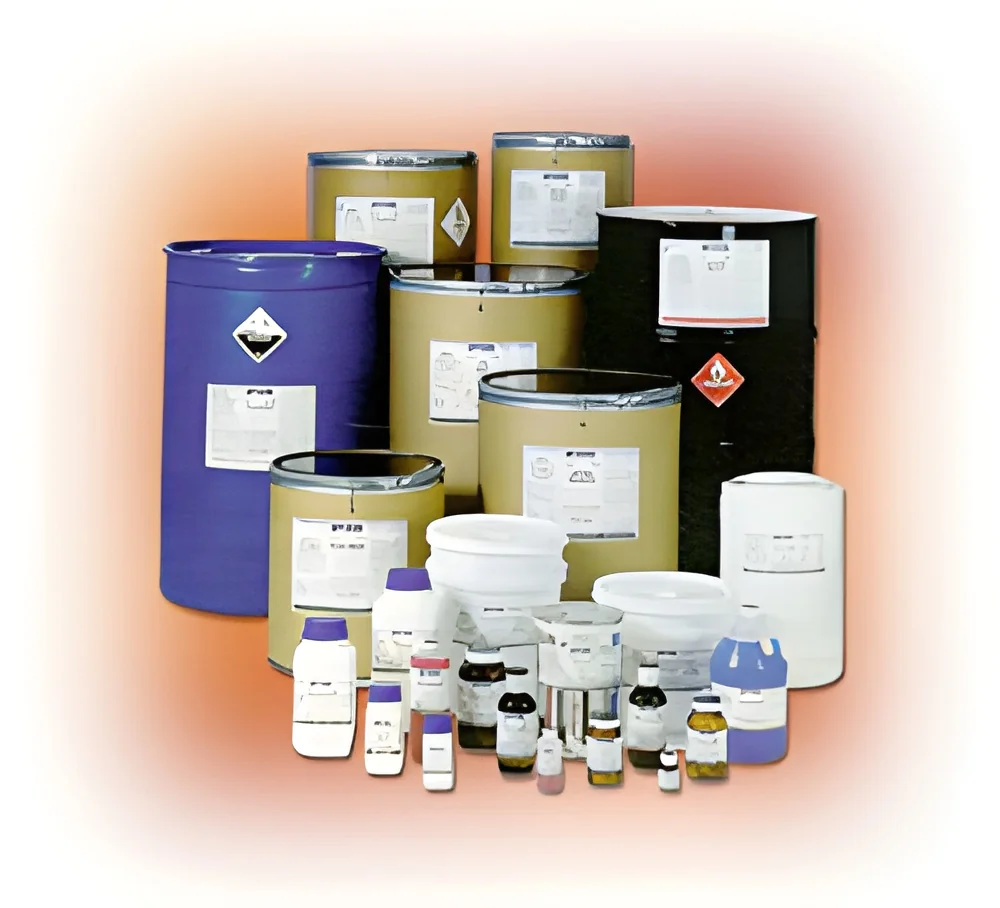
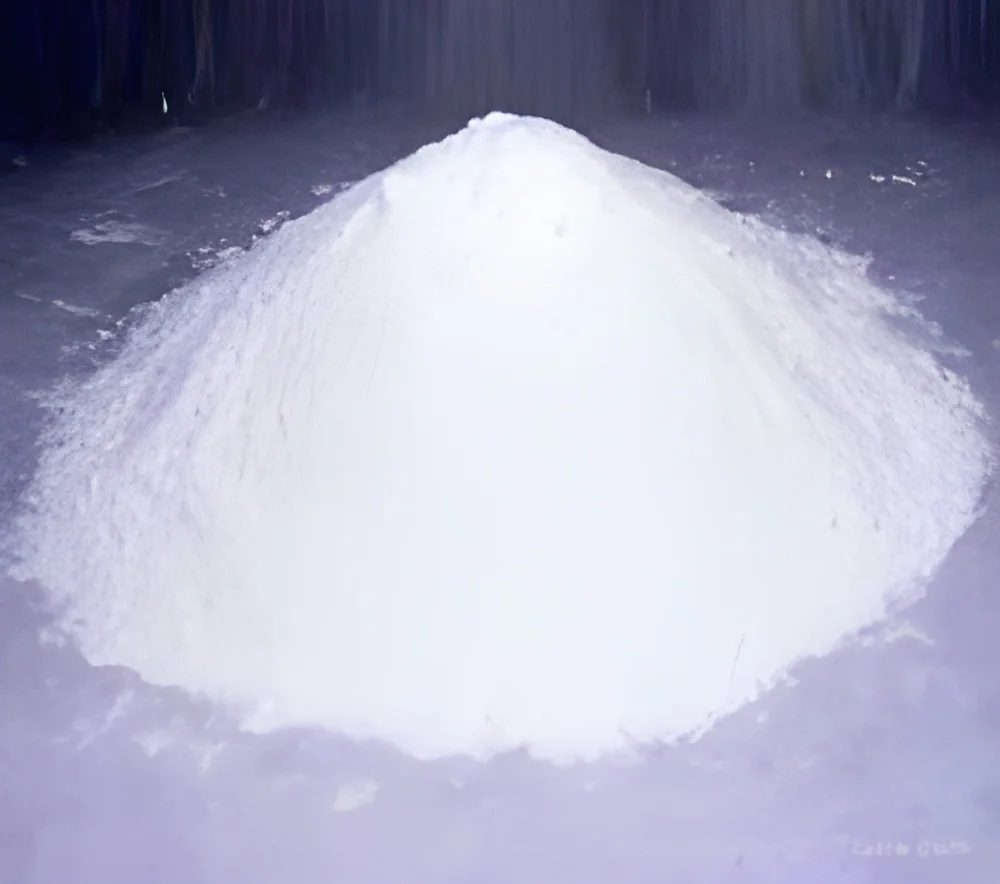
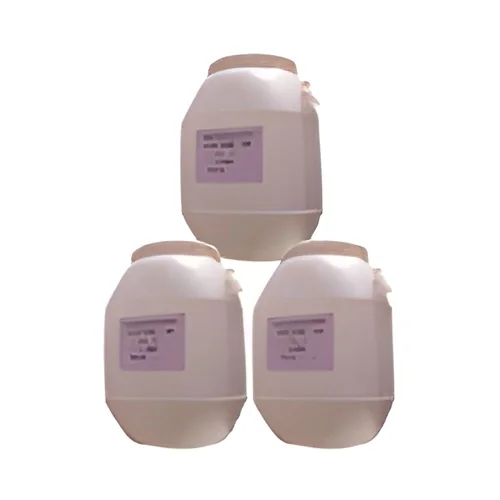
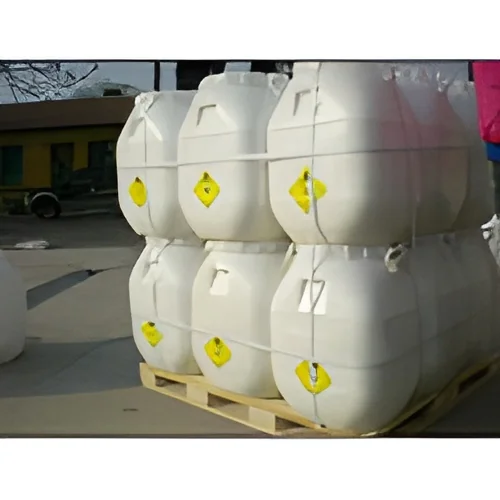
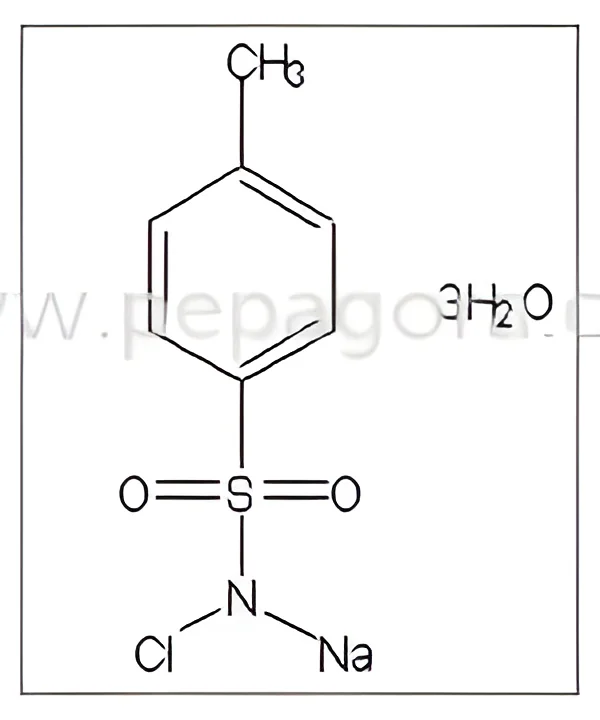
Water treatment chemicals are specialized compounds used in various processes to treat water, making it safe for consumption and suitable for industrial applications. These chemicals play a pivotal role in removing contaminants, regulating pH levels, and ensuring that water meets safety standards. They can include coagulants, flocculants, biocides, and corrosion inhibitors, among others. The effectiveness of these chemicals is critical in maintaining water quality and compliance with regulatory standards.
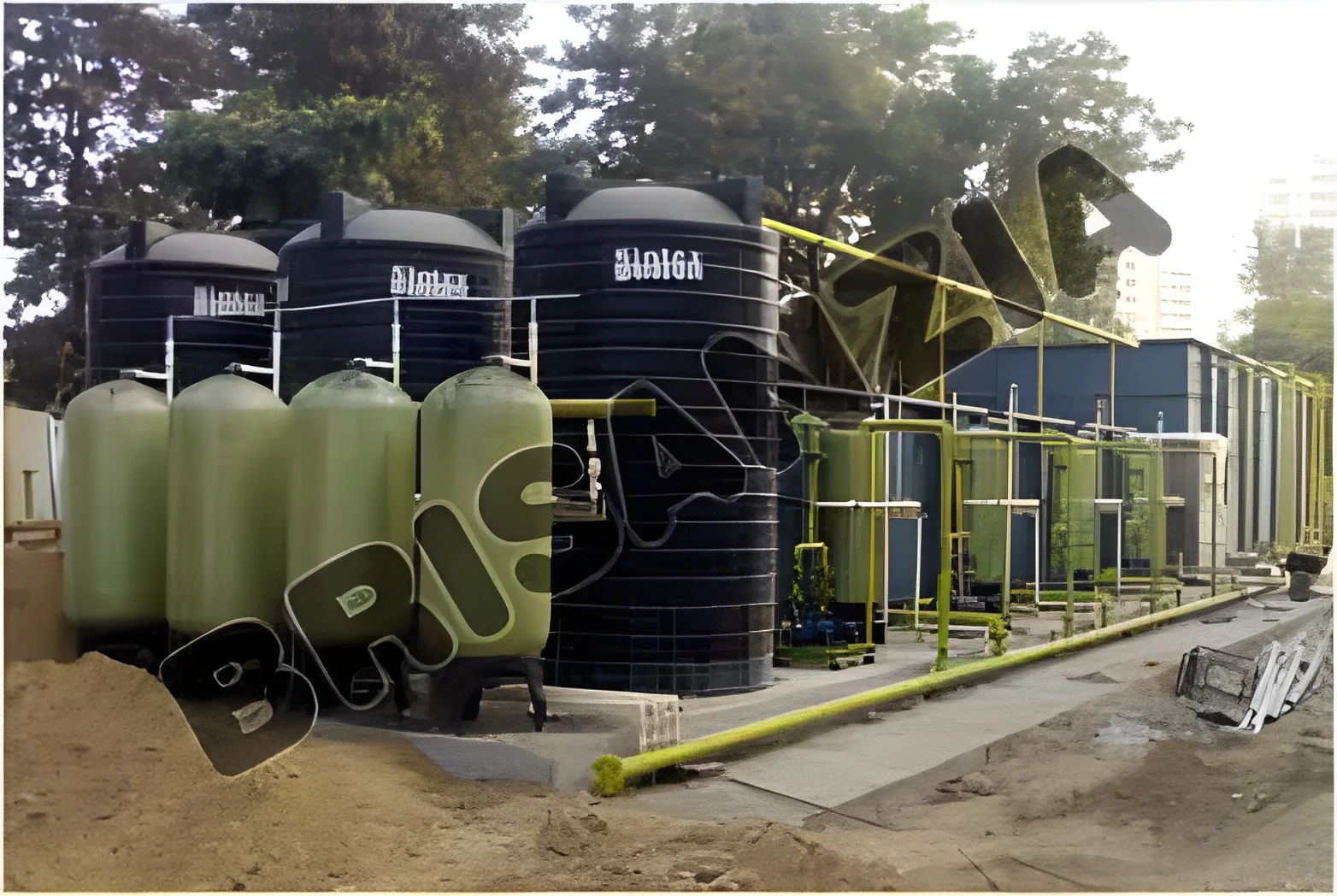
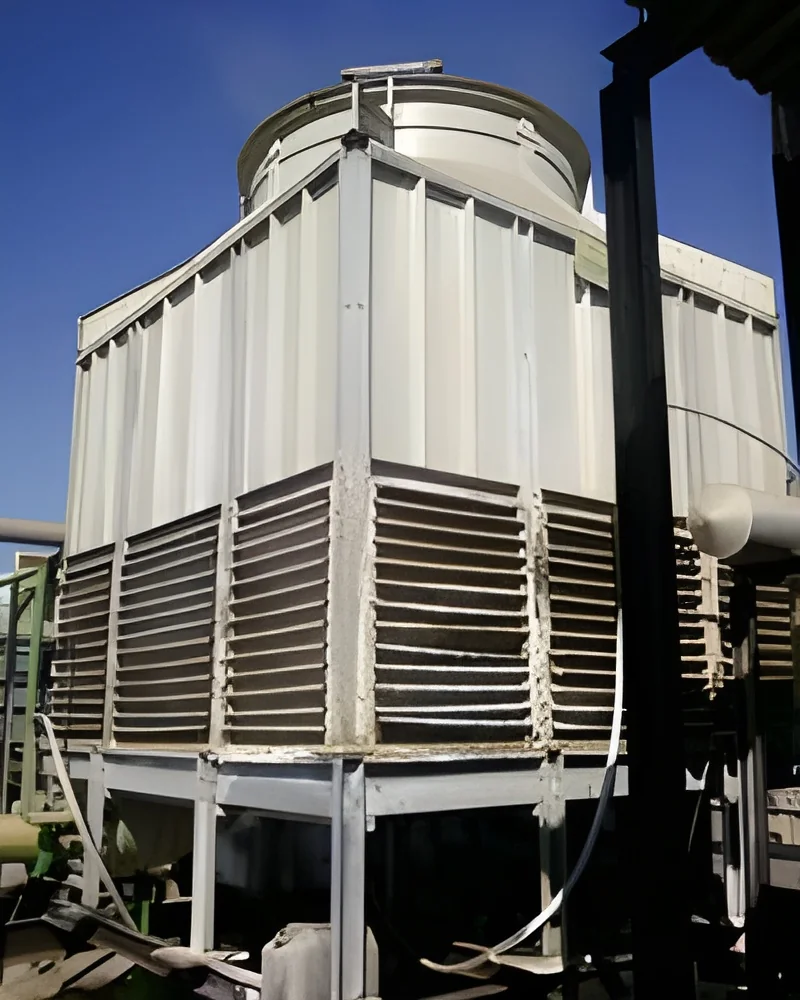
The primary uses of water treatment chemicals span several industries, including municipal water treatment, wastewater management, food and beverage production, and power generation. In municipal settings, these chemicals help purify drinking water and ensure it is free from harmful pathogens. In industrial applications, they assist in process water treatment, cooling tower maintenance, and boiler water conditioning. The demand for these chemicals continues to grow, driven by increasing regulatory requirements and the need for sustainable water management practices.
As industries face challenges related to water scarcity and quality, the market for water treatment chemicals is becoming increasingly relevant. Companies are investing in advanced technologies and innovative solutions to enhance their water treatment processes. This trend is expected to continue, as more businesses recognize the importance of effective water management in achieving operational efficiency and compliance with environmental regulations.
Key Features and Specifications
Water treatment chemicals encompass a wide range of products, each designed with specific functionalities and applications in mind. Understanding their key features is essential for selecting the right chemical for your needs.
Key specifications include:
1. Coagulation Efficiency
- Measures the ability to remove suspended solids and turbidity
- Typically assessed by jar tests or turbidity reduction rates
2. pH Range
- Indicates the acidity or alkalinity of the solution
- Generally maintained between 6.5 and 8.5 for optimal performance
3. Dosage Requirements
- Refers to the amount of chemical needed per volume of water
- Varies based on water quality and treatment objectives
4. Biodegradability
- Indicates the environmental impact of the chemical
- Essential for compliance with eco-friendly standards
5. Stability
- Reflects the chemical's shelf life and effectiveness over time
- Important for storage and application procedures
6. Compatibility
- Assesses how well the chemical interacts with other treatment agents
- Critical for multi-chemical treatment processes
7. Regulatory Compliance
- Ensures that the product meets local and international safety standards
- Often involves certifications such as CE or ISO
8. Safety Data
- Includes handling, storage, and emergency response information
- Vital for worker safety and regulatory adherence
In summary, understanding the features and specifications of water treatment chemicals is crucial for making informed decisions. Selecting the right product ensures effective water treatment while complying with safety and environmental regulations.
Common Applications and Use Cases
Water treatment chemicals are utilized across a broad range of industries, each with unique applications that benefit from these essential products.
1. Municipal Water Treatment: These chemicals are critical in the purification of drinking water, ensuring it meets safety standards for public consumption. They help remove pathogens and contaminants to protect public health.
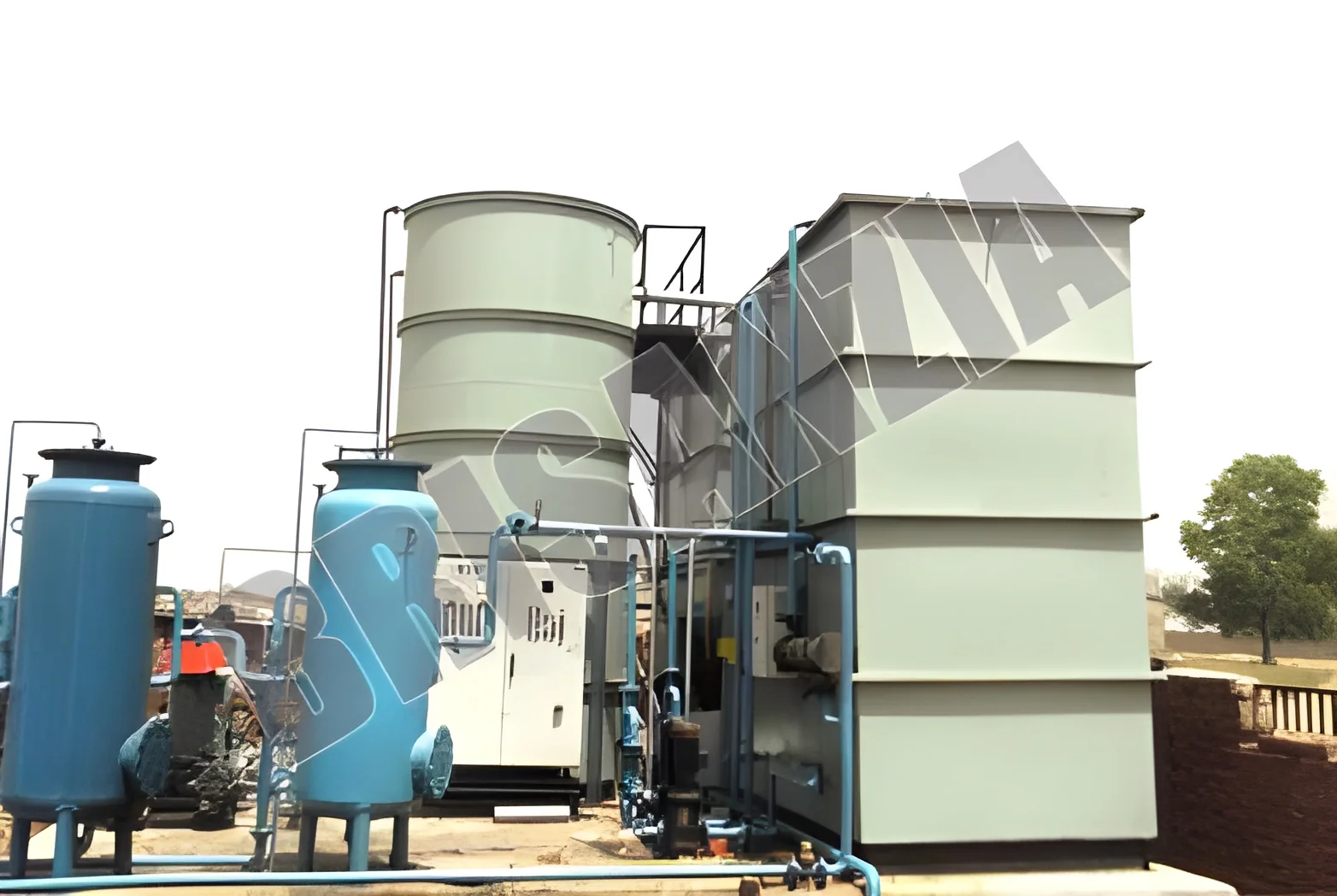
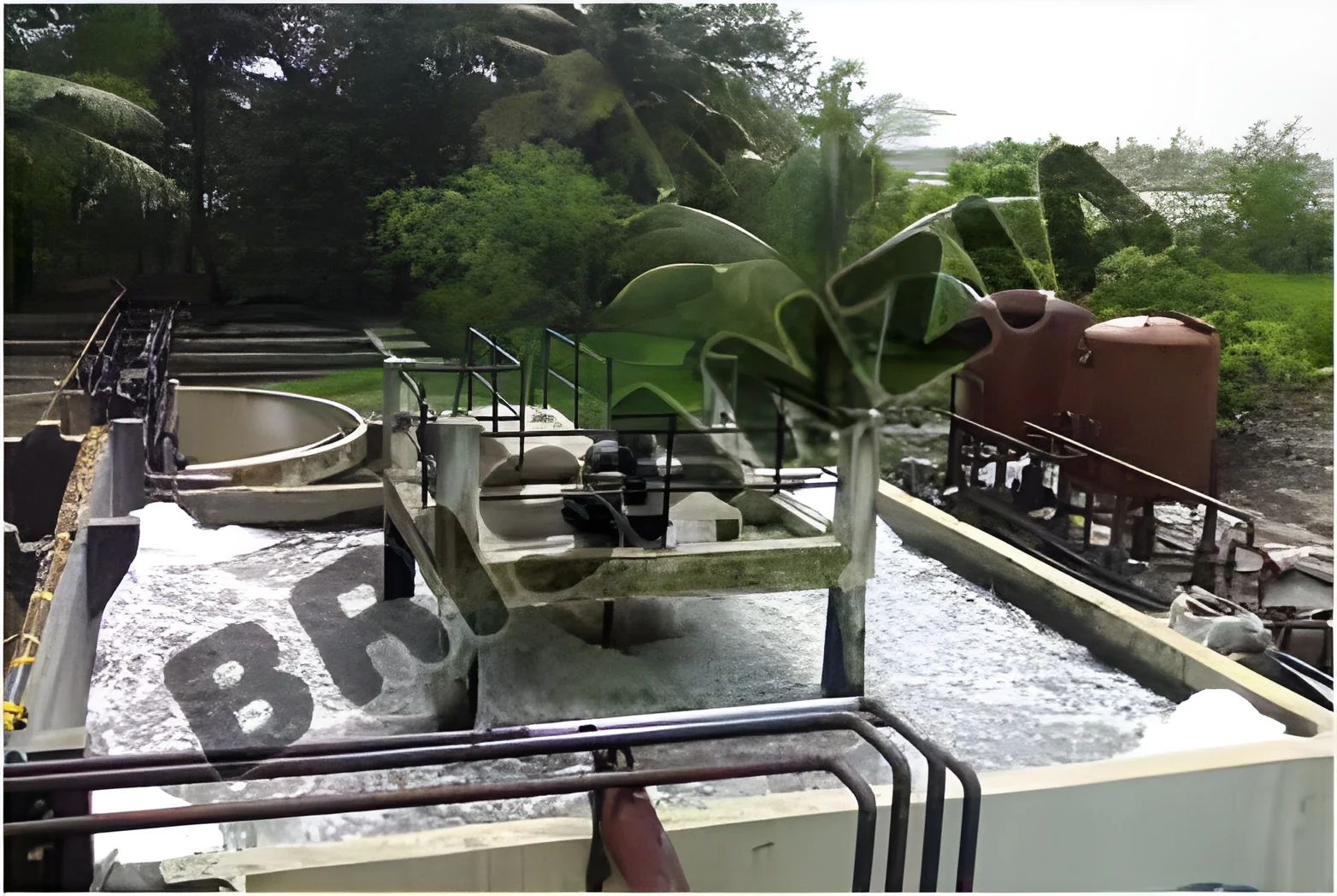
2. Wastewater Management: In this sector, water treatment chemicals facilitate the treatment and recycling of wastewater, making it safe for discharge or reuse. They assist in the removal of contaminants and improve overall treatment efficiency.
3. Food and Beverage Industry: Water treatment chemicals ensure that process water used in production is clean and safe. They help maintain hygiene standards and prevent contamination during food processing.
4. Power Generation: In power plants, these chemicals are used to treat water for cooling systems and boilers. They prevent scale formation and corrosion, optimizing efficiency and prolonging equipment life.
5. Textile Industry: Water treatment chemicals are essential for dyeing and finishing processes. They help manage water quality and enhance the effectiveness of dyeing agents.
6. Pharmaceutical Industry: In pharmaceuticals, water quality is paramount. Chemicals are used to ensure water is free from contaminants, essential for product safety and compliance.
7. Agriculture: Water treatment chemicals support irrigation systems by ensuring water quality is suitable for crops, impacting yield and sustainability.
Product Variants and Subcategories
Water treatment chemicals are diverse and can be tailored to meet specific industry needs. Different variants focus on particular applications and functionalities.
Coagulants
Coagulants are designed to remove suspended solids from water. They work by neutralizing charges on particles, allowing them to clump together and settle. This variant is widely used in municipal water treatment and industrial wastewater applications.
Disinfectants
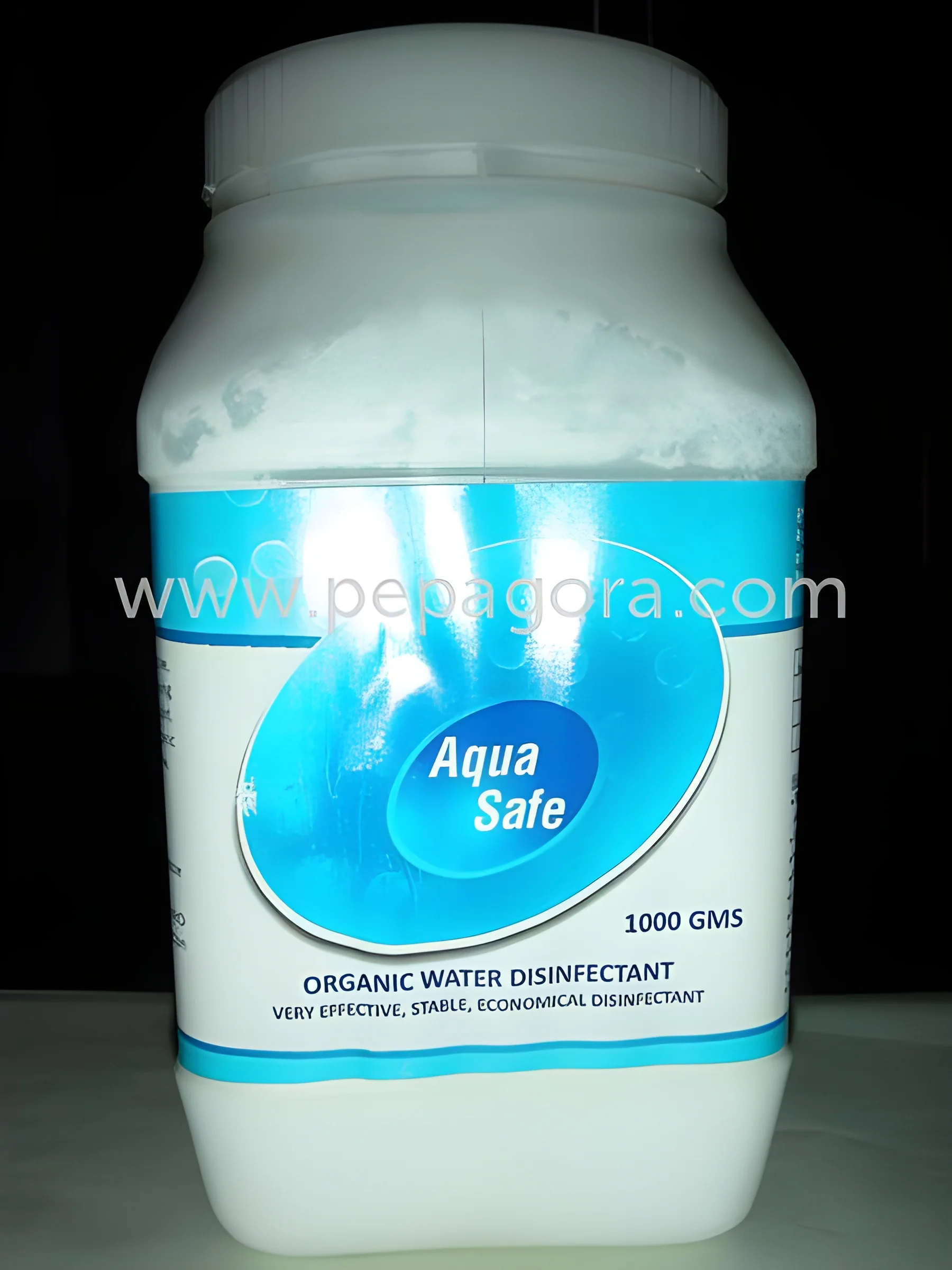
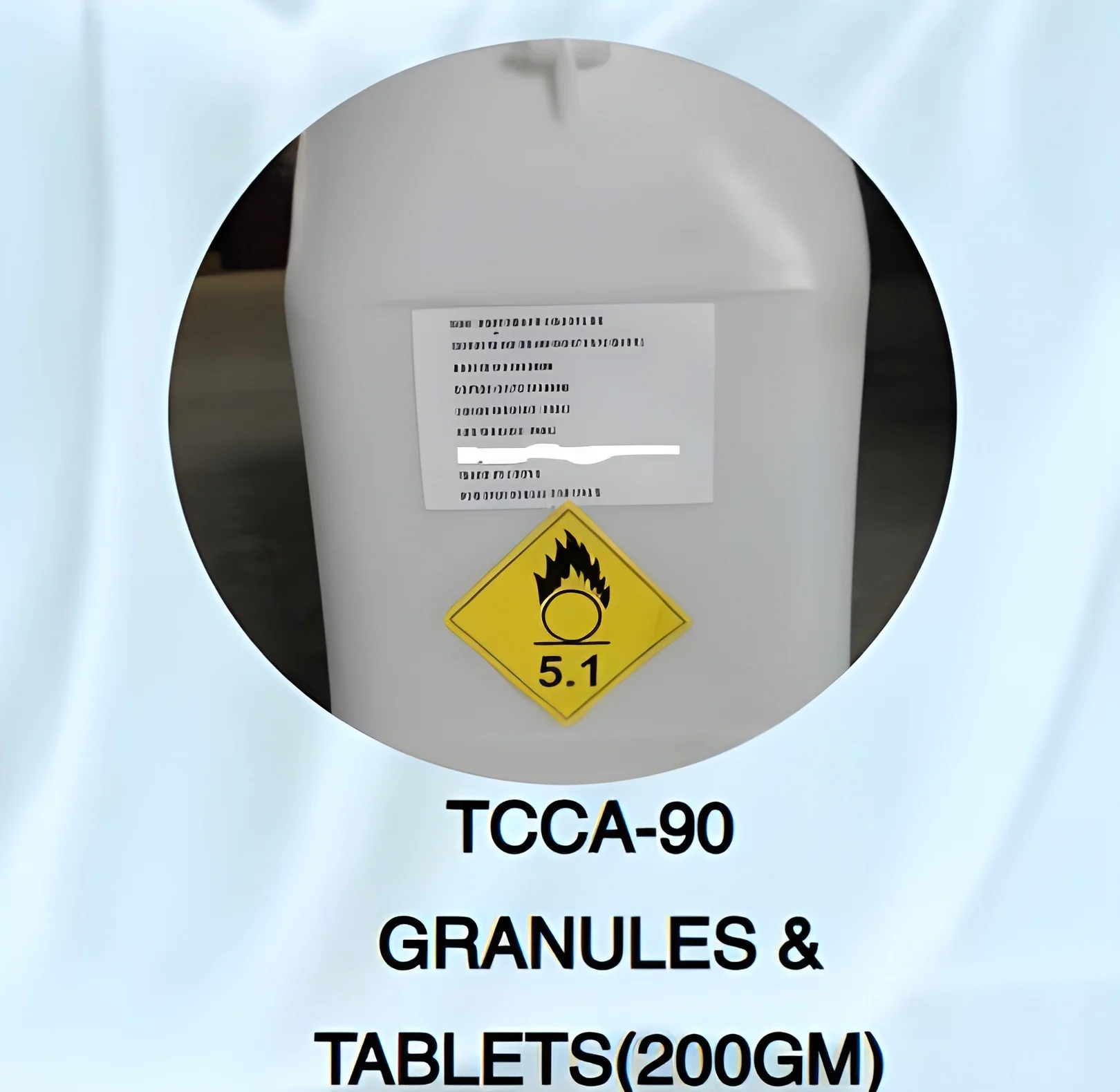
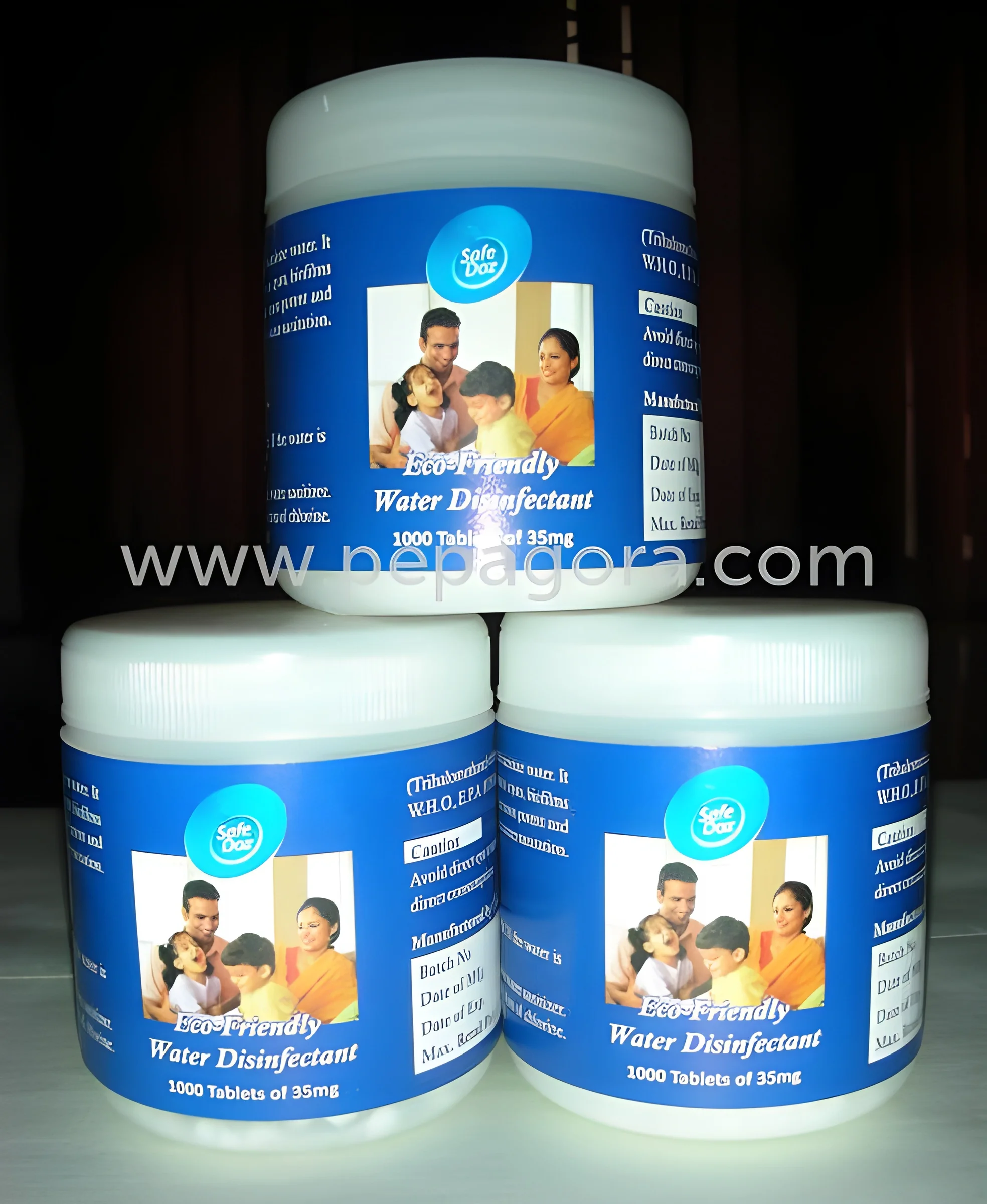
Disinfectants are crucial for eliminating pathogens in water systems. They include chlorine and ozone-based solutions, ensuring safe drinking water and maintaining hygiene in various industries.
Corrosion Inhibitors
Corrosion inhibitors protect metal surfaces in water systems from degradation. They are commonly used in cooling towers, boilers, and pipelines to extend the lifespan of equipment.
Flocculants
Flocculants facilitate the aggregation of particles for easier removal during treatment processes. They are used in wastewater treatment and industrial applications to improve sedimentation rates.
pH Adjusters
pH adjusters are chemicals used to regulate the acidity or alkalinity of water. They are essential in ensuring optimal conditions for various treatment processes, particularly in industrial settings.
Benefits and Advantages
Investing in water treatment chemicals offers numerous benefits that can significantly enhance operational efficiency and compliance.
1. Improved Water Quality: Water treatment chemicals ensure that water meets safety standards for consumption and industrial use, effectively removing contaminants and pathogens.
2. Cost Efficiency: By optimizing water treatment processes, these chemicals help reduce operational costs associated with equipment maintenance and water sourcing.
3. Regulatory Compliance: Utilizing the right chemicals ensures adherence to local and international regulations, minimizing the risk of penalties and enhancing corporate responsibility.
4. Enhanced Process Control: Water treatment chemicals allow for better control over water quality parameters, contributing to improved process efficiency in various applications.
5. Environmental Sustainability: Many water treatment chemicals are designed to be environmentally friendly, supporting sustainable practices and minimizing ecological impact.
6. Versatility: The wide range of water treatment chemicals available ensures that businesses can find tailored solutions for their specific needs, regardless of industry.
Buying Guide for B2B Buyers
When sourcing water treatment chemicals, it is essential for B2B buyers to consider several key factors to make informed purchasing decisions.
1. Quality Assessment: Evaluate the quality of the chemicals based on their specifications and testing results. Look for products that meet industry standards and have certifications to ensure reliability.
2. Supplier Verification: Conduct thorough research on potential suppliers. Verify their reputation, track record, and compliance with safety and quality standards to ensure you are partnering with a reliable source.
3. Pricing and MOQ: Understand the pricing structure and minimum order quantities (MOQ) set by suppliers. This information is critical for budgeting and ensuring that you can meet your operational needs.
4. Delivery and Lead Times: Consider the logistics involved in sourcing chemicals. Understand delivery times and the supplier's ability to meet your schedule to avoid disruptions in your operations.
5. Compliance Requirements: Ensure that the chemicals you are sourcing comply with relevant regulatory requirements. This includes safety, environmental, and industry-specific standards that may affect your business.
Compliance and Certifications
Compliance and certifications are essential aspects of sourcing water treatment chemicals. Relevant quality standards, such as ISO 9001, ensure that products meet consistent quality management principles. Adherence to HACCP guidelines helps in maintaining food safety, particularly in industries like food and beverage processing.
Additionally, industry certifications such as CE indicate that the products comply with European health, safety, and environmental protection standards. Companies must also consider safety and testing requirements, which may vary by region and application. Understanding local regulations is crucial, as compliance can significantly impact operational viability.
Regional compliance considerations are also important, particularly for businesses operating in multiple countries. Ensuring that water treatment chemicals meet local standards will mitigate risks and maintain product integrity across different markets.
Why Source Water Treatment Chemicals from Pepagora?
Pepagora offers a trusted platform for sourcing water treatment chemicals, providing several key advantages to B2B buyers.
Verified Supplier Network: Pepagora connects businesses with a network of verified suppliers, ensuring that you have access to high-quality products. This verification process helps eliminate risks associated with sourcing.
Streamlined RFQ Process: The platform features a streamlined request for quotation (RFQ) process, making it easy for buyers to obtain competitive pricing and options from multiple suppliers. This efficiency enhances decision-making.
Trade Assurance and Support: Pepagora provides trade assurance, offering protection for buyers against potential disputes. Their support team is available to assist with any inquiries, ensuring a smooth purchasing experience.
Regional Coverage: With a strong presence in India, the GCC, and Southeast Asia, Pepagora can help businesses navigate the complexities of sourcing water treatment chemicals across diverse markets, making it a valuable partner for global operations.

 IN
IN