What are Anti-foaming Agents?
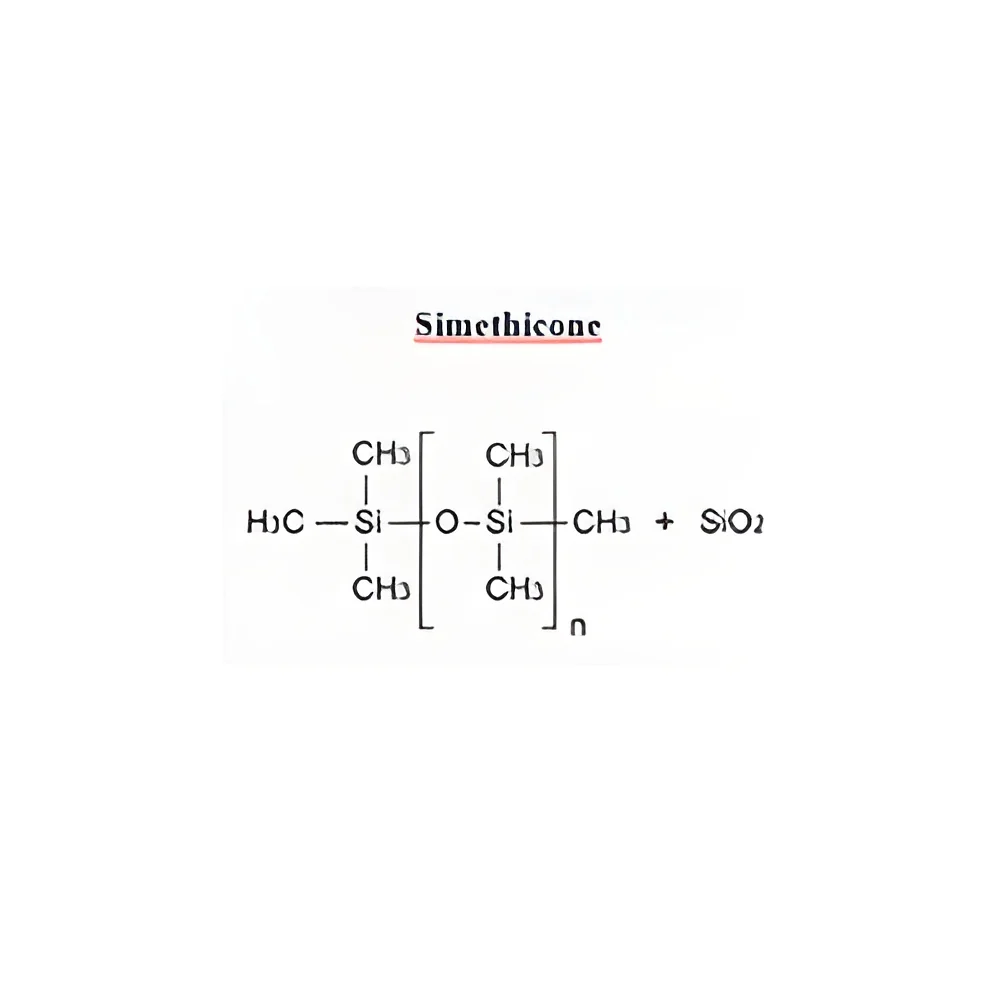
Anti-foaming agents are chemical compounds that reduce or prevent foam formation in industrial processes. Foams can cause various problems, including reduced efficiency, increased production costs, and compromised product quality. These agents work by lowering the surface tension of liquids, which helps to destabilize foam bubbles and promote their collapse.
These agents are widely used across multiple industries, including food and beverage, pharmaceuticals, cosmetics, and wastewater treatment. In the food industry, for instance, anti-foaming agents help maintain the quality of products during processing. In pharmaceuticals, they ensure precise measurements and consistency in formulations. The relevance of anti-foaming agents in the industrial sector cannot be overstated, as they play a crucial role in optimizing operational efficiency and product integrity.
As global industries continue to expand and innovate, the demand for effective anti-foaming agents is expected to grow. Companies are increasingly seeking solutions that not only address foaming issues but also comply with stringent regulatory standards. This increasing focus on quality and performance positions anti-foaming agents as essential components in modern manufacturing processes.
Key Features and Specifications
Anti-foaming agents are characterized by specific features and specifications that enhance their effectiveness. Understanding these specifications is crucial for businesses looking to select the right product for their applications.
Key specifications include:
1. Chemical Composition
- Typically includes polysiloxanes, fatty acid esters, and organic compounds
- Variability in molecular weight and structure affects performance
2. Performance Characteristics
- Effective at low concentrations for cost efficiency
- Quick action in destabilizing foam
3. Temperature Stability
- Ability to perform under varying temperature conditions
- Typically stable between 0°C to 100°C
4. Compatibility
- Compatibility with different formulations and processes
- Non-reactive with other chemical components
5. Safety Standards
- Compliance with safety and environmental regulations
- Low toxicity and safe for use in food-related applications
6. Shelf Life
- Generally stable with a shelf life ranging from 12 to 36 months
- Proper storage conditions can extend longevity
In summary, the effective performance of anti-foaming agents relies on a combination of their chemical properties and application-specific characteristics. Proper selection based on these specifications can lead to significant improvements in process efficiency.
Common Applications and Use Cases
Anti-foaming agents are essential in various industries, where they address specific challenges related to foam formation.
1. Food and Beverage: In this industry, anti-foaming agents are used in processes like brewing and dairy production to ensure product quality and prevent overflow during manufacturing.
2. Pharmaceuticals: These agents help maintain consistency in liquid formulations and prevent foam during mixing and bottling processes.
3. Wastewater Treatment: Anti-foaming agents are critical in controlling foam in treatment plants, ensuring efficient operations and compliance with environmental standards.
4. Cosmetics: In the cosmetic industry, they are added to formulations to improve texture and appearance while preventing undesired foaming.
5. Oil and Gas: In drilling and extraction processes, anti-foaming agents minimize foam generation, helping to optimize production efficiency.
6. Pulp and Paper: These agents reduce foam during the pulping process, enhancing the quality of paper products.
7. Textile Manufacturing: Anti-foaming agents are utilized in dyeing and finishing processes to prevent foam-related issues that can affect color consistency.
Product Variants and Subcategories
There is a range of anti-foaming agents available to meet diverse industrial needs. Each variant has unique features tailored for specific applications.
Silicone-based Anti-foaming Agents
These agents are highly effective in reducing foam across various processes. They offer temperature stability and are suitable for food-grade applications. Their versatility makes them a popular choice in multiple industries.
Non-Silicone Anti-foaming Agents
These agents typically consist of organic compounds and are designed for specific applications where silicone-based agents may not be suitable. They are effective in food and pharmaceutical applications, emphasizing safety and regulatory compliance.
Natural Anti-foaming Agents
Derived from natural sources, these agents are preferred in organic and eco-friendly products. They offer effective foam control while aligning with sustainability goals.
Benefits and Advantages
Anti-foaming agents provide significant benefits across industrial applications.
1. Increased Efficiency: By minimizing foam, these agents enhance process efficiency, leading to higher production rates and reduced downtime.
2. Improved Quality: They ensure product consistency and quality by preventing defects caused by foam formation.
3. Cost Savings: Reduced foam can lead to lower raw material usage and waste disposal costs, contributing to overall cost savings.
4. Compliance: Many anti-foaming agents meet industry regulations, ensuring safety and quality in manufacturing processes.
5. Versatility: They can be used in a wide range of applications across multiple industries, making them a flexible solution for manufacturers.
6. Easy Integration: Anti-foaming agents can be easily incorporated into existing processes without significant changes, facilitating seamless adoption.
Buying Guide for B2B Buyers
When sourcing anti-foaming agents, B2B buyers should consider several critical factors to ensure they make informed decisions.
1. Quality Assessment: Evaluate the quality of anti-foaming agents based on their performance characteristics and adherence to industry standards. Look for suppliers that provide detailed product specifications and data sheets.
2. Supplier Verification: Conduct thorough background checks on potential suppliers. Verify their certifications, customer reviews, and overall reputation in the market to ensure reliability.
3. Pricing and MOQ: Consider the pricing structure of anti-foaming agents and the minimum order quantities. Compare costs across suppliers while factoring in quality and service.
4. Delivery and Lead Times: Assess the supplier’s ability to meet delivery schedules. Timely delivery is crucial for maintaining production schedules and minimizing downtime.
5. Compliance Requirements: Ensure that the anti-foaming agents meet all relevant regulatory and safety standards. This is especially important in industries like food and pharmaceuticals.
Compliance and Certifications
Compliance with quality standards and certifications is vital in the selection of anti-foaming agents. Most reputable products adhere to standards such as ISO 9001, which ensures consistent quality management systems.
Industry certifications like CE signify that the product meets safety and performance criteria, providing assurance to buyers. Additionally, anti-foaming agents must comply with safety and testing requirements, ensuring they do not pose health or environmental risks.
Regional compliance considerations are also essential, as regulations may vary across different markets. Buyers should verify that their chosen products meet the specific compliance requirements of their operational regions.
Why Source Anti-foaming Agents from Pepagora?
Pepagora offers a trusted platform for sourcing anti-foaming agents, providing several key advantages for B2B buyers.
Verified Supplier Network: Pepagora ensures that all listed suppliers are thoroughly vetted, providing buyers with confidence in their sourcing decisions. This reduces the risk of quality issues and supply chain disruptions.
Streamlined RFQ Process: The platform features an efficient Request for Quotation (RFQ) system, allowing buyers to quickly obtain competitive quotes from multiple suppliers. This simplifies the procurement process and saves time.
Trade Assurance and Support: With trade assurance measures in place, Pepagora protects buyers from potential risks during transactions. This support enhances buyer confidence when making purchases.
Regional Coverage: Pepagora serves a wide geographic area, including India, GCC, and Southeast Asia. This extensive reach ensures that buyers have access to quality anti-foaming agents, tailored to their specific market needs.

 IN
IN