What are Corrosion Inhibitors?
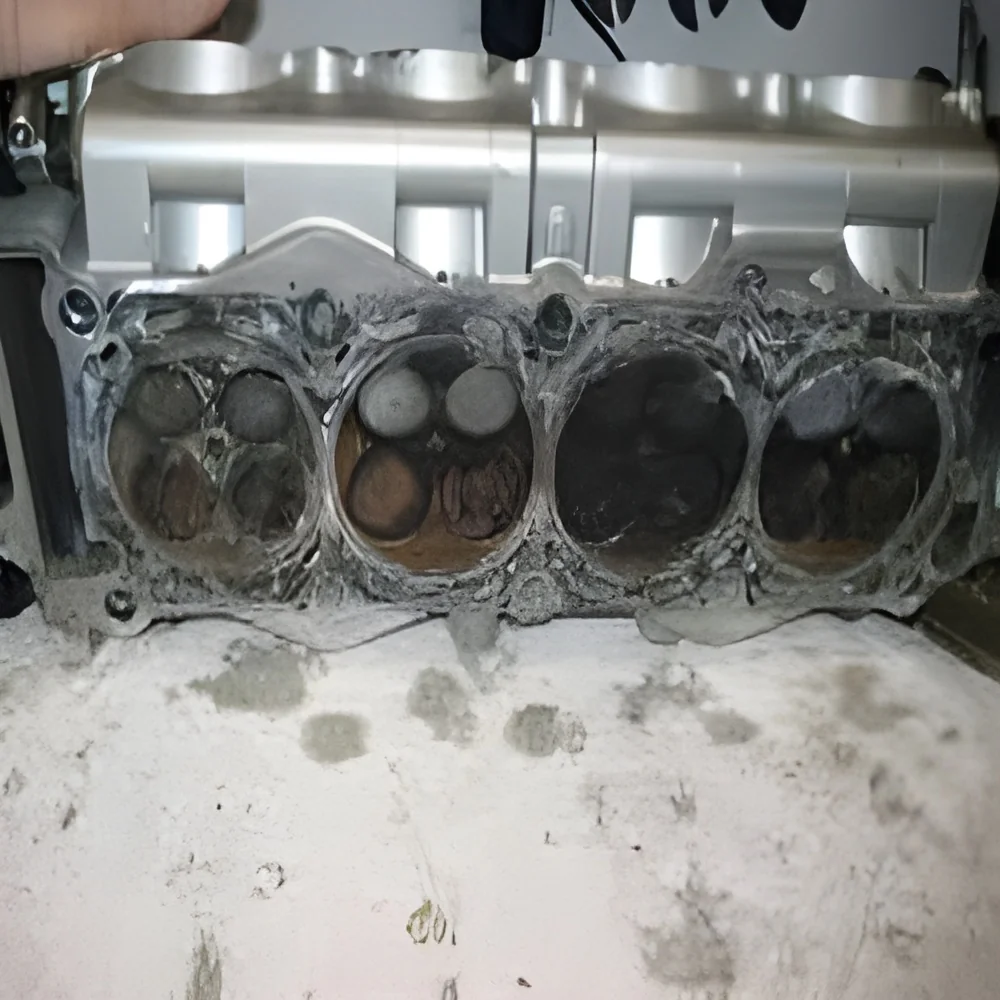
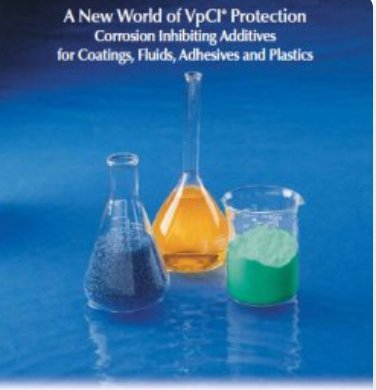
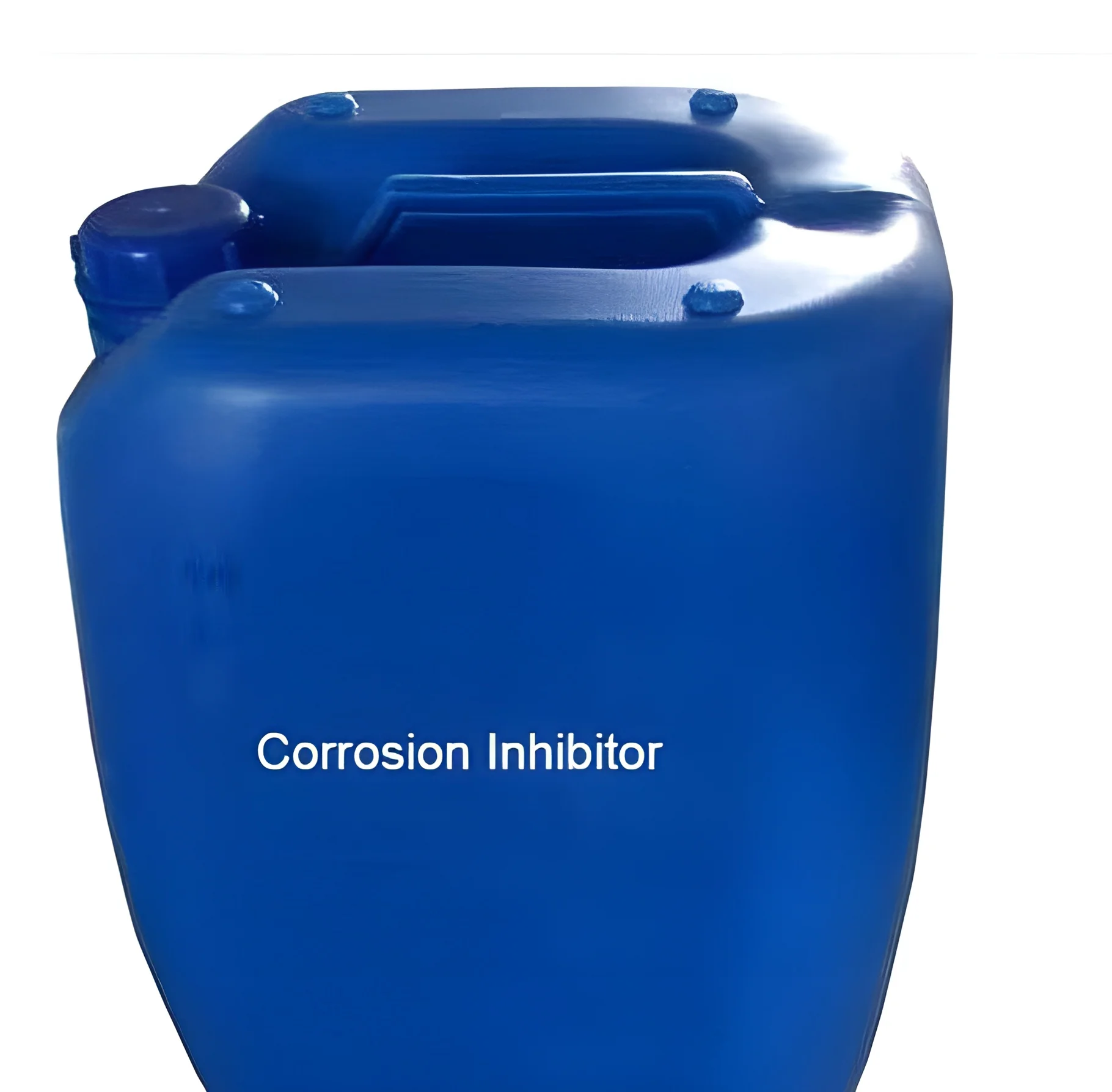
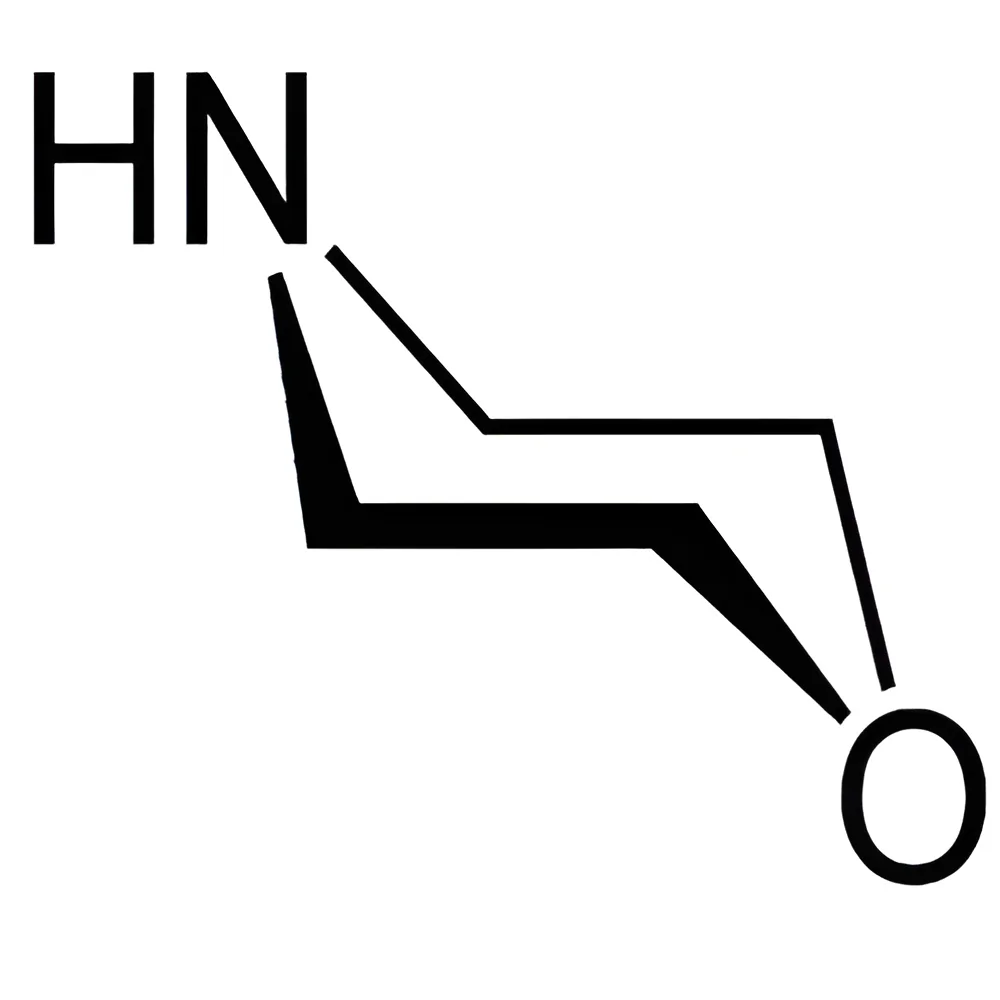
Corrosion inhibitors are chemical compounds used to prevent or slow down the corrosion of metals in various environments. They function by forming a protective layer on the metal surface, which inhibits the electrochemical reactions that lead to corrosion. These inhibitors can be added to liquids like water, oil, or other substances, creating a barrier that protects the metal beneath.
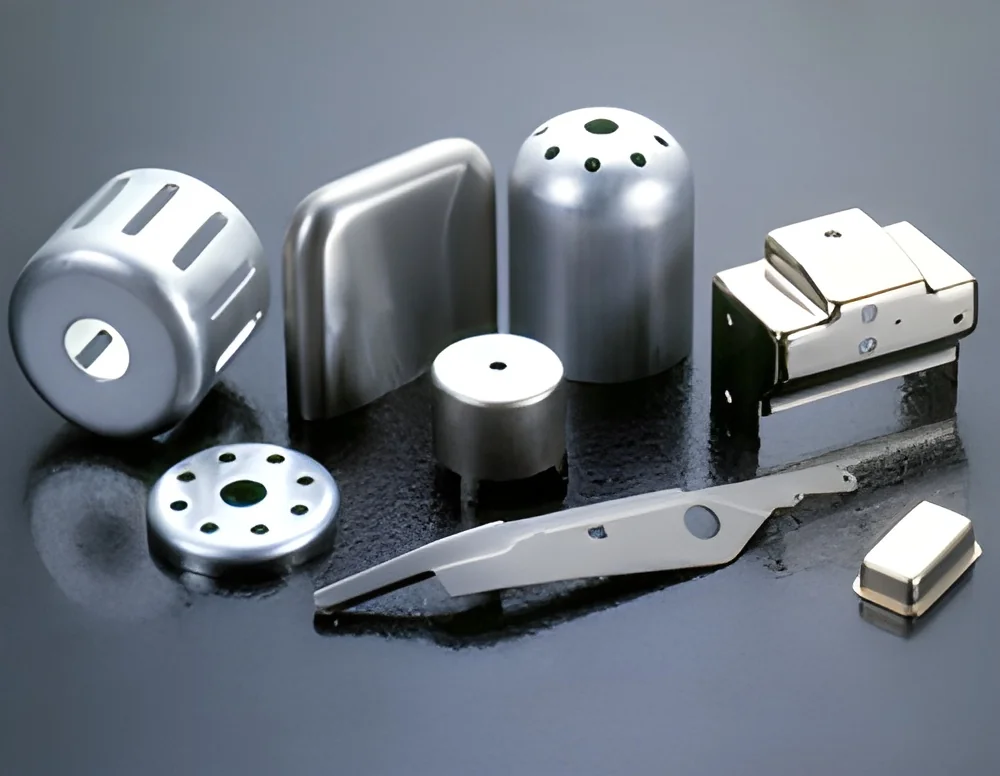
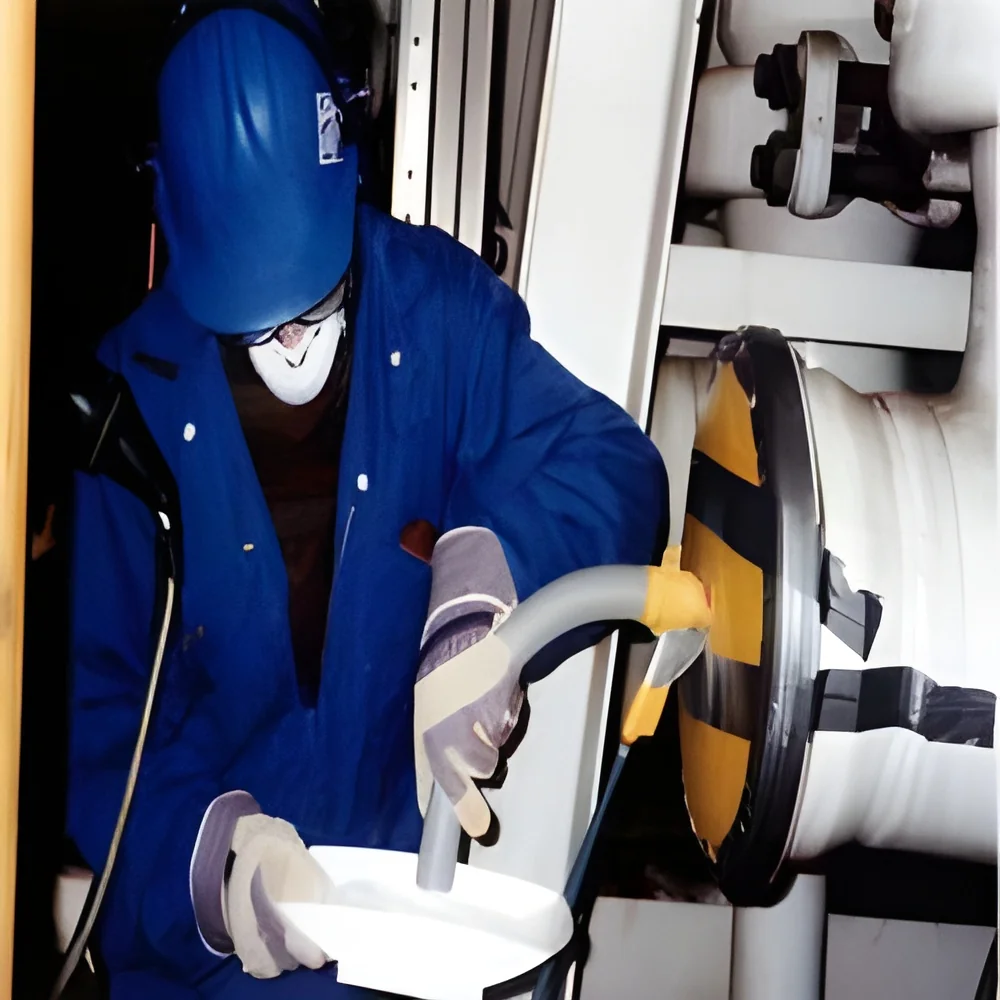
Corrosion inhibitors are primarily utilized in industries where metal components are exposed to corrosive environments. Common applications include oil and gas, marine, automotive, and construction sectors. In these industries, the integrity of metal structures and components is critical for safety and operational efficiency. With the increasing focus on asset longevity and maintenance cost reduction, corrosion inhibitors have become essential in preserving equipment and extending its service life.
The market for corrosion inhibitors is growing due to rising industrial activities and the need for sustainable practices. As companies strive to minimize downtime caused by corrosion-related failures, the demand for effective corrosion management solutions is on the rise. This trend is particularly evident in regions with harsh environmental conditions that accelerate corrosion processes.
Key Features and Specifications
Corrosion inhibitors come with various features designed to enhance their effectiveness and usability across different applications. Understanding these specifications is crucial for selecting the right product for specific industrial needs.
Key specifications include:
1. Chemical Composition
- Includes organic and inorganic compounds
- Tailored formulations for specific environments
2. Application Method
- Can be applied through direct addition, coatings, or films
- Compatibility with various substrates and environments
3. Temperature Stability
- Effective across a range of temperatures
- Specifications on maximum and minimum operational temperatures
4. Dosage Recommendations
- Defined concentration levels for optimal performance
- Guidelines based on specific applications
5. Environmental Impact
- Biodegradable options available
- Low toxicity formulations for reduced environmental footprint
6. Shelf Life
- Duration for which the product remains effective
- Storage conditions to maximize product longevity
7. Performance Testing
- Compliance with industry standards for effectiveness
- Laboratory and field testing results available
In summary, understanding these key features and specifications is essential for businesses looking to implement corrosion inhibitors effectively.
Common Applications and Use Cases
Corrosion inhibitors are versatile products that find application across various industries.
1. Oil and Gas: Used in pipelines and tanks to prevent corrosion due to the harsh chemicals and conditions present.
2. Marine: Protects ships and offshore structures from saltwater corrosion, ensuring structural integrity and safety.
3. Automotive: Applied in vehicle manufacturing to protect metal parts from rust and degradation over time.
4. Construction: Used in concrete and steel reinforcements to enhance durability against environmental factors.
5. Power Generation: Employed in power plants to protect equipment from corrosive agents that can impair performance.
6. Aerospace: Protects aircraft components from corrosion, ensuring safety and longevity during operations.
7. Water Treatment: Added to water systems to protect metal parts from corrosion while maintaining water quality.
Product Variants and Subcategories
Corrosion inhibitors are available in various forms to suit different applications and requirements.
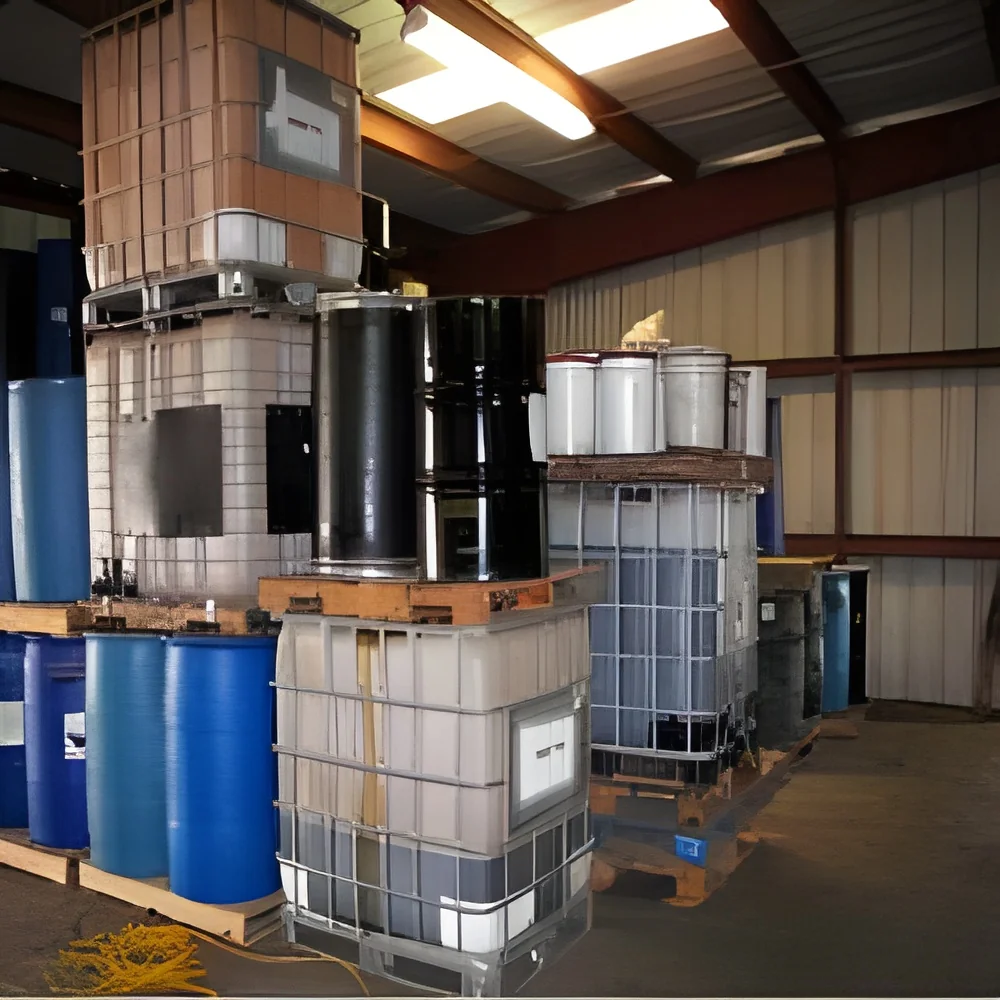
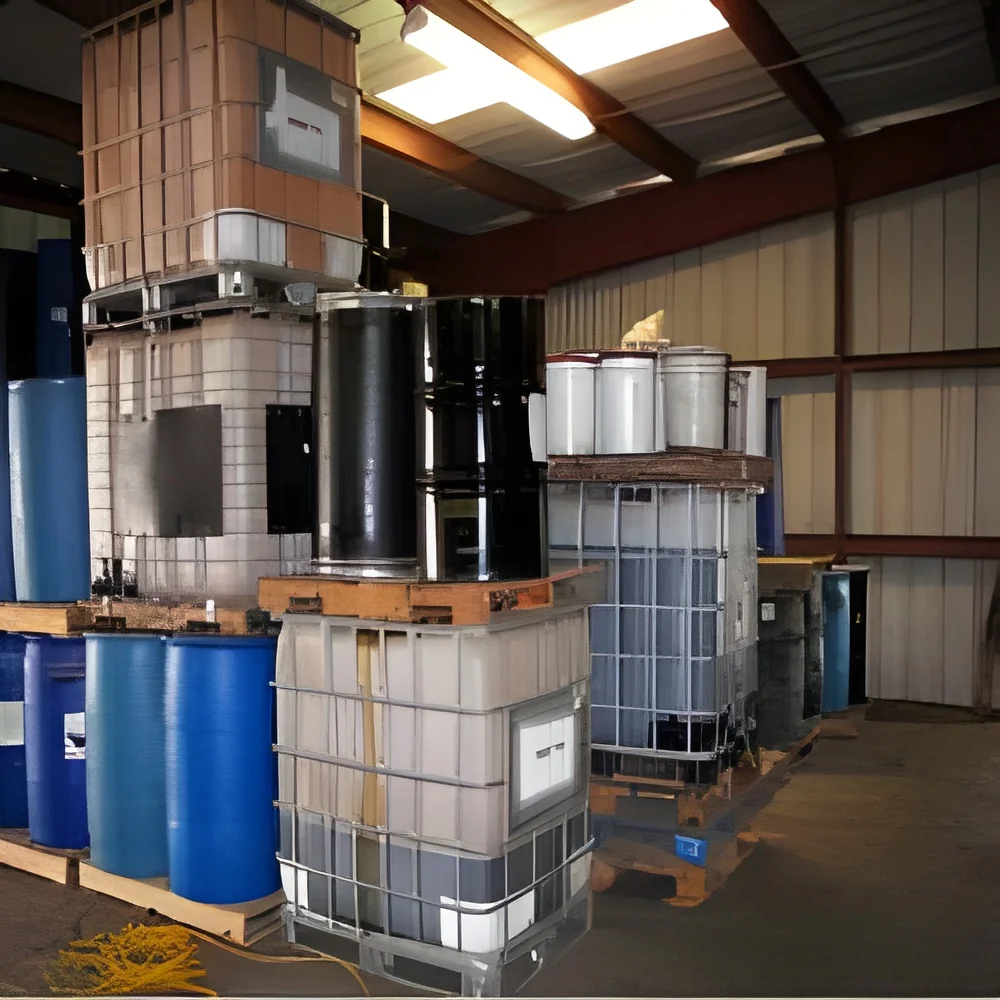
Liquid Corrosion Inhibitors: These are typically added to fluids in systems to provide protection against corrosion. They are easy to apply and can be formulated for specific conditions.
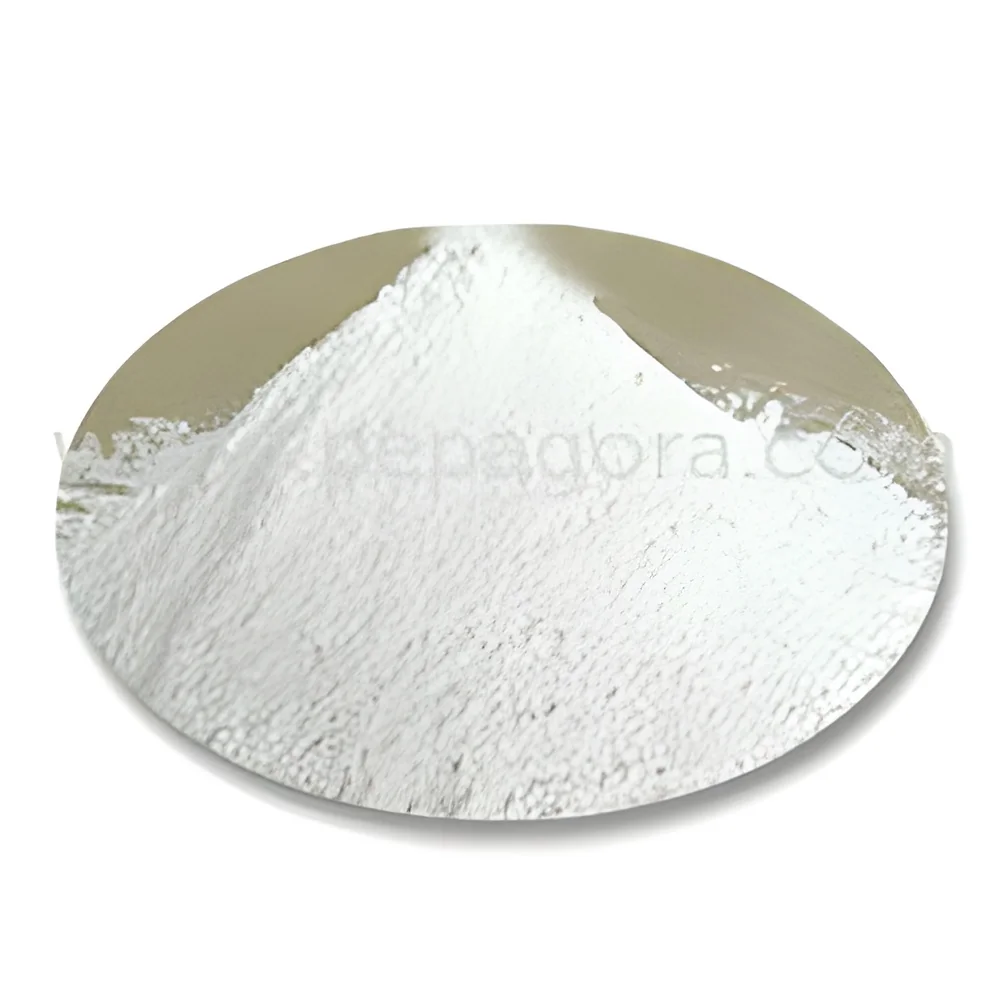
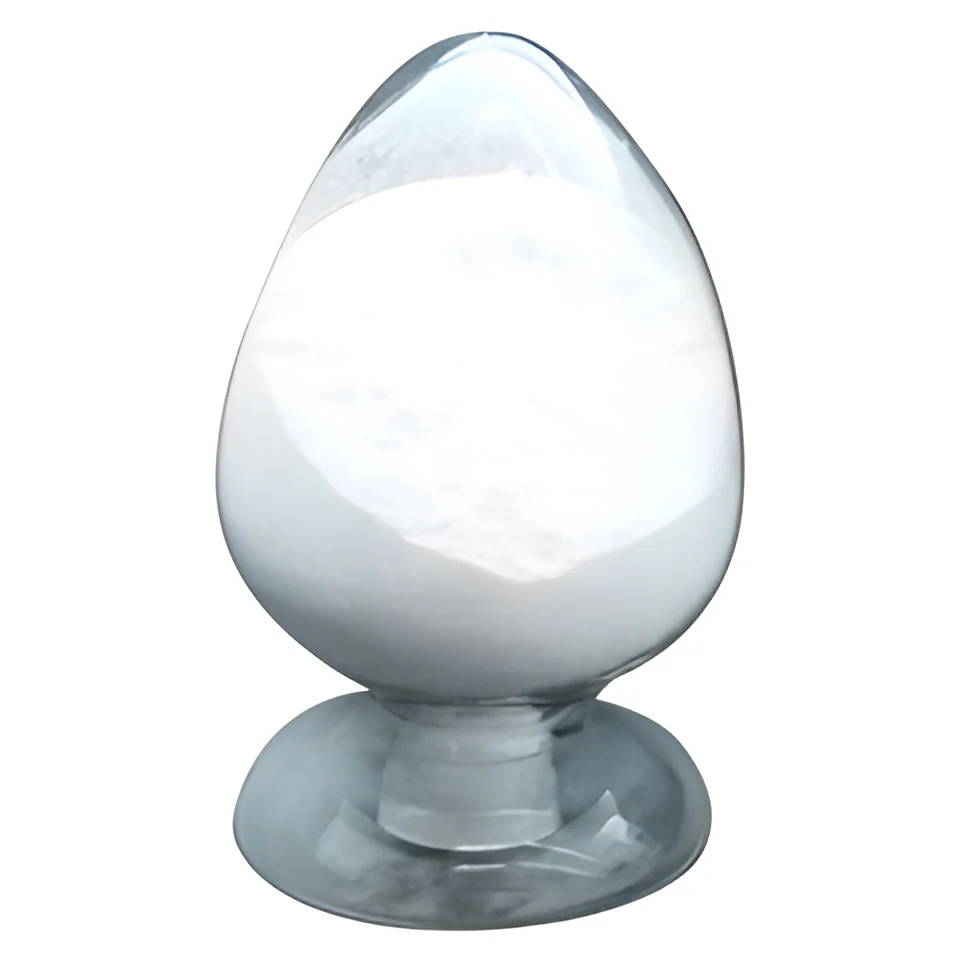
Powdered Corrosion Inhibitors: Used in coatings or as additives in solid materials, these variants offer long-lasting protection and can be mixed with other substances for enhanced performance.
Film-Forming Corrosion Inhibitors: These create a protective film on metal surfaces, ideal for long-term storage or protection in harsh environments.
Volatile Corrosion Inhibitors (VCIs): These are released into the air to protect metal surfaces in enclosed spaces, making them suitable for packaging and shipping applications.
Benefits and Advantages
Corrosion inhibitors offer several benefits that make them invaluable for industrial applications.
1. Increased Equipment Lifespan: By preventing corrosion, these products significantly extend the life of metal components.
2. Reduced Maintenance Costs: Regular application of corrosion inhibitors minimizes the frequency and cost of maintenance and repairs.
3. Enhanced Safety: Protecting metal structures reduces the risk of failures that can lead to accidents or hazardous situations.
4. Improved Reliability: Equipment performance remains consistent without interruptions caused by corrosion-related issues.
5. Environmental Protection: Many formulations are designed to be environmentally friendly, reducing the ecological impact of corrosion prevention efforts.
6. Versatility: Corrosion inhibitors can be tailored for specific applications and environments, making them suitable for a wide range of industries.
Buying Guide for B2B Buyers
When sourcing corrosion inhibitors, several factors should be considered to ensure the best choice for your business needs.
1. Quality Assessment: Evaluate the quality of the corrosion inhibitors through product specifications, efficacy tests, and certifications. Ensure that the products meet industry standards for performance.
2. Supplier Verification: Vet suppliers for reliability and reputation. Look for companies with a proven track record in supplying high-quality corrosion inhibitors.
3. Pricing and MOQ: Understand the pricing structure and minimum order quantities. Compare multiple suppliers to find the best deal while considering the quality of the product.
4. Delivery and Lead Times: Assess the logistics involved in sourcing corrosion inhibitors, including shipping times and availability of stock.
5. Compliance Requirements: Ensure that the corrosion inhibitors meet all necessary regulatory and safety standards applicable to your industry and region.
Compliance and Certifications
Compliance with industry standards and certifications is crucial for manufacturers of corrosion inhibitors.
Relevant quality standards such as ISO 9001 ensure that products are made under strict quality management systems. These standards help maintain consistency in manufacturing processes and product quality.
Industry certifications like CE indicate that the products meet European safety, health, and environmental protection requirements. Such certifications are essential for products intended for use in regulated markets.
Safety and testing requirements are also pivotal. Corrosion inhibitors must undergo rigorous testing to ensure they are effective and safe for their intended applications. This includes assessing their impact on human health and the environment.
Regional compliance considerations should not be overlooked. Different regions may have varying regulations regarding chemical usage, safety, and environmental impact, making it essential for suppliers to adhere to local guidelines.
Why Source Corrosion Inhibitors from Pepagora?
Pepagora provides a trusted platform for sourcing corrosion inhibitors, offering several key advantages to B2B buyers.
Verified Supplier Network: Pepagora connects buyers with verified suppliers who are committed to high-quality standards. Each supplier undergoes a thorough vetting process to ensure reliability.
Streamlined RFQ Process: The request for quotation process is simplified, allowing buyers to request quotes from multiple suppliers quickly. This efficiency saves time and helps buyers make informed decisions.
Trade Assurance and Support: Buyers benefit from trade assurance, which protects their purchases and provides support throughout the sourcing process. This safety net enhances buyer confidence when investing in corrosion inhibitors.
Regional Coverage: Pepagora’s geographic reach extends across India, the Gulf Cooperation Council (GCC), and Southeast Asia. This broad coverage ensures that buyers have access to suppliers in various regions, facilitating better logistics and supply chain management.

 IN
IN