
 IN
Defoamers
3 products available
What are Defoamers?
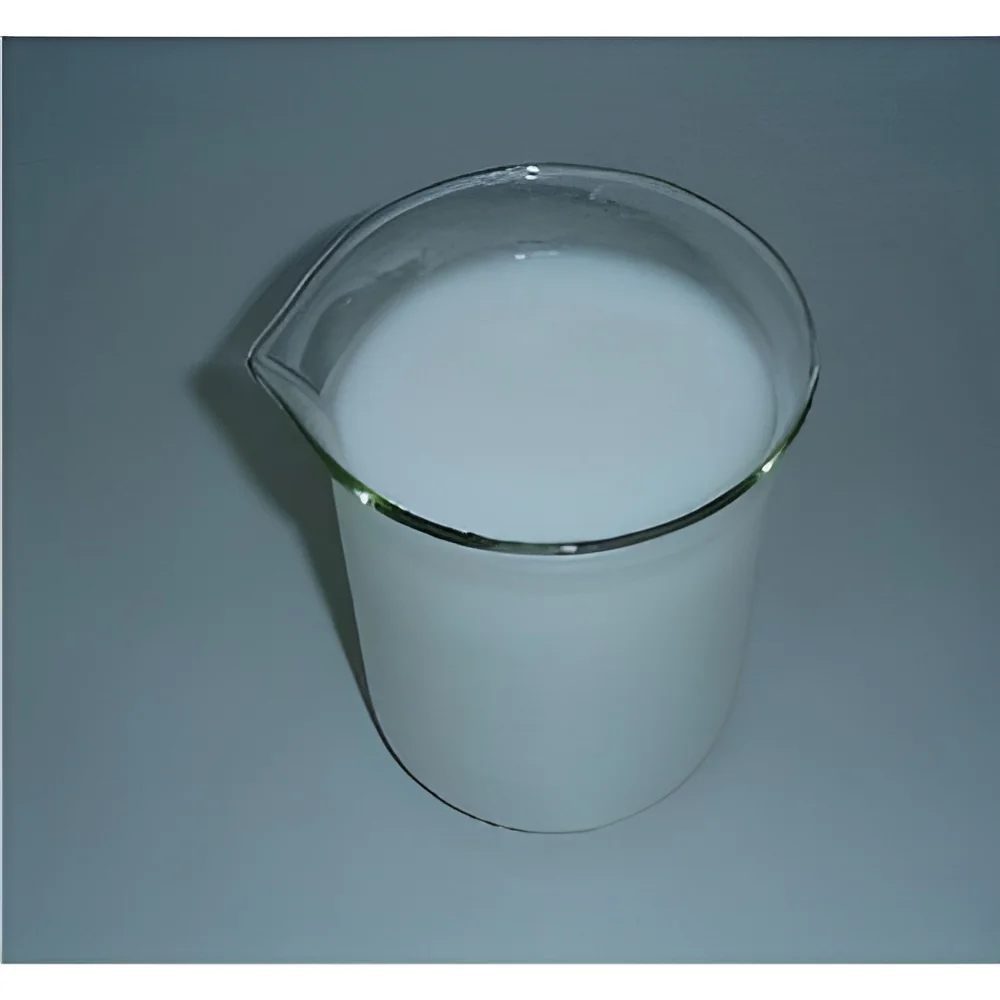
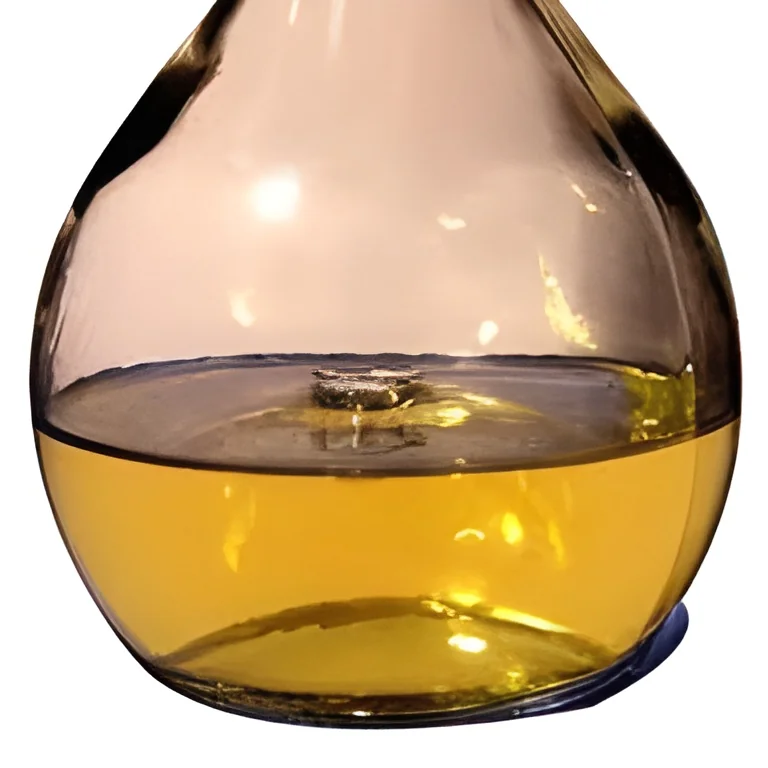
Defoamers, also known as anti-foaming agents, are chemical compounds used to reduce and prevent the formation of foam in industrial processes. They work by destabilizing the foam structure, allowing bubbles to coalesce and burst, thereby eliminating excess foam. Defoamers can be found in various forms, including liquid and powder, and are essential for maintaining efficiency and safety in numerous applications.
These products are primarily used in industries such as food and beverage, pharmaceuticals, wastewater treatment, and chemical manufacturing. In food production, for instance, defoamers help ensure smooth processing and packaging by preventing foam formation during mixing and cooking. In pharmaceuticals, they are crucial for maintaining product quality and consistency. The relevance of defoamers is underscored by their widespread use across diverse sectors, reflecting their importance in optimizing operational performance and meeting regulatory standards.
Key Features and Specifications
Defoamers are characterized by several key features that make them effective in various applications. Understanding these specifications can help businesses select the right product for their needs.
Key specifications include:
1. Composition Type
- Defoamers can be silicone-based, non-silicone, or organic.
- These compositions determine their effectiveness in different environments.
2. Formulation
- Available in liquid, powder, or emulsion forms.
- Selection depends on the specific application and processing conditions.
3. Temperature Stability
- Many defoamers operate effectively within a certain temperature range.
- Specific ranges vary by formulation and application.
4. Compatibility
- Compatibility with other chemicals in a process is crucial.
- Choosing a defoamer that does not react negatively with other substances is essential.
5. Concentration
- Different concentrations of active ingredients can affect performance.
- Higher concentrations may be required for more challenging foaming situations.
6. Application Method
- Defoamers can be added batch-wise or continuously.
- The method of application can influence the overall effectiveness.
7. Performance Duration
- The longevity of foam suppression varies by product.
- Understanding performance duration is key for efficient process management.
8. Environmental Impact
- Many modern defoamers are designed to be environmentally friendly.
- Sustainability is becoming a significant consideration in formulation.
In summary, the selection of a defoamer should be based on its composition, application method, compatibility, and specific needs of the industry it serves.
Common Applications and Use Cases
Defoamers serve a wide range of industries, each with unique requirements and applications.
1. Food and Beverage: In this industry, defoamers are used during production processes, such as brewing and dairy processing, to prevent foam that can interfere with filling and packaging.
2. Pharmaceuticals: Defoamers are critical in the manufacture of syrups and suspensions to ensure consistency and prevent excess foam during mixing.
3. Chemical Manufacturing: In chemical processing, defoamers help control foam during reactions, ensuring product quality and reducing downtime.
4. Water Treatment: Defoamers are employed in wastewater treatment plants to manage foam that can hinder treatment efficiency and overflow systems.
5. Pulp and Paper: In the paper manufacturing process, defoamers are used to enhance drainage and improve product quality by controlling foam.
6. Oil and Gas: Defoamers assist in oil extraction and refining processes by minimizing foam that can impede production efficiency.
7. Paints and Coatings: Defoamers are added to paints and coatings to improve application and finish by reducing surface defects caused by foam.
Product Variants and Subcategories
Defoamers come in various formulations tailored to meet specific industrial needs. This diversity allows businesses to select products that best fit their operational requirements.
Silicone-based Defoamers: These are highly effective in a wide range of applications and are known for their long-lasting performance. They are particularly useful in high-temperature processes.
Non-silicone Defoamers: Ideal for food and beverage applications, non-silicone defoamers are often preferred for their compliance with food safety regulations and lower environmental impact.
Organic Defoamers: These products are derived from natural sources and are designed for eco-friendly applications. They are increasingly popular in industries looking to reduce their environmental footprint.
Benefits and Advantages
Using defoamers offers several advantages that can significantly enhance operational efficiency.
1. Enhanced Production Efficiency: Defoamers minimize foam-related disruptions, allowing for smoother operations and increased throughput.
2. Improved Product Quality: By preventing foam formation, defoamers help maintain consistency and quality in the final product.
3. Cost Savings: Reducing foam can decrease waste and downtime, leading to lower operational costs over time.
4. Regulatory Compliance: Many defoamers are formulated to meet industry-specific regulations, ensuring compliance and safe usage.
5. Versatility: Defoamers can be used across various industries and applications, making them a valuable addition to many manufacturing processes.
6. Environmental Considerations: Many modern defoamers are designed to be eco-friendly, supporting sustainability goals.
Buying Guide for B2B Buyers
When sourcing defoamers, businesses should consider several critical factors to ensure they select the right product for their needs.
1. Quality Assessment: It is vital to evaluate the quality of defoamers based on their performance and compliance with industry standards. Look for products with proven efficacy in specific applications.
2. Supplier Verification: Vetting suppliers is essential. Consider their reputation, reliability, and experience in the industry to ensure a dependable supply chain.
3. Pricing and MOQ: Understand the pricing structures and minimum order quantities. Balancing cost with quality is crucial for maintaining budget and operational efficiency.
4. Delivery and Lead Times: Assess logistics and lead times for delivery. Timely access to defoamers is critical for maintaining production schedules.
5. Compliance Requirements: Ensure that the defoamers meet any relevant regulatory requirements specific to your industry, such as food safety or chemical handling standards.
Compliance and Certifications
Defoamers must meet various compliance and certification standards to ensure safety and effectiveness. Key quality standards include ISO 9001, which focuses on maintaining consistent quality management systems. Additionally, adherence to HACCP and GDP ensures that products are safe for use in sensitive applications like food and pharmaceuticals.
Industry certifications, such as CE, signify that a product meets European Union safety, health, and environmental protection requirements. Compliance with safety and testing requirements is critical, particularly for products used in food and pharmaceutical industries, where rigorous standards govern formulation and usage.
Regional compliance considerations may also apply, depending on the market in which the defoamer will be used. Understanding these regulations is essential for businesses looking to source defoamers compliant with local laws.
Why Source Defoamers from Pepagora?
Pepagora offers a trusted platform for sourcing defoamers, providing several key advantages for B2B buyers.
Verified Supplier Network: Pepagora ensures that all suppliers are thoroughly vetted, providing buyers with confidence in the quality and reliability of the products offered.
Streamlined RFQ Process: The platform simplifies the request for quotation process, allowing buyers to easily compare options and select the best defoamer for their needs.
Trade Assurance and Support: Pepagora offers buyer protection through trade assurance programs, ensuring that transactions are secure and that buyers receive the products as promised.
Regional Coverage: With a strong presence in India, the GCC, and Southeast Asia, Pepagora provides extensive regional coverage, making it easier for buyers to access quality defoamers tailored to their specific markets.


Frequently Asked Questions
What are Defoamers?
Defoamers are chemical additives used to reduce or prevent the formation of foam in industrial processes. They work by destabilizing the foam structure, allowing gas bubbles to collapse and thereby minimizing foam generation.
What are the different types of Defoamers?
There are primarily two types of defoamers: silicone-based and non-silicone-based. Silicone defoamers are effective in a wide range of applications, while non-silicone defoamers are often used in food and beverage industries due to their safety and compliance with regulations.
How do I choose the right Defoamers?
Choosing the right defoamer depends on the specific application, the type of foam being addressed, and the compatibility with other chemicals in the formulation. It is essential to consider factors such as temperature, pH, and material safety data sheets before making a selection.
What are the standard specifications for Defoamers?
Standard specifications for defoamers typically include viscosity, active content, and compatibility with various materials. Additionally, performance metrics such as foam reduction efficiency and stability under specific conditions may also be specified.
What is the price range for Defoamers?
The price range for defoamers can vary widely based on the type, quality, and quantity ordered. Generally, prices can range from a few hundred to several thousand Indian Rupees per liter, depending on the formulation and supplier.
What quality standards apply to Defoamers?
Defoamers must comply with various industry standards such as ISO certifications, and in some cases, specific regulations depending on the application, such as those set by the FDA for food-grade products. Quality assurance processes also ensure that the products meet performance and safety criteria.
Where can I find Defoamers suppliers in India?
You can find defoamer suppliers in India through B2B marketplaces like Pepagora.com, industry trade shows, and chemical supply directories. It is advisable to compare multiple suppliers to evaluate their offerings and reliability.
Can Defoamers be customized?
Yes, many manufacturers offer customized defoamers to meet specific application requirements. Customization may involve altering the formulation, packaging sizes, or providing tailored solutions based on the customer's needs.
What is the typical minimum order quantity for Defoamers?
The typical minimum order quantity (MOQ) for defoamers can vary by supplier, but it often ranges from 100 liters to 1000 liters. It is best to check with individual suppliers for their specific MOQs.
What is the typical lead time for Defoamers?
The typical lead time for defoamers usually ranges from 1 to 4 weeks, depending on the supplier, order size, and customization requirements. It's important to confirm lead times with the supplier at the time of order placement.
Why Businesses Trust Pepagora
Thousands of companies trust Pepagora to source smarter and sell faster
Expand Your Sales Globally

Source Smarter,Grow Faster
