
 IN
INSolvents (Acetone, Toluene, Ethanol)
19 products available
Key Features and Specifications
Common Applications and Use Cases
Product Variants and Subcategories
Benefits and Advantages
Buying Guide for B2B Buyers
Compliance and Certifications



Frequently Asked Questions
What are Solvents (Acetone, Toluene, Ethanol)?
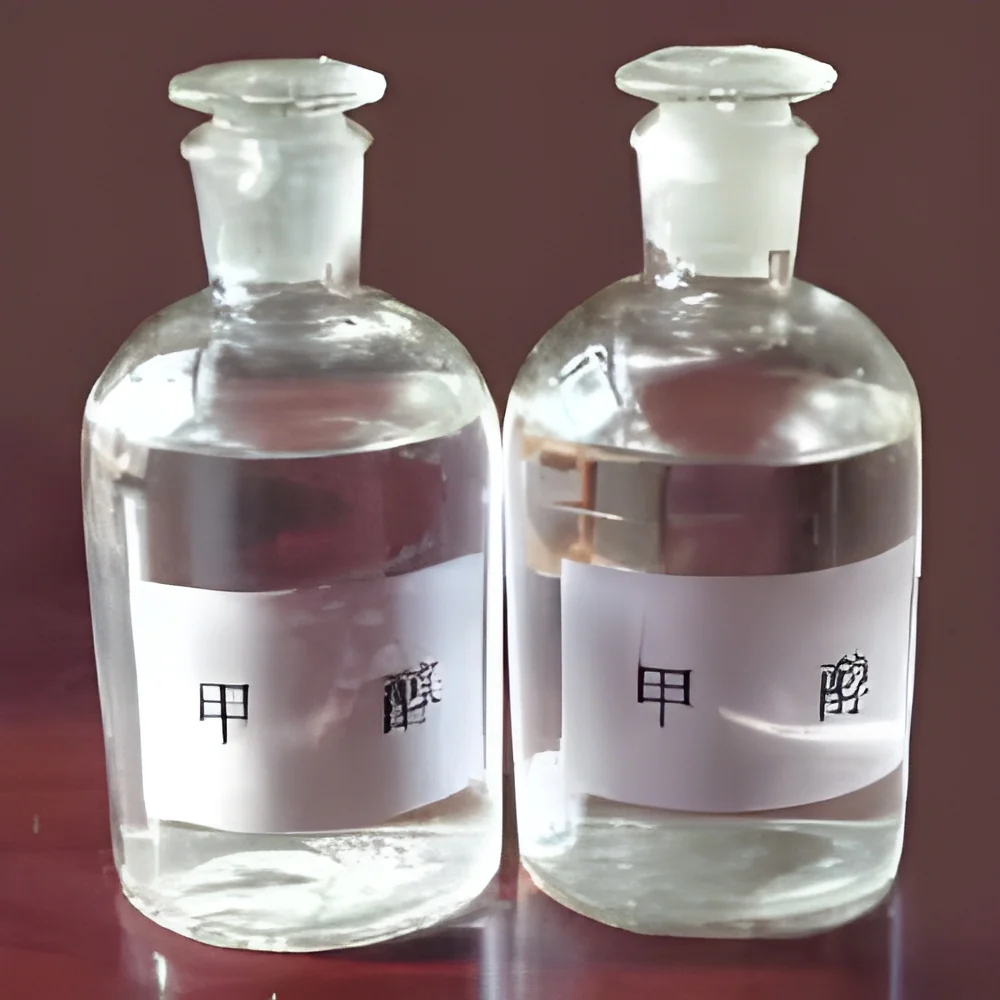
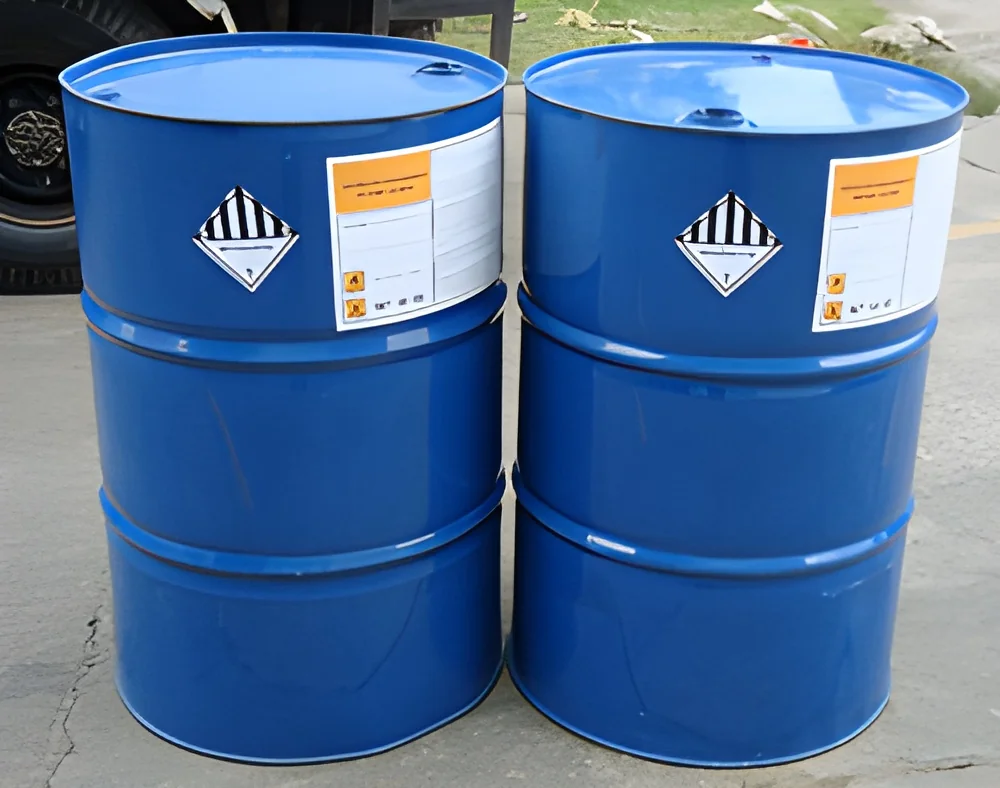
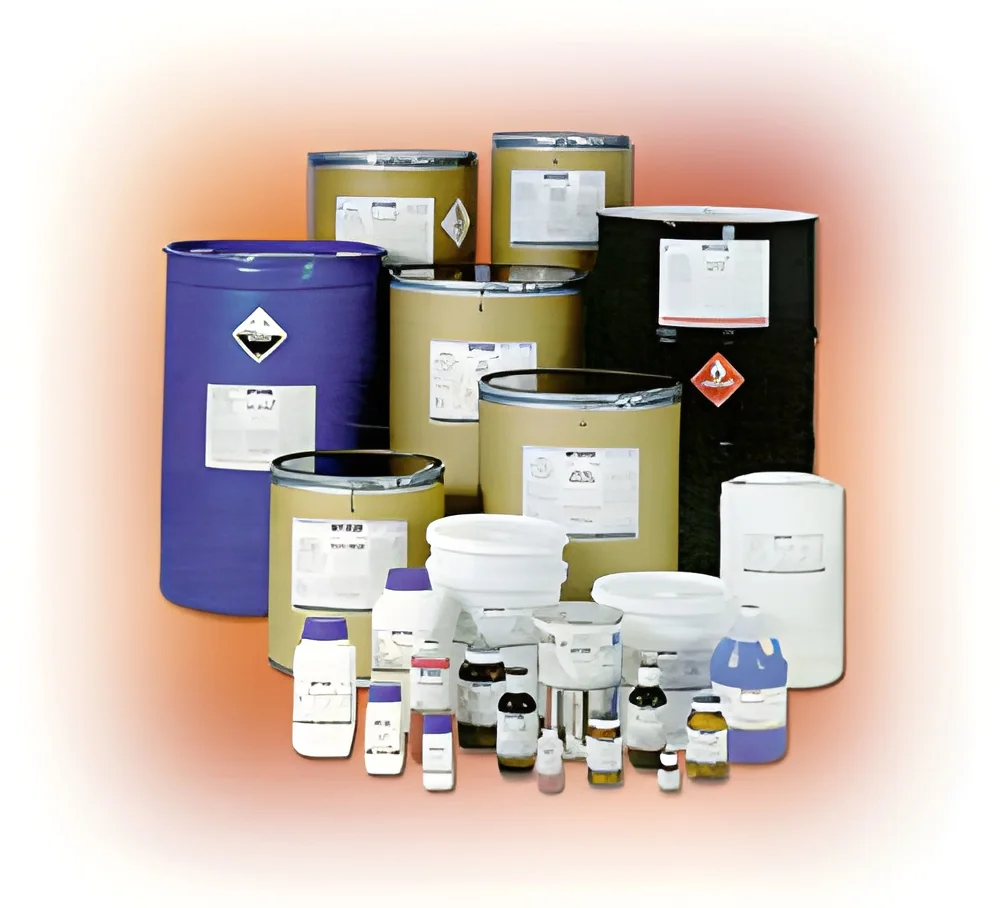
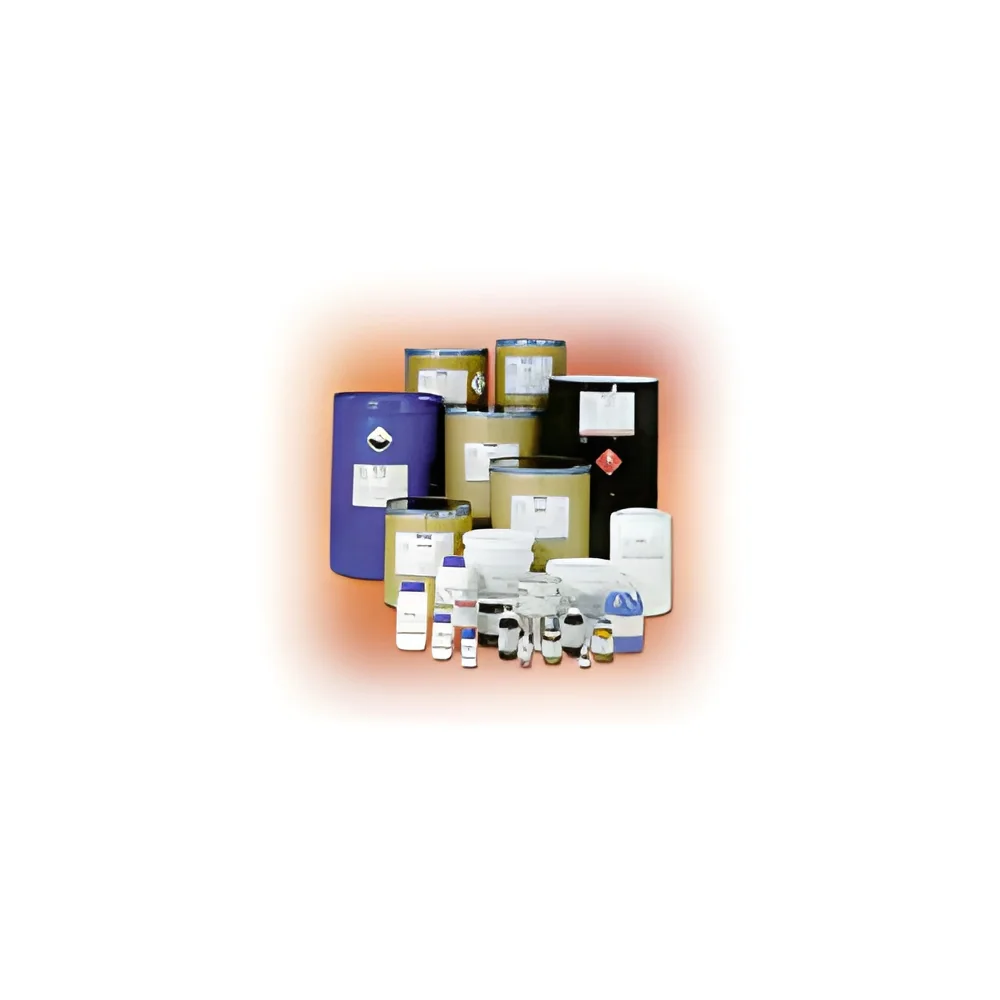
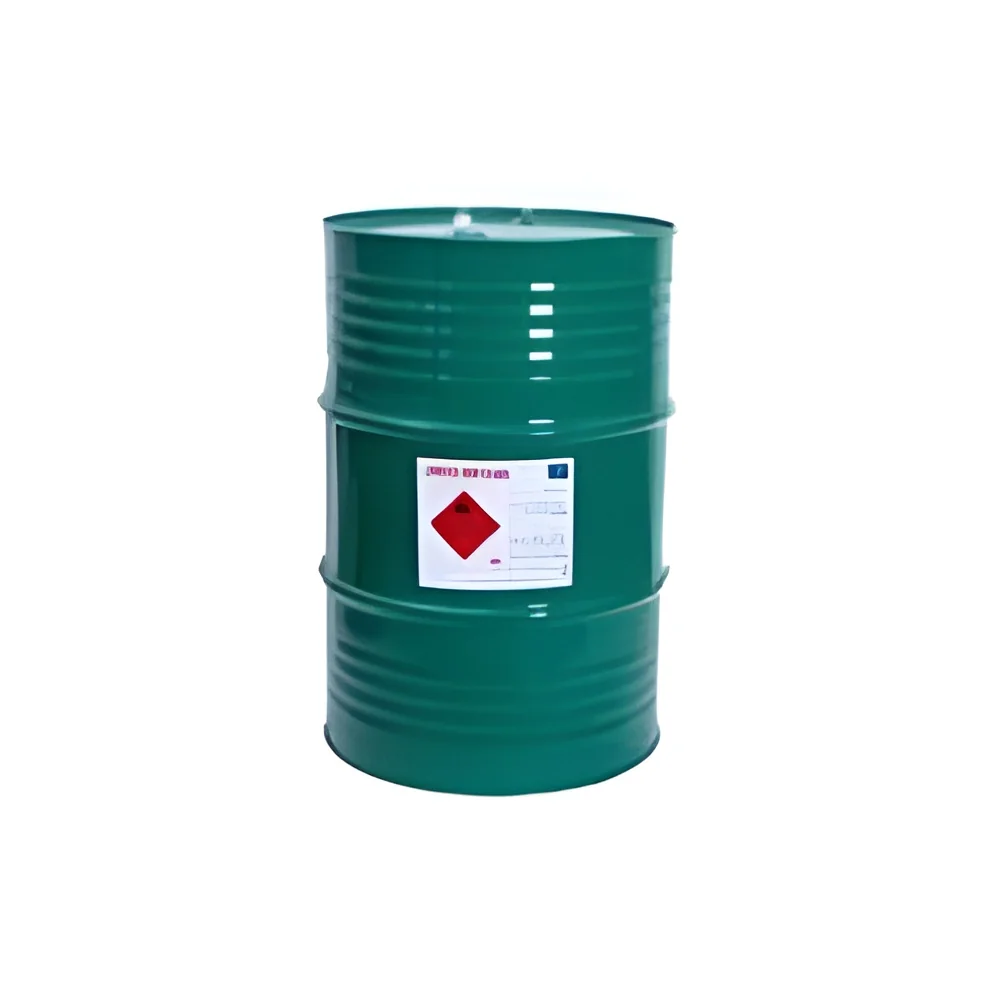
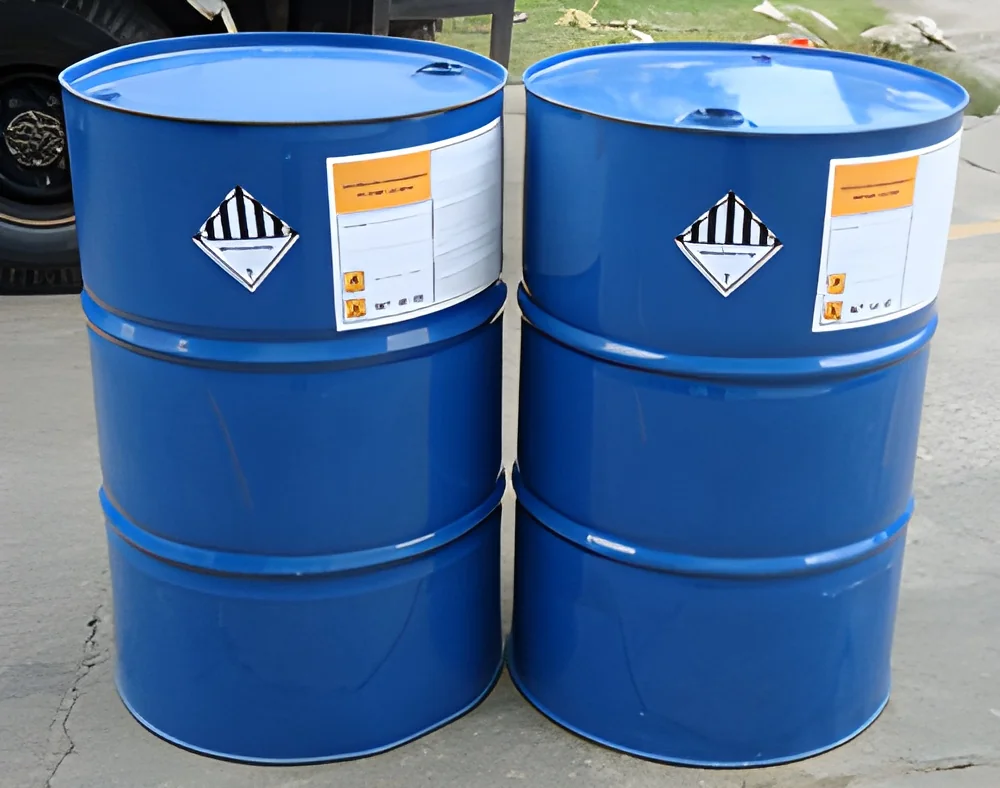
Solvents such as Acetone, Toluene, and Ethanol are chemical substances that dissolve other materials without changing their chemical composition. They are commonly used in various industries for applications like paint thinners, cleaning agents, and chemical reactions.
What are the different types of Solvents (Acetone, Toluene, Ethanol)?
The main types of solvents in this category include Acetone, a fast-evaporating solvent; Toluene, known for its effectiveness in dissolving paints and coatings; and Ethanol, often used in pharmaceuticals and personal care products. Each solvent has unique properties that make it suitable for specific applications.
How do I choose the right Solvents (Acetone, Toluene, Ethanol)?
Choosing the right solvent depends on the intended application, compatibility with other materials, and safety considerations. It's important to assess factors such as evaporation rate, polarity, and toxicity to ensure optimal performance in your specific use case.
What are the standard specifications for Solvents (Acetone, Toluene, Ethanol)?
Standard specifications for these solvents typically include purity levels, boiling points, flash points, and specific gravity. For instance, pure Acetone should have a minimum purity of 99%, while Toluene and Ethanol specifications may vary based on their intended industrial applications.
What is the price range for Solvents (Acetone, Toluene, Ethanol)?
The price range for solvents can vary based on factors like purity, quantity, and supplier. Generally, Acetone may range from INR 60 to INR 120 per liter, Toluene from INR 80 to INR 150, and Ethanol from INR 50 to INR 100, subject to market conditions.
What quality standards apply to Solvents (Acetone, Toluene, Ethanol)?
Quality standards for these solvents are often governed by regulations such as ASTM, ISO, and local safety standards. Compliance with these standards ensures that the solvents meet safety and performance criteria suitable for industrial use.
Where can I find Solvents (Acetone, Toluene, Ethanol) suppliers in India?
You can find suppliers of Solvents (Acetone, Toluene, Ethanol) through B2B marketplaces like Pepagora, industry trade shows, and chemical distributors. It's advisable to verify the credentials and quality certifications of suppliers before making a purchase.
Can Solvents (Acetone, Toluene, Ethanol) be customized?
Yes, some manufacturers offer customization options for solvents to meet specific requirements such as concentration, packaging, and additional additives. It's important to discuss your needs with the supplier to explore available customization options.
What is the typical minimum order quantity for Solvents (Acetone, Toluene, Ethanol)?
The typical minimum order quantity (MOQ) for solvents can vary by supplier but generally ranges from 100 liters to 1000 liters. Larger orders may allow for better pricing, so it's beneficial to inquire about MOQs when sourcing.
What is the typical lead time for Solvents (Acetone, Toluene, Ethanol)?
The typical lead time for ordering solvents can range from 5 to 15 business days, depending on the supplier's inventory and processing capabilities. It's advisable to confirm lead times when placing orders to ensure timely delivery.
Why Businesses Trust Pepagora
Thousands of companies trust Pepagora to source smarter and sell faster
Expand Your Sales Globally

Source Smarter,Grow Faster
