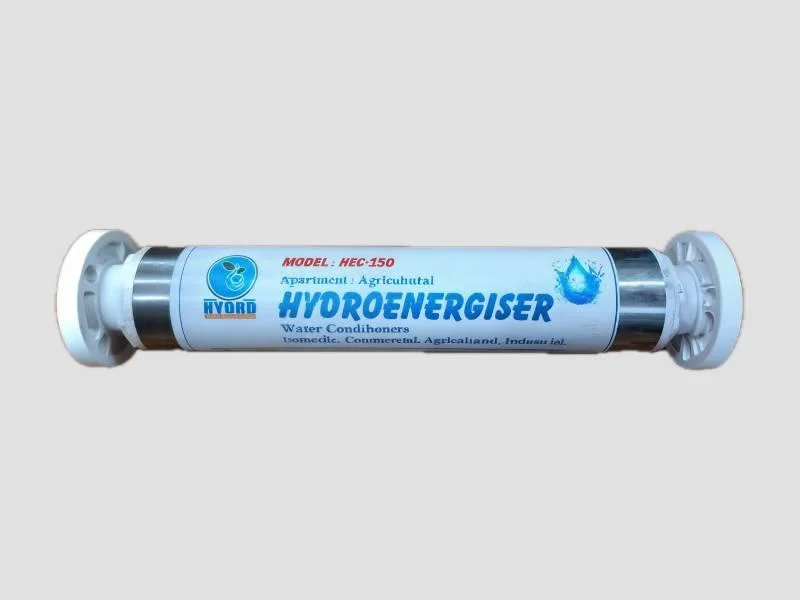
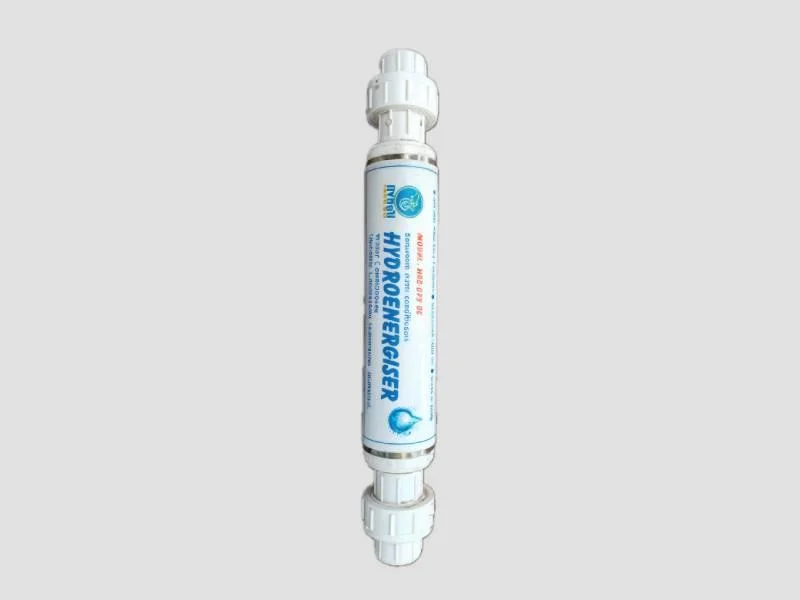
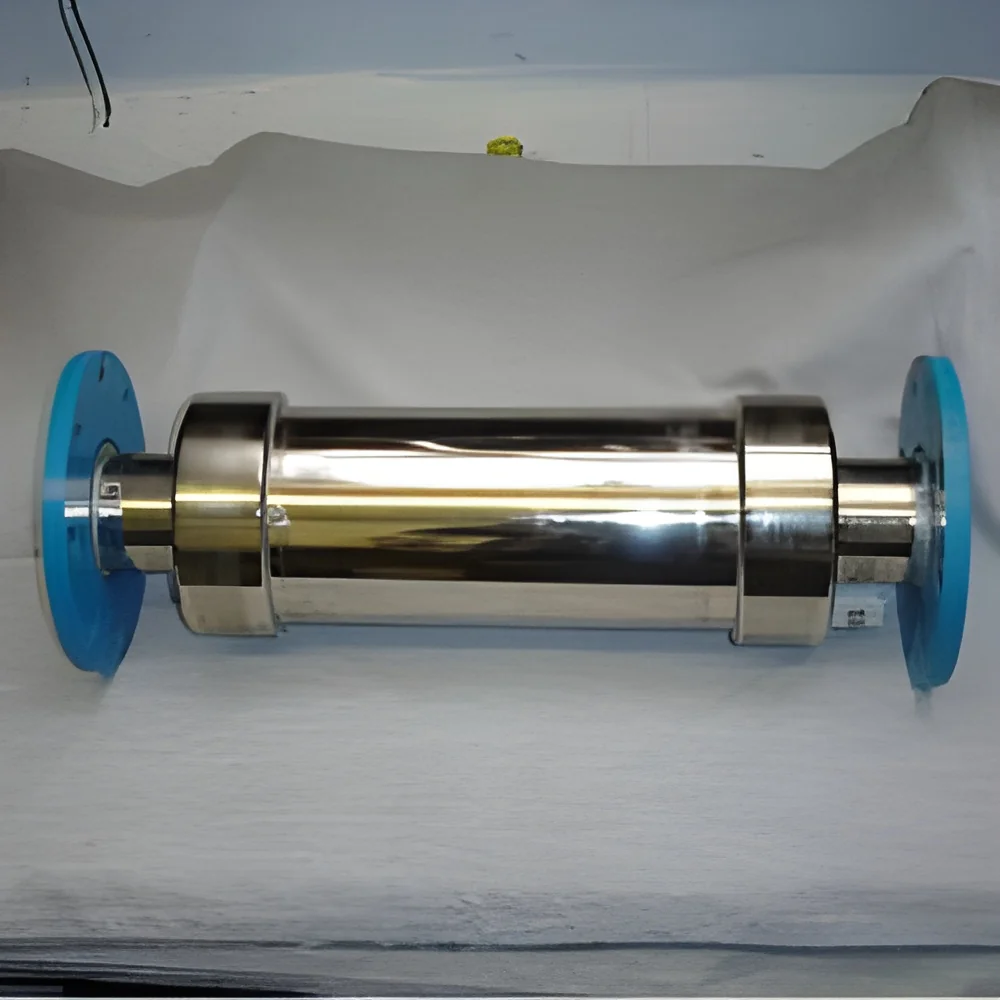
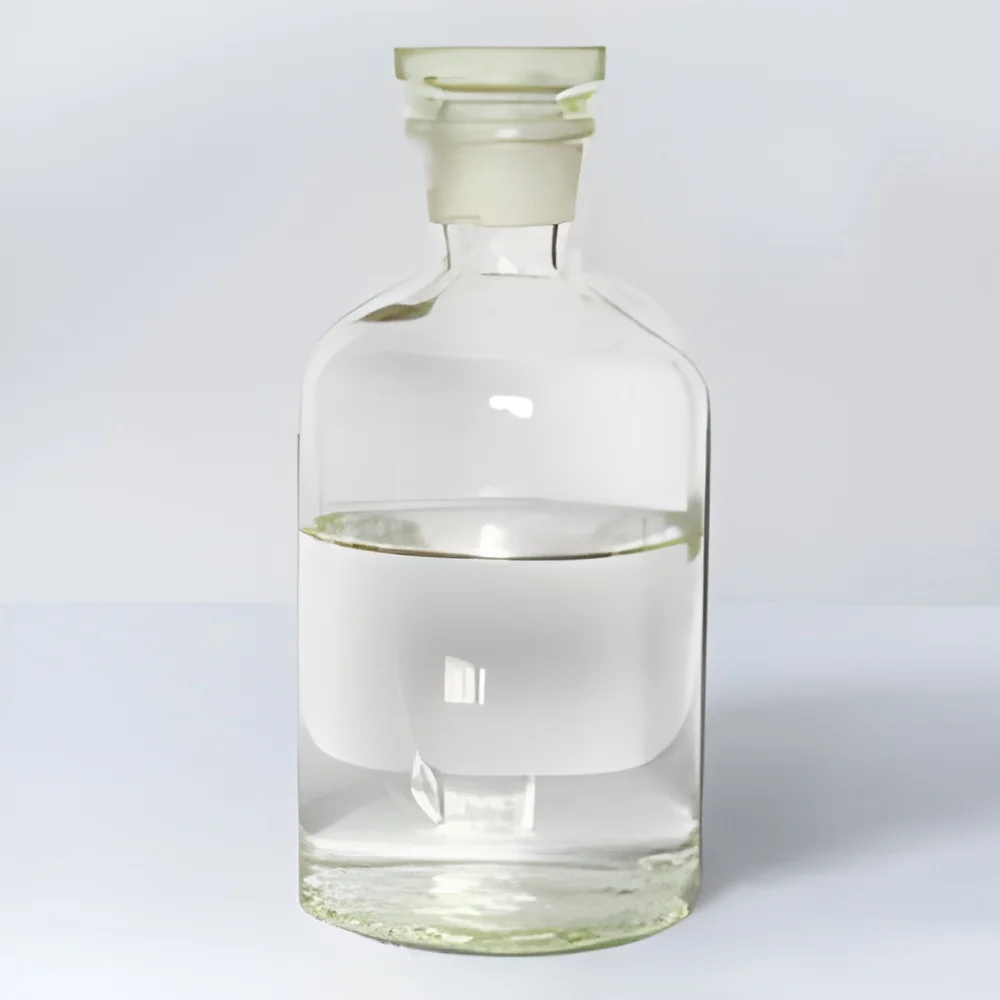
What are Scale Inhibitors?
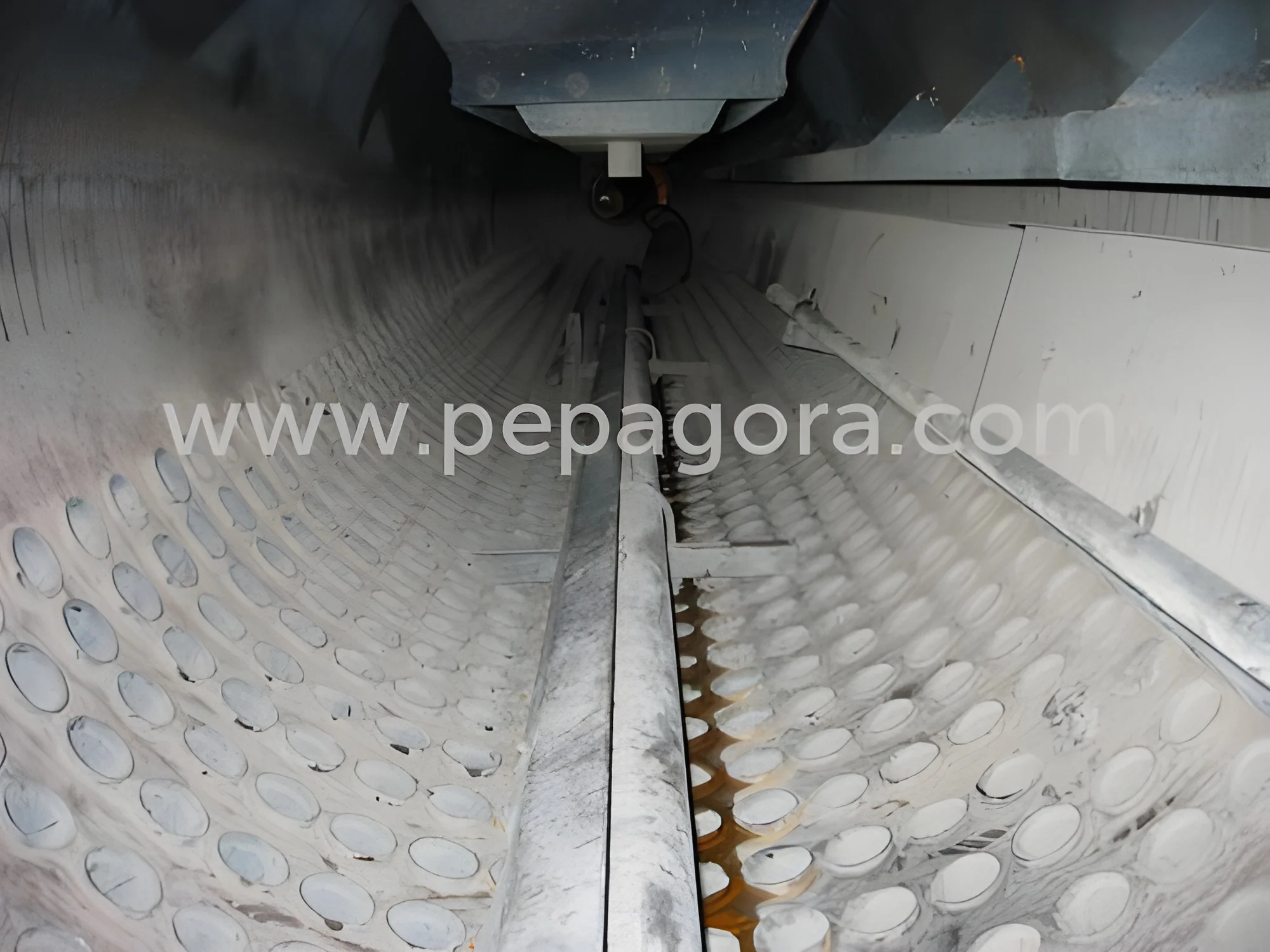
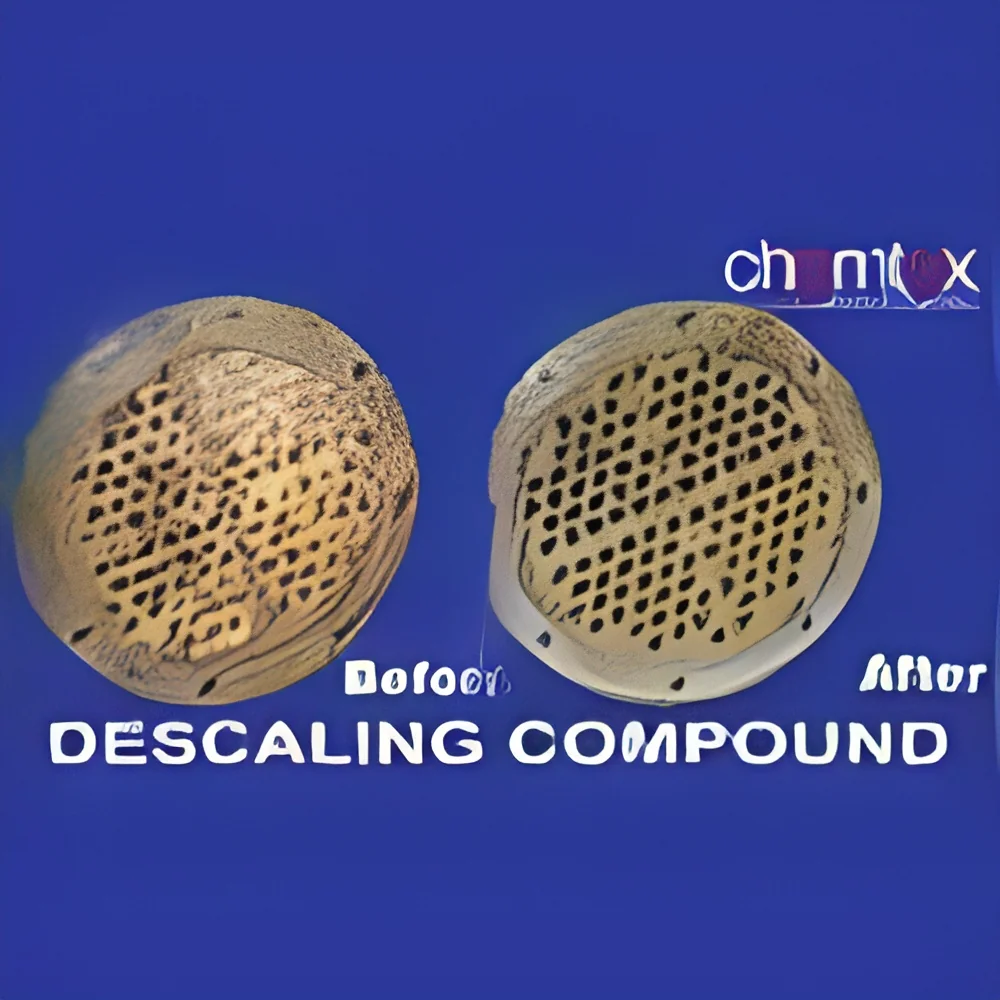
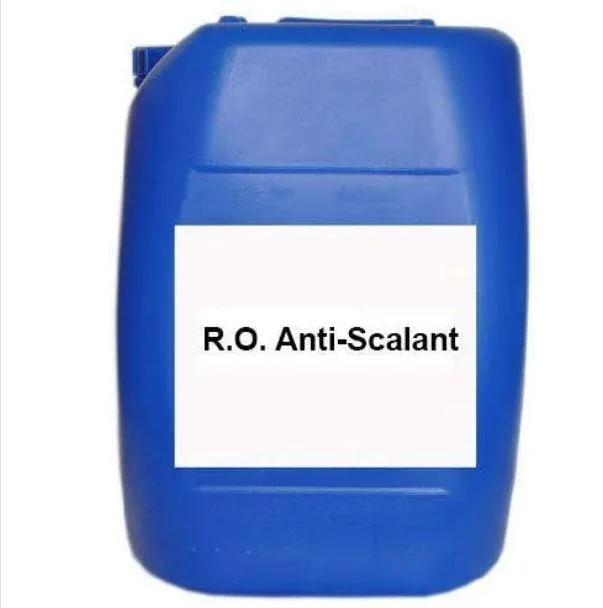
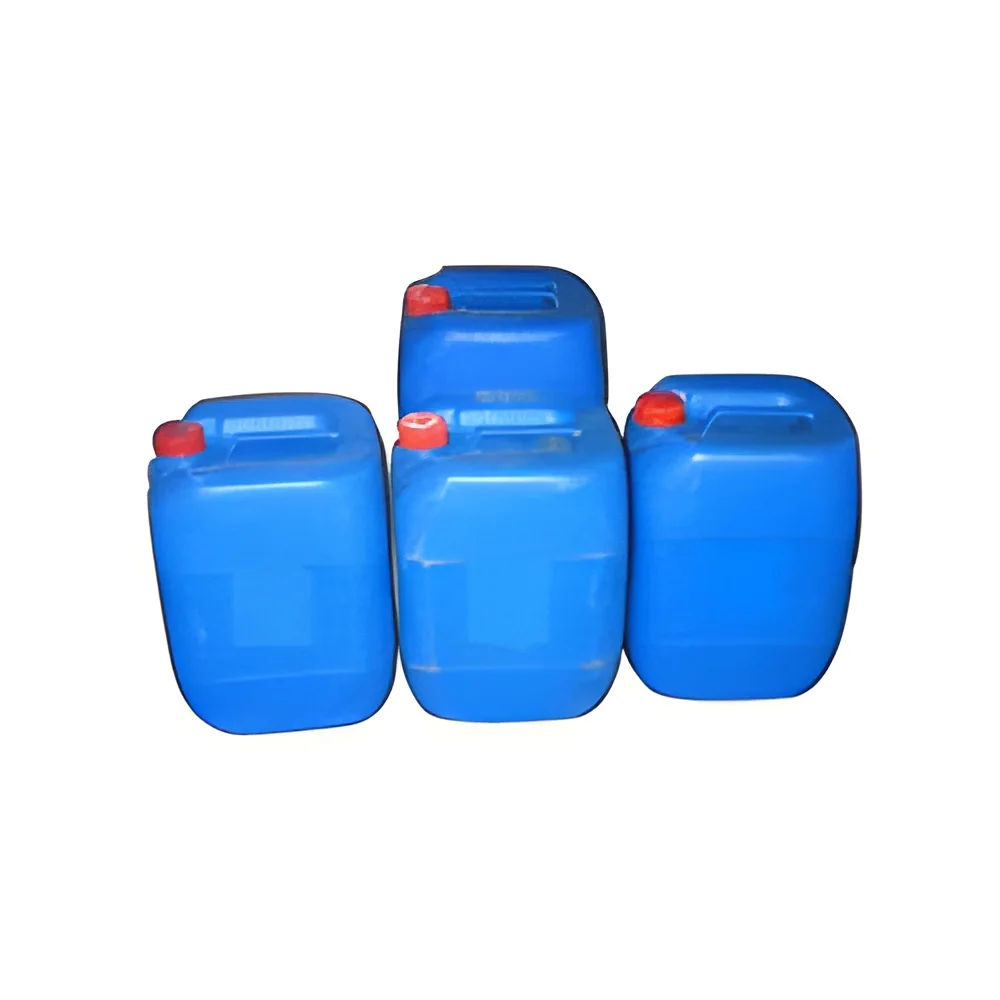
Scale inhibitors are chemical substances that prevent the formation and accumulation of scale in various industrial processes. Scale, often composed of minerals like calcium and magnesium, can lead to significant operational issues, including reduced efficiency and increased maintenance costs. These inhibitors work by altering the crystallization process of the minerals, which helps to keep them suspended in solution rather than allowing them to settle and form deposits on surfaces.
Scale inhibitors are primarily used in industries such as water treatment, oil and gas, and cooling systems. In water treatment, they help maintain the integrity of pipes and equipment by preventing mineral build-up. In the oil and gas sector, they are critical for maintaining the efficiency of extraction processes and ensuring the longevity of equipment. The market for scale inhibitors is growing as industries increasingly recognize the importance of maintaining operational efficiency and reducing downtime associated with scale-related issues.
Key Features and Specifications
Scale inhibitors come with a range of features designed to enhance their effectiveness in preventing scale formation. They are formulated to operate effectively across various conditions, making them versatile for different applications.
Key specifications include:
1. Chemical Composition
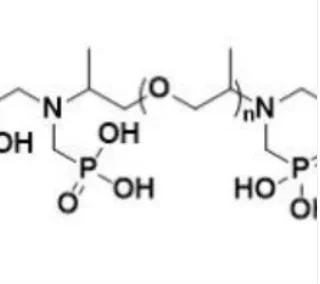
- Composed of a variety of polymers and phosphonates
- Tailored formulations for specific types of scale
2. Performance Temperature Range
- Effective in a wide temperature range
- Typically operates between 5°C to 90°C depending on the formulation
3. pH Stability
- Maintains efficacy over a broad pH range
- Usually effective from pH 5 to pH 12
4. Solubility
- High solubility in water, allowing for easy application
- Compatibility with other treatment chemicals
5. Dosage Requirements
- Specific dosage guidelines based on water chemistry
- Typically ranges from 1 to 10 mg/L depending on conditions
6. Environmental Impact
- Biodegradable options available
- Compliance with environmental regulations
7. Shelf Life
- Generally has a long shelf life
- Proper storage can extend usability
8. Safety Standards
- Complies with safety data sheets and handling instructions
- Non-toxic formulations available for sensitive applications
These features make scale inhibitors essential tools in various industrial settings, ensuring efficient operations and reduced downtime.
Common Applications and Use Cases
Scale inhibitors are utilized across numerous industries, each with unique applications.
1. Water Treatment: In municipal and industrial water treatment facilities, scale inhibitors are used to prevent mineral build-up in pipes and filters, ensuring smooth operations and prolonging equipment lifespan.
2. Oil and Gas: In upstream and downstream processes, these inhibitors are critical in preventing scale deposition in pipelines and equipment, which can disrupt production and lead to costly repairs.
3. Cooling Towers: In HVAC systems and cooling towers, scale inhibitors help maintain optimal heat exchange efficiency by preventing scale formation on heat transfer surfaces.
4. Textile Industry: Scale inhibitors are employed in dyeing and finishing processes to prevent mineral deposits that can affect product quality.
5. Power Generation: In power plants, especially those using water for cooling, scale inhibitors ensure efficient heat transfer and protect equipment from scale-related damage.
6. Food and Beverage: In the beverage industry, they help maintain the clarity and quality of products by preventing scale build-up in processing equipment.
7. Pulp and Paper: Used in papermaking processes to prevent scale formation in steam and water systems, ensuring product quality and operational efficiency.
Product Variants and Subcategories
Scale inhibitors are available in various formulations to meet specific industry needs.
Polymeric Scale Inhibitors: These are designed for high-performance applications, offering excellent scale control in challenging conditions such as high temperatures and pressures. They are commonly used in water treatment and oil extraction processes.
Phosphonate Scale Inhibitors: Known for their effectiveness in inhibiting mineral scale formation, phosphonates are widely used in industrial cooling systems and oilfield applications due to their strong performance and stability.
Non-toxic Scale Inhibitors: These formulations are suitable for industries where environmental impact is a concern, such as food and beverage production. They provide effective scale control while being safe for use in sensitive applications.
Benefits and Advantages
Using scale inhibitors presents numerous advantages for industries looking to improve operational efficiency.
1. Enhanced Efficiency: Scale inhibitors prevent mineral build-up, ensuring that equipment operates at optimal efficiency, which can lead to lower energy consumption.
2. Reduced Maintenance Costs: By minimizing scale formation, these inhibitors decrease the frequency and cost of maintenance and repairs, saving companies money in the long run.
3. Extended Equipment Lifespan: Protecting against scale build-up prolongs the life of pipes and machinery, leading to better returns on investment.
4. Improved Product Quality: In industries such as food and beverage, scale inhibitors help maintain product clarity and quality by preventing scale-related contamination.
5. Environmental Compliance: Many scale inhibitors are designed to be environmentally friendly, helping companies meet regulatory standards and reduce their ecological footprint.
6. Versatility: These inhibitors can be tailored for various applications, making them suitable for a wide range of industrial processes.
Buying Guide for B2B Buyers
When sourcing scale inhibitors, businesses should consider several critical factors to ensure they choose the right product for their needs.
1. Quality Assessment: Evaluate the quality of scale inhibitors by reviewing product specifications, performance data, and customer testimonials. Look for products that meet industry standards for efficacy and safety.
2. Supplier Verification: Conduct thorough vetting of suppliers to ensure reliability. Check for certifications and past performance records to ensure they can deliver quality products consistently.
3. Pricing and MOQ: Understand the pricing structure and minimum order quantities (MOQ) from suppliers. Compare costs while considering the quality and performance of the inhibitors to make informed purchasing decisions.
4. Delivery and Lead Times: Discuss logistics with suppliers to ensure timely delivery. Consider lead times and the ability to respond to urgent needs, which can be critical in maintaining operations.
5. Compliance Requirements: Verify that the products meet all relevant regulatory and compliance standards. This is particularly important in industries with strict safety and environmental regulations.
Compliance and Certifications
Scale inhibitors must adhere to various quality standards and certifications to ensure safety and effectiveness in their applications.
ISO 9001 is a widely recognized standard that focuses on quality management systems, ensuring that manufacturers maintain high-quality production processes. Compliance with this standard is essential for businesses looking to guarantee product consistency and reliability.
The CE marking indicates that a product meets European Union safety, health, and environmental protection standards. For scale inhibitors, this certification assures buyers that the product complies with necessary regulations for use in various applications.
Safety and testing requirements are crucial for ensuring that scale inhibitors do not pose risks to users or the environment. Manufacturers should conduct rigorous testing to validate performance claims and ensure safety throughout the product's lifecycle.
Regional compliance considerations can vary significantly. It is essential for companies to understand the specific regulations in their operating regions to avoid legal issues and ensure smooth operations.
Why Source Scale Inhibitors from Pepagora?
Pepagora provides a trusted platform for sourcing scale inhibitors, offering several key advantages for buyers.
Verified Supplier Network: Pepagora ensures that all suppliers in its network are thoroughly vetted, providing buyers with peace of mind regarding the quality and reliability of the products.
Streamlined RFQ Process: The request for quotation (RFQ) system simplifies the procurement process, allowing buyers to easily compare options and make informed decisions based on their specific needs.
Trade Assurance and Support: Pepagora offers trade assurance to protect buyers throughout the purchasing process. This includes support for resolving disputes and ensuring that buyers receive the products as promised.
Regional Coverage: With a strong presence in India, the GCC, and Southeast Asia, Pepagora is well-positioned to meet the needs of diverse industries across different regions, making it a convenient choice for sourcing scale inhibitors.

 IN
IN