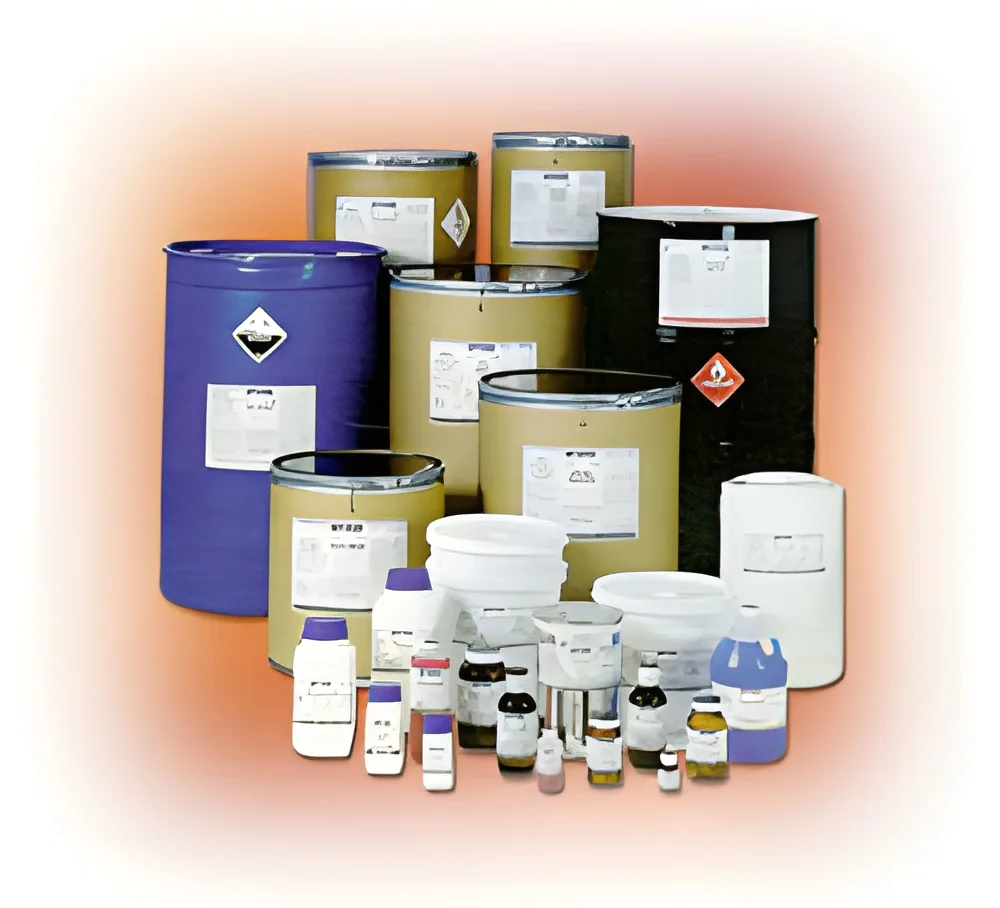
What are Gaseous Chemicals?
Gaseous chemicals refer to substances that exist in a gaseous state at room temperature and pressure. These chemicals play a crucial role in various industries, serving as raw materials, intermediates, or end products. Gaseous chemicals can range from simple gases like oxygen and nitrogen to more complex compounds such as carbon dioxide and ammonia. They are often utilized for their reactive properties, helping to facilitate numerous chemical processes.
The primary applications of gaseous chemicals span multiple sectors, including manufacturing, healthcare, energy, and environmental management. In manufacturing, they are essential for processes like welding, cutting, and chemical synthesis. In healthcare, gases like oxygen and nitrous oxide are vital for medical therapies and anesthesia. Environmental applications include the treatment of emissions and waste management. The market for gaseous chemicals is significant, driven by the continuous demand for industrial applications and advancements in technology.
Key Features and Specifications
Gaseous chemicals possess distinct features and specifications that make them suitable for various industrial applications. Understanding these specifications is essential for businesses looking to select the right gaseous chemicals for their needs.
Key specifications include:
1. Purity Levels
- High purity levels are often required for specific applications to ensure optimal performance.
- Purity can range from 99% to 99.9999%, depending on the application.
2. Storage Conditions
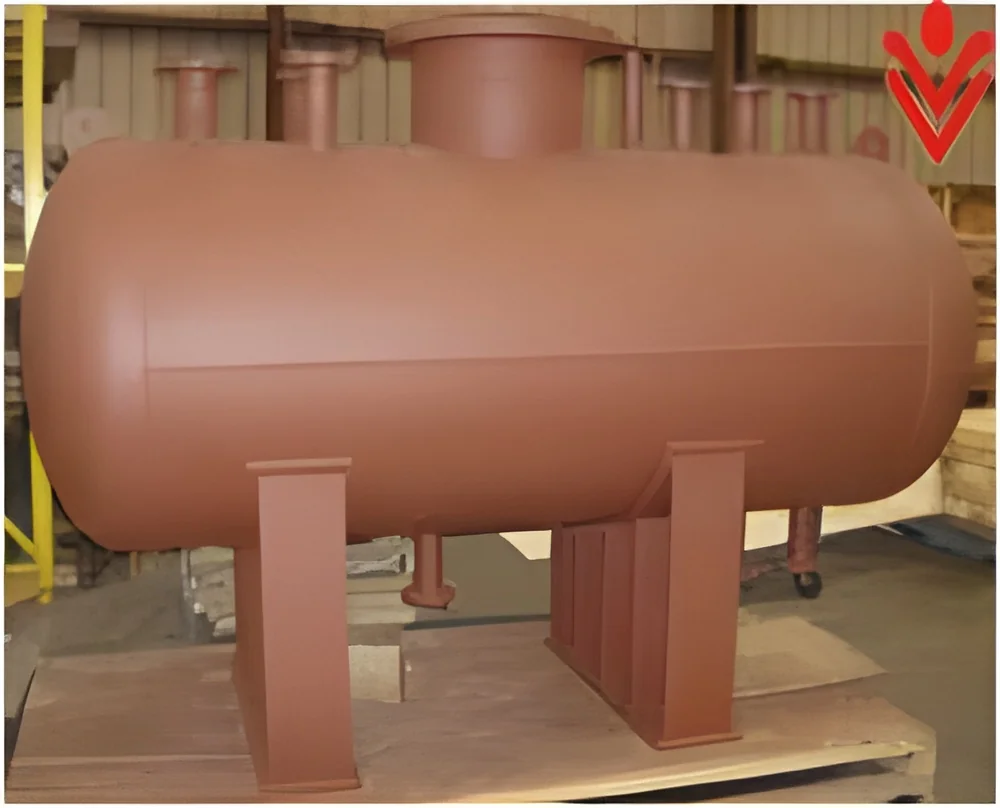
- Gaseous chemicals require specific storage conditions to maintain stability and safety.
- Common storage conditions involve high-pressure tanks and controlled environments.
3. Delivery Methods
- Gaseous chemicals can be delivered in cylinders, bulk tanks, or through pipeline systems.
- The choice of delivery method often depends on the volume and application.
4. Compressed Gas Characteristics
- Many gaseous chemicals are supplied as compressed gases, necessitating suitable pressure ratings.
- Typical pressure ratings can vary from 150 psi to 3000 psi.
5. Flammability and Toxicity
- Some gaseous chemicals pose flammability or toxicity risks, requiring careful handling and transportation.
- Safety data sheets (SDS) provide crucial information on these hazards.
6. Compatibility with Equipment
- Gaseous chemicals must be compatible with the equipment used for processing or delivery.
- Compatibility considerations include materials of construction and operational pressures.
7. Regulatory Compliance
- Many gaseous chemicals are subject to regulatory standards that ensure safe use.
- Compliance with standards such as CE certification is essential for market acceptance.
In summary, businesses must carefully consider these specifications when selecting gaseous chemicals to ensure they meet application requirements and safety standards.
Common Applications and Use Cases
Gaseous chemicals are utilized across a wide range of industries due to their versatile properties.
1. Manufacturing: In the manufacturing sector, gaseous chemicals are used in processes such as welding, cutting, and as precursors for various chemical reactions. They are essential for producing metals, plastics, and other materials.
2. Healthcare: Gaseous chemicals play a vital role in healthcare applications. Medical gases such as oxygen and nitrous oxide are used in respiratory therapies, anesthesia, and critical care settings.
3. Energy: In the energy sector, gaseous chemicals like natural gas are used for power generation and as fuel sources. They contribute to cleaner energy solutions and efficient combustion processes.
4. Environmental Management: Gaseous chemicals are crucial for environmental applications, including air quality control and waste treatment. They help in the reduction of pollutants and the management of emissions.
5. Food and Beverage: Gases such as carbon dioxide and nitrogen are used in food preservation, carbonation of beverages, and packaging processes to extend shelf life and maintain product quality.
6. Agriculture: Gaseous chemicals are applied in agriculture for soil enhancement and crop growth. Gases like ammonia are used in fertilizers to improve soil fertility.
7. Semiconductor Manufacturing: In the semiconductor industry, gaseous chemicals are essential for processes such as etching and deposition. They play a critical role in the production of electronic components.
Product Variants and Subcategories
Gaseous chemicals come in various forms and compositions, catering to different industrial needs.
Industrial Grade Gases
These gases are designed for general industrial applications. They include common gases like oxygen, nitrogen, and argon, which are used for welding, cutting, and inert atmospheres.
Specialty Gases
Specialty gases are tailored for specific applications. This category includes calibration gases, high-purity gases, and mixed gases for analytical purposes.
Medical Gases
Medical gases are specifically formulated for healthcare applications. They include oxygen, nitrous oxide, and medical air, used in hospitals and clinics.
Calibration Gases
Calibration gases are utilized for testing and calibrating instruments. They are produced to exact concentrations and are critical for ensuring measurement accuracy.
Benefits and Advantages
Gaseous chemicals offer several advantages that make them essential in industrial applications.
1. Versatility: Gaseous chemicals can serve multiple functions across various industries, making them highly versatile.
2. Efficiency: Many gaseous chemicals enhance process efficiency, leading to improved production rates and lower operational costs.
3. Safety: When handled correctly, gaseous chemicals can provide safer alternatives to liquid chemicals, reducing spill risks and improving workplace safety.
4. Environmental Benefits: Gaseous chemicals often contribute to more environmentally friendly processes, such as cleaner combustion and reduced emissions.
5. High Purity Options: The availability of high-purity gaseous chemicals ensures they meet stringent quality standards for sensitive applications.
6. Customizable Solutions: Many suppliers offer customizable gaseous chemical solutions, allowing businesses to tailor products to their specific needs.
Buying Guide for B2B Buyers
When sourcing gaseous chemicals, businesses should consider several critical factors to ensure they select the most suitable products.
1. Quality Assessment: Evaluate the quality of gaseous chemicals by reviewing purity levels and compliance with industry standards. It is essential to obtain certificates of analysis from suppliers.
2. Supplier Verification: Conduct thorough research to verify the credibility of suppliers. Look for established companies with a history of reliability and customer satisfaction.
3. Pricing and MOQ: Understand the pricing structure and minimum order quantities (MOQ) required by suppliers. This information is crucial for budgeting and procurement planning.
4. Delivery and Lead Times: Assess the logistics and delivery options available. Consider lead times to ensure that products arrive on schedule to meet project timelines.
5. Compliance Requirements: Familiarize yourself with regulatory compliance requirements relevant to gaseous chemicals, including safety standards and environmental regulations.
Compliance and Certifications
Gaseous chemicals must adhere to various compliance and certification standards that ensure safety and quality across industries.
Quality standards such as ISO 9001 are essential for maintaining consistent quality management systems in the production of gaseous chemicals. These standards help ensure that manufacturers implement effective quality control measures.
Industry certifications like CE mark signify that gaseous chemicals meet European safety and health standards. This certification is crucial for products entering markets that require compliance with these regulations.
Safety and testing requirements are paramount in the production and distribution of gaseous chemicals. Manufacturers must conduct thorough testing to assess the safety of their products, ensuring they are free from contaminants and hazardous substances.
Regional compliance considerations vary, with different regions having specific regulations governing the production, handling, and transportation of gaseous chemicals. It is vital for businesses to stay informed about these requirements to avoid legal issues and ensure safe operations.
Why Source Gaseous Chemicals from Pepagora?
Pepagora provides a trusted platform for sourcing gaseous chemicals, catering to the specific needs of B2B buyers with several key advantages.
Verified Supplier Network: Pepagora connects buyers with a network of verified suppliers, ensuring that businesses can source high-quality gaseous chemicals. This network helps streamline the procurement process and reduces the risk of dealing with unreliable suppliers.
Streamlined RFQ Process: The platform features a simple request for quotation (RFQ) process, making it easy for buyers to obtain competitive quotes from multiple suppliers. This system enhances transparency and allows for informed purchasing decisions.
Trade Assurance and Support: Pepagora offers trade assurance and support services, providing buyers with protection against non-delivery and quality issues. This assurance fosters confidence in transactions and promotes smoother operations.
Regional Coverage: With a focus on regions such as India, GCC, and Southeast Asia, Pepagora provides extensive geographic coverage. This reach allows businesses to access local suppliers and optimize logistics for timely delivery.

 IN
IN