
 IN
Fertilizer Chemicals
7 products available
What are Fertilizer Chemicals?
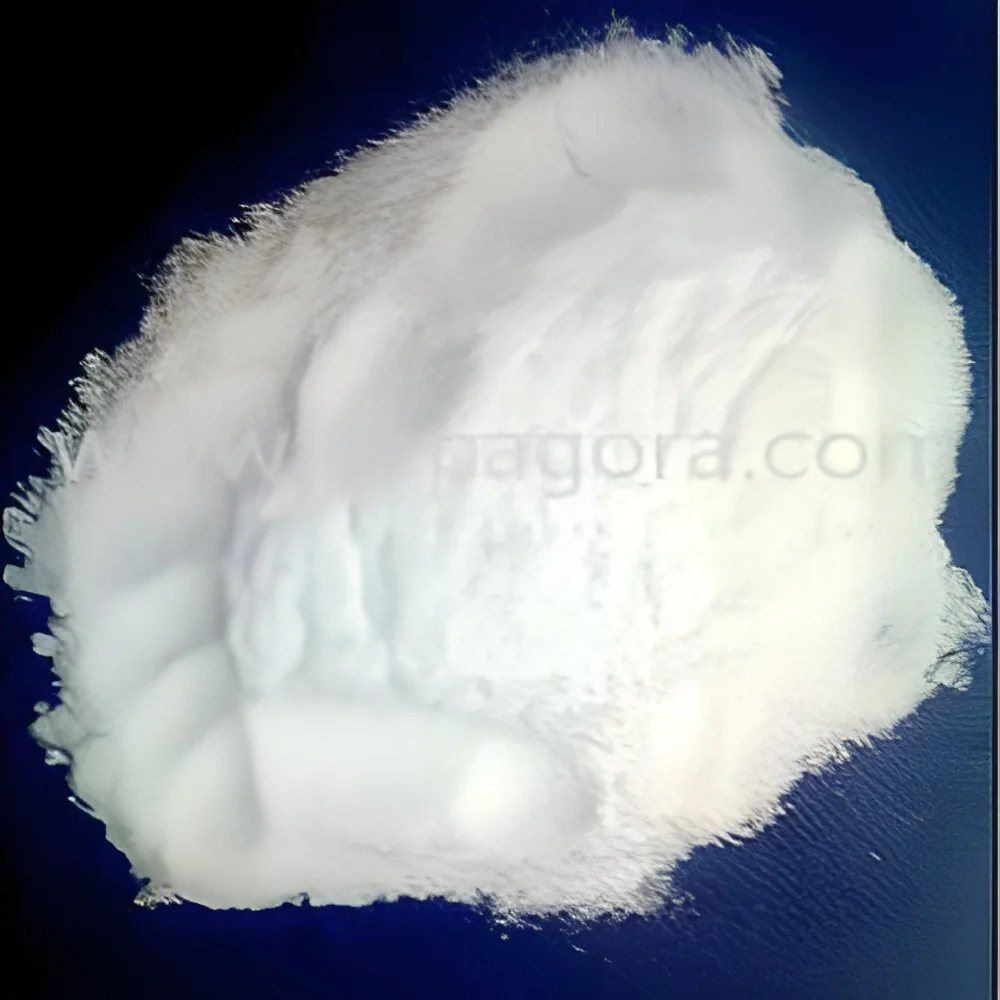
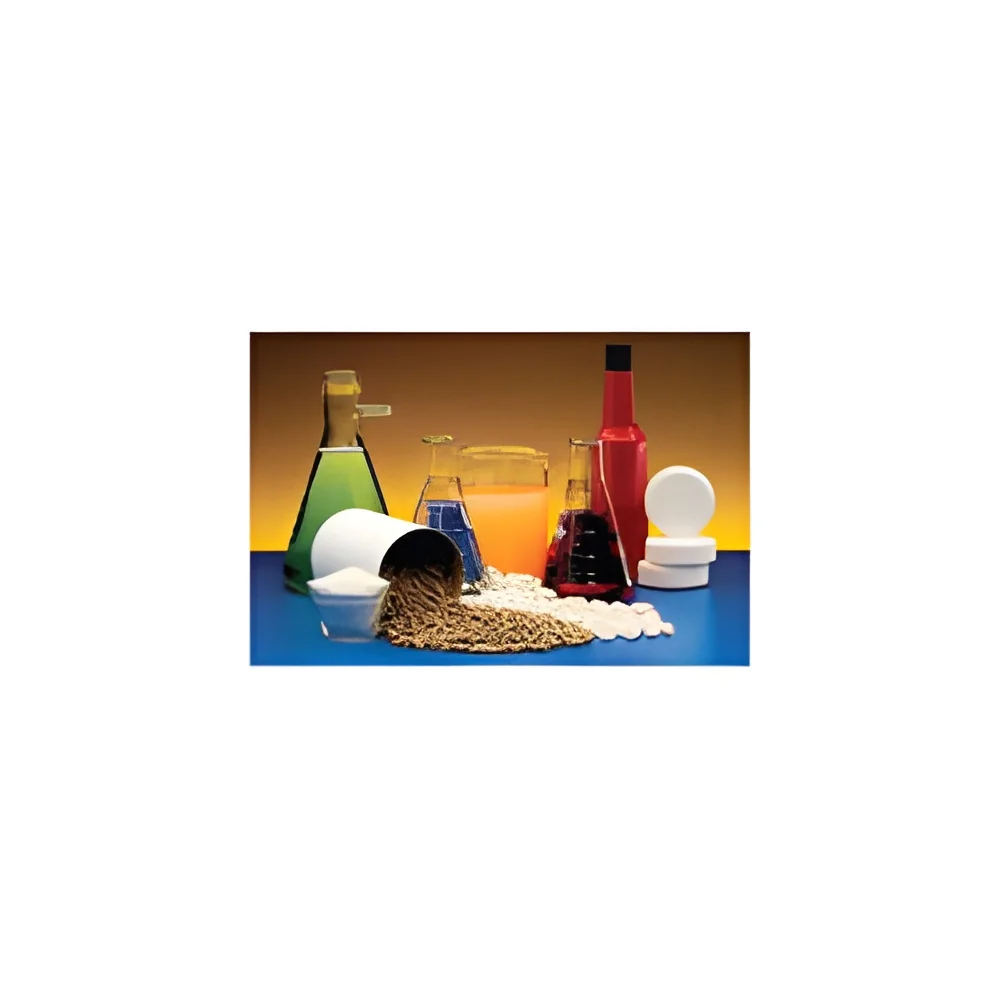
Fertilizer chemicals are substances used to enhance soil fertility and promote plant growth. They provide essential nutrients that are often lacking in natural soil. Fertilizer chemicals can be classified into two main categories: organic and inorganic. Organic fertilizers are derived from natural sources, while inorganic fertilizers are synthetically manufactured to deliver specific nutrient formulations.
These chemicals play a critical role in agriculture, horticulture, and landscaping. They are used to improve crop yields, accelerate plant growth, and enhance the overall health of plants. Fertilizer chemicals are vital in various business applications, including large-scale farming, commercial gardening, and turf management. In the current agricultural landscape, the demand for effective fertilizer solutions continues to grow, driven by the need for increased food production and sustainable farming practices.
The fertilizer chemicals market is influenced by various factors, including global agricultural trends, regulatory standards, and technological advancements. As the world population increases, the necessity for efficient fertilizers that support sustainable agricultural practices becomes more pressing. Understanding the dynamics of this market is essential for businesses looking to optimize their agricultural inputs.
Key Features and Specifications
Fertilizer chemicals come with specific features and technical specifications that cater to diverse agricultural needs. When considering these products, it is important to understand these specifications to ensure they meet the requirements of your operations.
Key specifications include:
1. Nutrient Composition
- Fertilizer chemicals contain essential nutrients such as nitrogen, phosphorus, and potassium.
- The composition may vary, with formulations tailored for specific crops or soil conditions.
2. Release Mechanism
- Fertilizers can be fast-release or slow-release, affecting how quickly nutrients become available to plants.
- The choice of release mechanism impacts application timing and nutrient management.
3. Solubility
- The solubility of fertilizer chemicals determines how quickly they dissolve in water and become available to plants.
- High solubility is often preferred for quick absorption, while low solubility may provide prolonged nutrient release.
4. pH Level
- The pH level of fertilizer chemicals influences nutrient availability and soil health.
- Certain crops thrive in specific pH ranges, making this a critical specification.
5. Granule Size
- The size of fertilizer granules affects application methods and distribution.
- Smaller granules may be more suitable for precise applications, while larger ones may be used for bulk spreading.
6. Compatibility
- Compatibility with other agricultural chemicals is essential for effective use.
- Understanding interactions with pesticides and herbicides can optimize fertilizer performance.
In summary, selecting the right fertilizer chemicals involves careful consideration of their features and specifications to match the specific needs of crops and soil conditions.
Common Applications and Use Cases
Fertilizer chemicals find applications across various industries, showcasing their versatility and importance in different sectors.
1. Agriculture: Fertilizer chemicals are extensively used in conventional and organic farming to enhance soil fertility and increase crop yields. They support the growth of grains, fruits, and vegetables, ultimately contributing to food security.
2. Horticulture: In horticultural practices, fertilizer chemicals promote healthy plant development, resulting in vibrant flowers and robust ornamental plants. They are essential in nursery operations and landscaping projects.
3. Turf Management: Fertilizer chemicals are crucial in maintaining healthy turf in sports fields, golf courses, and residential lawns. They ensure lush green grass and improve resilience against pests and diseases.
4. Hydroponics: In hydroponic systems, where soil is absent, fertilizer chemicals provide necessary nutrients directly to plants through water solutions. This method allows for year-round cultivation and efficient resource use.
5. Greenhouse Production: Fertilizer chemicals are used in controlled environments like greenhouses to optimize plant growth conditions. Tailored nutrient solutions support various crops grown under artificial lighting.
6. Forestry: In forestry applications, fertilizer chemicals enhance tree growth and regeneration. They are used to improve the health of timberlands and support sustainable forest management practices.
7. Turf Grass Establishment: Fertilizer chemicals are applied during turf establishment to ensure quick root development and promote a healthy stand of grass.
Product Variants and Subcategories
Fertilizer chemicals come in various forms, showcasing a range of options to meet specific agricultural needs. Each variant is designed to address different nutrient requirements and application methods.
Granular Fertilizers
Granular fertilizers are solid particles that provide nutrients over time. They are easy to handle and apply, making them suitable for large-scale farming and landscaping applications. These fertilizers can be tailored for specific crops and soil types.
Liquid Fertilizers
Liquid fertilizers offer rapid nutrient uptake due to their solubility. They are often used in fertigation systems, allowing for precise application through irrigation. This form is popular in greenhouse and hydroponic settings.
Slow-Release Fertilizers
Slow-release fertilizers gradually release nutrients over an extended period. They reduce the frequency of applications and minimize nutrient runoff, making them ideal for environmentally conscious practices.
Organic Fertilizers
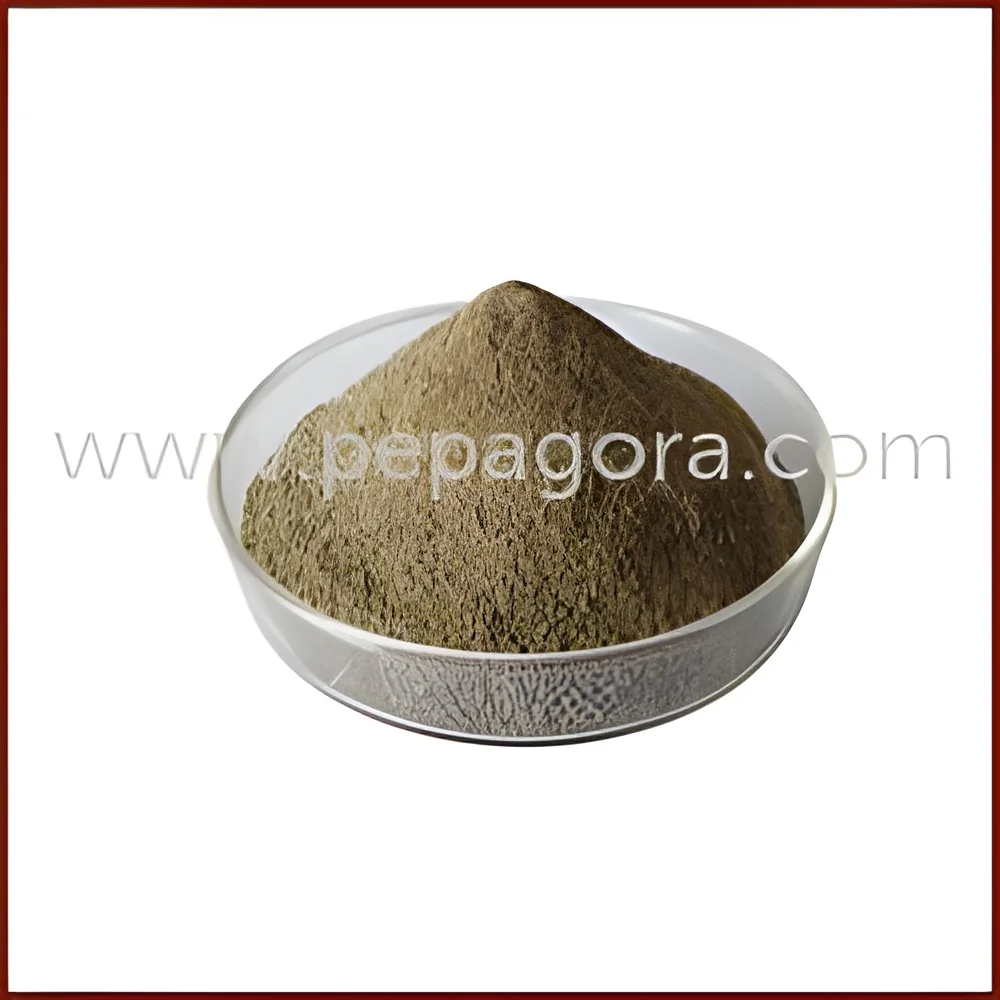
Derived from natural sources, organic fertilizers improve soil health while providing essential nutrients. They are favored in organic farming and sustainable agriculture for their eco-friendly properties.
Blended Fertilizers
Blended fertilizers combine various nutrient sources to create custom formulations. This allows farmers to tailor nutrient delivery to specific crop needs, improving efficiency and effectiveness.
Benefits and Advantages
Fertilizer chemicals offer numerous benefits that contribute to enhanced agricultural productivity and sustainability.
1. Increased Crop Yields: Fertilizer chemicals provide essential nutrients that maximize plant growth and crop production, leading to higher yields.
2. Improved Soil Health: Many fertilizer chemicals enhance soil structure and nutrient availability, promoting long-term soil fertility.
3. Cost-Effective Solutions: The use of fertilizer chemicals can lead to more efficient resource utilization, ultimately reducing costs associated with crop production.
4. Tailored Nutrient Delivery: With various formulations available, businesses can select fertilizers that meet specific crop and soil needs, optimizing growth.
5. Versatile Application Methods: Fertilizer chemicals can be applied through various methods, including broadcasting, banding, and fertigation, offering flexibility in usage.
6. Environmental Sustainability: Many modern fertilizers are designed to minimize environmental impact, promoting sustainable agricultural practices that protect ecosystems.
Buying Guide for B2B Buyers
When sourcing fertilizer chemicals, it is essential to consider several factors to ensure the right fit for your business needs.
1. Quality Assessment: Evaluate the quality of fertilizer chemicals based on nutrient composition, solubility, and manufacturer reputation. High-quality fertilizers yield better results and support sustainable practices.
2. Supplier Verification: Vet suppliers by checking their certifications, customer reviews, and product consistency. A reliable supplier ensures timely deliveries and quality assurance.
3. Pricing and MOQ: Understand pricing structures and minimum order quantities to make informed purchasing decisions. Compare offers from multiple suppliers to identify the best value.
4. Delivery and Lead Times: Consider logistics and delivery schedules to ensure that fertilizer chemicals arrive when needed. Timely delivery is crucial for optimizing planting schedules.
5. Compliance Requirements: Stay informed about regulatory compliance and safety standards relevant to fertilizer chemicals. Ensure that products meet industry specifications and regional regulations.
Compliance and Certifications
Compliance and certifications are critical in the fertilizer chemicals industry, ensuring that products meet safety, quality, and environmental standards.
Relevant quality standards such as ISO 9001 and HACCP help ensure that manufacturers follow best practices in production and quality control. These standards promote consistency and reliability in fertilizer products, assuring buyers of their effectiveness.
Industry certifications, including CE marking, indicate compliance with European safety and environmental regulations. This certification ensures that fertilizer chemicals meet established safety and performance criteria.
Safety and testing requirements are vital in the formulation and distribution of fertilizer chemicals. Regular testing for nutrient content, contaminants, and environmental impact is necessary to maintain product integrity.
Regional compliance considerations may vary based on local regulations governing chemical fertilizers. Understanding these regulations is essential for businesses operating in different markets to ensure compliance and avoid legal issues.
Why Source Fertilizer Chemicals from Pepagora?
Pepagora provides a trusted platform for sourcing fertilizer chemicals, offering several key advantages to B2B buyers.
Verified Supplier Network: Pepagora connects buyers with a network of verified suppliers, ensuring that all products meet quality and safety standards. Buyers can trust in the reliability of the suppliers listed on the platform.
Streamlined RFQ Process: The request for quotation (RFQ) process is designed to be efficient, allowing buyers to receive multiple quotes from suppliers quickly. This feature simplifies the purchasing process and helps buyers make informed decisions.
Trade Assurance and Support: Pepagora offers buyer protection through trade assurance programs, ensuring that transactions are secure and that buyers receive the products they paid for. This support builds confidence in sourcing decisions.
Regional Coverage: Pepagora has a broad geographic reach, including India, the GCC, and Southeast Asia. This extensive coverage allows buyers to find local suppliers that can meet their specific needs and preferences, enhancing convenience and reducing logistics challenges.


Frequently Asked Questions
What are Fertilizer Chemicals?
Fertilizer Chemicals are compounds used to enhance the growth of plants by providing essential nutrients. They can be organic or inorganic and are formulated to improve soil fertility and agricultural productivity.
What are the different types of Fertilizer Chemicals?
The main types of Fertilizer Chemicals include nitrogenous, phosphatic, and potassic fertilizers. Each type serves a specific purpose, supplying key nutrients that promote plant growth and development.
How do I choose the right Fertilizer Chemicals?
Choosing the right Fertilizer Chemicals involves assessing soil health, understanding crop requirements, and considering the nutrient content of the fertilizers. Consulting with agricultural experts can also help in making an informed decision.
What are the standard specifications for Fertilizer Chemicals?
Standard specifications for Fertilizer Chemicals often include nutrient content (N-P-K ratios), physical properties (like granule size), and solubility. Compliance with agricultural regulations and safety standards is also essential.
What is the price range for Fertilizer Chemicals?
The price range for Fertilizer Chemicals can vary widely based on the type, quality, and supplier. Generally, prices can start from a few hundred to several thousand rupees per ton.
What quality standards apply to Fertilizer Chemicals?
Quality standards for Fertilizer Chemicals are set by various regulatory bodies and include parameters for purity, nutrient content, and absence of harmful substances. Compliance with these standards ensures safety and efficacy.
Where can I find Fertilizer Chemicals suppliers in India?
Fertilizer Chemicals suppliers in India can be found through online B2B marketplaces, agricultural expos, and industry directories. Platforms like Pepagora.com provide a comprehensive list of verified suppliers.
Can Fertilizer Chemicals be customized?
Yes, Fertilizer Chemicals can be customized based on specific agricultural needs. Suppliers often offer tailored formulations to meet the unique nutrient requirements of different crops.
What is the typical minimum order quantity for Fertilizer Chemicals?
The typical minimum order quantity (MOQ) for Fertilizer Chemicals varies by supplier but usually ranges from 1 ton to several tons. It's advisable to check with individual suppliers for their specific MOQ policies.
What is the typical lead time for Fertilizer Chemicals?
The typical lead time for Fertilizer Chemicals can range from a few days to several weeks, depending on the supplier's inventory and production capacity. It's important to confirm lead times when placing orders.
Why Businesses Trust Pepagora
Thousands of companies trust Pepagora to source smarter and sell faster
Expand Your Sales Globally

Source Smarter,Grow Faster
