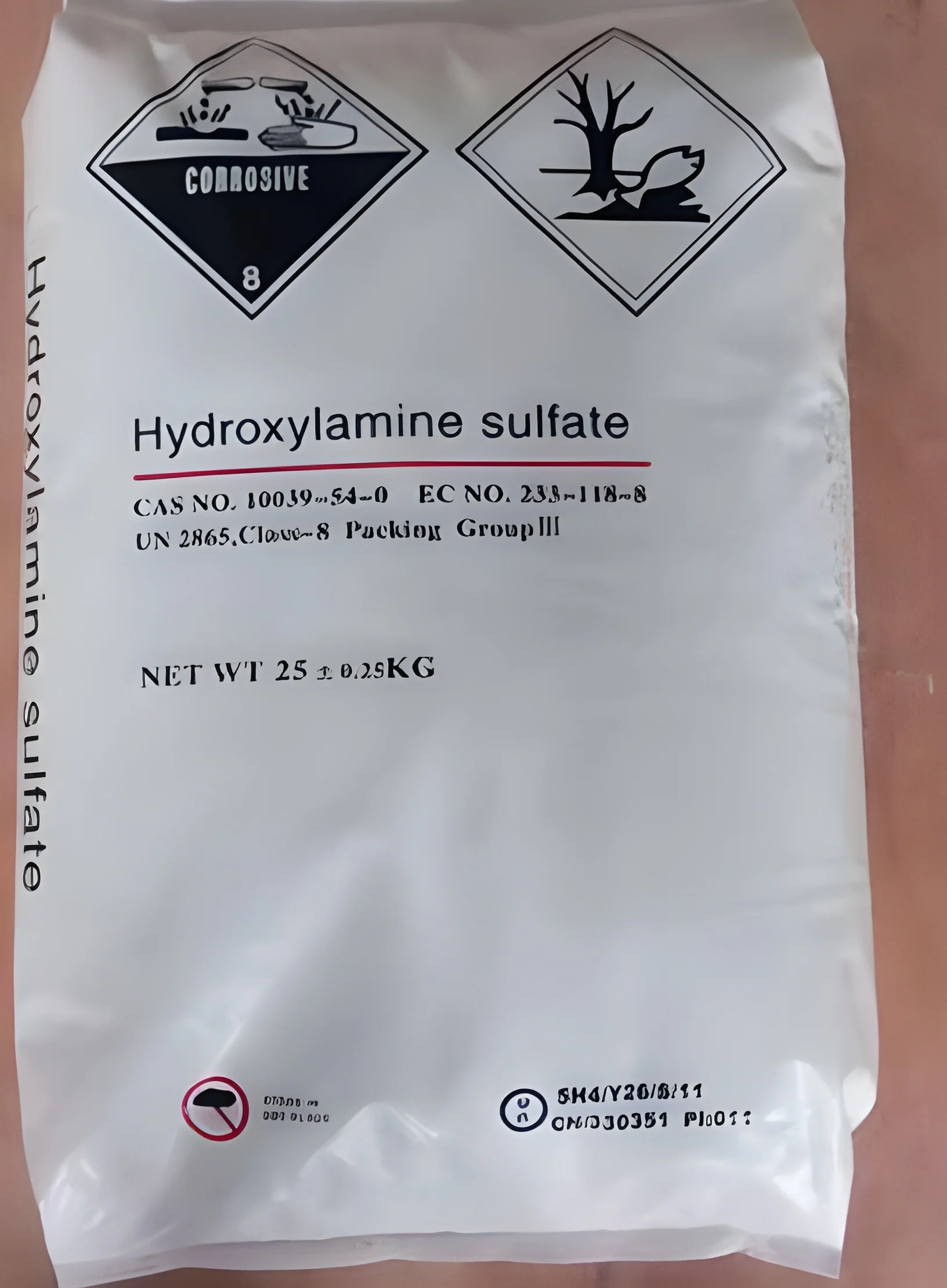
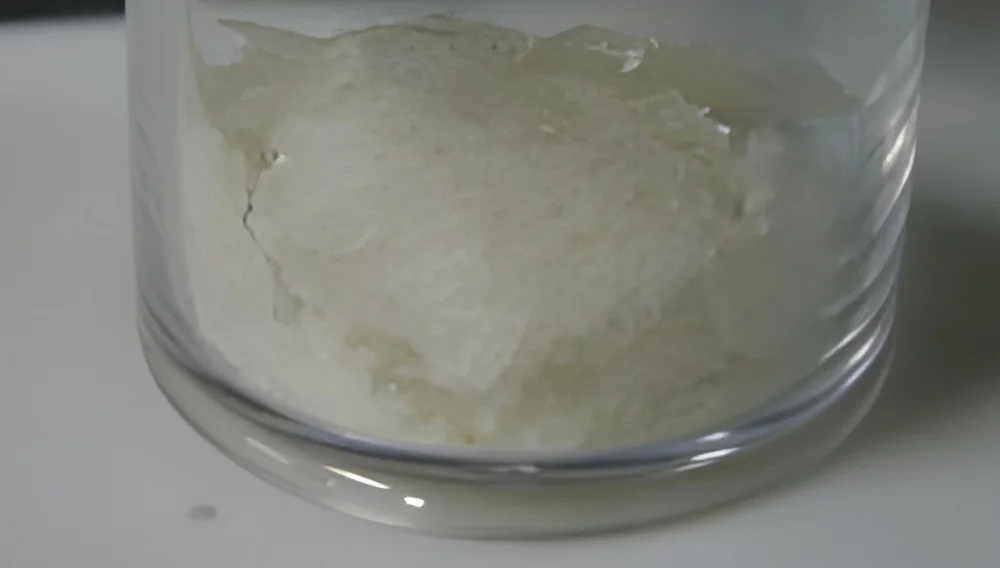
What are Reducing Agents?
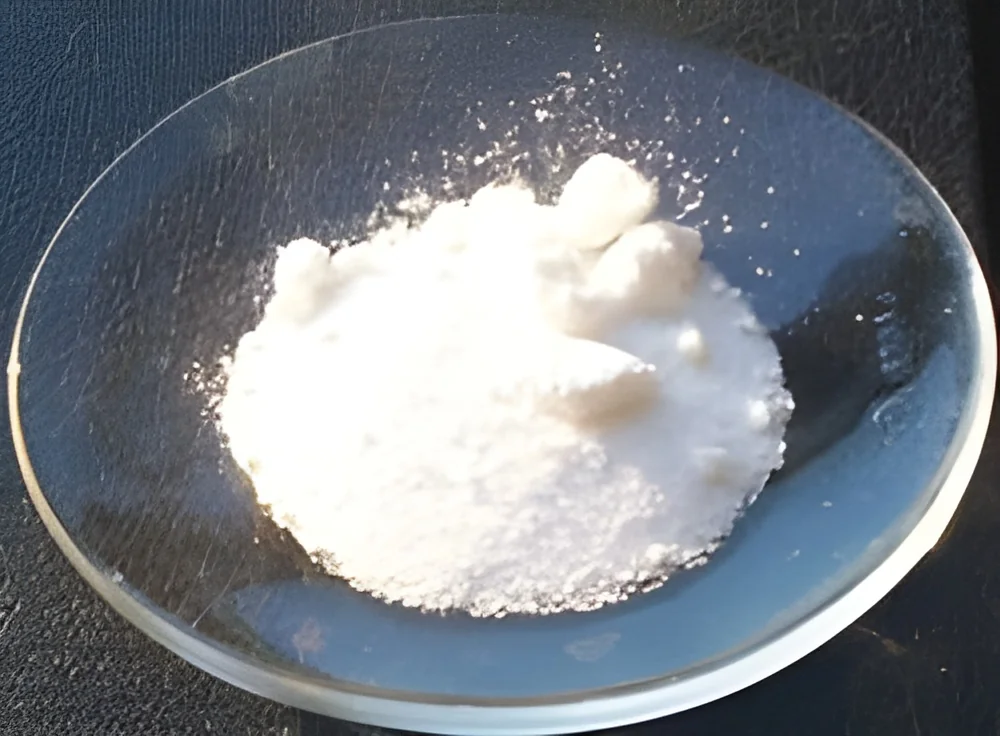
Reducing agents are substances that facilitate the reduction of other compounds by donating electrons in a chemical reaction. These agents play a crucial role in various chemical processes, including oxidation-reduction reactions. In industrial applications, they are often used to convert metal ores into pure metals, thereby aiding in metal production and refining.
Reducing agents are widely utilized in industries such as pharmaceuticals, agriculture, and metal processing. They are essential in processes like dye reduction in textile manufacturing and the synthesis of organic compounds in chemical manufacturing. Their ability to alter oxidation states makes them valuable in various applications that require precise chemical control and transformation.
In the current market, reducing agents are significant contributors to the efficiency and effectiveness of chemical processes. As industries continue to prioritize sustainability and efficiency, the demand for high-quality reducing agents is expected to grow. This trend highlights the importance of selecting the right reducing agents to meet specific industrial needs.
Key Features and Specifications
Reducing agents come with several key features and specifications that define their effectiveness and suitability for various applications. Understanding these specifications is vital for choosing the right product for your needs.
Key specifications include:
1. Chemical Composition
- The specific chemical makeup, which can vary depending on the type of reducing agent.
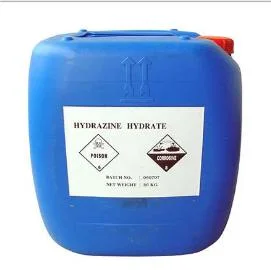
- Common examples include sodium borohydride, lithium aluminum hydride, and ascorbic acid.
2. Purity Levels
- The percentage of active ingredient present in the reducing agent.
- Typically ranges from 90% to 99% depending on the application.
3. Formulation Type
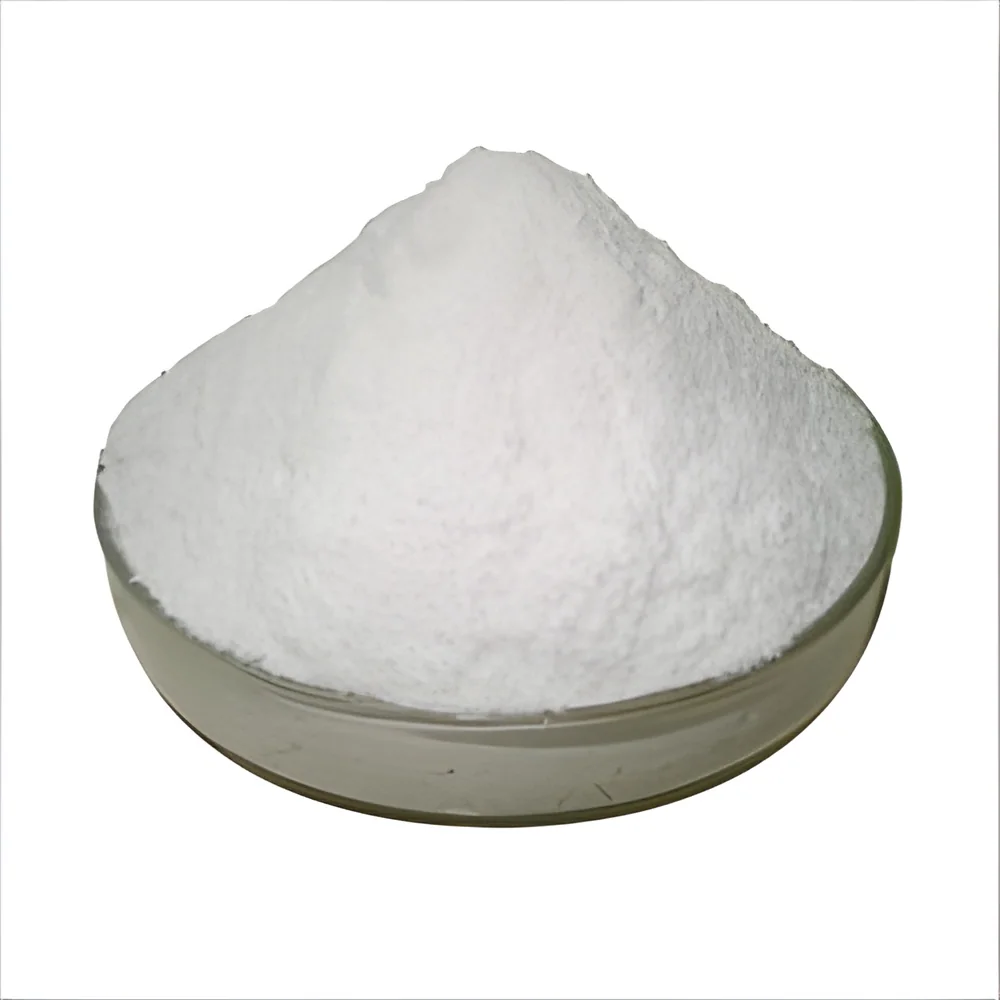
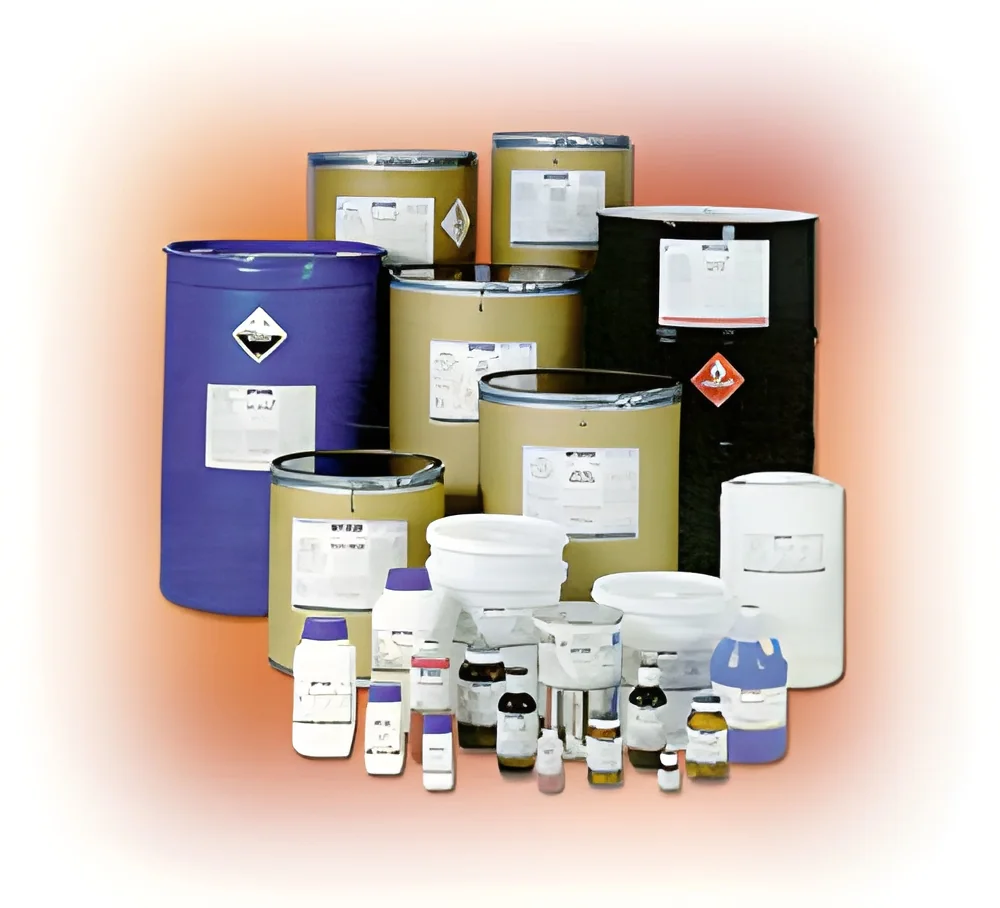
- Reducing agents can be found in various forms such as solids, liquids, or powders.
- Each form has its own handling and application requirements.
4. Storage Conditions
- Recommended storage parameters, which often include temperature and humidity controls.
- Important for maintaining effectiveness and preventing degradation.
5. Reactivity
- The speed and conditions under which the reducing agent reacts with other substances.
- Varies based on the specific reducing agent and its intended use.
6. Safety Data
- Includes information on handling precautions and potential hazards.
- Essential for compliance with safety regulations in industrial environments.
7. Shelf Life
- Duration for which the reducing agent remains effective when stored properly.
- Can vary widely depending on the type and formulation.
In summary, understanding the key features and specifications of reducing agents is crucial for ensuring optimal performance in industrial applications.
Common Applications and Use Cases
Reducing agents are employed across a variety of industries due to their versatile chemical properties.
1. Metal Production: In metallurgy, reducing agents are vital for converting metal oxides into pure metals. They enable processes such as smelting and refining.
2. Textile Manufacturing: Reducing agents are used for dye reduction, helping achieve desired color outputs in textiles while maintaining fabric integrity.
3. Chemical Manufacturing: They play a critical role in organic synthesis, enabling reactions that require electron donation to facilitate product formation.
4. Pharmaceuticals: Reducing agents are important in the synthesis of active pharmaceutical ingredients, aiding in the development of various medications.
5. Agriculture: They are utilized in the production of fertilizers and pesticides, enhancing the effectiveness of chemical formulations.
6. Food Industry: Reducing agents can be involved in food preservation and processing, improving product stability and shelf life.
7. Water Treatment: They are used in water purification processes to reduce harmful substances and improve water quality.
Product Variants and Subcategories
Reducing agents come in various forms and formulations, catering to specific industrial needs. This diversity allows businesses to select the most suitable product for their applications.
Sodium Borohydride
Sodium borohydride is a widely used reducing agent known for its strong reducing capabilities. It is often employed in the synthesis of pharmaceuticals and organic compounds due to its effectiveness in reducing ketones and aldehydes.
Lithium Aluminum Hydride
Lithium aluminum hydride is a powerful reducing agent primarily used in organic chemistry. It is effective for reducing esters, carboxylic acids, and amides, making it valuable for complex organic synthesis.
Ascorbic Acid
Ascorbic acid serves as a mild reducing agent and is commonly used in food processing and preservation. Its antioxidant properties make it ideal for enhancing the quality of food products.
Benefits and Advantages
Choosing the right reducing agent offers several benefits that can enhance industrial processes.
1. Enhanced Efficiency: Reducing agents facilitate chemical reactions efficiently, leading to faster production cycles and improved output.
2. Improved Product Quality: By enabling precise control over chemical reactions, reducing agents help achieve higher purity and quality in end products.
3. Versatility: They can be applied in diverse industries, making them adaptable to various applications and processes.
4. Cost-Effectiveness: Utilizing the right reducing agents can reduce overall production costs by minimizing waste and optimizing resource use.
5. Safety Compliance: Many reducing agents come with safety data and guidelines, helping industries meet regulatory requirements and ensure safe handling.
6. Environmental Benefits: Some reducing agents are designed to minimize environmental impact, aligning with sustainable practices in industrial operations.
Buying Guide for B2B Buyers
When sourcing reducing agents, it is essential for buyers to consider several key factors to ensure they select the right product for their needs.
1. Quality Assessment: Evaluate the quality of reducing agents based on purity levels and chemical composition. Look for detailed specifications and certifications that guarantee product integrity.
2. Supplier Verification: Vet suppliers to ensure they have a reliable track record and adhere to industry standards. This includes checking references and past performance.
3. Pricing and MOQ: Understand the pricing structure and minimum order quantities. Compare quotes from multiple suppliers to ensure competitive pricing.
4. Delivery and Lead Times: Assess delivery options and lead times to ensure timely availability of reducing agents. This is crucial for maintaining production schedules.
5. Compliance Requirements: Familiarize yourself with regulatory compliance and safety requirements related to the use of reducing agents. This includes understanding any regional regulations that may apply.
Compliance and Certifications
Reducing agents must adhere to various quality and safety standards to ensure their reliability and effectiveness in industrial applications. Key quality standards include ISO 9001, which focuses on quality management systems, and HACCP, which is crucial for food safety.
Industry certifications, such as CE marking, indicate compliance with European safety standards, ensuring that products meet necessary health and safety requirements. Additionally, safety and testing requirements are essential to guarantee that reducing agents do not pose risks during handling and application.
Buyers should also consider regional compliance aspects, as different regions may have specific regulations governing the use of chemicals in industrial processes. Ensuring that reducing agents meet these compliance standards is critical for operational success and legal adherence.
Why Source Reducing Agents from Pepagora?
Pepagora offers a trusted platform for sourcing reducing agents, providing several key advantages that benefit B2B buyers.
Verified Supplier Network: Pepagora connects buyers with a network of verified suppliers who meet stringent quality and compliance standards. This network ensures that buyers can find reliable sources for their reducing agent needs.
Streamlined RFQ Process: The platform simplifies the request for quotation (RFQ) process, making it easy for buyers to compare prices and specifications from different suppliers quickly.
Trade Assurance and Support: Pepagora provides trade assurance and buyer protection measures, ensuring that transactions are secure and that buyers receive the products as specified.
Regional Coverage: With a strong presence in regions such as India, GCC, and Southeast Asia, Pepagora offers extensive geographic reach, ensuring that buyers can access reducing agents no matter their location.
Overall, sourcing reducing agents from Pepagora enables businesses to access high-quality products while benefiting from a reliable and efficient procurement process.

 IN
IN