
 IN
Chelating Agents
4 products available
What are Chelating Agents?
Chelating agents are chemical compounds that form stable complexes with metal ions, effectively "grabbing" them and preventing them from participating in unwanted reactions. This property is particularly useful in various industrial and commercial applications, as it enhances the performance and stability of products by removing metal contaminants. Chelating agents can bind multiple metal ions simultaneously, making them versatile in their functionality.
In business applications, chelating agents play a crucial role in industries such as agriculture, pharmaceuticals, and water treatment. They are commonly used to improve the effectiveness of fertilizers, stabilize drugs, and remove heavy metals from wastewater. The relevance of chelating agents in today's market is considerable, given the increasing focus on environmental sustainability and regulatory compliance in manufacturing processes. Businesses are increasingly seeking efficient chelating solutions to meet their operational and environmental goals.
Key Features and Specifications
Chelating agents are characterized by several key features that define their performance and suitability for various applications. Understanding these specifications is essential for buyers when selecting the appropriate chelating agent for their needs.
Key specifications include:
1. Stability Constant
- Measures the strength of the chelate formed between the agent and metal ions
- Higher values indicate stronger binding and stability
2. Solubility
- Describes the ability of the chelating agent to dissolve in water or other solvents
- Important for applications in agriculture and pharmaceuticals
3. pH Range
- Specifies the effective pH range for optimal performance
- Different chelating agents have varying pH requirements for maximum efficacy
4. Molecular Weight
- Indicates the size of the chelating agent molecule
- Relevant for understanding dosage and application methods
5. Toxicity Levels
- Assesses the safety of the chelating agent for human and environmental exposure
- Regulatory compliance is crucial for safe applications
6. Compatibility with Other Chemicals
- Evaluates how the chelating agent interacts with other substances in formulations
- Important for ensuring product stability and effectiveness
7. Temperature Stability
- Defines the range of temperatures in which the chelating agent remains effective
- Critical for industrial processes involving heat
8. Shelf Life
- Indicates the duration for which the chelating agent maintains its effectiveness when stored properly
- Essential for inventory management and product turnover
In summary, selecting the right chelating agent involves understanding these key specifications to ensure compatibility and effectiveness in intended applications.
Common Applications and Use Cases
Chelating agents have a wide range of applications across multiple industries, reflecting their versatility and importance in various processes.
1. Agriculture: Chelating agents are utilized in fertilizers to enhance nutrient availability to plants. They help in binding essential micronutrients, ensuring they are readily absorbed by crops.
2. Pharmaceuticals: In the pharmaceutical industry, chelating agents are used to stabilize drugs by removing trace metal impurities. This ensures higher efficacy and safety of medications.
3. Water Treatment: Chelating agents play a vital role in removing heavy metals and other contaminants from wastewater. They help in purifying water for both industrial and municipal use.
4. Food Industry: They are used as preservatives to inhibit oxidation processes in food products, enhancing shelf life and maintaining quality.
5. Textile Industry: Chelating agents aid in dyeing processes by improving color fixation and preventing metal ion interference, resulting in better quality textiles.
6. Cleaning Products: In household and industrial cleaners, chelating agents help to soften water and enhance the effectiveness of detergents by binding to metal ions that can interfere with cleaning.
7. Petrochemical Industry: They are used in refining processes to remove metal contaminants from fuels and lubricants, ensuring product purity and performance.
Product Variants and Subcategories
Chelating agents come in various forms, each tailored to meet specific requirements within different industries. This diversity allows businesses to choose products that best fit their operational needs.
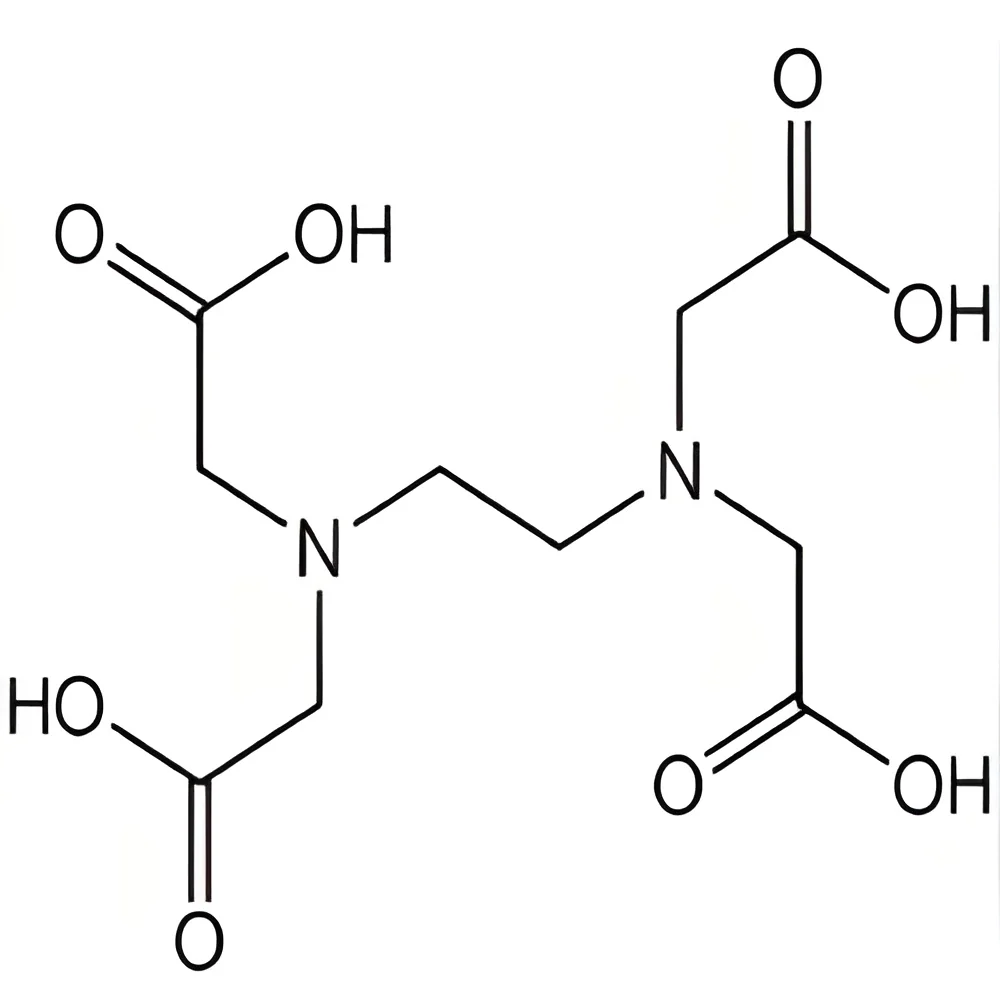
Variant 1: EDTA (Ethylenediaminetetraacetic Acid)
EDTA is widely used for its strong chelating ability with a variety of metal ions. It is commonly applied in agriculture, pharmaceuticals, and water treatment for its effectiveness in binding metals and enhancing product stability.
Variant 2: DTPA (Diethylenetriaminepentaacetic Acid)
DTPA is valued for its high stability and effectiveness in a broad pH range. It is primarily used in agriculture for micronutrient delivery and in wastewater treatment processes to remove heavy metals.
Variant 3: NTA (Nitrilotriacetic Acid)
NTA is noted for its biodegradable properties, making it a preferred choice in environmentally conscious applications. It is commonly used in cleaning products and as a substitute for EDTA in certain formulations.
Benefits and Advantages
Chelating agents offer numerous benefits that enhance their value in industrial applications.
1. Enhanced Product Stability: Chelating agents improve the stability of formulations by preventing the precipitation of metal ions, resulting in longer-lasting products.
2. Improved Efficacy: They increase the bioavailability of essential nutrients in agricultural products, leading to better crop yields and healthier plants.
3. Environmental Compliance: Many chelating agents are designed to meet regulatory standards, reducing the environmental impact of industrial processes.
4. Versatile Applications: Their ability to bind multiple metal ions makes chelating agents suitable for a wide range of industries, from agriculture to pharmaceuticals.
5. Cost-Effectiveness: By improving product efficiency and stability, chelating agents can lead to cost savings in manufacturing and application processes.
6. Safety: Many modern chelating agents are designed to be less toxic and more environmentally friendly, making them safer for use in sensitive applications.
Buying Guide for B2B Buyers
When sourcing chelating agents, buyers should consider several critical factors to ensure they select the right product for their needs.
1. Quality Assessment: Evaluate the quality of chelating agents based on industry standards and specifications. Look for certifications that demonstrate compliance with quality benchmarks.
2. Supplier Verification: Vet suppliers thoroughly to ensure they have a reliable track record and can provide high-quality products. Request references and check for industry certifications.
3. Pricing and MOQ: Understand the pricing structure and minimum order quantities (MOQ) required by suppliers. Compare costs across different suppliers to ensure competitive pricing.
4. Delivery and Lead Times: Inquire about lead times for delivery to ensure that your supply chain remains uninterrupted. Timely delivery is crucial for maintaining production schedules.
5. Compliance Requirements: Ensure that the chelating agents meet all relevant regulatory and safety standards. This includes understanding the implications of using certain agents in specific applications.
Compliance and Certifications
Compliance with industry standards and certifications is vital for chelating agents to ensure safety and efficacy. Relevant quality standards include ISO 9001, which focuses on quality management systems, and HACCP, which addresses food safety. Additionally, chelating agents may need to comply with Good Distribution Practices (GDP) to ensure product integrity during transport.
Certifications such as CE signify that products meet European safety, health, and environmental protection standards. Buyers should also consider safety and testing requirements to verify that the chelating agents do not pose health risks. It is essential to be aware of regional compliance considerations, as regulations may vary significantly between different markets.
Why Source Chelating Agents from Pepagora?
Pepagora provides a trusted platform for sourcing chelating agents, offering several key advantages for B2B buyers.
Verified Supplier Network: Pepagora ensures a reliable supply chain by connecting buyers with pre-verified suppliers. This reduces the risk of sourcing low-quality products and enhances buyer confidence.
Streamlined RFQ Process: The request for quotation (RFQ) system simplifies the procurement process, allowing buyers to obtain competitive quotes from multiple suppliers quickly and efficiently.
Trade Assurance and Support: Pepagora offers trade assurance and support to protect buyers during transactions. This includes assistance with dispute resolution and ensuring compliance with agreed terms.
Regional Coverage: With a strong presence in India, the GCC, and Southeast Asia, Pepagora provides extensive geographic coverage. This allows buyers to access a wide range of chelating agents tailored to their specific regional needs.


Frequently Asked Questions
What are Chelating Agents?
Chelating agents are compounds that can form multiple bonds with a single metal ion, effectively 'grabbing' the metal and preventing it from reacting with other substances. They are commonly used in various industries, including agriculture, pharmaceuticals, and water treatment, to enhance metal solubility and prevent metal toxicity.
What are the different types of Chelating Agents?
There are several types of chelating agents, including natural chelators like citric acid and synthetic chelators such as EDTA (ethylenediaminetetraacetic acid) and DTPA (diethylenetriaminepentaacetic acid). Each type varies in its effectiveness, stability, and application depending on the specific metal ion being targeted.
How do I choose the right Chelating Agents?
Choosing the right chelating agent depends on several factors, including the type of metal you need to chelate, the pH of your solution, and the specific application requirements. It is advisable to consult with suppliers or conduct tests to determine which agent will provide the best performance for your needs.
What are the standard specifications for Chelating Agents?
Standard specifications for chelating agents typically include purity levels, solubility, pH range, and the specific metal ions they can effectively bind. Manufacturers often provide detailed technical data sheets that outline these specifications to assist buyers in their selection process.
What is the price range for Chelating Agents?
The price of chelating agents can vary widely depending on the type, purity, and volume purchased. Generally, prices can range from a few hundred to several thousand rupees per kilogram, with bulk purchases often offering cost advantages.
What quality standards apply to Chelating Agents?
Chelating agents are subject to quality standards that vary by industry, including ISO certifications and specific regulatory requirements for pharmaceuticals and food-grade applications. Buyers should verify that their suppliers comply with relevant quality standards to ensure product safety and efficacy.
Where can I find Chelating Agents suppliers in India?
You can find chelating agents suppliers in India through various online B2B marketplaces, trade directories, and industry-specific websites. Platforms like Pepagora.com provide a comprehensive listing of manufacturers and suppliers, allowing for easy comparison and sourcing.
Can Chelating Agents be customized?
Yes, many manufacturers offer customization options for chelating agents to meet specific application requirements. This may include adjustments to concentration, formulation, or packaging based on the buyer's needs.
What is the typical minimum order quantity for Chelating Agents?
The minimum order quantity (MOQ) for chelating agents can vary by supplier and product type, but it typically ranges from 25 kg to 1 ton. Buyers should confirm the MOQ with their chosen supplier before placing an order.
What is the typical lead time for Chelating Agents?
The typical lead time for obtaining chelating agents can range from a few days to several weeks, depending on the supplier's inventory, production capacity, and shipping arrangements. It is recommended to discuss lead times during the ordering process to ensure timely delivery.
Why Businesses Trust Pepagora
Thousands of companies trust Pepagora to source smarter and sell faster
Expand Your Sales Globally

Source Smarter,Grow Faster
