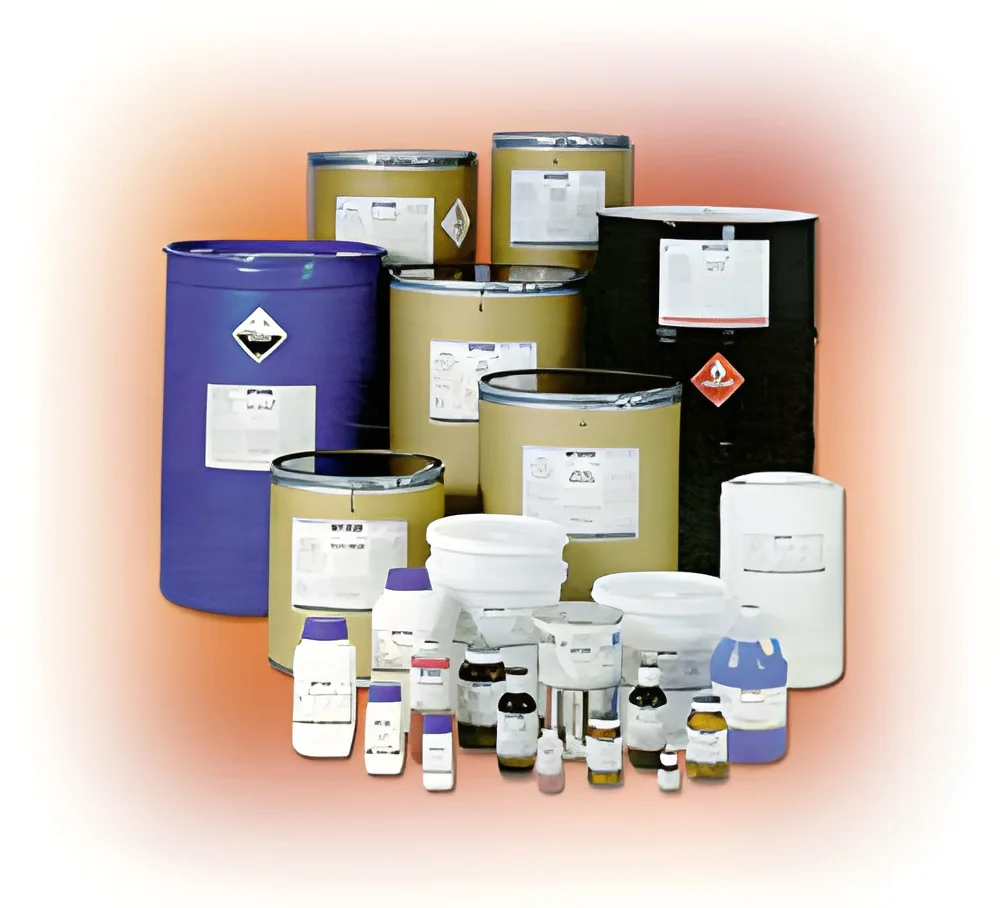
What are Laboratory Reagents?
Laboratory reagents are substances or compounds used in chemical analysis and laboratory experiments. These materials are essential for conducting a wide range of tests, reactions, and experiments in various scientific fields. They can be in liquid, solid, or gas form and are utilized to detect, measure, or produce specific chemical reactions. Laboratory reagents play a critical role in ensuring accurate and reliable results in both research and industrial applications.
The primary uses of laboratory reagents span across multiple sectors including pharmaceuticals, biotechnology, environmental testing, and educational institutions. In pharmaceuticals, they are used in drug formulation and quality control. In environmental testing, they help analyze soil, water, and air quality. Their versatility allows them to be used for both routine tests and complex research projects, making them indispensable in laboratories.
As industries increasingly rely on precise measurements and diagnostics, the market for laboratory reagents continues to grow. The demand is driven by advancements in research, quality control, and regulatory compliance across various sectors. Laboratory reagents not only facilitate scientific exploration but also contribute to ensuring safety and quality in products and processes across industries.
Key Features and Specifications
Laboratory reagents come with a range of features and specifications that cater to the diverse needs of various industries. Understanding these specifications is essential for selecting the right reagents for specific applications.
Key specifications include:
1. Purity Level
- Laboratory reagents are available in various purity levels, typically ranging from analytical grade to technical grade. The purity level impacts the reliability and accuracy of experimental results.
2. Packaging Type
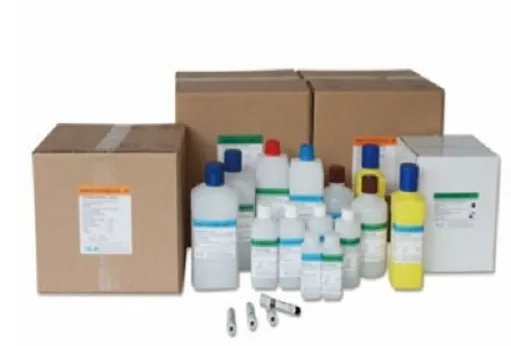
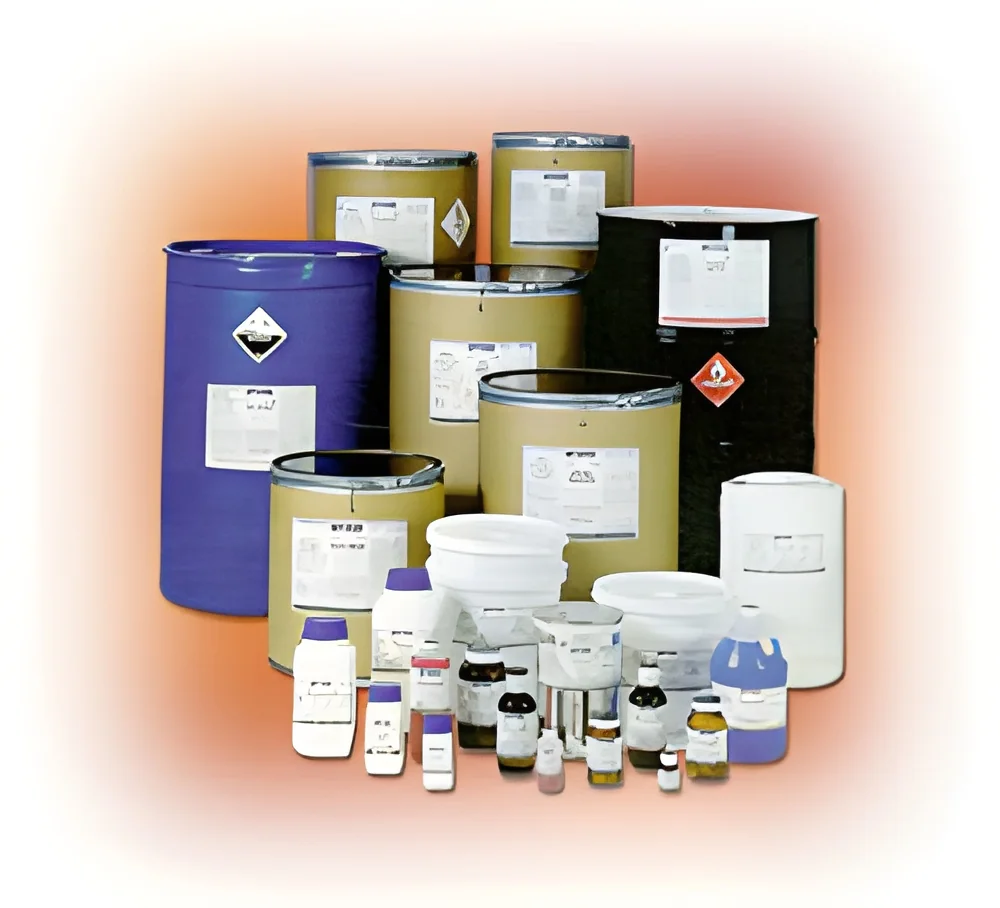
- Reagents are packaged in different formats, including bottles, vials, and bulk containers. The packaging type often influences usage convenience and shelf life.
3. Shelf Life
- The shelf life of laboratory reagents can vary significantly based on the chemical composition and storage conditions, typically ranging from months to years.
4. Storage Conditions
- Many reagents require specific storage conditions, such as temperature control and protection from light, to maintain their efficacy over time.
5. Solubility
- Different reagents exhibit varying levels of solubility in water or organic solvents, which is crucial for their application in different experiments.
6. Identification Codes
- Each reagent is assigned specific identification codes, including CAS numbers, to ensure precise identification and avoid mix-ups in laboratories.
7. Safety Data
- Laboratory reagents come with safety data sheets (SDS) that outline handling, storage, and safety precautions to minimize risks.
8. Compliance Standards
- Many reagents meet specific compliance standards such as ISO, ensuring that they are safe and effective for use.
In summary, understanding the key features and specifications of laboratory reagents is vital for B2B buyers seeking to make informed purchasing decisions.
Common Applications and Use Cases
Laboratory reagents are widely utilized across various industries, each with unique applications that enhance scientific research and quality control processes.
1. Pharmaceuticals: Laboratory reagents are essential in drug development and formulation, helping in the synthesis of active ingredients and ensuring quality through testing.
2. Biotechnology: They are used in various biotechnological processes, including enzyme assays, DNA amplification, and protein analysis, supporting innovation in genetic research.
3. Environmental Testing: Reagents are crucial for analyzing pollutants in air, water, and soil, enabling compliance with environmental regulations and promoting sustainability.
4. Food and Beverage: In food safety testing, laboratory reagents help in detecting contaminants and ensuring that products meet health standards.
5. Clinical Labs: They play a vital role in diagnostic testing, including blood tests and pathogen detection, ensuring accurate and timely healthcare solutions.
6. Academic Research: Universities and research institutions rely on laboratory reagents for experiments across disciplines, fostering scientific discovery and education.
7. Chemical Manufacturing: Reagents are used in the production of chemicals, enabling manufacturers to create new products and maintain quality control.
Product Variants and Subcategories
Laboratory reagents offer a diverse range of products to cater to specific needs across various applications. The diversity allows buyers to select the most suitable reagents for their requirements.
Solvents
Laboratory solvents are used to dissolve other substances, playing a critical role in chemical reactions and extractions. They vary in polarity and volatility, allowing for a wide range of applications.
Indicators
Indicators are substances that change color or properties in response to certain conditions, such as pH levels. They are essential for titrations and other analytical methods.
Reagents for Molecular Biology
These specialized reagents include enzymes and buffers used in genetic research and biotechnology applications. They facilitate processes such as PCR and DNA sequencing.
Cryoprotectants
Used in the preservation of biological samples, cryoprotectants prevent ice crystal formation during freezing, ensuring the viability of cells and tissues for research.
Buffers
Buffers help maintain a stable pH in chemical reactions, crucial for experiments that require specific pH conditions for accuracy.
Benefits and Advantages
Sourcing laboratory reagents provides numerous benefits that enhance laboratory efficiency and reliability in various applications.
1. Improved Accuracy: High-quality laboratory reagents contribute to precise measurements and reliable experimental outcomes, reducing the likelihood of errors.
2. Enhanced Safety: Quality reagents come with safety data sheets, helping laboratories comply with safety regulations and ensuring safe handling.
3. Increased Efficiency: Reliable reagents streamline the testing process, allowing laboratories to conduct experiments faster without compromising quality.
4. Customization Options: Some suppliers offer customized reagents tailored to specific applications, ensuring that buyers meet their unique requirements.
5. Cost-Effectiveness: Bulk purchasing options can lead to significant savings, making it more economical for laboratories to maintain their supply levels.
6. Regulatory Compliance: Sourcing compliant reagents helps laboratories adhere to industry standards and regulations, reducing the risk of legal issues.
Buying Guide for B2B Buyers
When sourcing laboratory reagents, B2B buyers should consider several critical factors to ensure they select the most suitable products.
1. Quality Assessment: It is essential to evaluate the quality of laboratory reagents through certifications such as CE and adherence to industry standards. Buyers should request quality documentation to verify the purity and reliability of the products.
2. Supplier Verification: Vetting suppliers is crucial to ensure they have a good track record and provide consistent quality. Buyers should check for certifications, customer reviews, and references.
3. Pricing and MOQ: Understanding the pricing structure and minimum order quantities (MOQ) is vital for budgeting. Buyers should compare prices across suppliers while considering the total cost of ownership.
4. Delivery and Lead Times: Timely delivery is essential for maintaining laboratory operations. Buyers should inquire about lead times and shipping options to avoid disruptions in their workflow.
5. Compliance Requirements: Buyers must ensure that the reagents meet relevant regulatory and safety standards in their region. This includes understanding local compliance requirements and obtaining necessary documentation.
Compliance and Certifications
Compliance and certifications are critical aspects of laboratory reagents, ensuring that products meet industry standards for safety and quality.
Many laboratory reagents adhere to quality standards like ISO 9001, which signifies a commitment to quality management systems. This ensures that manufacturers consistently produce high-quality products.
Additionally, certifications such as HACCP (Hazard Analysis Critical Control Point) are relevant for reagents used in food and beverage applications, ensuring that they are safe for consumption.
Laboratory reagents may also be required to comply with Good Distribution Practices (GDP), which ensure that products are stored and transported under appropriate conditions to maintain quality.
Safety and testing requirements are paramount, and suppliers must provide safety data sheets that detail handling procedures and potential hazards associated with the reagents.
Regional compliance considerations can vary, and it is essential for buyers to be aware of local regulations that may impact the sourcing and usage of laboratory reagents in their specific regions.
Why Source Laboratory Reagents from Pepagora?
Pepagora offers a reliable platform for sourcing laboratory reagents, providing several key advantages for B2B buyers.
The verified supplier network ensures that buyers can access high-quality laboratory reagents from reputable manufacturers. Each supplier is vetted to guarantee compliance with industry standards, promoting trust and reliability in the supply chain.
The streamlined RFQ (Request for Quotation) process simplifies the sourcing experience, allowing buyers to receive competitive quotes from multiple suppliers quickly. This efficiency helps buyers make informed decisions without the hassle of extensive negotiations.
Trade assurance and support are integral to Pepagora’s approach. The platform offers buyer protection, ensuring that transactions are secure and that buyers receive the products as promised.
Furthermore, Pepagora's regional coverage extends across India, the GCC, and Southeast Asia, making it easier for buyers in these regions to access a wide range of laboratory reagents tailored to their specific needs. This geographic reach enhances accessibility and responsiveness to market demands.

 IN
IN