What are Catalysts & Enzymes?
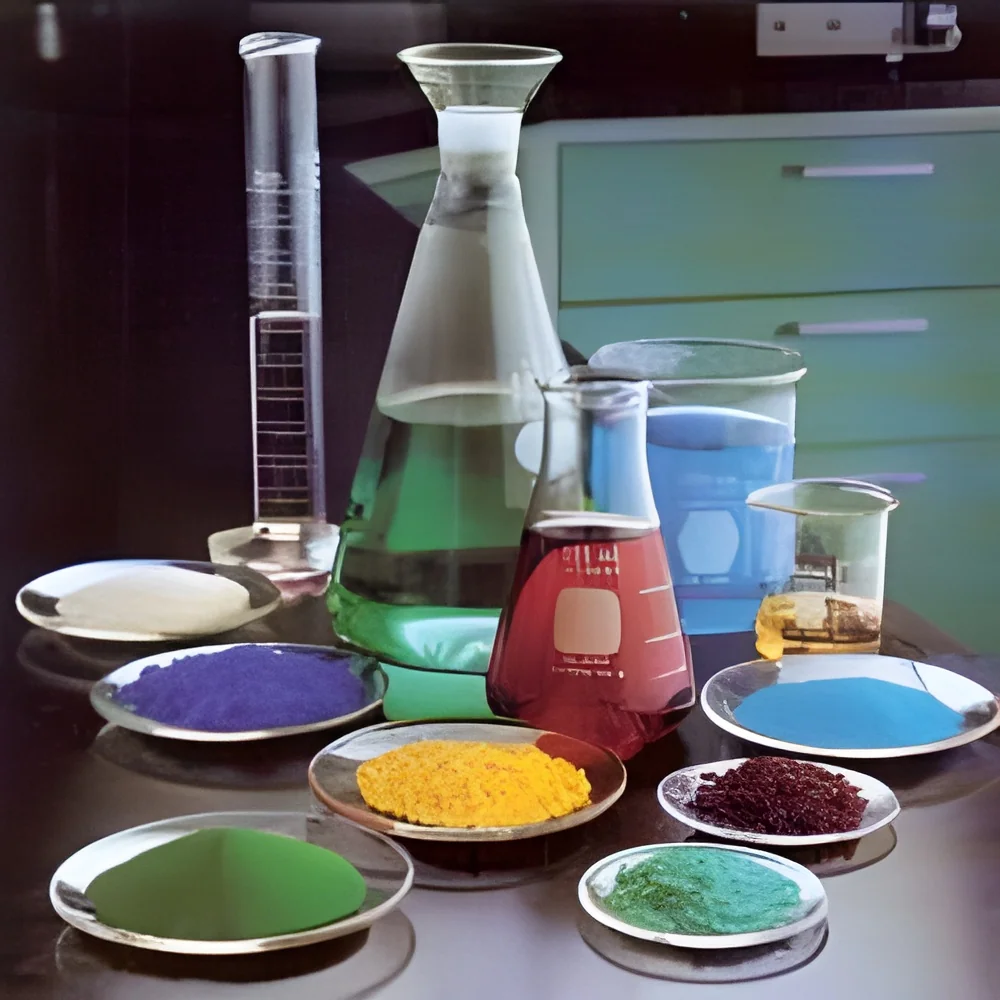
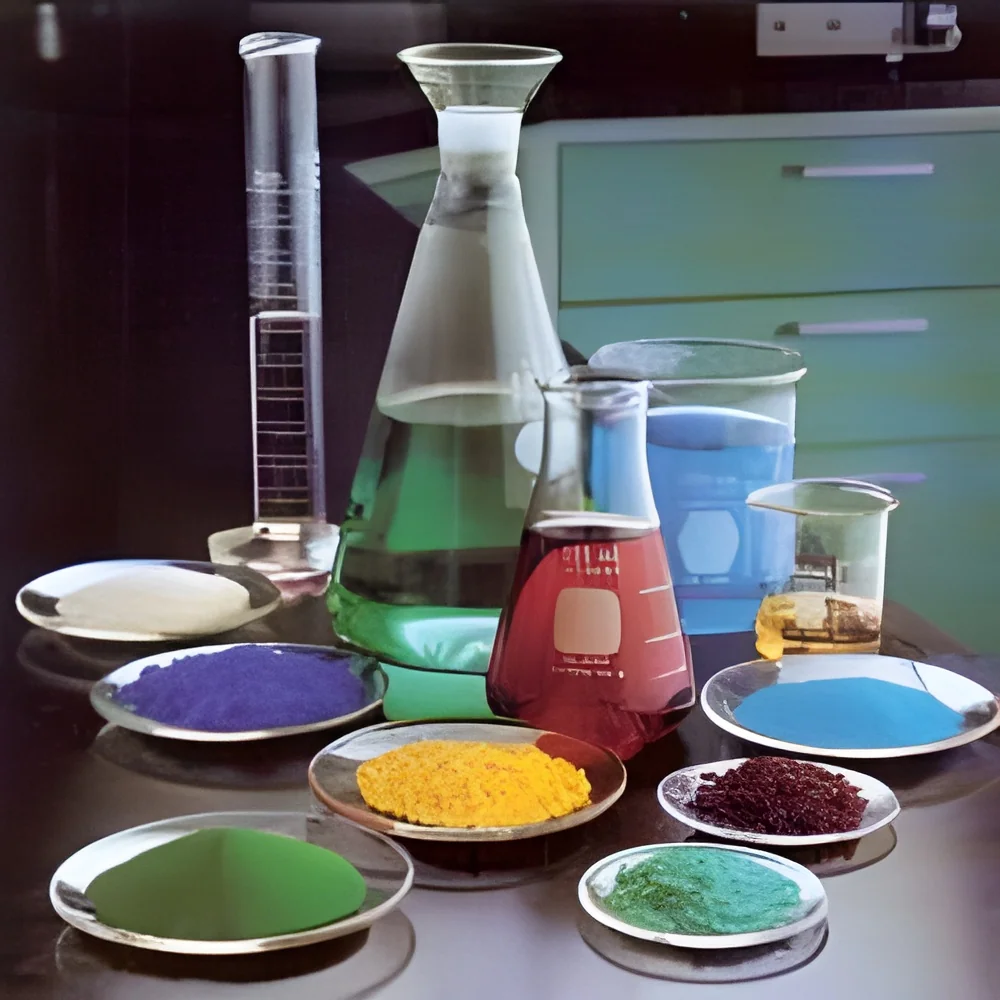
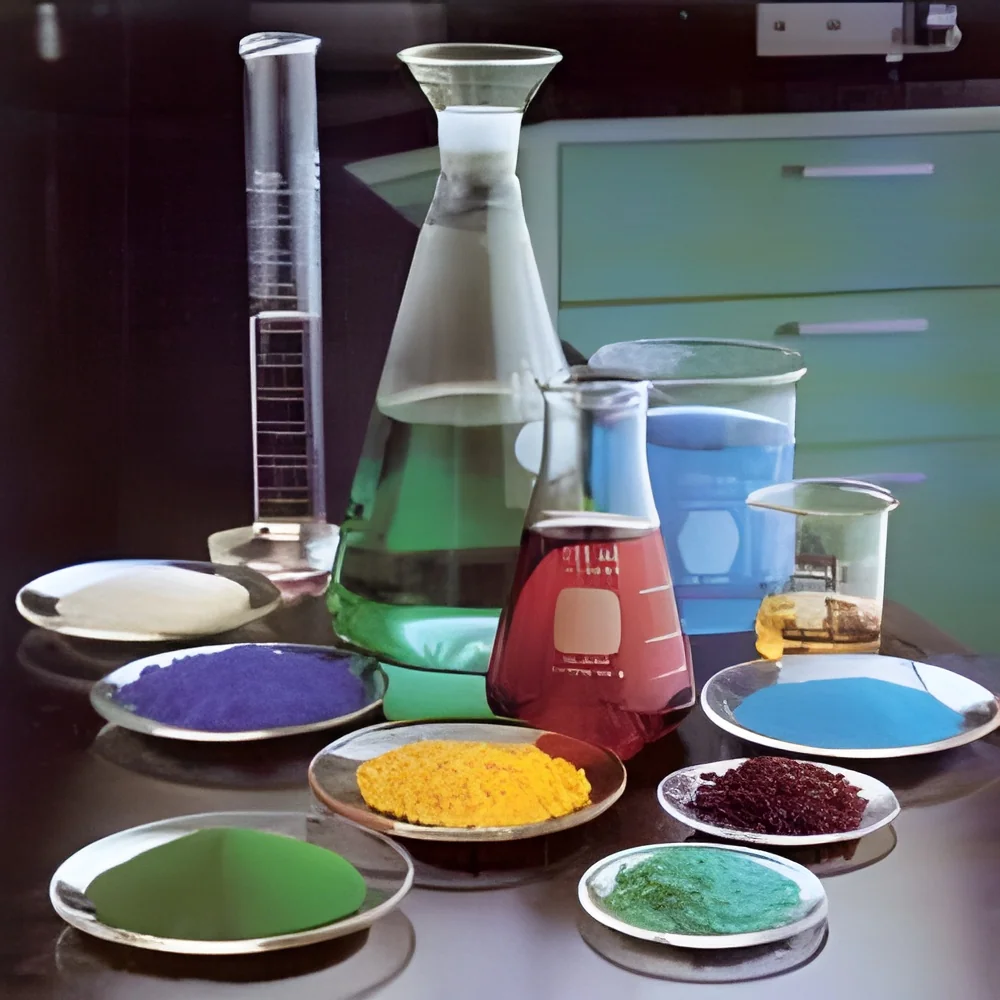
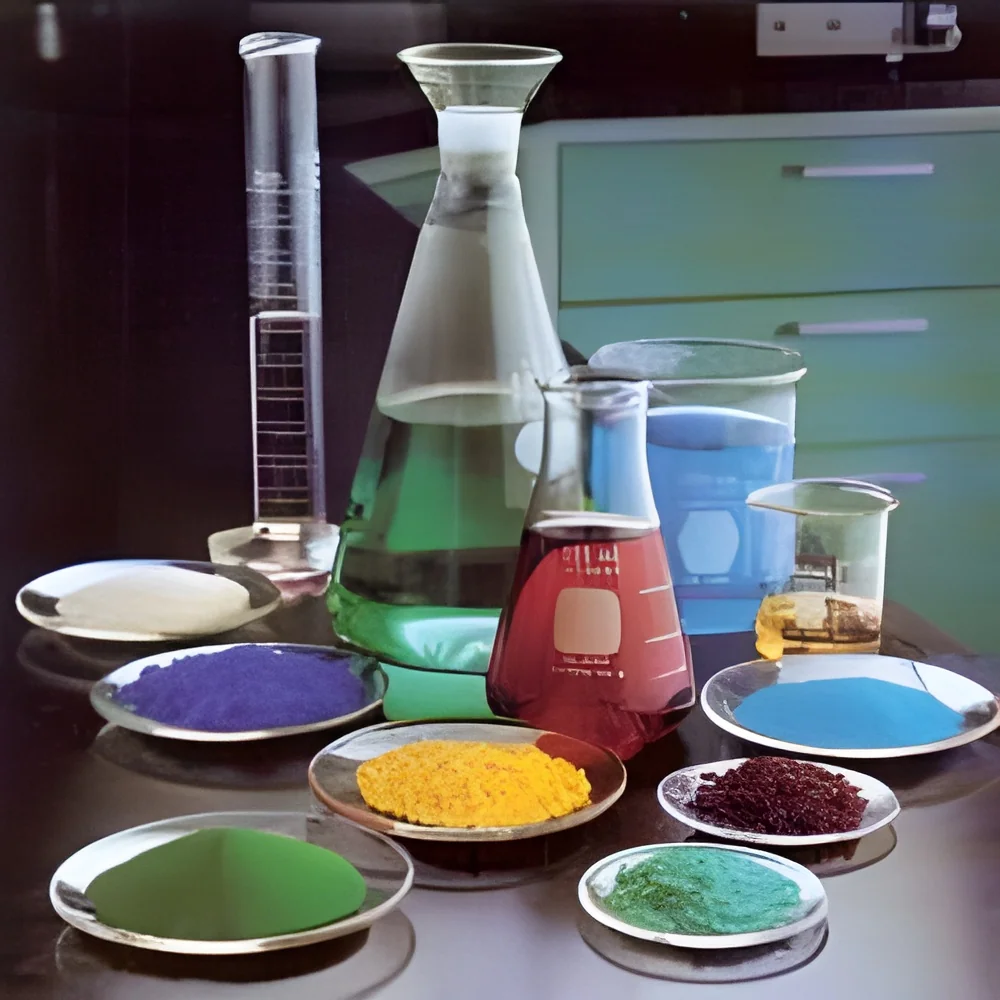
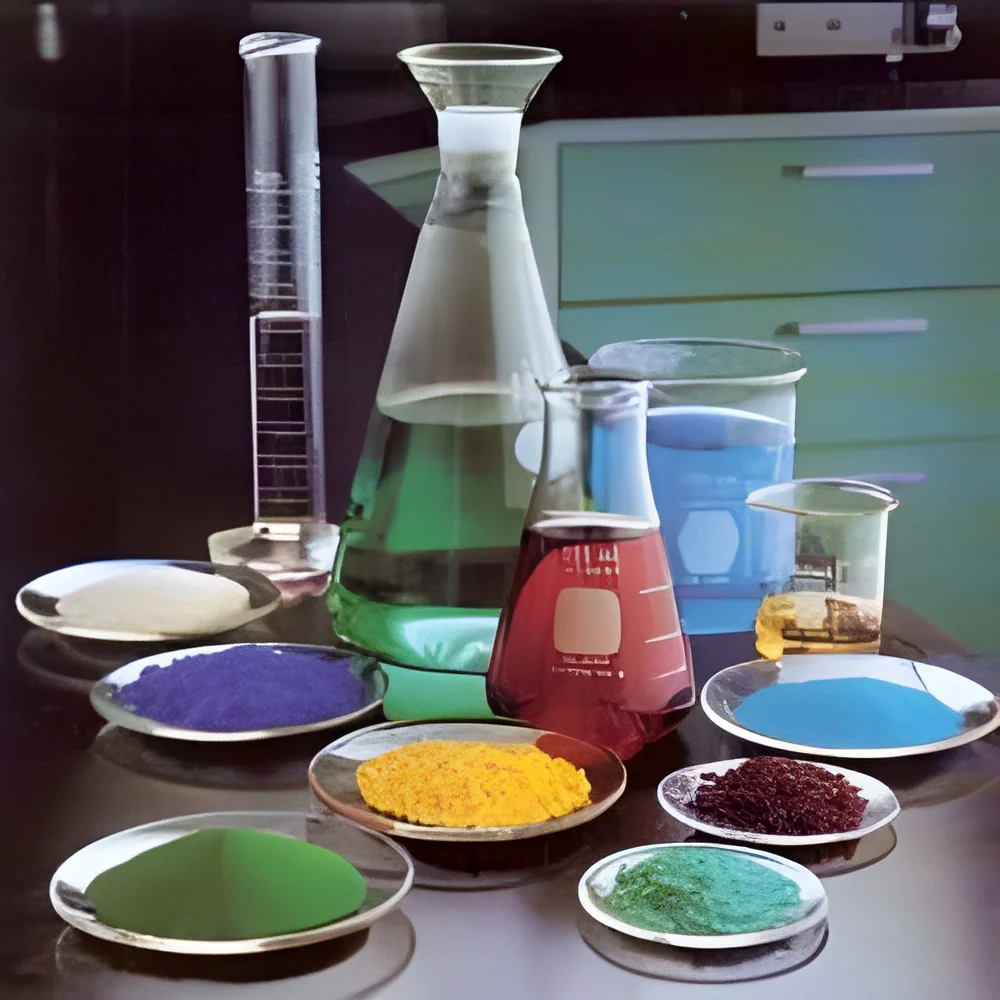
Catalysts and enzymes are substances that accelerate chemical reactions without undergoing any permanent changes themselves. Catalysts are typically used in industrial processes to enhance reaction rates, while enzymes are biological catalysts produced by living organisms that facilitate biochemical reactions. Both play crucial roles in various chemical manufacturing processes, making them essential for efficiency and productivity.
In the industrial context, catalysts and enzymes are employed in a variety of applications, such as petrochemical refining, pharmaceuticals, and biotechnology. For businesses, utilizing these materials can significantly improve production efficiency, reduce energy consumption, and minimize waste. The growing demand for sustainable practices in industries has further increased the relevance of catalysts and enzymes, as they often allow for more environmentally friendly processes.
The market for catalysts and enzymes is expanding, driven by technological advancements and the increasing need for efficient production methods. Industries are continually seeking innovative solutions to enhance their processes, making catalysts and enzymes a vital area of focus in the chemical and manufacturing sectors.
Key Features and Specifications
Catalysts and enzymes offer a wide range of features that make them suitable for various industrial applications. Their specifications can vary based on the type and intended use.
Key specifications include:
1. Chemical Composition
- Typically composed of metals, metal oxides, or organic compounds
- Varies based on the specific reaction or process
2. Reaction Conditions
- Operational temperature ranges can vary widely
- Specific pH levels may be required for optimal activity
3. Activity Level
- Measured in terms of turnover frequency (TOF)
- Indicates the rate of reaction facilitated by the catalyst or enzyme
4. Selectivity
- Ability to direct a reaction towards a specific product
- Important for minimizing by-products in chemical processes
5. Stability
- Resistance to deactivation under operational conditions
- Impacts the overall lifespan and effectiveness of the catalyst or enzyme
6. Purity
- High purity levels are often required for pharmaceutical applications
- Reduces the risk of contamination in sensitive processes
7. Source
- Enzymes may be derived from various biological sources
- Catalysts can be synthesized through chemical methods
In summary, understanding the key specifications of catalysts and enzymes is critical for selecting the right product for specific applications. Their diverse nature allows them to be tailored to meet the needs of various industries.
Common Applications and Use Cases
Catalysts and enzymes find extensive applications across several industries, enhancing productivity and efficiency.
1. Chemical Manufacturing: Catalysts are crucial in the production of chemicals, such as methanol and ammonia, where they facilitate essential reactions.
2. Pharmaceutical Industry: Enzymes are used in drug production, helping to synthesize complex molecules more efficiently and with fewer side effects.
3. Food Processing: Enzymes play a key role in food production, such as in brewing and baking, where they improve flavor and texture.
4. Agriculture: Catalysts are utilized in the synthesis of fertilizers, improving crop yields and sustainability.
5. Petrochemicals: Catalysts are essential in refining crude oil into useful products like gasoline and diesel, making the process more efficient.
6. Environmental Applications: Catalysts are used in pollution control technologies, such as catalytic converters in vehicles, to reduce harmful emissions.
7. Biofuels: Enzymes are instrumental in the conversion of biomass into biofuels, supporting sustainable energy initiatives.
Product Variants and Subcategories
Catalysts and enzymes come in various forms, catering to different industrial needs.
Enzymatic Catalysts
These are biological catalysts designed for specific biochemical reactions. They are widely used in industries such as food processing and pharmaceuticals due to their specificity and efficiency.
Metallic Catalysts
Typically used in chemical synthesis, these catalysts include precious metals like platinum and palladium. They are known for their high activity and selectivity in chemical reactions.
Heterogeneous Catalysts
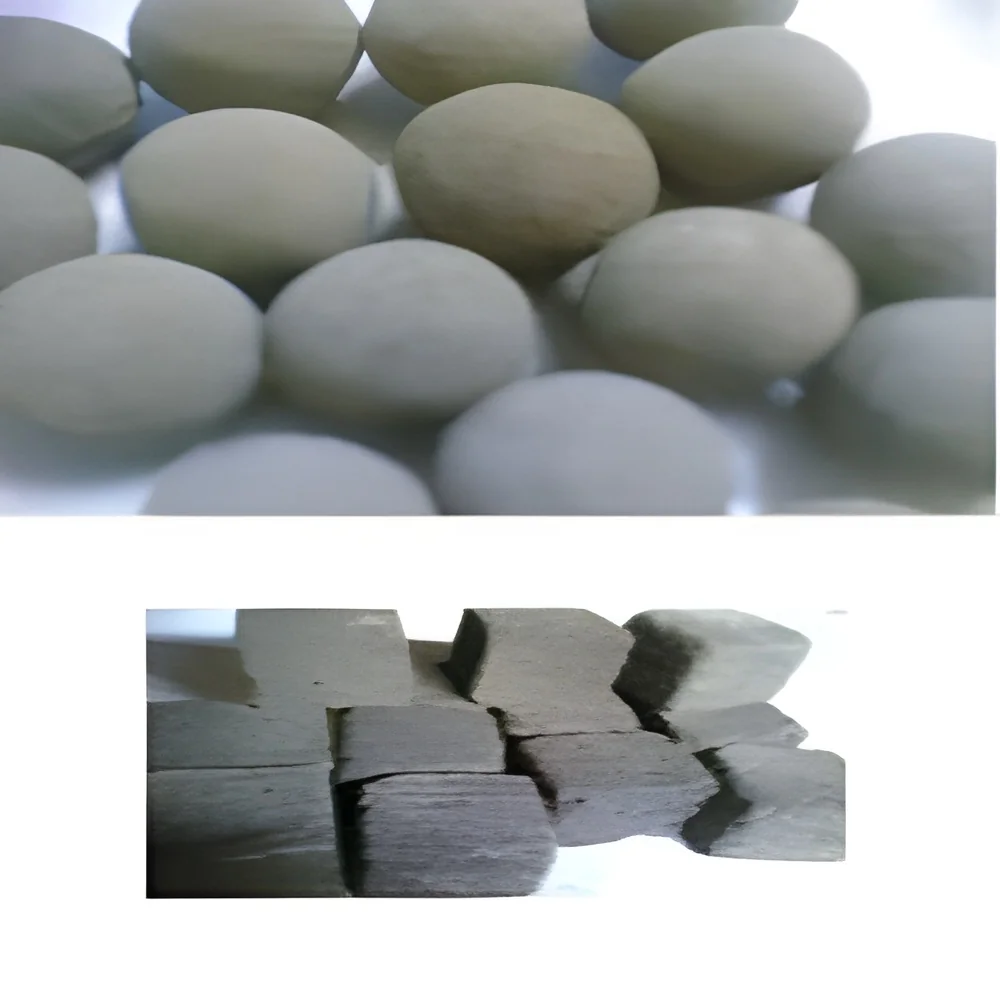
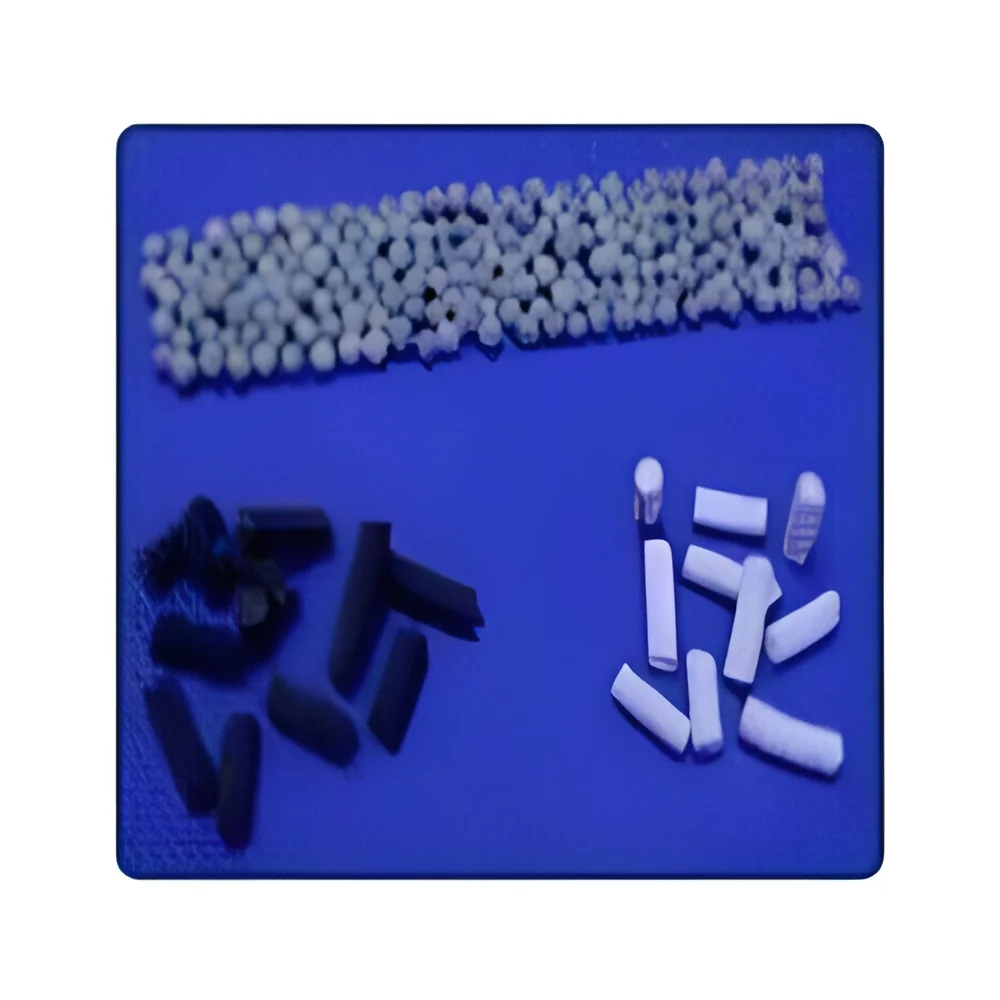
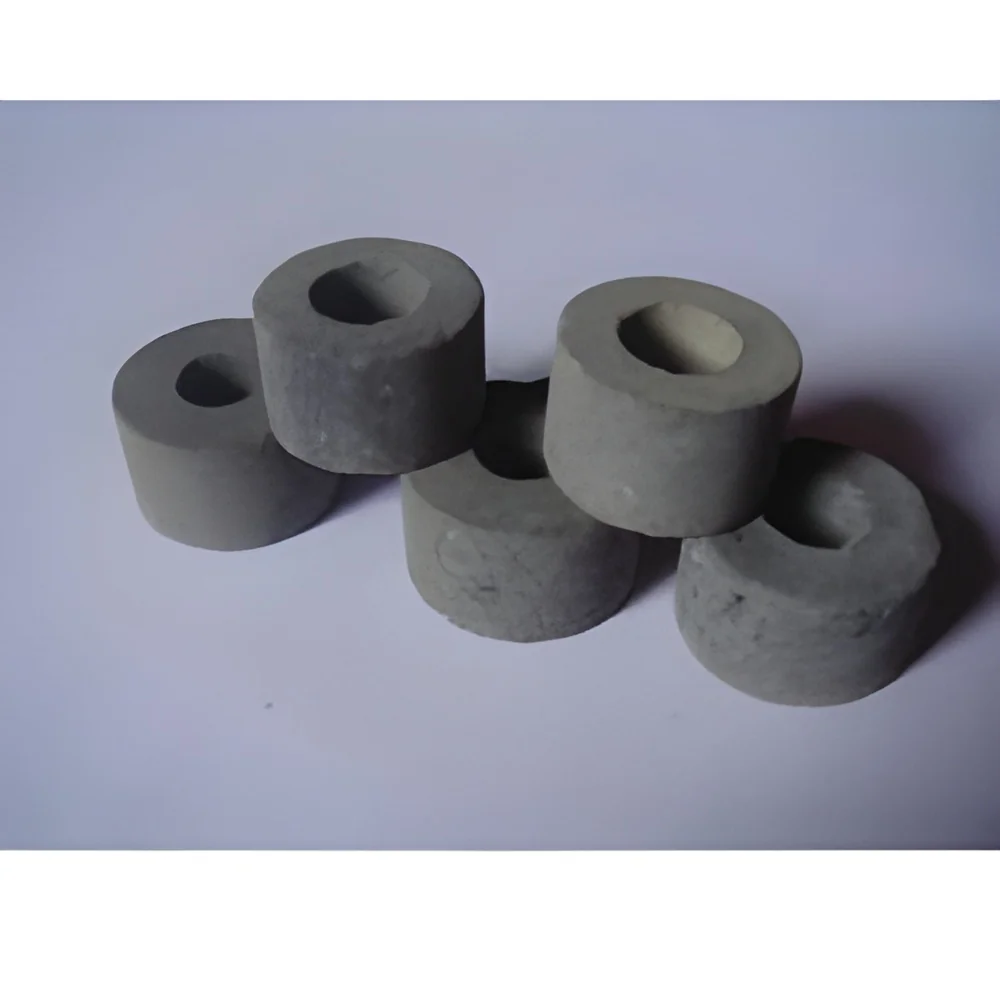
These catalysts exist in a different phase than the reactants, often used in gas-solid reactions. They are common in petrochemical processes and are favored for their ease of separation from products.
Homogeneous Catalysts
These catalysts are in the same phase as the reactants. They offer high selectivity and are often used in fine chemical and pharmaceutical synthesis.
Benefits and Advantages
Utilizing catalysts and enzymes presents several advantages for businesses looking to enhance their operational efficiency.
1. Increased Reaction Rates: Catalysts significantly speed up chemical reactions, leading to higher throughput and productivity.
2. Reduced Energy Consumption: By lowering the activation energy required for reactions, catalysts and enzymes can help decrease energy costs.
3. Lower Environmental Impact: Many catalysts and enzymes facilitate greener processes, reducing waste and harmful emissions.
4. Enhanced Product Quality: The selectivity of catalysts helps in producing higher purity products with fewer by-products.
5. Cost-Effectiveness: While initial investment may be higher, the long-term savings from increased efficiency and reduced waste make catalysts and enzymes a cost-effective choice.
6. Versatile Applications: Their wide-ranging applications make them suitable for various industries, from pharmaceuticals to agriculture.
Buying Guide for B2B Buyers
When sourcing catalysts and enzymes, several key factors should be considered to ensure the right choice for your business needs.
1. Quality Assessment: Look for products that meet high-quality standards. Ensure that the catalysts and enzymes have undergone rigorous testing and meet industry-specific requirements.
2. Supplier Verification: Conduct thorough due diligence on suppliers. Check for certifications, customer reviews, and past performance to ensure reliability.
3. Pricing and MOQ: Understand the pricing structure and minimum order quantities. Negotiating bulk purchases can lead to cost savings.
4. Delivery and Lead Times: Consider logistics when sourcing. Evaluate suppliers based on their ability to meet delivery schedules and lead times to avoid disruptions.
5. Compliance Requirements: Ensure that the products meet relevant regulatory standards. This includes certifications such as CE and adherence to local safety regulations.
Compliance and Certifications
Compliance and certifications are critical aspects of sourcing catalysts and enzymes. Relevant quality standards such as ISO 9001 ensure that products meet global quality management criteria. Additionally, adherence to HACCP guidelines is essential for safety in food-related applications.
Industry certifications like CE signify compliance with European standards, ensuring that products are safe and effective. It is also vital to consider safety and testing requirements that vary by region, as non-compliance can lead to significant legal and financial repercussions.
For companies operating in multiple regions, understanding local compliance considerations becomes essential. This includes being aware of different regulations that may apply to specific products or applications, ensuring that businesses can operate smoothly across borders.
Why Source Catalysts & Enzymes from Pepagora?
Pepagora offers a reliable platform for sourcing catalysts and enzymes, with several distinct advantages for B2B buyers.
Verified Supplier Network: We maintain a robust network of verified suppliers, ensuring that buyers have access to high-quality products from reputable sources. Our vetting process includes checking certifications and performance histories.
Streamlined RFQ Process: Our Request for Quotation (RFQ) system simplifies the procurement process. Buyers can easily submit their requirements and receive competitive quotes from multiple suppliers, saving time and effort.
Trade Assurance and Support: We prioritize buyer protection through trade assurance policies. This ensures that buyers can engage with confidence, knowing that their transactions are secure and supported.
Regional Coverage: With a strong presence in India, the GCC, and Southeast Asia, Pepagora provides extensive geographic reach. This allows businesses to source catalysts and enzymes effectively across these regions, facilitating smoother operations and better supply chain management.

 IN
IN