
 IN
Plasticizers
6 products available
What are Plasticizers?
Plasticizers are substances added to materials, particularly plastics, to increase their flexibility, workability, and durability. These additives modify the physical properties of polymers, allowing them to be more pliable and easier to process. By reducing intermolecular forces between polymer chains, plasticizers enhance the material's performance in various applications.
Primarily, plasticizers are used in the manufacturing of flexible PVC products, coatings, adhesives, and sealants. They play a crucial role in industries such as construction, automotive, and consumer goods, where flexibility and durability are essential. The growing demand for flexible materials in multiple applications has positioned plasticizers as a vital component in the production chain, contributing to the overall quality and longevity of end products.
The plasticizer market is experiencing significant growth, driven by the increasing demand for lightweight materials and sustainable solutions. As industries evolve, the relevance of plasticizers continues to expand, highlighting their importance in achieving desired material properties and meeting regulatory standards.
Key Features and Specifications
Plasticizers come with a variety of features that make them suitable for diverse applications. Understanding these specifications is crucial for businesses when selecting the right product for their needs.
Key specifications include:
1. Chemical Composition
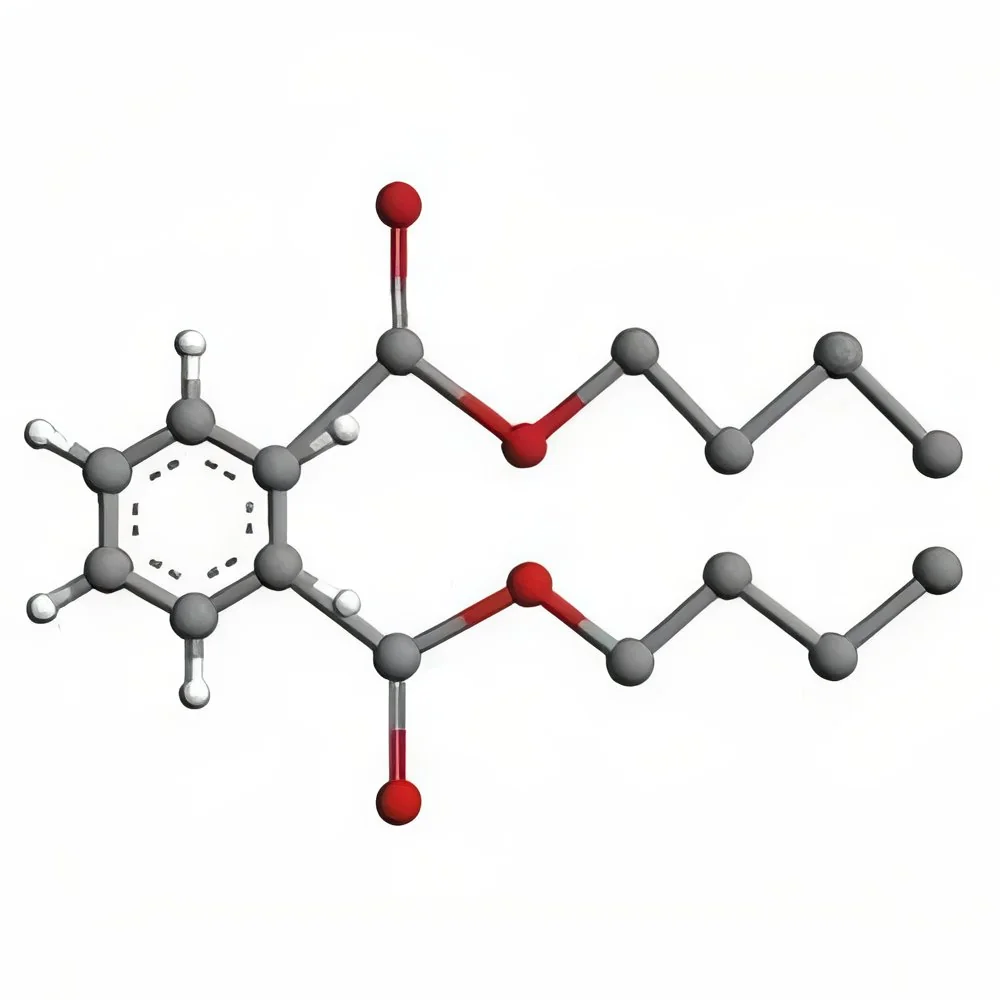
- Plasticizers are typically esters of organic acids and alcohols.
- Common types include phthalates, adipates, and citrates.
2. Compatibility
- Plasticizers must be compatible with the base resin to ensure performance.
- Compatibility ranges vary based on the polymer used and the type of plasticizer.
3. Viscosity
- The viscosity of plasticizers affects their processing and application.
- Viscosity ranges can vary widely depending on the formulation.
4. Evaporation Rate
- A lower evaporation rate is often preferred for long-lasting applications.
- This helps maintain flexibility over the product's lifespan.
5. Toxicity Levels
- Safety and environmental impact assessments are crucial for many applications.
- Regulatory compliance often dictates acceptable toxicity levels.
6. Performance Characteristics
- Performance can include factors like temperature stability and flexibility.
- These characteristics determine suitability for specific applications.
7. Color and Odor
- Some plasticizers are colorless and odorless, while others may have specific characteristics.
- These properties can affect the aesthetic of the final product.
In summary, understanding the key features and specifications of plasticizers is essential for industries aiming to enhance product quality while adhering to safety standards.
Common Applications and Use Cases
Plasticizers find utility across a range of industries due to their ability to enhance material properties. They are integral in various applications that require flexibility and durability.
1. Construction: Plasticizers are widely used in construction materials like flexible PVC pipes and insulation, ensuring durability and ease of installation.
2. Automotive: In the automotive industry, plasticizers are used in interior components and coatings to provide flexibility and resistance to temperature fluctuations.
3. Consumer Goods: Many consumer products, including toys and household items, utilize plasticizers to enhance flexibility and safety.
4. Medical Devices: Plasticizers are essential in the production of medical tubing and bags, where flexibility and biocompatibility are critical.
5. Electrical Cables: In electrical applications, plasticizers help to ensure the flexibility and durability of insulation materials.
6. Footwear: The footwear industry relies on plasticizers to enhance the comfort and longevity of materials used in shoes.
7. Packaging: Flexible packaging materials often incorporate plasticizers to improve resilience and adaptability.
Product Variants and Subcategories
Plasticizers are available in various forms, each tailored to meet specific application needs. This diversity allows businesses to select the most suitable variant for their requirements.
General-purpose Plasticizers: These plasticizers provide a balance of flexibility and cost-effectiveness, making them suitable for a wide range of applications.
Specialty Plasticizers: Designed for specific applications, these plasticizers offer enhanced properties such as improved thermal stability or lower volatility.
Bio-based Plasticizers: Derived from renewable resources, bio-based plasticizers are increasingly popular for their environmental benefits and lower toxicity.
Benefits and Advantages
The use of plasticizers in industrial applications offers several key benefits that enhance product performance and usability.
1. Improved Flexibility: Plasticizers increase the flexibility of materials, making them suitable for applications that require bending or stretching.
2. Enhanced Durability: By reducing brittleness, plasticizers contribute to the longevity and durability of products, especially in harsh environments.
3. Cost-Effective Solutions: Plasticizers enable the production of flexible materials without compromising on quality, offering a cost-effective alternative for manufacturers.
4. Compatibility with Various Resins: Many plasticizers are compatible with different types of polymers, allowing for versatility in product formulation.
5. Environmentally Friendly Options: The availability of bio-based plasticizers provides sustainable solutions that align with growing environmental concerns.
6. Regulatory Compliance: Many plasticizers adhere to safety and environmental regulations, ensuring that products meet industry standards.
Buying Guide for B2B Buyers
When sourcing plasticizers, it is essential for B2B buyers to consider several factors to ensure they make informed decisions.
1. Quality Assessment: Evaluate the quality of plasticizers by reviewing supplier certifications and conducting performance tests to ensure they meet industry standards.
2. Supplier Verification: Vet suppliers to ensure they have a proven track record in providing reliable products and excellent customer service.
3. Pricing and MOQ: Understand the pricing structure and minimum order quantities to ensure that the purchase aligns with budget and demand.
4. Delivery and Lead Times: Consider logistics and delivery schedules to prevent production delays and ensure timely availability of materials.
5. Compliance Requirements: Verify that the plasticizers meet relevant regulatory and safety standards to avoid potential legal and safety issues.
Compliance and Certifications
Compliance and certification are critical considerations for plasticizers used in industrial applications. Adhering to quality standards ensures that products are safe and effective.
Relevant quality standards such as ISO 9001 and HACCP provide guidelines for maintaining high manufacturing and safety practices. These standards help ensure that plasticizers meet industry-specific requirements.
Industry certifications like CE indicate compliance with European safety standards, which is essential for products sold in that market. Such certifications enhance product credibility and consumer trust.
Safety and testing requirements also play a significant role in the compliance of plasticizers. Regular testing ensures that products do not contain harmful substances and perform as expected.
Regional compliance considerations must be taken into account, as regulations can vary significantly between different markets. Understanding local requirements is crucial for businesses looking to expand their reach.
Why Source Plasticizers from Pepagora?
Pepagora offers a reliable platform for sourcing plasticizers, providing several key advantages that enhance the purchasing experience for businesses.
Verified Supplier Network: Pepagora connects buyers with a network of verified suppliers, ensuring that all products meet high-quality standards. This reduces the risk of sourcing subpar materials.
Streamlined RFQ Process: The platform features an efficient Request for Quotation (RFQ) system that simplifies the process of obtaining pricing and product details from multiple suppliers. This helps buyers make informed decisions quickly.
Trade Assurance and Support: Pepagora offers trade assurance, providing buyers with protection against potential issues during transactions. This support builds confidence in sourcing decisions.
Regional Coverage: With a strong presence in India, the GCC, and Southeast Asia, Pepagora enables businesses to access a diverse range of plasticizers tailored to regional requirements. This geographic reach ensures that buyers can meet their specific needs effectively.



Frequently Asked Questions
What are Plasticizers?
Plasticizers are substances added to materials, particularly plastics and resins, to increase their flexibility, workability, and pliability. They are typically used in polyvinyl chloride (PVC) and other polymers to enhance their performance in various applications.
What are the different types of Plasticizers?
Plasticizers can be broadly categorized into two types: primary and secondary plasticizers. Primary plasticizers are used in significant amounts and are essential for achieving the desired properties, while secondary plasticizers are used in smaller quantities to supplement the primary ones and improve specific characteristics.
How do I choose the right Plasticizers?
Choosing the right plasticizer depends on several factors including the type of polymer, the desired properties, and the application. It's essential to consider factors such as compatibility, volatility, and the specific performance requirements of the end product.
What are the standard specifications for Plasticizers?
Standard specifications for plasticizers typically include parameters such as molecular weight, viscosity, density, and boiling point. Additionally, purity levels and regulatory compliance according to industry standards should also be considered.
What is the price range for Plasticizers?
The price range for plasticizers can vary widely based on the type, quality, and quantity purchased. Generally, prices can range from a few hundred to several thousand Indian Rupees per kilogram, depending on market conditions and suppliers.
What quality standards apply to Plasticizers?
Plasticizers must meet specific quality standards such as ASTM, ISO, and REACH regulations to ensure they are safe and effective for use. Compliance with these standards helps guarantee product performance and safety in various applications.
Where can I find Plasticizers suppliers in India?
You can find plasticizers suppliers in India through various channels, including online B2B marketplaces like Pepagora, trade shows, and industry directories. It's advisable to evaluate suppliers based on their product range, quality certifications, and customer reviews.
Can Plasticizers be customized?
Yes, many manufacturers offer customization options for plasticizers to meet specific requirements. Customization can include variations in chemical composition, viscosity, and other properties to suit particular applications.
What is the typical minimum order quantity for Plasticizers?
The minimum order quantity (MOQ) for plasticizers can vary significantly among suppliers, typically ranging from 100 kilograms to a few tons. It's advisable to check with individual suppliers for their specific MOQ requirements.
What is the typical lead time for Plasticizers?
The typical lead time for plasticizers can vary based on the supplier and order size, usually ranging from a few days to several weeks. Factors such as production capacity and shipping distances also play a role in determining the lead time.
Why Businesses Trust Pepagora
Thousands of companies trust Pepagora to source smarter and sell faster
Expand Your Sales Globally

Source Smarter,Grow Faster
