
 IN
Cement (OPC, PPC, White Cement)
6 products available
Key Features and Specifications
Cement products come with specific features and specifications that cater to different construction needs. Understanding these specifications is essential for selecting the right type of cement for various applications.
Key specifications include:
1. Compressive Strength
- OPC typically has a compressive strength of 33, 43, or 53 MPa.
- PPC generally exhibits a compressive strength of 33 MPa.
2. Setting Time
- Initial setting time for OPC is approximately 30 minutes.
- Final setting time ranges from 60 to 90 minutes.
3. Chemical Composition
- OPC contains higher amounts of C3S (tricalcium silicate) for strength.
- PPC includes pozzolanic materials, which improve durability.
4. Color
- OPC is generally gray.
- White Cement is characterized by its bright white color, ideal for aesthetic applications.
5. Workability
- OPC offers excellent workability for various applications.
- PPC may require additional admixtures to enhance workability due to its finer particles.
6. Shrinkage
- OPC has a higher shrinkage rate.
- PPC exhibits lower shrinkage, making it suitable for large structures.
7. Durability
- OPC is durable but susceptible to chemical attacks.
- PPC provides enhanced durability against aggressive environmental conditions.
8. Environmental Impact
- OPC production has a higher carbon footprint.
- PPC has a lower environmental impact due to the use of industrial by-products.
In summary, understanding the specifications of different cement types helps construction professionals make informed choices based on their project requirements.
Common Applications and Use Cases
Cement serves various industries and applications, each benefiting from its unique properties.
1. Construction Industry: OPC is widely used for structural components such as beams, columns, and slabs due to its high strength and quick setting time.
2. Infrastructure Development: PPC is favored for roads, bridges, and dams, providing enhanced durability and resistance to environmental factors.
3. Precast Concrete: White Cement is utilized in precast concrete products, offering aesthetic appeal for decorative elements and architectural designs.
4. Residential Buildings: OPC is commonly used in residential construction for foundations, walls, and flooring, ensuring stability and strength.
5. Decorative Works: White Cement is ideal for artistic applications, such as sculptures and decorative facades, due to its bright finish.
6. Industrial Applications: PPC is suitable for industrial flooring and heavy-duty applications, providing longevity and performance under stress.
7. Repair and Rehabilitation: Cement is used in repair works for existing structures, ensuring compatibility and durability for long-lasting solutions.
Product Variants and Subcategories
Cement products are diverse and tailored to meet specific construction needs.
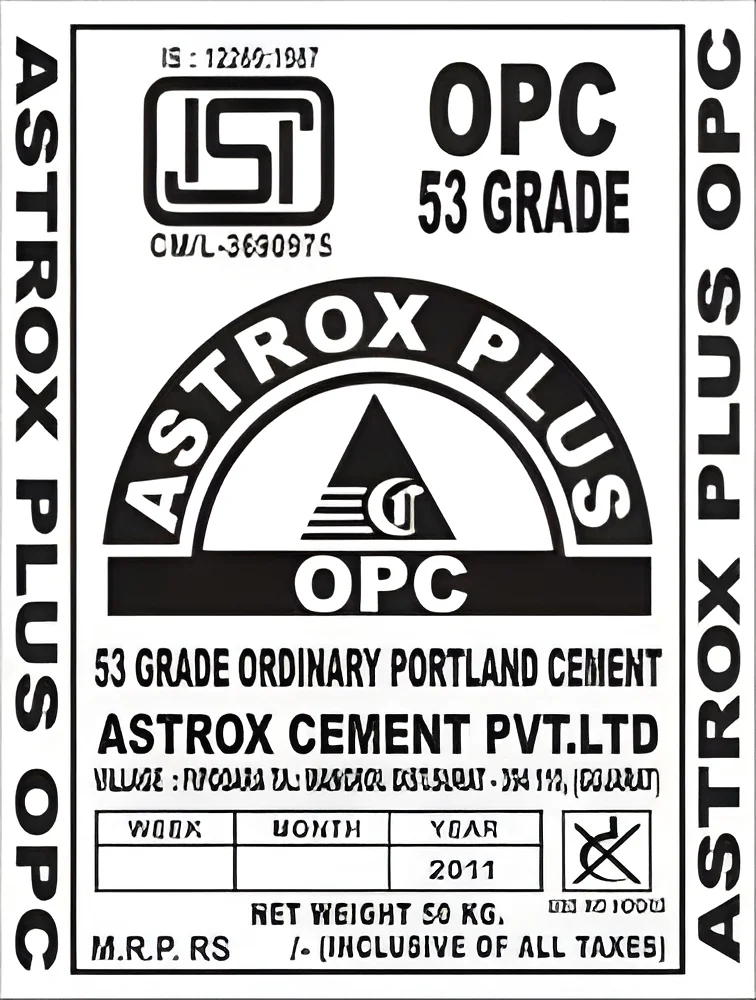
Ordinary Portland Cement (OPC): OPC is the most commonly used cement type. Its high compressive strength and fast setting time make it suitable for various structural applications, including residential and commercial buildings.
Portland Pozzolana Cement (PPC): PPC is designed to improve durability and reduce permeability. It is ideal for applications in aggressive environments, such as coastal areas, and is commonly used in infrastructure projects.
White Cement: This variant is distinguished by its bright white color, making it perfect for architectural and decorative applications. It is used in products like tiles, plaster, and precast concrete elements.
Benefits and Advantages
Cement products offer numerous benefits that make them essential in construction.
1. Strength and Durability: Cement provides high compressive strength, contributing to the longevity of structures.
2. Versatility: Different types of cement cater to a wide range of applications, making them adaptable to various project needs.
3. Aesthetic Appeal: White Cement enhances the visual quality of structures, making it ideal for decorative applications.
4. Resistance to Environmental Factors: PPC offers improved resistance to chemicals and environmental stress, ensuring the longevity of structures.
5. Quick Setting Properties: OPC allows for faster construction timelines due to its rapid setting characteristics.
6. Cost-Effectiveness: Various cement types can meet different budget requirements, providing options for cost-sensitive projects.
Buying Guide for B2B Buyers
When sourcing Cement (OPC, PPC, White Cement), several factors need consideration to ensure the right choice for projects.
1. Quality Assessment: Ensure the cement meets industry standards and specifications. Look for tests on compressive strength, setting time, and durability.
2. Supplier Verification: Vet suppliers for their reputation, quality control processes, and compliance with industry certifications.
3. Pricing and MOQ: Assess the pricing structure and minimum order quantities to ensure they align with your project budget and needs.
4. Delivery and Lead Times: Discuss logistics with suppliers to understand delivery schedules and lead times to avoid project delays.
5. Compliance Requirements: Confirm that the cement adheres to local regulations and standards to ensure project safety and legality.
Compliance and Certifications
Cement products are subject to various quality standards and certifications to ensure safety and reliability.
ISO 9001 is a globally recognized standard for quality management systems, ensuring that manufacturers maintain high-quality processes. Compliance with this standard indicates that the cement meets consistent quality benchmarks.
CE certification is essential for products marketed in Europe, indicating that the cement complies with European health, safety, and environmental protection standards.
Safety and testing requirements are crucial in cement production. Regular testing for compressive strength, setting time, and chemical composition is conducted to meet industry standards.
Regional compliance considerations may vary, so it is essential for businesses to understand local regulations that govern cement production and use. This ensures that their projects are compliant with local laws and regulations.
Why Source Cement (OPC, PPC, White Cement) from Pepagora?
Pepagora offers a trusted platform for sourcing Cement (OPC, PPC, White Cement), providing several key advantages.
Verified Supplier Network: Pepagora has established a network of verified suppliers who meet stringent quality standards. This ensures that buyers have access to reliable and high-quality cement products.
Streamlined RFQ Process: The platform provides a streamlined Request for Quotation (RFQ) system, making it easy for buyers to request quotes from multiple suppliers, compare prices, and make informed purchasing decisions.
Trade Assurance and Support: Pepagora offers trade assurance, protecting buyers from potential risks during transactions. This support fosters confidence in sourcing cement products through the platform.
Regional Coverage: With a strong presence in India, the GCC, and Southeast Asia, Pepagora ensures that buyers can access a wide range of cement products tailored to their regional needs. This geographic reach enhances the convenience of sourcing cement for various projects.


 India

 India
 India

 India
Frequently Asked Questions
What are Cement (OPC, PPC, White Cement)?
Cement (OPC, PPC, White Cement) refers to various types of cement used in construction. OPC stands for Ordinary Portland Cement, which is the most common type, while PPC denotes Portland Pozzolana Cement, which contains pozzolanic materials. White Cement is a type of cement that is produced using raw materials with low iron content, resulting in a white color.
What are the different types of Cement (OPC, PPC, White Cement)?
The primary types of Cement (OPC, PPC, White Cement) include Ordinary Portland Cement (OPC), Portland Pozzolana Cement (PPC), and White Cement. OPC is widely used for general construction purposes, PPC is known for its enhanced durability and resistance to chemical attacks, while White Cement is primarily utilized for architectural and aesthetic applications.
How do I choose the right Cement (OPC, PPC, White Cement)?
Choosing the right Cement (OPC, PPC, White Cement) depends on the specific requirements of your project. Consider factors such as the environmental conditions, structural design, and desired finish. Consulting with a civil engineer or construction expert can also help in making an informed decision.
What are the standard specifications for Cement (OPC, PPC, White Cement)?
Standard specifications for Cement (OPC, PPC, White Cement) are defined by the Bureau of Indian Standards (BIS). For example, OPC is categorized under IS 269, PPC under IS 1489, and White Cement under IS 8042. These specifications cover aspects such as strength, fineness, and chemical composition.
What is the price range for Cement (OPC, PPC, White Cement)?
The price range for Cement (OPC, PPC, White Cement) varies based on factors such as type, quality, and supplier. Generally, the prices can range from INR 300 to INR 600 per bag, but it is advisable to check current market rates for accurate pricing.
What quality standards apply to Cement (OPC, PPC, White Cement)?
Cement (OPC, PPC, White Cement) must meet quality standards set by the Bureau of Indian Standards (BIS). These standards include requirements for compressive strength, chemical composition, and consistency, ensuring that the cement performs effectively in construction applications.
Where can I find Cement (OPC, PPC, White Cement) suppliers in India?
You can find Cement (OPC, PPC, White Cement) suppliers in India through various online B2B marketplaces, including Pepagora. Additionally, local construction material suppliers and distributors can also provide information on available products and pricing.
Can Cement (OPC, PPC, White Cement) be customized?
Cement (OPC, PPC, White Cement) generally comes in standardized formulations; however, some manufacturers may offer customized blends for specific project requirements. It is advisable to discuss customization options with suppliers or manufacturers to meet your project needs.
What is the typical minimum order quantity for Cement (OPC, PPC, White Cement)?
The typical minimum order quantity (MOQ) for Cement (OPC, PPC, White Cement) varies by supplier and region. Generally, the MOQ can range from one ton to several tons, depending on the supplier's policy and the type of cement being ordered.
What is the typical lead time for Cement (OPC, PPC, White Cement)?
The typical lead time for Cement (OPC, PPC, White Cement) orders can range from a few days to several weeks, depending on the supplier's inventory and demand. It is recommended to confirm lead times with your supplier when placing an order.
Why Businesses Trust Pepagora
Thousands of companies trust Pepagora to source smarter and sell faster
Expand Your Sales Globally

Source Smarter,Grow Faster
