
 IN
Tool Room Equipment
849 products available
𝗪𝗵𝗮𝘁 𝗮𝗿𝗲 𝗧𝗼𝗼𝗹 𝗥𝗼𝗼𝗺 𝗘𝗾𝘂𝗶𝗽𝗺𝗲𝗻𝘁?
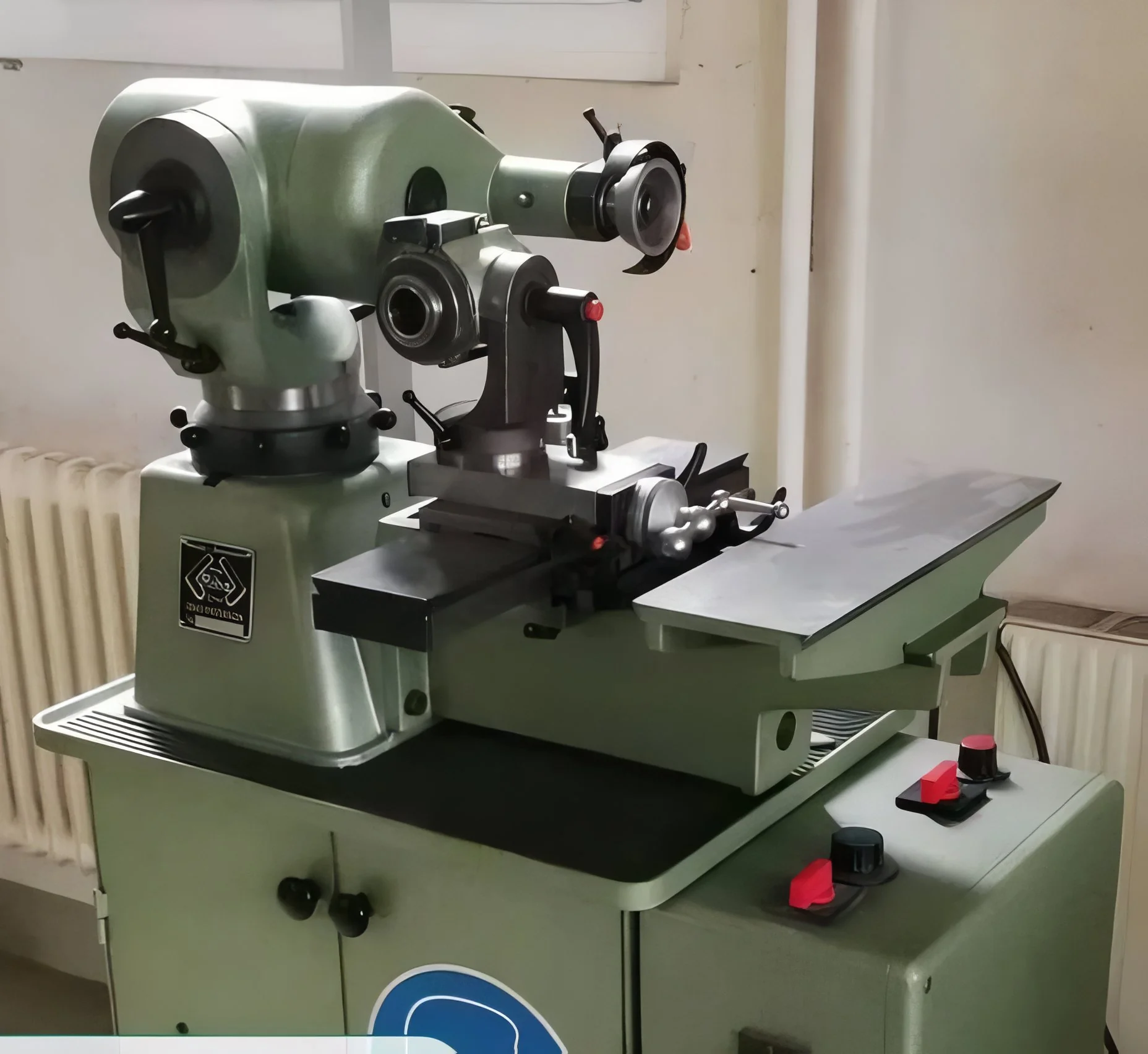
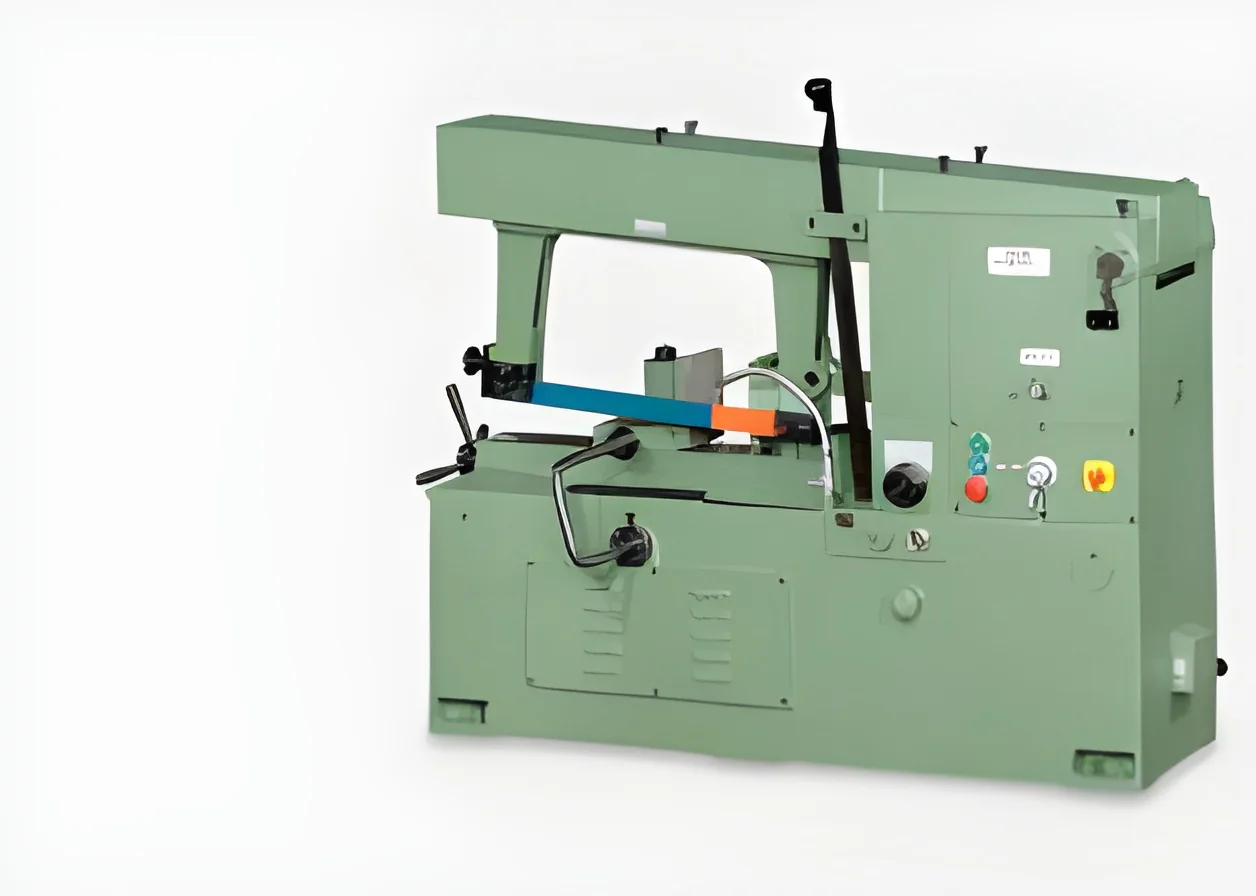
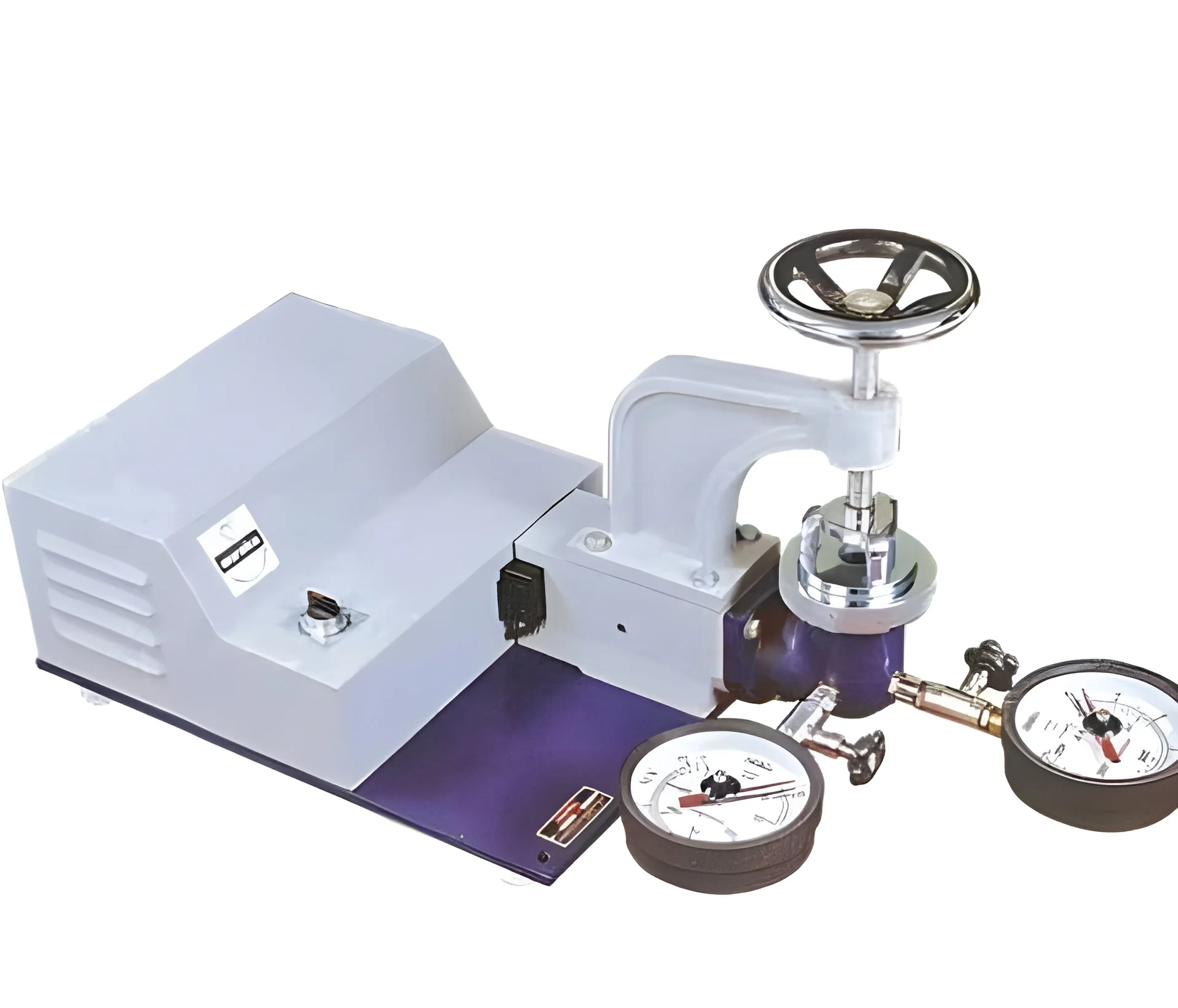
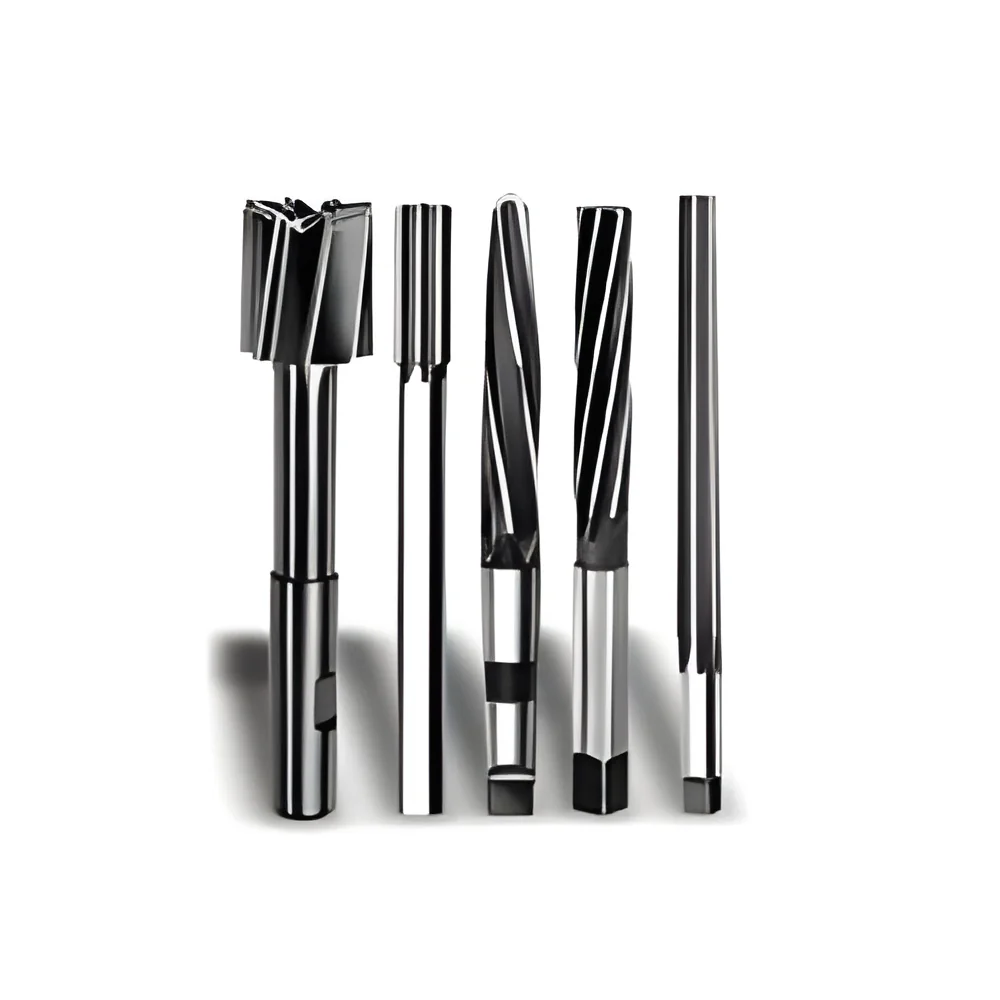
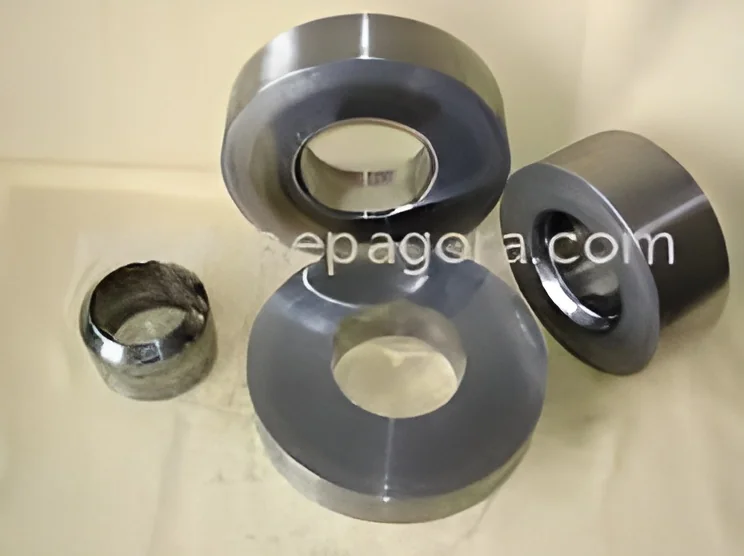
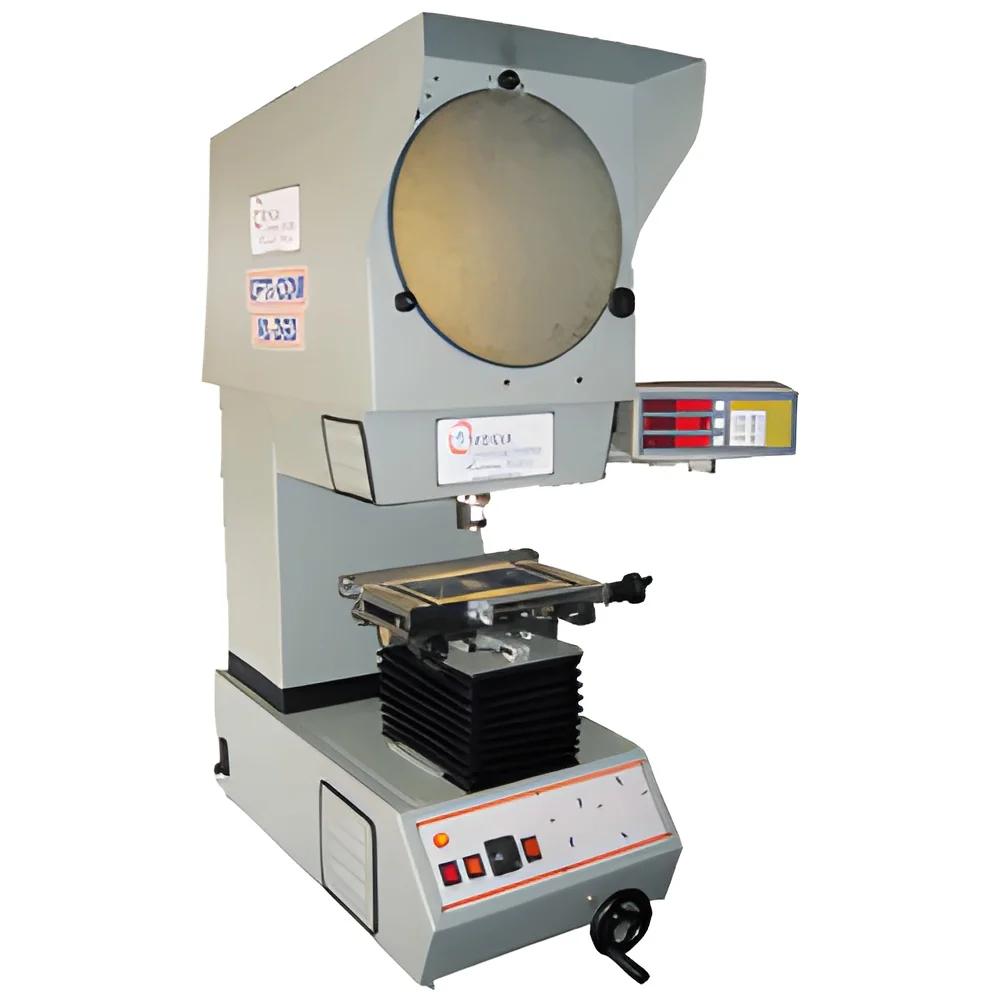
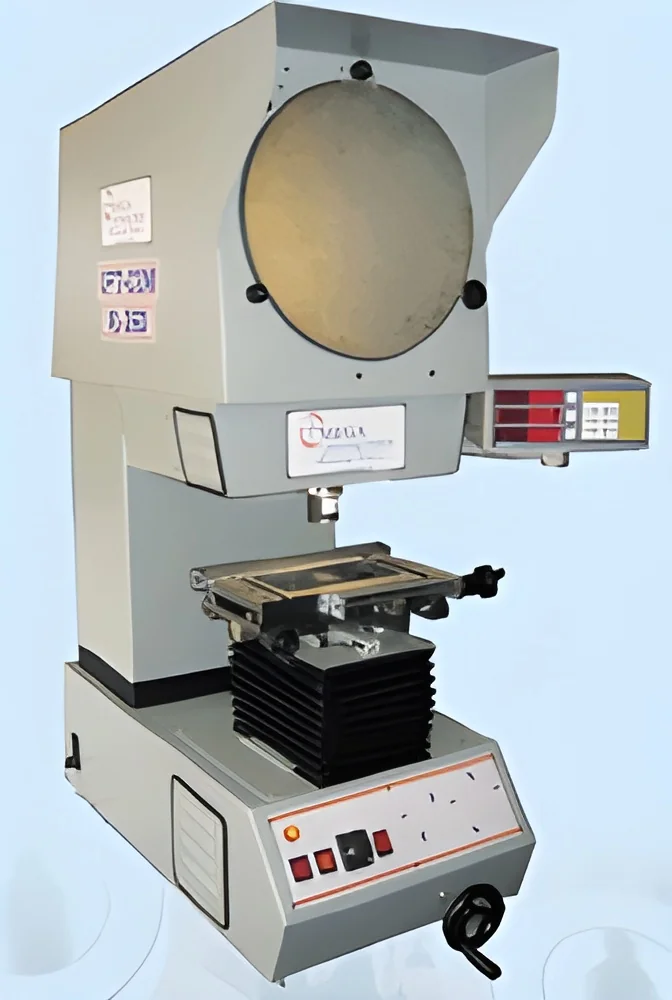
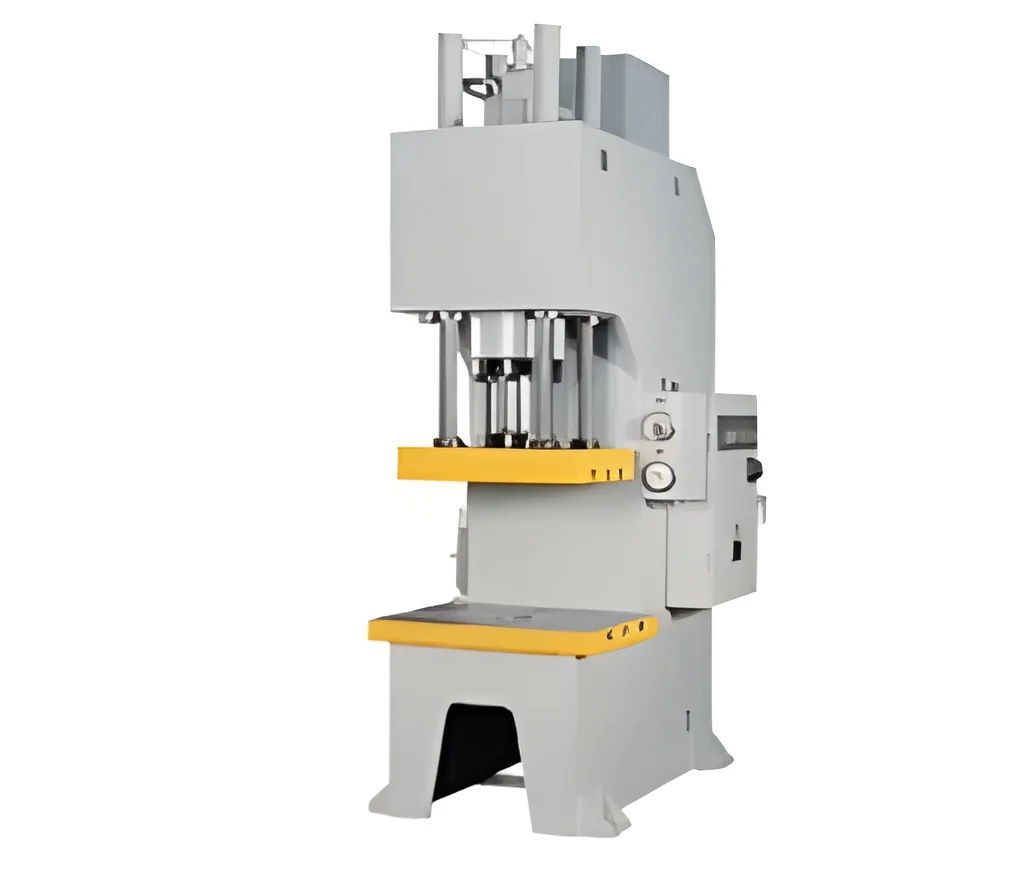
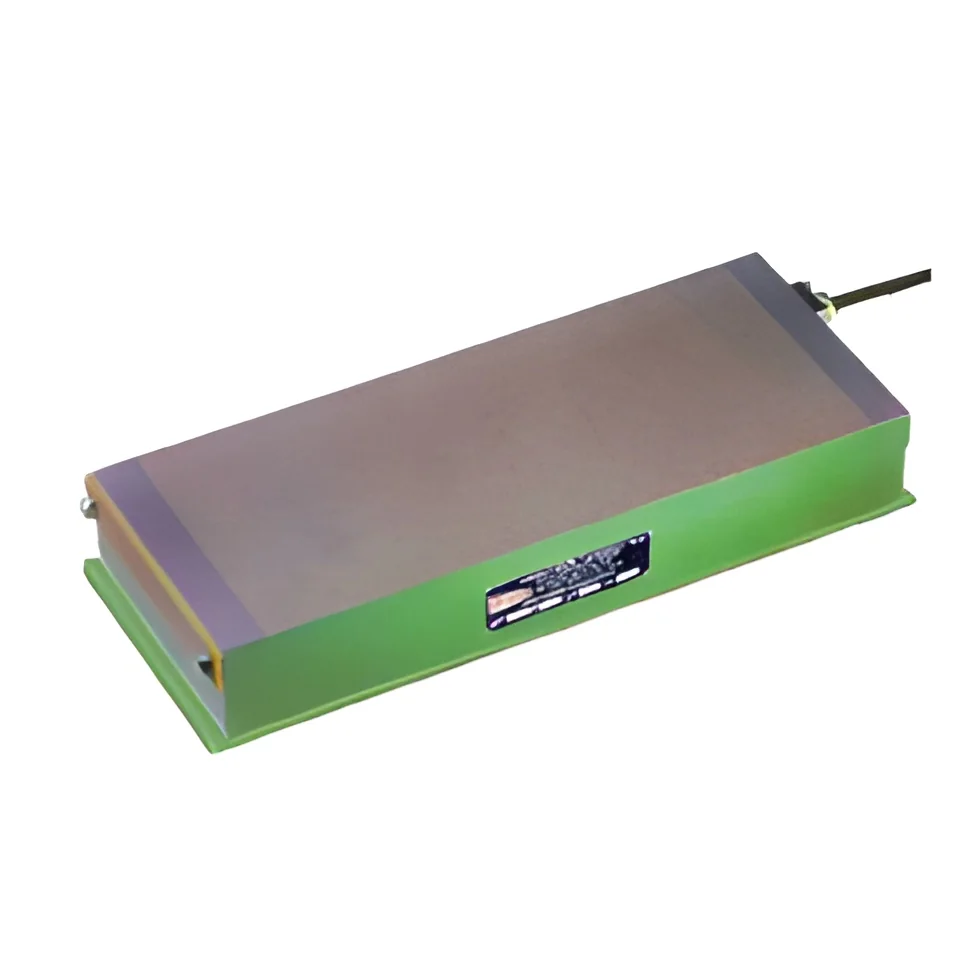
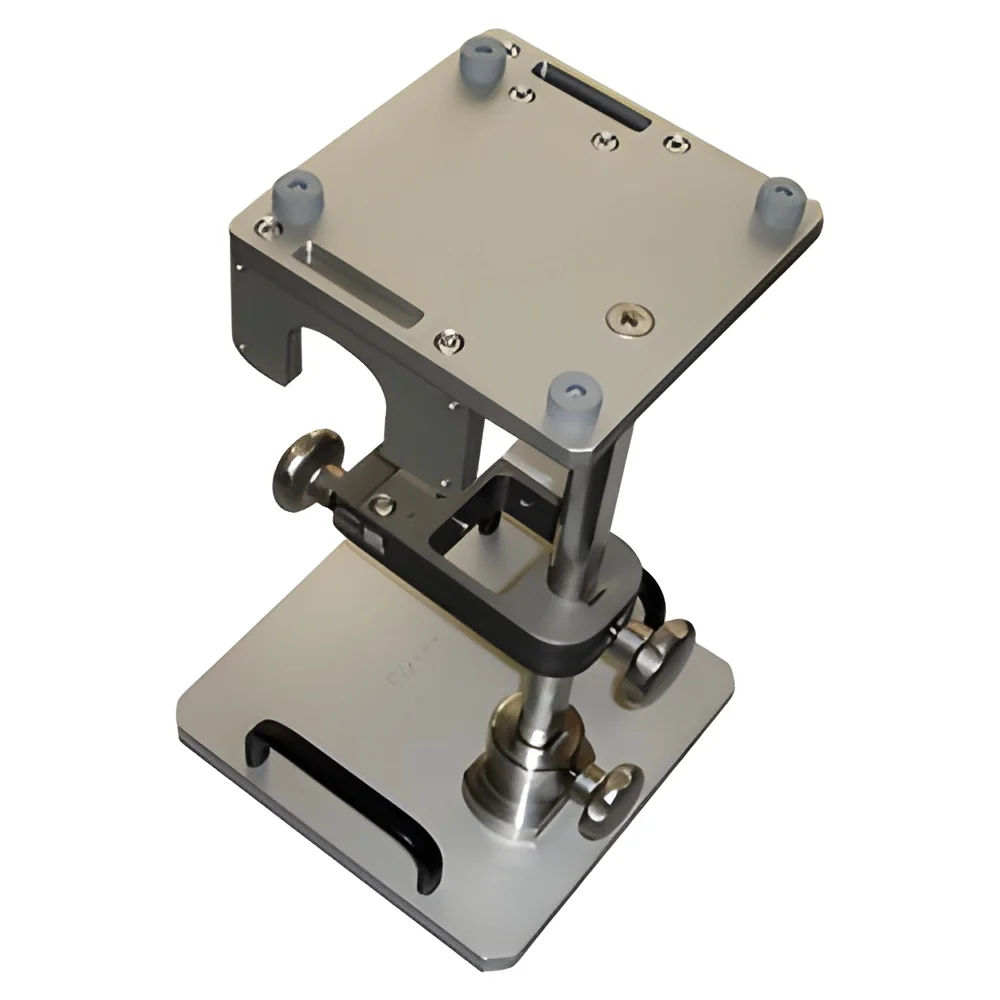
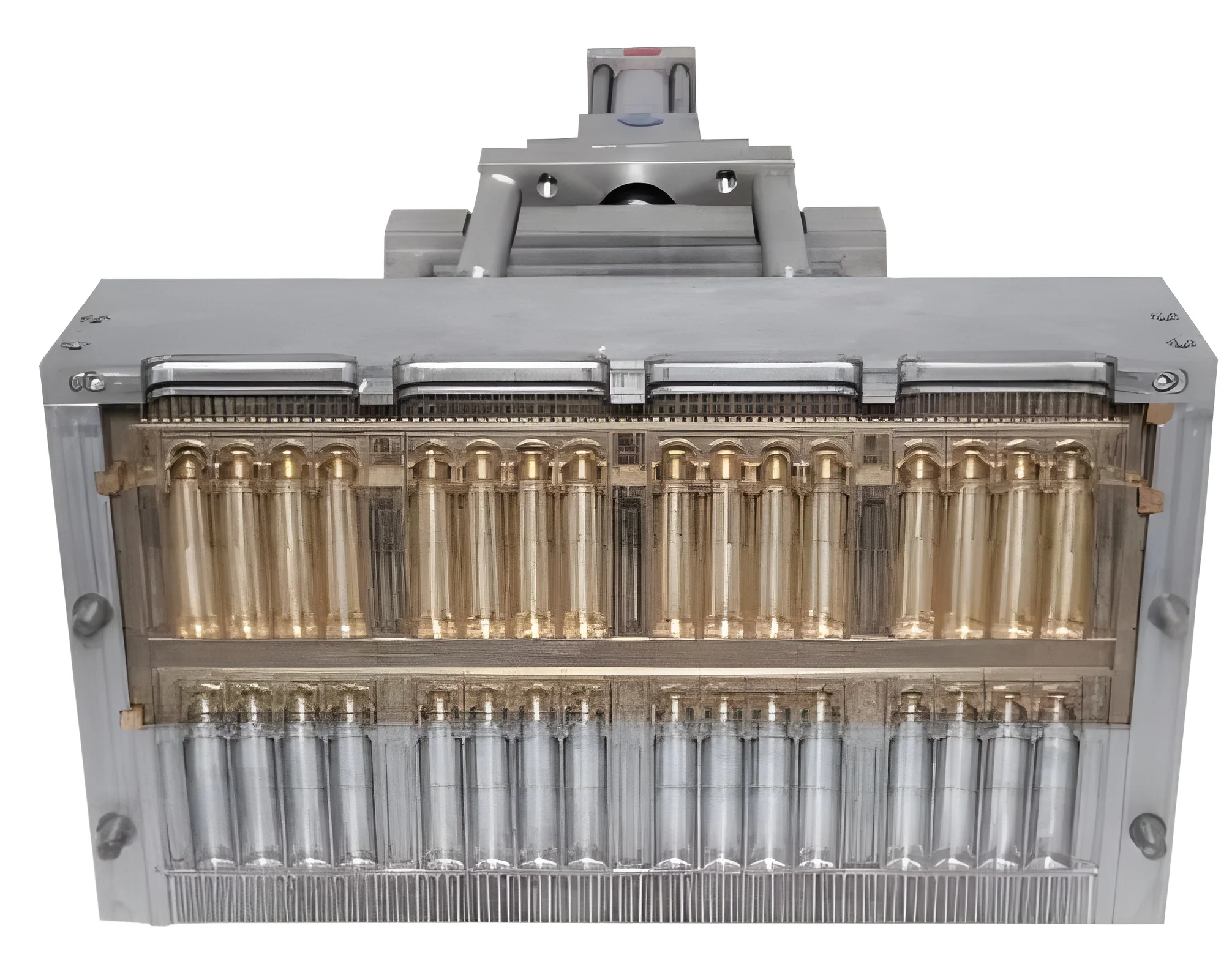
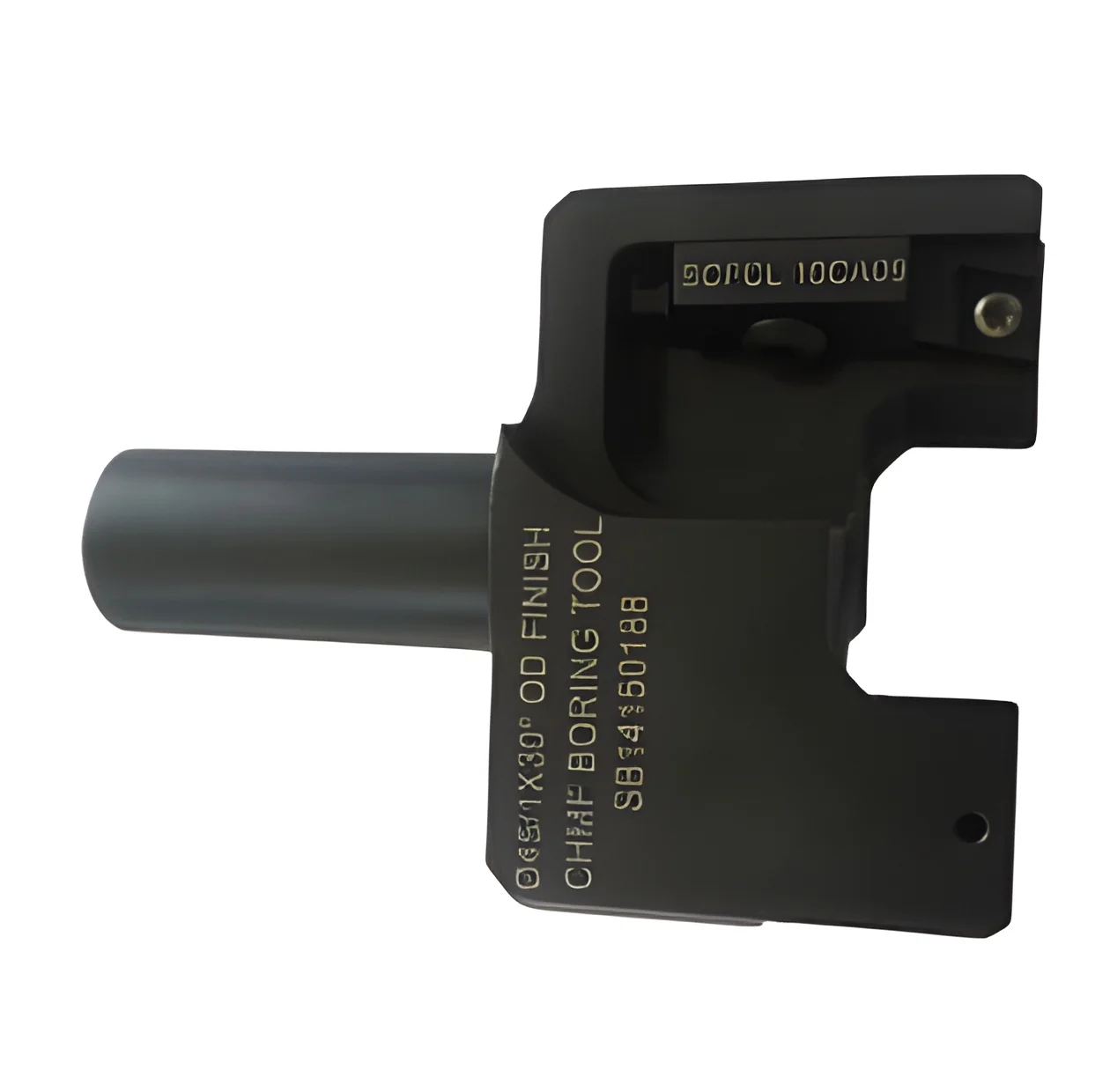
Tool room equipment refers to specialized machinery and tools used for the fabrication, repair, and maintenance of industrial components. Typically found in manufacturing and engineering environments, tool rooms serve as dedicated spaces equipped with essential equipment for precision machining, assembly, and tool storage. This equipment is crucial for producing high-quality parts and components that meet strict tolerances and specifications.
The primary uses of tool room equipment encompass a range of applications including cutting, shaping, and finishing metal and other materials. Businesses utilize this equipment to create prototypes, perform maintenance tasks, and manufacture small batches of components. Tool room equipment is particularly relevant in industries such as aerospace, automotive, and consumer goods, where precision and reliability are paramount. In the current market, demand for advanced tool room equipment continues to grow as industries focus on optimizing production efficiency and quality standards.
𝗞𝗲𝘆 𝗙𝗲𝗮𝘁𝘂𝗿𝗲𝘀 𝗮𝗻𝗱 𝗦𝗽𝗲𝗰𝗶𝗳𝗶𝗰𝗮𝘁𝗶𝗼𝗻𝘀
Tool room equipment boasts several features that enhance its functionality, precision, and durability. Understanding these specifications is essential for making informed purchasing decisions.
Key specifications include:
1. Precision Tolerance
- Typically within ±0.01 mm for machining equipment
- Ensures high-quality part production
2. Build Material
- Constructed from high-grade steel or aluminum
- Provides durability and resistance to wear
3. Power Requirements
- Operates on standard voltage ranges (e.g., 220V-240V)
- Compatible with various power supply systems
4. Weight Capacity
- Varies by equipment type; for instance, tool cabinets can hold up to 500 kg
- Essential for assessing storage solutions
5. Operating Speed
- Adjustable speeds depending on the machinery
- Allows for flexibility in machining processes
6. Safety Features
- Includes emergency stop buttons and protective guards
- Ensures operator safety during use
7. Automation Capability
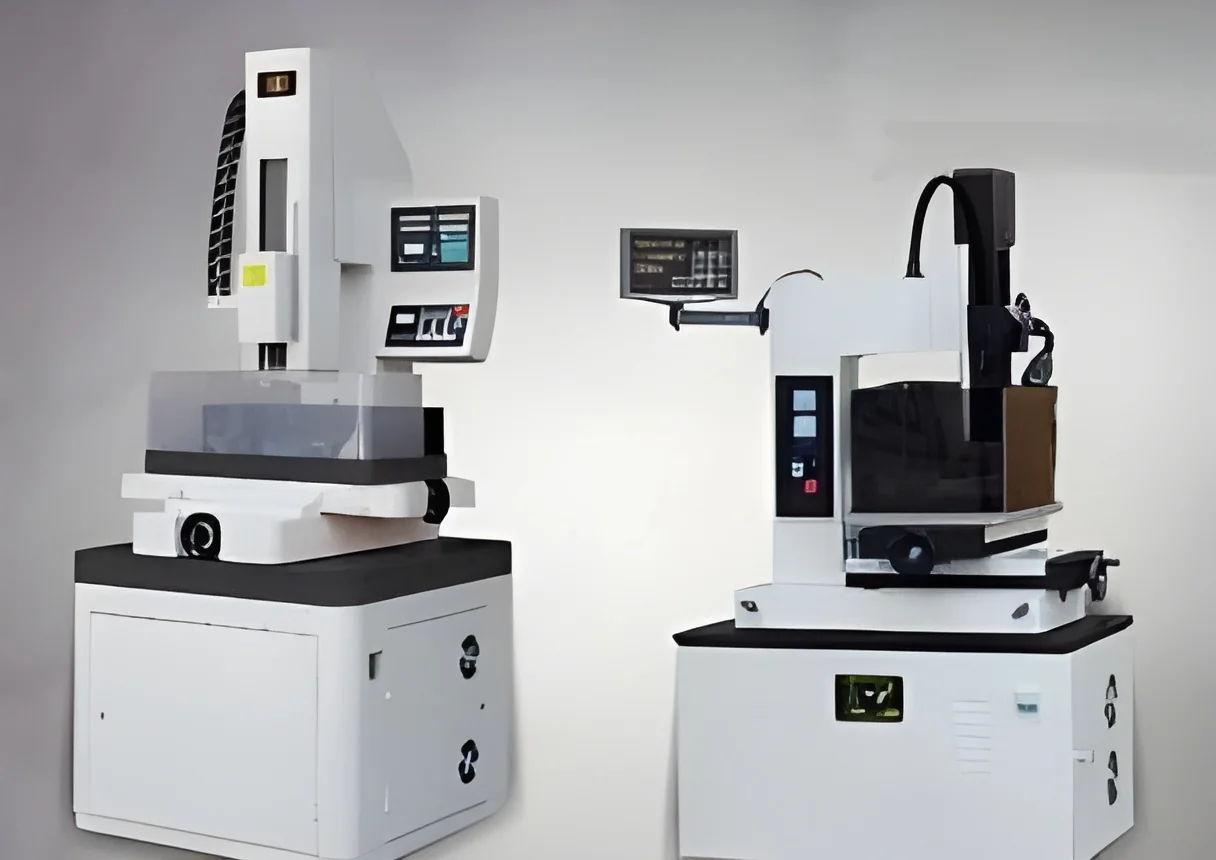
- Some machines offer CNC (Computer Numerical Control) options
- Increases efficiency and accuracy in production
8. Warranty Coverage
- Typically includes a 1-3 year warranty
- Provides assurance of product reliability
In summary, tool room equipment is designed to meet rigorous specifications that ensure efficiency, safety, and precision in various manufacturing processes.
𝗖𝗼𝗺𝗺𝗼𝗻 𝗔𝗽𝗽𝗹𝗶𝗰𝗮𝘁𝗶𝗼𝗻𝘀 𝗮𝗻𝗱 𝗨𝘀𝗲 𝗖𝗮𝘀𝗲𝘀
Tool room equipment serves various industries, providing critical support in numerous applications.
1. Aerospace: Tool rooms are used to manufacture components with high precision for aircraft and spacecraft, ensuring safety and compliance with industry standards.
2. Automotive: Equipment is utilized for producing engine parts, chassis components, and other vital systems, enhancing performance and durability in vehicles.
3. Electronics: Tool rooms create delicate components for electronic devices, requiring high precision and tight tolerances for functionality.
4. Medical Devices: Manufacturing processes involve producing highly regulated components for medical instruments, demanding strict adherence to quality standards.
5. Defense: Tool room equipment is essential for creating parts used in defense applications, where reliability and precision are crucial.
6. Consumer Goods: Equipment is used for manufacturing various products, from household items to complex machinery, impacting everyday life.
7. Construction: Tool rooms produce tools and machinery parts that are vital for construction projects, ensuring efficiency and structural integrity.
𝗣𝗿𝗼𝗱𝘂𝗰𝘁 𝗩𝗮𝗿𝗶𝗮𝗻𝘁𝘀 𝗮𝗻𝗱 𝗦𝘂𝗯𝗰𝗮𝘁𝗲𝗴𝗼𝗿𝗶𝗲𝘀
Tool room equipment includes a variety of products catering to different manufacturing needs. This diversity allows businesses to select the best tools for their specific applications.
CNC Machines
CNC machines are advanced tool room equipment that automate machining processes. They provide high precision and can be programmed for complex tasks, making them ideal for mass production and intricate designs.
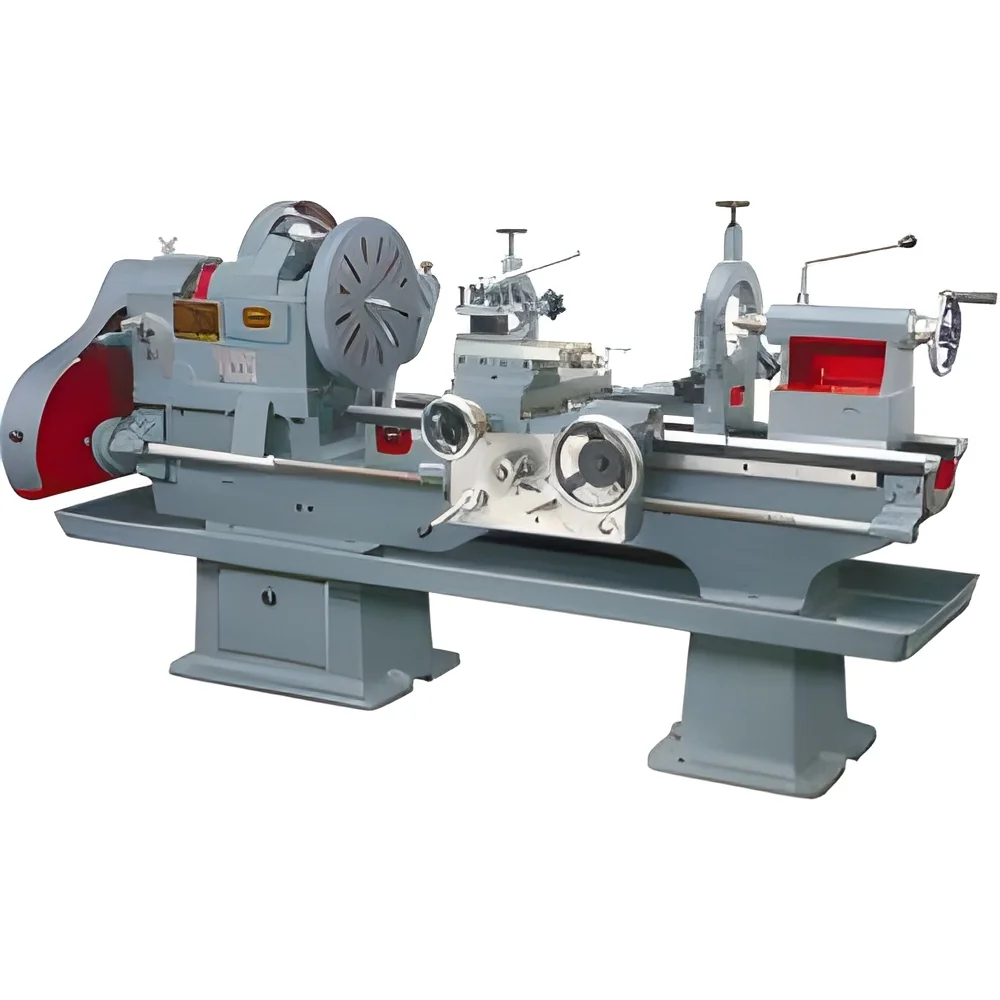
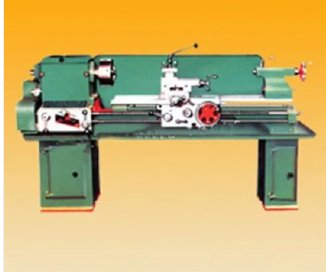
Lathes
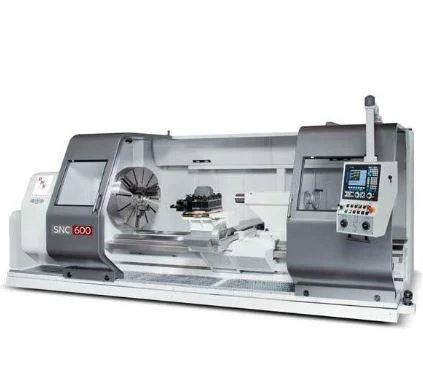
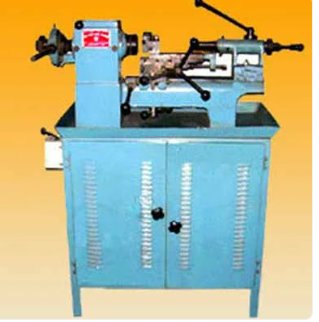
Lathes are versatile machines used for shaping materials by rotating them against cutting tools. They are commonly used in tool rooms for creating cylindrical components, ensuring accuracy and efficiency.
Milling Machines
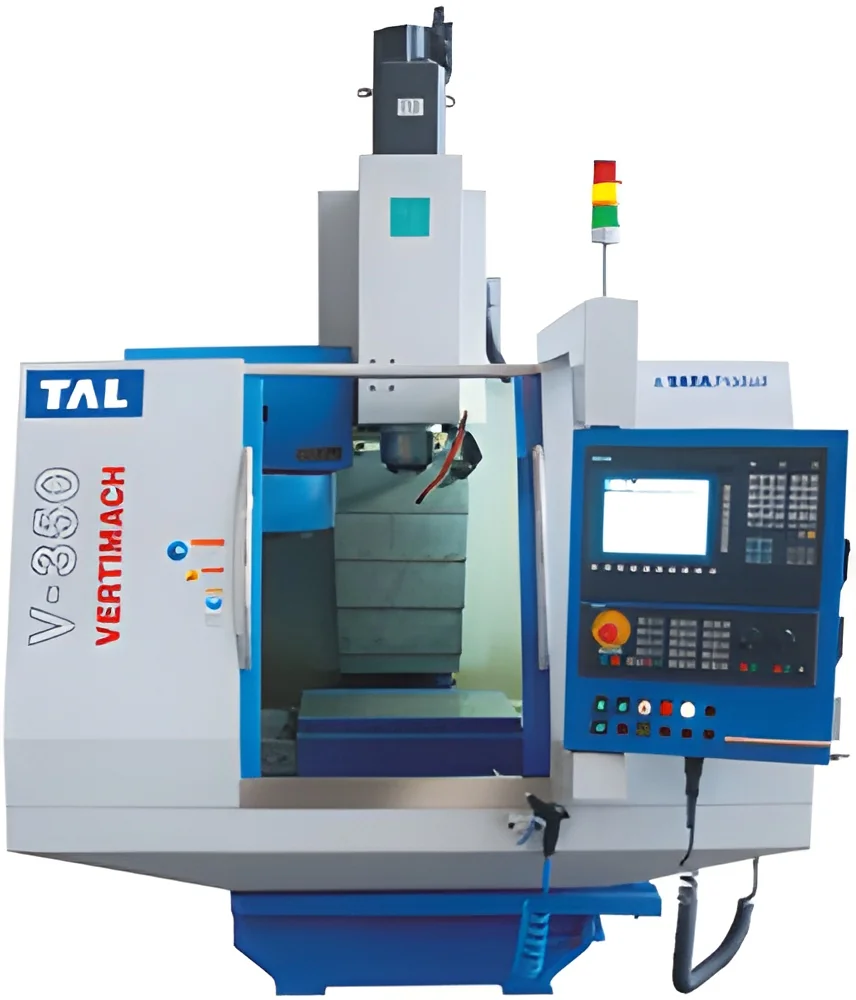
Milling machines are used to cut and shape materials using rotary cutters. They are essential in tool rooms for complex part production and are available in various configurations to suit different tasks.
Tool Cabinets
Tool cabinets provide organized storage for tools and equipment. They are designed to maximize space and enhance productivity by keeping essential items easily accessible.
𝗕𝗲𝗻𝗲𝗳𝗶𝘁𝘀 𝗮𝗻𝗱 𝗔𝗱𝘃𝗮𝗻𝘁𝗮𝗴𝗲𝘀
Investing in tool room equipment offers numerous benefits that enhance business operations.
1. Enhanced Precision: Tool room equipment is designed to achieve high levels of accuracy, reducing waste and improving product quality.
2. Increased Efficiency: Advanced machinery often incorporates automation, streamlining processes and reducing production time.
3. Versatility: A diverse range of equipment allows businesses to tackle various manufacturing tasks, making it easier to adapt to changing demands.
4. Cost-Effectiveness: High-quality tool room equipment reduces maintenance costs and extends the lifespan of tools, providing long-term savings.
5. Improved Safety: Modern equipment comes with safety features that protect operators, reducing the likelihood of accidents and injuries.
6. Compliance Assurance: Tool room equipment often meets industry standards, helping businesses maintain compliance with regulations.
𝗕𝘂𝘆𝗶𝗻𝗴 𝗚𝘂𝗶𝗱𝗲 𝗳𝗼𝗿 𝗕𝟮𝗕 𝗕𝘂𝘆𝗲𝗿𝘀
When sourcing tool room equipment, several factors should be considered to ensure the best purchasing decision.
1. Quality Assessment: Evaluate equipment based on quality standards and performance history. Look for products that have a proven track record of reliability.
2. Supplier Verification: Vet suppliers to ensure they are reputable and provide high-quality equipment. Check for references and reviews from previous buyers.
3. Pricing and MOQ: Understand the cost structure and minimum order quantities (MOQ) of the equipment. Compare prices across different suppliers to find the best deal.
4. Delivery and Lead Times: Consider the logistics involved in shipping and delivery. Ensure that suppliers can meet your timeline requirements.
5. Compliance Requirements: Be aware of any regulatory standards that your equipment must meet. Ensure that the suppliers provide documentation for compliance.
𝗖𝗼𝗺𝗽𝗹𝗶𝗮𝗻𝗰𝗲 𝗮𝗻𝗱 𝗖𝗲𝗿𝘁𝗶𝗳𝗶𝗰𝗮𝘁𝗶𝗼𝗻𝘀
Tool room equipment must adhere to various quality standards and certifications to ensure safety and reliability.
ISO 9001 is a widely recognized quality management standard that helps organizations ensure consistent quality in their products and services. Equipment that meets this standard demonstrates a commitment to quality.
CE certification indicates that the equipment complies with European safety, health, and environmental protection standards. This certification is critical for businesses looking to enter the European market.
Safety and testing requirements are integral to the manufacturing process, ensuring that equipment operates safely and effectively. Regular testing and adherence to safety protocols are essential for maintaining operational integrity.
Regional compliance considerations may vary, so it is crucial for businesses to understand the specific regulations applicable in their operating regions.
𝗪𝗵𝘆 𝗦𝗼𝘂𝗿𝗰𝗲 𝗧𝗼𝗼𝗹 𝗥𝗼𝗼𝗺 𝗘𝗾𝘂𝗶𝗽𝗺𝗲𝗻𝘁 𝗳𝗿𝗼𝗺 𝗣𝗲𝗽𝗮𝗴𝗼𝗿𝗮?
Pepagora provides a trusted platform for sourcing tool room equipment with several key advantages.
Verified Supplier Network: Pepagora connects buyers with a network of verified suppliers. This ensures that businesses can source quality equipment from reputable manufacturers.
Streamlined RFQ Process: The platform simplifies the request for quotation (RFQ) process, allowing buyers to receive competitive pricing and terms from multiple suppliers quickly.
Trade Assurance and Support: Pepagora offers trade assurance that protects buyers during transactions. This support helps mitigate risks and fosters trust in supplier relationships.
Regional Coverage: With a strong presence in India, the GCC, and Southeast Asia, Pepagora caters to a wide geographic range, making it easier for businesses to source tool room equipment tailored to their specific needs.







Frequently Asked Questions
What are Tool Room Equipment?
Tool Room Equipment refers to a variety of machines and tools used in the manufacturing and machining processes. These equipment are essential for precision engineering tasks, including tool making, maintenance, and production of components.
What are the different types of Tool Room Equipment?
Different types of Tool Room Equipment include milling machines, lathes, grinders, drills, and CNC machines. Each type serves specific functions in the manufacturing process, ensuring accuracy and efficiency in production.
How do I choose the right Tool Room Equipment?
Choosing the right Tool Room Equipment involves assessing your specific manufacturing needs, production volume, and budget. It is also important to consider the equipment's specifications, brand reputation, and after-sales support.
What are the standard specifications for Tool Room Equipment?
Standard specifications for Tool Room Equipment typically include accuracy levels, power ratings, and operational dimensions. Additionally, features such as spindle speed, tool capacity, and control systems are also critical specifications to consider.
What is the price range for Tool Room Equipment?
The price range for Tool Room Equipment can vary significantly based on the type, brand, and specifications. Generally, prices can start from a few thousand rupees for basic tools to several lakhs for advanced CNC machines.
What quality standards apply to Tool Room Equipment?
Quality standards for Tool Room Equipment often include ISO certifications and adherence to specific industry regulations. These standards ensure that the equipment meets performance, safety, and reliability criteria.
Where can I find Tool Room Equipment suppliers in India?
You can find Tool Room Equipment suppliers in India through various online B2B marketplaces, trade shows, and industry directories. Websites like Pepagora.com provide a platform to connect with reputable manufacturers and suppliers.
Can Tool Room Equipment be customized?
Yes, many manufacturers offer customization options for Tool Room Equipment to meet specific operational requirements. Customization can include modifications in size, features, and additional functionalities.
What is the typical minimum order quantity for Tool Room Equipment?
The typical minimum order quantity (MOQ) for Tool Room Equipment can vary by supplier and product type. Generally, MOQs can range from a single unit for certain tools to multiple units for larger machinery.
What is the typical lead time for Tool Room Equipment?
The typical lead time for Tool Room Equipment depends on factors such as the type of equipment, customization requests, and supplier location. Generally, lead times can range from a few weeks to several months.
Why Businesses Trust Pepagora
Thousands of companies trust Pepagora to source smarter and sell faster
Expand Your Sales Globally

Source Smarter,Grow Faster
