𝗪𝗵𝗮𝘁 𝗮𝗿𝗲 𝗣𝗼𝘂𝗹𝘁𝗿𝘆 𝗙𝗮𝗿𝗺𝗶𝗻𝗴 𝗘𝗾𝘂𝗶𝗽𝗺𝗲𝗻𝘁?
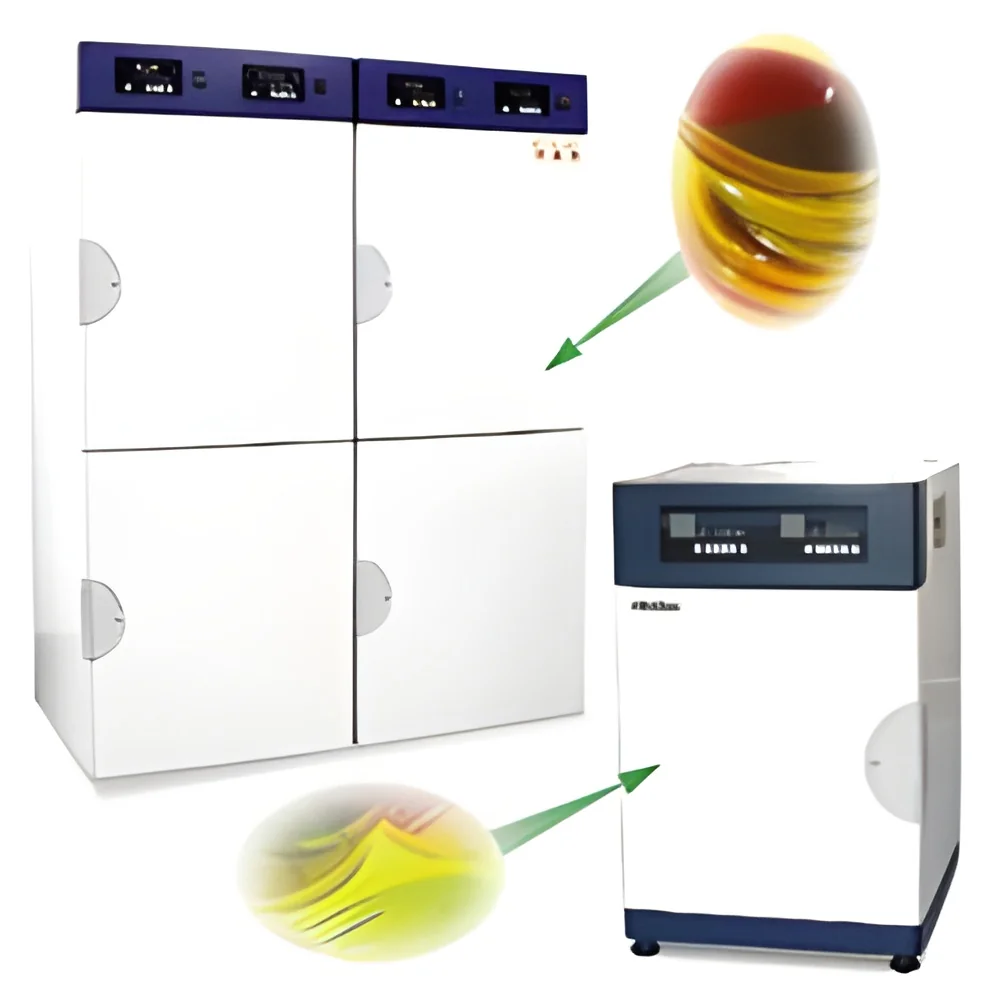
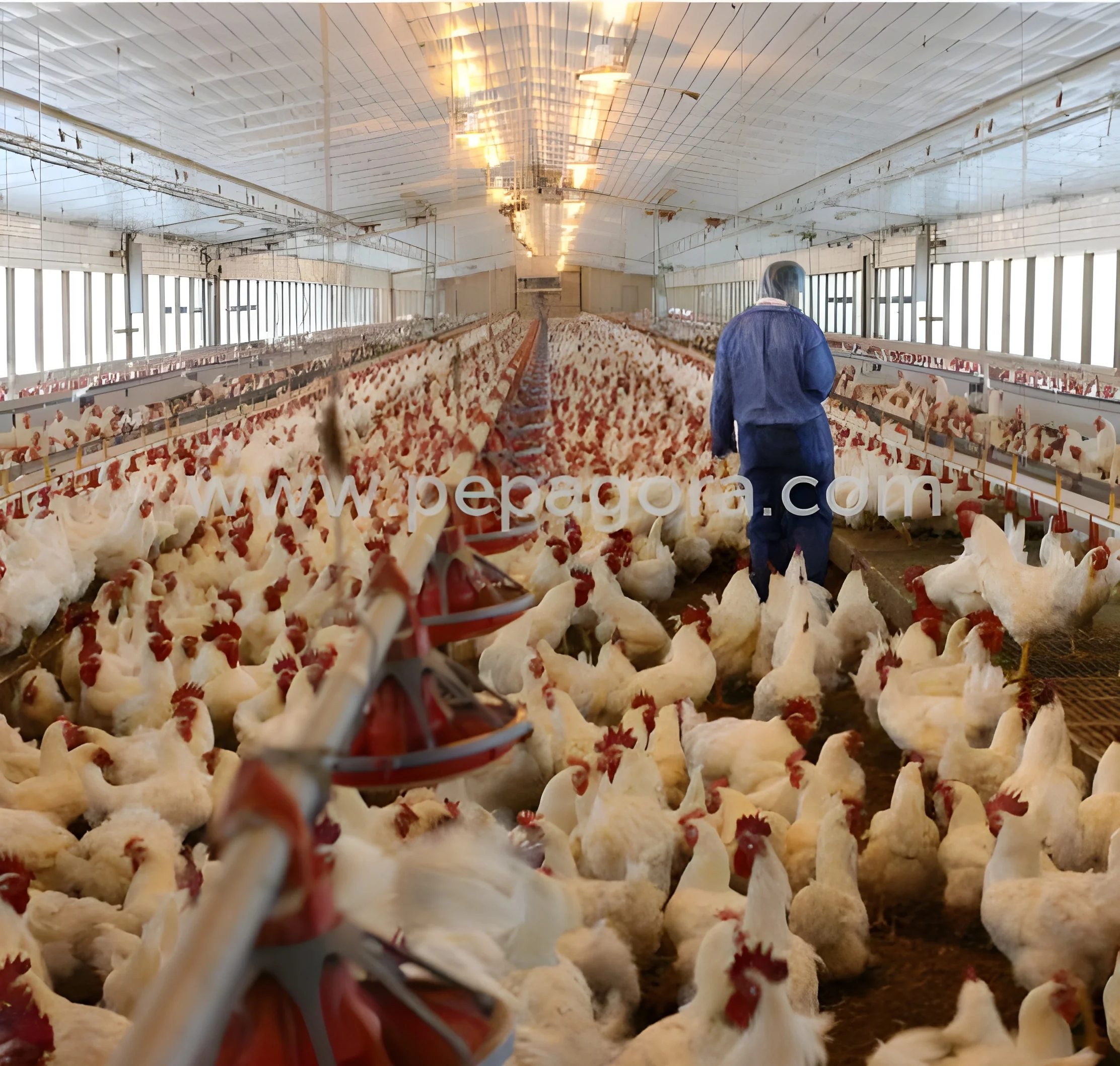
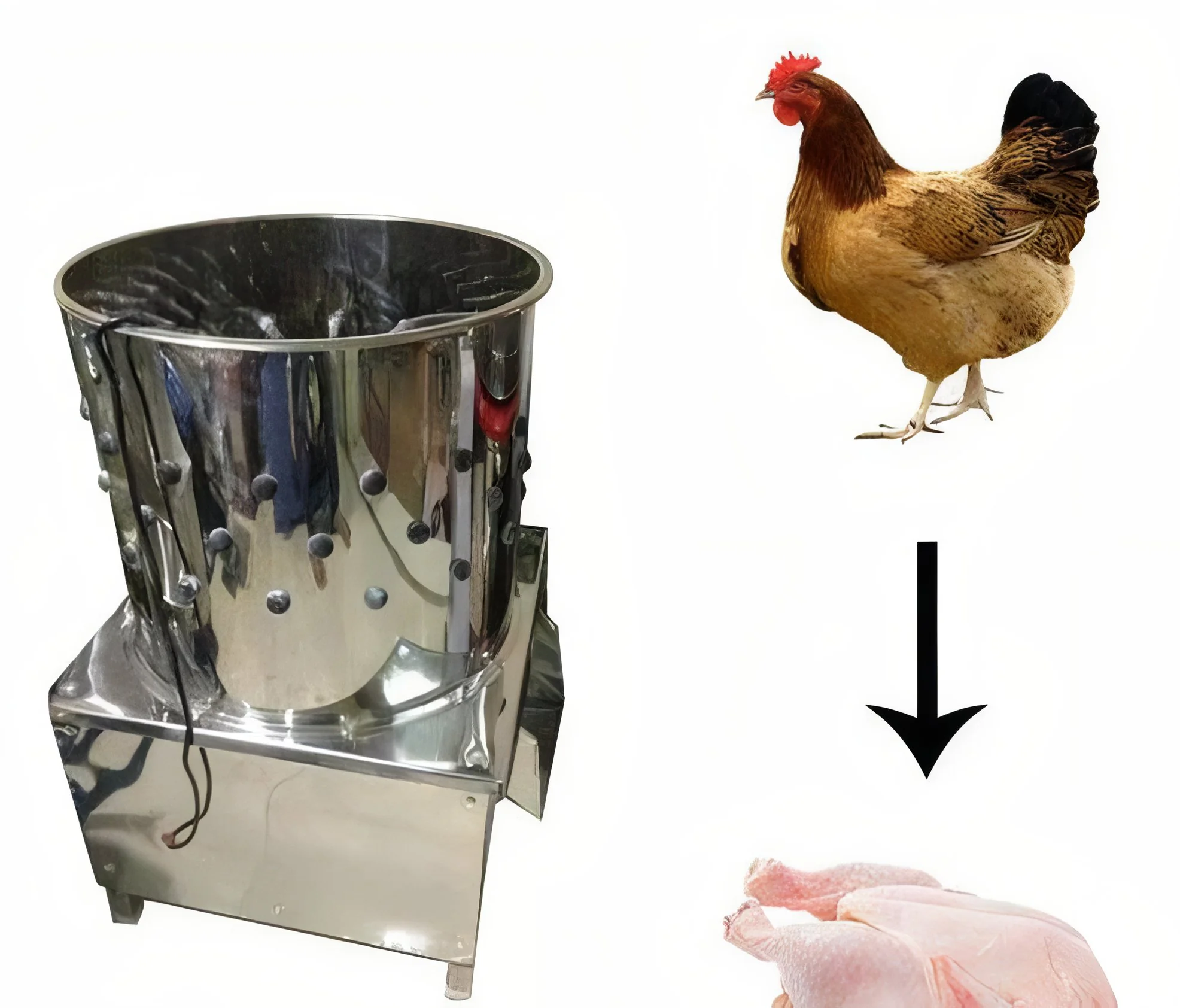
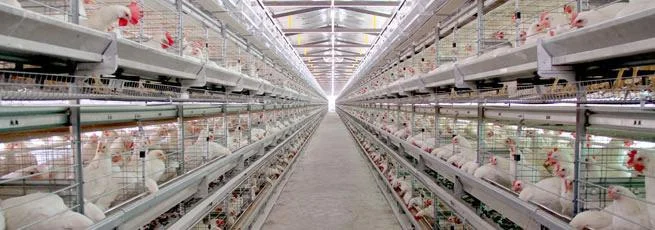
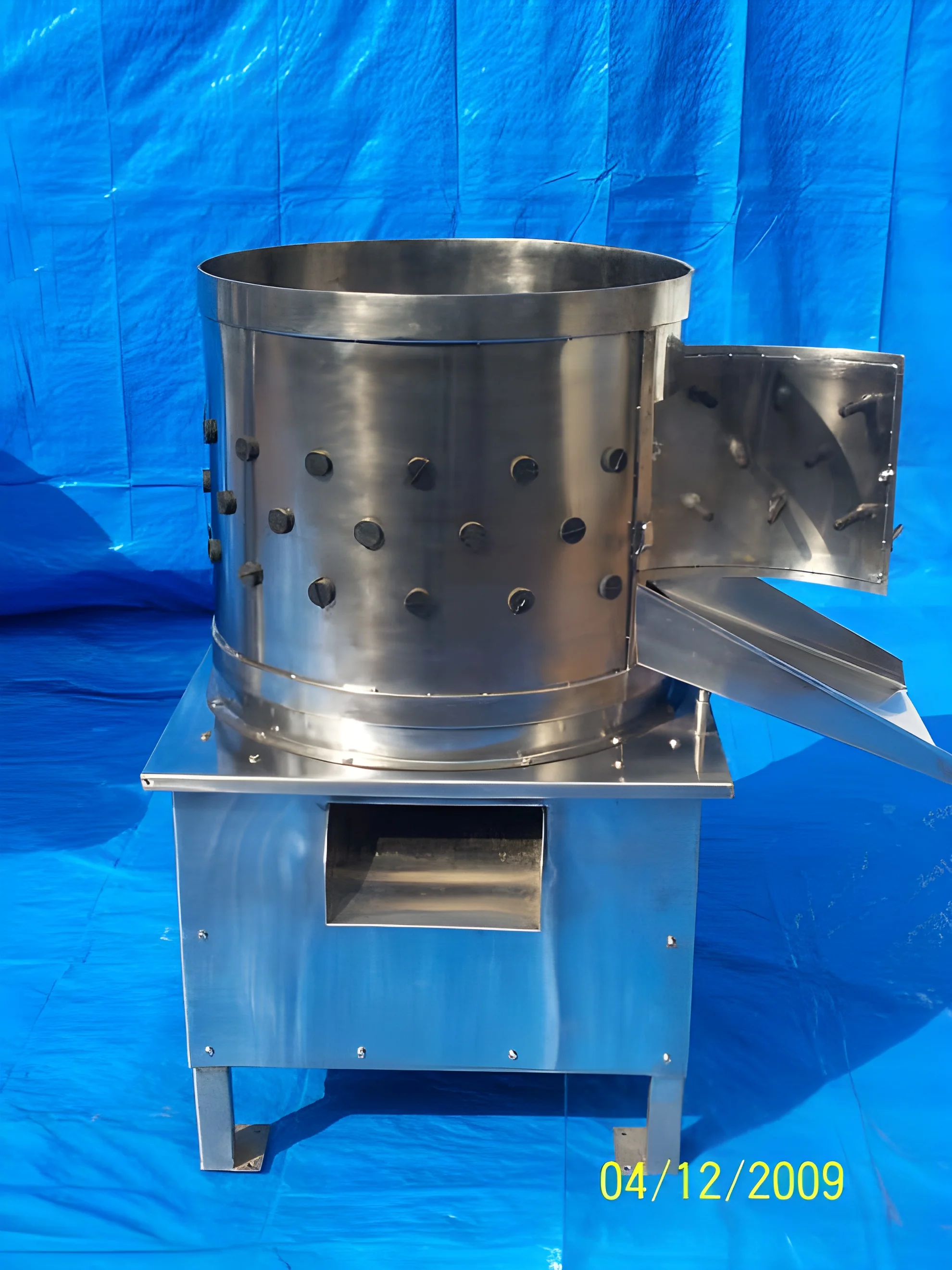
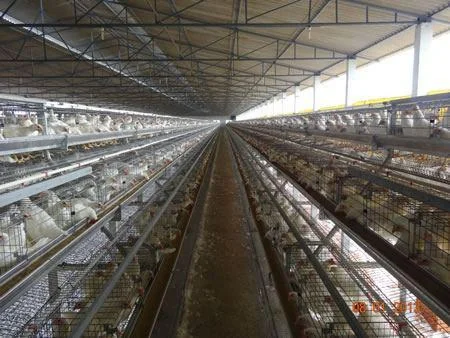
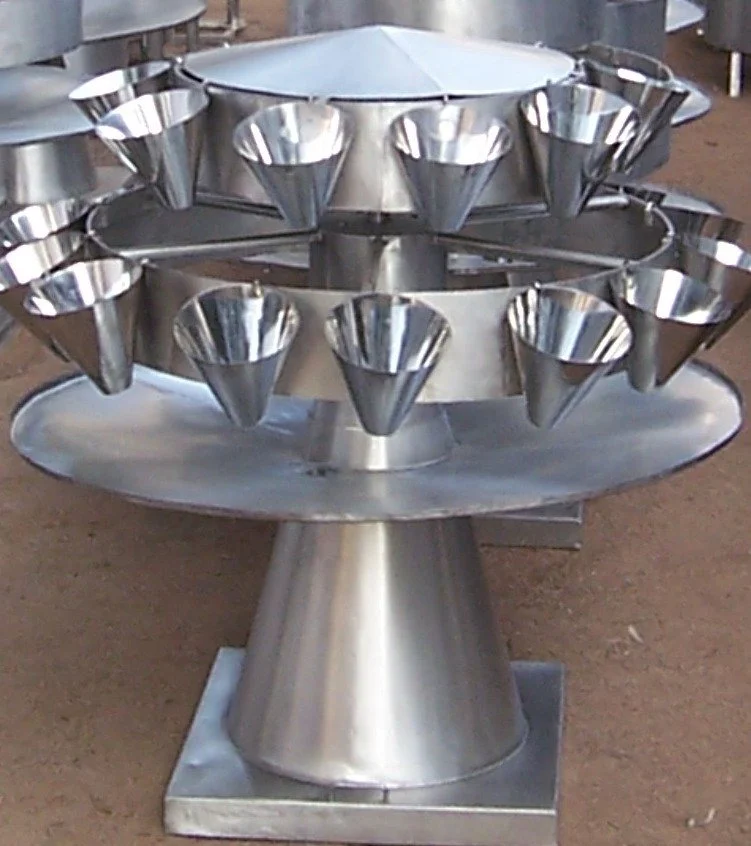
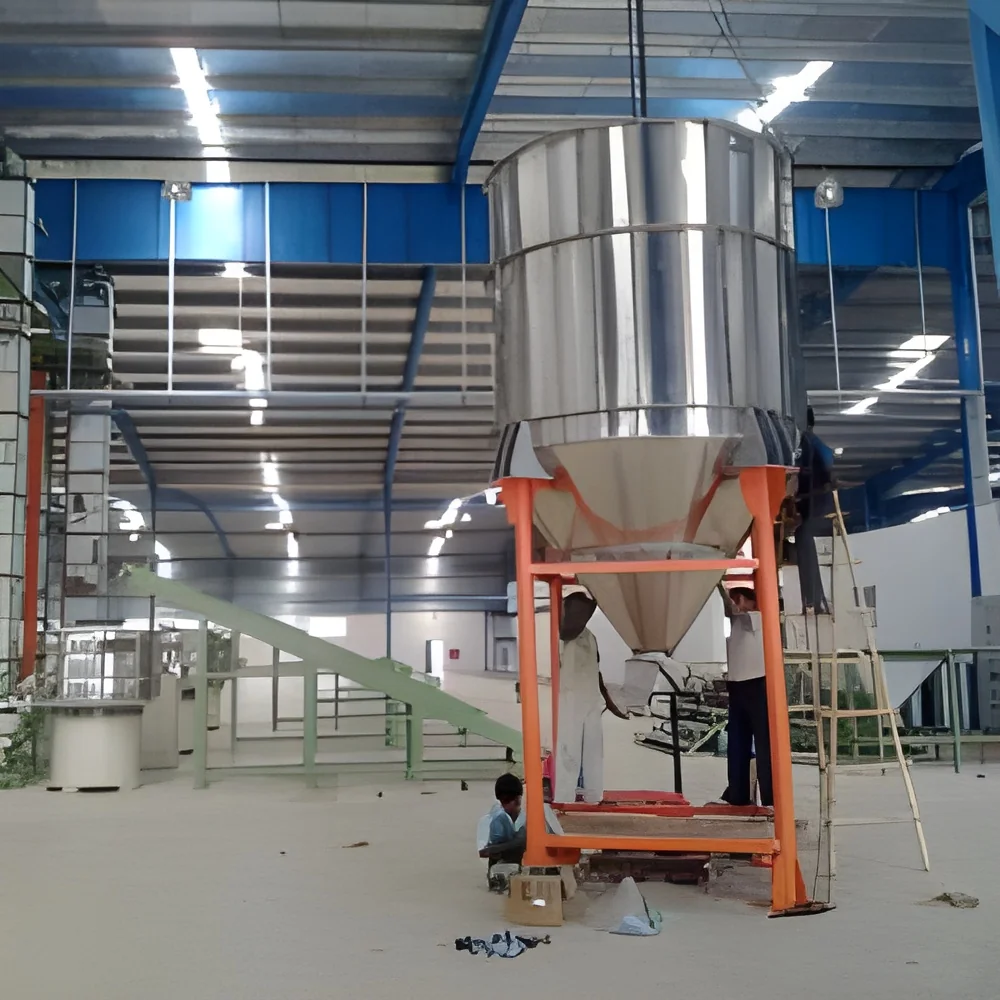
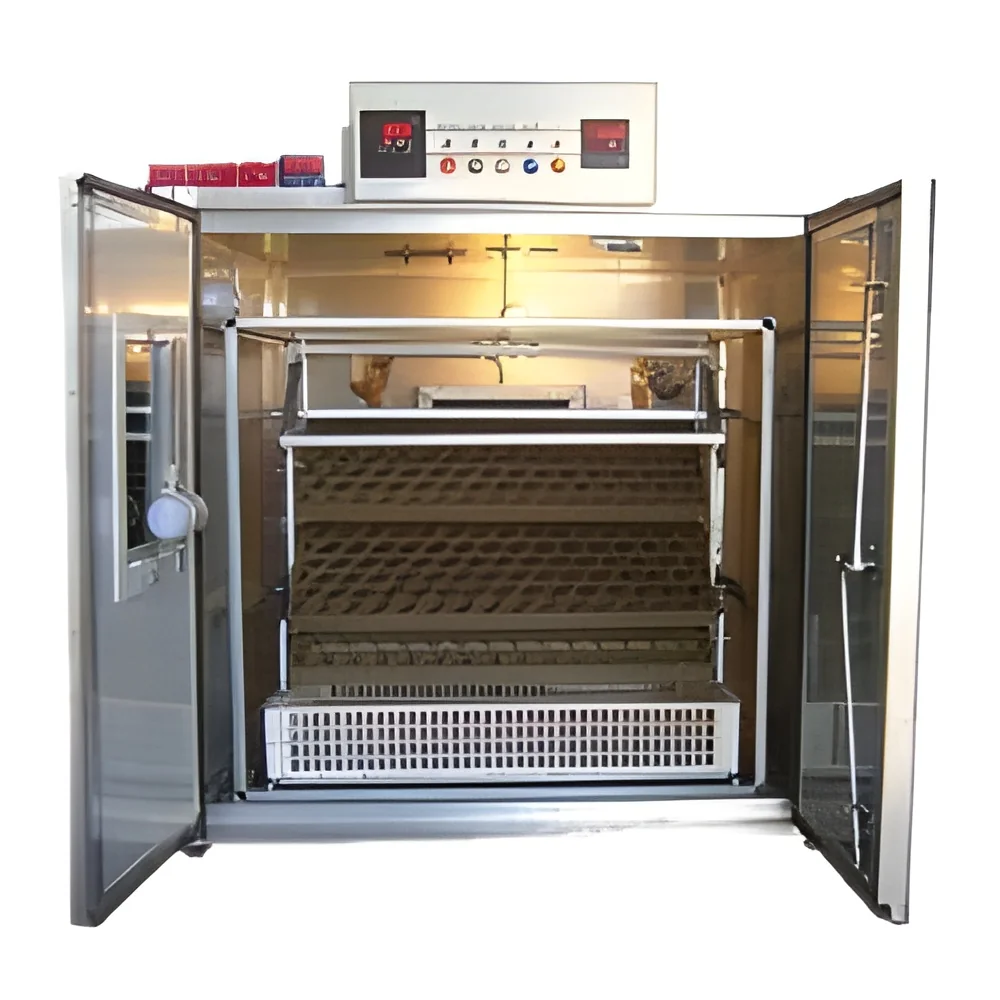
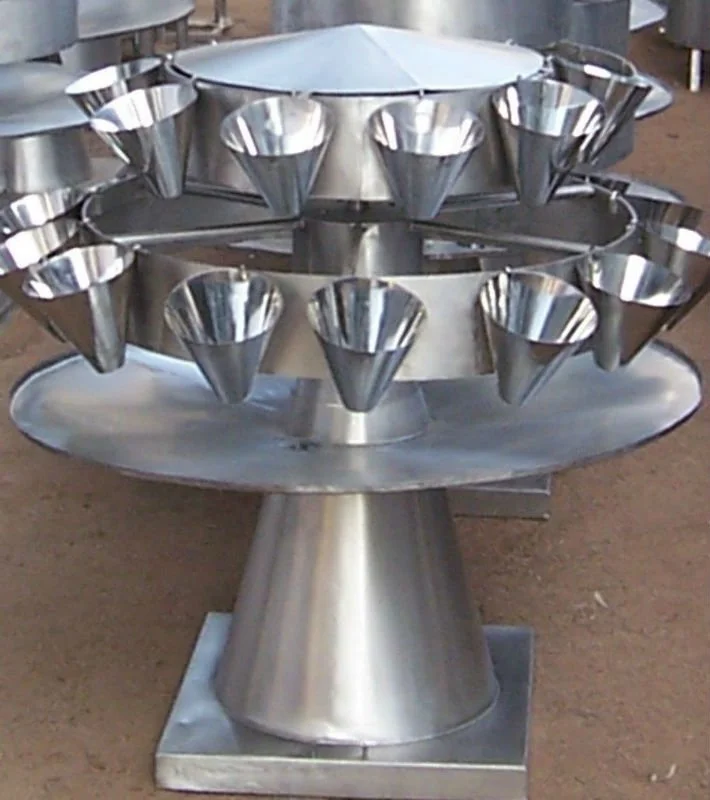
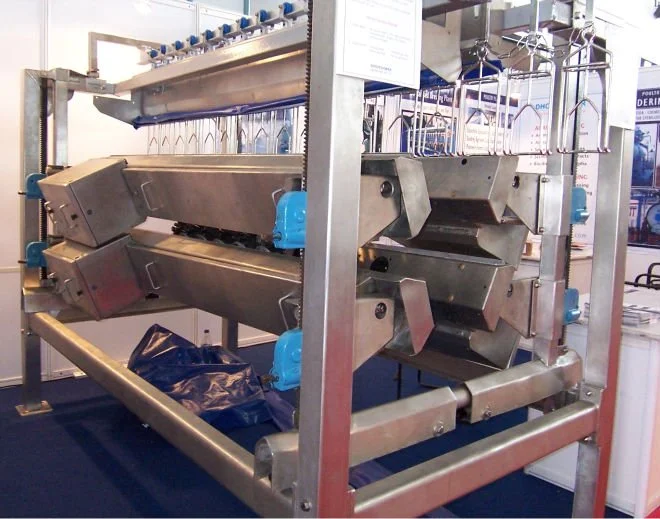
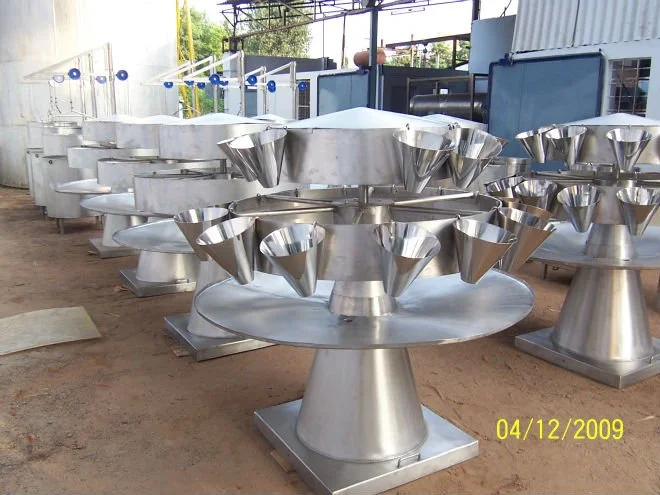
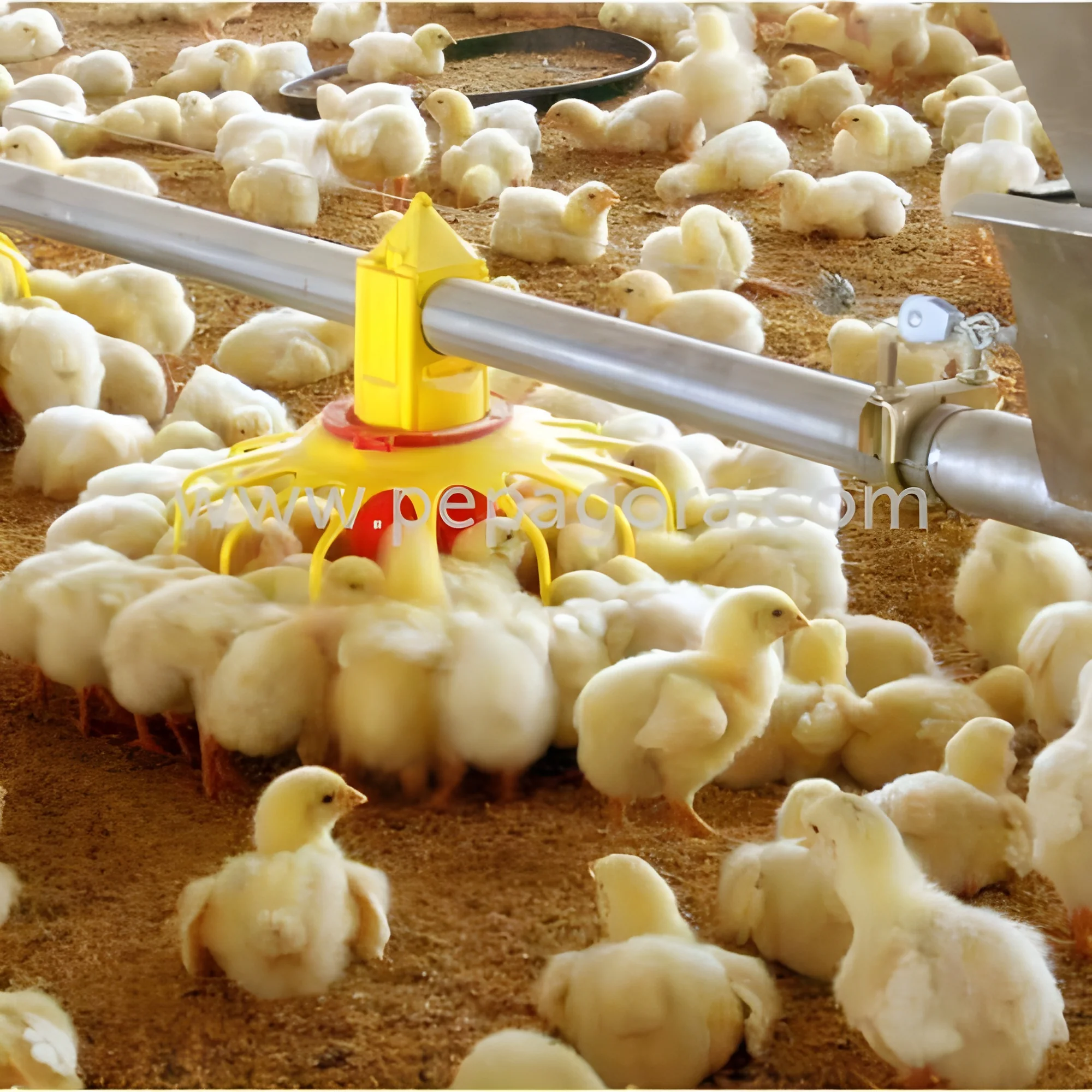
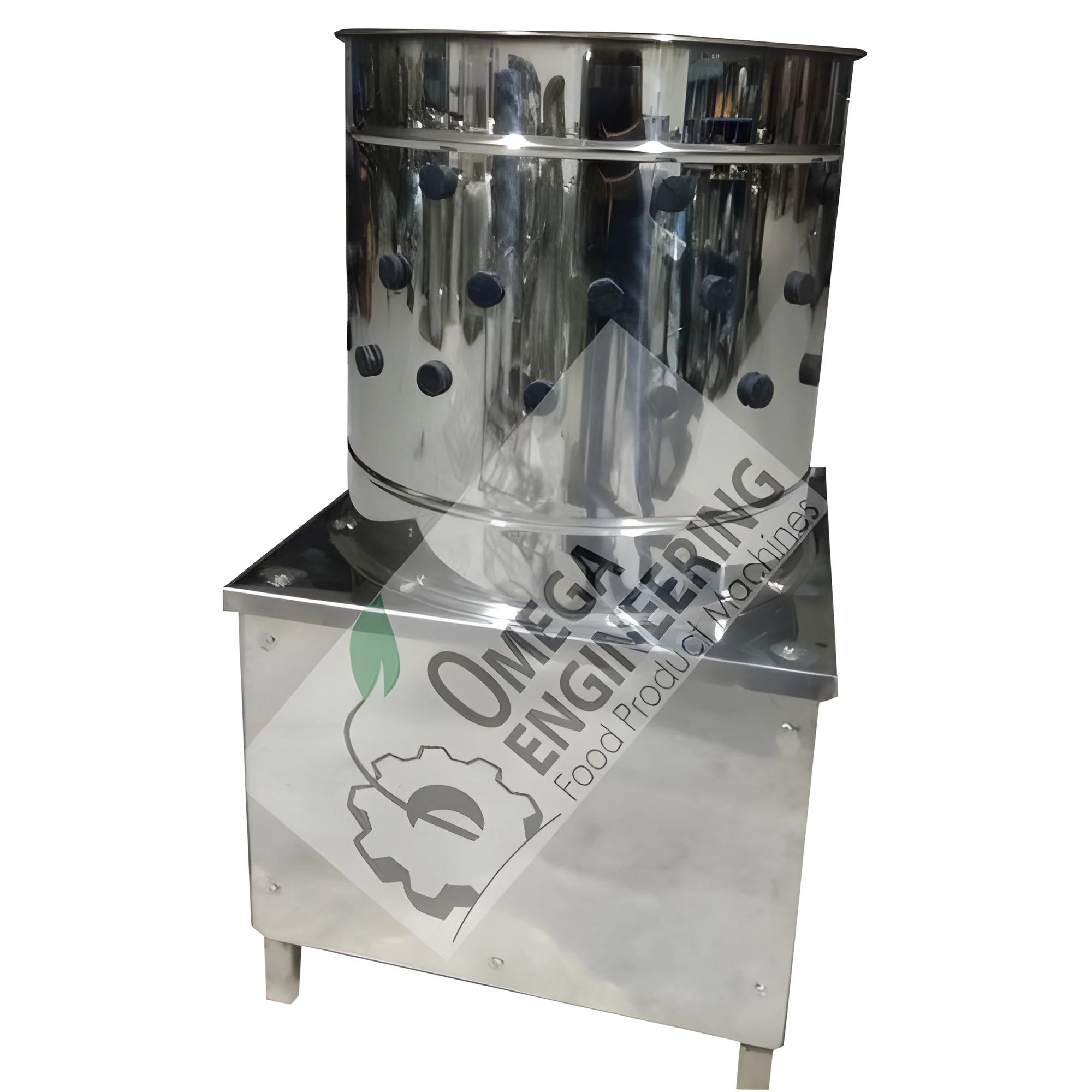
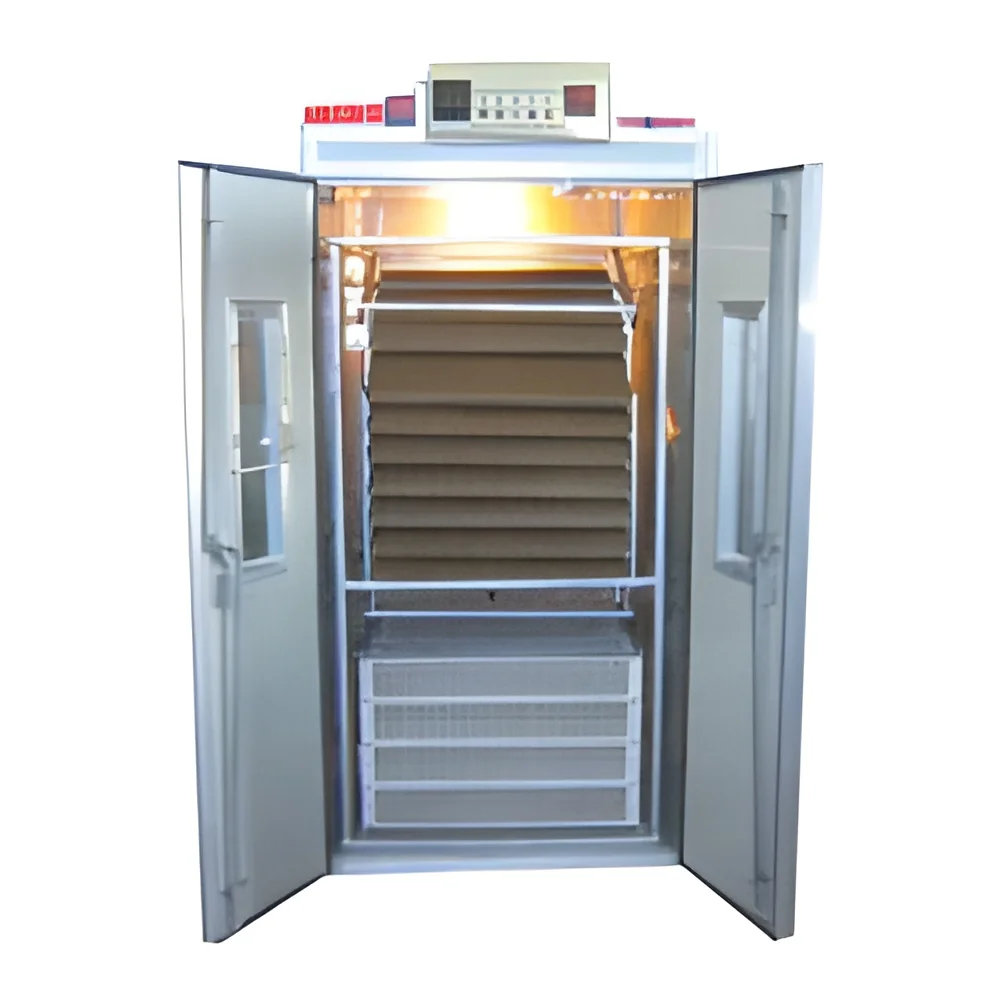
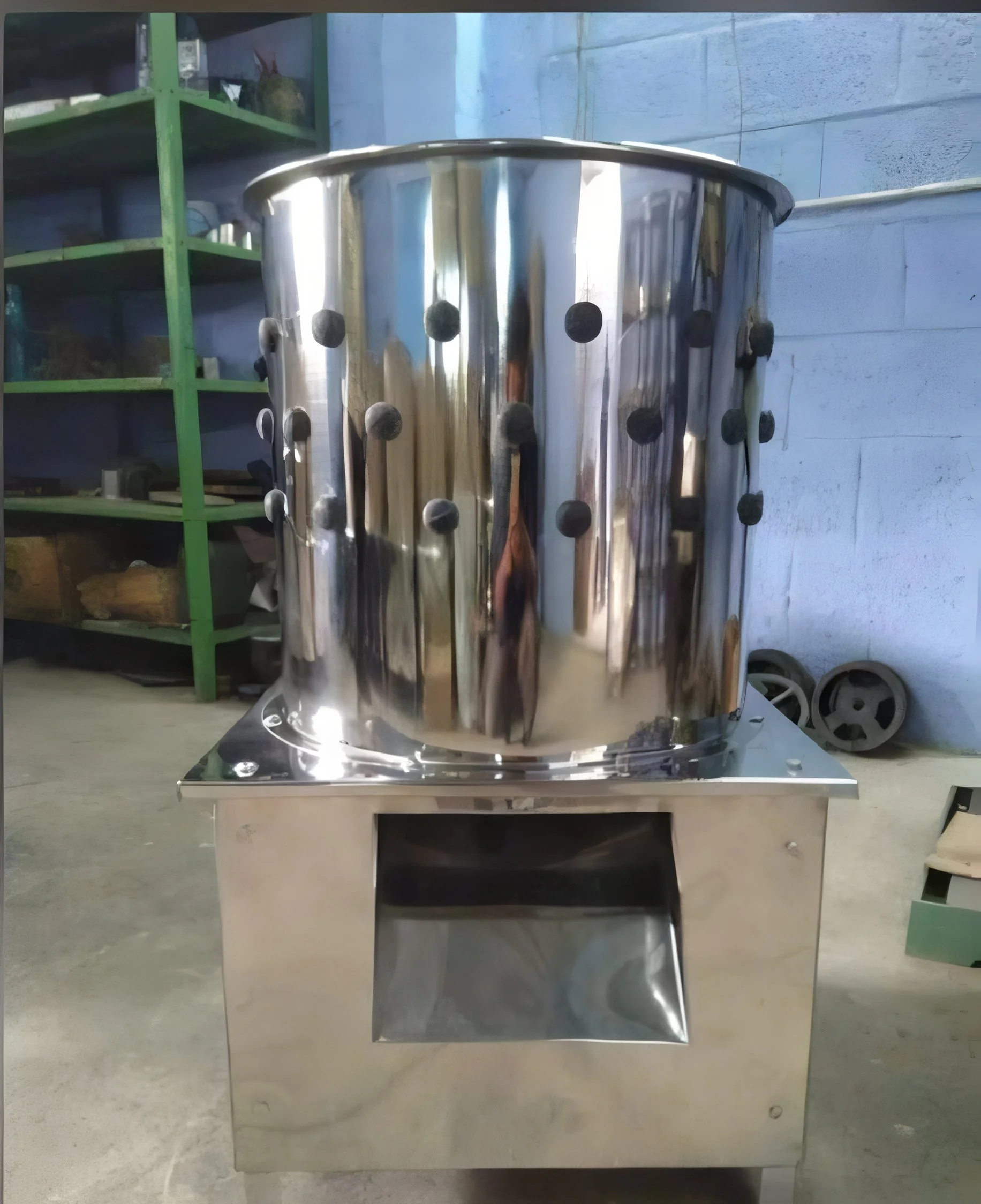
Poultry farming equipment refers to the specialized tools and machinery used in the rearing of birds such as chickens, ducks, and turkeys. These tools are designed to facilitate various functions, including feeding, watering, heating, and monitoring the health of the birds. The equipment can range from simple feeders and drinkers to advanced climate control systems and automated egg collection machines.
The primary use of poultry farming equipment is to improve efficiency and productivity in poultry operations. Businesses utilize this equipment to ensure optimal living conditions for the birds, which directly impacts their growth and egg production. This equipment plays a critical role in large-scale poultry farms, where maintaining consistent conditions is vital for maximizing output and minimizing losses.
In the context of the industry, poultry farming equipment is essential for commercial poultry operations as the demand for poultry products continues to rise globally. Advances in technology have led to the development of more sophisticated equipment that enhances productivity and biosecurity. The market for poultry farming equipment is competitive, with numerous suppliers offering a range of products to meet the varying needs of poultry farmers.
𝗞𝗲𝘆 𝗙𝗲𝗮𝘁𝘂𝗿𝗲𝘀 𝗮𝗻𝗱 𝗦𝗽𝗲𝗰𝗶𝗳𝗶𝗰𝗮𝘁𝗶𝗼𝗻𝘀
Poultry farming equipment is designed with various technical specifications and features that cater to the diverse needs of poultry farmers. These specifications ensure that the equipment can operate effectively under specific conditions and requirements.
Key specifications include:
1. Feeding Systems
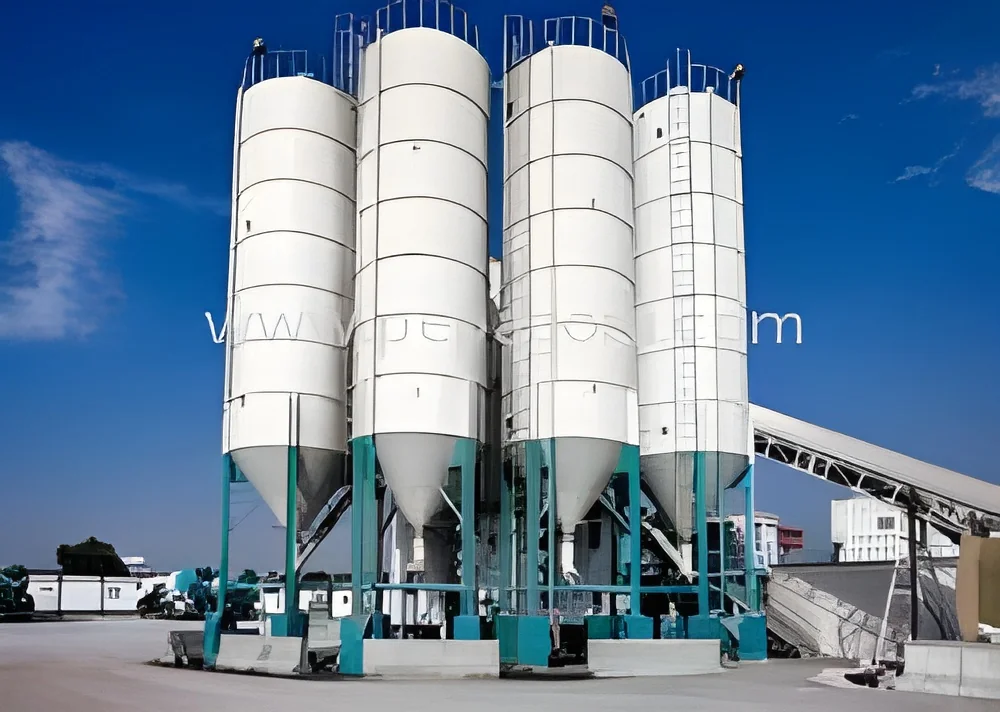
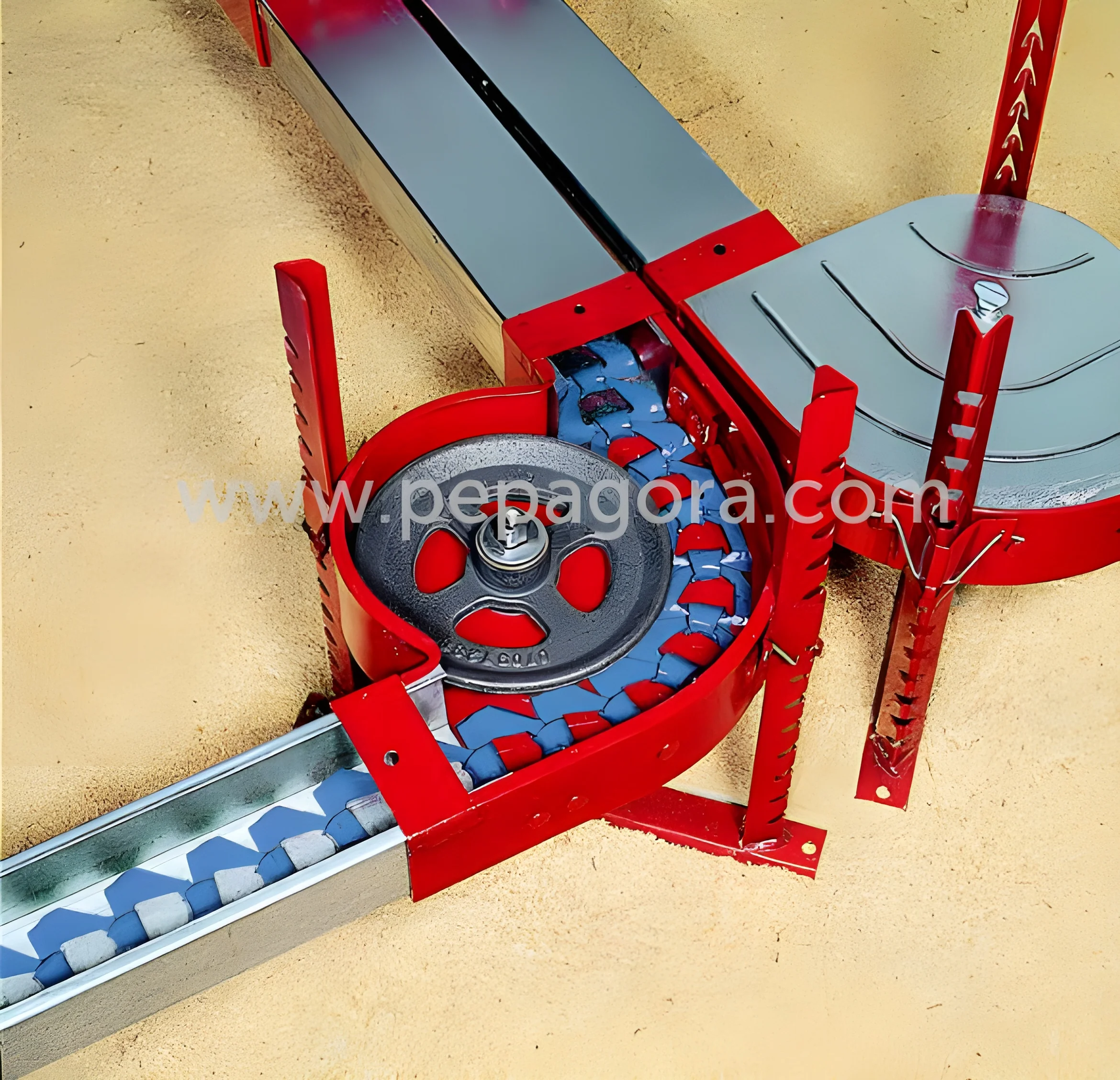
- Automated feeders that deliver precise amounts of feed
- Adjustable feed levels to accommodate different bird sizes
2. Watering Systems
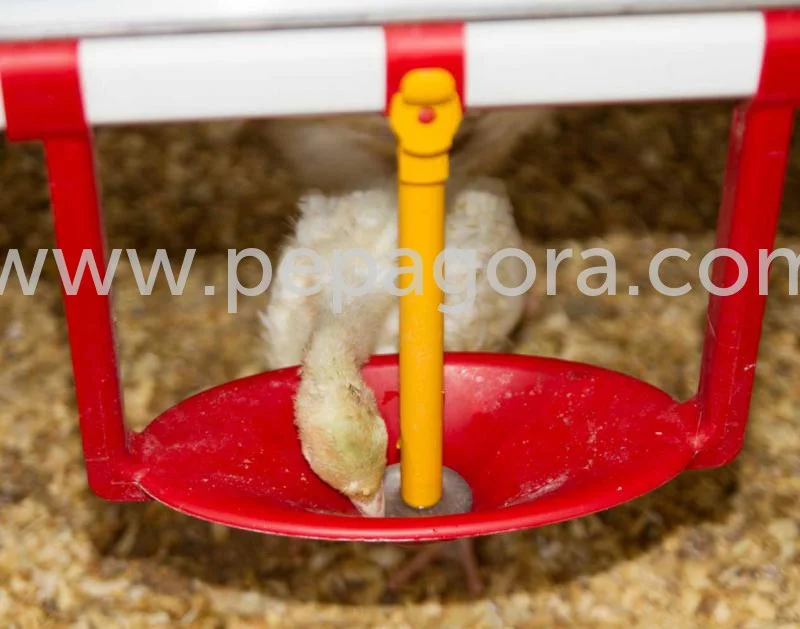
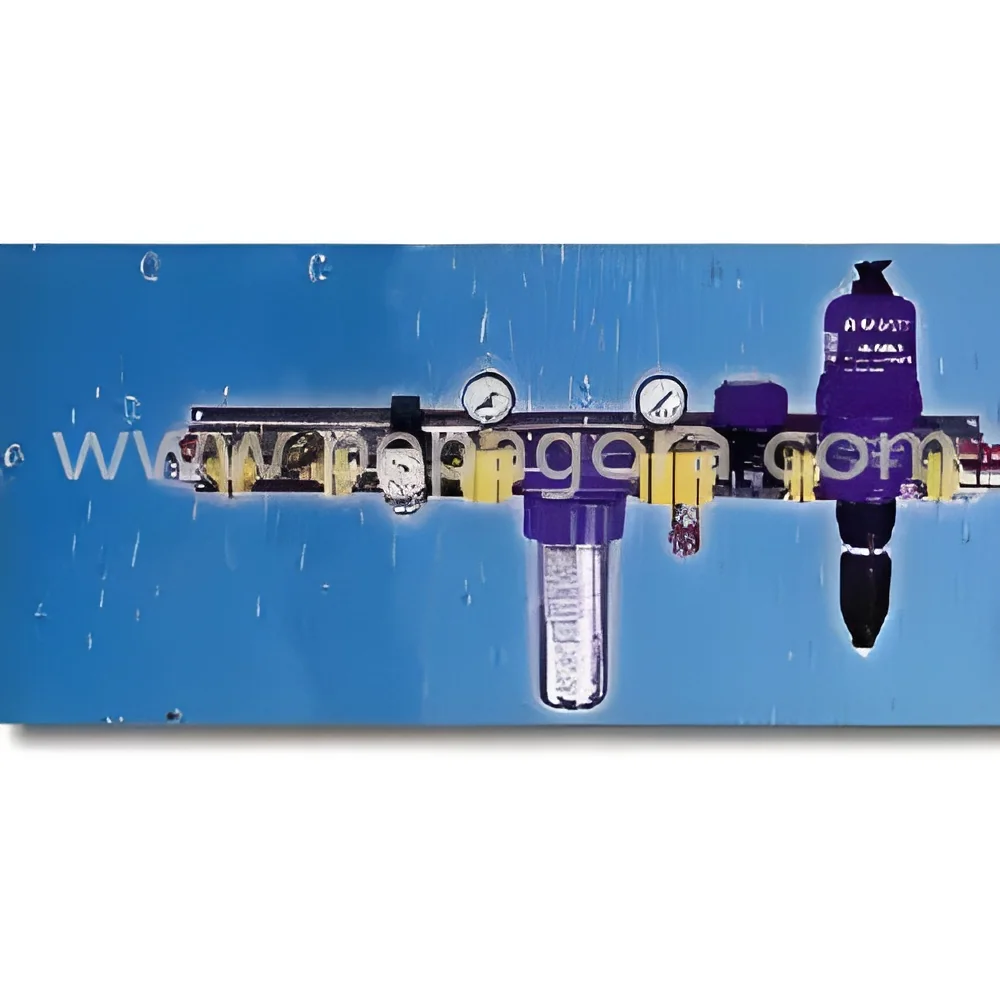
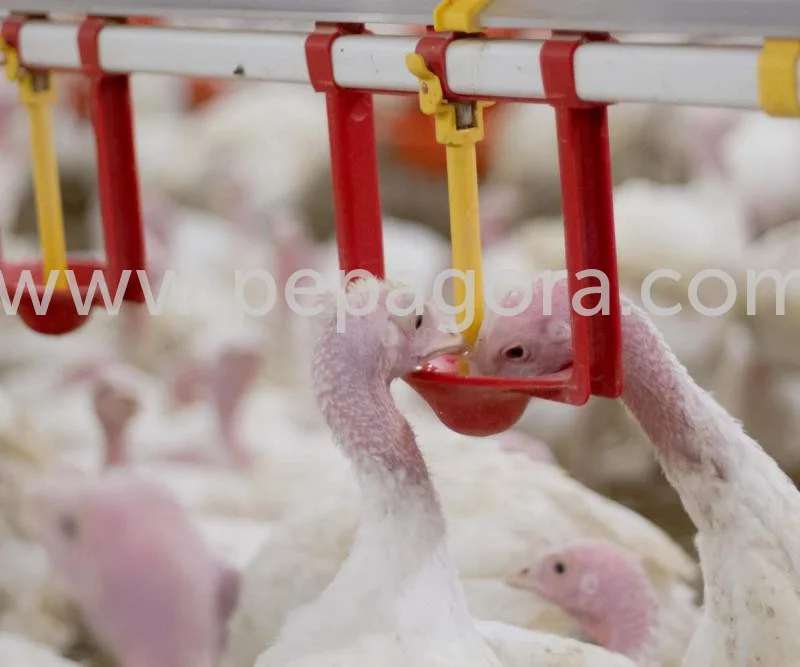
- Nipple drinkers that minimize water wastage
- Pressure regulators to maintain consistent water flow
3. Heating and Ventilation
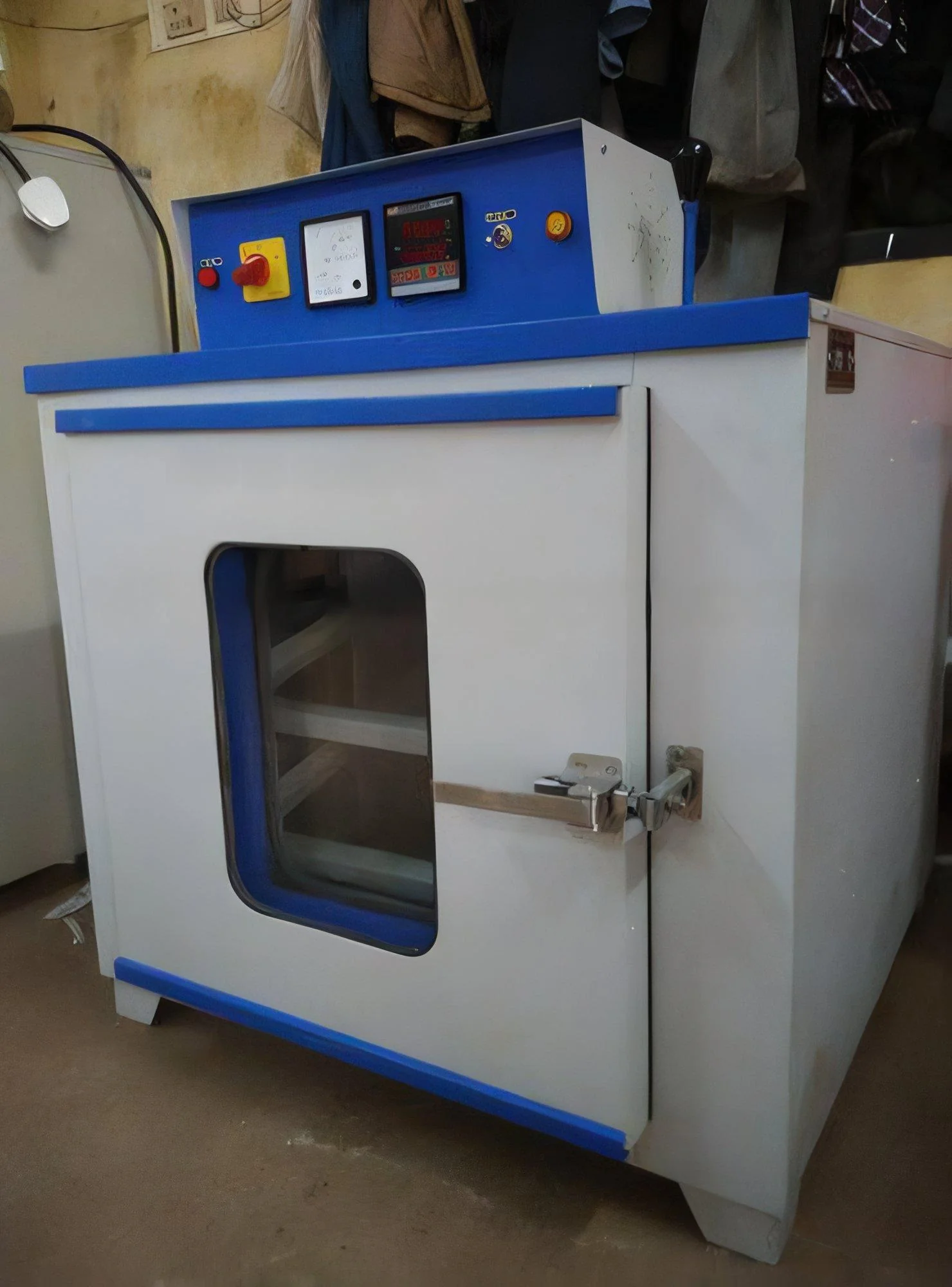
- Climate control systems to regulate temperature and humidity
- Fans and air circulation systems for optimal air quality
4. Egg Collection Systems
- Automated egg conveyors that reduce handling time
- Soft egg trays to prevent damage during transport
5. Biosecurity Features
- Access control systems to limit entry to poultry areas
- Disinfection equipment for maintaining hygiene standards
6. Monitoring and Control
- Sensors for tracking temperature, humidity, and ventilation
- Remote monitoring capabilities for real-time data access
7. Construction Material
- Durable, corrosion-resistant materials for longevity
- Easy-to-clean surfaces to maintain hygiene
8. Power Requirements
- Energy-efficient designs to reduce operational costs
- Compatibility with renewable energy systems
In summary, understanding these specifications helps poultry farmers select the right equipment that enhances productivity while ensuring the welfare of the birds.
𝗖𝗼𝗺𝗺𝗼𝗻 𝗔𝗽𝗽𝗹𝗶𝗰𝗮𝘁𝗶𝗼𝗻𝘀 𝗮𝗻𝗱 𝗨𝘀𝗲 𝗖𝗮𝘀𝗲𝘀
Poultry farming equipment serves various industries beyond just poultry farming. Its applications extend to multiple sectors that rely on efficient bird rearing practices.
1. Commercial Poultry Farms: Automated systems improve feed distribution and water supply, leading to healthier birds and increased production rates.
2. Organic Poultry Production: Specialized equipment for organic farms helps ensure compliance with organic standards while maintaining bird welfare.
3. Research Institutions: Equipment is used in studies focused on poultry health and nutrition, contributing to advancements in poultry science.
4. Agricultural Co-operatives: Co-operatives use poultry farming equipment to standardize practices among member farms, enhancing overall productivity.
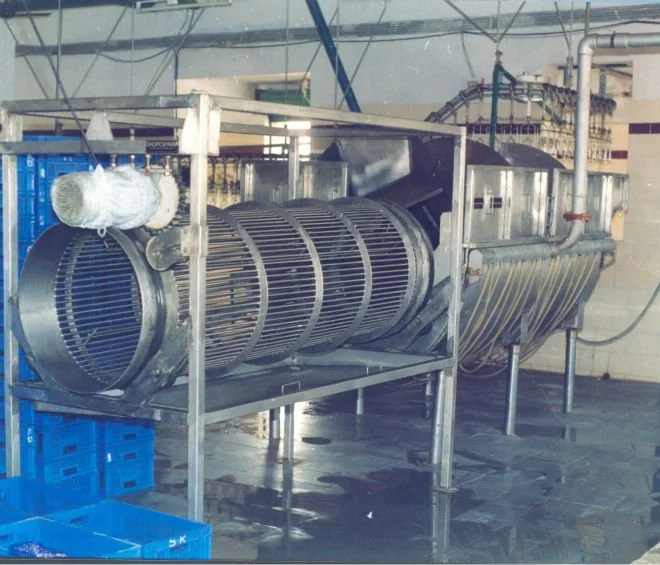
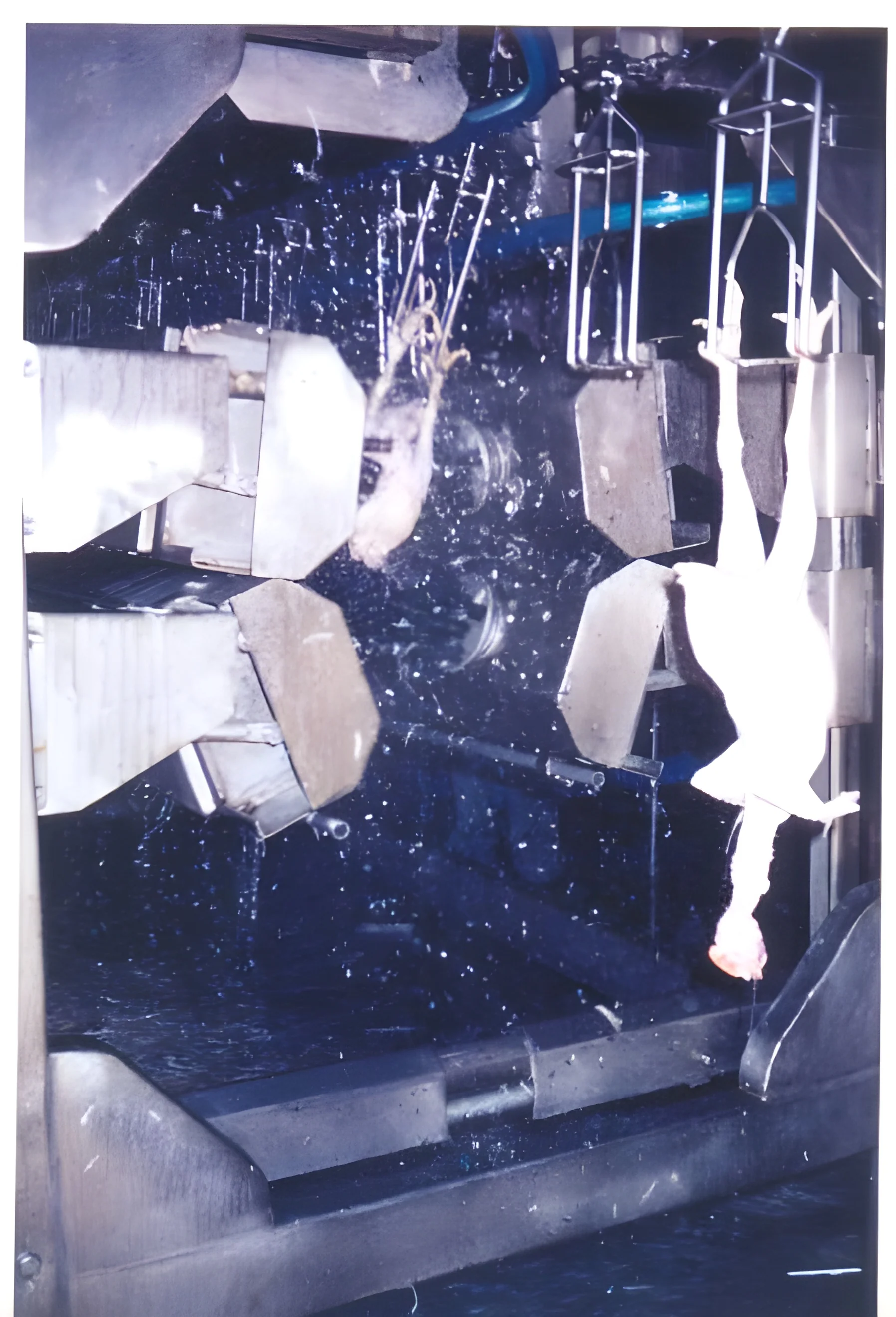
5. Food Processing Companies: Equipment plays a role in the initial stages of poultry processing, ensuring that birds are properly handled before reaching consumers.
6. Veterinary Services: Monitoring equipment aids veterinarians in assessing poultry health, allowing for timely interventions.
7. Export and Trade: Equipment designed for biosecurity helps meet international standards for poultry exports, ensuring products are safe for global markets.
𝗣𝗿𝗼𝗱𝘂𝗰𝘁 𝗩𝗮𝗿𝗶𝗮𝗻𝘁𝘀 𝗮𝗻𝗱 𝗦𝘂𝗯𝗰𝗮𝘁𝗲𝗴𝗼𝗿𝗶𝗲𝘀
Poultry farming equipment encompasses a variety of product types tailored to specific farming needs. Each variant offers unique features that cater to different operational requirements.
Automated Feeders
These feeders are designed to dispense feed automatically at set intervals, ensuring consistent nutrition for the birds. They reduce labor costs and improve feed conversion rates, making them ideal for large-scale operations.
Climate Control Systems
These systems maintain optimal temperature and humidity levels within poultry houses. They often include heaters, ventilators, and cooling pads, ensuring birds remain comfortable throughout varying weather conditions.
Egg Handling Equipment
This equipment includes conveyors and sorting machines that streamline the egg collection process. It minimizes damage during transport and ensures that eggs are collected efficiently, thereby maintaining quality.
Biosecurity Solutions
These solutions include access control systems and disinfection stations that protect poultry from diseases. They are essential for preventing outbreaks and ensuring the health of the flock.
𝗕𝗲𝗻𝗲𝗳𝗶𝘁𝘀 𝗮𝗻𝗱 𝗔𝗱𝘃𝗮𝗻𝘁𝗮𝗴𝗲𝘀
Investing in poultry farming equipment provides numerous benefits that enhance both productivity and operational efficiency.
Key benefits include:
1. Increased Efficiency: Automated systems reduce labor needs and streamline operations, allowing farmers to focus on other critical areas.
2. Improved Animal Welfare: Properly designed equipment helps maintain optimal living conditions, promoting better health and growth rates in poultry.
3. Enhanced Productivity: Reliable feeding and watering systems lead to higher growth rates and increased egg production, maximizing profitability.
4. Cost Savings: Energy-efficient equipment lowers operational costs, contributing to overall financial savings for poultry farmers.
5. Disease Prevention: Biosecurity features help minimize the risk of disease outbreaks, protecting the flock and ensuring compliance with health regulations.
6. Data-Driven Insights: Monitoring systems provide valuable data that can be used to make informed decisions regarding flock management and resource allocation.
𝗕𝘂𝘆𝗶𝗻𝗴 𝗚𝘂𝗶𝗱𝗲 𝗳𝗼𝗿 𝗕𝟮𝗕 𝗕𝘂𝘆𝗲𝗿𝘀
When sourcing poultry farming equipment, buyers should consider several critical factors to ensure they make informed purchasing decisions.
1. Quality Assessment: Evaluate the quality of materials and construction to ensure durability and effectiveness. Look for equipment that meets industry standards and has a proven track record of performance.
2. Supplier Verification: Conduct thorough vetting of suppliers to ensure reliability and credibility. Check for references, reviews, and certifications to guarantee the supplier’s integrity.
3. Pricing and MOQ: Understand the pricing structure and minimum order quantities (MOQ). Compare quotes from different suppliers to find the best value for your investment.
4. Delivery and Lead Times: Discuss delivery options and lead times with suppliers to ensure timely receipt of equipment. Factor in logistics when planning your procurement.
5. Compliance Requirements: Be aware of any regulatory requirements specific to your region or target market. Ensure that the equipment meets necessary compliance standards to avoid legal issues.
𝗖𝗼𝗺𝗽𝗹𝗶𝗮𝗻𝗰𝗲 𝗮𝗻𝗱 𝗖𝗲𝗿𝘁𝗶𝗳𝗶𝗰𝗮𝘁𝗶𝗼𝗻𝘀
Poultry farming equipment must adhere to various compliance standards and certifications to ensure safety and quality. Relevant quality standards include ISO 9001, which focuses on quality management systems, and HACCP, which addresses food safety.
Industry certifications such as CE and UL indicate that the equipment meets specific safety and performance criteria. Manufacturers often undergo rigorous testing to obtain these certifications, providing buyers with assurance of quality.
Additionally, safety requirements must be met to protect both the equipment operators and the birds. This includes ensuring that materials used in equipment construction are non-toxic and suitable for animal welfare.
Regional compliance considerations can vary based on local laws and regulations. Buyers should familiarize themselves with these requirements to avoid potential issues when using or exporting poultry farming equipment.
𝗪𝗵𝘆 𝗦𝗼𝘂𝗿𝗰𝗲 𝗣𝗼𝘂𝗹𝘁𝗿𝘆 𝗙𝗮𝗿𝗺𝗶𝗻𝗴 𝗘𝗾𝘂𝗶𝗽𝗺𝗲𝗻𝘁 𝗳𝗿𝗼𝗺 𝗣𝗲𝗽𝗮𝗴𝗼𝗿𝗮?
Pepagora provides a trusted platform for sourcing poultry farming equipment, offering several key advantages for buyers.
Verified Supplier Network: Pepagora connects buyers with a network of verified suppliers. Each supplier undergoes a rigorous vetting process, ensuring that buyers can trust the quality and reliability of the products offered.
Streamlined RFQ Process: The platform features a user-friendly Request for Quotation (RFQ) system that allows buyers to easily request quotes from multiple suppliers. This simplifies the procurement process and helps buyers obtain competitive pricing.
Trade Assurance and Support: Pepagora offers trade assurance to protect buyers throughout the purchasing process. This includes support for resolving disputes and ensuring that buyers receive the products as described.
Regional Coverage: With a presence in India, the GCC, and Southeast Asia, Pepagora provides extensive regional coverage. This geographic reach allows buyers to access a wide variety of poultry farming equipment tailored to local market needs.
By choosing Pepagora, buyers can enhance their procurement experience and ensure that they are investing in quality poultry farming equipment.

 IN
IN