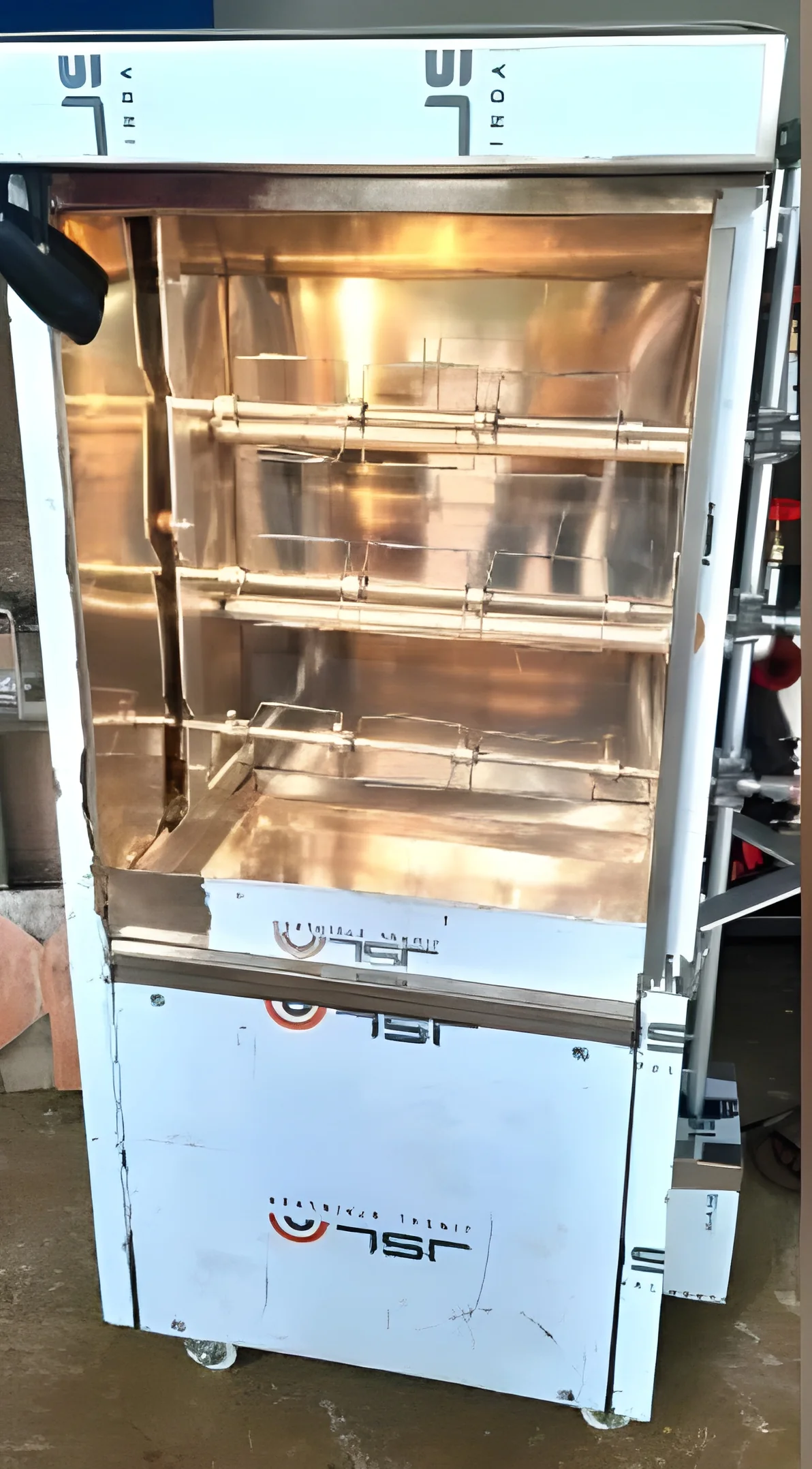
What are Infrared & Electric Brooders?
Infrared and electric brooders are specialized heating devices designed to create a controlled environment for the incubation and brooding of young poultry. These systems utilize infrared technology or electric heating elements to provide consistent warmth, which is crucial for the growth and development of chicks. The heat emitted helps mimic natural conditions, ensuring that the chicks remain comfortable and healthy during the critical early stages of their lives.
These brooders are primarily used in poultry farming, particularly in broiler and layer operations. They are essential for maintaining optimal temperature and humidity levels, which are vital for animal welfare and productivity. Businesses in the agricultural sector rely on these devices to enhance their operations and improve overall efficiency. With the growing demand for poultry products, the use of infrared and electric brooders has become increasingly relevant in the market, catering to both small-scale and large-scale poultry farms.
Key Features and Specifications
Infrared and electric brooders come with a range of features designed to meet the specific needs of poultry farmers. When selecting a brooder, it is important to consider various specifications that can impact performance and efficiency.
Key specifications include:
1. Heating Method
- Infrared heating or electric heating options
- Efficient heat distribution for uniform warming
2. Temperature Control
- Adjustable temperature settings for optimal brooding conditions
- Accurate thermostats for precise monitoring
3. Power Consumption
- Energy-efficient designs to reduce operational costs
- Varying wattage options to suit different farm sizes
4. Safety Features
- Overheat protection mechanisms to ensure safe operation
- Sturdy construction to withstand farm conditions
5. Size and Capacity
- Available in various sizes to accommodate different flock sizes
- Space-efficient designs for easy integration into existing setups
6. Portability
- Lightweight and mobile options for easy relocation
- Design features that facilitate handling and installation
7. Durability
- Long-lasting materials that withstand wear and tear
- Weather-resistant options for outdoor use
8. Monitoring Features
- Integrated monitoring systems for temperature and humidity
- Remote access capabilities for real-time adjustments
In summary, understanding these specifications can help buyers choose the right brooder that aligns with their operational needs and enhances overall productivity.
Common Applications and Use Cases
Infrared and electric brooders find applications across various industries, particularly in sectors that involve animal husbandry and poultry production.
1. Poultry Farming: These brooders are primarily used in poultry farms for raising chicks. They provide the necessary warmth and comfort required for healthy growth.
2. Hatcheries: In hatcheries, brooders are essential for maintaining optimal conditions for newly hatched chicks, ensuring they transition smoothly into the brooding phase.
3. Veterinary Clinics: Some veterinary clinics use brooders for recovering poultry or other small animals, providing them with a controlled environment conducive to healing.
4. Research Facilities: Research institutions may utilize brooders to study poultry behavior and health under various controlled temperature conditions.
5. Educational Institutions: Agricultural schools and training centers use brooders for teaching purposes in poultry management programs.
6. Backyard Poultry Raising: Hobbyists and small-scale farmers use these brooders to rear a small number of chicks, ensuring they are kept warm and healthy.
7. Organic Farming: Organic poultry farms often use electric brooders to maintain sustainable practices while meeting the specific needs of organic chicks.
Product Variants and Subcategories
Infrared and electric brooders come in a variety of designs and configurations to meet different requirements in the poultry industry.
Infrared Brooders
These brooders utilize infrared technology to provide heat that is absorbed by the chicks, creating a more natural warming experience. They are designed for energy efficiency and can cover a larger area, making them ideal for bigger flocks.
Electric Brooders
Electric brooders use electric heating elements for warmth. They are known for their precise temperature control and ease of use. Electric brooders are suitable for both small and large poultry operations.
Benefits and Advantages
Choosing infrared and electric brooders offers several advantages to poultry farmers and businesses.
1. Improved Growth Rates: Optimal heating conditions encourage faster growth and healthier chicks, leading to increased productivity.
2. Energy Efficiency: Many modern brooders are designed to consume less power, helping reduce overall energy costs for the operation.
3. User-Friendly Operation: Most brooders come with intuitive controls, allowing for easy adjustments and monitoring.
4. Enhanced Animal Welfare: Maintaining ideal temperatures and conditions promotes better health and reduces stress among chicks.
5. Versatility: These brooders can be used in a variety of settings, from large commercial farms to small backyard operations.
6. Durability: High-quality materials ensure that the brooders can withstand the rigors of farm life, offering long-term reliability.
Buying Guide for B2B Buyers
When sourcing infrared and electric brooders, several key factors should be taken into account to ensure a successful purchase.
1. Quality Assessment: Look for brooders that meet established quality standards and have proven performance records. Consider user reviews and manufacturer reputation.
2. Supplier Verification: Vet potential suppliers to confirm their reliability and track record. It is essential to partner with established manufacturers or distributors.
3. Pricing and MOQ: Understand the pricing structure and minimum order quantities (MOQ) that suppliers offer, ensuring they align with your budget and needs.
4. Delivery and Lead Times: Discuss logistics and delivery schedules with suppliers to ensure timely receipt of brooders, especially during peak production times.
5. Compliance Requirements: Verify that the brooders meet local compliance and safety regulations to avoid legal complications and ensure safe operation.
Compliance and Certifications
Infrared and electric brooders must adhere to various quality standards and certifications to ensure safety and reliability.
Relevant quality standards such as ISO 9001 ensure that the manufacturing processes meet international quality management criteria. Compliance with HACCP (Hazard Analysis Critical Control Point) is crucial in food production environments to minimize risks and ensure product safety.
Industry certifications like CE indicate that the products meet European safety standards, which can enhance marketability and compliance in global markets.
Safety and testing requirements should be strictly followed to prevent accidents and ensure the well-being of both the equipment and the chicks. Regional compliance considerations may vary, so it is essential to be aware of local regulations regarding poultry equipment.
Why Source Infrared & Electric Brooders from Pepagora?
Pepagora provides a trusted platform for sourcing infrared and electric brooders, offering several key advantages that cater to B2B buyers.
Verified Supplier Network: Our platform features a network of verified suppliers, ensuring that buyers have access to reliable manufacturers who meet stringent quality standards.
Streamlined RFQ Process: The request for quotation system simplifies the procurement process, allowing buyers to compare prices and features from various suppliers efficiently.
Trade Assurance and Support: We offer buyer protection measures, ensuring that transactions are secure and that buyers receive the products as promised.
Regional Coverage: Pepagora has a strong presence in India, the GCC, and Southeast Asia, making it easier for businesses in these regions to source high-quality brooders tailored to their specific needs.

 IN
IN