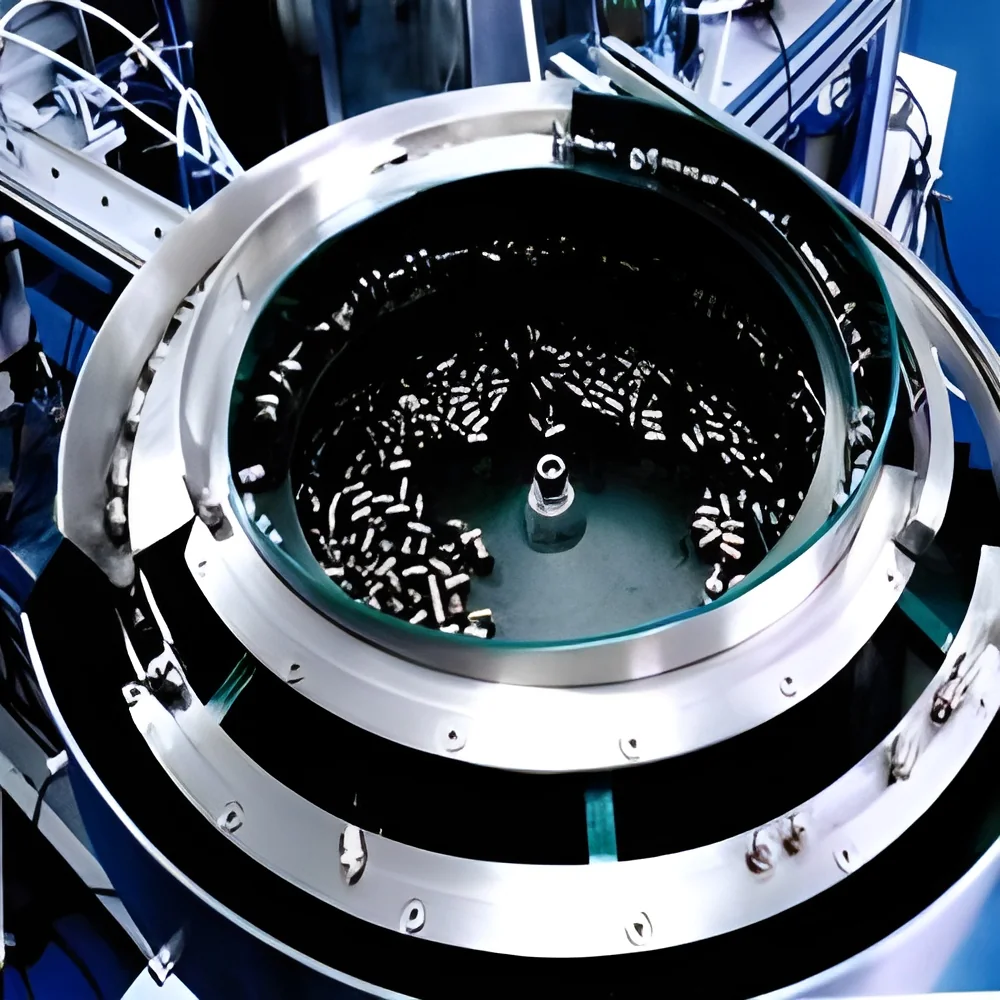
What are Automatic Feeding Systems?
Automatic Feeding Systems are advanced technologies designed to streamline the process of feeding animals or materials in various industrial applications. These systems utilize automated mechanisms to ensure that the right amount of feed is delivered at the right time, thereby increasing efficiency and reducing labor costs. They can be integrated with other systems to monitor and control feeding schedules, quantities, and delivery methods, making them an essential component in modern agricultural and industrial operations.
These systems are primarily used in industries such as agriculture, aquaculture, and food processing. In agriculture, they are employed to feed livestock in a controlled manner, enhancing growth rates and improving overall animal health. In aquaculture, automatic feeding systems ensure that fish receive optimal nutrition without human intervention. Additionally, in food processing, these systems can help in the precise measurement and distribution of ingredients, thus improving productivity and consistency in production.
The relevance of Automatic Feeding Systems in today's market cannot be overstated. With the growing demand for food production and the need for more efficient agricultural practices, these systems play a crucial role in meeting these challenges. As industries continue to adopt technology for automation, the market for automatic feeding solutions is expected to expand significantly, driven by innovations and advancements in automation technology.
Key Features and Specifications
Automatic Feeding Systems come equipped with various features that enhance their functionality and efficiency. These systems are designed to cater to specific industry needs, ensuring optimal performance and reliability.
Key specifications include:
1. Feeding Capacity
- This refers to the amount of feed that can be dispensed per cycle.
- Typical ranges vary based on the model and application.
2. Control Mechanism
- Automatic Feeding Systems may utilize sensors, timers, or software-based controls for precision.
- These controls allow for customizable feeding schedules and amounts.
3. Material Compatibility
- Systems are designed to handle various types of feed, from dry pellets to liquid feeds.
- Ensures versatility across different applications.
4. Energy Efficiency
- Many systems are designed to operate using minimal energy.
- Energy consumption rates vary based on system size and technology.
5. Durability
- Constructed from robust materials to withstand harsh conditions.
- Longevity is a key consideration for industrial applications.
6. Maintenance Requirements
- Some systems are designed for low maintenance while others may require periodic checks.
- Maintenance schedules should be followed for optimal performance.
7. Safety Features
- Includes emergency shut-off mechanisms and safety guards.
- Ensures safe operation in industrial environments.
8. Monitoring Capabilities
- Integrated monitoring features can track feed levels and system performance.
- Helps in timely interventions and maintenance.
In summary, the specifications of Automatic Feeding Systems highlight their adaptability and efficiency in various settings, making them integral to modern industrial operations.
Common Applications and Use Cases
Automatic Feeding Systems find utility in a wide range of industries due to their efficiency and precision.
1. Agriculture: These systems are extensively used in livestock farming to provide feed to animals automatically, reducing labor costs and ensuring a consistent supply of nutrition.
2. Aquaculture: In fish farming, automatic feeding systems deliver feed at predetermined intervals, optimizing feeding practices and improving fish growth rates.
3. Food Processing: In the food industry, these systems are utilized to measure and dispense ingredients accurately, enhancing production efficiency and reducing waste.
4. Animal Husbandry: Automatic feeders are employed in poultry farms to ensure that birds receive the right amount of feed, promoting healthier growth and productivity.
5. Research Facilities: In laboratories focusing on animal research, these systems provide precise feeding schedules, which are critical for experimental accuracy.
6. Dairy Farms: Automatic feeding systems help in maintaining the right diet for dairy cows, improving milk production and herd health.
7. Pet Food Production: In the manufacturing of pet foods, these systems ensure accurate blending and dispensing of ingredients for quality control.
Product Variants and Subcategories
Automatic Feeding Systems come in various configurations to meet the diverse needs of different industries.
Pneumatic Feeding Systems
These systems use air pressure to transport feed materials to designated locations. They are ideal for handling powdered or granular substances and are commonly used in food processing and pharmaceuticals.
Auger Feeding Systems
Utilizing a rotating helical screw, auger systems are effective for moving bulk materials. They are widely used in agriculture to feed grains and other solid materials.
Belt Feeding Systems
Belt feeders use conveyor belts to transport feed or materials. They are versatile and can be employed in various industries including aquaculture and food processing.
Gravity Feeding Systems
These systems rely on gravity to move feed from a storage area to the feeding stations. They are cost-effective and commonly used in livestock farming for uncomplicated feed distribution.
Benefits and Advantages
Automatic Feeding Systems offer numerous benefits that significantly enhance operational efficiency.
1. Labor Savings: These systems reduce the need for manual feeding, allowing personnel to focus on other critical tasks.
2. Consistent Feed Delivery: Automated systems ensure that animals receive the same amount of feed consistently, promoting better health and performance.
3. Improved Efficiency: By optimizing feeding schedules and quantities, these systems maximize the use of resources and reduce waste.
4. Monitoring and Control: Many automatic feeding systems come with monitoring features that provide real-time data, aiding in better management decisions.
5. Customization: These systems can be tailored to meet specific requirements, ensuring they fit seamlessly into existing operations.
6. Reduced Feed Wastage: Precise feeding reduces the amount of feed wasted, which can lead to significant cost savings for businesses.
Buying Guide for B2B Buyers
When sourcing Automatic Feeding Systems, it is essential for buyers to consider several key factors to ensure they select the best solution for their needs.
1. Quality Assessment: Evaluate the quality of the systems through reviews and specifications. Look for systems that meet industry standards and have a reputation for reliability.
2. Supplier Verification: Conduct thorough research on potential suppliers. Check their credentials, customer feedback, and industry reputation to ensure they are trustworthy.
3. Pricing and MOQ: Understand the pricing structure and minimum order quantities. This helps in budgeting and ensures you can meet your operational needs.
4. Delivery and Lead Times: Inquire about the lead times for delivery to avoid disruptions in your operations. Confirm that the supplier can meet your timelines.
5. Compliance Requirements: Ensure that the systems meet all relevant regulatory standards and certifications, which may vary by region and industry.
Compliance and Certifications
Automatic Feeding Systems must adhere to various quality standards and compliance regulations to ensure safety and reliability.
Quality standards such as ISO 9001 ensure that manufacturers maintain high levels of quality management throughout their production processes. Compliance with HACCP (Hazard Analysis Critical Control Point) is essential for systems used in food-related industries, ensuring that all potential hazards are identified and managed effectively.
CE certification is another crucial requirement, particularly for products sold in European markets, indicating that the systems meet EU safety, health, and environmental protection standards.
Safety and testing requirements are paramount, as these systems often operate in environments where both human and animal safety is a priority. Regular testing for compliance with safety standards is necessary to maintain operational integrity.
Regional compliance considerations should also be taken into account, as different regions may have specific regulations governing the use of feeding systems in agriculture and food processing.
Why Source Automatic Feeding Systems from Pepagora?
Pepagora offers a reliable platform for sourcing Automatic Feeding Systems, providing several key advantages for B2B buyers.
Verified Supplier Network: Pepagora maintains a network of verified suppliers who have undergone rigorous vetting processes, ensuring that buyers can trust the quality and reliability of the products.
Streamlined RFQ Process: The request for quotation (RFQ) system is designed to simplify the sourcing process, allowing buyers to receive competitive quotes from multiple suppliers quickly and efficiently.
Trade Assurance and Support: Buyers benefit from trade assurance programs that protect their purchases, providing peace of mind when investing in Automatic Feeding Systems.
Regional Coverage: Pepagora's extensive reach across India, the GCC, and Southeast Asia ensures that buyers have access to a diverse range of suppliers and products, catering to various industrial needs.

 IN
IN