Key Features and Specifications
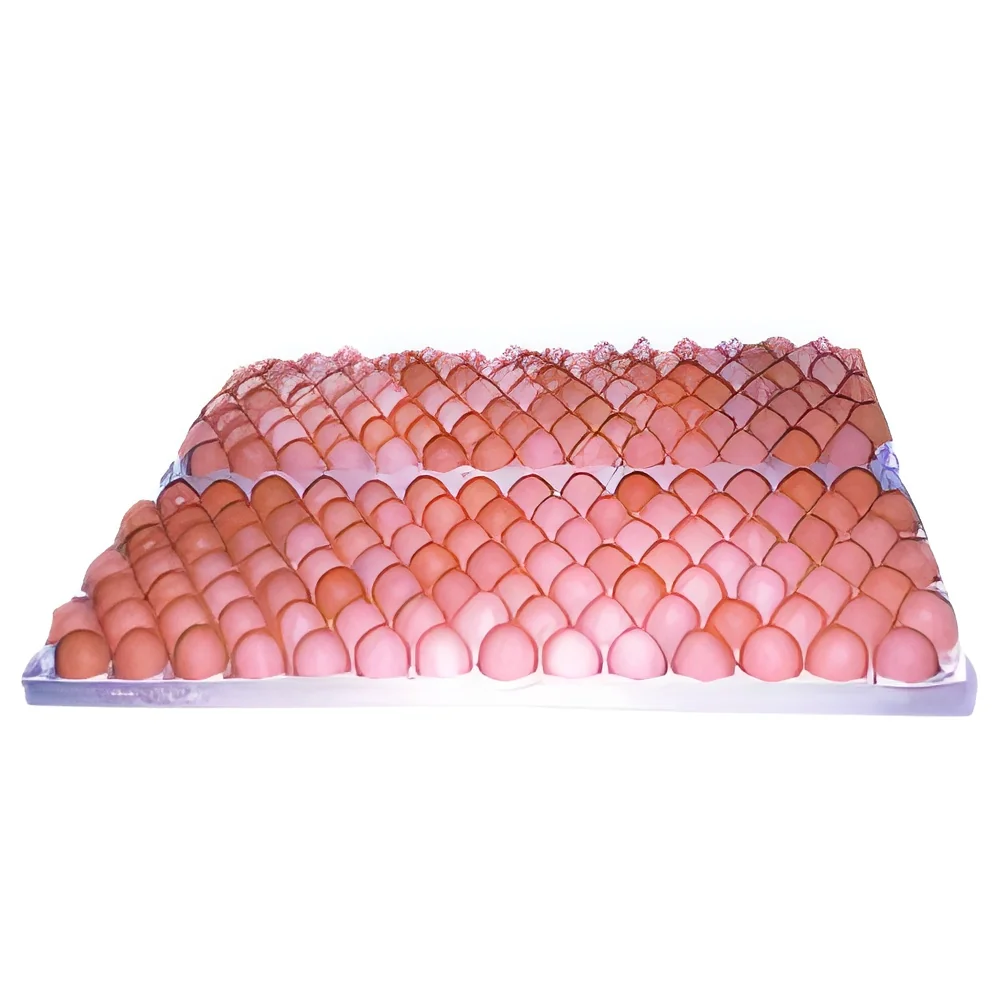
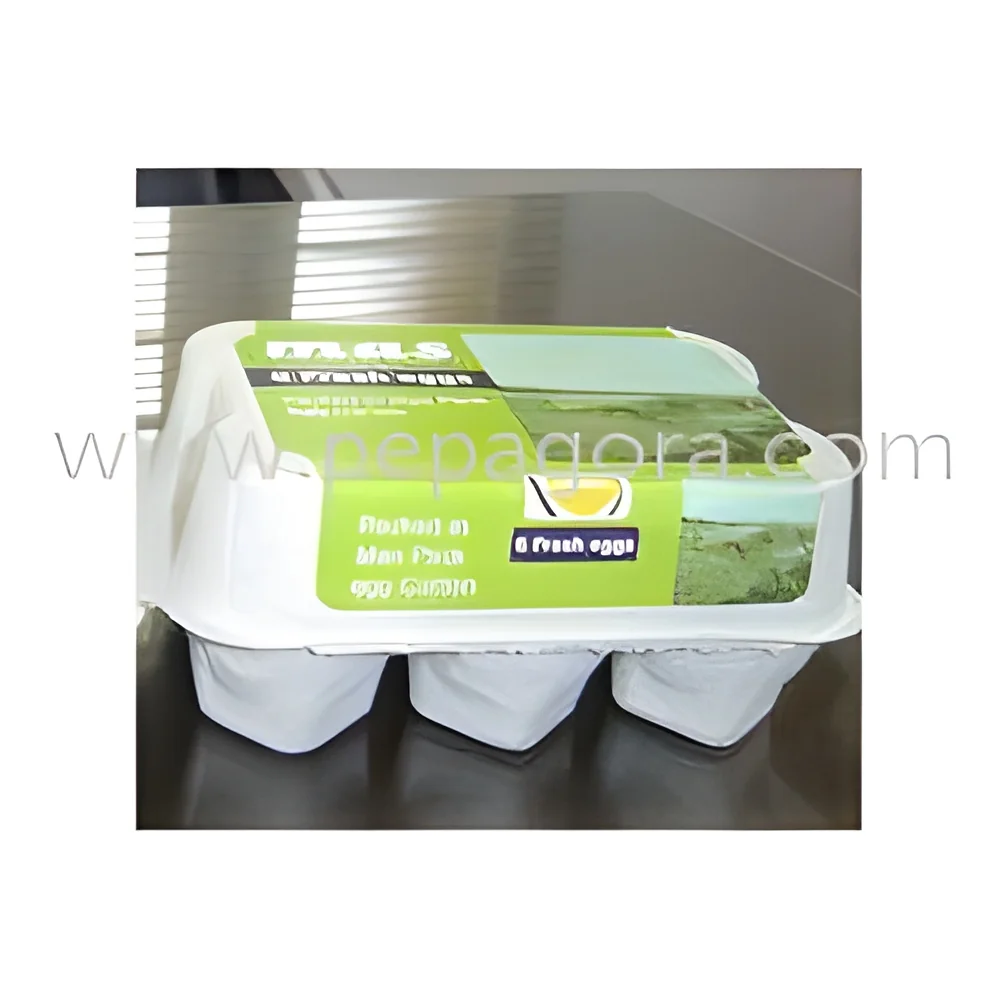
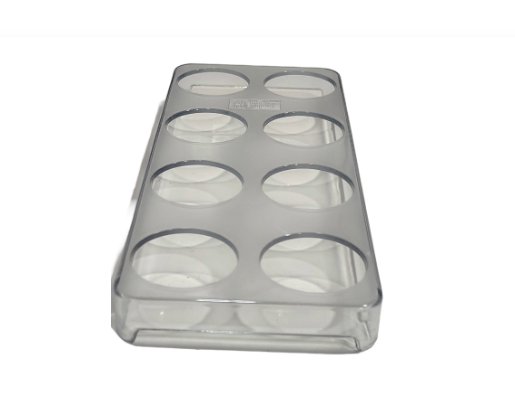
Egg trays are characterized by a range of features and specifications that cater to various business needs. These specifications help buyers select the most suitable trays for their operations, ensuring optimal performance in egg handling.
Key specifications include:
1. Material Type
- Options include plastic and pulp
- Pulp trays are biodegradable while plastic trays are more durable
2. Tray Capacity
- Standard capacities range from 12 to 30 eggs per tray
- Custom configurations may be available based on client requirements
3. Dimensions
- Vary depending on the design and capacity
- Common sizes accommodate standard egg sizes
4. Weight
- Lightweight options available for easy handling
- Pulp trays generally weigh less than plastic trays
5. Stackability
- Designed for efficient stacking to save space
- Helps in reducing transportation costs
6. Reusability
- Plastic trays can be reused multiple times
- Pulp trays are typically single-use but can be recycled
7. Temperature Resistance
- Suitable for a range of temperatures for safe storage
- Data on specific temperature ranges not available
8. Compliance Standards
- Must meet industry standards for food safety
- Certifications such as UL and CE are important for quality assurance
In summary, understanding these specifications can help businesses choose the right type of egg trays that align with their operational needs and sustainability goals.
Common Applications and Use Cases
Egg trays serve various industries with specific applications that highlight their versatility.
1. Poultry Farms: Egg trays are essential for safely collecting and transporting eggs from hens to processing facilities, ensuring minimal breakage during handling.
2. Egg Packaging Companies: These trays are used to package eggs for retail distribution, providing protection and organization while maintaining hygiene standards.
3. Retail Stores: Egg trays are displayed prominently in supermarkets and grocery stores, allowing for easy access and visibility for consumers.
4. Food Processing Plants: In these facilities, egg trays are utilized for holding eggs during processing stages, ensuring that quality is maintained throughout production.
5. Exporters: Companies involved in exporting eggs use trays to meet international shipping standards, keeping eggs safe during transit.
6. Agricultural Research: Researchers utilizing eggs for studies employ trays to manage and transport samples effectively.
7. Culinary Schools: Egg trays are used in educational institutions for teaching proper egg handling techniques in culinary programs.
Product Variants and Subcategories
Egg trays come in several variants that cater to different needs and preferences.
Plastic Egg Trays
These trays are designed for longevity and can be reused multiple times. They are ideal for businesses that require frequent handling and transportation of eggs, providing a reliable solution that saves on replacement costs.
Pulp Egg Trays
Made from recycled materials, these trays are an eco-friendly option suitable for businesses focused on sustainability. They are typically single-use and can be composted after use, aligning with green initiatives.
Benefits and Advantages
Choosing quality egg trays offers several benefits to businesses.
1. Protection: Egg trays provide excellent protection during transport, significantly reducing breakage rates.
2. Sustainability: Pulp trays are biodegradable, helping businesses meet environmental goals.
3. Cost-Effectiveness: Reusable plastic trays lower long-term costs by reducing the frequency of replacement.
4. Ease of Handling: Lightweight designs facilitate easy transportation and storage, improving operational efficiency.
5. Compliance: Quality egg trays meet industry standards, ensuring product safety and quality.
6. Versatility: Available in various sizes and materials, egg trays can be customized to fit different business needs.
Buying Guide for B2B Buyers
When sourcing egg trays, businesses should consider several key factors to ensure they make informed purchasing decisions.
1. Quality Assessment: Inspect trays for material durability and design integrity. Ensure they meet food safety standards to protect eggs during handling.
2. Supplier Verification: Conduct thorough background checks on suppliers. Look for certifications and customer reviews to assess reliability.
3. Pricing and MOQ: Understand pricing structures and minimum order quantities. Balance cost with quality to achieve the best value.
4. Delivery and Lead Times: Confirm lead times with suppliers to ensure timely delivery of products, especially for urgent orders.
5. Compliance Requirements: Familiarize yourself with any regulatory requirements related to food packaging in your region. This ensures that the trays comply with health and safety standards.
Compliance and Certifications
Egg trays must adhere to relevant quality standards and certifications, ensuring safety and reliability in various applications.
ISO 9001 is a key standard that emphasizes quality management systems. Compliance with this standard indicates that a manufacturer consistently meets customer requirements and enhances satisfaction through effective processes.
HACCP (Hazard Analysis Critical Control Point) is crucial in food safety management. Egg trays that meet HACCP standards ensure that food products are handled and stored properly, minimizing risks throughout the supply chain.
Industry certifications like UL and CE signify that products have been tested for safety and environmental impact. These certifications are essential for businesses that prioritize compliance and consumer trust.
Regional compliance considerations may also apply, as different areas have specific regulations governing food packaging materials. It is important for companies to remain informed about these requirements to avoid legal issues.
Why Source Egg Trays (Plastic, Pulp) from Pepagora?
Pepagora offers a trusted platform for sourcing egg trays, providing several advantages for B2B buyers.
Verified Supplier Network: Pepagora connects buyers with a network of verified suppliers. This ensures that businesses can source quality products with confidence.
Streamlined RFQ Process: The platform features a user-friendly quotation system. Buyers can easily request quotes from multiple suppliers, simplifying the procurement process.
Trade Assurance and Support: Pepagora provides buyer protection through trade assurance measures. This support helps businesses feel secure in their purchasing decisions.
Regional Coverage: Pepagora caters to a wide range of geographic locations, including India, GCC, and Southeast Asia. This broad reach allows businesses to find local suppliers that meet their needs efficiently.

 IN
IN