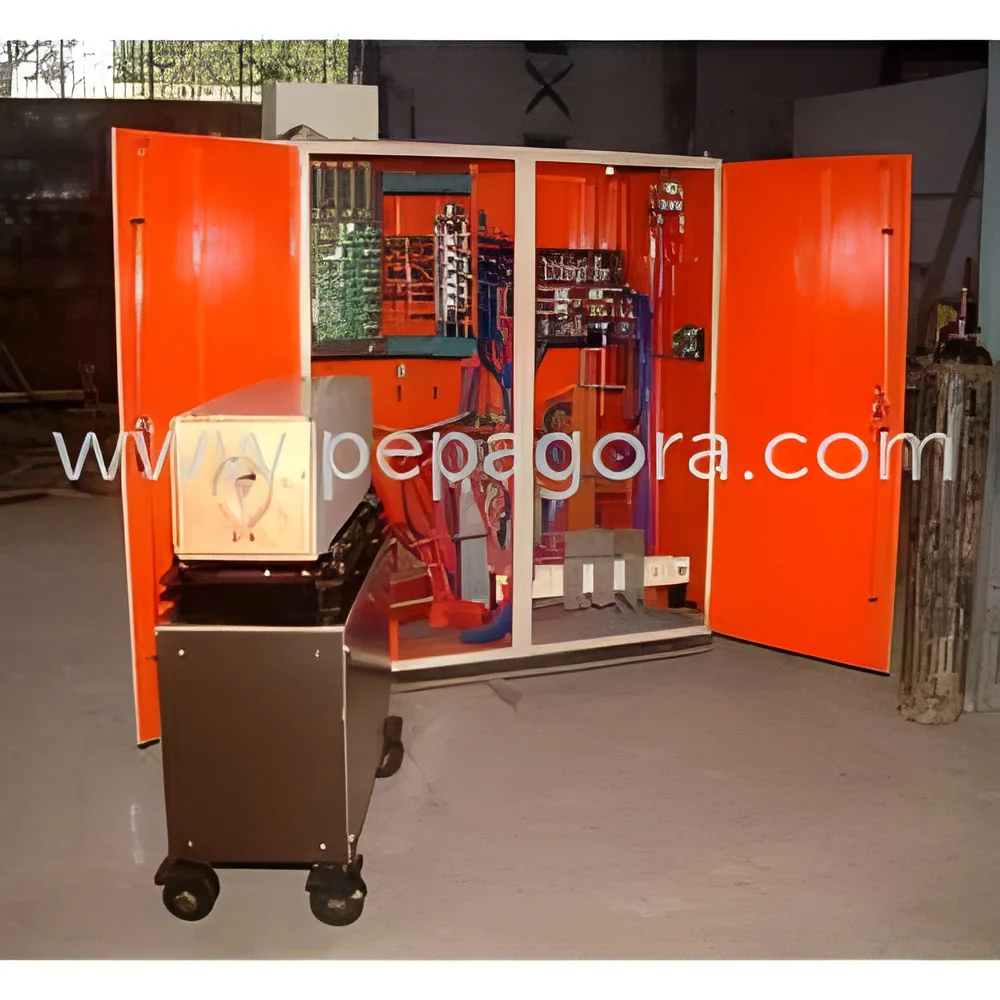
𝗪𝗵𝗮𝘁 𝗮𝗿𝗲 𝗛𝗲𝗮𝘁𝗶𝗻𝗴 𝗣𝗹𝗮𝘁𝗲𝘀?
Heating plates are devices used to provide controlled heat to various applications in industrial, laboratory, and commercial settings. They typically consist of a flat surface that can be heated electrically to specific temperatures. The design allows for uniform heat distribution, making them suitable for a range of tasks, from heating samples in laboratories to maintaining temperatures in manufacturing processes.
These plates find primary applications in industries such as pharmaceuticals, food processing, and material testing. In laboratories, they are often used for heating liquids in beakers or flasks. In manufacturing, they assist in processes like sealing and bonding materials. Given their versatility, heating plates play a crucial role in ensuring efficiency and precision in various business operations.
As industries continue to evolve, the demand for reliable and high-performance heating plates is growing. Companies are seeking solutions that not only meet their heating needs but also comply with safety and quality standards. The market is becoming increasingly competitive, with innovations focused on energy efficiency and enhanced functionality.
𝗞𝗲𝘆 𝗙𝗲𝗮𝘁𝘂𝗿𝗲𝘀 𝗮𝗻𝗱 𝗦𝗽𝗲𝗰𝗶𝗳𝗶𝗰𝗮𝘁𝗶𝗼𝗻𝘀
Heating plates are designed with several key features that enhance their usability and effectiveness. These specifications are critical for businesses when selecting the right model for their specific needs.
Key specifications include:
1. Temperature Range
- Heating plates typically operate within specific temperature ranges suitable for various applications.
- Common ranges can vary based on the model, with some plates reaching high temperatures for industrial processes.
2. Material Composition
- The surface of heating plates is often constructed from durable materials such as stainless steel or aluminum.
- These materials provide excellent heat conduction and resistance to corrosion.
3. Power Rating
- The power rating indicates the energy consumption of the heating plate.
- Most models range from 1000 to 3000 watts, depending on the intended use.
4. Size Dimensions
- Heating plates come in various sizes to accommodate different container types.
- Standard dimensions may range from small laboratory models to larger industrial units.
5. Control Mechanism
- Many heating plates feature digital or analog controls for precise temperature adjustments.
- Some models may include programmable settings for automated operations.
6. Safety Features
- Safety is paramount; features such as overheat protection and insulated surfaces are common.
- Some plates include automatic shut-off mechanisms for added safety.
7. Compliance Certifications
- Many heating plates are certified to meet industry standards such as CE.
- This ensures that the products are safe and reliable for commercial use.
The specifications above highlight the importance of selecting the right heating plate based on specific operational requirements.
𝗖𝗼𝗺𝗺𝗼𝗻 𝗔𝗽𝗽𝗹𝗶𝗰𝗮𝘁𝗶𝗼𝗻𝘀 𝗮𝗻𝗱 𝗨𝘀𝗲 𝗖𝗮𝘀𝗲𝘀
Heating plates serve various industries due to their versatility and reliability.
1. Laboratory Research: In laboratories, heating plates are essential for heating chemicals, solutions, and samples during experiments. Their precise temperature control is vital for conducting accurate research.
2. Food Processing: In the food industry, heating plates are used for maintaining specific temperatures during cooking or processing. They ensure consistent heating, which is crucial for food safety and quality.
3. Pharmaceuticals: Heating plates are employed in pharmaceutical manufacturing to heat substances during production. They are used in processes such as sterilization and formulation.
4. Material Testing: In engineering and manufacturing, heating plates help test material properties under controlled temperatures. They are vital in quality assurance processes.
5. Electronics: In the electronics industry, heating plates are used for soldering components and assembling electronic devices. Their controlled heating capabilities improve efficiency and precision.
𝗣𝗿𝗼𝗱𝘂𝗰𝘁 𝗩𝗮𝗿𝗶𝗮𝗻𝘁𝘀 𝗮𝗻𝗱 𝗦𝘂𝗯𝗰𝗮𝘁𝗲𝗴𝗼𝗿𝗶𝗲𝘀
Heating plates come in various models to cater to different operational needs.
Standard Heating Plate
These units are widely used in laboratories and manufacturing. They provide reliable heating with basic controls, making them suitable for general applications.
Digital Heating Plate
Featuring advanced controls, digital heating plates allow users to set and monitor temperatures accurately. They are ideal for processes requiring precise heat management.
Heavy-Duty Heating Plate
Designed for industrial use, heavy-duty heating plates can withstand high temperatures and larger workloads. They are suitable for demanding environments where durability is essential.
Compact Heating Plate
These smaller models are perfect for tight spaces in laboratories. They offer portability without sacrificing performance, making them ideal for mobile setups.
𝗕𝗲𝗻𝗲𝗳𝗶𝘁𝘀 𝗮𝗻𝗱 𝗔𝗱𝘃𝗮𝗻𝘁𝗮𝗴𝗲𝘀
Heating plates offer several advantages that make them essential for various industries.
1. Precision Heating: Heating plates provide accurate temperature control, ensuring that processes are carried out with high precision. This is crucial for applications that require specific temperature settings.
2. Energy Efficiency: Many modern heating plates are designed to consume less energy while delivering optimal performance. This helps businesses reduce operational costs.
3. Versatile Use: They can be used in different applications across various industries, making them a versatile addition to any workspace.
4. Safety Features: Built-in safety mechanisms protect users and equipment from overheating and other hazards, enhancing workplace safety.
5. Easy Maintenance: Heating plates are designed for easy cleaning and maintenance, ensuring longevity and consistent performance.
6. Quick Temperature Response: They heat up quickly, allowing for efficient workflows and minimizing downtime during operations.
𝗕𝘂𝘆𝗶𝗻𝗴 𝗚𝘂𝗶𝗱𝗲 𝗳𝗼𝗿 𝗕𝟮𝗕 𝗕𝘂𝘆𝗲𝗿𝘀
When sourcing heating plates, several factors should be considered to ensure the best choice for your business needs.
1. Quality Assessment: Evaluate the quality of the heating plates by checking certifications and compliance with industry standards. Look for products that have been tested for reliability and performance.
2. Supplier Verification: Vet suppliers to ensure they have a good reputation in the market. Check reviews and ratings from previous customers to gauge their reliability.
3. Pricing and MOQ: Understand the pricing structure and minimum order quantities (MOQ) offered by suppliers. This will help in budgeting and planning your purchases effectively.
4. Delivery and Lead Times: Inquire about the delivery options and lead times. Timely delivery is crucial to avoid disruptions in your operations.
5. Compliance Requirements: Ensure that the heating plates meet the regulatory requirements of your industry. This includes safety and quality standards necessary for your specific applications.
𝗖𝗼𝗺𝗽𝗹𝗶𝗮𝗻𝗰𝗲 𝗮𝗻𝗱 𝗖𝗲𝗿𝘁𝗶𝗳𝗶𝗰𝗮𝘁𝗶𝗼𝗻𝘀
Heating plates must adhere to various quality standards and certifications to ensure safety and reliability in industrial applications.
ISO 9001 is a widely recognized standard that ensures quality management systems are in place. This certification indicates that a manufacturer follows best practices in quality assurance.
CE marking signifies that the heating plates meet the safety and environmental requirements set by the European Union. This certification is essential for products sold in the EU market.
Safety testing requirements are vital to ensure that heating plates operate safely under normal and extreme conditions. Manufacturers must conduct rigorous testing to meet these standards and provide safe products.
Regional compliance considerations may vary. Businesses must ensure that the heating plates they source meet local regulations regarding safety and performance, particularly in regions with strict industrial standards.
𝗪𝗵𝘆 𝗦𝗼𝘂𝗿𝗰𝗲 𝗛𝗲𝗮𝘁𝗶𝗻𝗴 𝗣𝗹𝗮𝘁𝗲𝘀 𝗳𝗿𝗼𝗺 𝗣𝗲𝗽𝗮𝗴𝗼𝗿𝗮?
Pepagora offers a trusted platform for sourcing heating plates, providing several key advantages for businesses.
Verified Supplier Network: Pepagora collaborates with a network of verified suppliers. This ensures that buyers can access high-quality products and manufacturers that adhere to industry standards.
Streamlined RFQ Process: The platform features a straightforward request-for-quotation (RFQ) process. This allows businesses to easily compare prices and specifications from multiple suppliers, facilitating informed decision-making.
Trade Assurance and Support: Buyers benefit from trade assurance, which protects their purchases and ensures satisfaction. Pepagora provides support throughout the buying process, enhancing buyer confidence.
Regional Coverage: Pepagora serves a diverse geographic area, including India, the GCC, and Southeast Asia. This extensive reach allows businesses to find suppliers that cater to their specific regional needs, ensuring timely access to products.

 IN
IN