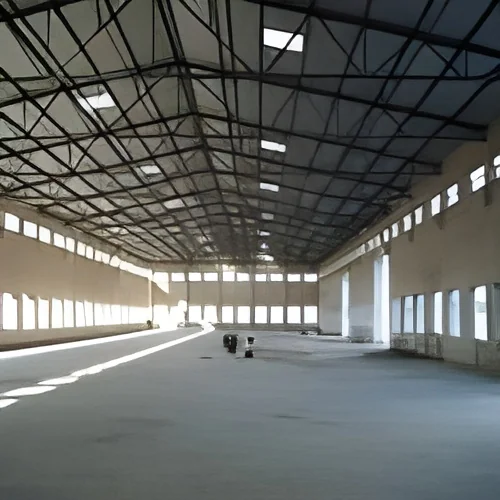
What are Poultry Sheds (Open, Closed, Tunnel)?
Poultry sheds are specialized structures designed for the housing and management of poultry, including chickens, ducks, and turkeys. These sheds come in various configurations, primarily categorized as open, closed, and tunnel systems. Open poultry sheds are typically designed for regions with favorable climates, providing natural ventilation and lighting. Closed poultry sheds offer controlled environments with insulation and specialized ventilation systems, which are essential for optimal growth and health of the birds. Tunnel poultry sheds utilize long and narrow structures that enhance air circulation, often integrated with advanced climate control systems.
These structures serve multiple purposes in the poultry industry. They are primarily used for breeding, raising, and egg production, significantly influencing the efficiency of poultry farming operations. The choice of shed type depends on various factors, including regional climate, the scale of operation, and specific farming practices. As the demand for poultry products continues to rise globally, the relevance of well-designed poultry sheds becomes critical in ensuring biosecurity, animal welfare, and productivity.
In the current market context, poultry sheds play a vital role in supporting the growing poultry industry. With increasing awareness about food safety and quality, farmers are investing in better housing solutions. This shift contributes to improved yield and animal health, making poultry sheds an essential component of modern agricultural practices.
𝗞𝗲𝘆 𝗙𝗲𝗮𝘁𝘂𝗿𝗲𝘀 𝗮𝗻𝗱 𝗦𝗽𝗲𝗰𝗶𝗳𝗶𝗰𝗮𝘁𝗶𝗼𝗻𝘀
Poultry sheds are engineered to meet specific industry needs and standards. When considering the purchase of poultry sheds, understanding their key features and specifications is crucial for making an informed decision.
Key specifications include:
1. Structure Type
- Available as open, closed, or tunnel systems
- Tailored for various climatic conditions
2. Ventilation System
- Designed to ensure adequate airflow and temperature control
- Options for natural and mechanical ventilation
3. Insulation
- Closed systems often feature insulation to regulate temperature
- Essential for maintaining a stable environment in extreme weather
4. Materials Used
- Constructed from durable materials like steel, aluminum, or wood
- Weather-resistant finishes for longevity and maintenance ease
5. Biosecurity Features
- Includes access control and hygiene protocols to prevent disease
- Design elements that minimize the risk of contamination
6. Size Options
- Available in various sizes to accommodate different flock sizes
- Custom dimensions can often be requested based on needs
7. Water and Feed Systems
- Integrated systems for efficient feeding and watering of poultry
- Options for automated systems to enhance productivity
8. Monitoring Capabilities
- Some models offer advanced monitoring features for climate and health
- Integration with IoT devices for real-time data access
These specifications ensure that poultry sheds provide a conducive environment for poultry farming, enhancing both productivity and animal welfare.
𝗖𝗼𝗺𝗺𝗼𝗻 𝗔𝗽𝗽𝗹𝗶𝗰𝗮𝘁𝗶𝗼𝗻𝘀 𝗮𝗻𝗱 𝗨𝘀𝗲 𝗖𝗮𝘀𝗲𝘀
Poultry sheds are utilized across various sectors of the agricultural industry, adapting to the needs of different types of poultry farming.
1. Commercial Poultry Farming: Large-scale operations use these sheds for efficient breeding and egg production. Closed systems allow for better management of environmental conditions.
2. Organic Farming: Open poultry sheds are popular in organic farming to allow natural behaviors while ensuring adequate protection from predators.
3. Research Facilities: Poultry sheds are essential in research settings for studying poultry behavior, health, and breeding genetics.
4. Educational Institutions: Used in agricultural colleges for training students in modern poultry farming practices and biosecurity measures.
5. Small-Scale Farming: Backyard poultry keepers often opt for customized or smaller versions of poultry sheds for personal use.
6. Specialty Breeders: Breeders of exotic or rare poultry breeds benefit from tailored shed designs that cater to specific needs.
7. Egg Production Companies: Facilities focused on egg production utilize closed systems to maximize yield and maintain product quality.
𝗣𝗿𝗼𝗱𝘂𝗰𝘁 𝗩𝗮𝗿𝗶𝗮𝗻𝘁𝘀 𝗮𝗻𝗱 𝗦𝘂𝗯𝗰𝗮𝘁𝗲𝗴𝗼𝗿𝗶𝗲𝘀
Poultry sheds come in various configurations, each designed to meet specific needs within the poultry industry.
Open Poultry Sheds
These structures provide natural ventilation and are ideal for regions with mild climates. Open sheds allow for free movement and access to outdoor environments, promoting healthier birds.
Closed Poultry Sheds
Closed sheds offer a controlled environment with insulation and advanced ventilation systems. They are suitable for areas with extreme weather conditions, providing consistent climate management for optimal poultry health.
Tunnel Poultry Sheds
Tunnel systems are designed for enhanced air circulation, often utilizing long and narrow layouts. They incorporate advanced climate control technologies, making them effective for larger operations.
𝗕𝗲𝗻𝗲𝗳𝗶𝘁𝘀 𝗮𝗻𝗱 𝗔𝗱𝘃𝗮𝗻𝘁𝗮𝗴𝗲𝘀
Investing in poultry sheds offers numerous advantages for poultry farmers.
1. Enhanced Biosecurity: Properly designed sheds minimize disease risk, ensuring the health of the flock.
2. Improved Productivity: Controlled environments lead to better growth rates and higher egg production.
3. Efficient Resource Management: Automated feeding and watering systems reduce labor and resource wastage.
4. Versatile Design: Various configurations allow farmers to choose the best shed type based on their operational needs.
5. Cost-Effective: Long-lasting materials and designs lead to lower maintenance costs over time.
6. Animal Welfare: Adequate space and ventilation contribute to the well-being of the birds, promoting natural behaviors.
𝗕𝘂𝘆𝗶𝗻𝗴 𝗚𝘂𝗶𝗱𝗲 𝗳𝗼𝗿 𝗕𝟮𝗕 𝗕𝘂𝘆𝗲𝗿𝘀
When sourcing poultry sheds, it is essential for businesses to consider several key factors to ensure they choose the right product for their needs.
1. Quality Assessment: Look for sheds constructed from high-quality materials and designed to meet industry standards. Conduct inspections if possible to assess craftsmanship.
2. Supplier Verification: Vet suppliers by checking credentials, reviews, and previous projects. A reputable supplier should have a track record of delivering reliable products.
3. Pricing and MOQ: Understand the price range for different shed types and inquire about minimum order quantities to align with your budget and operational scale.
4. Delivery and Lead Times: Discuss logistics with suppliers to ensure timely delivery. Understand the lead time required for manufacturing and shipping.
5. Compliance Requirements: Ensure that the sheds meet local regulations and certifications, including safety and environmental standards.
𝗖𝗼𝗺𝗽𝗹𝗶𝗮𝗻𝗰𝗲 𝗮𝗻𝗱 𝗖𝗲𝗿𝘁𝗶𝗳𝗶𝗰𝗮𝘁𝗶𝗼𝗻𝘀
Poultry sheds must adhere to various quality standards and certifications to ensure safety and reliability.
ISO 9001 is a widely recognized quality management standard that outlines requirements for a quality management system. Compliance with ISO 9001 indicates a commitment to quality and customer satisfaction.
HACCP (Hazard Analysis and Critical Control Points) is essential for food safety, particularly in facilities where poultry is raised for consumption. Compliance ensures that proper procedures are in place to manage food safety risks.
UL and CE certifications are important indicators of safety and performance in product design. These certifications confirm that the products meet specific safety standards and regulations.
Safety and testing requirements are paramount in the poultry industry to prevent hazards. Regular inspections and testing procedures must be established during the construction and operation of poultry sheds.
Regional compliance considerations are also crucial, as different regions may have specific regulations regarding poultry housing, environmental impact, and animal welfare.
Why Source Poultry Sheds (Open, Closed, Tunnel) from Pepagora?
Pepagora provides a trusted platform for sourcing poultry sheds with several key advantages for B2B buyers.
Verified Supplier Network: Pepagora partners with a range of verified suppliers, ensuring that buyers can access high-quality products. Each supplier is assessed for reliability and product quality, which enhances buyer confidence.
Streamlined RFQ Process: The Request for Quotation (RFQ) process on Pepagora is designed to simplify sourcing. Buyers can easily submit their requirements and receive multiple quotations, facilitating informed decision-making.
Trade Assurance and Support: Pepagora offers trade assurance, providing protection for buyers against potential risks. Comprehensive support services help address any queries throughout the purchasing process.
Regional Coverage: With a strong presence in India, the GCC, and Southeast Asia, Pepagora is well-positioned to serve diverse markets. This geographic reach allows buyers to find suppliers that cater specifically to their regional needs.

 IN
IN