
 IN
Nipple Drinker Systems
5 products available
What are Nipple Drinker Systems?
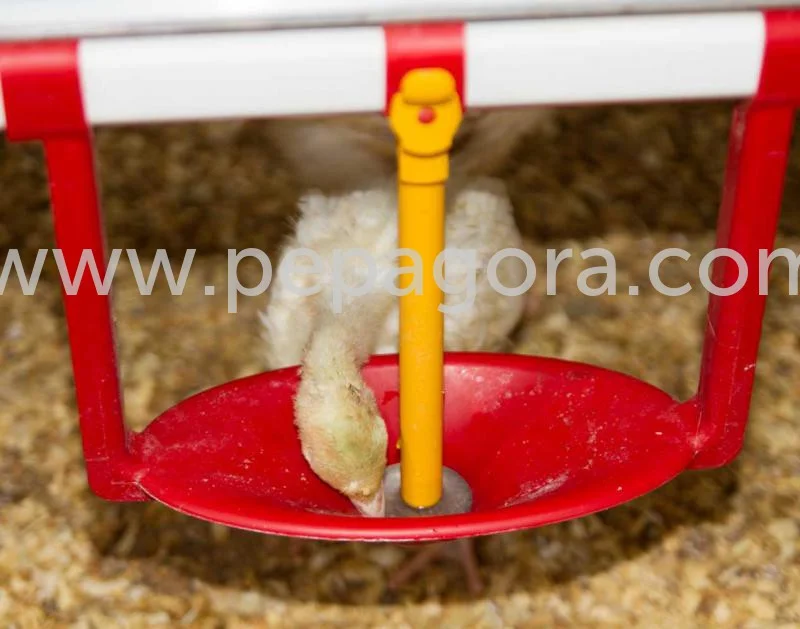
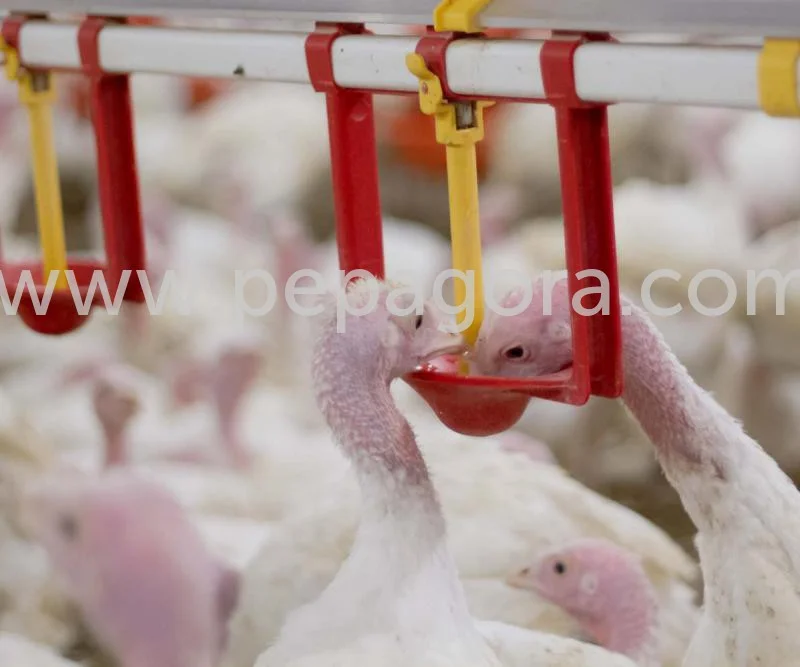
Nipple drinker systems are advanced watering solutions designed specifically for livestock, particularly poultry and swine. These systems utilize a nipple mechanism that allows animals to drink fresh water as needed, ensuring hydration while minimizing water wastage. The design promotes hygiene by reducing spillage and contamination, which is critical in maintaining the health of livestock.
The primary uses of nipple drinker systems include providing water to chickens, pigs, and other farm animals in various agricultural settings. They are commonly found in commercial poultry farms, pig farms, and aquaculture operations. By facilitating easy access to clean water, these systems contribute to improved livestock welfare and productivity, making them essential for modern farming practices.
In the context of the agricultural industry, nipple drinker systems are gaining traction due to their efficiency and effectiveness. As the demand for sustainable and humane animal husbandry practices grows, these systems offer a reliable solution that aligns with industry standards. Their relevance is further underscored by the increasing focus on animal welfare and resource conservation, making them an important component of modern agricultural operations.
Key Features and Specifications
Nipple drinker systems come equipped with several key features that enhance their functionality and efficiency. Understanding these specifications helps buyers make informed decisions based on their operational needs.
Key specifications include:
1. Nipple Type
- Various nipple types are available, such as stainless steel and plastic.
- Each type offers different durability and maintenance characteristics.
2. Flow Rate
- Flow rates typically range from 0.1 to 0.5 liters per minute.
- This allows for adequate water supply based on the size of the livestock.
3. Pressure Range
- Operating pressure usually falls between 1 to 3 bars.
- This range ensures optimal performance without leaks.
4. Installation Options
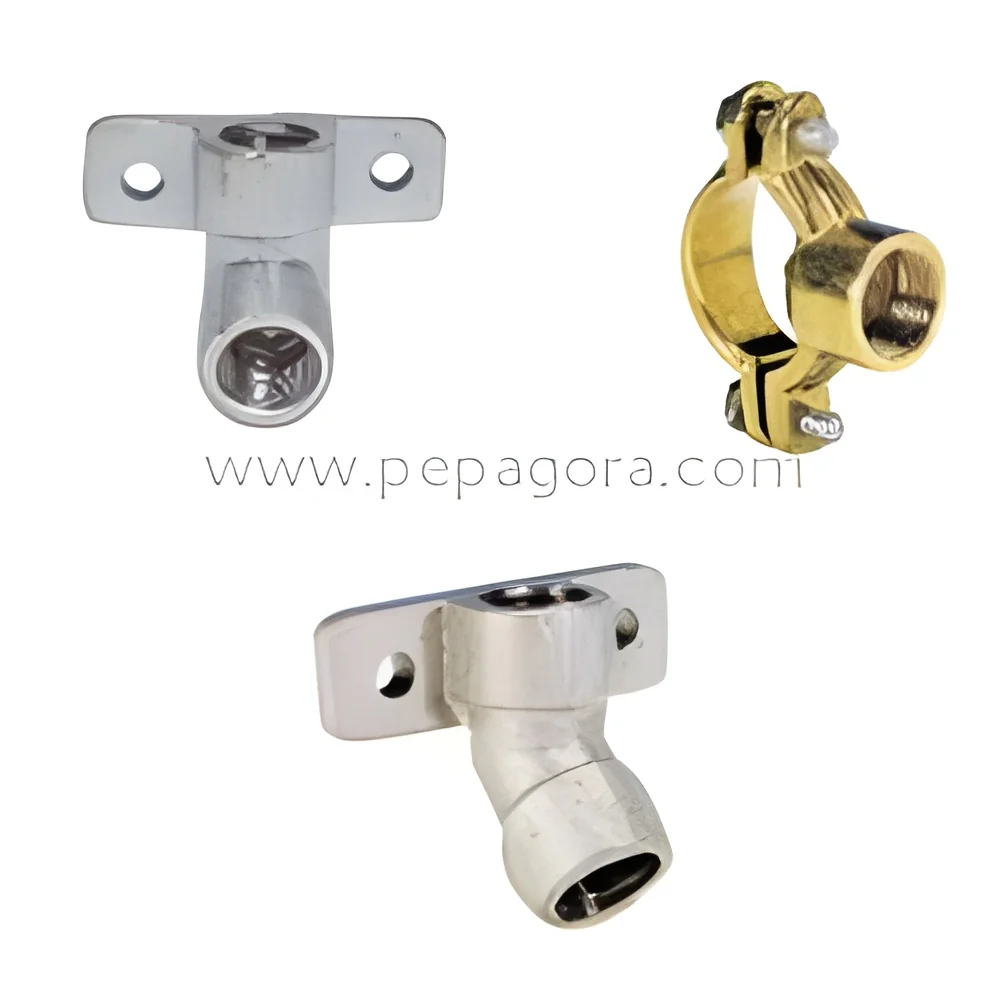
- Systems can be wall-mounted or suspended, providing flexibility based on farm layout.
- Easy installation helps minimize downtime during setup.
5. Cleaning Mechanism
- Many systems feature self-cleaning nipples to maintain hygiene.
- This reduces the need for manual cleaning efforts.
6. Temperature Resistance
- Designed to withstand various environmental conditions.
- Specific temperature ratings are not available but typically handle standard farm conditions.
7. Compatibility
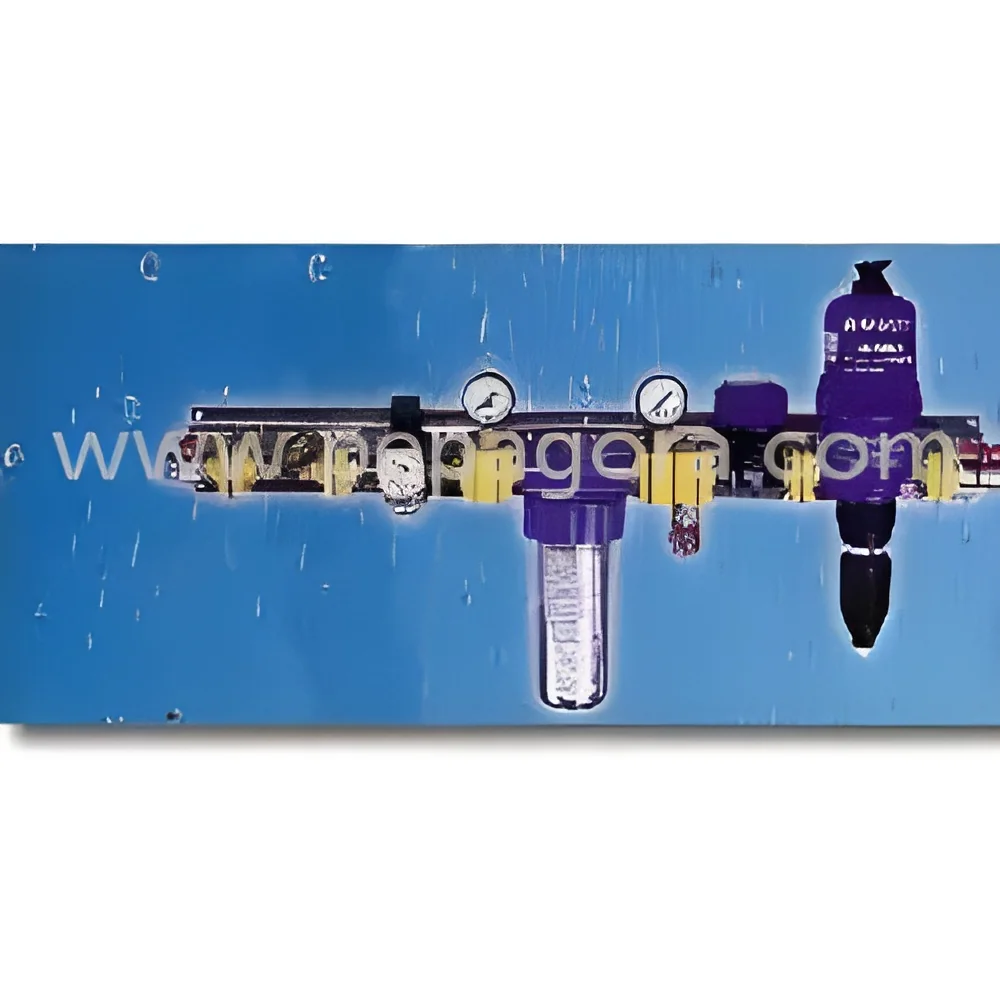
- Nipple drinkers can be integrated with existing water supply systems.
- This facilitates easy upgrades for current setups.
8. Durability
- Made from high-quality materials to withstand wear and tear.
- Longevity is critical for cost-effectiveness in long-term use.
Overall, the specifications of nipple drinker systems ensure they meet the diverse needs of livestock operations, providing reliable hydration while promoting animal health.
Common Applications and Use Cases
Nipple drinker systems are versatile solutions used across various industries, primarily in agriculture and animal husbandry.
1. Poultry Farming: Nipple drinkers are extensively used in broiler and layer farms. They provide birds with a constant supply of clean water, improving growth rates and egg production.
2. Pig Farming: In swine operations, these systems help maintain hydration levels in pigs, which is essential for their overall health and growth. The systems minimize water wastage and reduce the risk of contamination.
3. Aquaculture: Nipple drinkers are emerging in aquaculture for providing precise water supply to fish and shrimp farms, ensuring optimal living conditions.
4. Dairy Farming: These systems can also be adapted for dairy cattle, promoting better milk production through improved hydration.
5. Research Facilities: Nipple drinkers are used in animal research facilities where controlled hydration is crucial for experimental integrity.
6. Zoo and Wildlife Parks: Various species in captivity benefit from nipple drinker systems, which offer them a natural drinking experience while minimizing spillages.
7. Pet Breeding: Breeders of dogs and cats find nipple drinkers useful for providing fresh water in a sanitary manner.
Product Variants and Subcategories
Nipple drinker systems are available in several variants to meet the specific needs of different livestock and farm operations.
Automatic Nipple Drinkers: These systems use pressure sensors to regulate water flow. They ensure that animals receive water as soon as they activate the nipple, promoting efficient water usage.
Manual Nipple Drinkers: Designed for smaller operations, these systems require manual activation. They are cost-effective for farmers with fewer animals.
Adjustable Nipple Drinkers: These allow for customization of the water flow rate based on the size of the livestock. This feature is beneficial for farms that raise different species.
High-Pressure Nipple Drinkers: Suitable for environments with varying water pressures, these systems are designed to function effectively even under challenging conditions.
Benefits and Advantages
Implementing nipple drinker systems offers numerous advantages for livestock operations.
Key benefits include:
1. Improved Animal Welfare: Nipple drinkers provide clean, accessible water, promoting better health and well-being for livestock.
2. Reduced Water Waste: The design minimizes spillage, ensuring that water is used efficiently, which is crucial in resource-constrained environments.
3. Enhanced Hygiene: Nipple systems reduce the risk of water contamination, helping to maintain a healthier living environment for animals.
4. Lower Maintenance: Many systems feature self-cleaning mechanisms, reducing the need for frequent manual cleaning and maintenance.
5. Increased Productivity: Access to fresh water supports optimal growth and production rates, benefiting farmers' bottom lines.
6. Versatile Applications: These systems can be adapted for various types of livestock and farm operations, making them a flexible choice for many farmers.
Buying Guide for B2B Buyers
When sourcing nipple drinker systems, there are several important factors to consider to ensure the right choice for your operation.
1. Quality Assessment: Look for systems made from high-quality materials that can withstand the rigors of farm life. Evaluate reviews and testimonials from other users to gauge reliability.
2. Supplier Verification: Vet suppliers to ensure they are reputable and have a track record of delivering on their promises. Check for certifications and references to verify their credibility.
3. Pricing and MOQ: Understand the cost structure and minimum order quantities. Compare prices among suppliers while considering the quality of the systems offered.
4. Delivery and Lead Times: Inquire about the logistics involved in the delivery process. Ensure that the expected lead times fit within your operational needs.
5. Compliance Requirements: Be aware of any regulatory standards that apply to your region. Ensure that the systems meet necessary compliance and safety standards.
Compliance and Certifications
Nipple drinker systems must adhere to various compliance and certification standards to ensure their safety and efficacy in livestock operations.
ISO 9001 is a key quality management standard that many manufacturers strive to meet. This certification indicates that a supplier has established a systematic approach to ensuring quality throughout the production process.
HACCP (Hazard Analysis Critical Control Point) is crucial in food safety management, especially in operations that involve livestock and food production. Compliance with HACCP standards helps ensure that systems are designed to minimize health risks.
CE certification is essential for products sold in European markets, signifying that they meet the required health, safety, and environmental protection standards.
Safety and testing requirements often involve rigorous evaluations to ensure that the systems function correctly under different conditions. Manufacturers may conduct tests to assess durability and performance.
Regional compliance considerations may vary, so it is vital for buyers to understand local regulations that may affect the use of nipple drinker systems in their area.
Why Source Nipple Drinker Systems from Pepagora?
Pepagora provides a trusted platform for sourcing nipple drinker systems with several key advantages that make it a preferred choice for B2B buyers.
Verified Supplier Network: Pepagora boasts a comprehensive network of verified suppliers, ensuring that buyers can source high-quality products with confidence. The verification process helps mitigate risks associated with purchasing from unknown sources.
Streamlined RFQ Process: The Request for Quotation (RFQ) system at Pepagora simplifies the procurement process. Buyers can easily submit their requirements and receive competitive quotes from multiple suppliers, saving time and effort.
Trade Assurance and Support: Pepagora offers trade assurance programs that protect buyers' investments. This support includes dispute resolution and guarantees on product quality, providing peace of mind throughout the purchasing process.
Regional Coverage: With a strong presence in India, the GCC, and Southeast Asia, Pepagora covers diverse markets, making it easier for businesses to find suitable suppliers in their respective regions. This geographic reach enhances accessibility to quality nipple drinker systems.

Frequently Asked Questions
What are Nipple Drinker Systems?
Nipple Drinker Systems are automated drinking systems designed for livestock, providing a clean and efficient source of water. These systems use nipple valves that allow animals to drink water without spilling, promoting hygiene and reducing water waste.
What are the different types of Nipple Drinker Systems?
There are various types of Nipple Drinker Systems, including manual and automatic systems. Common variations include vertical and horizontal nipple drinkers, each catering to different animal species and farm setups.
How do I choose the right Nipple Drinker Systems?
To choose the right Nipple Drinker Systems, consider factors such as the type of livestock, the size of your farm, and the specific water requirements of your animals. Additionally, evaluate the system's ease of installation, maintenance needs, and compatibility with existing infrastructure.
What are the standard specifications for Nipple Drinker Systems?
Standard specifications for Nipple Drinker Systems typically include materials like stainless steel or plastic for durability, flow rates suited to the species, and adjustable height settings. It's essential to ensure that the specifications meet the needs of your livestock and farming practices.
What is the price range for Nipple Drinker Systems?
The price range for Nipple Drinker Systems can vary significantly based on type and manufacturer, generally falling between INR 500 to INR 5,000 per unit. Bulk purchases may offer discounts, and additional costs may arise from installation and maintenance.
What quality standards apply to Nipple Drinker Systems?
Quality standards for Nipple Drinker Systems include compliance with food safety regulations and requirements for materials used in livestock applications. Manufacturers often adhere to international standards such as ISO or equivalent certifications to ensure product reliability and safety.
Where can I find Nipple Drinker Systems suppliers in India?
You can find Nipple Drinker Systems suppliers in India through online B2B marketplaces like Pepagora.com or by visiting local agricultural trade shows. Networking with local farmers and industry professionals can also lead to reliable supplier recommendations.
Can Nipple Drinker Systems be customized?
Yes, many manufacturers offer customization options for Nipple Drinker Systems to meet specific requirements. Customizations may include variations in size, material, or integrated features to better suit the needs of different livestock and farm conditions.
What is the typical minimum order quantity for Nipple Drinker Systems?
The typical minimum order quantity (MOQ) for Nipple Drinker Systems varies by supplier, but it generally ranges from 10 to 100 units. It's advisable to check with specific manufacturers or suppliers for their MOQ policies.
What is the typical lead time for Nipple Drinker Systems?
The typical lead time for Nipple Drinker Systems can range from 2 to 6 weeks, depending on the supplier and the complexity of the order. Factors such as customization, order size, and shipping options can also influence the delivery timeframe.
Why Businesses Trust Pepagora
Thousands of companies trust Pepagora to source smarter and sell faster
Expand Your Sales Globally

Source Smarter,Grow Faster
