What are Contract Manufacturing of Poultry Equipment?
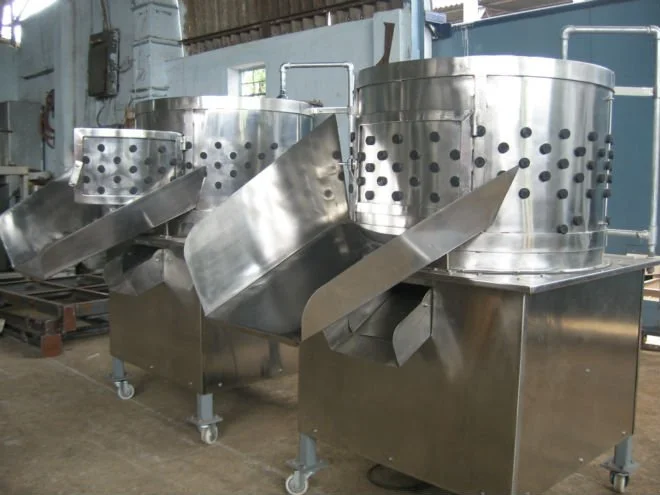
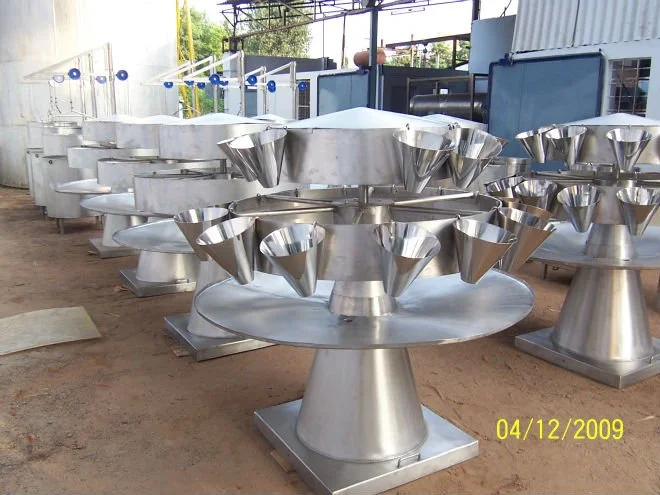
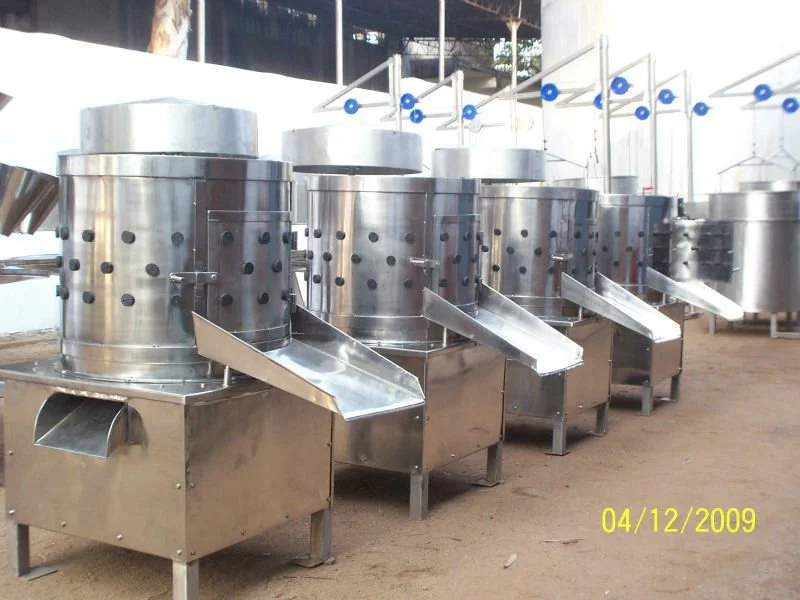
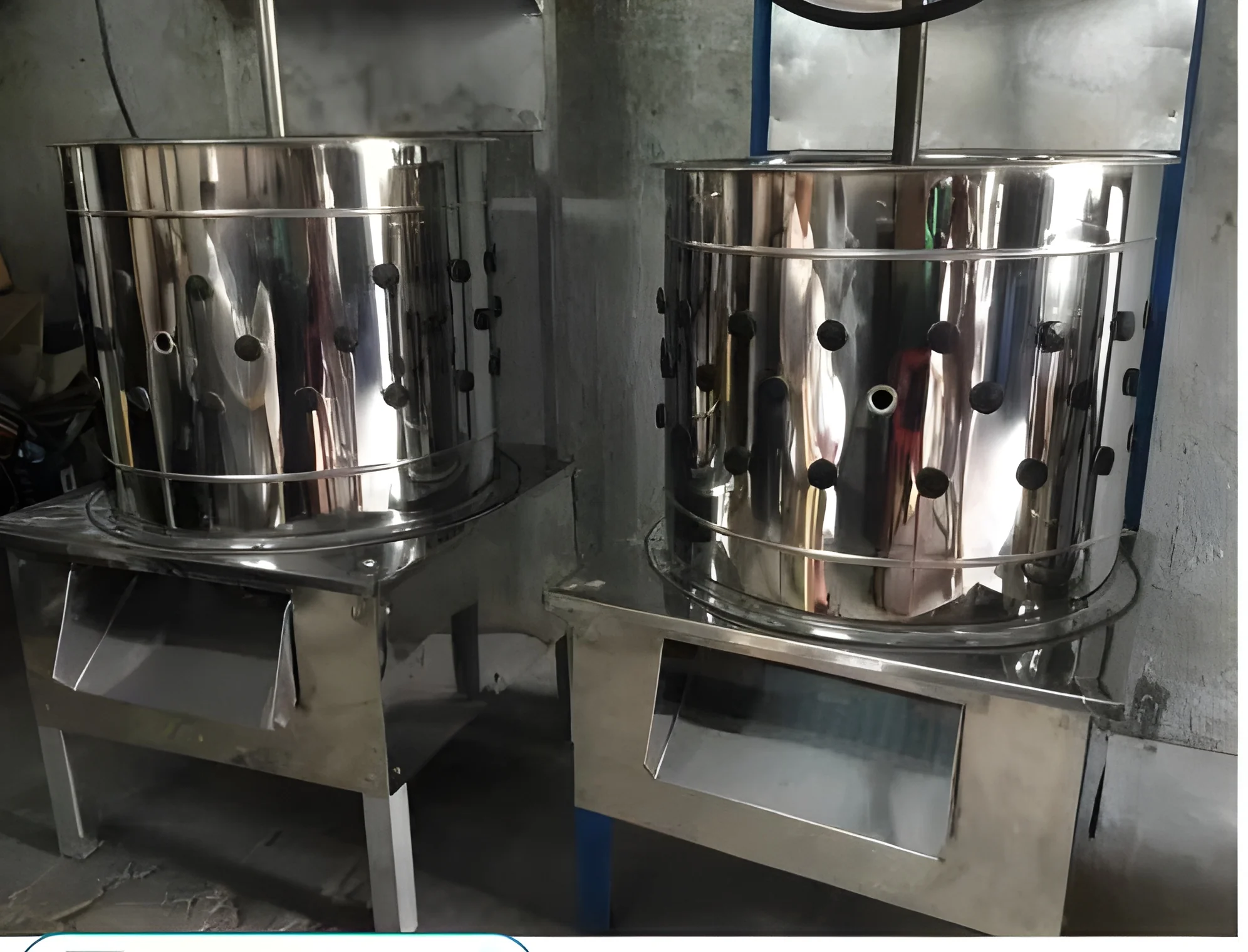
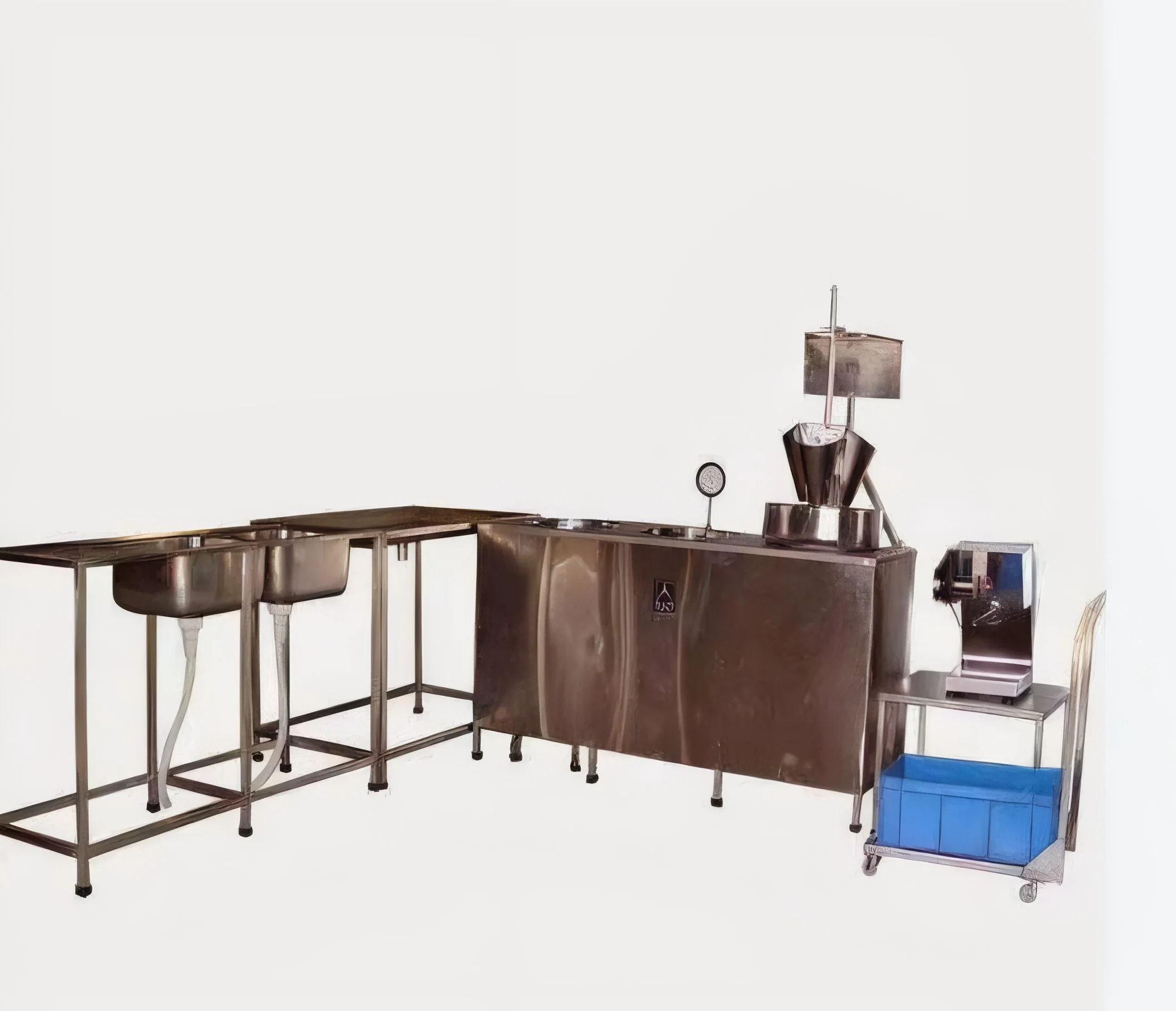
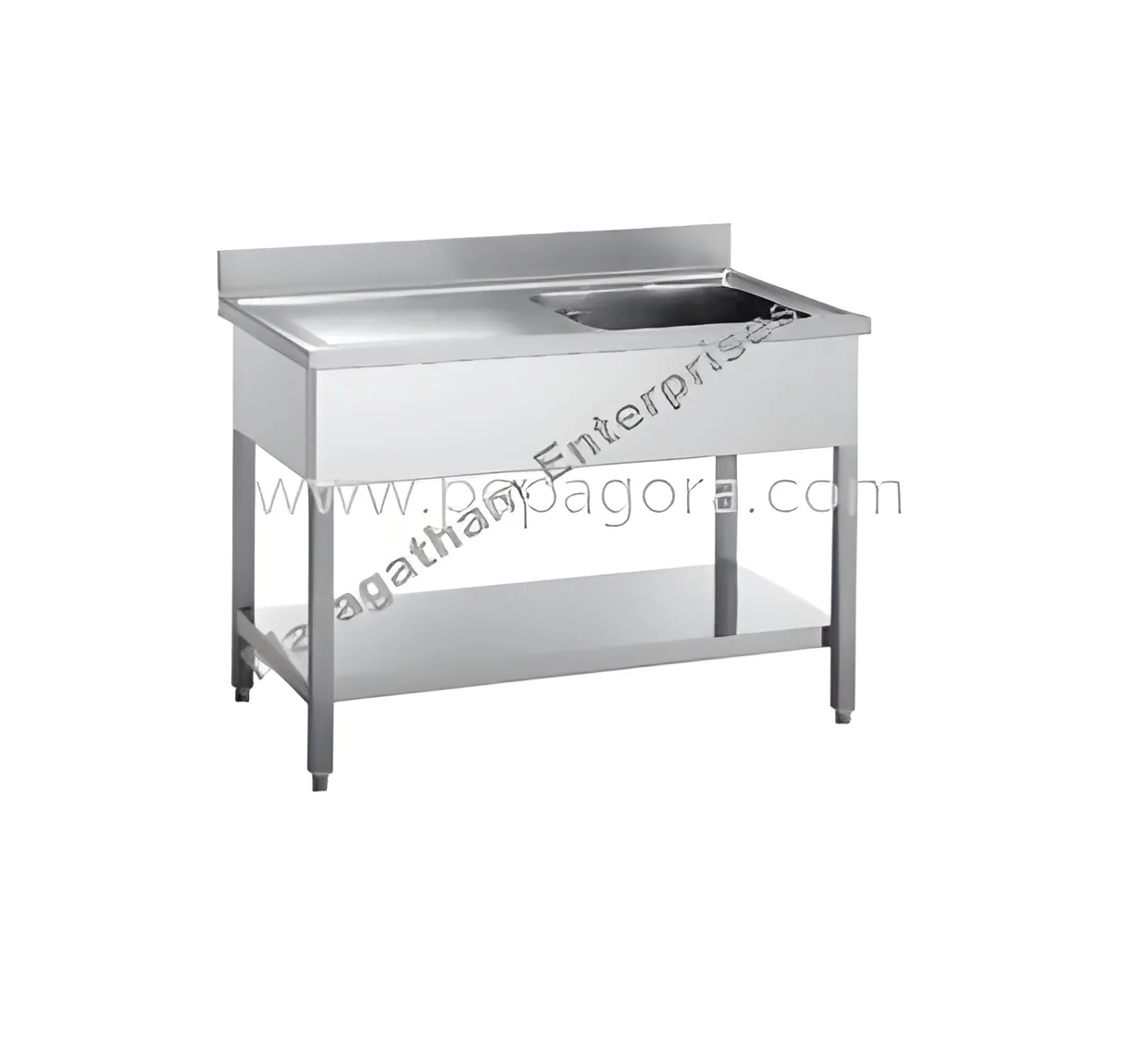
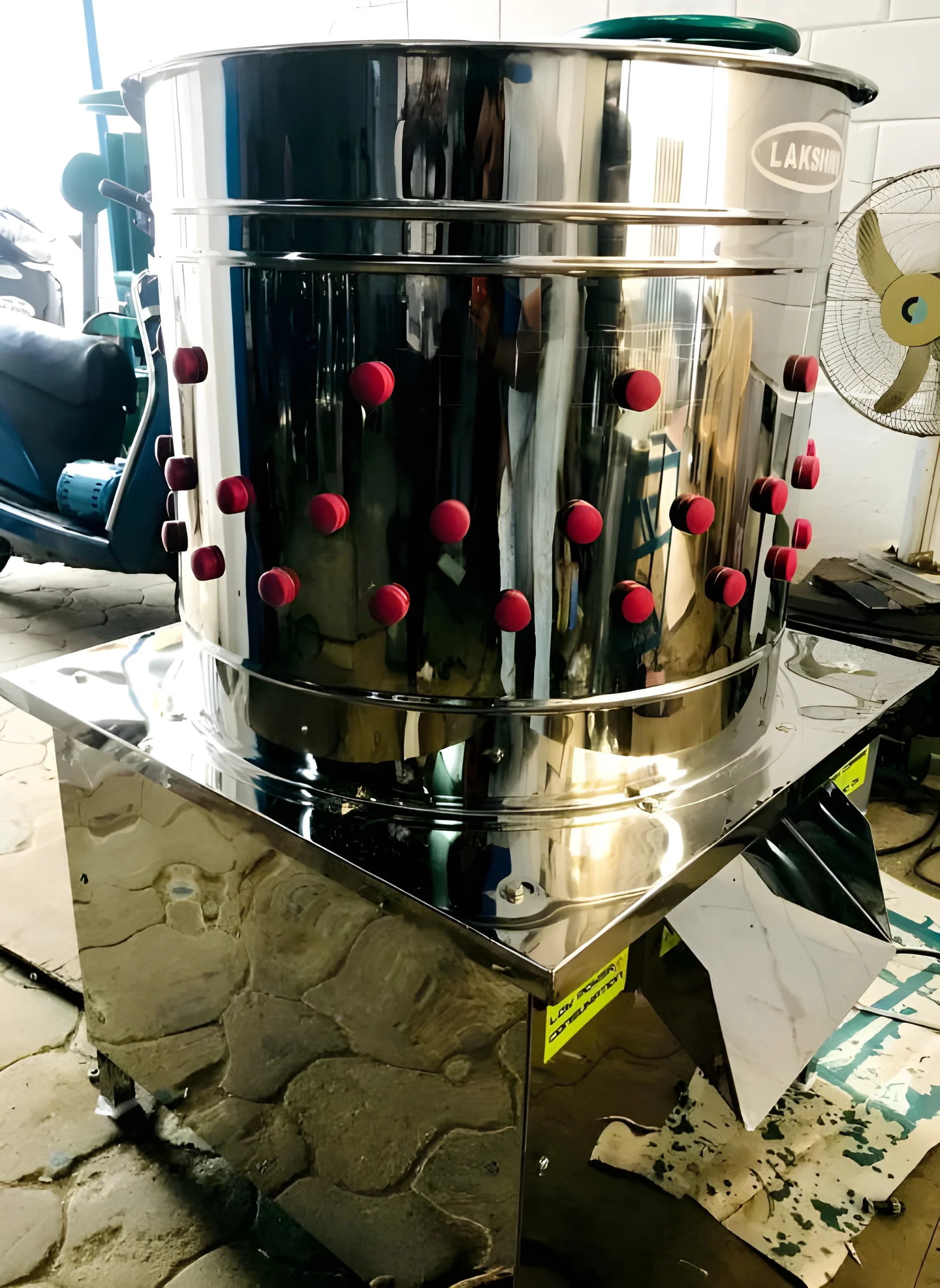
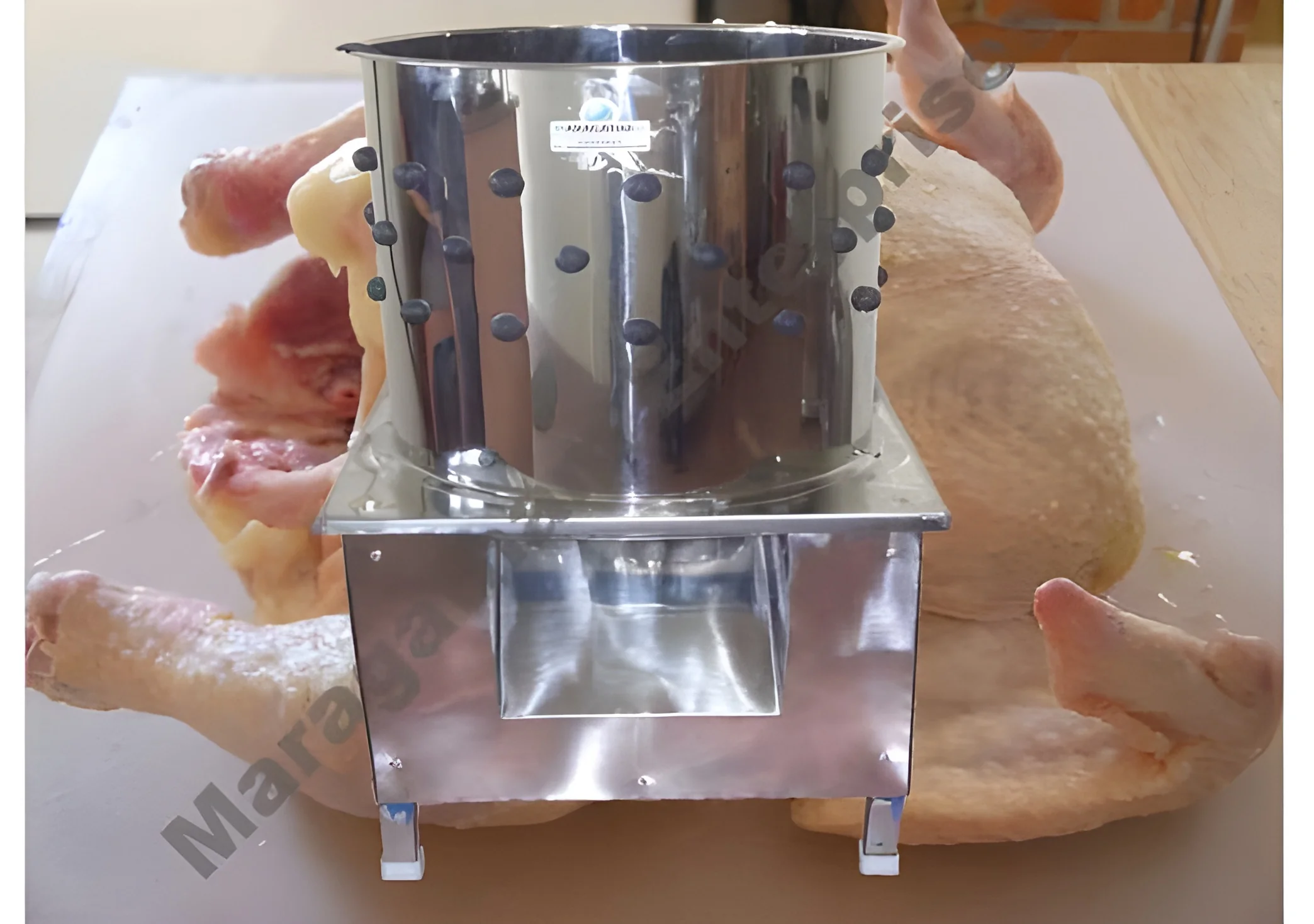
Contract manufacturing of poultry equipment refers to the outsourcing of production processes to specialized manufacturers who develop and produce equipment used in poultry farming. This includes a range of products such as feeders, drinkers, heating systems, and ventilation solutions. These manufacturers possess the expertise and resources to create high-quality equipment tailored to the specific needs of poultry producers.
The primary uses of contract manufacturing in this sector involve the production of equipment that enhances the efficiency and welfare of poultry operations. Companies often collaborate with contract manufacturers to scale their production capabilities without the need for large capital investments in machinery or facilities. This approach allows poultry businesses to focus on their core competencies while ensuring they have access to the latest technology and best practices in equipment design.
In the current market context, the demand for advanced poultry equipment continues to grow due to increasing global food consumption and the need for sustainable farming practices. Contract manufacturing plays a crucial role in meeting this demand, providing flexibility and innovation to poultry producers who seek to improve productivity and animal welfare.
Key Features and Specifications
Contract manufacturing of poultry equipment encompasses various features that ensure optimal performance and reliability. The specifications are tailored to meet industry standards and the specific operational requirements of poultry farms.
Key specifications include:
1. Material Quality
- High-grade materials such as stainless steel or food-grade plastics
- Resistance to corrosion and wear
2. Design Efficiency
- Ergonomic designs for ease of use
- Modular components for easy assembly and maintenance
3. Temperature Control
- Equipment designed to maintain optimal temperature ranges for various poultry species
- Integration with heating and cooling systems
4. Humidity Control
- Systems that effectively manage humidity levels within poultry environments
- Features that prevent moisture build-up and related issues
5. Monitoring Capabilities
- Integration of automated monitoring systems for temperature and humidity
- Real-time data tracking for better management
6. Customization Options
- Ability to customize designs based on specific farm requirements
- Flexibility in sizing and features
7. Compliance Standards
- Adherence to industry regulations and quality standards
- Certifications such as UL and CE for safety and reliability
8. Scalability
- Solutions that can be scaled up or down based on production needs
- Modular designs that allow for future expansions
In summary, contract manufacturing of poultry equipment is characterized by high-quality materials, efficient designs, and advanced monitoring capabilities that cater to the diverse needs of poultry producers.
Common Applications and Use Cases
Contract manufacturing of poultry equipment serves a variety of industries that require specialized solutions for poultry management.
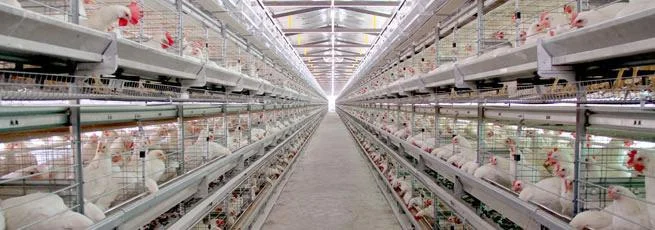
1. Poultry Farming: Equipment such as feeders, drinkers, and climate control systems are essential for optimizing the growth and health of chickens, turkeys, and other poultry species.
2. Hatcheries: Specialized equipment is needed for egg incubation, hatching, and chick management, ensuring high survival rates and healthy growth.
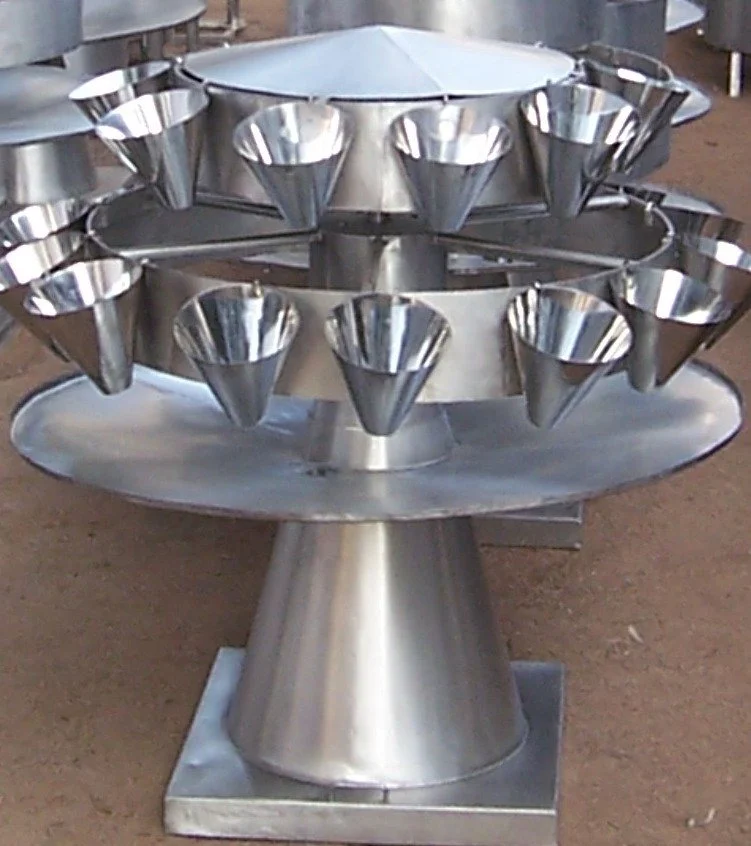
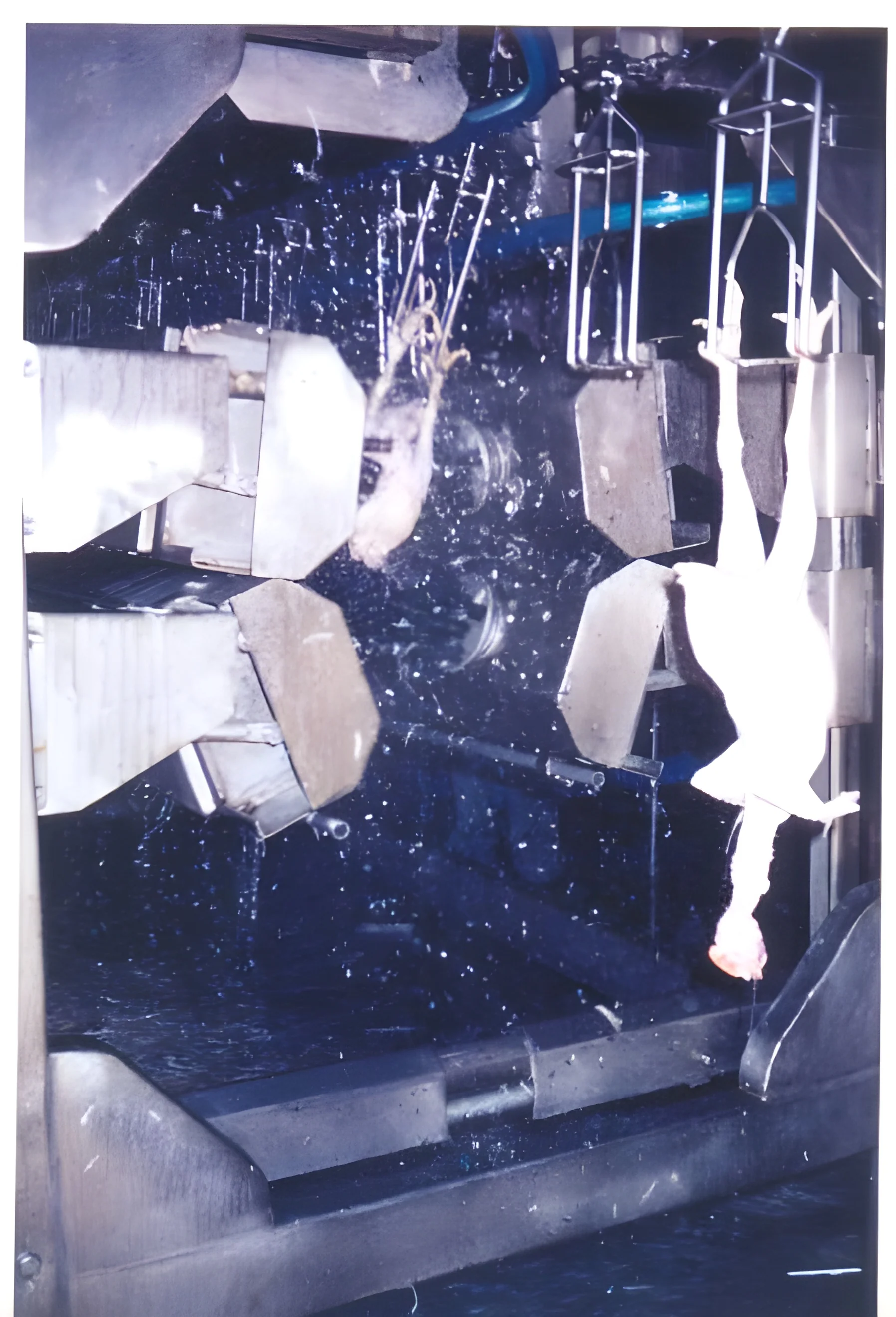
3. Processing Plants: Equipment designed for processing poultry products, including automated systems for cleaning, cutting, and packaging, enhances efficiency and safety.
4. Research Institutions: Poultry research centers use specialized equipment to study poultry health, nutrition, and behavior, supporting advancements in the industry.
5. Veterinary Services: Equipment used in the treatment and care of poultry, such as health monitoring devices and feeding systems, is vital for veterinary professionals.
6. Agricultural Cooperatives: Cooperatives benefit from contract manufacturing by sourcing standardized equipment that meets the collective needs of their members.
7. Exporters: Businesses involved in the export of poultry products require specialized packaging and processing equipment to meet international standards.
Product Variants and Subcategories
Contract manufacturing of poultry equipment offers a range of product variants to cater to specific needs within the industry.
Feeding Systems: These systems provide automated feeding solutions, ensuring that poultry receive the right amount of feed at the right time. Features may include adjustable feed rates and monitoring capabilities.
Watering Systems: Efficient watering solutions that ensure a constant supply of clean drinking water for poultry. These systems often include automatic refill features and filtration systems.
Climate Control Solutions: Equipment designed to regulate temperature and humidity in poultry housing. This includes heaters, ventilators, and cooling systems to maintain optimal living conditions.
Ventilation Systems: Specialized fans and ducting systems that ensure proper air circulation within poultry houses, promoting health and comfort for the birds.
Bird Monitoring Systems: Advanced technology that allows farmers to monitor the health and behavior of poultry. These systems can provide real-time data on various parameters, enhancing management decisions.
Benefits and Advantages
Contract manufacturing of poultry equipment presents numerous benefits for businesses in the poultry industry.
Key benefits include:
1. Cost Efficiency: Outsourcing manufacturing reduces capital expenditure on machinery and facilities, allowing businesses to allocate resources more effectively.
2. Access to Expertise: Partnering with specialized manufacturers provides access to advanced technology and industry knowledge, enhancing product quality.
3. Flexibility: Contract manufacturers can adapt production levels based on demand, offering scalability that aligns with market needs.
4. Quality Assurance: Established manufacturers adhere to strict quality standards, ensuring that equipment meets industry regulations and performance expectations.
5. Custom Solutions: Many contract manufacturers offer customized designs that cater to specific operational requirements, enhancing overall efficiency.
6. Reduced Lead Times: Streamlined production processes can result in shorter lead times, ensuring that businesses receive equipment when needed.
Buying Guide for B2B Buyers
When sourcing contract manufacturing of poultry equipment, there are several important factors to consider.
1. Quality Assessment: Evaluate manufacturers based on their adherence to industry standards and quality certifications. Look for proven track records in producing reliable equipment.
2. Supplier Verification: Conduct thorough research on potential suppliers. Check their reputation, customer feedback, and history of successful collaborations.
3. Pricing and MOQ: Understand the pricing structure and minimum order quantities. This helps in budgeting and ensures that you are getting value for your investment.
4. Delivery and Lead Times: Confirm delivery schedules and lead times to ensure that equipment arrives when needed. Timely production is crucial for maintaining operational efficiency.
5. Compliance Requirements: Ensure that the equipment complies with relevant regulatory standards. This includes safety certifications and environmental regulations that may vary by region.
Compliance and Certifications
Compliance and certifications play a critical role in the contract manufacturing of poultry equipment. Relevant quality standards such as ISO 9001 ensure that manufacturers maintain high levels of quality management throughout the production process.
Industry certifications like UL and CE demonstrate that equipment meets safety and performance standards. These certifications are essential for gaining trust and ensuring that the equipment is suitable for use in poultry operations.
Additionally, safety and testing requirements are crucial to prevent hazards and ensure the longevity of the equipment. Manufacturers must conduct thorough testing to comply with these standards.
Regional compliance considerations may vary, so it is important to understand the local regulations that apply to poultry equipment. This ensures that all products are legal and safe for use in specific markets.
Why Source Contract Manufacturing of Poultry Equipment from Pepagora?
Pepagora provides a trusted platform for sourcing contract manufacturing of poultry equipment, offering businesses several key advantages.
Verified Supplier Network: Pepagora ensures that all suppliers in its network are thoroughly vetted. This means that buyers can trust the quality and reliability of the manufacturers they choose to work with.
Streamlined RFQ Process: The platform simplifies the request for quotation (RFQ) process, allowing buyers to receive multiple competitive quotes quickly. This efficiency saves time and helps businesses make informed decisions.
Trade Assurance and Support: Pepagora offers trade assurance to protect buyers throughout the sourcing process. This includes support for any challenges that may arise, ensuring a smooth transaction.
Regional Coverage: With a focus on regions such as India, GCC, and Southeast Asia, Pepagora provides extensive geographic reach. This enables businesses to connect with local manufacturers who understand the specific needs of the poultry industry in their areas.

 IN
IN