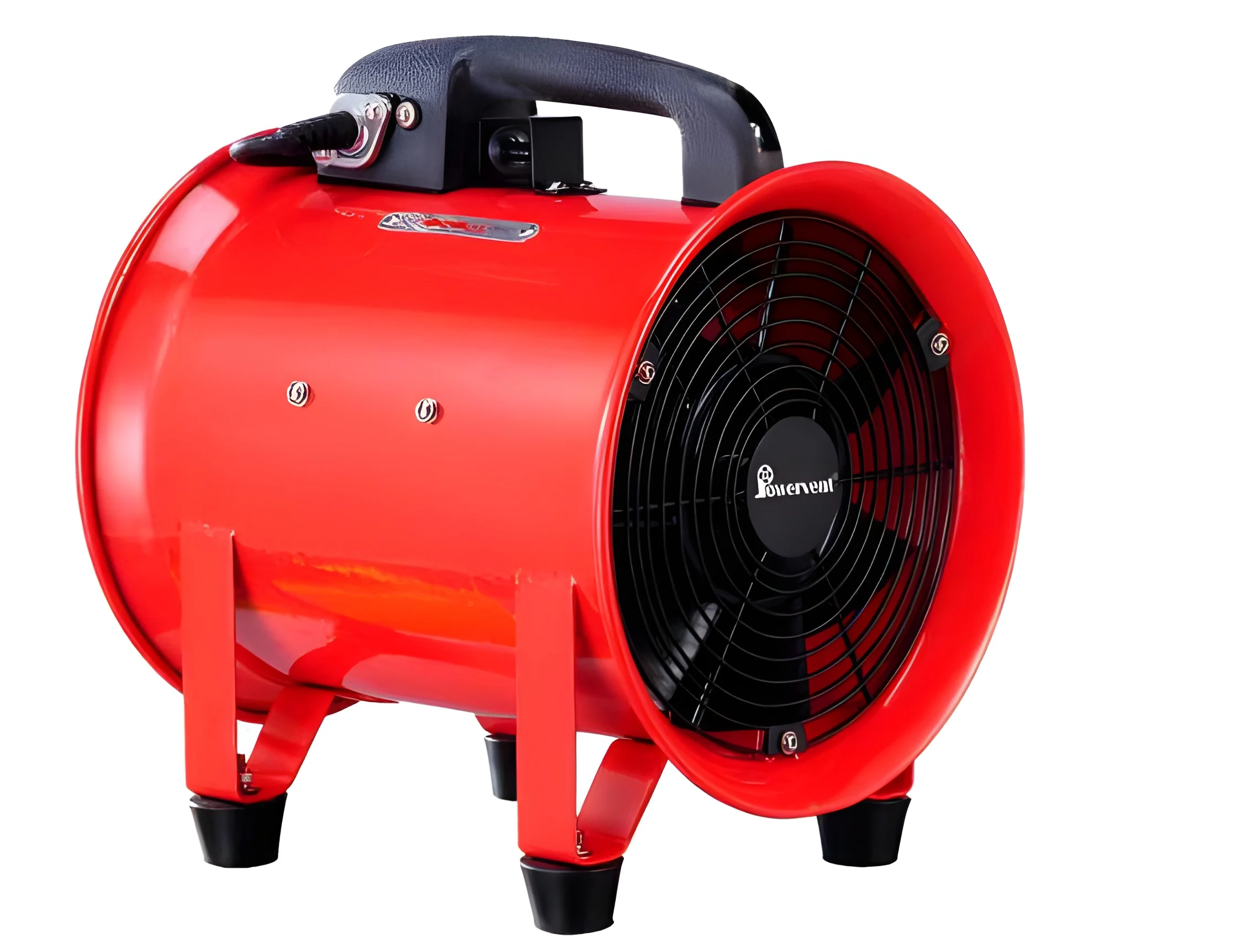
What are Ventilation & Cooling Systems?
Ventilation and cooling systems are essential components of modern industrial and commercial environments. These systems are designed to regulate indoor air quality, maintain comfortable temperatures, and ensure efficient air circulation. They serve a crucial role in removing excess heat, humidity, and contaminants from the air, thereby creating a healthier and more productive atmosphere for workers and equipment alike.
These systems find primary applications in various sectors, including manufacturing, food processing, healthcare, and commercial buildings. In manufacturing, they help manage heat generated by machinery, while in food processing, they control temperature and humidity to preserve product quality. In healthcare facilities, proper ventilation is vital for maintaining sterile environments and preventing the spread of airborne pathogens. The relevance of ventilation and cooling systems continues to grow, driven by increasing awareness of indoor air quality and energy efficiency standards.
Key Features and Specifications
Ventilation and cooling systems offer a range of features that enhance their functionality and effectiveness in diverse applications. Understanding these specifications is key for businesses looking to invest in reliable systems.
Key specifications include:
1. Airflow Rate
- Measured in cubic feet per minute (CFM), this specification indicates the volume of air the system can circulate.
- Typical airflow rates range from 100 CFM to over 10,000 CFM, depending on system size and application.
2. Energy Efficiency Ratio (EER)
- This rating measures the cooling output divided by the energy consumption.
- Higher EER values indicate more energy-efficient systems.
3. Noise Level
- Typically measured in decibels (dB), this specification indicates the sound produced by the system during operation.
- Systems are available with noise levels ranging from 40 dB (quiet) to 70 dB (louder).
4. Temperature Control Range
- This specification defines the range of temperatures the system can efficiently manage.
- Systems are designed to handle typical ranges from 60°F to 85°F.
5. Humidity Control
- Systems may include features to manage indoor humidity levels for comfort and product preservation.
- Humidity control specifications can vary based on the environment's needs.
6. Filtration Systems
- Effective filtration is crucial for maintaining air quality.
- Systems may include HEPA filters or other filtration technologies tailored to specific applications.
7. Control Systems
- Advanced control options may include programmable thermostats and smart controls for remote operation.
- Integration with building management systems is also available.
8. Compliance and Safety Features
- Many systems meet industry standards such as CE certification for safety and performance.
- Safety features may include automatic shut-off and leak detection systems.
In summary, understanding the features and specifications of ventilation and cooling systems is essential for selecting the right solution for your business needs.
Common Applications and Use Cases
Ventilation and cooling systems are versatile and applicable across numerous industries. Their design and functionality cater to specific requirements in diverse environments.
1. Manufacturing: These systems are crucial in factories to manage heat produced by machinery and ensure worker comfort.
2. Food Processing: In this industry, maintaining optimal temperature and humidity is vital for food safety and quality.
3. Healthcare: Hospitals and clinics rely on proper ventilation to control airborne contaminants and maintain sterile environments.
4. Commercial Buildings: Office spaces utilize these systems to provide a comfortable working environment and improve employee productivity.
5. Warehousing: Large storage facilities need effective ventilation to protect goods and maintain air quality.
6. Data Centers: These facilities require precise cooling solutions to protect sensitive equipment from overheating.
7. Agriculture: Ventilation systems are used in greenhouses and livestock barns to regulate temperature and humidity for optimal growth.
Product Variants and Subcategories
Ventilation and cooling systems come in various forms, each tailored to meet specific operational needs. This diversity allows businesses to choose solutions that best fit their requirements.
Ceiling-Mounted Units
These units are ideal for large spaces and provide efficient air distribution. They are often used in warehouses and factories where overhead installation is feasible.
Portable Air Conditioners
These units offer flexibility and can be moved as needed. They are perfect for temporary setups or locations where permanent installation is not possible.
Ductless Mini-Split Systems
These systems provide targeted cooling without the need for ductwork. They are commonly used in commercial spaces where retrofitting is challenging.
Chilled Beam Systems
This advanced technology uses convection and conduction to cool spaces efficiently. They are suited for modern office buildings that prioritize energy efficiency.
Benefits and Advantages
Investing in ventilation and cooling systems offers numerous advantages for businesses. These benefits contribute to improved operational efficiency and worker satisfaction.
Key benefits include:
1. Improved Air Quality: These systems effectively remove pollutants, providing a healthier environment for employees.
2. Enhanced Comfort: By regulating temperature and humidity, these systems create a comfortable working atmosphere.
3. Increased Productivity: Comfortable working conditions are linked to higher employee productivity and morale.
4. Energy Efficiency: Modern systems are designed to minimize energy consumption, leading to lower utility costs.
5. Equipment Protection: Maintaining optimal temperatures helps protect sensitive machinery from overheating and prolongs its lifespan.
6. Compliance with Regulations: Proper ventilation and cooling systems ensure compliance with health and safety regulations.
Buying Guide for B2B Buyers
When sourcing ventilation and cooling systems, it is crucial to evaluate several key factors to ensure the right choice for your business needs.
1. Quality Assessment: Look for systems that meet industry standards and have a proven track record of performance. Quality certifications can be a good indicator.
2. Supplier Verification: Vet suppliers through reviews and references. A reliable supplier will have a history of delivering quality products and support.
3. Pricing and MOQ: Understand the pricing structure and minimum order quantities. This information will help in budgeting and planning.
4. Delivery and Lead Times: Inquire about logistics and expected delivery times to avoid disruptions in operations.
5. Compliance Requirements: Ensure that the systems you choose adhere to local regulations and safety standards. This includes certifications relevant to your industry.
Compliance and Certifications
Compliance and certifications are critical factors in the selection of ventilation and cooling systems. These systems must adhere to various quality standards to ensure they operate safely and effectively.
ISO 9001 is a widely recognized quality management standard, ensuring that manufacturers maintain consistent quality in their processes. This certification can be a strong indicator of a supplier's commitment to quality.
HACCP (Hazard Analysis Critical Control Point) is particularly relevant in food processing applications, where maintaining air quality and safety standards is essential. Compliance with HACCP can help businesses ensure food safety and quality.
CE certification indicates that a product meets European safety and performance standards. This certification is crucial for businesses looking to operate in or export to European markets.
Additionally, safety and testing requirements should be thoroughly evaluated. Many ventilation and cooling systems undergo rigorous testing to meet safety standards, including electrical safety and performance testing.
Regional compliance considerations may also apply, depending on local regulations and industry-specific guidelines. It is essential for businesses to be aware of these requirements to avoid potential legal issues.
Why Source Ventilation & Cooling Systems from Pepagora?
Pepagora provides a trusted platform for sourcing ventilation and cooling systems, offering several key advantages for B2B buyers.
Verified Supplier Network: Pepagora connects buyers with verified suppliers who have undergone rigorous vetting processes. This ensures that businesses can source high-quality products with confidence.
Streamlined RFQ Process: The platform features a user-friendly request for quotation (RFQ) system that simplifies the process of obtaining quotes from multiple suppliers. This allows buyers to compare options quickly and effectively.
Trade Assurance and Support: Pepagora offers buyer protection through its trade assurance program. This ensures that buyers receive their orders as expected and provides support for any issues that may arise.
Regional Coverage: With a focus on markets in India, the GCC, and Southeast Asia, Pepagora offers extensive geographic reach. This allows businesses to find suppliers that are locally relevant and familiar with regional compliance requirements.

 IN
IN