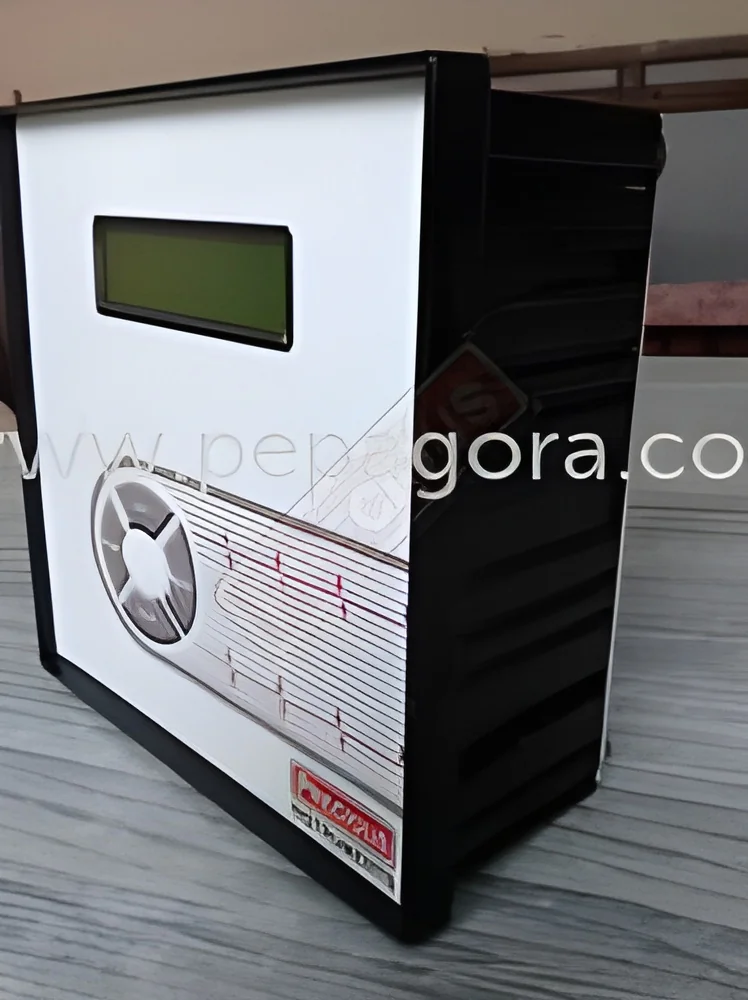
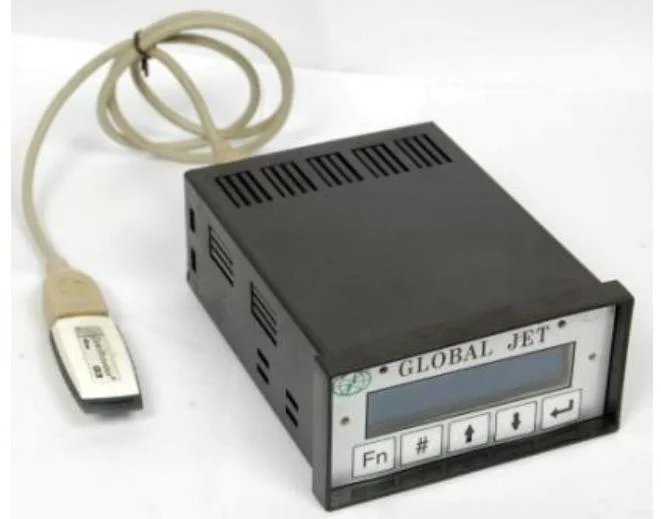
What are Data Loggers & Ventilation Controllers?
Data loggers and ventilation controllers are essential devices used to monitor and manage environmental conditions in various settings. Data loggers are electronic instruments that record data over time, typically related to temperature, humidity, and other environmental parameters. They can store this information for later analysis, making them crucial for ensuring compliance with safety standards and operational efficiency. Ventilation controllers, on the other hand, are systems designed to regulate airflow and maintain optimal air quality within a space. They work by adjusting fan speeds, opening or closing dampers, and controlling air exchange based on real-time conditions.
These devices are widely used across multiple industries, including food storage, pharmaceuticals, and manufacturing. In food storage, for example, maintaining specific temperature and humidity levels is vital for preserving product quality and safety. In the pharmaceutical sector, data loggers ensure that medications are stored within required conditions. Ventilation controllers play a critical role in maintaining air quality in manufacturing environments, where dust and contaminants can affect product integrity. As industries increasingly emphasize compliance and quality control, the demand for data loggers and ventilation controllers continues to grow.
The relevance of data loggers and ventilation controllers in today's market is underscored by heightened regulatory scrutiny and the need for businesses to operate efficiently. Companies are investing in these technologies to enhance their operational transparency and meet compliance requirements. As a result, the market for these devices is becoming increasingly competitive, with advancements in technology leading to smarter and more efficient solutions.
Key Features and Specifications
Data loggers and ventilation controllers offer a range of features that ensure they meet the diverse needs of various industries. These products are designed with user-friendliness, reliability, and precision in mind.
Key specifications include:
1. Temperature Monitoring
- Monitors temperature ranges typically between -40°C to +85°C
- Essential for food and pharmaceutical applications
2. Humidity Control
- Measures humidity levels from 0% to 100% relative humidity
- Critical for environments sensitive to moisture
3. Data Storage Capacity
- Can store thousands of data points for extended periods
- Enables comprehensive trend analysis and reporting
4. Battery Life
- Designed for long-lasting battery life, often exceeding 1 year
- Minimizes maintenance and operational disruptions
5. Connectivity Options
- Includes USB, Bluetooth, and Wi-Fi capabilities
- Facilitates easy data transfer and real-time monitoring
6. Alarm Systems
- Features built-in alarms for temperature and humidity deviations
- Ensures prompt response to potential issues
7. Software Compatibility
- Compatible with various data analysis software
- Enhances data visualization and reporting capabilities
8. Compact Design
- Often portable and lightweight for easy installation
- Suitable for diverse environments and applications
These specifications highlight the versatility and functionality of data loggers and ventilation controllers, making them indispensable tools for many industries.
Common Applications and Use Cases
Data loggers and ventilation controllers serve various industries with specific applications tailored to their needs.
1. Food Industry: In food storage, data loggers monitor temperature and humidity levels to ensure compliance with safety standards and maintain product quality.
2. Pharmaceutical Industry: These devices ensure medications are stored under precise conditions, protecting efficacy and safety during transport and storage.
3. Manufacturing: Ventilation controllers regulate air quality in production areas, reducing the risk of contamination and enhancing worker safety.
4. Agriculture: Growers use data loggers to monitor climate conditions in greenhouses, optimizing plant growth and yield.
5. HVAC Systems: Ventilation controllers adjust airflow based on real-time environmental data, improving energy efficiency and indoor air quality.
6. Laboratories: Data loggers track environmental parameters to comply with strict research protocols and ensure experiment integrity.
7. Museums and Archives: These devices help maintain stable conditions for artifacts, preventing degradation and preserving cultural heritage.
Product Variants and Subcategories
Data loggers and ventilation controllers come in a variety of forms to cater to specific industry needs.
Wireless Data Loggers: These loggers offer remote monitoring capabilities, allowing users to access data in real time without physical connections. They are ideal for large facilities where data accessibility is crucial.
Multi-Channel Data Loggers: Designed to monitor multiple parameters simultaneously, these loggers can track temperature, humidity, and other environmental factors in one unit. They are useful in settings with complex monitoring needs.
Portable Data Loggers: Lightweight and easy to deploy, portable loggers are perfect for temporary monitoring situations or field studies. They ensure that data can be collected efficiently in various locations.
Fixed Ventilation Controllers: These systems are installed in permanent settings to continuously monitor and control airflow, ensuring consistent air quality in facilities such as factories and laboratories.
Smart Ventilation Controllers: Incorporating advanced technology, these controllers use algorithms to optimize ventilation based on real-time data, providing energy savings and improved air quality.
Benefits and Advantages
The use of data loggers and ventilation controllers offers several key benefits for businesses.
1. Enhanced Compliance: These devices help ensure adherence to industry regulations, reducing the risk of fines and enhancing operational credibility.
2. Improved Product Quality: By accurately monitoring environmental conditions, businesses can maintain product integrity and reduce waste.
3. Energy Efficiency: Ventilation controllers optimize airflow, leading to significant energy savings and reduced operational costs.
4. Real-Time Monitoring: Businesses can access real-time data, enabling prompt responses to environmental changes and potential issues.
5. Data Analysis Capabilities: The ability to analyze historical data supports informed decision-making and operational improvements.
6. Customizable Solutions: Many data loggers and controllers can be tailored to meet specific industry requirements, enhancing their effectiveness.
Buying Guide for B2B Buyers
When sourcing data loggers and ventilation controllers, businesses should consider several important factors.
1. Quality Assessment: Evaluate the quality of the products through reviews and performance ratings. Look for devices that meet industry standards and have a proven track record.
2. Supplier Verification: Vet suppliers to ensure they have a reliable reputation and can provide support and service as needed. Check for certifications and customer testimonials.
3. Pricing and MOQ: Understand the pricing structure and minimum order quantities (MOQ) to align with budget considerations and procurement strategies.
4. Delivery and Lead Times: Assess the logistics of delivery and the expected lead times for receiving products. This is crucial for planning and inventory management.
5. Compliance Requirements: Ensure that the products meet relevant regulatory standards applicable to your industry, which may include safety and environmental compliance.
Compliance and Certifications
Data loggers and ventilation controllers are subject to various quality standards and certifications that ensure their reliability and safety. Key standards include ISO 9001, which ensures a robust quality management system, and HACCP, which focuses on food safety management.
Additionally, many products carry CE certification, indicating compliance with European health and safety standards. This is particularly important for businesses operating in regulated markets.
Safety and testing requirements are critical in maintaining operational integrity. Products should undergo rigorous testing to validate their performance under specified conditions.
Regional compliance considerations may vary, so it is essential for businesses to stay informed about local regulations that may impact the use of these devices in their respective industries.
Why Source Data Loggers & Ventilation Controllers from Pepagora?
Pepagora provides a trusted platform for sourcing data loggers and ventilation controllers, offering several key advantages to B2B buyers.
Verified Supplier Network: Pepagora collaborates with a wide range of verified suppliers, ensuring that buyers have access to high-quality products. This verification process gives buyers confidence in their purchasing decisions.
Streamlined RFQ Process: The platform simplifies the request for quotation (RFQ) process, allowing buyers to compare quotes easily and select the best option that meets their needs.
Trade Assurance and Support: Pepagora offers trade assurance to protect buyers from potential risks. The platform provides support throughout the purchasing process, ensuring a smooth transaction.
Regional Coverage: With a strong presence in India, the GCC, and Southeast Asia, Pepagora connects buyers with suppliers in these regions, facilitating easier sourcing and logistics for diverse markets.

 IN
IN