
 IN
Private Label Poultry Systems
36 products available
What are Private Label Poultry Systems?
Private label poultry systems are tailored solutions designed for businesses looking to establish their own brand in the poultry market. These systems encompass a range of equipment and technologies used in the production, processing, and packaging of poultry products. They enable companies to manufacture poultry under their own label while ensuring consistency, quality, and efficiency in operations.
These systems find primary applications in poultry farms, processing facilities, and distribution centers. They allow businesses to control the entire supply chain, from breeding and feeding to processing and packaging. By leveraging private label poultry systems, companies can enhance their market presence and cater to specific consumer preferences, ultimately driving sales and profitability.
With a growing demand for poultry products worldwide, private label poultry systems are increasingly relevant in the global market. Businesses are seeking innovative solutions to meet consumer expectations for quality and sustainability. As competition intensifies, the ability to offer unique poultry products under a private label can provide a significant competitive edge.
Key Features and Specifications
Private label poultry systems come equipped with various features and specifications that address the needs of poultry producers. These features ensure optimal performance, safety, and compliance with industry standards.
Key specifications include:
1. Quality Control Systems
- Integrated monitoring technologies for tracking production quality
- Ensures compliance with health and safety regulations
2. Processing Capacity
- Capable of handling varying volumes of poultry
- Designed for scalability to meet business growth
3. Automation Features
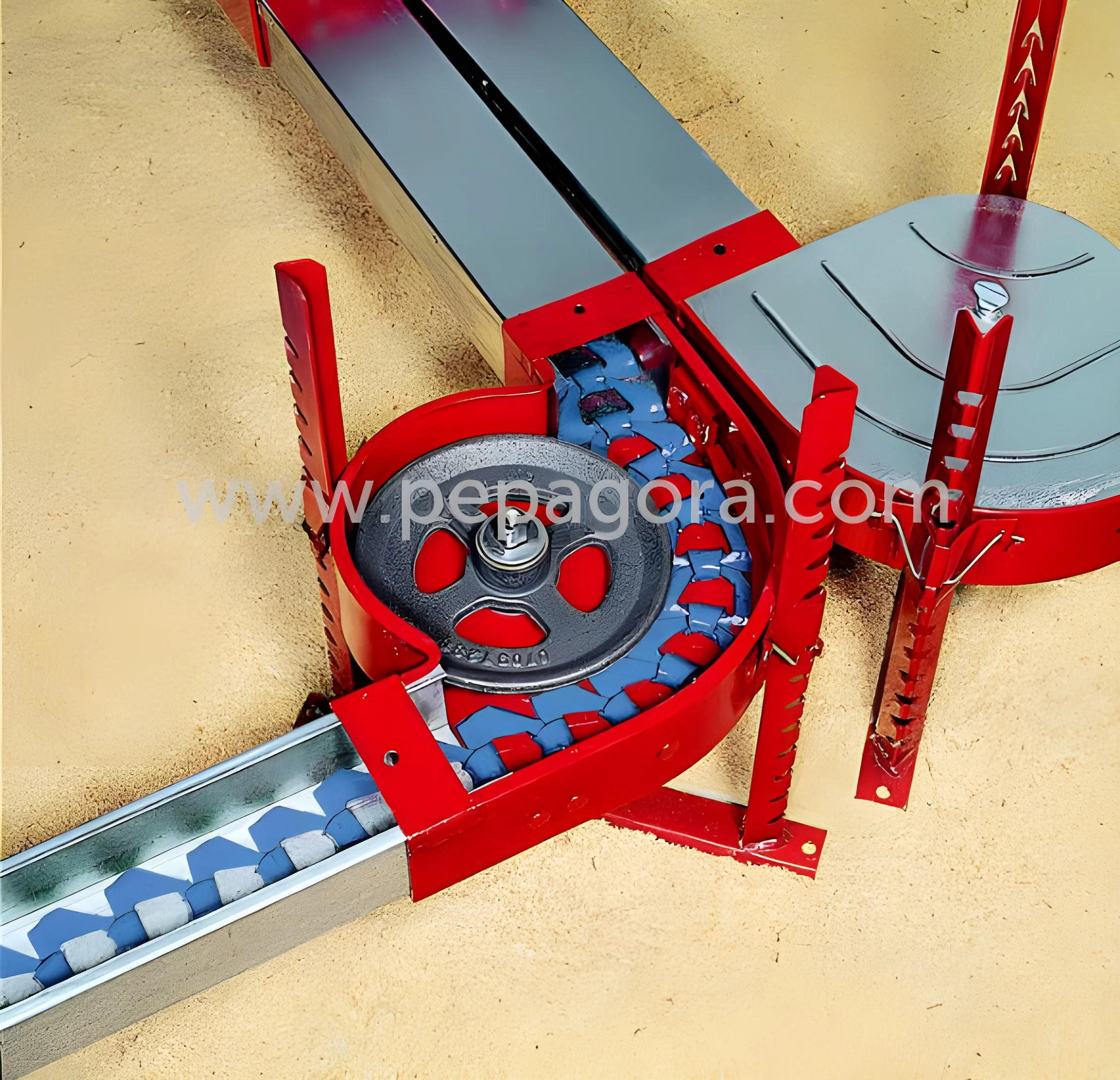
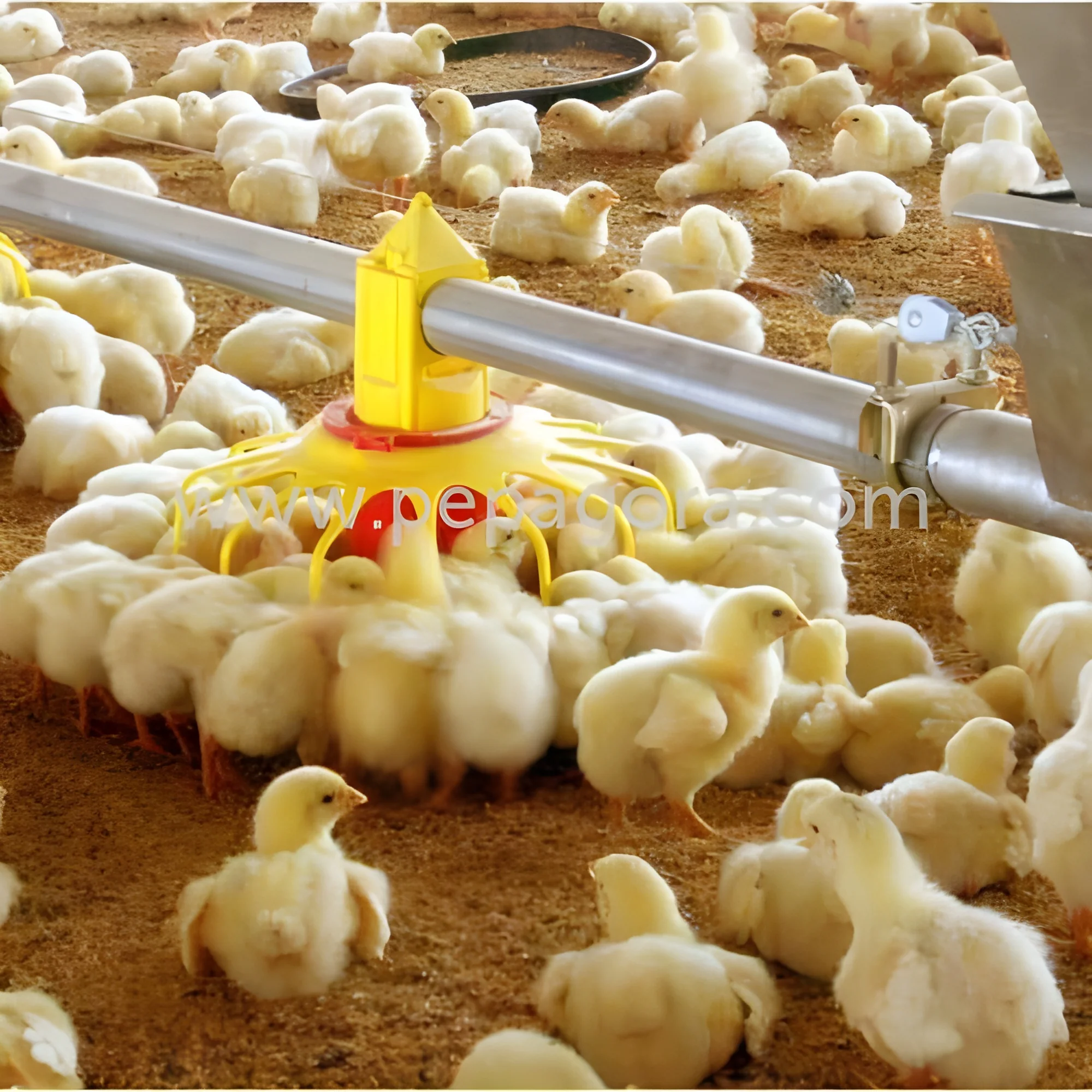
- Automated feeding and watering systems
- Reduces labor costs and improves operational efficiency
4. Temperature Regulation
- Advanced temperature control systems for optimal processing conditions
- Ensures product safety and quality
5. Energy Efficiency
- Designed to minimize energy consumption during operations
- Contributes to lower operational costs
6. Customization Options
- Ability to tailor systems to meet specific business needs
- Supports unique branding and packaging requirements
7. Compliance Certifications
- Systems that meet industry standards such as UL and CE
- Ensures safety and reliability in operation
8. Maintenance and Support
- Easy access to technical support and maintenance services
- Reduces downtime and enhances operational continuity
In summary, private label poultry systems are equipped with advanced features and specifications that enhance operational efficiency and product quality, making them essential for businesses in the poultry industry.
Common Applications and Use Cases
Private label poultry systems serve various industries beyond traditional poultry farming. Their versatility makes them suitable for different applications.
1. Food Processing: These systems are used for processing chicken, turkey, and other poultry products, ensuring high standards of hygiene and quality.
2. Retail Grocers: Supermarkets and grocery chains utilize private label poultry systems to offer their own branded poultry products, enhancing customer loyalty.
3. Restaurants and Food Service: Food service providers implement these systems to ensure consistent supply and quality of poultry in their menus.
4. Export Markets: Companies looking to export poultry products can use private label systems to meet international standards and consumer preferences.
5. Organic Poultry Production: Businesses focusing on organic poultry can customize systems to align with organic farming practices and certification requirements.
6. Value-Added Products: Manufacturers can use these systems to create processed poultry items like sausages or marinated products, catering to evolving consumer tastes.
7. Local Farms: Smaller farms can leverage private label systems to enter the market with unique offerings, competing with larger producers.
Product Variants and Subcategories
The diversity of private label poultry systems allows businesses to choose variants that best fit their operational needs.
Variant 1: Automated Poultry Processing Line
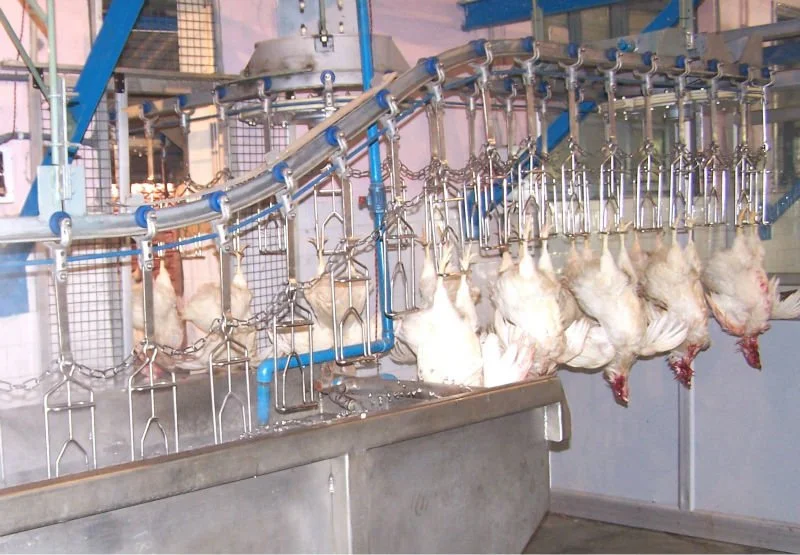
This variant features an integrated system designed for large-scale processing of poultry. It includes automated cutting, deboning, and packaging systems, maximizing efficiency and reducing labor costs.
Variant 2: Modular Poultry Rearing System
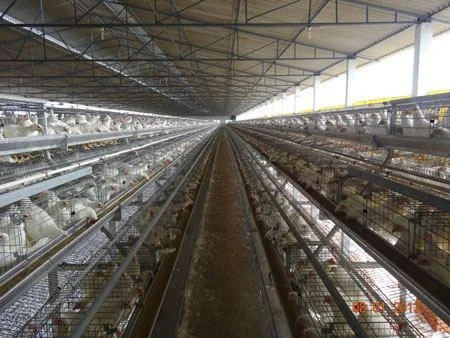
This system allows for flexible poultry rearing with adjustable configurations. It supports various farming practices, from free-range to intensive rearing, and can be tailored to specific environmental conditions.
Variant 3: Eco-Friendly Poultry System
Designed for sustainability, this variant incorporates energy-efficient technologies and eco-friendly materials. It caters to businesses focused on reducing their environmental footprint.
Benefits and Advantages
Choosing private label poultry systems offers numerous advantages for businesses in the poultry sector.
Key benefits include:
1. Brand Control: Companies can establish and promote their brand identity through customized poultry products.
2. Cost Efficiency: Automating processes reduces labor costs and enhances productivity, leading to significant savings.
3. Quality Assurance: Integrated quality control systems help maintain high standards throughout the production process.
4. Flexibility: These systems can be customized to meet diverse operational needs, allowing businesses to adapt to market changes.
5. Enhanced Market Reach: Offering unique private label products can attract new customers and increase market share.
6. Compliance Support: Systems designed to meet industry standards simplify the process of regulatory compliance, reducing risks.
Buying Guide for B2B Buyers
When sourcing private label poultry systems, it is crucial for buyers to consider several factors to ensure a successful procurement process.
1. Quality Assessment: Evaluate the quality of materials and components used in the systems. Look for certifications that demonstrate compliance with industry standards.
2. Supplier Verification: Conduct thorough research on potential suppliers. Check for experience, reputation, and customer reviews to ensure reliability.
3. Pricing and MOQ: Understand the pricing structure and minimum order quantities. Negotiate to find a balance between cost and quality.
4. Delivery and Lead Times: Inquire about delivery schedules and lead times. Timely delivery is essential for maintaining production schedules.
5. Compliance Requirements: Ensure that the systems meet local and international regulations. Familiarize yourself with necessary certifications and compliance standards.
Compliance and Certifications
Private label poultry systems must adhere to various quality standards and certifications to ensure safety and reliability.
Relevant quality standards include ISO 9001, which establishes requirements for a quality management system, and HACCP, which focuses on food safety management. These standards help businesses ensure that their products are safe for consumption.
Industry certifications such as UL and CE provide assurance that the systems meet specific safety and performance criteria. These certifications are crucial for gaining consumer trust and ensuring compliance with regulatory frameworks.
Safety and testing requirements are essential in the poultry industry. Systems must undergo rigorous testing to ensure they can handle the demands of production while maintaining safety standards.
Regional compliance considerations vary depending on the market. Businesses should stay informed about local regulations that may impact system design and operation.
Why Source Private Label Poultry Systems from Pepagora?
Pepagora offers a trusted platform for sourcing private label poultry systems, providing businesses with several key advantages.
Verified Supplier Network: Pepagora connects buyers with verified suppliers, ensuring quality and reliability in procurement. This network is essential for businesses looking to establish long-term partnerships.
Streamlined RFQ Process: The platform facilitates a streamlined request-for-quotation process, enabling businesses to obtain competitive pricing and options quickly.
Trade Assurance and Support: Pepagora provides trade assurance, protecting buyers throughout the purchasing process. The platform also offers support to help businesses navigate procurement challenges.
Regional Coverage: With a strong presence in India, the GCC, and Southeast Asia, Pepagora caters to a broad market, ensuring businesses can find suitable suppliers within their geographic reach.
By choosing Pepagora, businesses can confidently source private label poultry systems that meet their operational needs and enhance their market competitiveness.





Frequently Asked Questions
What are Private Label Poultry Systems?
Private Label Poultry Systems refer to poultry production systems that are branded and marketed under a retailer's or distributor's brand name. These systems typically include equipment and processes designed for efficient poultry farming, allowing businesses to offer customized solutions to their customers.
What are the different types of Private Label Poultry Systems?
The different types of Private Label Poultry Systems include broiler systems, layer systems, and integrated systems. Each type is designed to cater to specific poultry production needs, such as meat production or egg laying, and can be tailored to various scales of operation.
How do I choose the right Private Label Poultry Systems?
Choosing the right Private Label Poultry Systems involves assessing your specific production needs, the scale of your operations, and the type of poultry you intend to raise. It's also important to consider the supplier's reputation, available customization options, and after-sales support.
What are the standard specifications for Private Label Poultry Systems?
Standard specifications for Private Label Poultry Systems can include factors such as housing capacity, ventilation systems, feeding and watering mechanisms, and climate control options. Each specification may vary based on the type of system and the specific requirements of the poultry being raised.
What is the price range for Private Label Poultry Systems?
The price range for Private Label Poultry Systems can vary widely based on factors such as system type, capacity, and additional features. Generally, prices can start from a few thousand rupees for basic systems to several lakhs for more advanced, integrated solutions.
What quality standards apply to Private Label Poultry Systems?
Quality standards for Private Label Poultry Systems often include compliance with local agricultural regulations, safety standards, and industry best practices. Manufacturers may also adhere to international standards such as ISO certifications to ensure reliability and performance.
Where can I find Private Label Poultry Systems suppliers in India?
You can find Private Label Poultry Systems suppliers in India through online B2B marketplaces, industry trade shows, and agricultural exhibitions. Websites like Pepagora.com can connect you with reputable manufacturers and suppliers in this sector.
Can Private Label Poultry Systems be customized?
Yes, Private Label Poultry Systems can often be customized to meet specific operational requirements and branding needs. Many manufacturers offer options for tailored designs, features, and capacities based on customer preferences.
What is the typical minimum order quantity for Private Label Poultry Systems?
The typical minimum order quantity (MOQ) for Private Label Poultry Systems can vary by supplier and system type, but it usually ranges from one unit for smaller systems to several units for larger, more complex setups. It's advisable to confirm MOQ details directly with the supplier.
What is the typical lead time for Private Label Poultry Systems?
The typical lead time for Private Label Poultry Systems can vary based on the complexity of the system and the supplier's production schedule. Generally, lead times can range from a few weeks to several months, so it's important to discuss timelines with your chosen manufacturer.
Why Businesses Trust Pepagora
Thousands of companies trust Pepagora to source smarter and sell faster
Expand Your Sales Globally

Source Smarter,Grow Faster
