What are Feed Silos & Auger Systems?
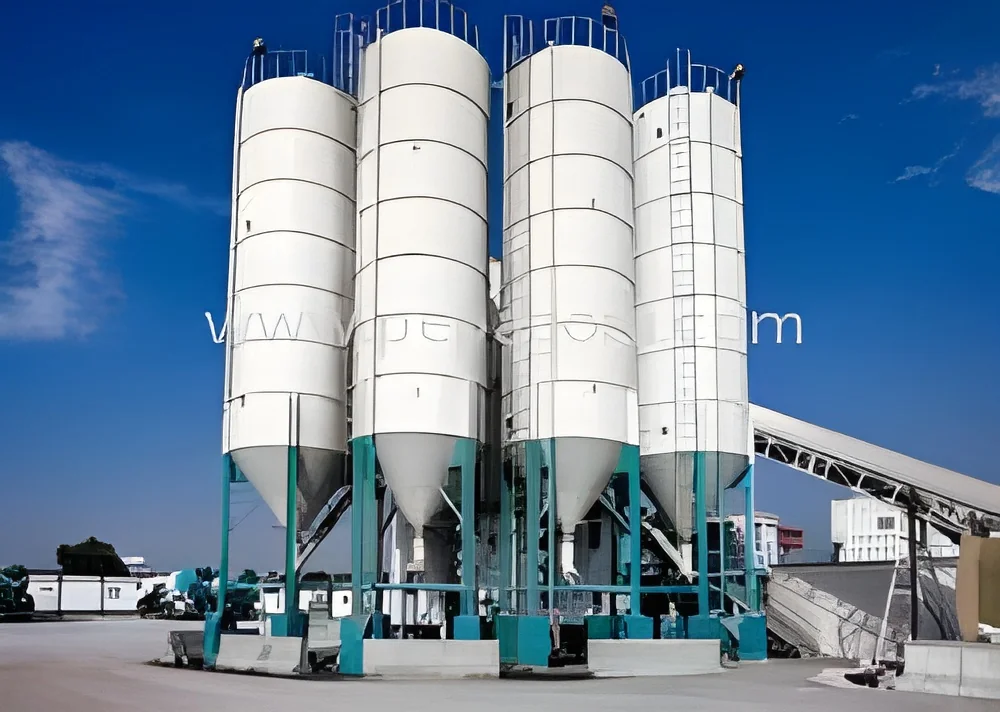
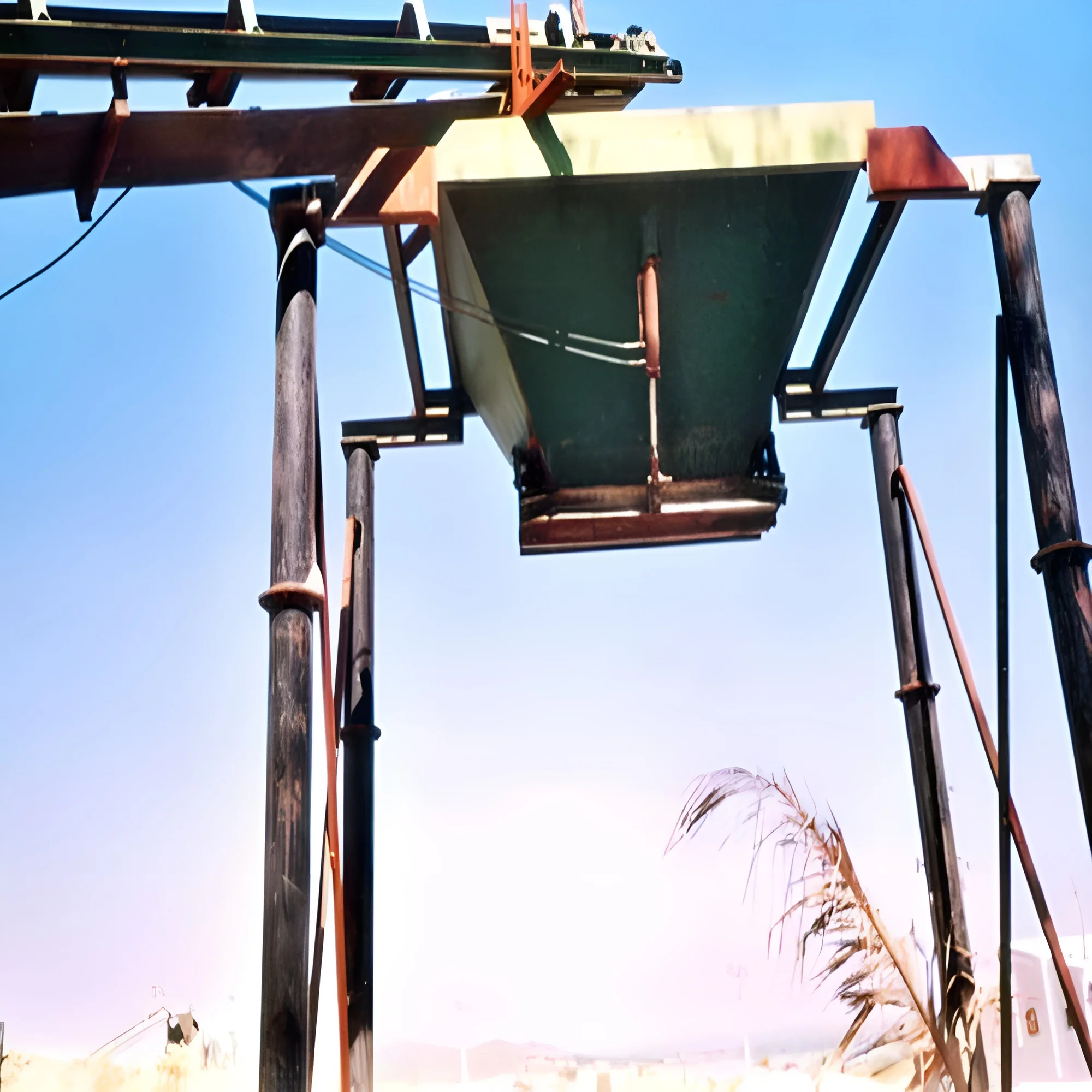
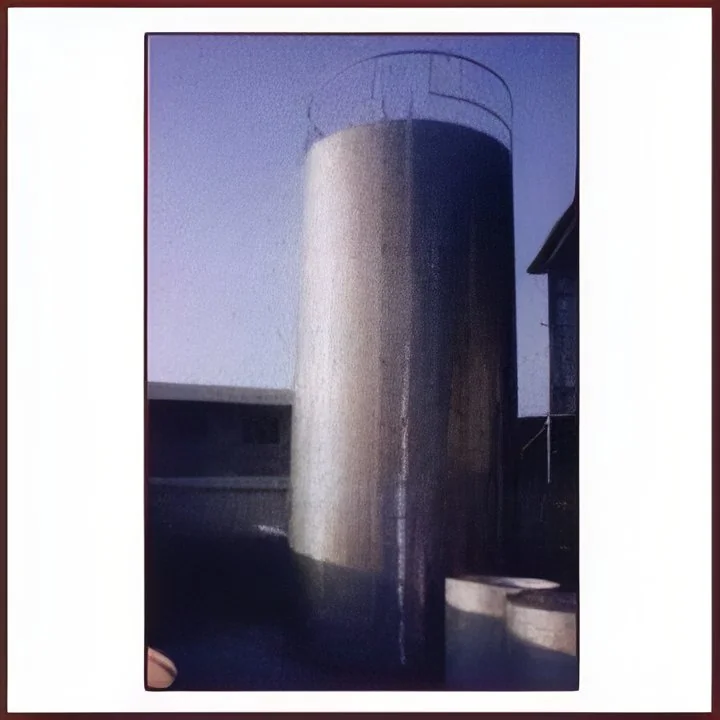
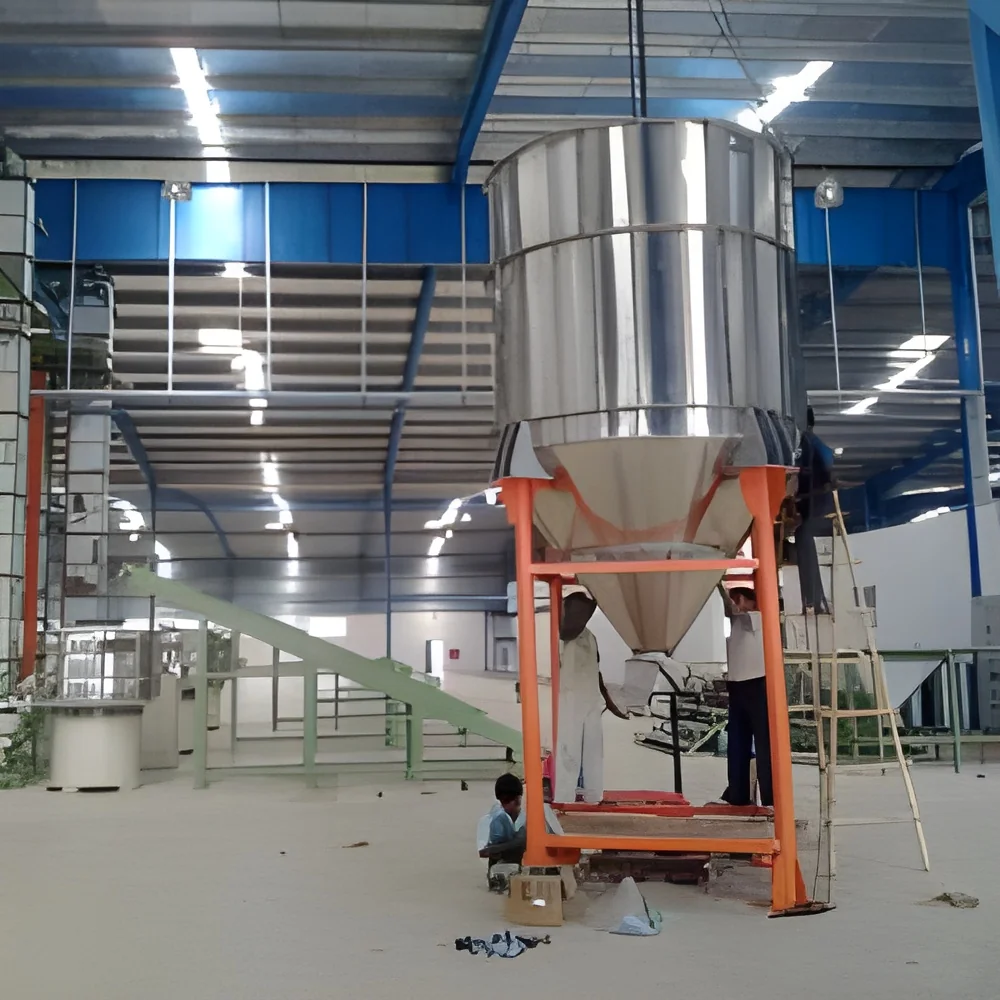
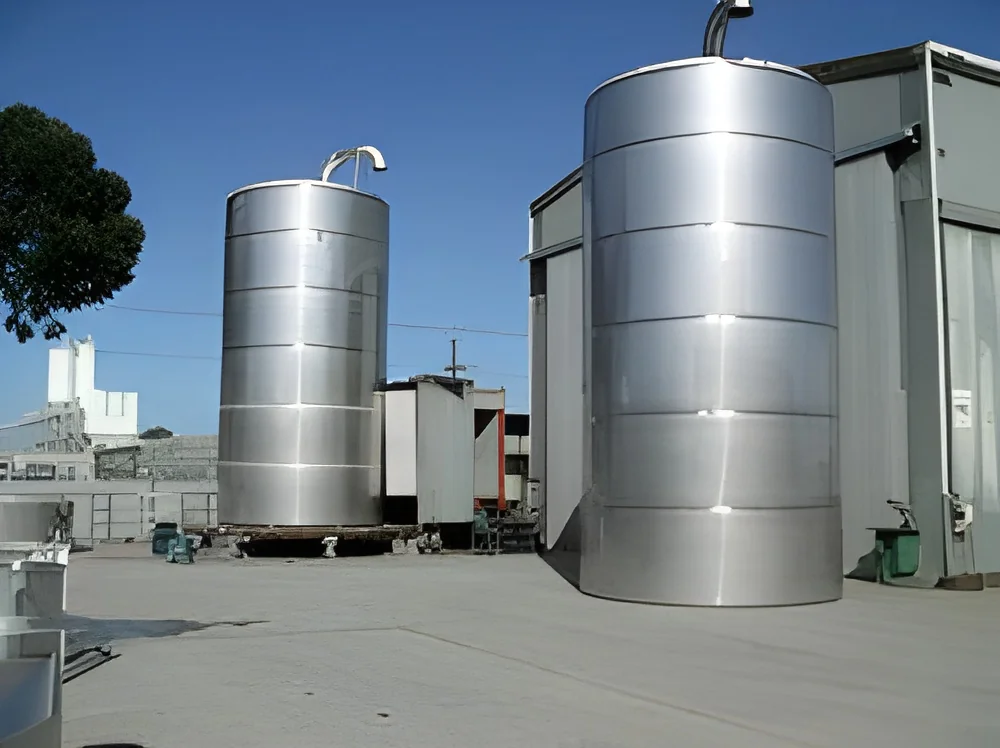
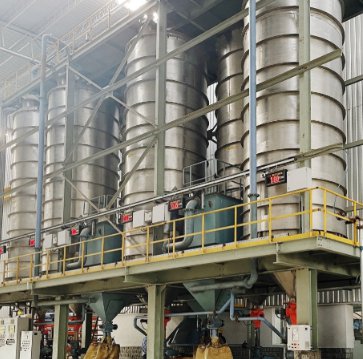
Feed silos and auger systems are essential components in the storage and transportation of bulk materials, particularly in the agricultural and industrial sectors. Feed silos are large, vertical storage containers designed to hold feed and other bulk materials, ensuring that they remain dry and free from contamination. Auger systems are mechanical devices that use a rotating helical screw to move materials from one location to another, often from the silo to a feeding system or processing unit.
These systems are primarily used in farming, food processing, and other industries that require the efficient handling of bulk materials. They facilitate the automated transfer of feed, grains, and other substances, promoting productivity and reducing labor costs. The integration of feed silos and auger systems is critical for businesses aiming to enhance their operational efficiency and maintain high-quality standards in their product supply chain.
In today's competitive market, the relevance of feed silos and auger systems cannot be overstated. Industries are increasingly relying on these solutions to improve their supply chain logistics and ensure consistent material flow. As demand for efficient storage and transportation systems grows, the market for feed silos and auger systems continues to expand, offering numerous opportunities for businesses to optimize their operations.
Key Features and Specifications
Feed silos and auger systems come with several key features that enhance their functionality and reliability. Understanding these specifications is crucial for businesses looking to invest in these systems.
Key specifications include:
1. Capacity
- Refers to the volume of materials that the silo can store.
- Ranges vary from small units of a few tons to large silos capable of holding thousands of tons.
2. Construction Material
- Typically made from steel or reinforced concrete to ensure durability.
- Options for corrosion-resistant coatings for enhanced longevity.
3. Auger Diameter
- Indicates the width of the auger screw.
- Common diameters range from 4 inches to 12 inches, depending on material flow requirements.
4. Auger Length
- The total length of the auger system.
- Lengths can vary from a few feet to over 100 feet, depending on the application.
5. Drive Mechanism
- Can be electric, hydraulic, or manual.
- Electric drives are most common for automated systems.
6. Installation Type
- Options for fixed or portable installations.
- Portable systems offer flexibility for various applications.
7. Safety Features
- Include emergency stop mechanisms and overload protection.
- Designed to ensure safe operation and prevent accidents.
8. Compliance Standards
- Adherence to industry standards such as CE certification for safety and quality assurance.
- Important for regulatory compliance in different regions.
In summary, understanding the key features and specifications of feed silos and auger systems enables businesses to select the right equipment that meets their operational needs and compliance requirements.
Common Applications and Use Cases
Feed silos and auger systems are widely utilized across various industries, each with specific applications that enhance productivity and efficiency.
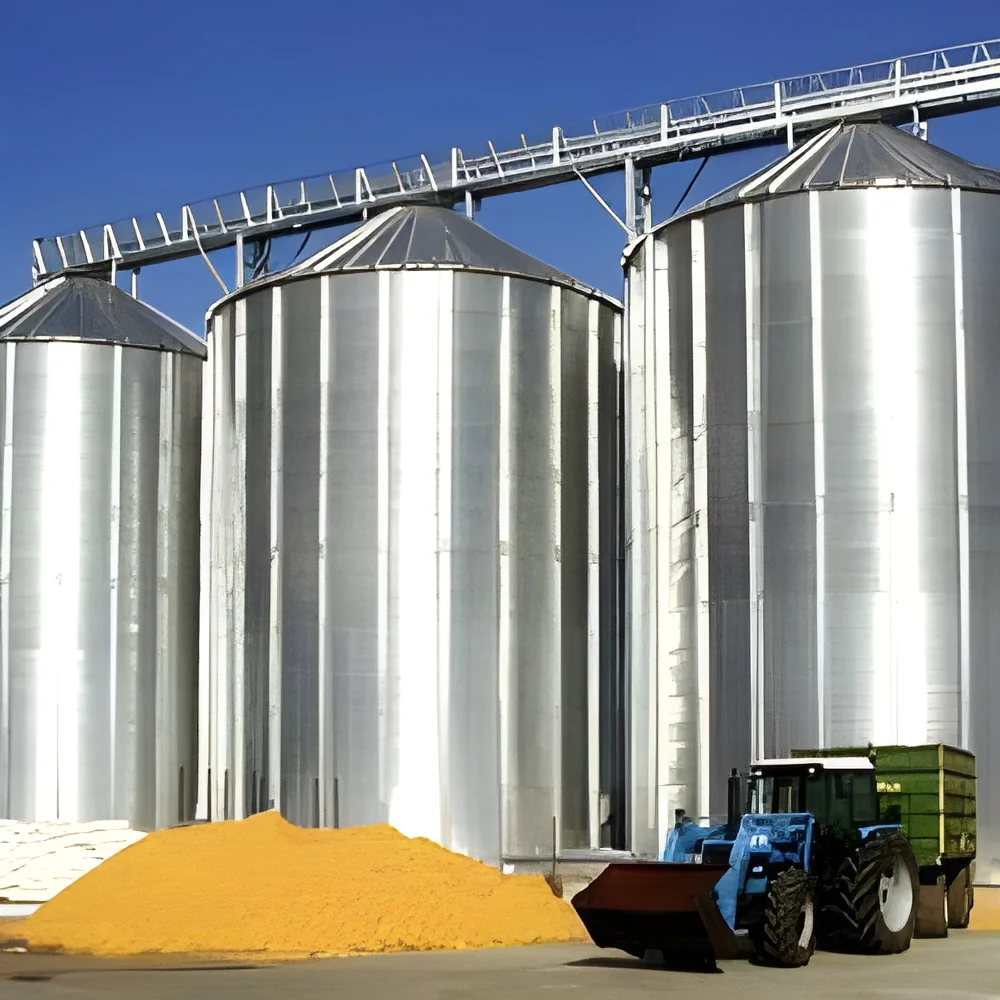
1. Agriculture: Farmers use feed silos to store animal feed securely, protecting it from moisture and pests. Auger systems facilitate the transport of feed from the silo to feeding troughs, ensuring timely and adequate feeding.
2. Food Processing: In food manufacturing, these systems are crucial for storing and transferring bulk ingredients like grains and flour. They help maintain product quality while streamlining the production process.
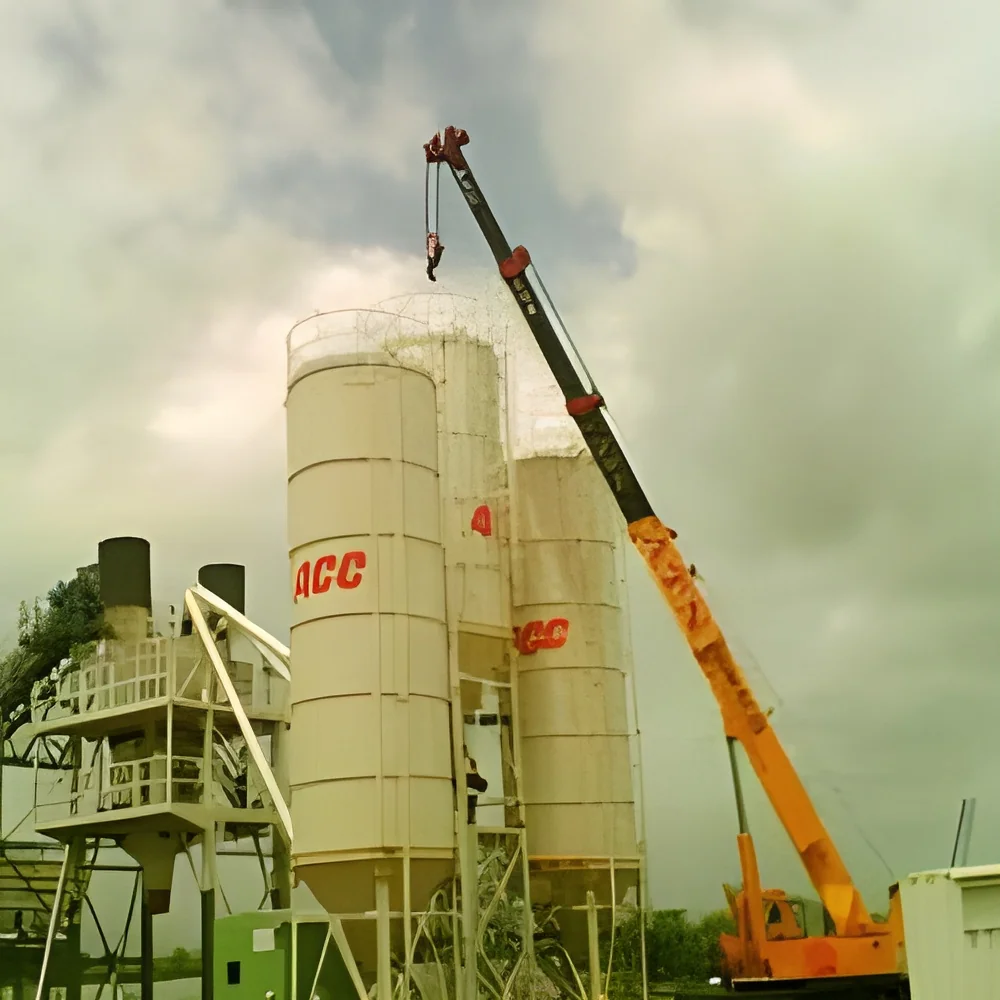
3. Construction: Auger systems are employed to move bulk materials such as sand, gravel, and cement. This allows for efficient mixing and transportation, essential for construction projects.
4. Chemical Industry: Feed silos store raw materials like fertilizers and chemicals, ensuring safe and efficient handling. Augers transport these materials to processing areas, maintaining continuous production flow.
5. Animal Husbandry: In large-scale livestock operations, feed silos and augers are used to manage feed supply effectively, ensuring that animals receive a consistent diet.
6. Pet Food Manufacturing: Manufacturers use these systems to store and transport ingredients for pet food production, optimizing the supply chain and maintaining ingredient integrity.
7. Biofuel Production: Feed silos help manage biomass materials, while augers transport these materials for processing into biofuels, supporting renewable energy initiatives.
Product Variants and Subcategories
Feed silos and auger systems come in various configurations to meet diverse industry needs. Each variant has unique features tailored for specific applications.
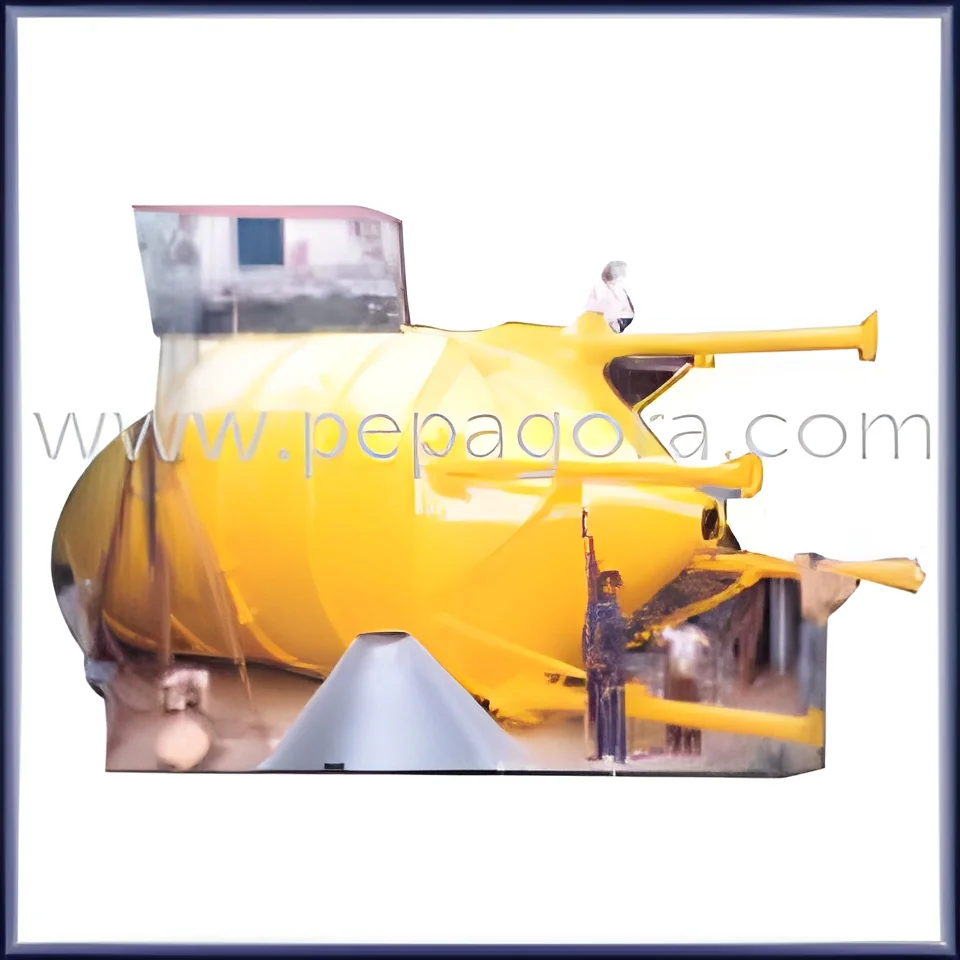
Vertical Feed Silos: These are tall, cylindrical structures designed for maximum storage capacity. They are ideal for operations that require a large volume of bulk material storage. Their design allows for efficient gravity-fed discharge.
Horizontal Feed Silos: These silos are designed for lower profile installations. They are suitable for operations with space constraints and can be easier to load and unload compared to vertical silos.
Inclined Auger Systems: These systems are designed to transport materials at an angle. They are often used in situations where space is limited and vertical transport is not feasible.
Horizontal Auger Systems: These units operate parallel to the ground and are commonly used for transferring materials across short distances. They are ideal for applications requiring horizontal movement of bulk materials.
Portable Auger Systems: Designed for mobility, these systems can be easily relocated to different sites. They are useful for temporary applications or projects that require flexibility.
Benefits and Advantages
Investing in feed silos and auger systems provides several significant advantages for businesses.
1. Efficient Material Handling: These systems automate the storage and transportation of bulk materials, reducing manual labor and improving operational efficiency.
2. Enhanced Storage Solutions: Feed silos protect materials from environmental factors, ensuring quality and minimizing waste due to spoilage or contamination.
3. Space Optimization: The design of silos and augers allows for vertical storage, maximizing available space in facilities while reducing floor area requirements.
4. Improved Productivity: Automated systems facilitate faster material transfer, which can accelerate production processes and meet tight deadlines.
5. Cost Savings: By minimizing manual handling and optimizing material flow, businesses can reduce labor costs and improve overall profitability.
6. Scalability: Feed silos and auger systems can be scaled to meet changing business needs, allowing for easy expansion as operations grow.
Buying Guide for B2B Buyers
When sourcing feed silos and auger systems, it is essential for B2B buyers to consider several key factors to ensure a successful purchase.
1. Quality Assessment: Assess the quality of materials used in construction and the durability of components. Look for systems that meet recognized industry standards to ensure reliability.
2. Supplier Verification: Conduct thorough research on potential suppliers, checking their reputation and track record. Verify certifications and reviews to ensure credibility.
3. Pricing and MOQ: Understand the pricing structure and minimum order quantities. This helps in budgeting and ensures that the investment aligns with business needs.
4. Delivery and Lead Times: Consider logistics and delivery schedules. Ensure that suppliers can meet your required timelines for installation and operation.
5. Compliance Requirements: Familiarize yourself with relevant regulations and standards that affect your industry. Ensure that the products meet these compliance criteria to avoid penalties.
Compliance and Certifications
Compliance and certifications play a crucial role in ensuring the safety and quality of feed silos and auger systems. Key quality standards include ISO 9001, which focuses on quality management systems, and HACCP, which addresses food safety. These certifications ensure that manufacturers adhere to stringent quality protocols.
In addition to ISO and HACCP, CE certification is essential for products sold in Europe. This mark indicates that the equipment meets European safety, health, and environmental protection standards. Businesses should ensure that their suppliers provide documentation of these certifications.
Safety and testing requirements are also vital, as they ensure that the systems operate without risk to personnel or equipment. Regular testing and maintenance are necessary to uphold these safety standards.
Regional compliance considerations may vary, so it is crucial for buyers to understand the specific regulations applicable to their area. This knowledge helps in selecting compliant systems that meet local regulatory standards.
Why Source Feed Silos & Auger Systems from Pepagora?
Pepagora serves as a trusted platform for sourcing feed silos and auger systems, offering several key advantages to buyers.
Verified Supplier Network: Pepagora features a network of verified suppliers, ensuring that buyers can access high-quality products from reputable manufacturers. The verification process helps mitigate risks associated with supplier reliability.
Streamlined RFQ Process: The platform simplifies the request for quotation (RFQ) process, allowing buyers to easily compare quotes from multiple suppliers. This efficiency enables quicker decision-making and enhances procurement efficiency.
Trade Assurance and Support: Pepagora provides trade assurance, offering buyers protection throughout the purchasing process. This support ensures that buyers receive what they expect, fostering trust and confidence.
Regional Coverage: With a strong presence in India, the GCC, and Southeast Asia, Pepagora caters to a wide range of markets. This regional coverage allows businesses to source feed silos and auger systems that meet their specific local needs and preferences.

 IN
IN