
 IN
Dead Bird Incinerators
1 products available
What are Dead Bird Incinerators?
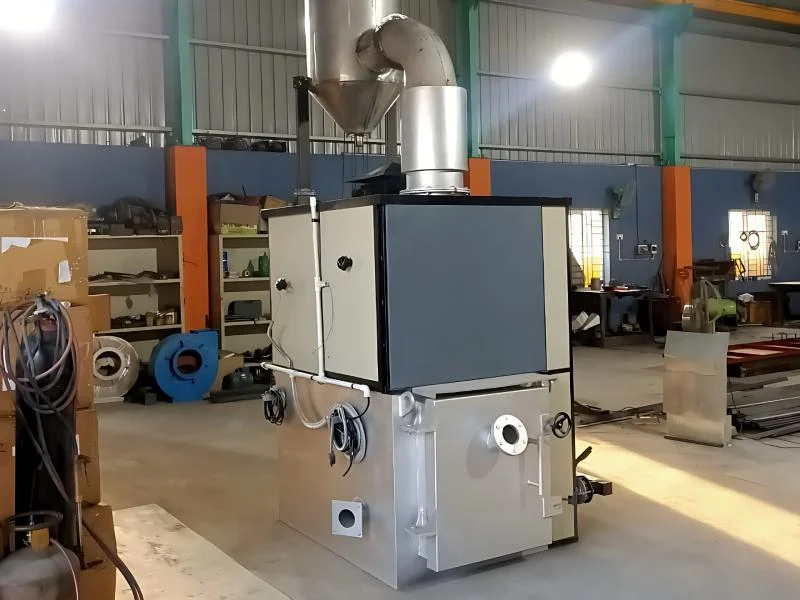
Dead bird incinerators are specialized machines designed for the efficient and safe disposal of deceased birds. These units utilize high-temperature combustion to reduce organic waste to ash, ensuring that harmful pathogens and biohazards are effectively eliminated in the process. The incineration process is environmentally friendly and aligns with waste management practices that prioritize public health and safety.
These incinerators find primary applications in various sectors, including poultry farms, veterinary clinics, and wildlife rehabilitation centers. Businesses in these industries often deal with the unfortunate reality of bird mortality, and having a reliable incineration solution is crucial for maintaining hygiene and preventing disease spread. The use of dead bird incinerators contributes to biosecurity measures, ensuring that carcasses are disposed of in a manner that minimizes health risks to humans and other animals.
The relevance of dead bird incinerators in the industrial market is significant, especially in regions with high poultry production. With increased awareness of disease control and waste management, businesses are looking for effective solutions to handle organic waste. This creates a demand for quality incinerators that meet industry standards and provide efficient waste management solutions.
Key Features and Specifications
Dead bird incinerators come equipped with various features that enhance their functionality and performance. When selecting an incinerator, understanding its specifications can help businesses make informed choices.
Key specifications include:
1. Combustion Efficiency
- Ensures maximum reduction of waste.
- Typically ranges above 90% efficiency.
2. Capacity
- Refers to the amount of waste the incinerator can handle at once.
- Common capacities range from 50 kg to 500 kg per cycle.
3. Temperature Range
- Indicates the temperature at which incineration occurs.
- Generally operates at temperatures between 800°C to 1200°C.
4. Fuel Type
- Specifies the energy source used for combustion.
- Options may include diesel, gas, or electric.
5. Emission Control
- Features that limit harmful emissions released during incineration.
- May include scrubbers and filters to meet environmental regulations.
6. Insulation
- Refers to the materials used to minimize heat loss.
- High-quality insulation enhances energy efficiency.
7. Automation Level
- Indicates the degree of automated operation.
- Options range from manual control to fully automated systems.
8. Safety Features
- Includes elements designed to ensure safe operation.
- Common features may include emergency shut-off systems and safety alarms.
In summary, understanding the key features and specifications of dead bird incinerators can significantly aid businesses in selecting the right equipment for their needs.
Common Applications and Use Cases
Dead bird incinerators serve a wide variety of industries that require safe and efficient disposal methods for organic waste.
1. Poultry Industry: Incinerators are commonly used on poultry farms to dispose of dead birds, ensuring biosecurity and preventing the spread of disease among flocks.
2. Veterinary Clinics: Veterinary practices utilize incinerators to handle deceased pets, allowing for a respectful and sanitary method of disposal.
3. Wildlife Rehabilitation: Organizations that care for injured or sick wildlife often need incinerators to manage the unfortunate loss of animals, maintaining a clean environment.
4. Research Institutions: Laboratories and research facilities may use incinerators to dispose of birds used in experiments, adhering to strict waste disposal guidelines.
5. Animal Control Agencies: These agencies often deal with deceased wildlife and pets, necessitating the use of incinerators for proper waste management.
6. Zoos and Aquariums: Facilities that house exotic birds may require incineration services for deceased animals to uphold health standards.
7. Rendering Plants: Some rendering facilities incorporate incineration as part of their waste management processes.
Product Variants and Subcategories
Dead bird incinerators come in various models and designs to cater to different operational needs.
Small-Scale Incinerators
These units are typically used by veterinary clinics and small poultry operations. They offer manageable capacities and are designed for ease of use, making them suitable for facilities with lower waste volumes.
Medium-Scale Incinerators
Ideal for larger poultry farms or wildlife rehabilitation centers, medium-scale incinerators provide a higher capacity and often incorporate more advanced features for better emission control and efficiency.
High-Capacity Industrial Incinerators
These robust units are designed for large-scale operations, such as rendering plants or major poultry processing facilities. They can handle significant quantities of waste and are built to comply with stringent environmental regulations.
Benefits and Advantages
Investing in dead bird incinerators provides several advantages that enhance operational efficiency and compliance with health standards.
1. Environmental Safety: Incineration minimizes the risk of disease transmission and environmental contamination by effectively eliminating organic waste.
2. Compliance with Regulations: Using certified incinerators helps businesses adhere to local and international waste management regulations.
3. Cost-Effectiveness: Incinerators reduce the need for alternative waste disposal methods, potentially lowering overall waste management costs.
4. Biosecurity: Proper incineration practices protect the health of livestock and poultry by preventing disease spread.
5. Space Efficiency: Incinerators typically require less space compared to other waste management solutions, making them suitable for various facilities.
6. Odor Control: The incineration process reduces odors associated with decomposing carcasses, improving the working environment.
Buying Guide for B2B Buyers
When sourcing dead bird incinerators, it is essential for B2B buyers to consider several key factors to ensure they select the right solution for their needs.
1. Quality Assessment: Buyers should evaluate the build quality and operational performance of incinerators, ensuring they meet industry standards for safety and efficiency.
2. Supplier Verification: It is crucial to vet suppliers by checking their credentials, references, and customer reviews to ensure reliability and quality.
3. Pricing and MOQ: Understanding the pricing structure and minimum order quantities can help businesses budget effectively and find suitable options.
4. Delivery and Lead Times: Buyers should inquire about expected lead times for delivery to ensure that the incinerator can be integrated into operations without significant delays.
5. Compliance Requirements: It is important to confirm that the incinerators comply with local regulations and certifications, such as CE marking, to avoid legal issues.
Compliance and Certifications
Dead bird incinerators must adhere to various quality standards and certifications to ensure their safety and efficacy in waste disposal. Relevant quality standards include ISO 9001, which provides criteria for a quality management system that can enhance customer satisfaction and operational efficiency.
Additionally, many incinerators hold industry certifications such as CE, indicating compliance with European health, safety, and environmental protection standards. These certifications are crucial for ensuring that the incinerators operate safely and meet stringent regulations.
Safety and testing requirements are also vital, as they ensure that incinerators are designed to handle the high-heat processes involved in combustion without posing risks to operators or the environment. Regional compliance considerations may vary, so it is essential for buyers to be aware of local regulations governing waste disposal and incineration.
Why Source Dead Bird Incinerators from Pepagora?
Pepagora provides a trusted platform for sourcing dead bird incinerators, offering several key advantages that benefit B2B buyers.
Verified Supplier Network: Pepagora ensures that all suppliers in its network are thoroughly vetted for quality and reliability. This gives buyers the confidence that they are purchasing from reputable manufacturers.
Streamlined RFQ Process: The platform simplifies the request for quotation (RFQ) process, enabling buyers to easily compare options and receive competitive pricing, saving time and effort during the procurement process.
Trade Assurance and Support: Pepagora offers trade assurance to protect buyers’ investments. This includes support for resolving disputes and ensuring that suppliers fulfill their commitments.
Regional Coverage: With a strong presence in markets such as India, the Gulf Cooperation Council (GCC), and Southeast Asia, Pepagora provides extensive geographic reach, making it easier for businesses in these regions to find suitable incineration solutions.

Frequently Asked Questions
What are Dead Bird Incinerators?
Dead Bird Incinerators are specialized devices designed to safely and efficiently dispose of deceased birds through the process of incineration. They operate at high temperatures to ensure complete combustion, reducing the risk of disease transmission and environmental contamination.
What are the different types of Dead Bird Incinerators?
There are various types of Dead Bird Incinerators, including batch incinerators, continuous feed incinerators, and mobile incinerators. Each type serves different operational needs, with batch incinerators suitable for smaller quantities and continuous feed models designed for larger, ongoing disposal requirements.
How do I choose the right Dead Bird Incinerators?
Choosing the right Dead Bird Incinerator involves considering factors such as capacity, fuel type, emissions standards, and ease of operation. It's important to assess your specific needs, including the volume of birds to be incinerated and any regulatory requirements for waste disposal.
What are the standard specifications for Dead Bird Incinerators?
Standard specifications for Dead Bird Incinerators typically include incineration capacity (measured in kg/hour), combustion temperature range, fuel type (electric, diesel, etc.), and insulation properties. Additionally, many models feature safety mechanisms and emission control systems to comply with environmental regulations.
What is the price range for Dead Bird Incinerators?
The price range for Dead Bird Incinerators varies widely based on capacity, features, and manufacturer, generally falling between ₹50,000 to ₹5,00,000 or more. It's advisable to compare multiple suppliers to determine the best value for your specific requirements.
What quality standards apply to Dead Bird Incinerators?
Dead Bird Incinerators must adhere to various quality standards, including ISO certifications and environmental regulations related to emissions. Compliance with local and national waste disposal laws is also crucial to ensure safe operation and minimize environmental impact.
Where can I find Dead Bird Incinerators suppliers in India?
You can find Dead Bird Incinerator suppliers in India through online B2B marketplaces like Pepagora, trade shows, and industry directories. Researching manufacturers and reading customer reviews can help identify reliable suppliers in the market.
Can Dead Bird Incinerators be customized?
Yes, many manufacturers offer customization options for Dead Bird Incinerators to meet specific operational needs. Customization may include modifications to size, fuel type, and additional features such as advanced emission control systems.
What is the typical minimum order quantity for Dead Bird Incinerators?
The typical minimum order quantity (MOQ) for Dead Bird Incinerators can vary by supplier, but it often ranges from one unit for standard models to larger quantities for custom designs. It's best to inquire directly with manufacturers to understand their specific MOQ policies.
What is the typical lead time for Dead Bird Incinerators?
The typical lead time for Dead Bird Incinerators varies based on the manufacturer's production capacity and the complexity of the order, generally ranging from 4 to 12 weeks. Factors such as customization and current demand may also affect delivery times.
Why Businesses Trust Pepagora
Thousands of companies trust Pepagora to source smarter and sell faster
Expand Your Sales Globally

Source Smarter,Grow Faster
