Key Features and Specifications
Egg collectors come equipped with various features designed to enhance usability and performance. Understanding these specifications is crucial for businesses looking to invest in reliable egg collection solutions.
Key specifications include:
1. Collection Method
- Manual or automated options available
- Automation features may include conveyor belts or robotic arms
2. Capacity
- Varies based on model
- Can range from small-scale collectors to large systems for high-volume operations
3. Construction Material
- Typically made from durable materials such as plastic or stainless steel
- Ensures longevity and resistance to wear and tear
4. Size and Dimensions
- Different sizes to fit various farm layouts
- Compact designs available for limited space
5. Safety Features
- Includes protective covers to prevent damage to eggs
- Compliance with safety standards to ensure operator safety
6. Maintenance Requirements
- Easy to clean and maintain
- Some models may require periodic servicing
7. Technology Integration
- Advanced models may include monitoring systems for tracking egg collection
- Integration with farm management software for increased efficiency
8. Power Source
- Manual versions do not require electricity
- Automated options typically need a reliable power source for operation
These specifications help potential buyers identify the right egg collector that meets their specific needs and operational requirements.
Common Applications and Use Cases
Egg collectors are utilized across various sectors within the agricultural industry.
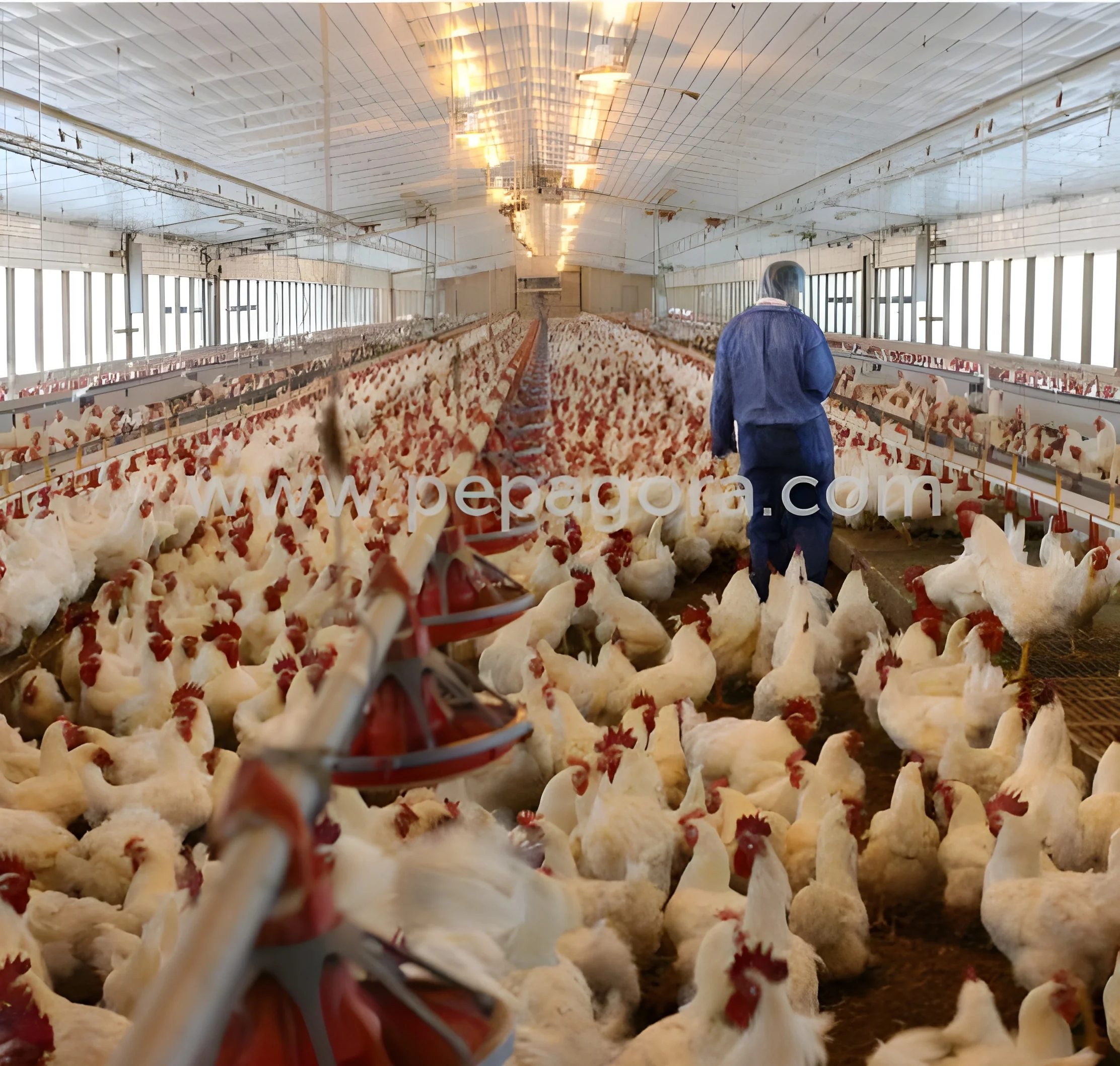
1. Poultry Farms: These farms use egg collectors to streamline the process of gathering eggs, increasing operational efficiency and reducing labor costs.
2. Egg Processing Facilities: Automated egg collectors help facilitate the quick transfer of eggs to processing lines, ensuring freshness and reducing the risk of damage.
3. Organic Farms: Manual egg collectors are often preferred in organic settings where minimal intervention is key, allowing for gentle handling of eggs.
4. Research Institutions: Used in studies related to poultry production, allowing for efficient data collection without disrupting the birds.
5. Educational Farms: Demonstrates best practices in egg collection for training purposes and agricultural education.
6. Exporters: Ensures that eggs are collected and processed in a manner that meets international standards, enhancing their marketability.
7. Small-scale Farmers: Manual egg collectors provide an affordable solution for smaller operations, ensuring quality and safety in egg handling.
Product Variants and Subcategories
Egg collectors come in various formats to cater to different operational needs.
Manual Egg Collectors: These are designed for hands-on egg collection, featuring ergonomic designs that allow workers to gather eggs efficiently without causing damage. They are ideal for small farms or settings where automation may not be feasible.
Automated Egg Collectors: These systems utilize advanced technology to collect eggs with minimal human intervention. They are suitable for larger poultry operations that require high efficiency and speed in egg gathering.
Benefits and Advantages
Investing in egg collectors presents several advantages for poultry producers.
1. Increased Efficiency: Automated systems significantly reduce the time required for egg collection, enabling faster processing and distribution.
2. Labor Cost Reduction: By minimizing the need for manual labor, businesses can save on workforce expenses.
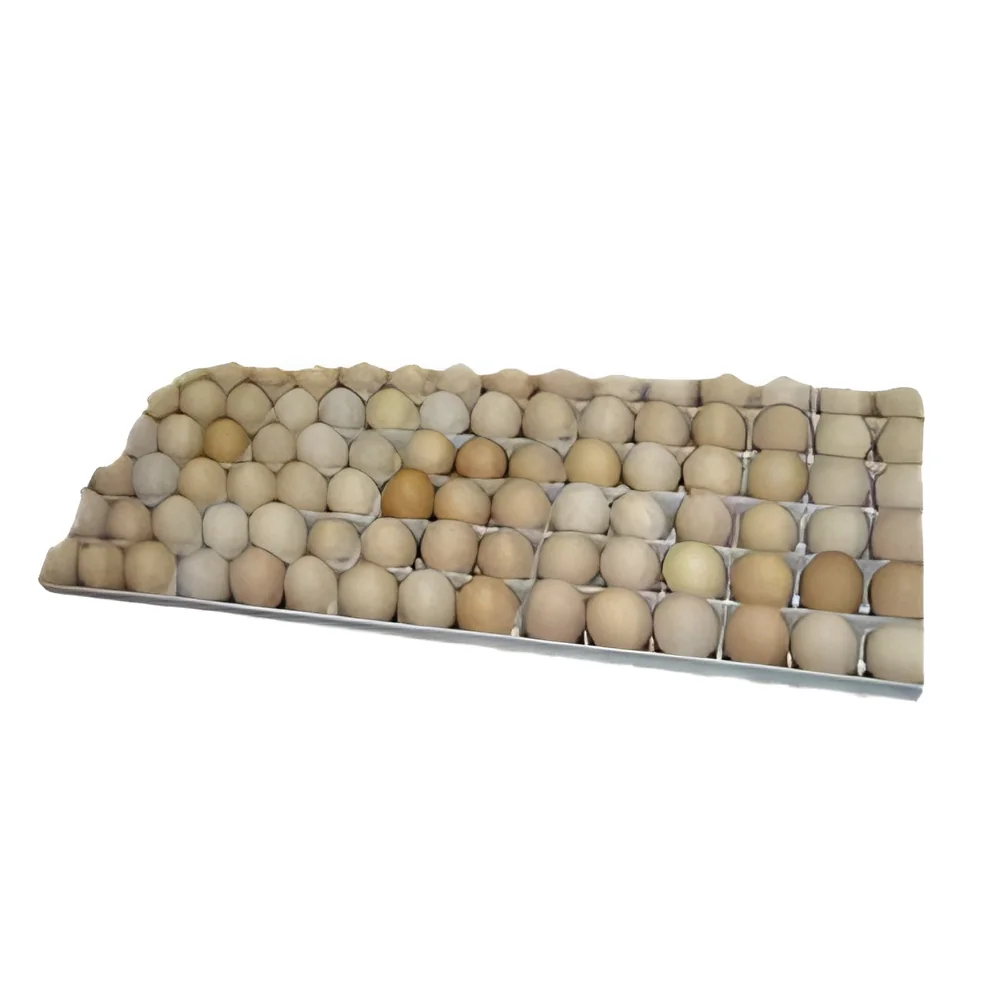
3. Enhanced Egg Quality: Proper handling and reduced breakage rates lead to higher quality products reaching consumers.
4. Improved Safety: Safety features in egg collectors help protect both the eggs and the workers, reducing accidents on the farm.
5. Consistency in Production: Automated collectors ensure uniformity in egg handling, contributing to consistent product quality.
6. Scalability: With both manual and automated options available, businesses can choose solutions that grow with their operations.
Buying Guide for B2B Buyers
When sourcing egg collectors, businesses should consider several key factors to ensure they make informed decisions.
1. Quality Assessment: Look for egg collectors made from high-quality materials that meet industry standards. Checking for certifications and customer reviews can also help gauge performance.
2. Supplier Verification: Vet suppliers to confirm their credibility and reliability. Requesting references and checking their history in the market can provide insight into their reputation.
3. Pricing and MOQ: Understand the pricing structure, including any discounts for bulk purchases. It's also important to inquire about minimum order quantities to align with business needs.
4. Delivery and Lead Times: Discuss logistics with suppliers to ensure timely delivery. Consider lead times in relation to production schedules to avoid disruptions.
5. Compliance Requirements: Verify that the egg collectors meet relevant regulations and standards. This may include safety certifications and quality assurance processes.
Compliance and Certifications
Egg collectors must adhere to various quality standards and certifications to ensure safety and reliability.
ISO 9001 is a key quality management standard that many manufacturers strive to achieve. It emphasizes consistent production processes and customer satisfaction.
HACCP (Hazard Analysis and Critical Control Points) is a systematic approach to food safety that identifies and controls potential hazards. Compliance with HACCP is crucial for businesses involved in food production, including egg handling.
CE certification indicates that products meet EU safety, health, and environmental protection standards. This certification is essential for products marketed in European markets.
Companies should also consider regional compliance requirements, which may vary by country. Understanding local regulations ensures that businesses remain compliant and can operate without legal issues.
Why Source Egg Collectors (Manual, Automated) from Pepagora?
Pepagora offers a trusted platform for sourcing egg collectors with several advantages that benefit B2B buyers.
Verified Supplier Network: Pepagora features a comprehensive list of verified suppliers, ensuring that buyers can trust the quality of the products they purchase. This verification process adds a layer of security for businesses looking to invest in egg collectors.
Streamlined RFQ Process: The request for quotation system simplifies the procurement process, allowing buyers to easily compare prices and specifications across multiple suppliers. This efficiency helps in making informed purchasing decisions.
Trade Assurance and Support: Pepagora provides trade assurance to protect buyers during transactions. This support ensures that customers receive the products as promised, fostering confidence in the purchasing process.
Regional Coverage: With a focus on markets in India, the GCC, and Southeast Asia, Pepagora connects buyers with suppliers across these regions. This geographic reach allows for localized solutions that cater to specific market needs and preferences.

 IN
IN