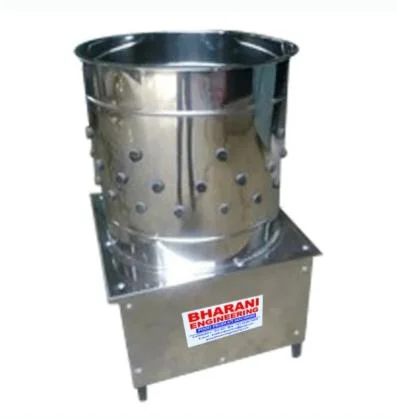
What are Egg Washing Machines?
Egg washing machines are specialized equipment designed to clean eggs efficiently and effectively. These machines utilize various cleaning techniques, such as spraying or brushing, to remove dirt, debris, and contaminants from the egg surface. By automating the washing process, these machines help ensure that eggs are sanitized and safe for consumption.
The primary use of egg washing machines is in commercial egg production facilities, where large volumes of eggs are processed daily. They are essential for maintaining hygiene standards and enhancing the shelf life of eggs. Additionally, these machines can be found in food processing plants and packaging facilities that handle eggs. Their ability to provide consistent cleaning results is crucial for compliance with health regulations.
In today’s market, the demand for egg washing machines is driven by the increasing focus on food safety and quality assurance. With consumers becoming more health-conscious, there is a growing need for producers to implement effective cleaning processes. As a result, egg washing machines have become an integral part of the egg production industry, contributing to both operational efficiency and product quality.
Key Features and Specifications
Egg washing machines come with various features designed to enhance their performance and usability. These machines are built to meet the rigorous demands of commercial egg production and are equipped with advanced technology for optimal cleaning results.
Key specifications include:
1. Cleaning Method
- Machines may utilize spray, brush, or combination cleaning methods.
- Each method is designed to effectively remove contaminants while minimizing damage to the eggs.
2. Capacity
- Varies based on machine size and design, typically ranging from hundreds to thousands of eggs per hour.
- Higher capacity machines are suitable for large-scale operations.
3. Water Consumption
- Efficient machines are designed to minimize water usage while maintaining effective cleaning.
- Typical ranges are not specified, but efficiency is a key consideration.
4. Automation Level
- Many machines offer automated features, such as programmable settings and sensors for optimal performance.
- Automation reduces labor costs and improves consistency.
5. Build Material
- Stainless steel is commonly used for durability and hygiene.
- Materials should be resistant to corrosion and easy to clean.
6. Power Requirements
- Machines typically operate on standard electrical power.
- Specific power requirements depend on the model and features.
7. Size and Footprint
- Machines vary in size, with compact models suitable for smaller facilities and larger models for extensive operations.
- Proper sizing is important for installation and workflow efficiency.
8. Maintenance Needs
- Regular maintenance is essential for optimal performance.
- Machines should be designed for easy access to components for cleaning and repairs.
In summary, egg washing machines are designed with specific features and specifications to meet the needs of egg processing facilities, enhancing cleaning efficiency while ensuring product safety.
Common Applications and Use Cases
Egg washing machines serve various industries and applications, particularly in food production.
1. Poultry Farms: These machines are primarily used in poultry farms to clean eggs before packaging. This ensures that eggs are free from dirt and contaminants, adhering to safety standards.
2. Food Processing Plants: Many food processing facilities utilize egg washing machines to prepare eggs for further processing. This includes breaking eggs for liquid egg products or preparing them for cooking.
3. Packaging Facilities: Egg washing machines are common in packaging plants where eggs are sorted and packaged for retail. Clean eggs enhance the overall presentation and reduce the risk of spoilage.
4. Export Companies: Businesses involved in exporting eggs often use washing machines to meet international hygiene standards, ensuring their products are competitive in global markets.
5. Retail and Wholesale Distributors: These machines are also used by distributors to maintain quality control before products reach supermarkets and other retail outlets.
6. Organic Egg Producers: Organic farms may use specialized egg washing machines that comply with organic certification requirements, ensuring products are cleaned without harmful chemicals.
Product Variants and Subcategories
Egg washing machines are available in various configurations to suit different operational needs.
Compact Egg Washing Machines
These smaller units are ideal for small farms or businesses that handle lower volumes of eggs. They are designed for easy operation and can fit into limited spaces while providing effective cleaning.
High-Capacity Egg Washing Machines
Designed for large-scale operations, these machines can handle thousands of eggs per hour. They often integrate advanced automation features to streamline the washing process, thus improving efficiency and productivity.
Mobile Egg Washing Machines
These units are designed for portability, allowing users to wash eggs on-site. This is particularly useful for farms where eggs are collected in the field and need immediate cleaning.
Rotary Egg Washing Machines
These machines use a rotary mechanism to ensure thorough cleaning of eggs from all angles. They are suitable for high-volume operations and can be customized based on specific cleaning requirements.
Benefits and Advantages
Investing in egg washing machines offers several key benefits for businesses in the egg production industry.
1. Enhanced Hygiene: These machines provide a consistent and thorough cleaning process, reducing the risk of contamination and ensuring compliance with health regulations.
2. Increased Efficiency: Automating the egg washing process saves labor time and allows for higher throughput, making operations more efficient.
3. Improved Product Quality: Clean eggs have a longer shelf life and better market appeal. This can lead to increased customer satisfaction and higher sales.
4. Cost Savings: While initial investments may be significant, the long-term savings from reduced labor costs and increased production efficiency can be substantial.
5. Compliance with Standards: Egg washing machines help producers meet necessary health and safety standards, which is essential for market access and consumer trust.
6. Flexibility: With a variety of models and features available, businesses can select machines that best fit their specific production needs and capacity requirements.
Buying Guide for B2B Buyers
When sourcing egg washing machines, several factors should be considered to ensure the best purchase decision.
1. Quality Assessment: Evaluate the build quality of the machines, including materials and construction. Look for reputable manufacturers known for reliability and durability.
2. Supplier Verification: It is vital to vet suppliers to ensure they have a good track record and offer excellent customer service. Check references and reviews from other buyers.
3. Pricing and MOQ: Understand the pricing structure and minimum order quantities required by suppliers. Negotiating terms can lead to better deals.
4. Delivery and Lead Times: Ensure the supplier can meet your logistics needs, including timely delivery. Assess lead times to plan for equipment installation effectively.
5. Compliance Requirements: Consider any local or international regulations that apply to egg washing machines. Ensure that the machines meet all necessary compliance and certification standards.
Compliance and Certifications
Egg washing machines must adhere to various quality standards and certifications to ensure safety and performance.
ISO 9001 is a widely recognized quality management standard that ensures manufacturers maintain high quality in their processes and products.
HACCP (Hazard Analysis and Critical Control Points) is essential for food safety, requiring manufacturers to identify and control potential hazards in the food production process.
CE marking is a certification indicating that the machines meet EU safety, health, and environmental protection requirements, making them suitable for use in European markets.
Additionally, manufacturers should consider safety and testing requirements specific to their region, ensuring that their machines are compliant with local regulations. This may involve regular inspections and adherence to regional guidelines.
Why Source Egg Washing Machines from Pepagora?
Pepagora provides a trusted platform for sourcing egg washing machines, offering several key advantages for B2B buyers.
Verified Supplier Network: Pepagora connects buyers with verified suppliers who have been thoroughly vetted. This ensures that you are dealing with reputable manufacturers and can expect high-quality products.
Streamlined RFQ Process: The request for quotation (RFQ) process is made easy on Pepagora, allowing buyers to compare offers from multiple suppliers quickly. This saves time and helps in making informed purchasing decisions.
Trade Assurance and Support: Pepagora offers trade assurance, providing buyers with protection during the sourcing process. This includes support for resolving disputes and ensuring that transactions are secure.
Regional Coverage: With a broad geographic reach, including India, GCC, and Southeast Asia, Pepagora can connect you with suppliers that are best suited for your business needs in various regions. This ensures you have access to local and international options.

 IN
IN