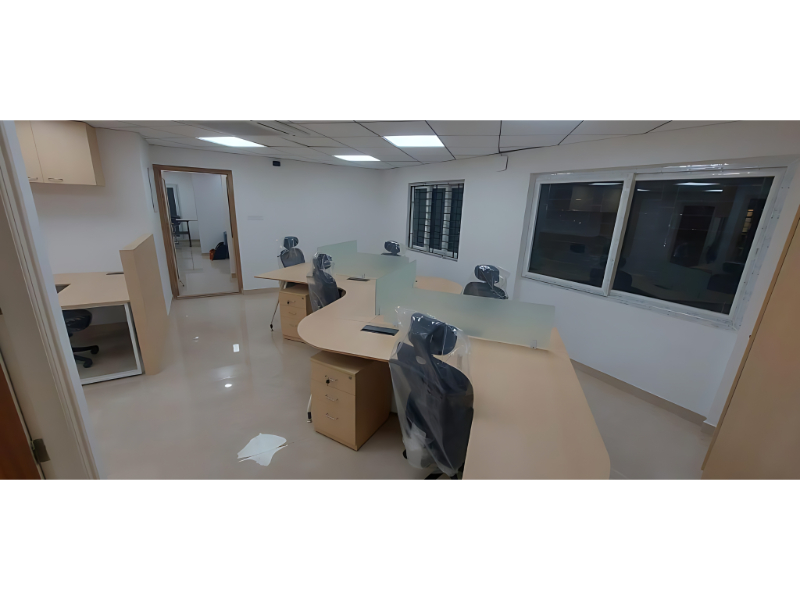
𝗪𝗵𝗮𝘁 𝗮𝗿𝗲 𝗢𝗳𝗳𝗶𝗰𝗲 𝗙𝘂𝗿𝗻𝗶𝘁𝘂𝗿𝗲?
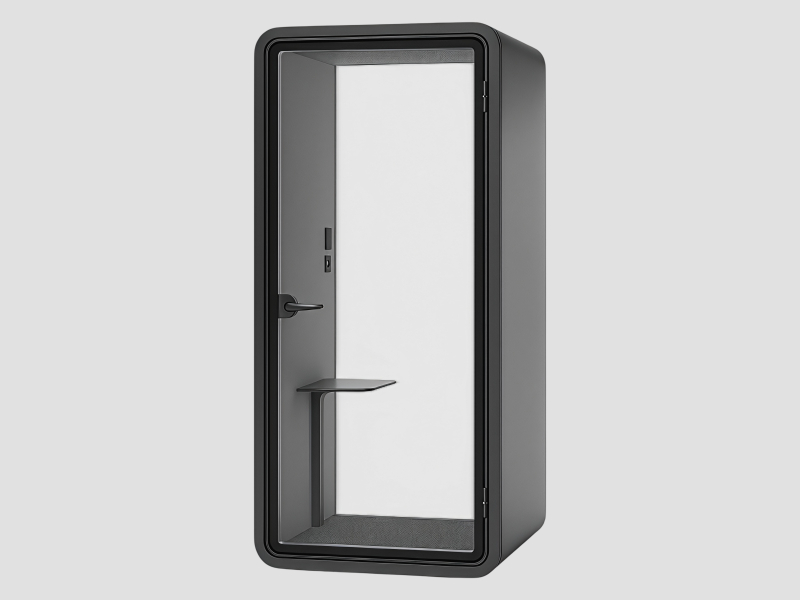
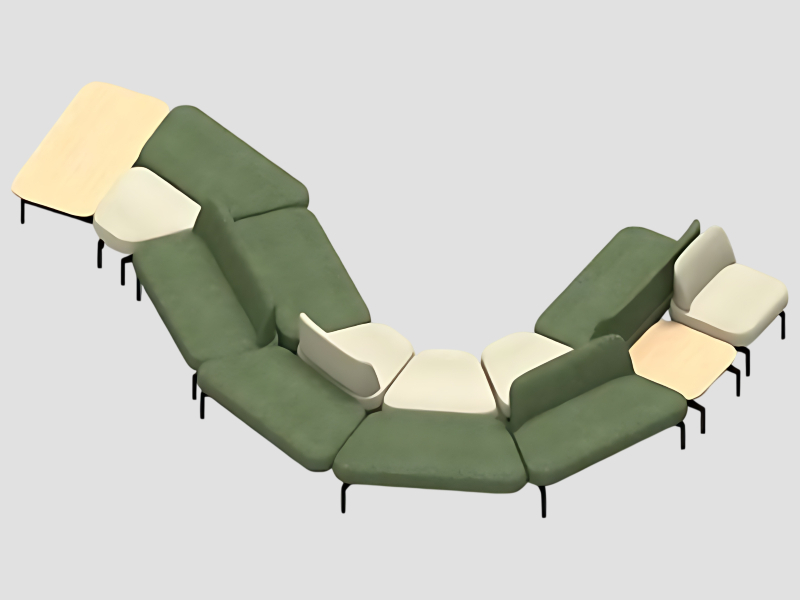
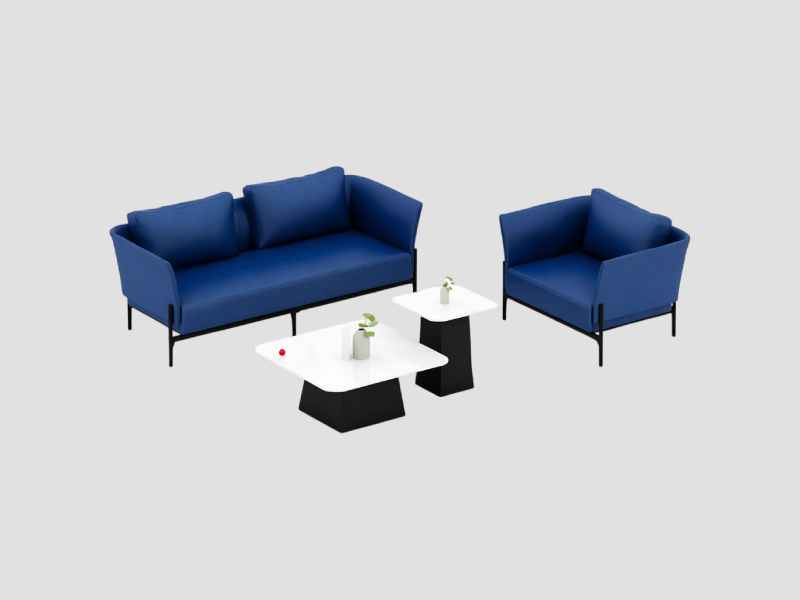
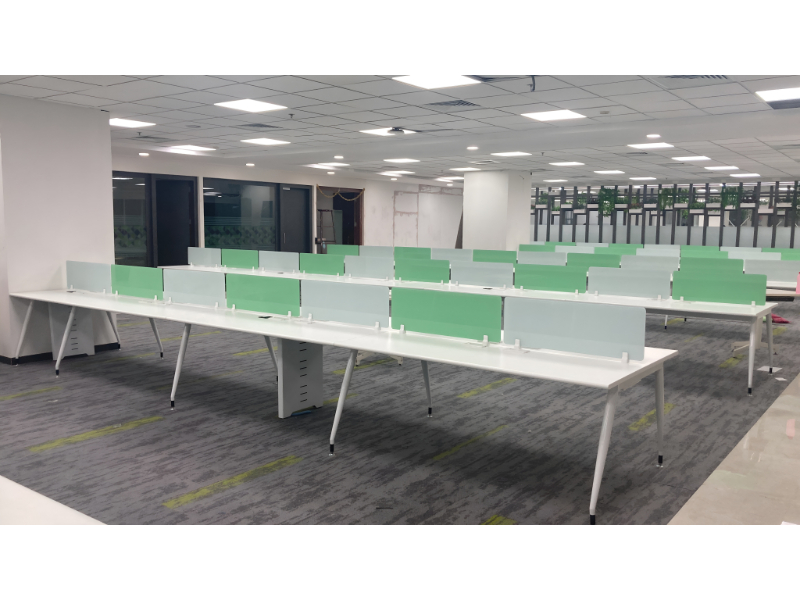
Office furniture refers to the essential pieces of equipment and fixtures used in an office environment to facilitate work activities. This category includes items such as desks, chairs, tables, cabinets, and shelving units. Designed for functionality and comfort, office furniture plays a crucial role in creating an efficient workspace that promotes productivity and organization.
The primary uses of office furniture extend beyond mere aesthetics. It serves to support various work functions, from individual tasks to collaborative meetings. Well-designed office furniture can enhance employee comfort, reduce fatigue, and support good posture, which is increasingly important in today’s work culture. Additionally, office furniture can reflect a company's brand identity and culture, making it a significant consideration for businesses.
In the context of the industry, the office furniture market has seen significant growth, driven by the increasing need for modern workplace solutions. With trends leaning towards open office layouts and remote working arrangements, the demand for versatile and ergonomic office furniture continues to rise. Companies are now focusing on creating adaptable workspaces that cater to different working styles, making the selection of the right office furniture more critical than ever.
𝗞𝗲𝘆 𝗙𝗲𝗮𝘁𝘂𝗿𝗲𝘀 𝗮𝗻𝗱 𝗦𝗽𝗲𝗰𝗶𝗳𝗶𝗰𝗮𝘁𝗶𝗼𝗻𝘀
Office furniture comes with various features and specifications that cater to the diverse needs of businesses. Understanding these specifications is vital for making informed purchasing decisions.
Key specifications include:
1. Ergonomic Design
- Provides comfort and support for long hours of work
- Adjustability options such as height and lumbar support
2. Material Quality
- Common materials include wood, metal, and composite
- Durability and finish options that affect aesthetic appeal
3. Size and Dimensions
- Various sizes to fit different office layouts
- Standard desk heights and widths for optimal use
4. Storage Solutions
- Options include cabinets, drawers, and shelving
- Maximizes space and organization in the office
5. Mobility Features
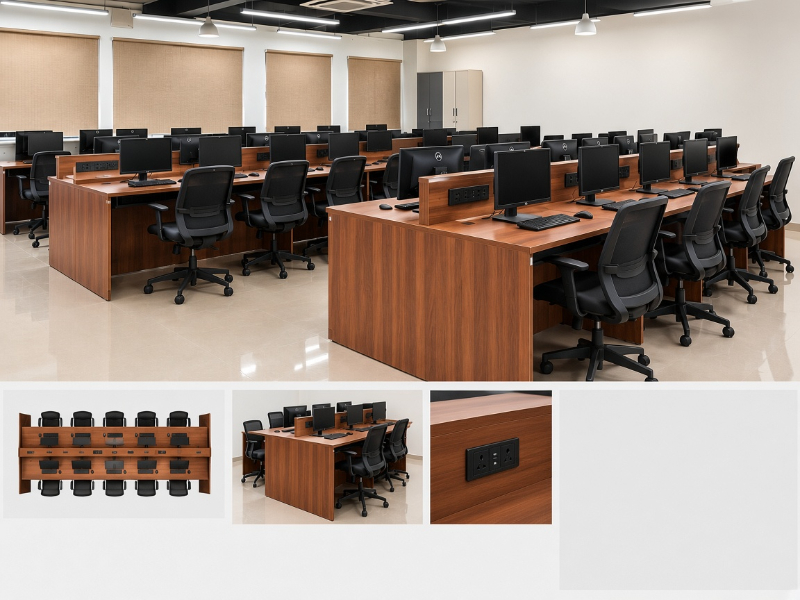
- Furniture with wheels or modular designs
- Facilitates easy reconfiguration of office spaces
6. Sustainability
- Materials sourced from eco-friendly suppliers
- Certifications ensuring low environmental impact
7. Customization
- Options for personalized design and colors
- Tailored solutions to meet specific business needs
8. Compliance with Standards
- Adherence to safety and quality standards like CE
- Ensures reliability and performance in office settings
Overall, these specifications are designed to enhance the functionality and longevity of office furniture, making it a valuable investment for businesses.
𝗖𝗼𝗺𝗺𝗼𝗻 𝗔𝗽𝗽𝗹𝗶𝗰𝗮𝘁𝗶𝗼𝗻𝘀 𝗮𝗻𝗱 𝗨𝘀𝗲 𝗖𝗮𝘀𝗲𝘀
Office furniture has a wide range of applications across various industries, each requiring specific configurations and features.
1. Corporate Offices: In corporate settings, office furniture is used to create functional workspaces that encourage collaboration and productivity.
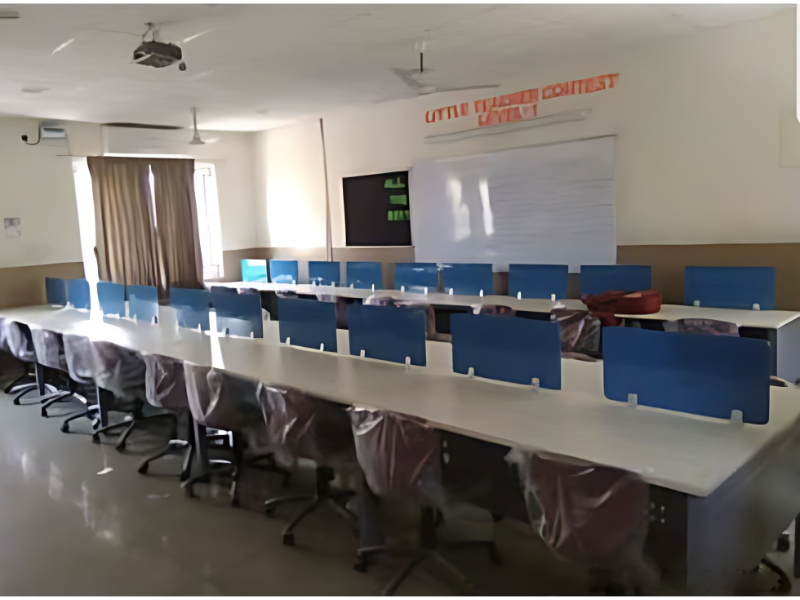
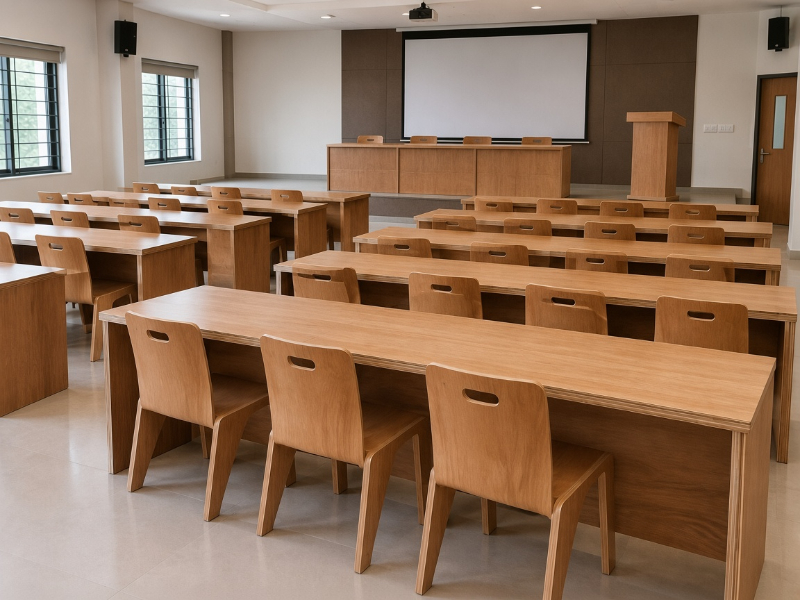
2. Educational Institutions: Schools and universities require durable and flexible furniture to accommodate different learning environments and activities.
3. Healthcare Facilities: Medical offices and hospitals use specialized furniture that supports hygiene and patient comfort while meeting regulatory standards.
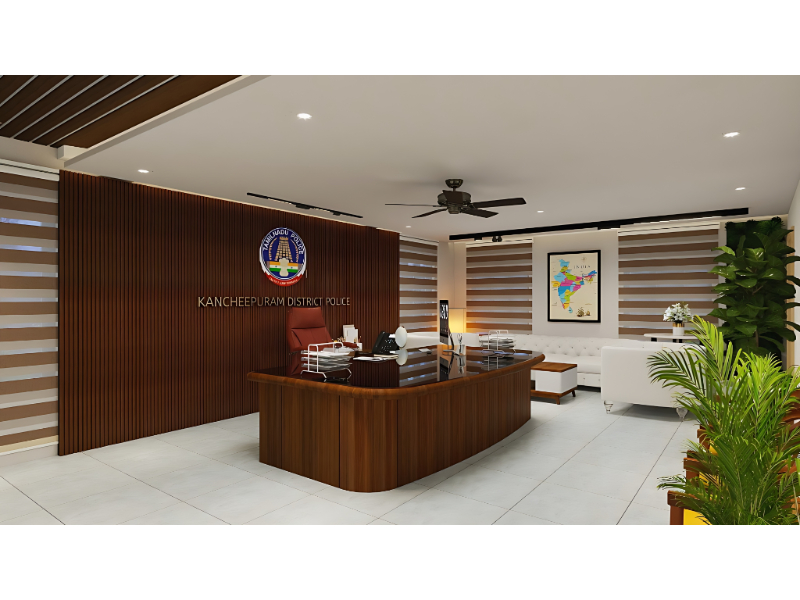
4. Government Offices: Office furniture in this sector needs to adhere to strict compliance regulations while providing functionality for administrative tasks.
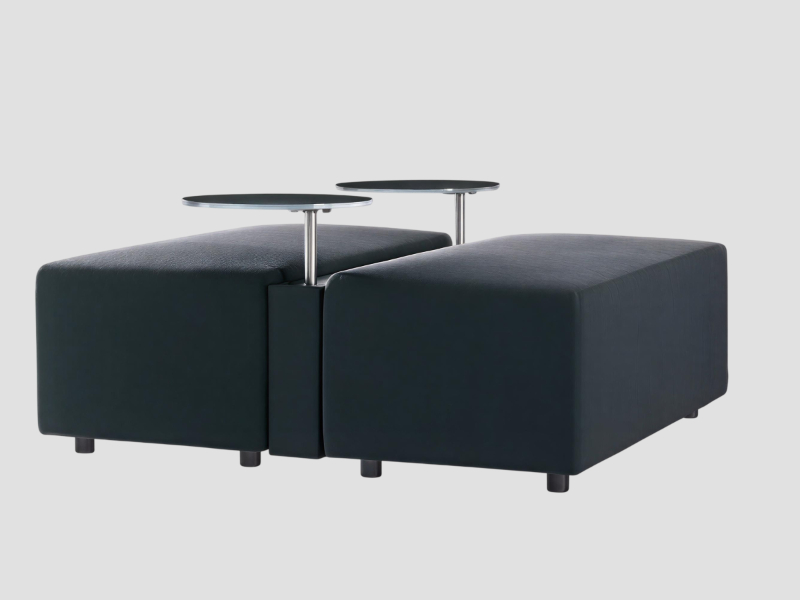
5. Co-working Spaces: These spaces need versatile and modular furniture that can accommodate various users and working styles.
6. Retail Environments: Office furniture in retail must reflect brand identity while providing a comfortable experience for staff and customers.
7. Technology Companies: Tech firms often require innovative and ergonomic solutions to foster creativity and collaboration among teams.
𝗣𝗿𝗼𝗱𝘂𝗰𝘁 𝗩𝗮𝗿𝗶𝗮𝗻𝘁𝘀 𝗮𝗻𝗱 𝗦𝘂𝗯𝗰𝗮𝘁𝗲𝗴𝗼𝗿𝗶𝗲𝘀
Office furniture comes in various forms to meet the specific needs of different environments. Each variant offers unique features that cater to diverse applications.
Desks
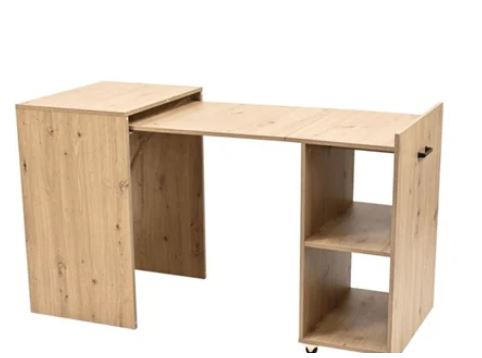
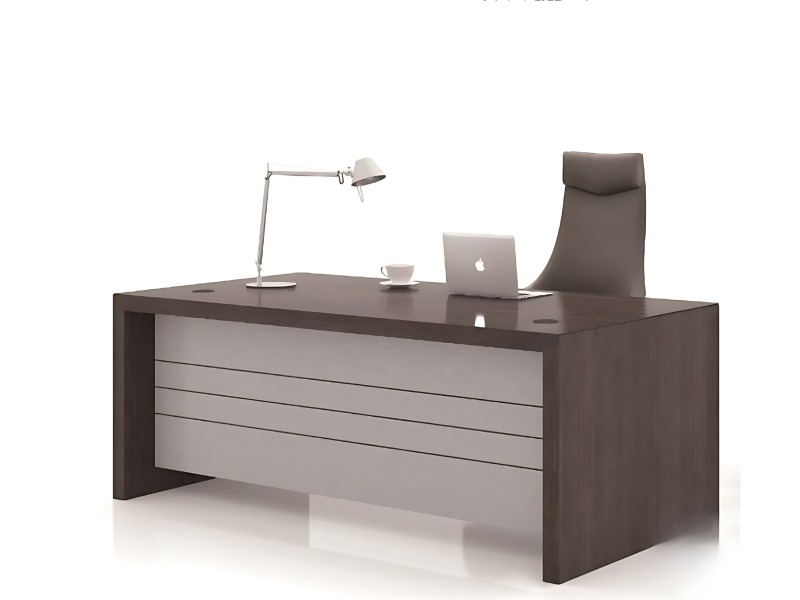
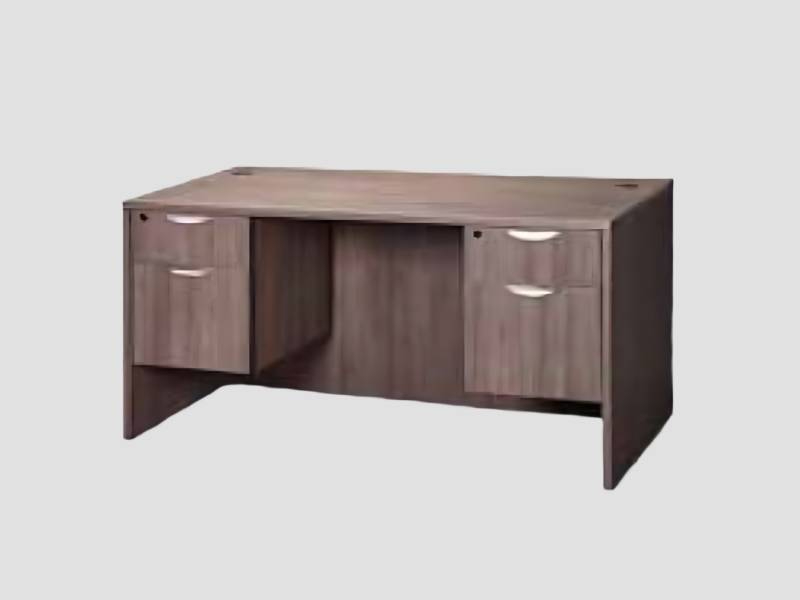
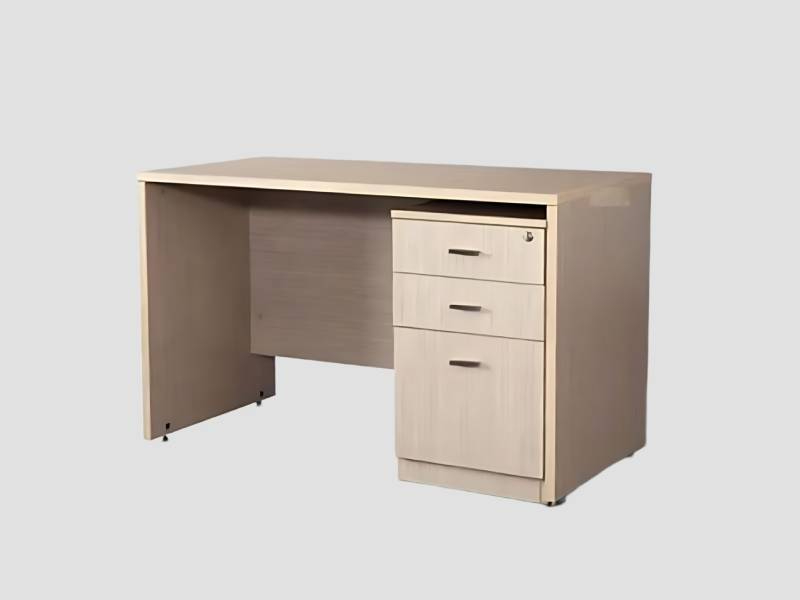
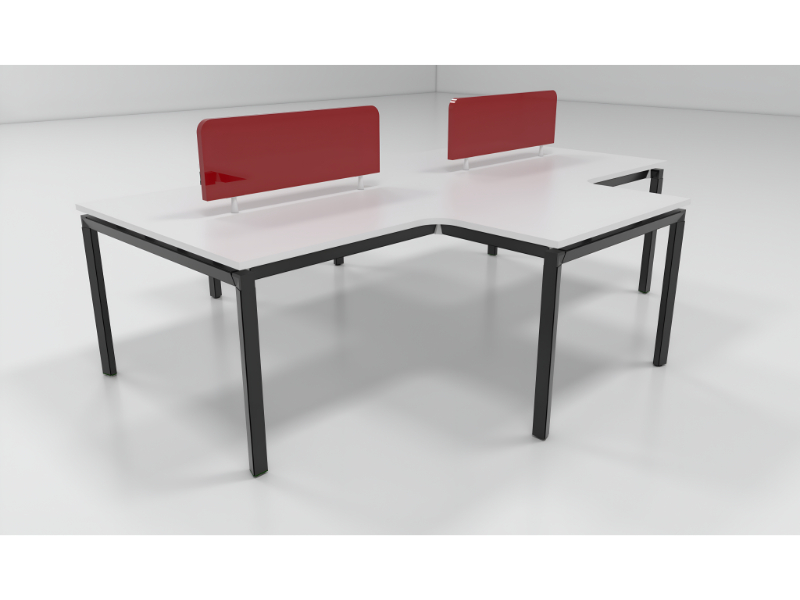
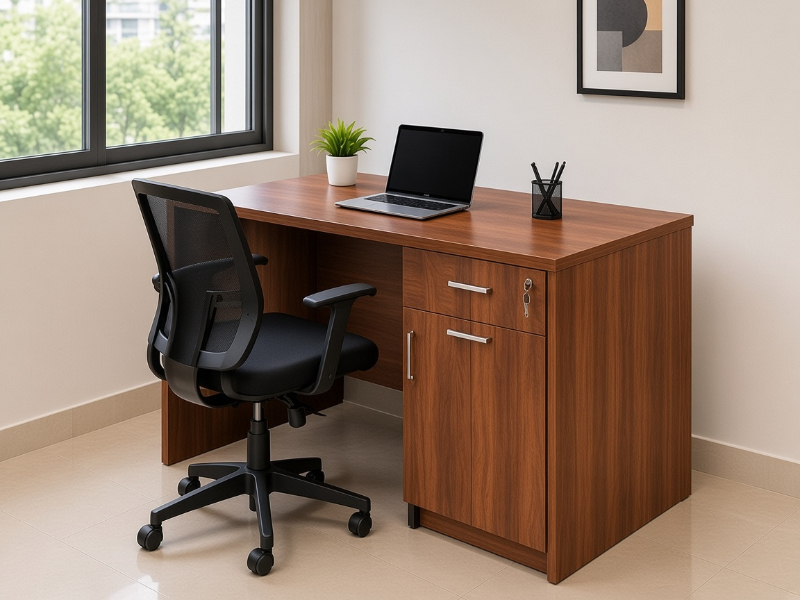
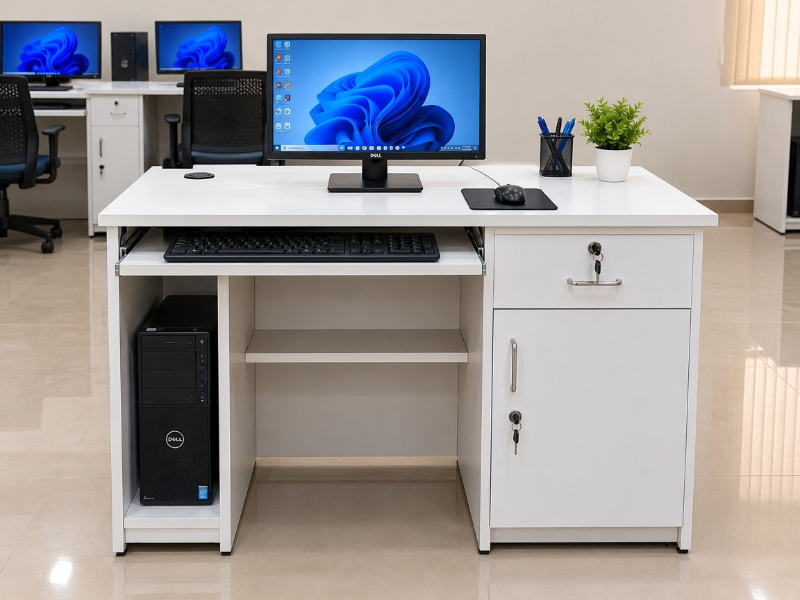
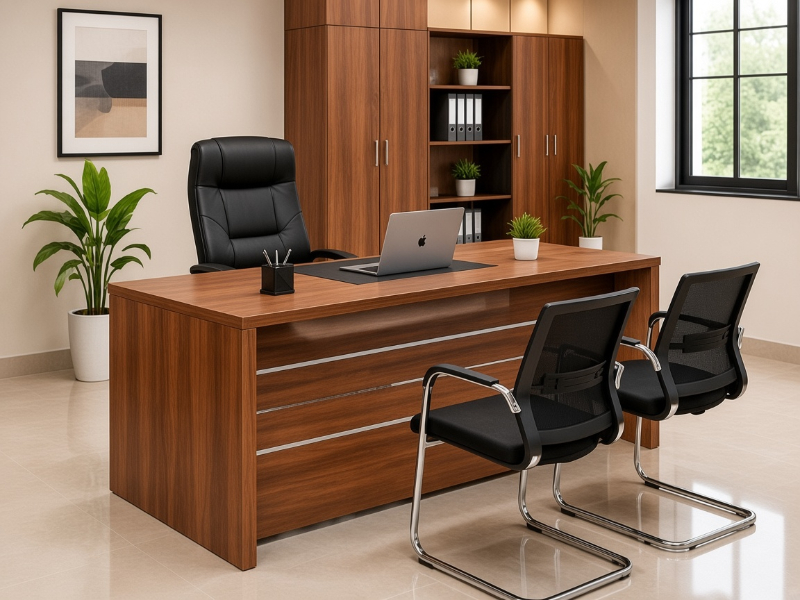
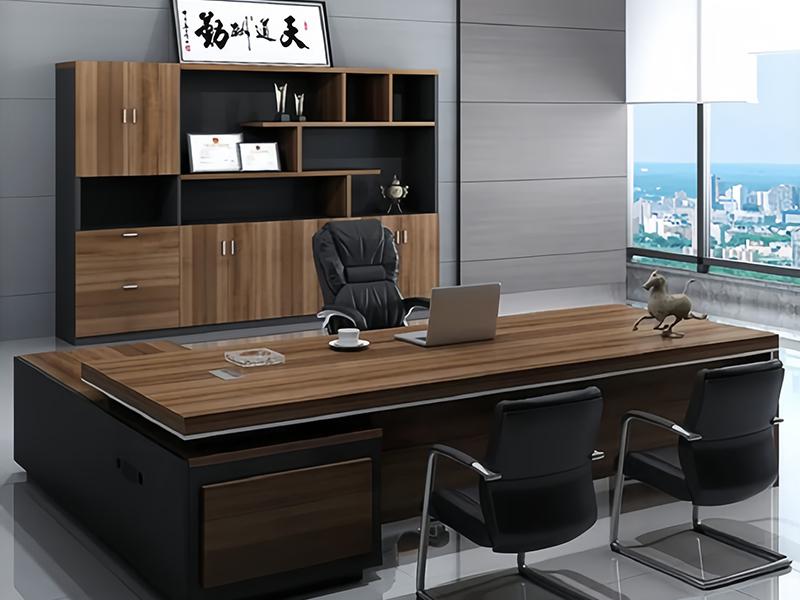
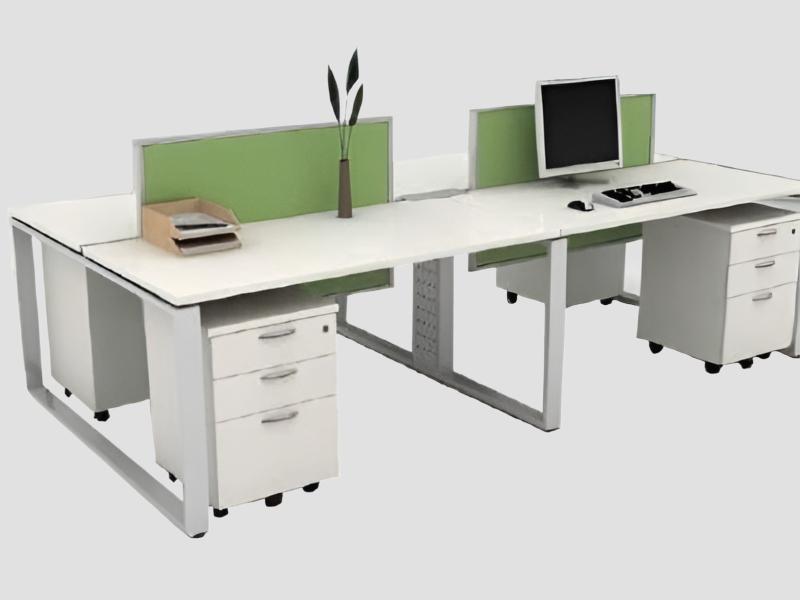
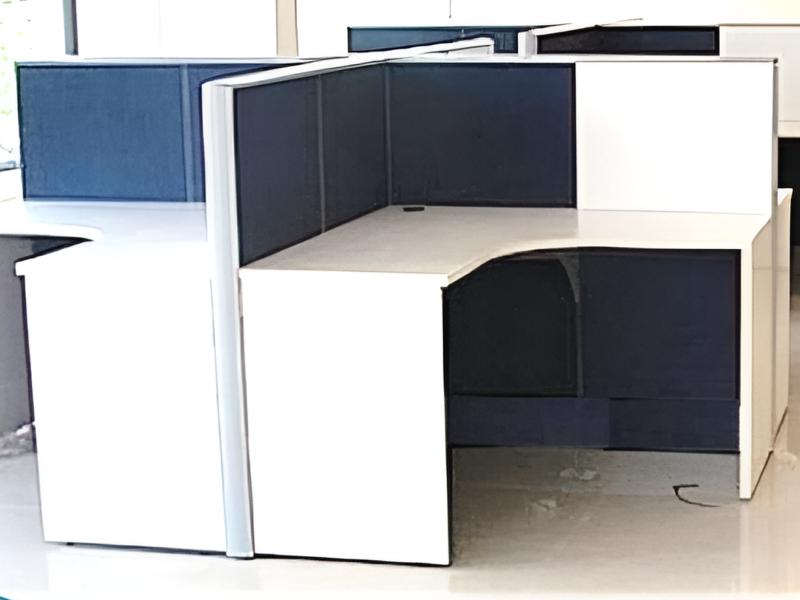
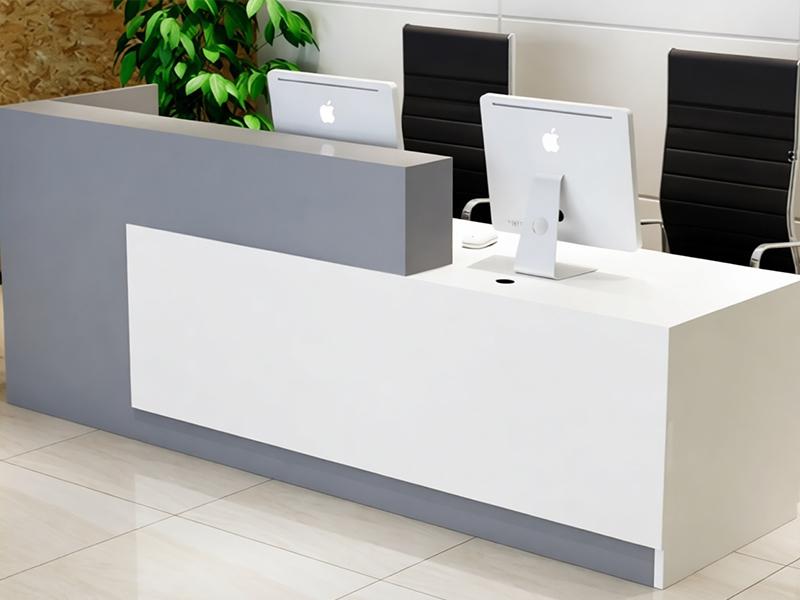
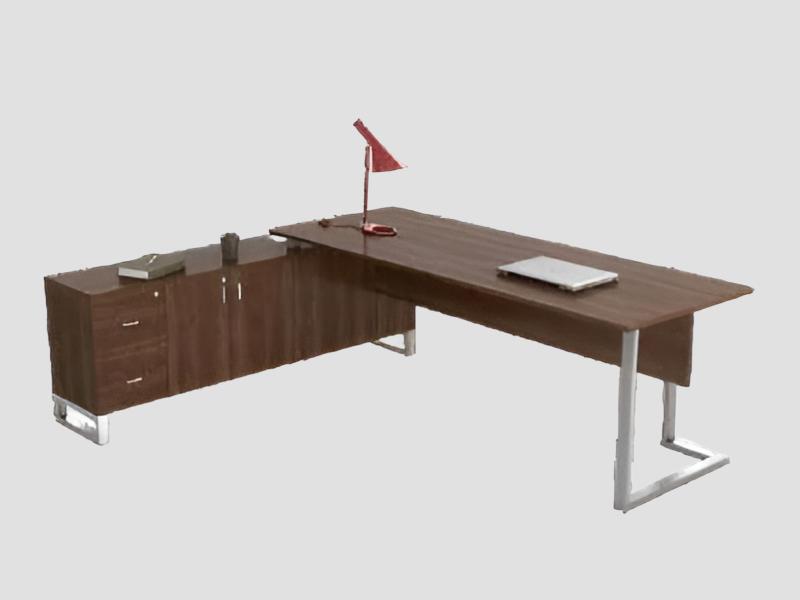
Desks are foundational pieces of office furniture, available in various styles such as executive, standing, and corner desks. They provide essential workspace for employees and can often be customized to fit specific needs.
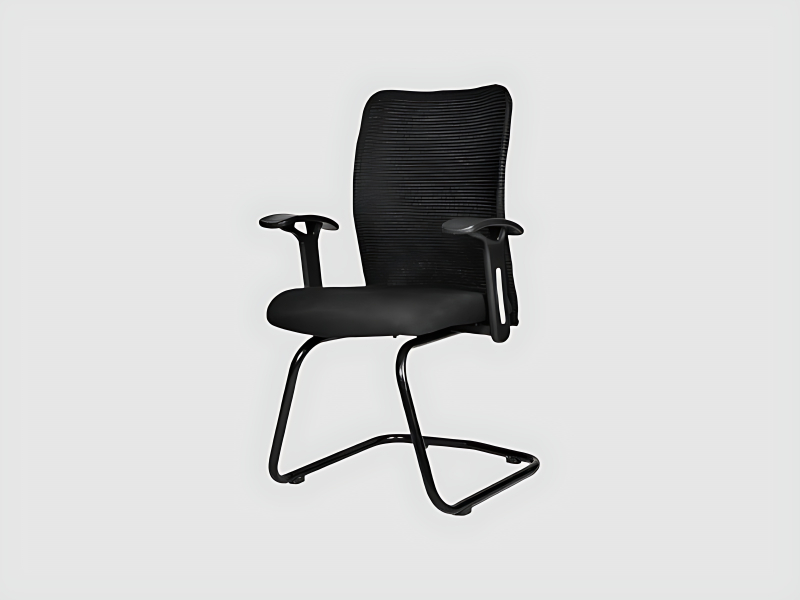
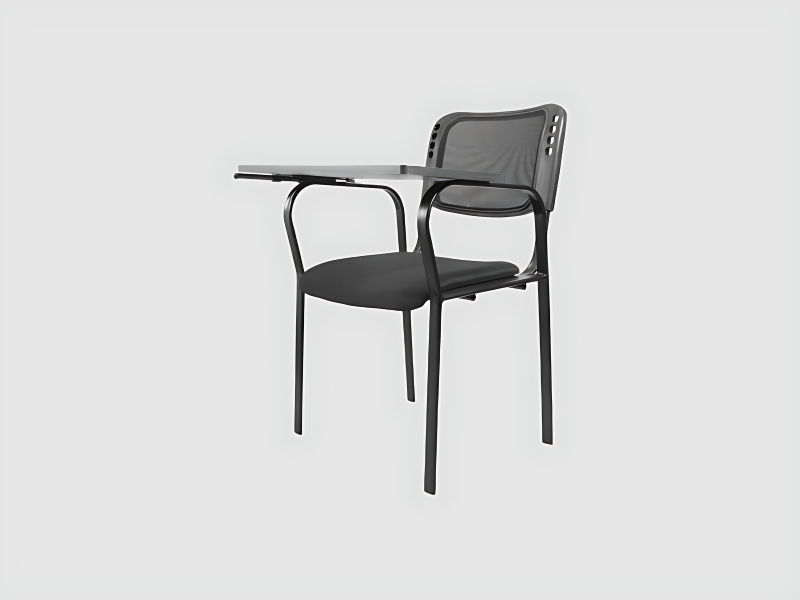
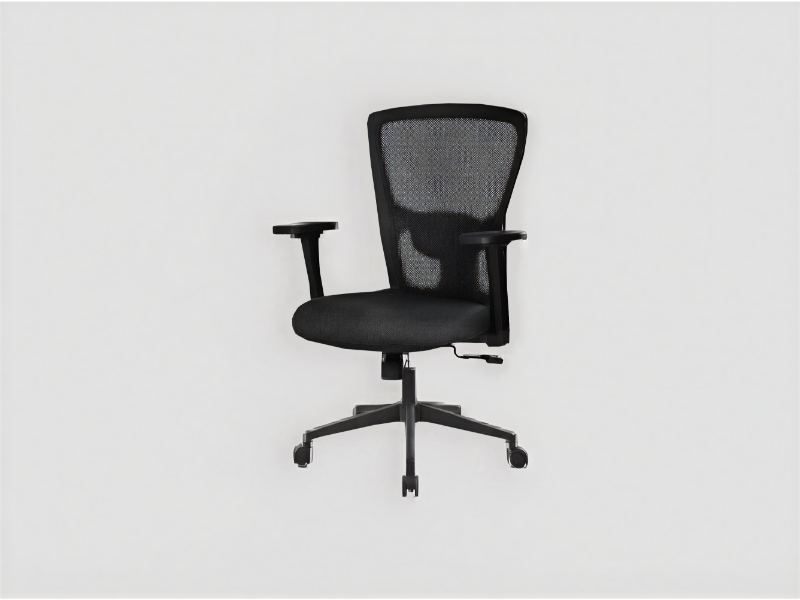
Chairs
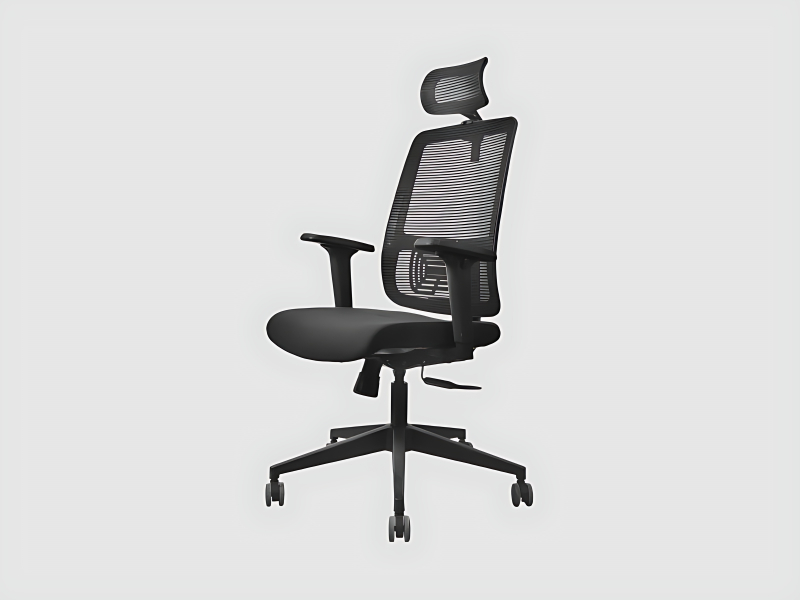
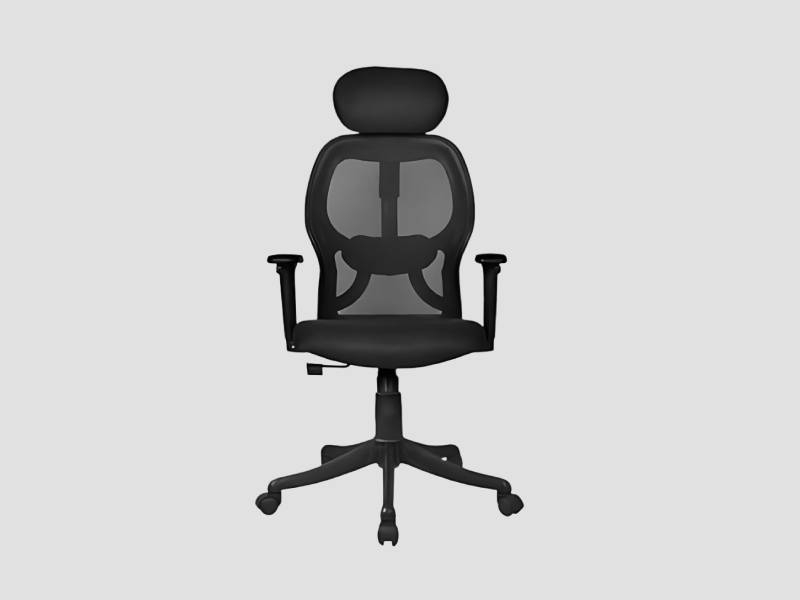
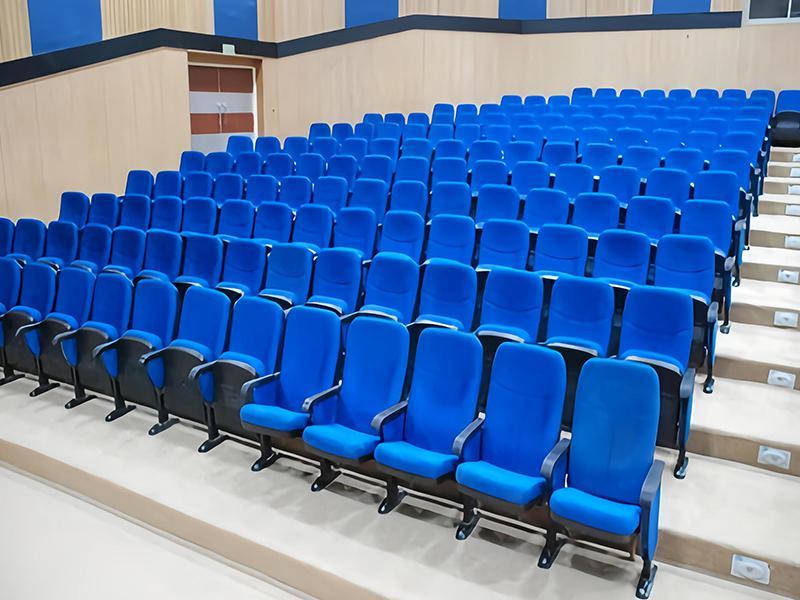
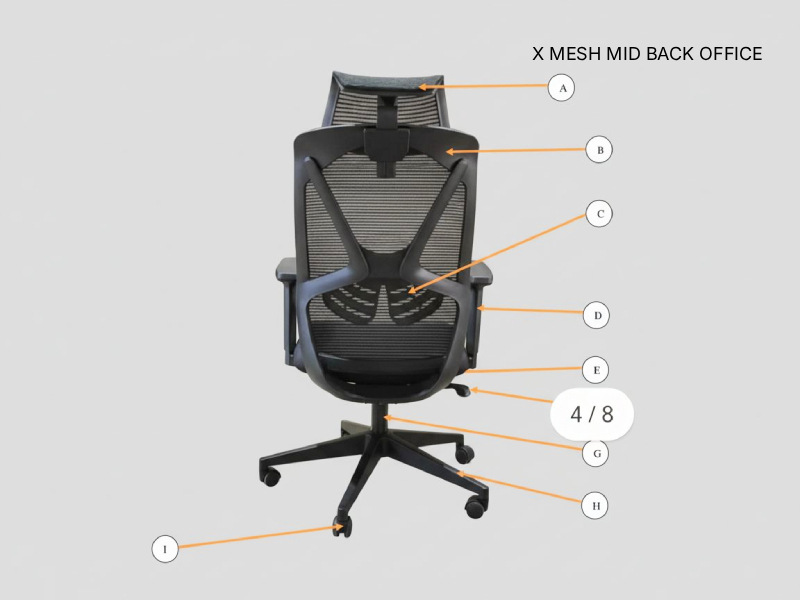
Office chairs are crucial for employee comfort and productivity. Options include task chairs, ergonomic chairs, and conference seating, each designed to support different functions and preferences.
Tables
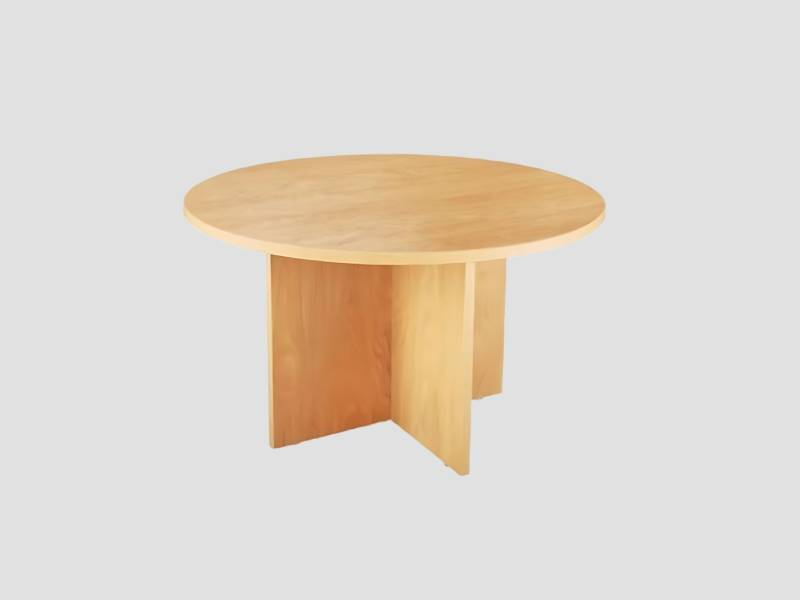
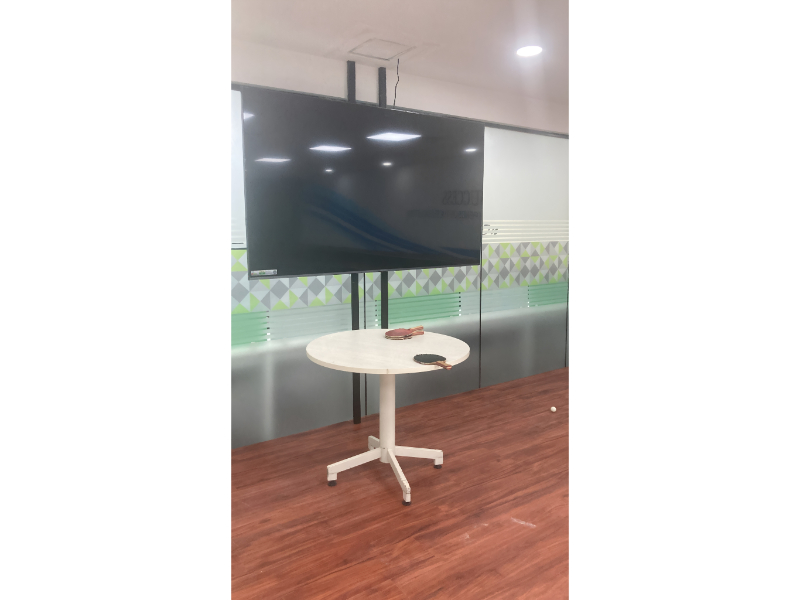
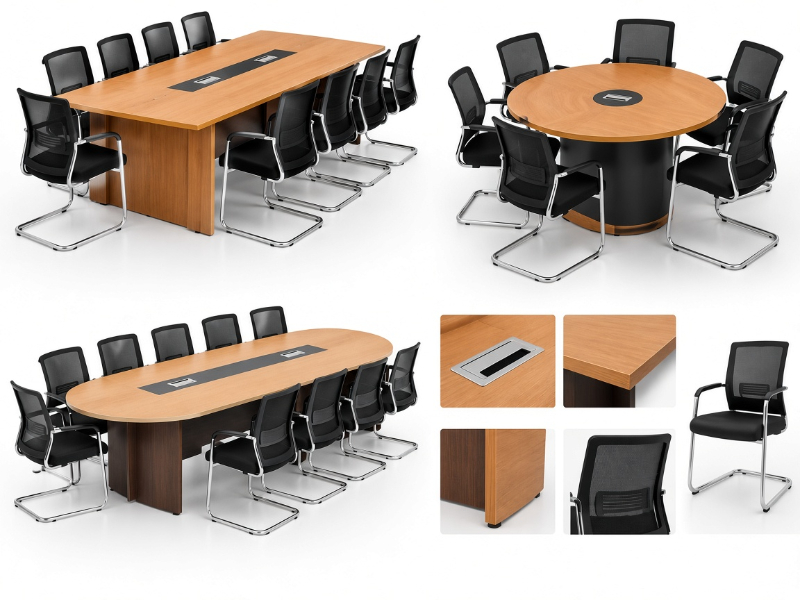
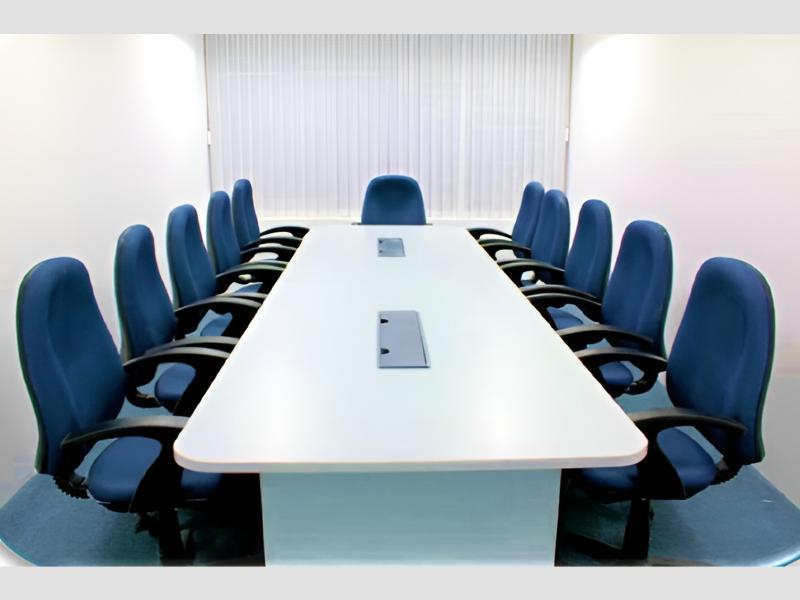
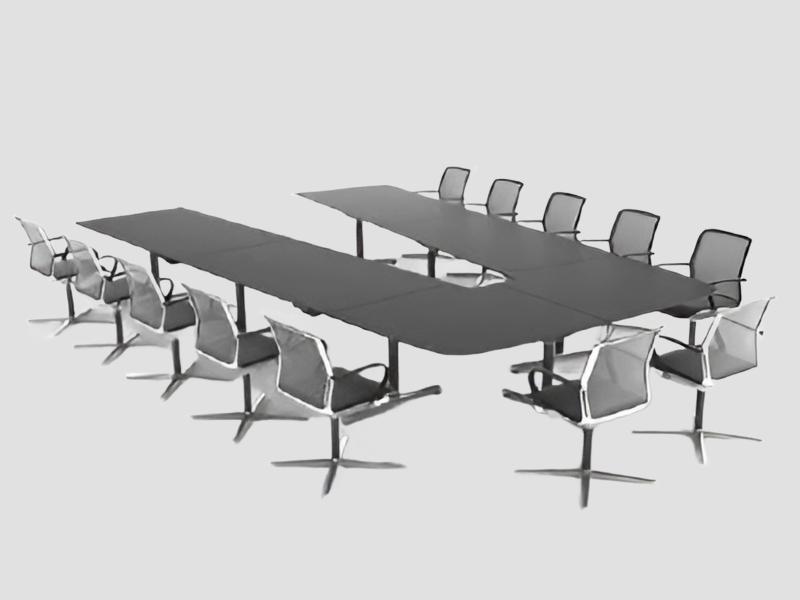
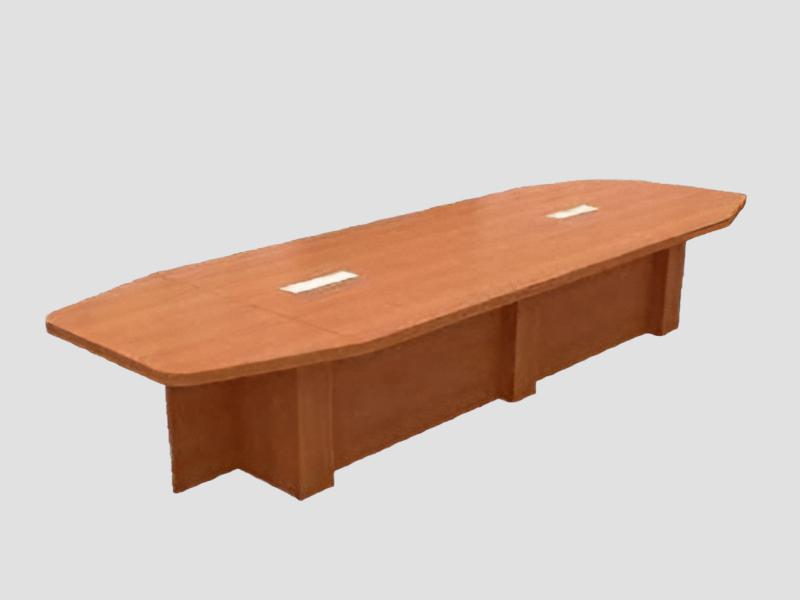
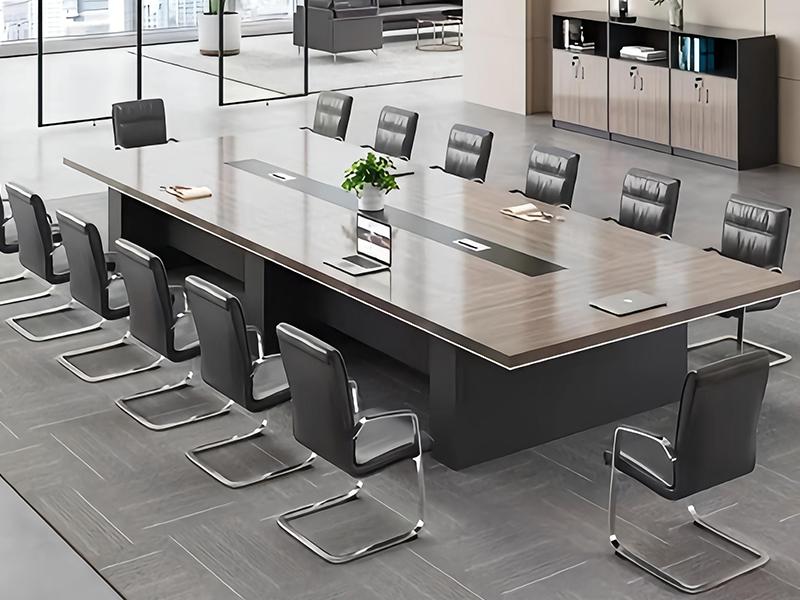
Tables serve multiple purposes in an office, including meeting tables, conference tables, and collaborative work surfaces. They can be adapted for size and shape to fit various office layouts.
Storage Units
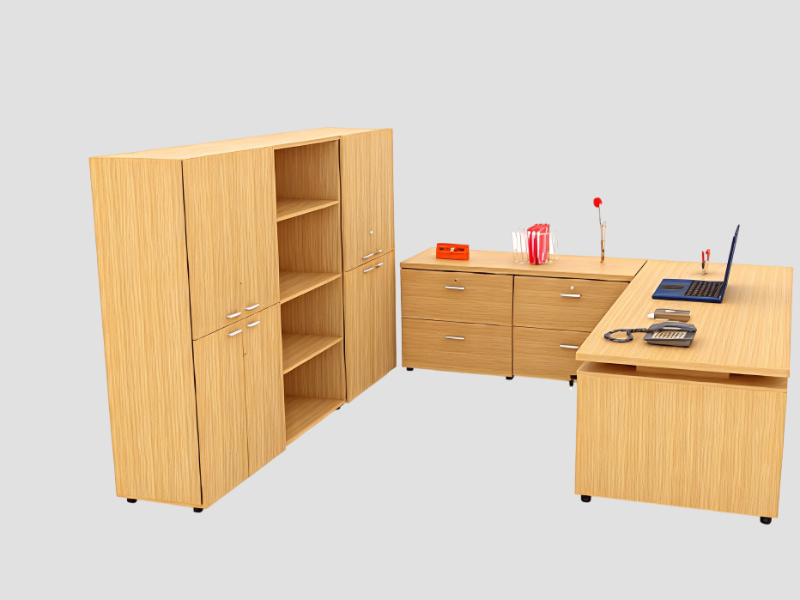
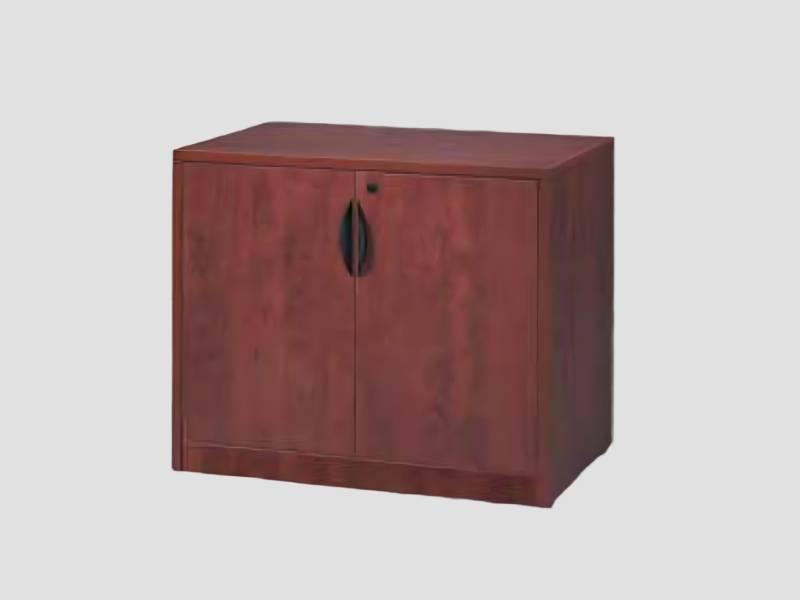
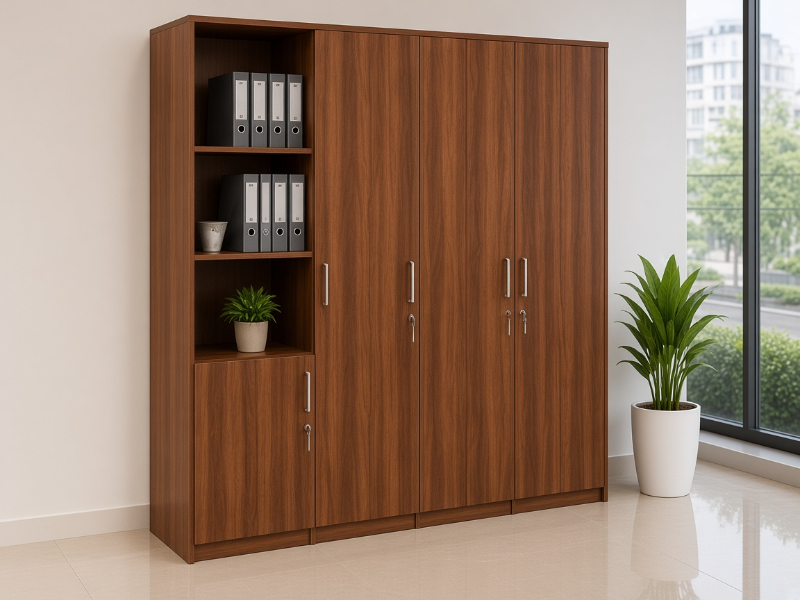
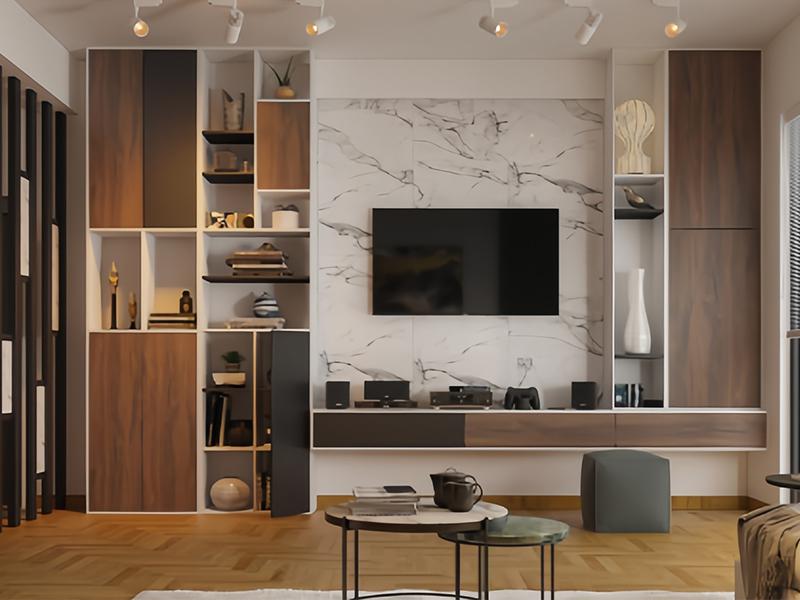
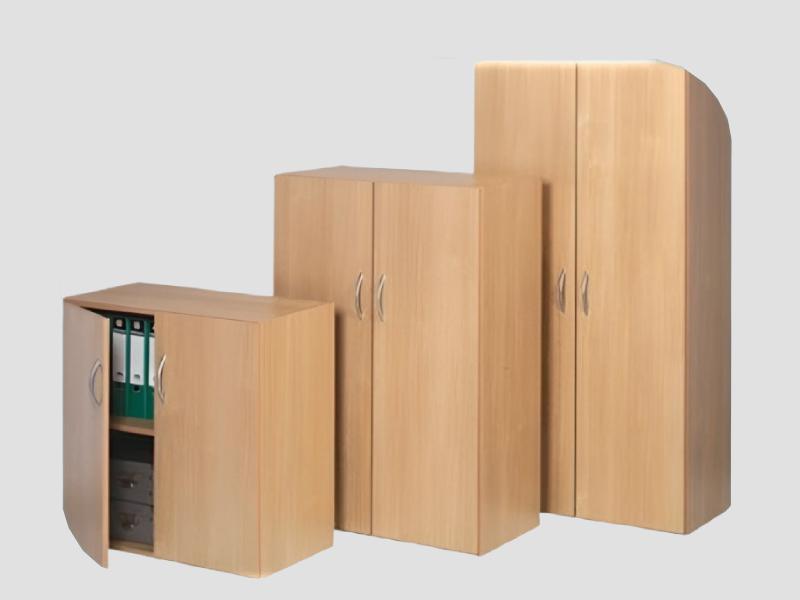
Storage solutions like filing cabinets and shelving units help organize office supplies and documents. They are essential for maintaining a clutter-free workspace.
𝗕𝗲𝗻𝗲𝗳𝗶𝘁𝘀 𝗮𝗻𝗱 𝗔𝗱𝘃𝗮𝗻𝘁𝗮𝗴𝗲𝘀
Investing in quality office furniture provides numerous benefits to businesses.
1. Improved Productivity: Comfortable and functional furniture enhances employee focus and efficiency.
2. Employee Well-being: Ergonomically designed furniture reduces discomfort and health risks associated with prolonged sitting.
3. Enhanced Aesthetics: Well-chosen office furniture contributes to a professional and inviting atmosphere.
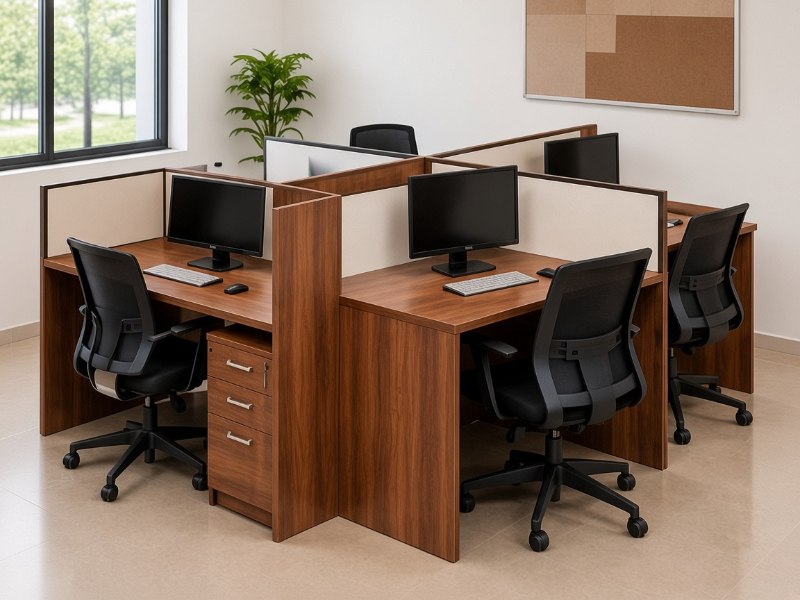
4. Increased Flexibility: Modular furniture allows for easy reconfiguration of office layouts as needs change.
5. Effective Space Utilization: Smart storage solutions help maximize space, making offices feel less cluttered.
6. Brand Representation: Office furniture can reflect a company's values and culture, making a strong impression on clients and visitors.
𝗕𝘂𝘆𝗶𝗻𝗴 𝗚𝘂𝗶𝗱𝗲 𝗳𝗼𝗿 𝗕𝟮𝗕 𝗕𝘂𝘆𝗲𝗿𝘀
When sourcing office furniture, several factors should be considered to ensure a successful purchase.
1. Quality Assessment: Evaluate materials and construction to ensure long-lasting durability. Look for warranties or guarantees that reflect the manufacturer's confidence in their products.
2. Supplier Verification: Vet suppliers by checking their reputation, customer reviews, and industry experience. A reliable supplier will provide timely delivery and responsive customer service.
3. Pricing and MOQ: Understand the pricing structure, including bulk discounts and minimum order quantities. Make sure to compare prices across different suppliers to get the best deal.
4. Delivery and Lead Times: Inquire about delivery schedules and lead times to ensure furniture arrives when needed. Consider logistics and potential delays in the supply chain.
5. Compliance Requirements: Verify that the furniture meets necessary safety and quality standards, especially in industries with strict regulatory requirements.
𝗖𝗼𝗺𝗽𝗹𝗶𝗮𝗻𝗰𝗲 𝗮𝗻𝗱 𝗖𝗲𝗿𝘁𝗶𝗳𝗶𝗰𝗮𝘁𝗶𝗼𝗻𝘀
In the office furniture industry, compliance with quality standards and certifications is essential for ensuring product reliability and safety. Common standards include ISO 9001, which outlines quality management systems, and CE marking, indicating conformity with health, safety, and environmental protection standards.
Furniture manufacturers often undergo testing to ensure their products meet safety and performance criteria. This includes rigorous assessments for durability and stability, especially for items like desks and chairs that support significant weight.
Additionally, regional compliance considerations must be taken into account, as different countries may have specific regulations governing office furniture. Buyers should ensure that the products they purchase comply with local laws to avoid potential legal issues.
𝗪𝗵𝘆 𝗦𝗼𝘂𝗿𝗰𝗲 𝗢𝗳𝗳𝗶𝗰𝗲 𝗙𝘂𝗿𝗻𝗶𝘁𝘂𝗿𝗲 𝗳𝗿𝗼𝗺 𝗣𝗲𝗽𝗮𝗴𝗼𝗿𝗮?
Pepagora offers a trusted platform for sourcing office furniture, providing businesses with several key advantages.
Verified Supplier Network: The platform connects buyers with a network of verified suppliers, ensuring that all products meet high standards of quality and reliability. This reduces the risk associated with purchasing from unknown vendors.
Streamlined RFQ Process: Pepagora simplifies the request for quotation process, allowing buyers to easily compare offerings from multiple suppliers. This transparency helps businesses make informed decisions based on their specific needs and budget.
Trade Assurance and Support: Buyers are protected through Pepagora's trade assurance policies, which safeguard transactions and provide support in case of disputes. This commitment to buyer security fosters confidence in the purchasing process.
Regional Coverage: With a strong presence in India, the GCC, and Southeast Asia, Pepagora offers extensive reach and local expertise. This geographic coverage ensures that businesses can access quality office furniture tailored to their regional market needs.

 IN
IN