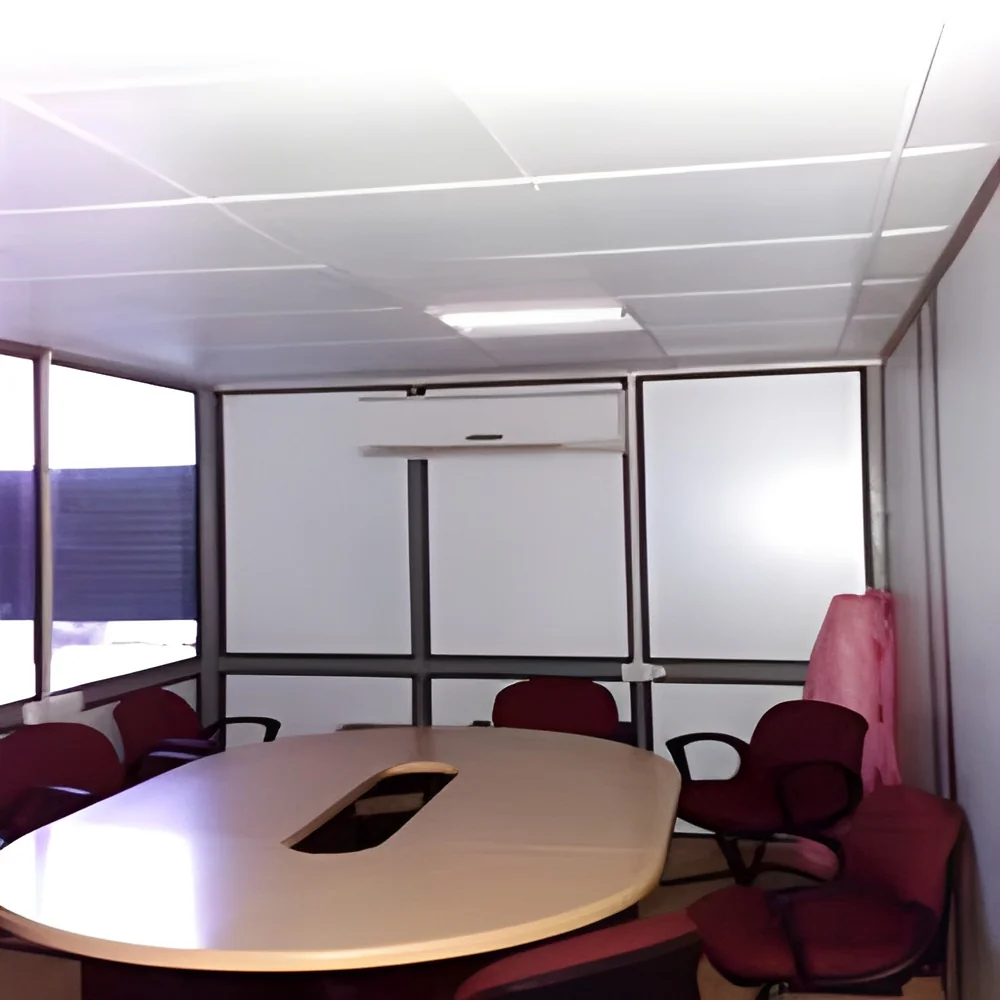
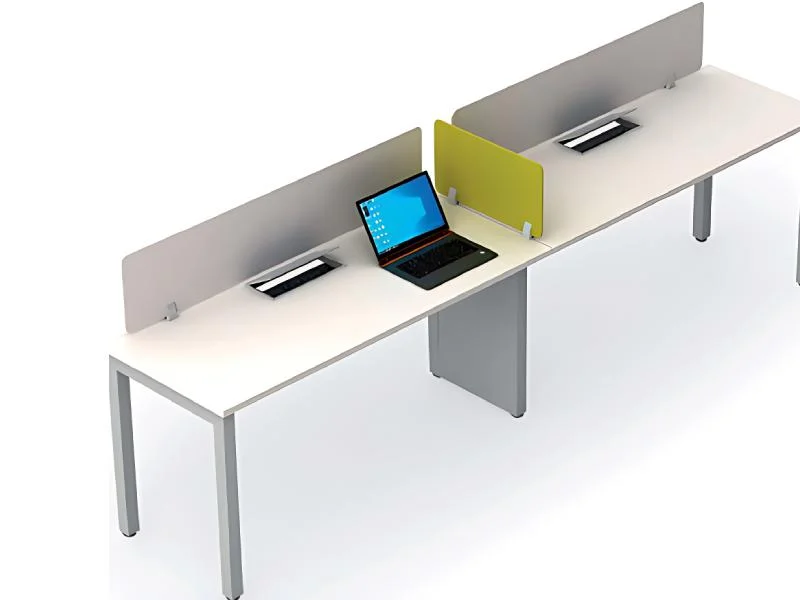
What are Modular Office Furniture?
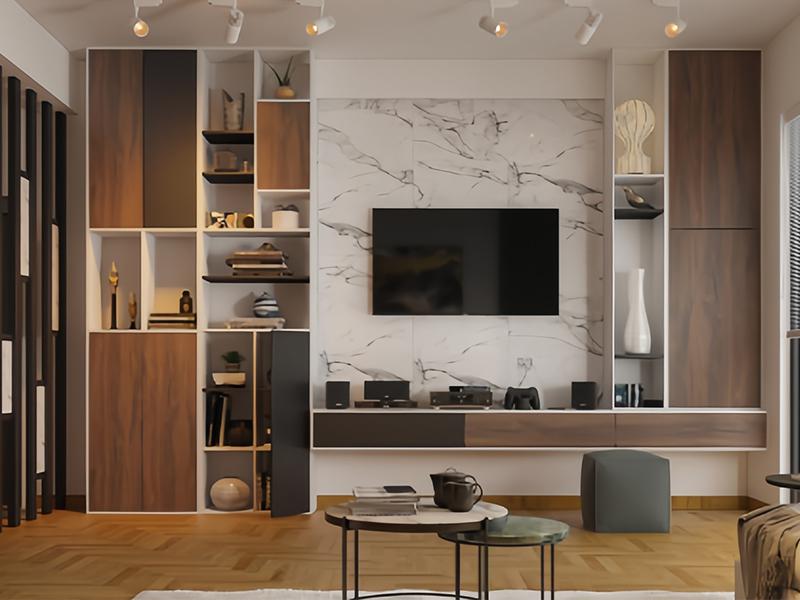
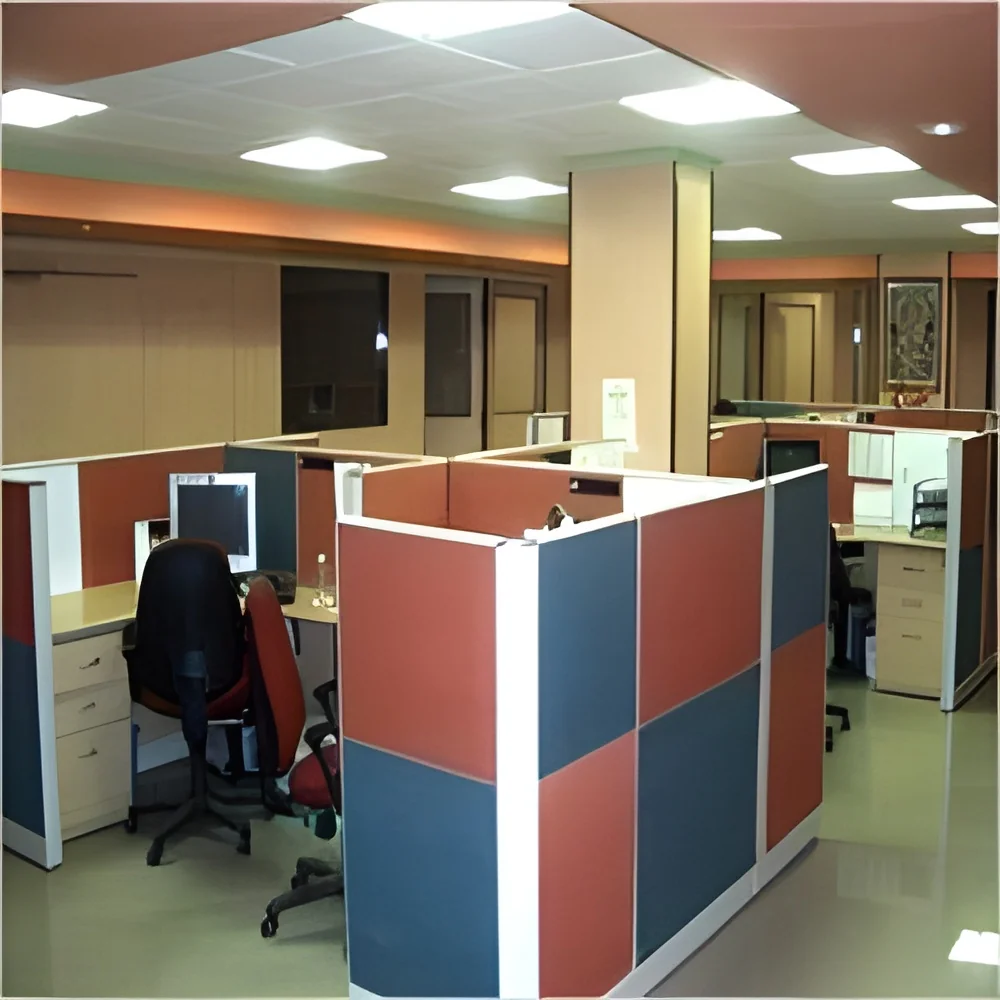
Modular office furniture refers to a versatile and adaptable range of furnishings designed to meet the dynamic needs of modern workspaces. This type of furniture is typically composed of multiple components that can be rearranged or reconfigured to create different layouts. The modular design allows businesses to customize their office environments according to specific requirements, such as space utilization, aesthetic preferences, and functional needs.
The primary uses of modular office furniture include creating collaborative workspaces, private offices, meeting rooms, and lounge areas. Its flexibility makes it particularly appealing to companies that undergo frequent changes in team sizes or office layouts. This adaptability also allows businesses to maximize productivity by fostering better collaboration and communication among employees. The relevance of modular office furniture in today's market is significant, as more organizations are embracing open office concepts and flexible working arrangements.
Key Features and Specifications
Modular office furniture comes with a variety of features that enhance its functionality and appeal. These features support the evolving demands of contemporary workplaces and cater to both aesthetic and practical needs.
Key specifications include:
1. Configurability
- Modular office furniture can be easily reconfigured to fit different layouts.
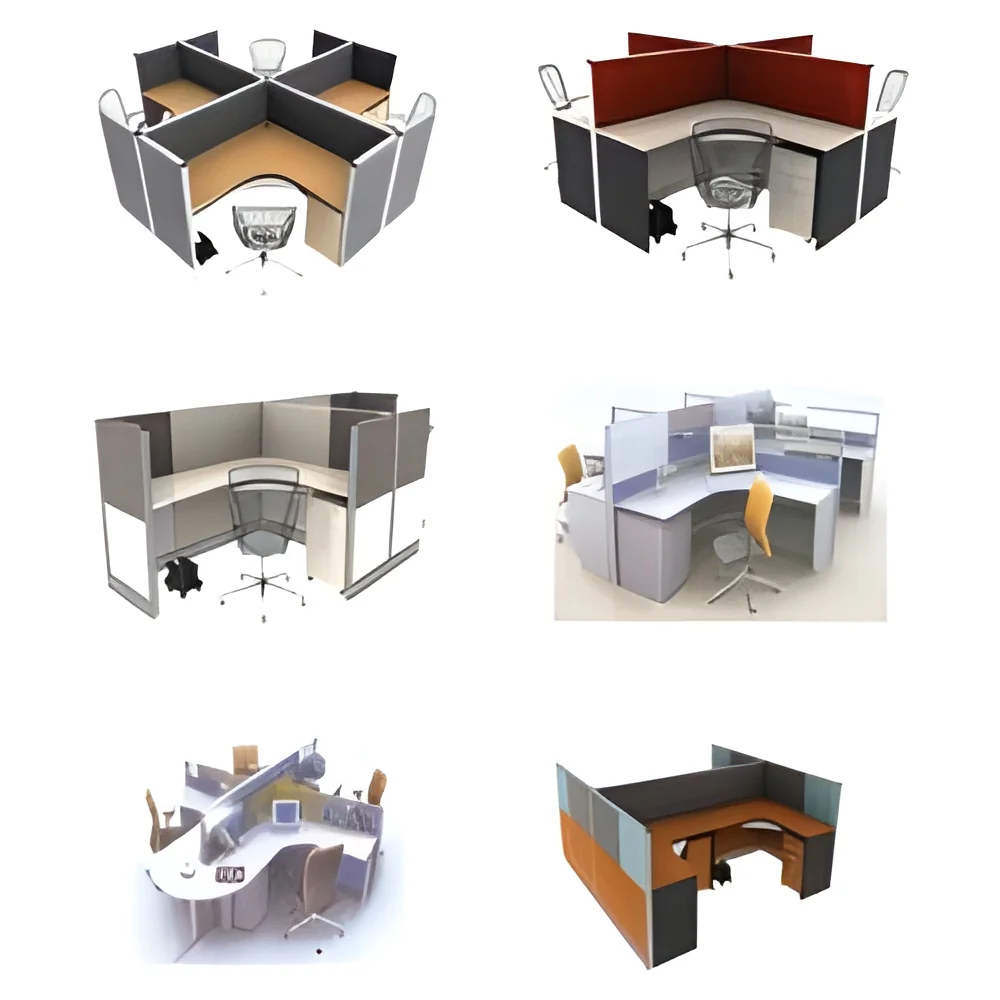
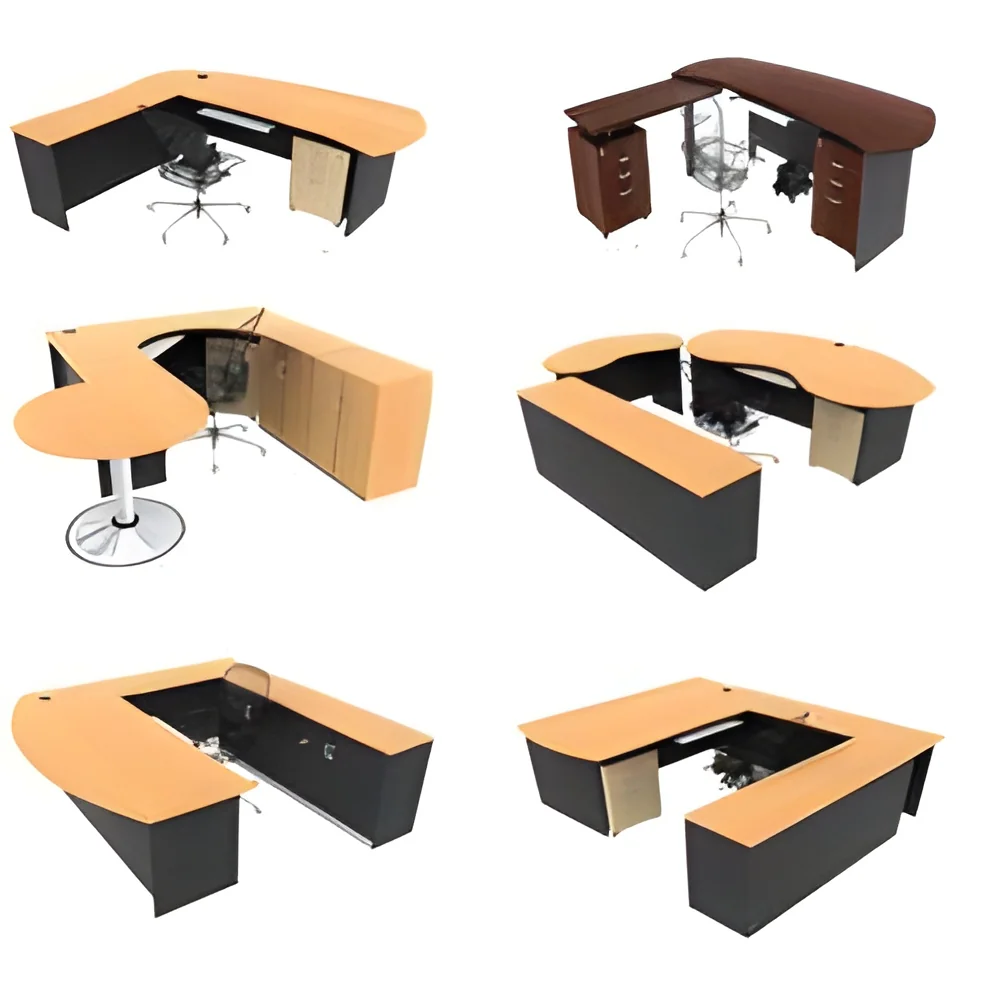
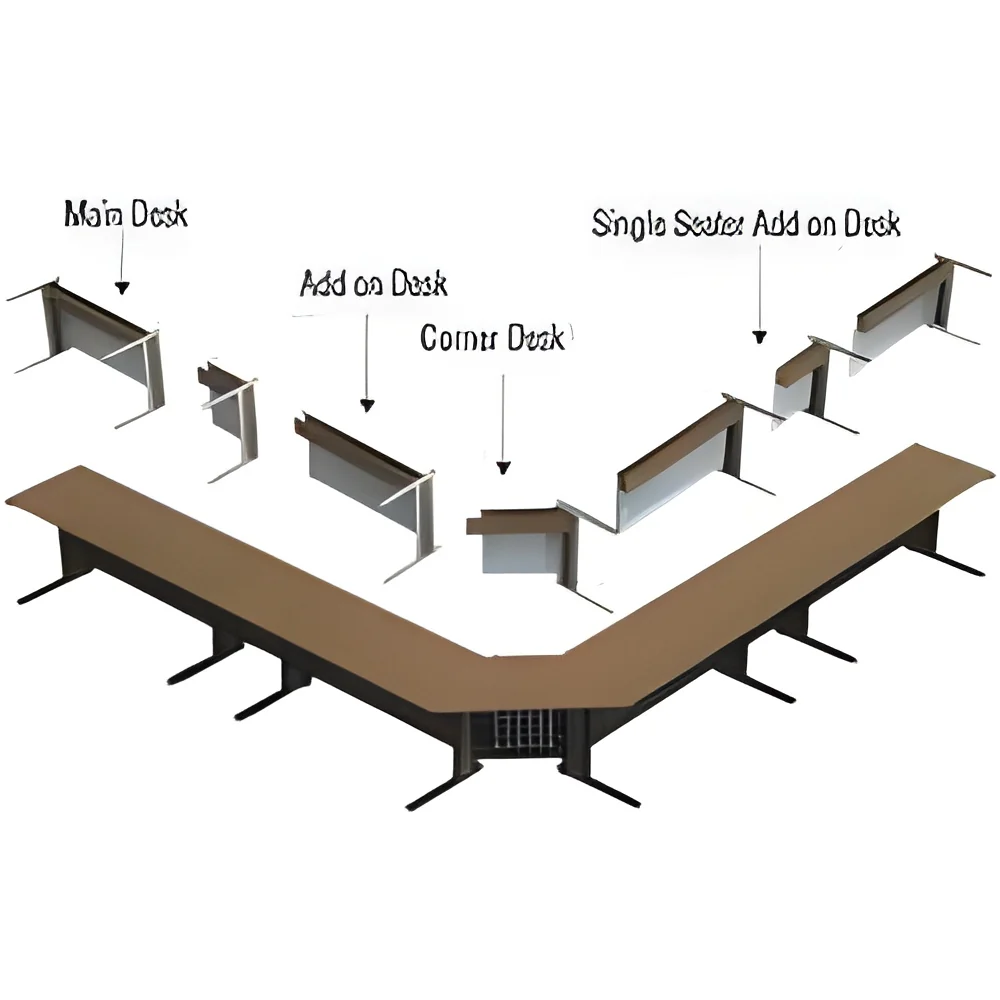
- This includes options for desks, workstations, and partition systems.
2. Material Composition
- Common materials include wood, metal, and high-quality laminate.
- Each material offers different aesthetic qualities and durability levels.
3. Ergonomics
- Designs often include adjustable height desks and supportive seating.
- Ergonomic features aim to promote comfort and reduce strain during work.
4. Aesthetic Variety
- Available in numerous colors and finishes to match office branding.
- Customization options allow for unique design elements.
5. Storage Solutions
- Modular systems often incorporate integrated storage options like cabinets and shelves.
- These solutions help maintain organization and reduce clutter.
6. Sustainability
- Many manufacturers focus on eco-friendly materials and processes.
- Sustainable options appeal to environmentally conscious businesses.
7. Technology Integration
- Furniture can include built-in cable management and power outlets.
- This helps accommodate modern technological needs.
8. Durability
- Designed to withstand daily use in various office environments.
- Quality manufacturing ensures long-lasting performance.
In summary, modular office furniture combines versatility, functionality, and aesthetic appeal, making it an ideal choice for businesses looking to optimize their workspaces.
Common Applications and Use Cases
Modular office furniture serves a broad range of industries, adapting to the unique requirements of each sector.
1. Corporate Offices: Modular furniture enables the creation of open workspaces and collaborative areas, fostering communication and teamwork among employees.
2. Educational Institutions: Schools and universities utilize modular designs for classrooms and study areas, allowing for flexible seating arrangements and collaborative learning environments.
3. Healthcare Facilities: Modular office solutions are used in administrative areas and waiting rooms, where adaptability and comfort are essential for both staff and patients.
4. Co-working Spaces: These environments benefit from modular furniture's flexibility, allowing for various configurations to accommodate different groups and activities.
5. Retail Environments: Retailers use modular setups for back-office operations and staff areas, facilitating efficient workflows and organization.
6. Government Offices: Modular solutions provide adaptable spaces for various departments, enhancing functionality and accommodating changing team sizes.
7. Technology Companies: Tech firms often require dynamic office layouts that modular furniture can easily support, promoting innovation and collaboration among teams.
Product Variants and Subcategories
The diversity of modular office furniture allows for various product variants to suit different business needs.
Open Workstations
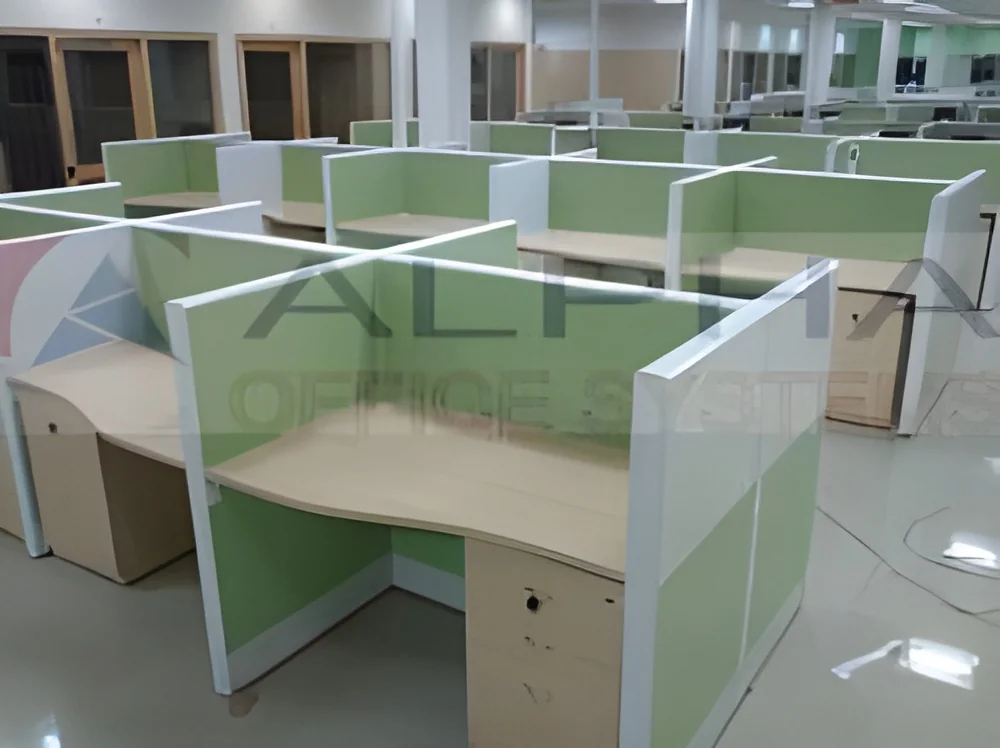
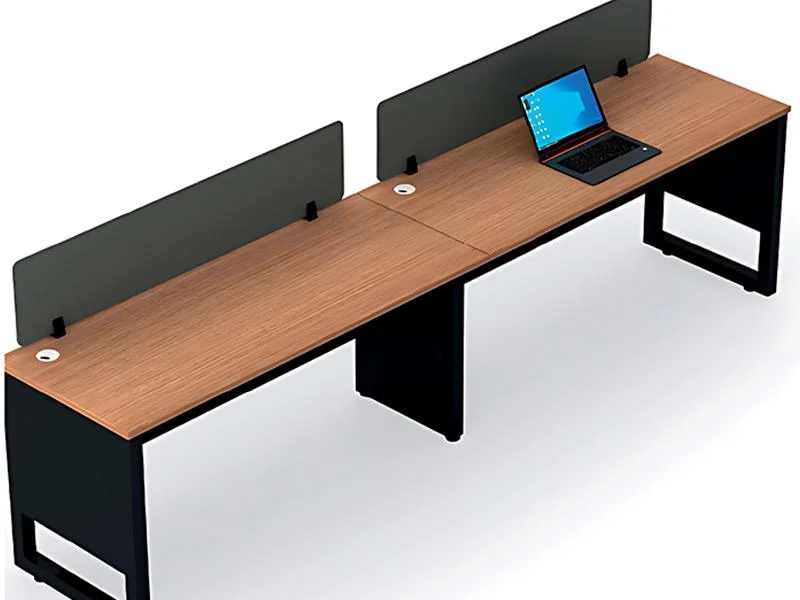
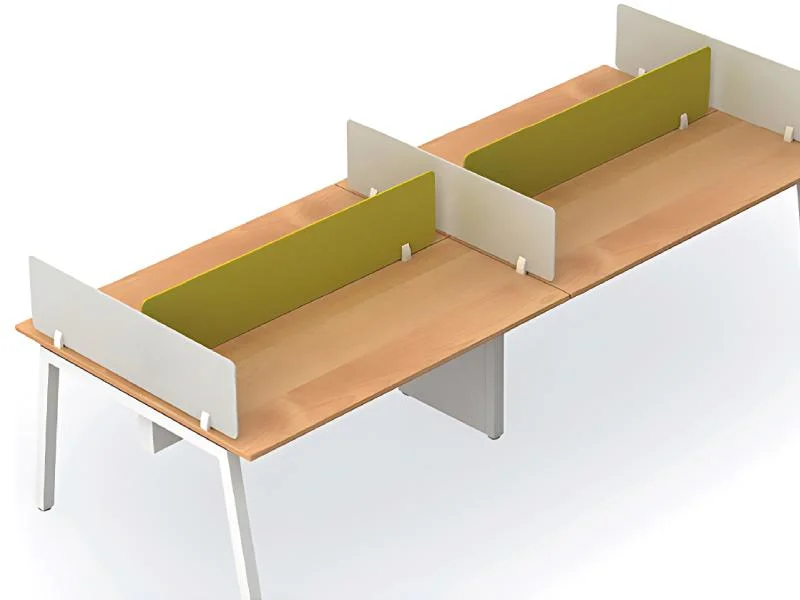
These workstations are designed for collaboration, featuring shared desk spaces and integrated power solutions. They promote teamwork while allowing individual space for focus.
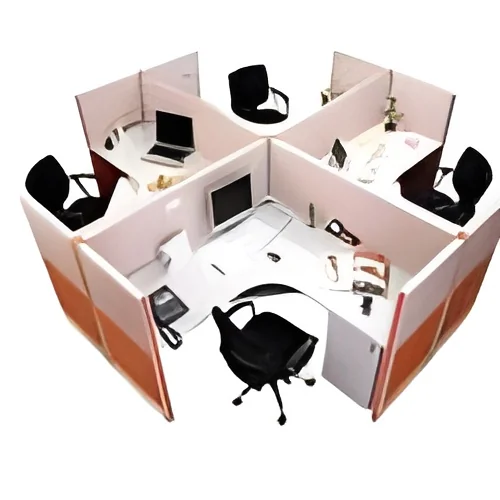
Private Office Cubicles
Designed for privacy, these cubicles offer enclosed workspaces that can be customized with soundproofing features. They are ideal for roles requiring concentration and confidentiality.
Conference Room Setups
Modular conference tables and chairs can be arranged to accommodate groups of various sizes. This flexibility supports both formal meetings and casual brainstorming sessions.
Lounge Furniture
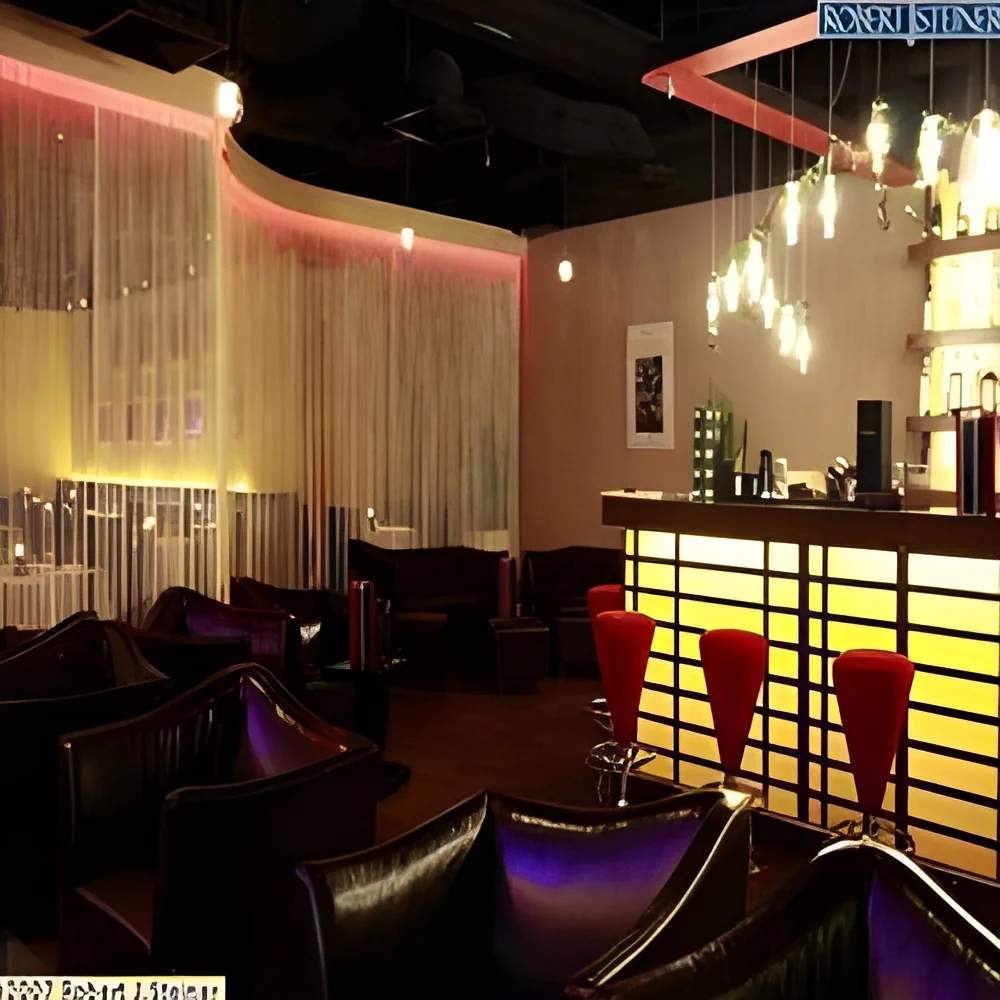
Modular lounge seating provides comfortable informal meeting spaces within offices. These setups can be easily rearranged to create inviting areas for relaxation or casual discussions.
Benefits and Advantages
Choosing modular office furniture brings numerous benefits to businesses.
1. Flexibility: These solutions can be rearranged as business needs change, ensuring maximum space utilization.
2. Cost-Effectiveness: Modular furniture can be more economical than traditional office setups, allowing businesses to invest in quality without overspending.
3. Enhanced Collaboration: Open and flexible designs encourage collaboration among employees, improving overall productivity.
4. Space Optimization: Modular systems maximize available space, making it easier to create functional work environments in various office sizes.
5. Aesthetic Appeal: A wide range of styles and finishes allows businesses to maintain a professional and appealing office image.
6. Easy Maintenance: Many modular furniture pieces are designed for easy cleaning and maintenance, contributing to a healthier workspace.
Buying Guide for B2B Buyers
When sourcing modular office furniture, several factors should be considered to ensure a successful purchase.
1. Quality Assessment: Evaluate the materials and construction of furniture to ensure it meets durability standards. Look for warranties that indicate manufacturer confidence.
2. Supplier Verification: Research potential suppliers to confirm their reliability and reputation in the industry. Checking reviews and past projects can provide insight into their capabilities.
3. Pricing and MOQ: Understand the pricing structure and minimum order quantities (MOQ) required by suppliers. This information can help budget appropriately for procurement.
4. Delivery and Lead Times: Discuss delivery options and lead times with suppliers to ensure timely installation and setup of office furniture.
5. Compliance Requirements: Confirm that the furniture complies with relevant regulations and standards, such as safety certifications and environmental considerations.
Compliance and Certifications
Modular office furniture must adhere to various quality standards and certifications to ensure safety and reliability. Key standards include ISO 9001, which focuses on quality management systems, ensuring that manufacturers maintain consistent quality in their products.
Industry certifications such as UL and CE indicate that products meet specific safety and performance criteria. These certifications are essential for businesses looking to ensure that their office environments are safe for employees and clients alike.
Additionally, compliance with regional regulations is crucial, especially in diverse markets. Different regions may have specific requirements concerning sustainability, safety, and functionality. Understanding these regulations helps businesses make informed decisions when sourcing modular office furniture.
Why Source Modular Office Furniture from Pepagora?
Pepagora serves as a trusted platform for sourcing modular office furniture, offering several advantages to B2B buyers.
Verified Supplier Network: Pepagora connects businesses with a network of verified suppliers, ensuring that buyers can source high-quality products from reliable manufacturers. This verification process helps mitigate risks associated with procurement.
Streamlined RFQ Process: The platform provides a user-friendly Request for Quotation (RFQ) system that simplifies the procurement process. Buyers can easily request quotes from multiple suppliers, facilitating informed decision-making.
Trade Assurance and Support: Pepagora offers trade assurance to protect buyers during transactions. This includes support in case of disputes, ensuring that businesses can source with confidence.
Regional Coverage: With a reach that spans India, the GCC, and Southeast Asia, Pepagora can cater to a diverse range of businesses. This geographic coverage allows buyers to find suitable modular office furniture solutions tailored to their specific needs.

 IN
IN