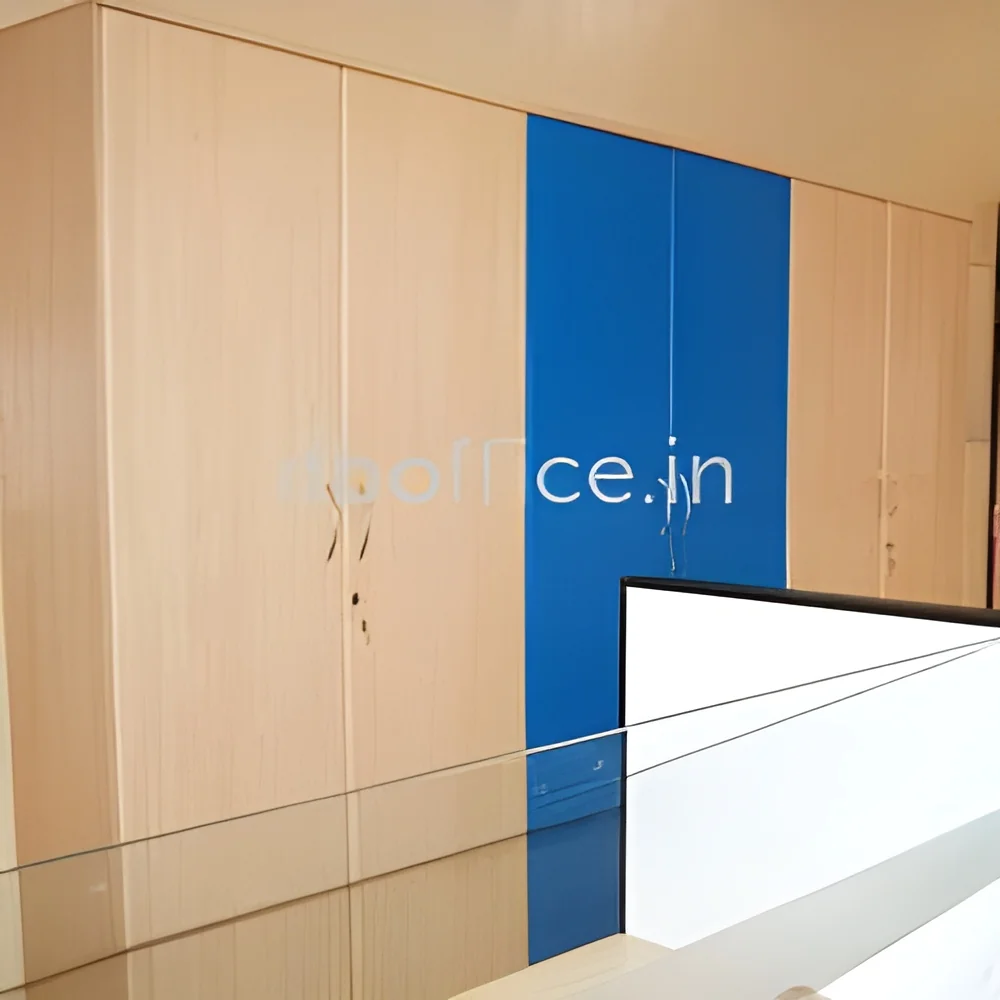
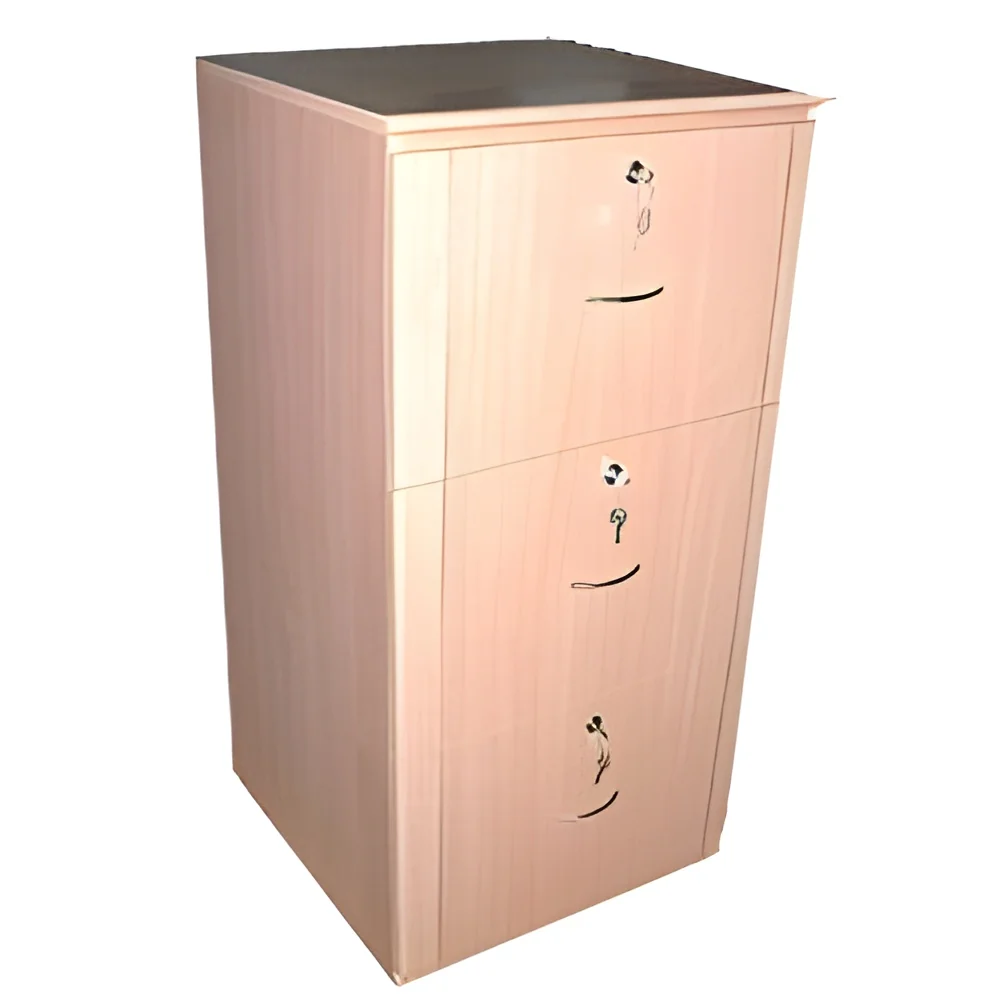
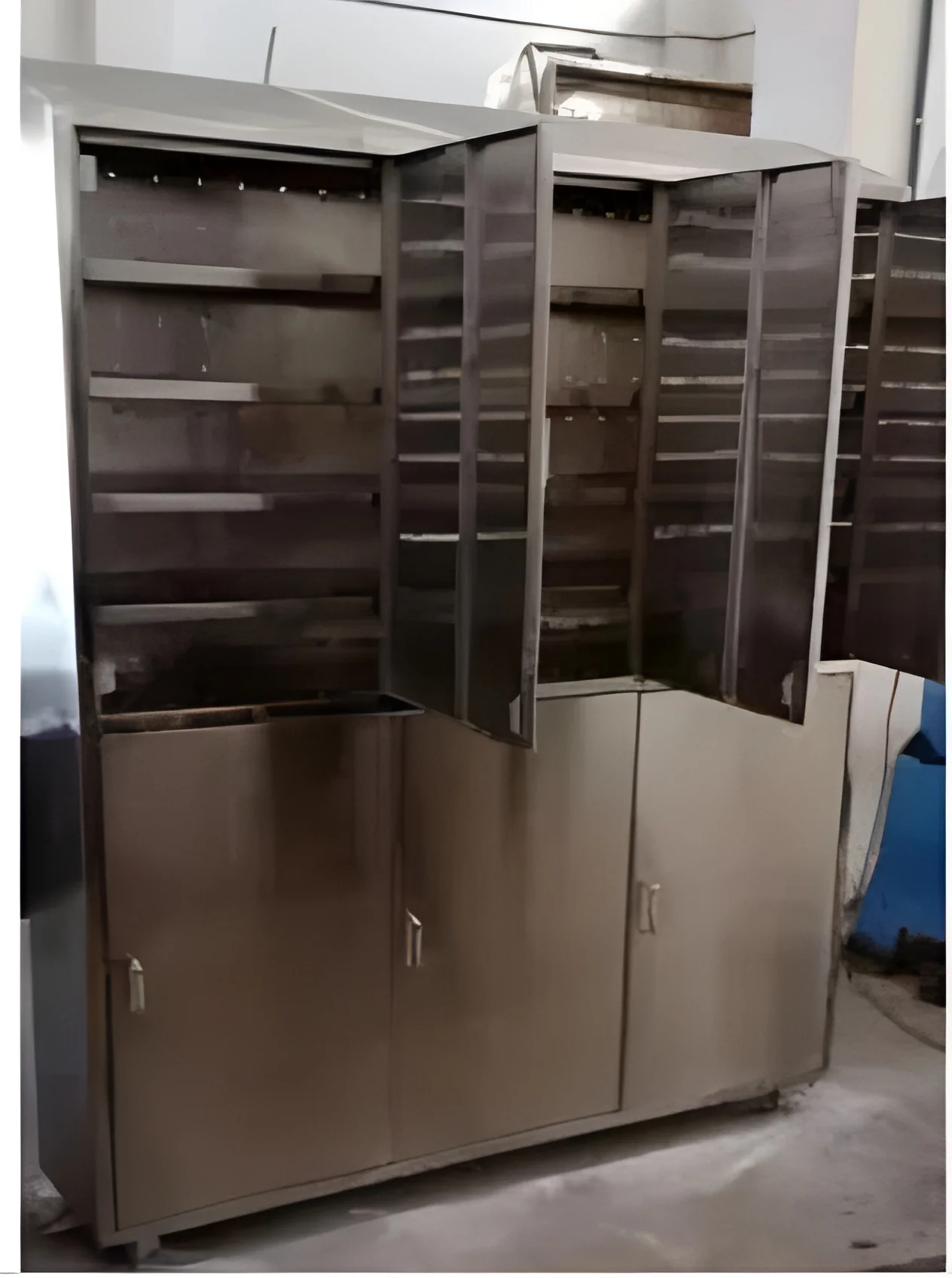
What are Filing & Storage Cabinets?
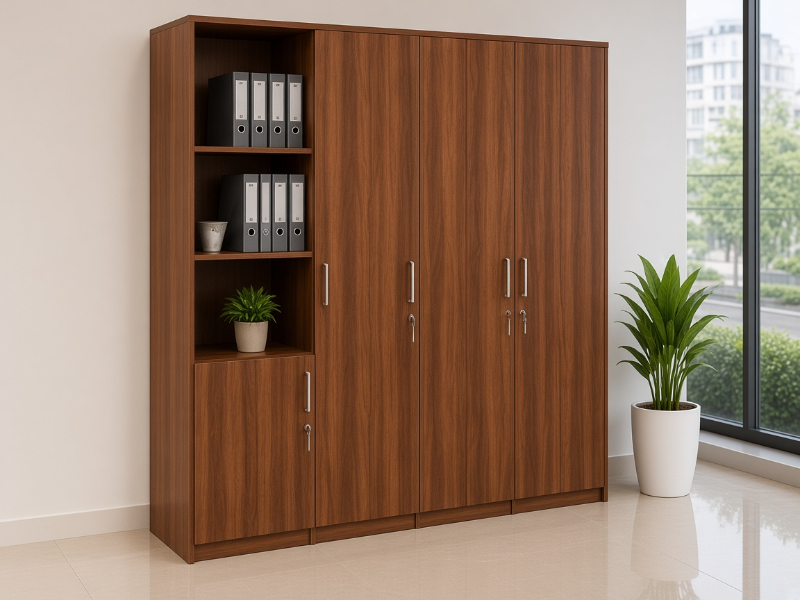
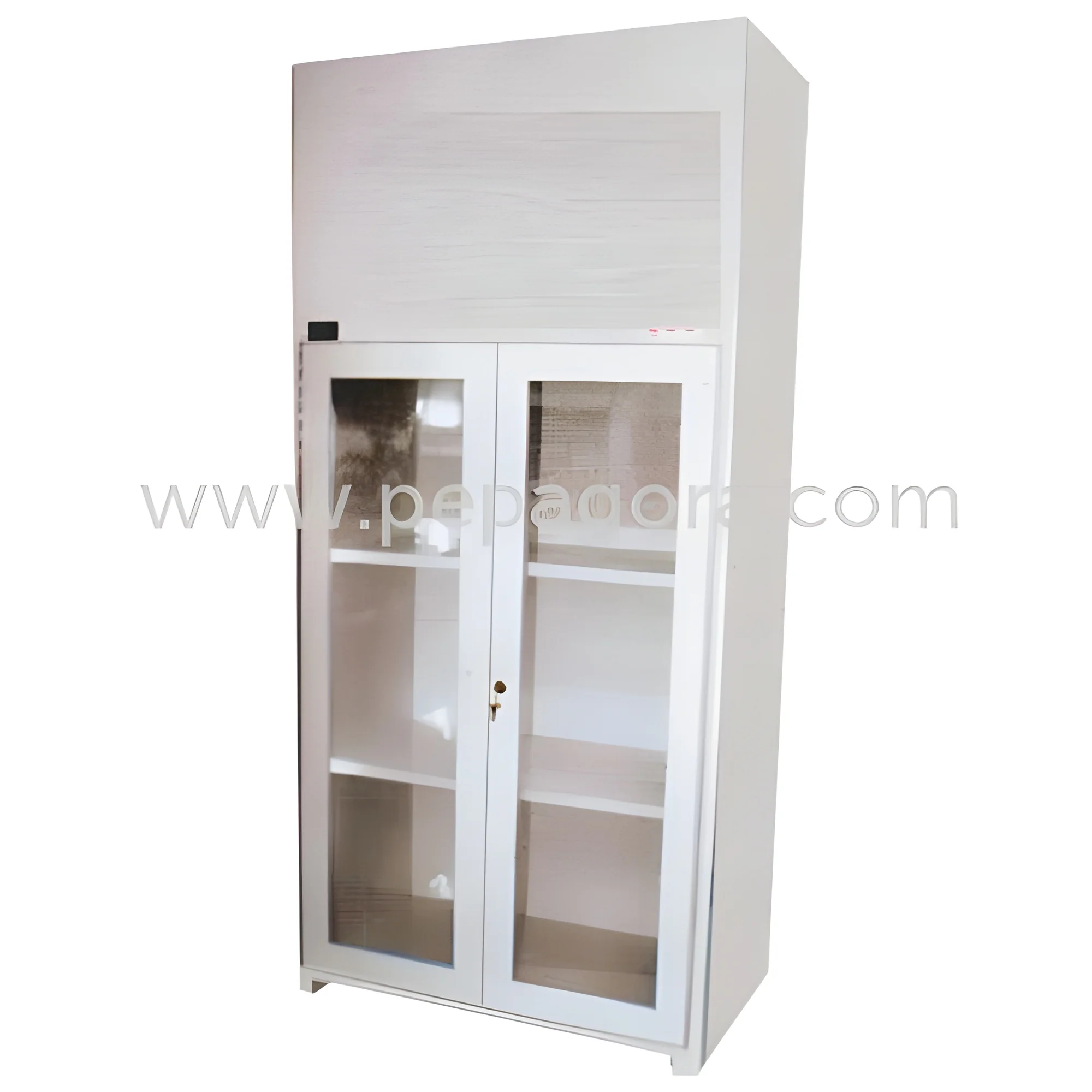
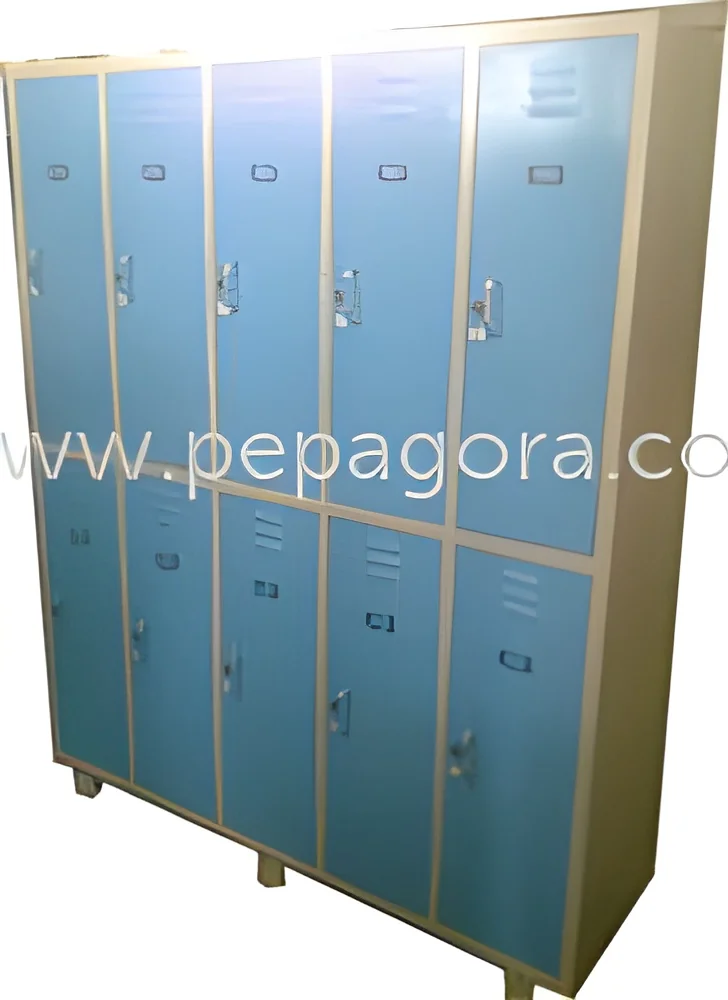
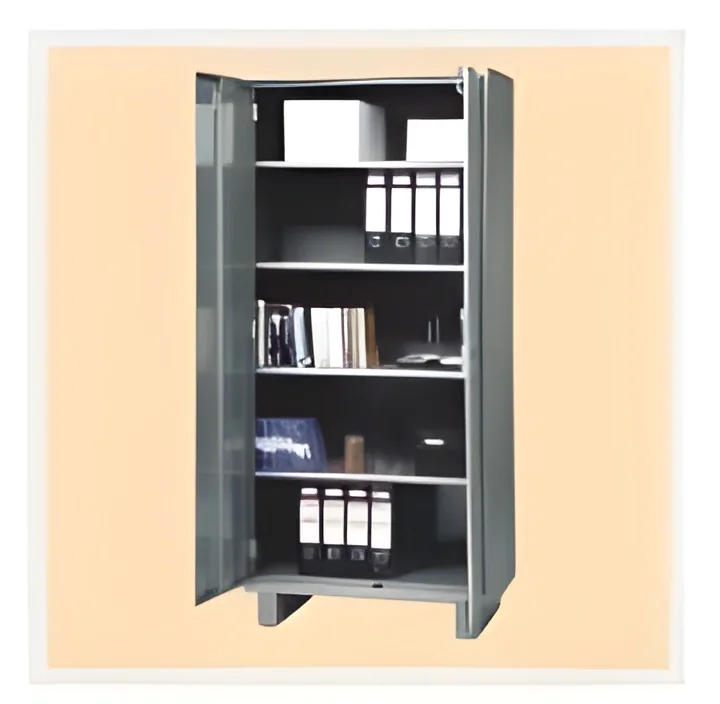
Filing and storage cabinets are essential organizational tools designed to provide efficient storage solutions for documents and materials in various business environments. These cabinets come in multiple sizes, styles, and configurations to meet the diverse needs of offices, warehouses, and industrial settings. They often feature drawers, shelves, and compartments that allow for easy access and categorization of files and supplies. With the right filing and storage cabinets, organizations can maintain orderliness and enhance productivity by reducing clutter.
These cabinets find primary use in offices where document management is crucial. They provide a secure and systematic way to store important paperwork, contracts, and records. In addition to traditional office environments, filing and storage cabinets are also applicable in educational institutions, healthcare facilities, and manufacturing plants, where they serve to organize materials, tools, and essential documents. The relevance of filing and storage cabinets in industries continues to grow, as businesses increasingly prioritize efficient space utilization and regulatory compliance regarding document storage and retrieval.
Key Features and Specifications
Filing and storage cabinets are equipped with various features that enhance their usability and security. When considering these cabinets, it is important to note specifications that reflect their suitability for specific business needs.
Key specifications include:
1. Material Construction
- Typically made of metal, wood, or laminate.
- Varying thickness and durability based on material choice.
2. Dimensions
- Available in multiple heights, widths, and depths.
- Common sizes include vertical, lateral, and mobile configurations.
3. Storage Capacity
- Measured in terms of drawer count or shelf space.
- Can accommodate letter-size or legal-size documents.
4. Locking Mechanism
- Features such as keyed locks or electronic locking systems for security.
- Options for centralized locking across multiple drawers.
5. Weight Capacity
- Specifications on the maximum load each drawer can hold.
- Important for compliance with safety standards.
6. Finish and Color Options
- Various finishes, including powder-coated, painted, or laminated.
- Available in different colors to match workplace aesthetics.
7. Accessibility Features
- Options like full-extension drawers or pull-out shelves.
- Ergonomic designs for user comfort.
8. Mobility Options
- Some cabinets come with wheels for easy relocation.
- Ideal for dynamic work environments where space may change.
In summary, the specifications of filing and storage cabinets vary widely, and understanding these features can help businesses select the best options for their operational needs.
Common Applications and Use Cases
Filing and storage cabinets are versatile products utilized across various industries for efficient storage and organization.
1. Corporate Offices: These cabinets are essential for managing and storing confidential documents, HR files, and project materials. They ensure that information is well-organized and easily accessible.
2. Educational Institutions: Schools and universities use filing cabinets to store student records, administrative paperwork, and teaching materials. They help maintain order and facilitate efficient access to important documents.
3. Healthcare Facilities: Hospitals and clinics require secure filing solutions to store patient records, medical documents, and sensitive information. Filing cabinets ensure compliance with health regulations.
4. Manufacturing Plants: These cabinets are used to organize tools, safety manuals, and maintenance records. They contribute to a more efficient workspace by reducing clutter.
5. Legal Firms: Law offices need secure storage for case files, legal documents, and sensitive information. Filing cabinets play a crucial role in maintaining confidentiality and organization.
6. Government Agencies: Public sector organizations utilize filing cabinets to archive compliance documents, personnel records, and other necessary paperwork, ensuring easy access for audits and reviews.
7. Retail and Distribution: Retailers use storage cabinets to keep inventory records, employee files, and product information organized, facilitating smooth operations.
Product Variants and Subcategories
Filing and storage cabinets come in various styles and configurations to cater to the unique needs of different businesses.
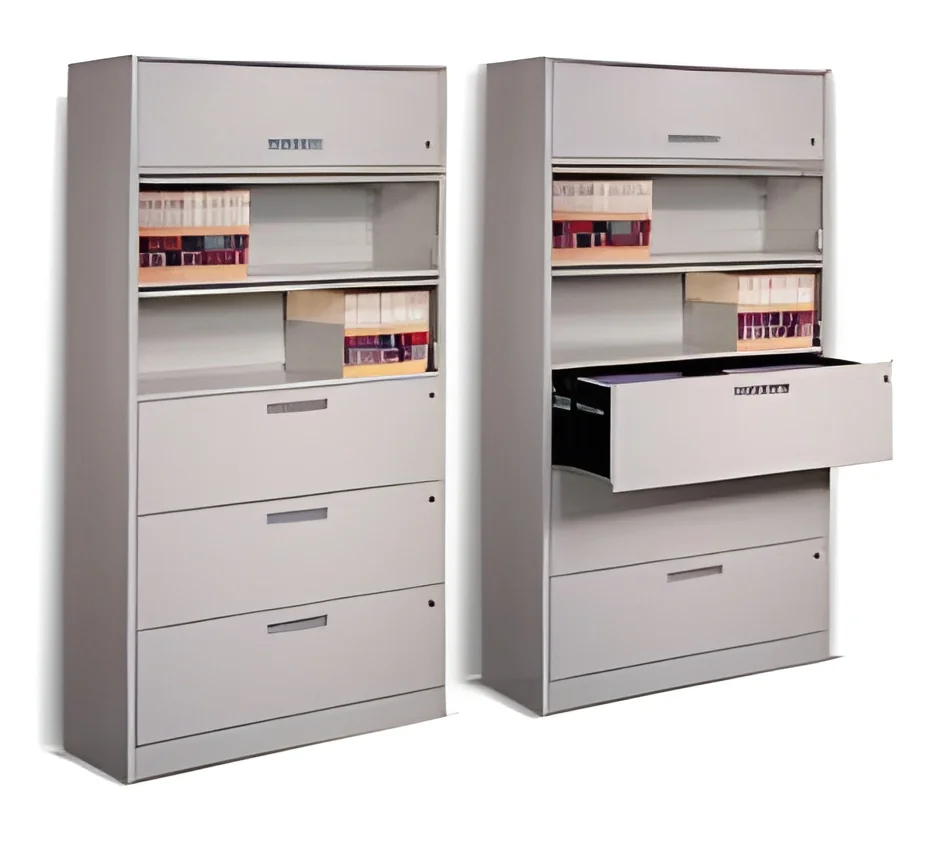
Vertical Filing Cabinets: These cabinets utilize vertical space effectively, making them ideal for offices with limited floor area. They typically feature multiple drawers for letter or legal-sized documents.
Lateral Filing Cabinets: Offering wider drawer space, lateral cabinets are suitable for larger files and documents. They can be placed against walls or used as standalone pieces in open office layouts.
Mobile Filing Cabinets: Designed with wheels, mobile cabinets provide flexibility and easy access to files and materials. They are perfect for dynamic work environments where space needs may change frequently.
Multimedia Storage Cabinets: These cabinets are designed specifically to store electronic media, such as disks and tapes. They offer specialized compartments and secure locking options.
Benefits and Advantages
Filing and storage cabinets offer numerous benefits that enhance business operations.
1. Improved Organization: These cabinets help businesses maintain a systematic approach to document storage, making it easier to locate important files when needed.
2. Enhanced Security: Many filing cabinets come with locking mechanisms that protect sensitive information from unauthorized access, ensuring confidentiality.
3. Space Efficiency: By utilizing vertical or lateral space, filing cabinets help organizations maximize storage capacity without overwhelming the workspace.
4. Compliance Support: Proper storage of documents aids in meeting regulatory requirements, reducing the risk of non-compliance.
5. Improved Productivity: With organized storage solutions, employees spend less time searching for documents, leading to more efficient workflows and increased productivity.
6. Durability: High-quality filing cabinets are designed to withstand daily use, ensuring long-term reliability and value for investment.
Buying Guide for B2B Buyers
When sourcing filing and storage cabinets, it is essential for B2B buyers to consider several key factors to ensure they make informed decisions.
1. Quality Assessment: Evaluate the materials and construction of the cabinets. Look for durable options that can withstand frequent use and meet safety standards.
2. Supplier Verification: Research potential suppliers to verify their credibility and reputation in the market. Check for customer reviews and past performance to ensure reliability.
3. Pricing and MOQ: Understand the pricing structure and minimum order quantities (MOQ) to align with your budget and purchasing needs. Assess whether bulk purchasing options are available for cost savings.
4. Delivery and Lead Times: Inquire about the expected delivery timelines and logistics involved in getting the cabinets to your location. Ensure that lead times align with your project schedules.
5. Compliance Requirements: Confirm that the cabinets meet relevant industry standards and regulatory requirements, ensuring that your organization remains compliant with legal obligations.
Compliance and Certifications
Filing and storage cabinets must adhere to specific quality standards and certifications to ensure safety and reliability. Key standards include ISO 9001, which focuses on quality management systems, ensuring that products meet customer expectations through consistent quality.
In addition to general quality standards, industry certifications such as CE signify compliance with European safety, health, and environmental protection standards. These certifications are crucial for businesses operating in regulated environments.
Safety and testing requirements are also vital aspects to consider, as filing cabinets may need to pass certain load-bearing tests and fire safety evaluations. Regional compliance considerations should not be overlooked, as different regions may have specific regulations regarding materials and storage solutions.
Why Source Filing & Storage Cabinets from Pepagora?
Pepagora offers a trusted platform for sourcing filing and storage cabinets, featuring several key advantages to facilitate the purchasing process.
Verified Supplier Network: Pepagora connects buyers with reliable suppliers who have undergone thorough verification to ensure product quality and supplier integrity. This mitigates risks related to procurement.
Streamlined RFQ Process: The platform simplifies the request for quotation (RFQ) process, allowing buyers to easily compare prices and specifications from various suppliers. This efficiency helps in making informed decisions quickly.
Trade Assurance and Support: Pepagora provides trade assurance, protecting buyers from potential issues such as product defects or delivery delays. Support services are available to assist with any inquiries throughout the purchasing journey.
Regional Coverage: With a strong presence in India, the GCC, and Southeast Asia, Pepagora offers regional coverage that meets diverse business needs across different markets. This geographic reach helps businesses find the right solutions tailored to their specific operational requirements.

 IN
IN