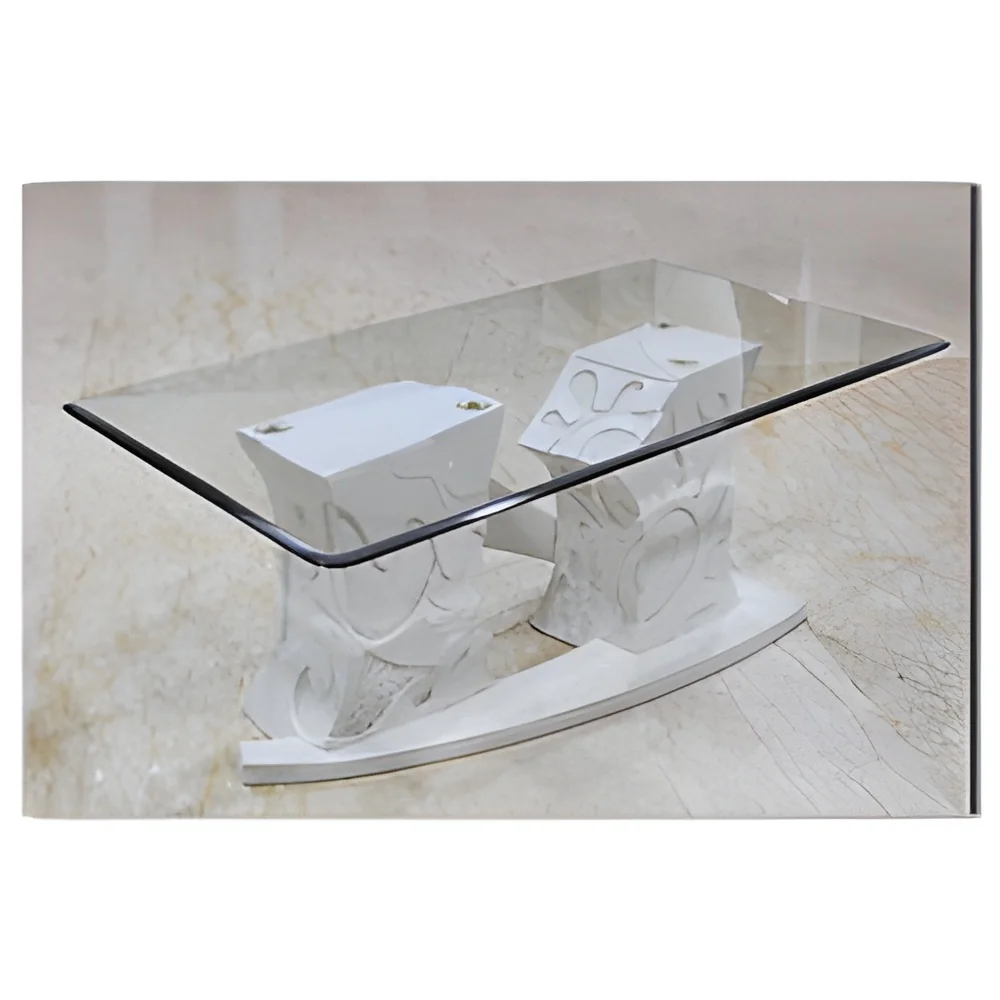
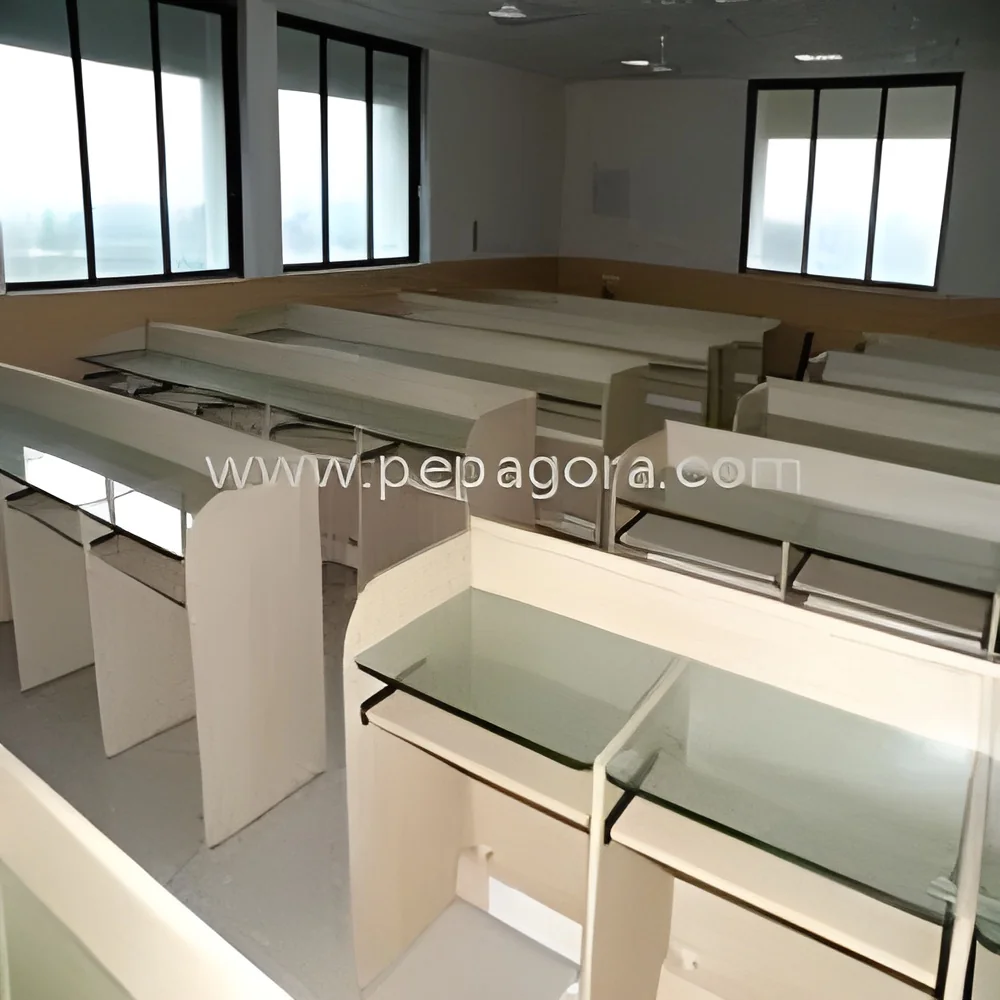
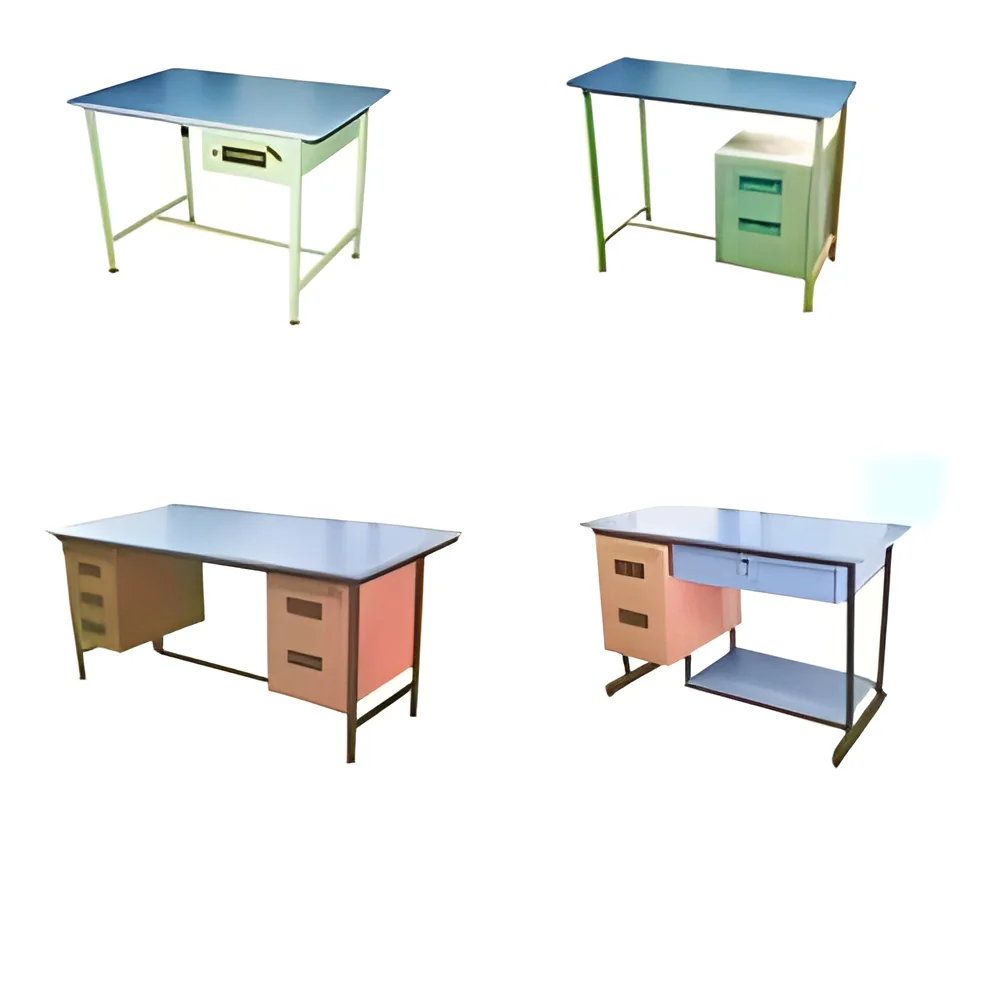
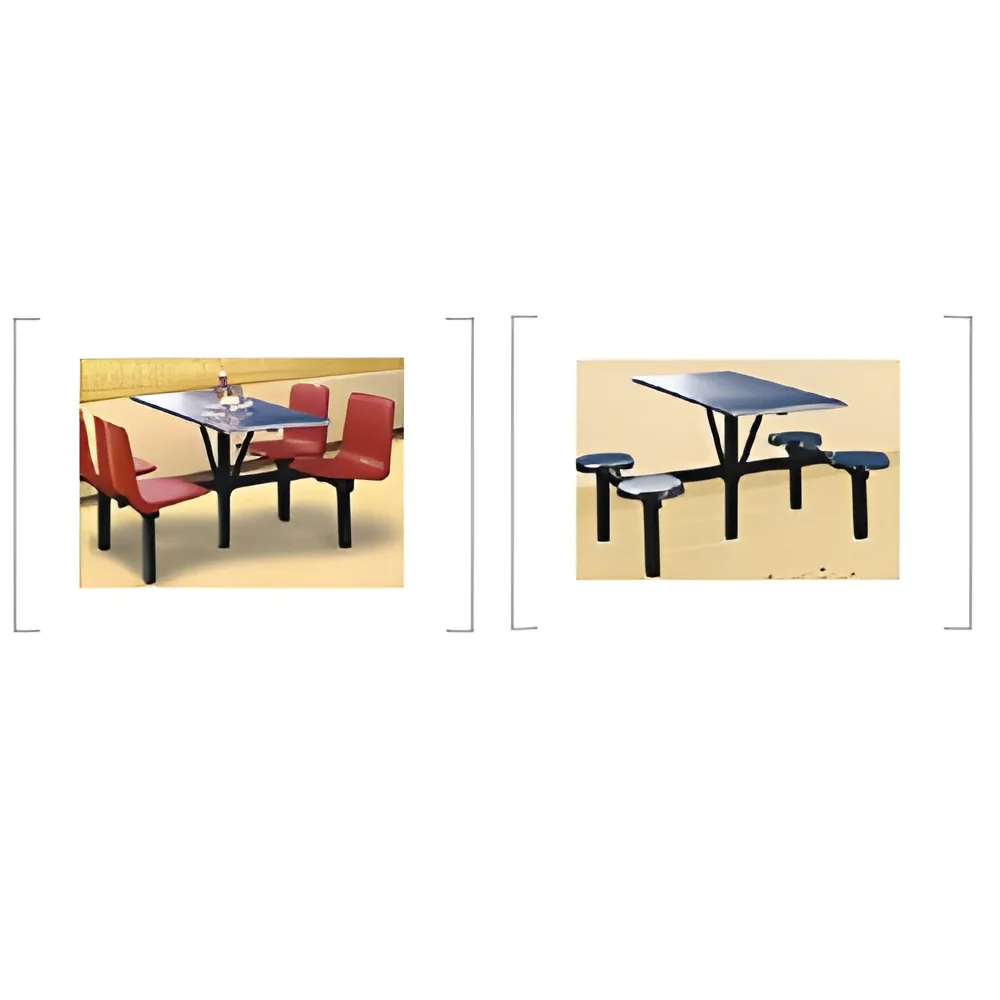
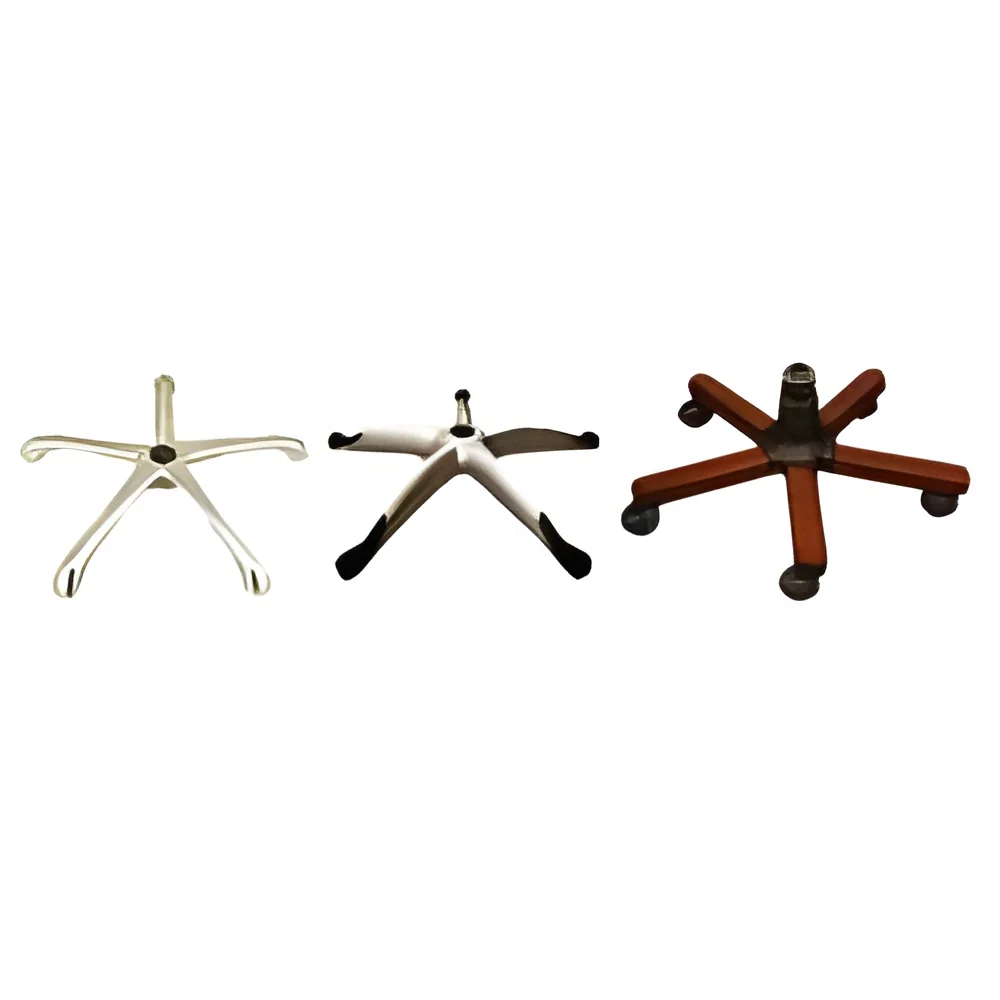
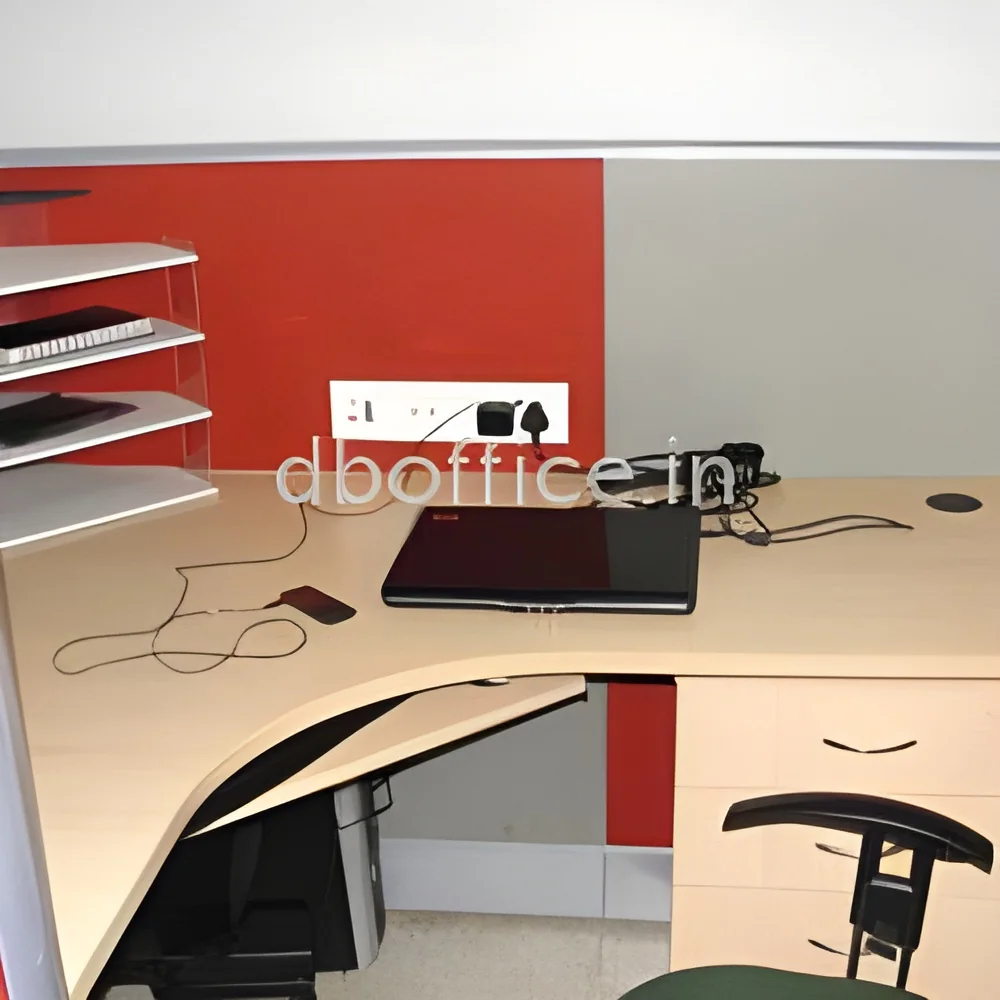
What are Custom-Made Office Furniture?
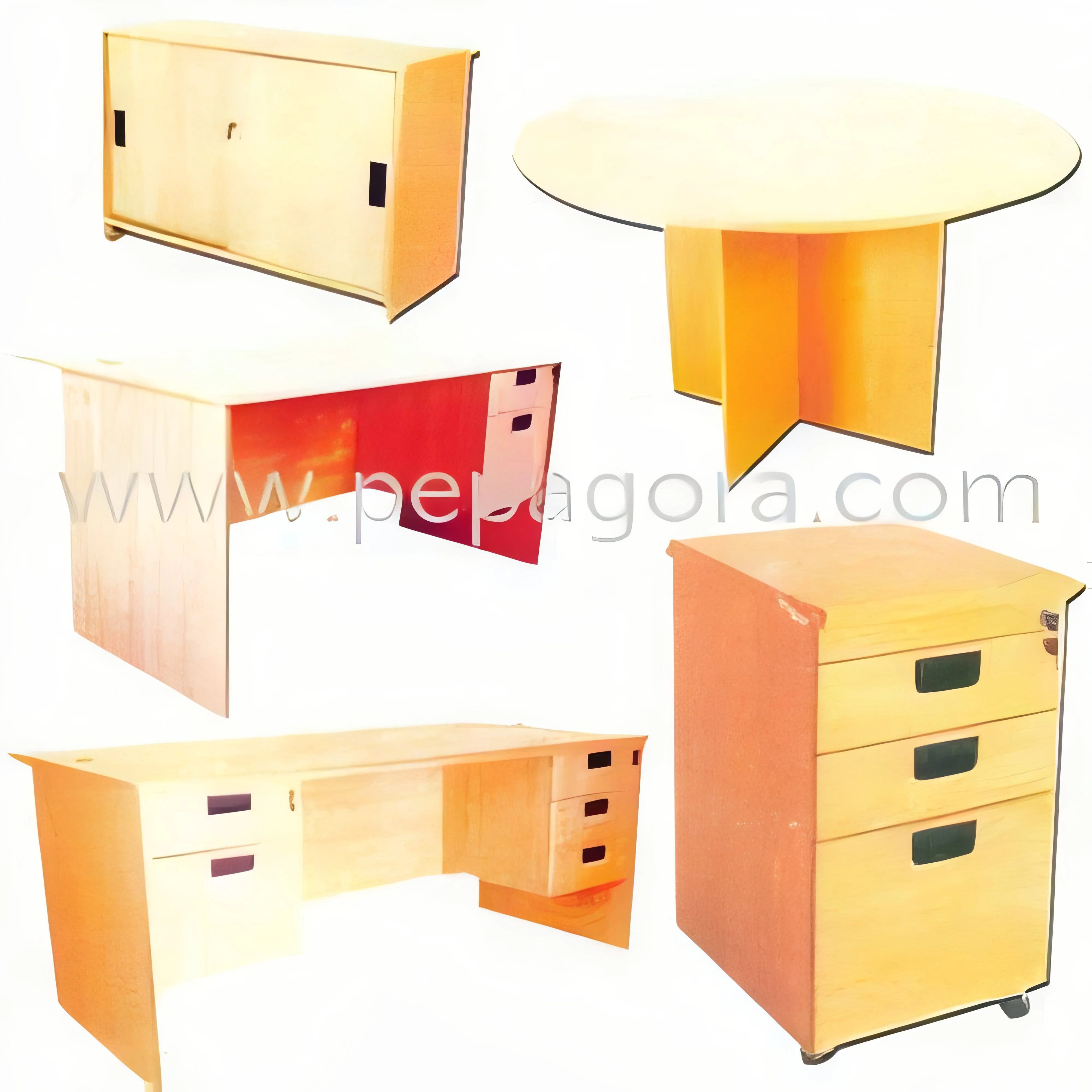
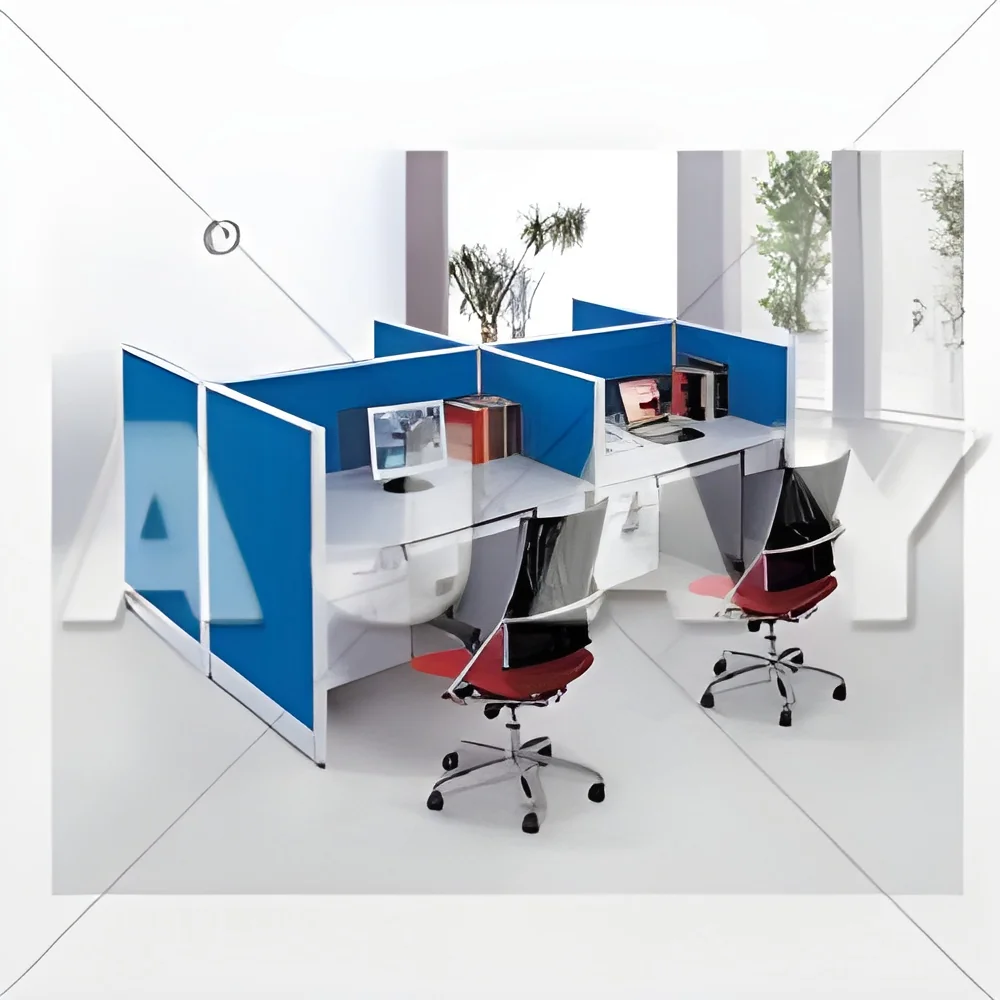
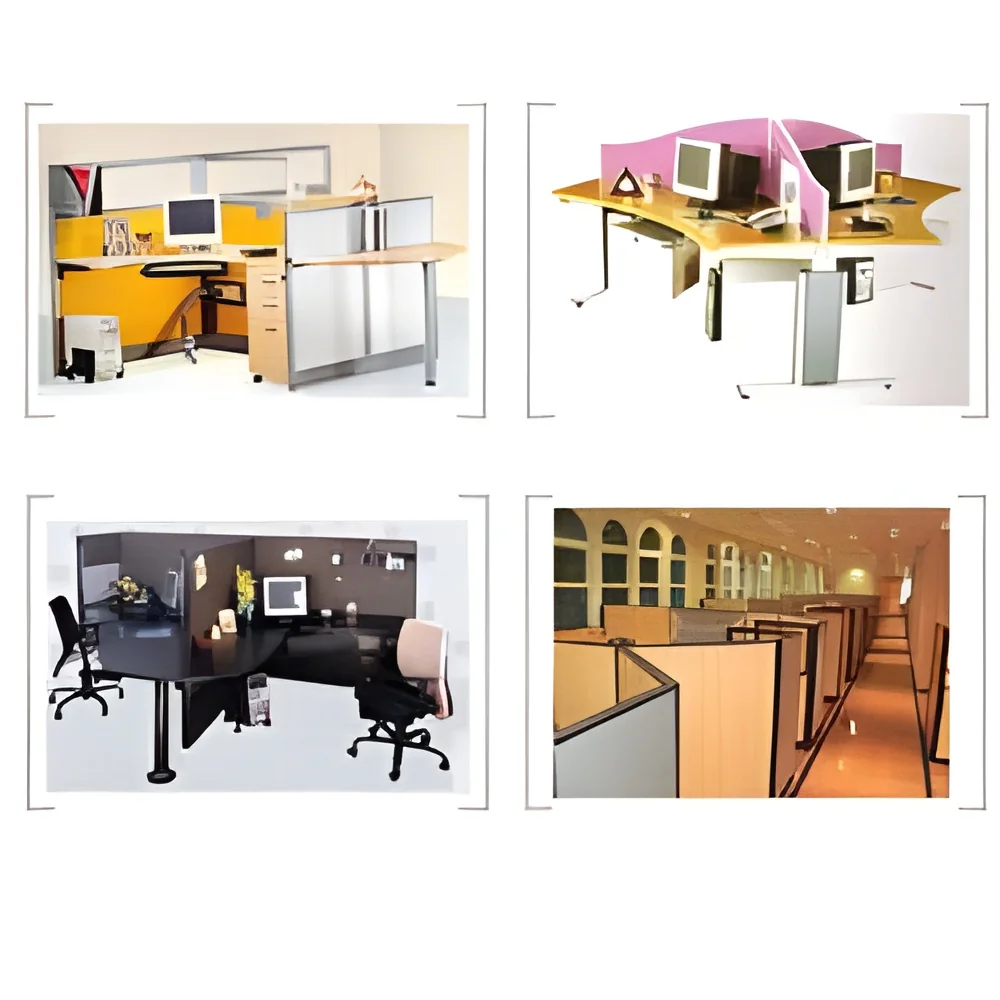
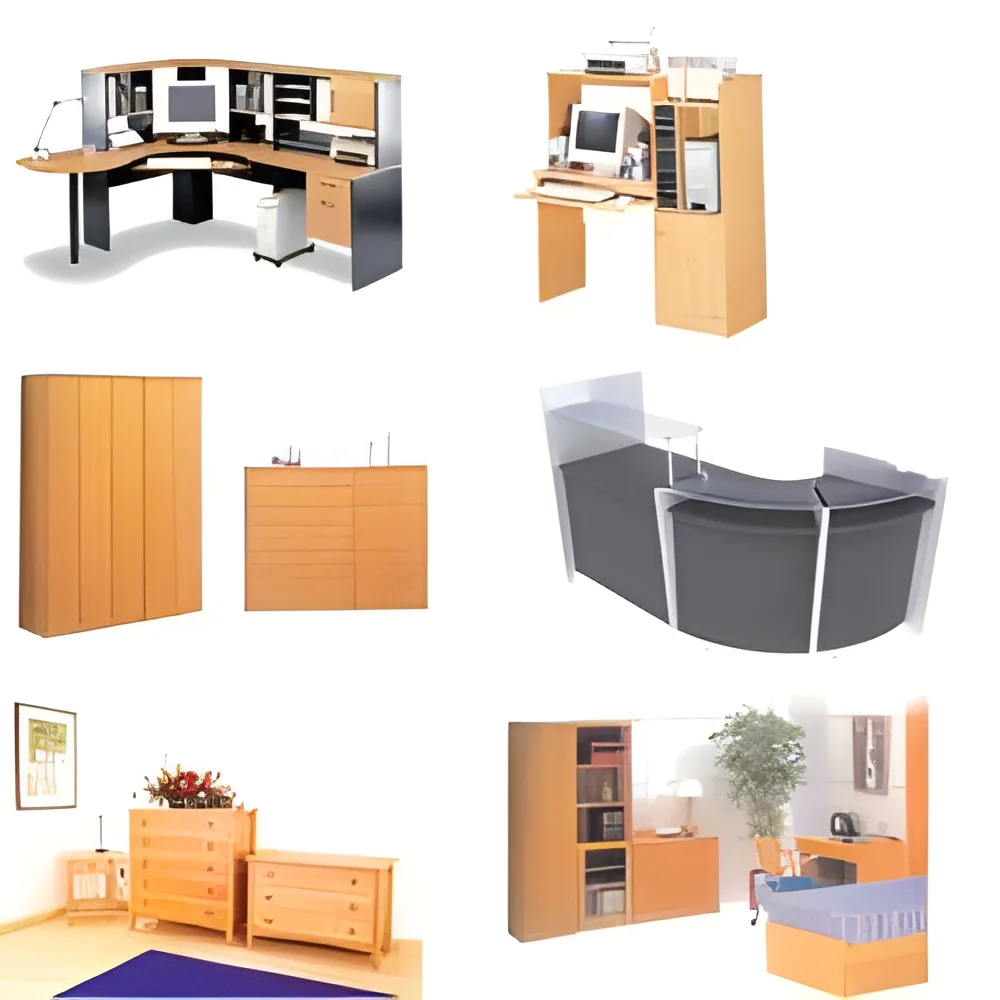
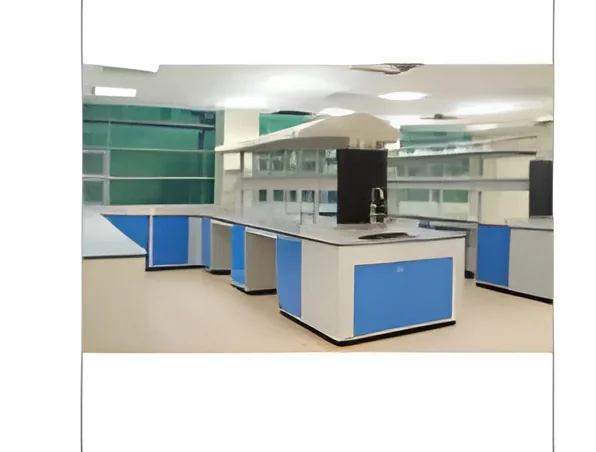
Custom-made office furniture refers to furniture specifically designed and manufactured to meet the unique requirements of a business or workspace. This type of furniture is tailored to fit the dimensions, aesthetics, and functional needs of a particular office environment. It allows companies to create a cohesive look while maximizing space and efficiency.
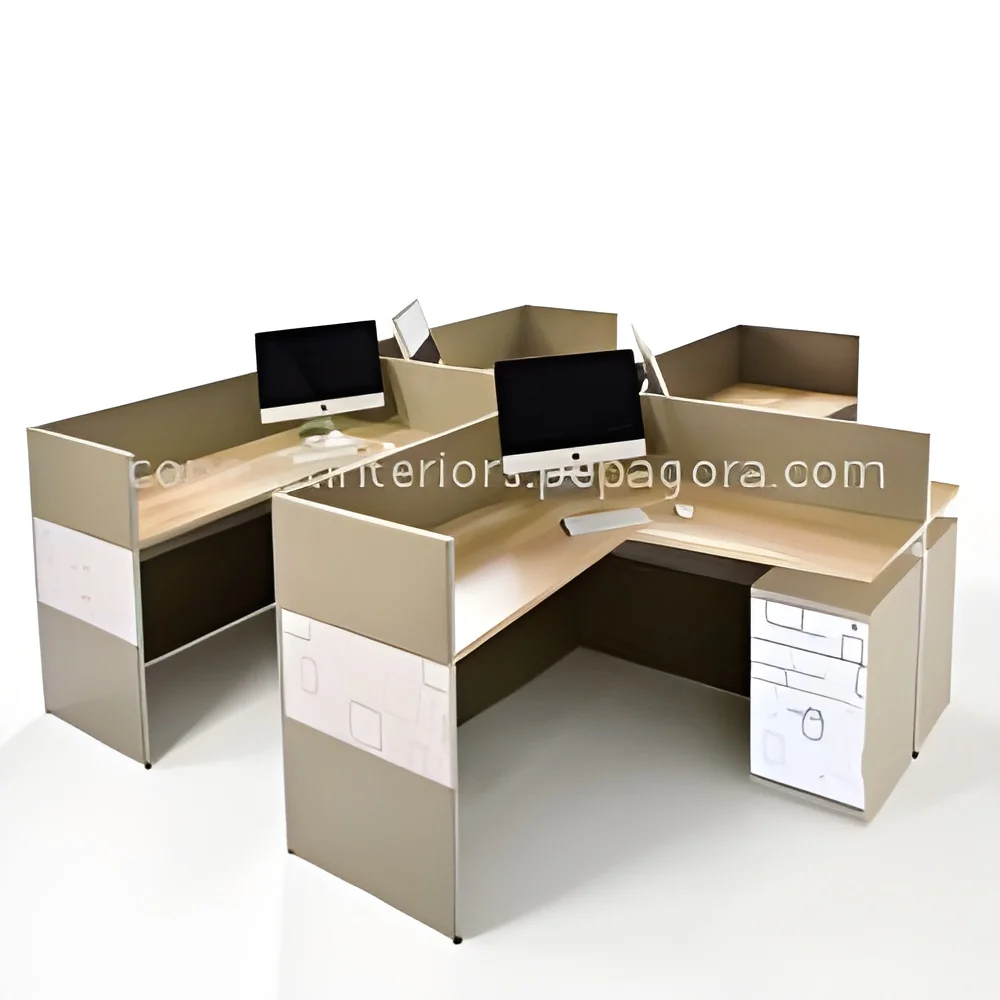
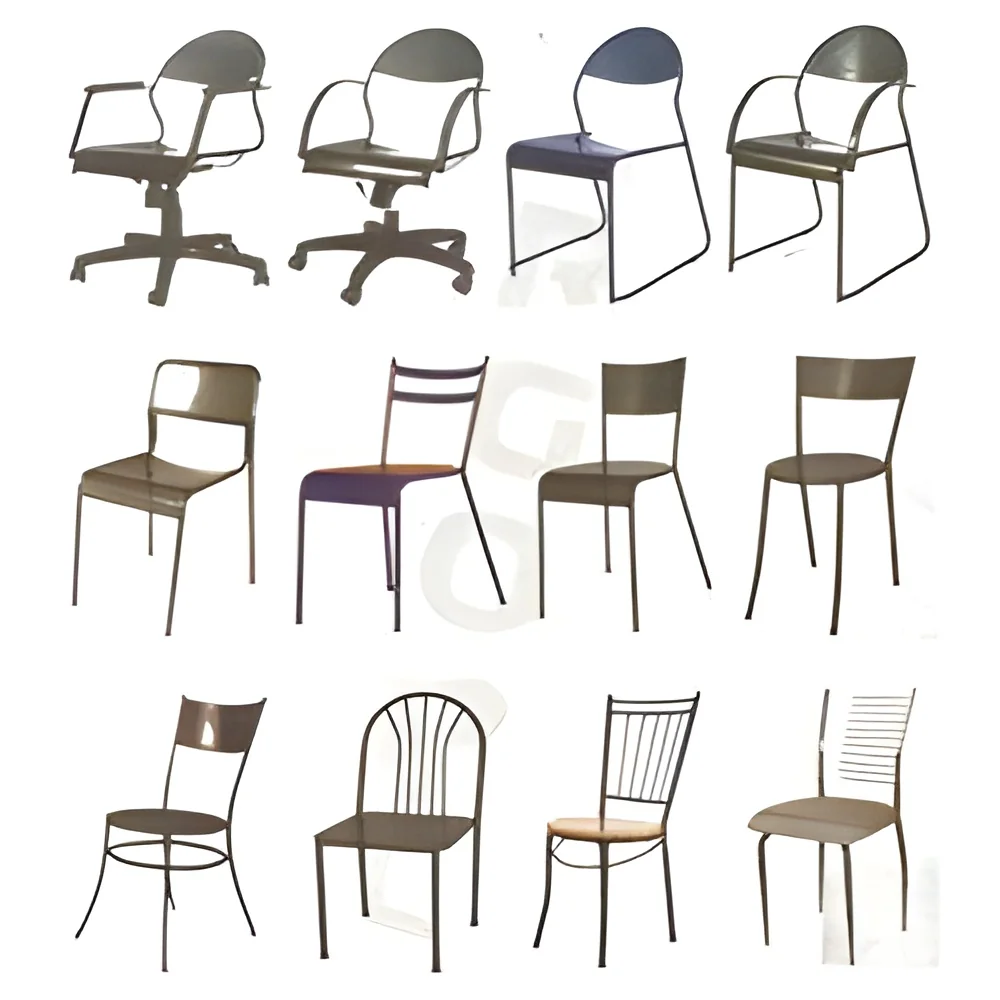
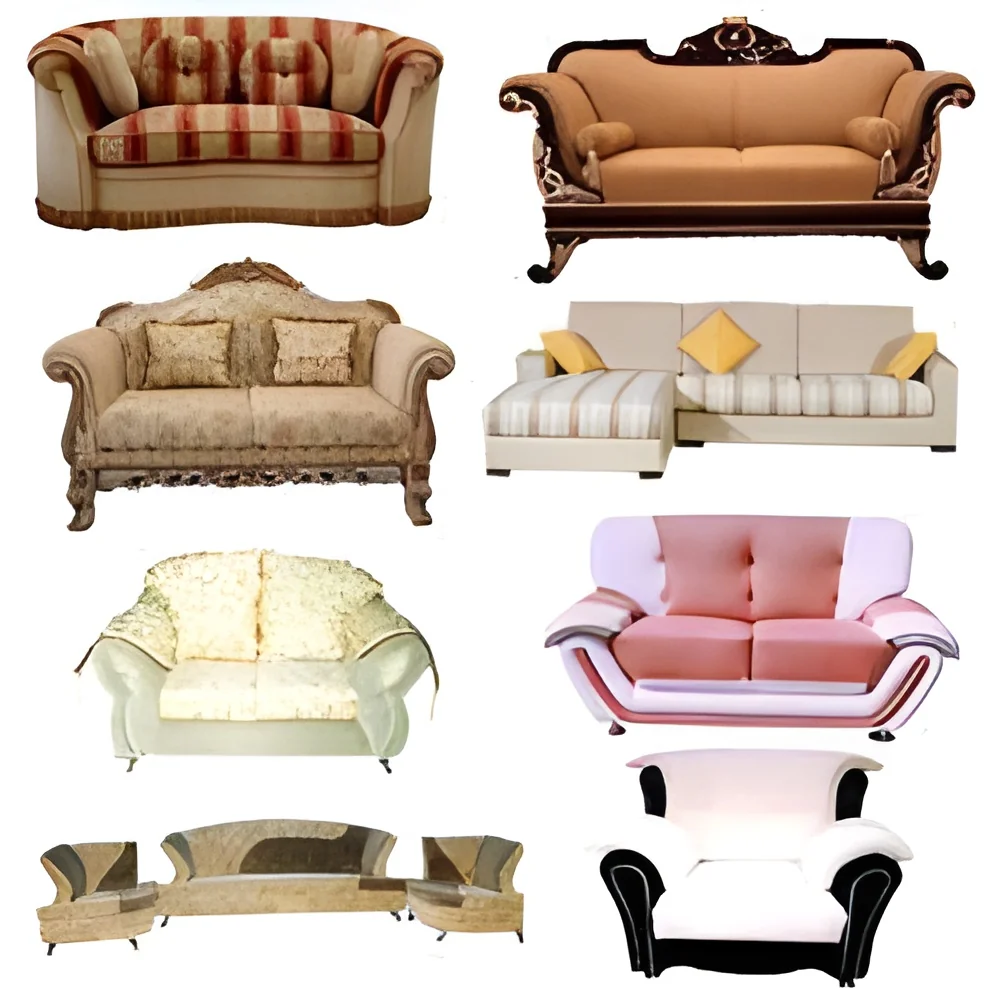
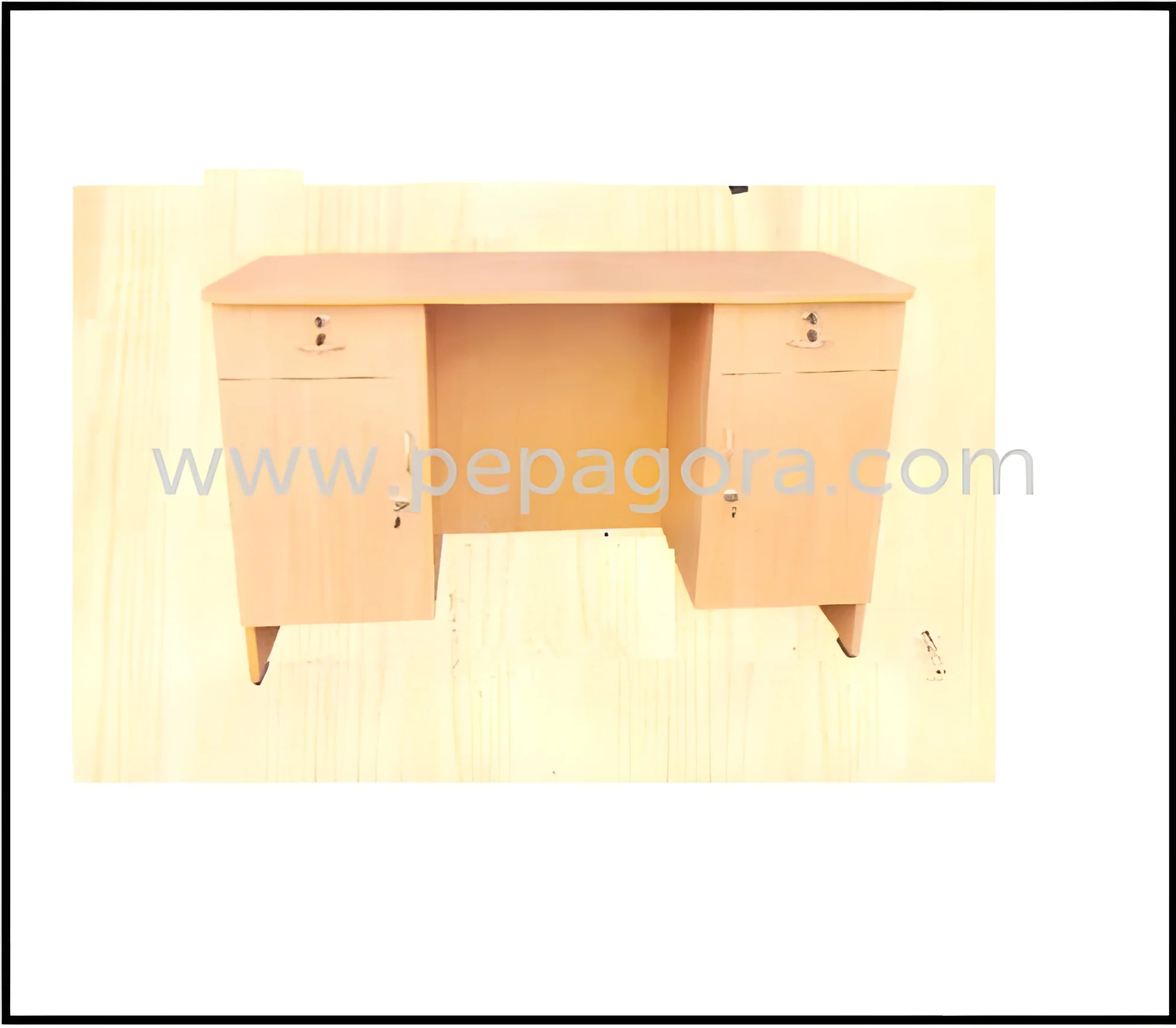
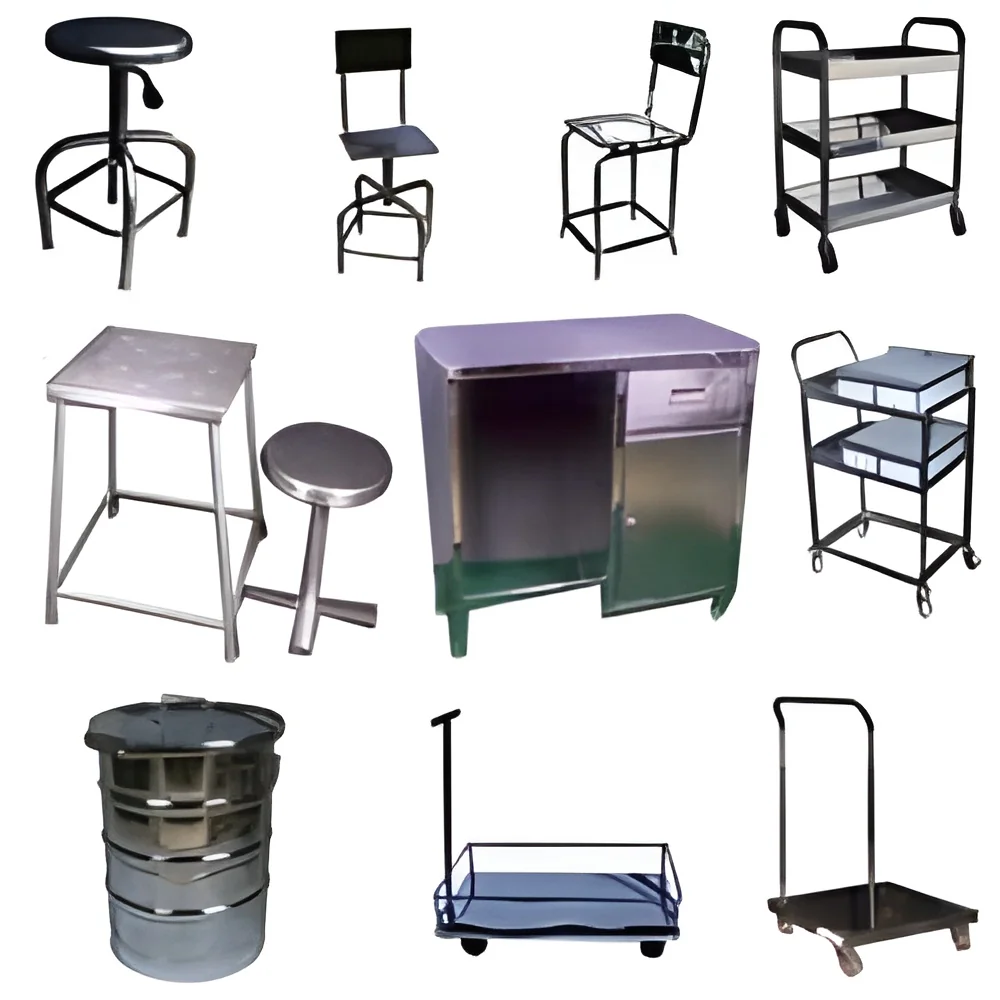
The primary uses of custom-made office furniture include desks, chairs, conference tables, and storage solutions. Businesses across various sectors utilize these products to enhance employee productivity and create a comfortable working atmosphere. By addressing the specific needs of their employees and work processes, companies can foster collaboration and improve overall workplace satisfaction.
In today's competitive market, custom-made office furniture is increasingly relevant. Organizations recognize that a well-designed workspace can enhance brand identity and employee well-being. As such, many are investing in bespoke solutions that reflect their company culture and values while also complying with ergonomic standards.
Key Features and Specifications
Custom-made office furniture offers a range of features and specifications designed to meet diverse business needs. It can be tailored in terms of materials, design, and functionality to support various work styles.
Key specifications include:
1. Material Options
- Custom office furniture can be crafted from wood, metal, glass, and composite materials.
- Each material offers different durability, aesthetic appeal, and maintenance requirements.
2. Ergonomics
- Ergonomically designed furniture promotes comfort and reduces strain during prolonged use.
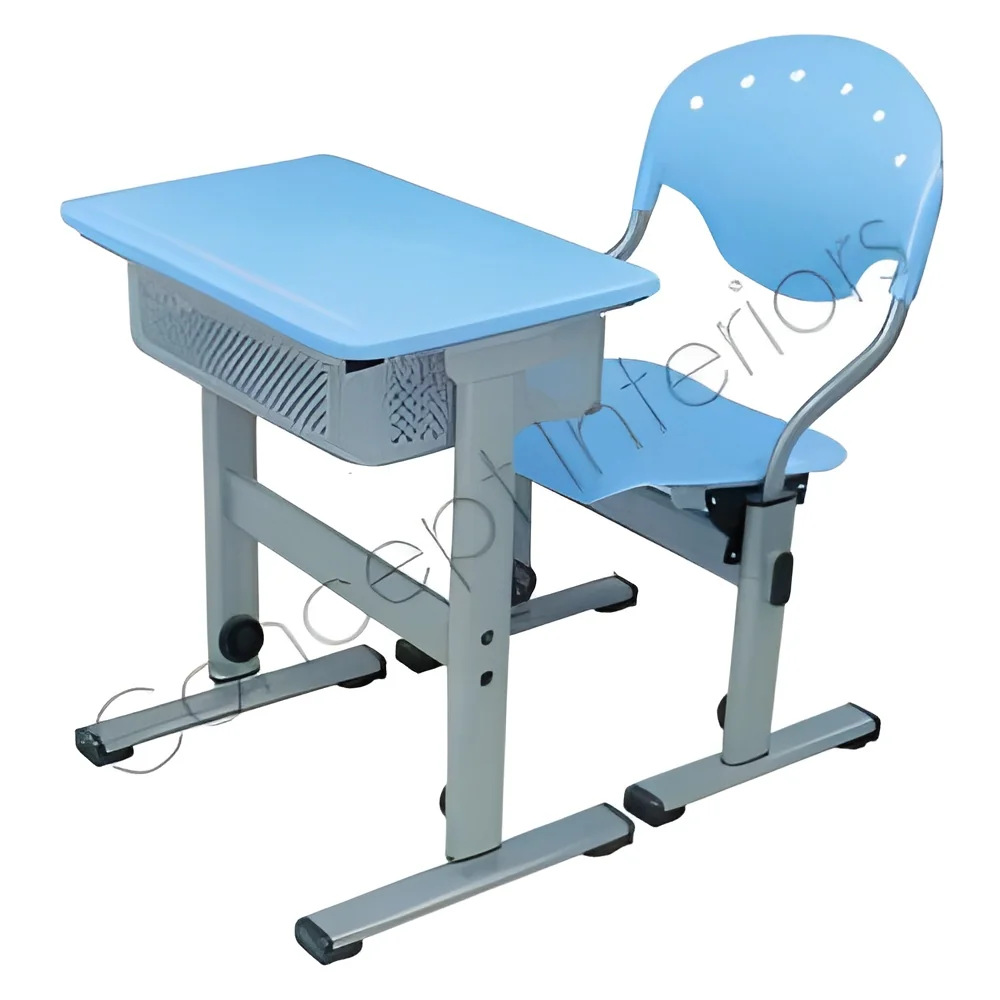
- Adjustable features such as chair height and desk elevation cater to individual user preferences.
3. Design Flexibility
- Custom designs can accommodate specific company branding and stylistic preferences.
- Options for modular furniture allow for easy reconfiguration as business needs change.
4. Storage Solutions
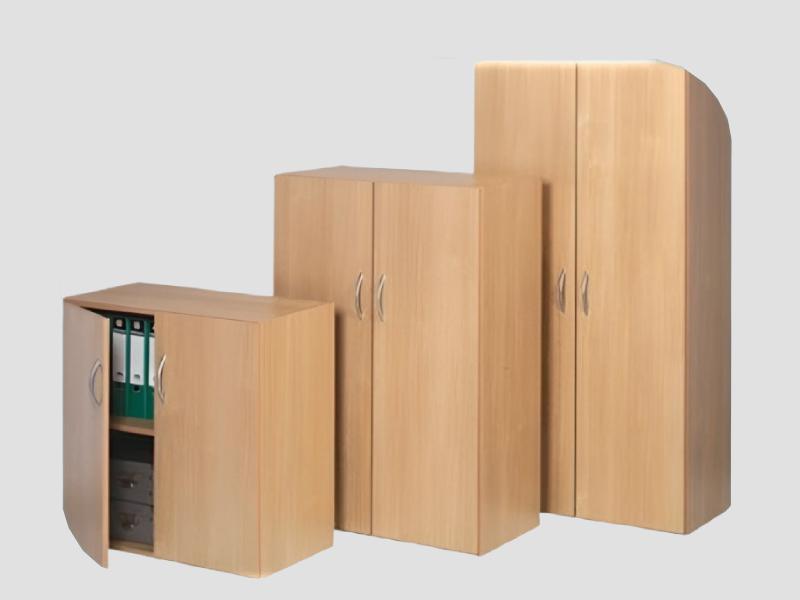
- Custom furniture can integrate built-in storage, maximizing space efficiency.
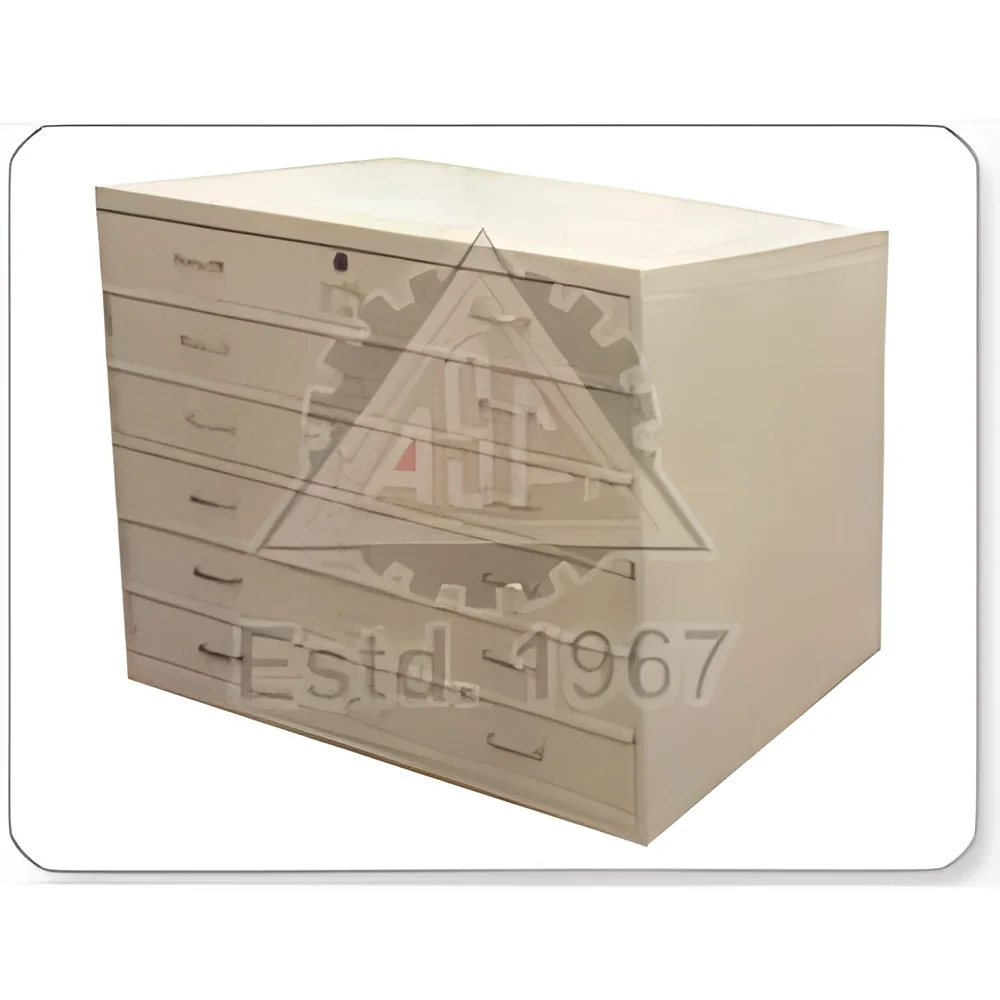
- Features such as drawers, cabinets, and open shelving can be tailored to individual requirements.
5. Sustainability
- Many manufacturers offer eco-friendly materials and production processes.
- Sustainable furniture options can help companies reduce their environmental footprint.
6. Compliance with Standards
- Custom-made office furniture can be designed to meet various industry standards and regulations.
- Compliance with safety and ergonomic standards ensures user well-being.
7. Aesthetic Customization
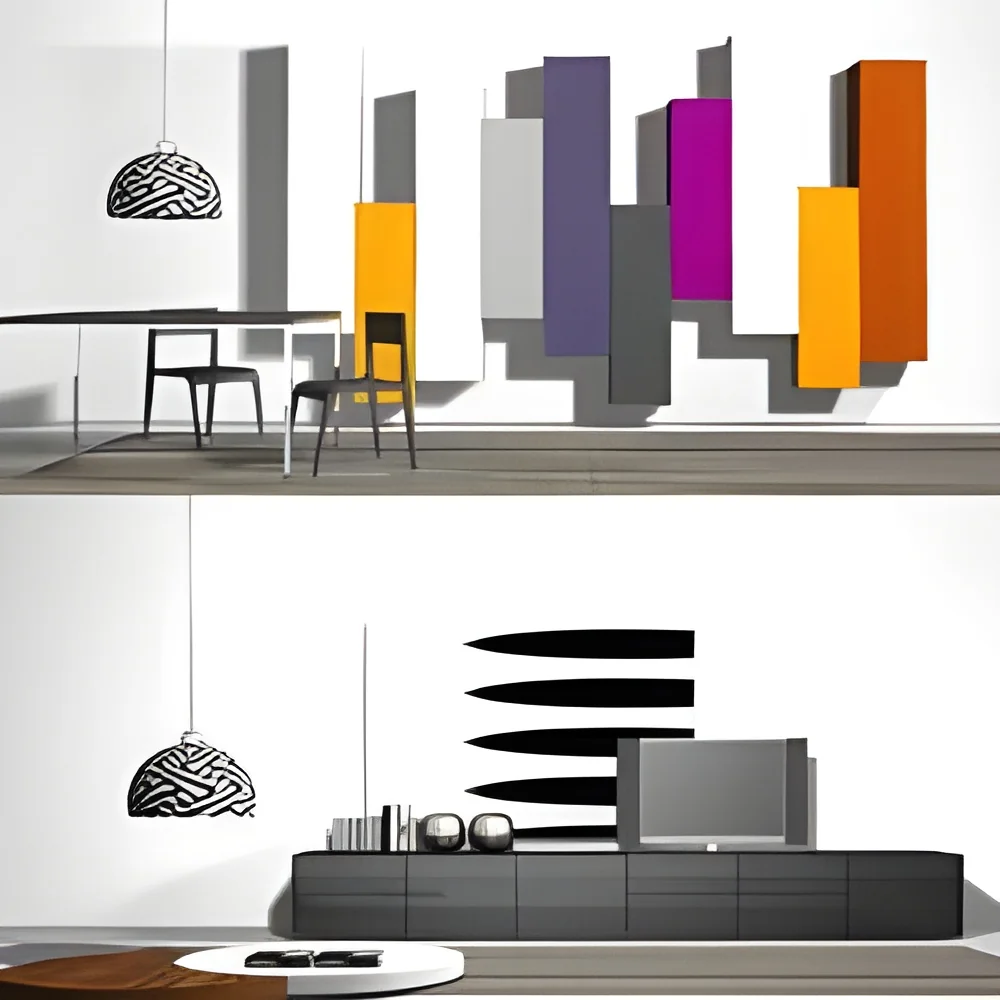
- A wide range of colors, finishes, and styles is available to match any office decor.
- Customization options allow businesses to create a unique workspace that reflects their brand.
8. Lead Times and MOQs
- Lead times can vary based on complexity and customization levels.
- Minimum order quantities may apply depending on the supplier and specific designs.
In summary, custom-made office furniture provides businesses with the opportunity to create tailored solutions that enhance functionality, style, and employee comfort.
Common Applications and Use Cases
Custom-made office furniture serves a variety of industries, adapting to the specific needs of each sector.
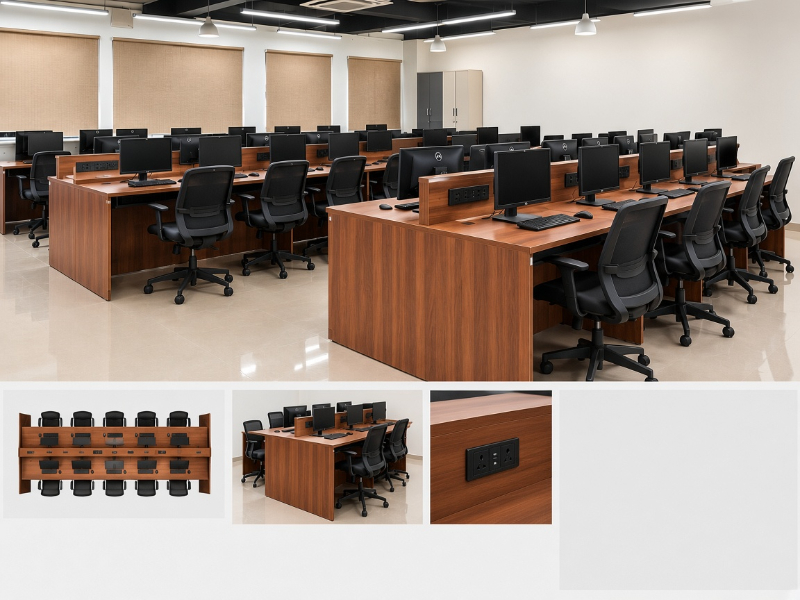
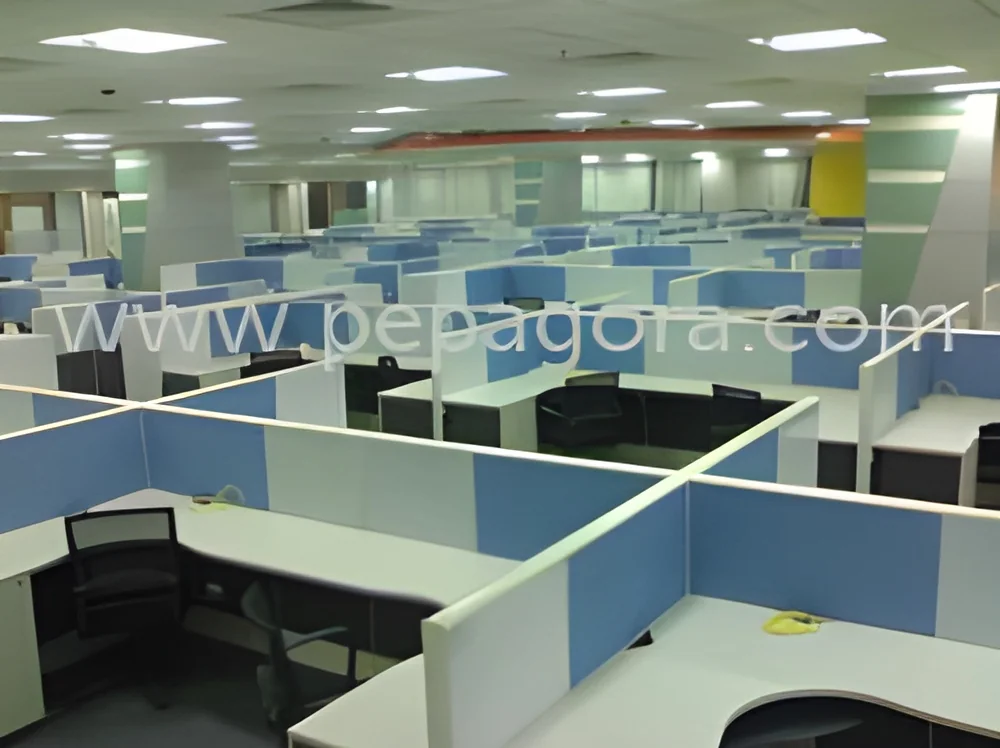
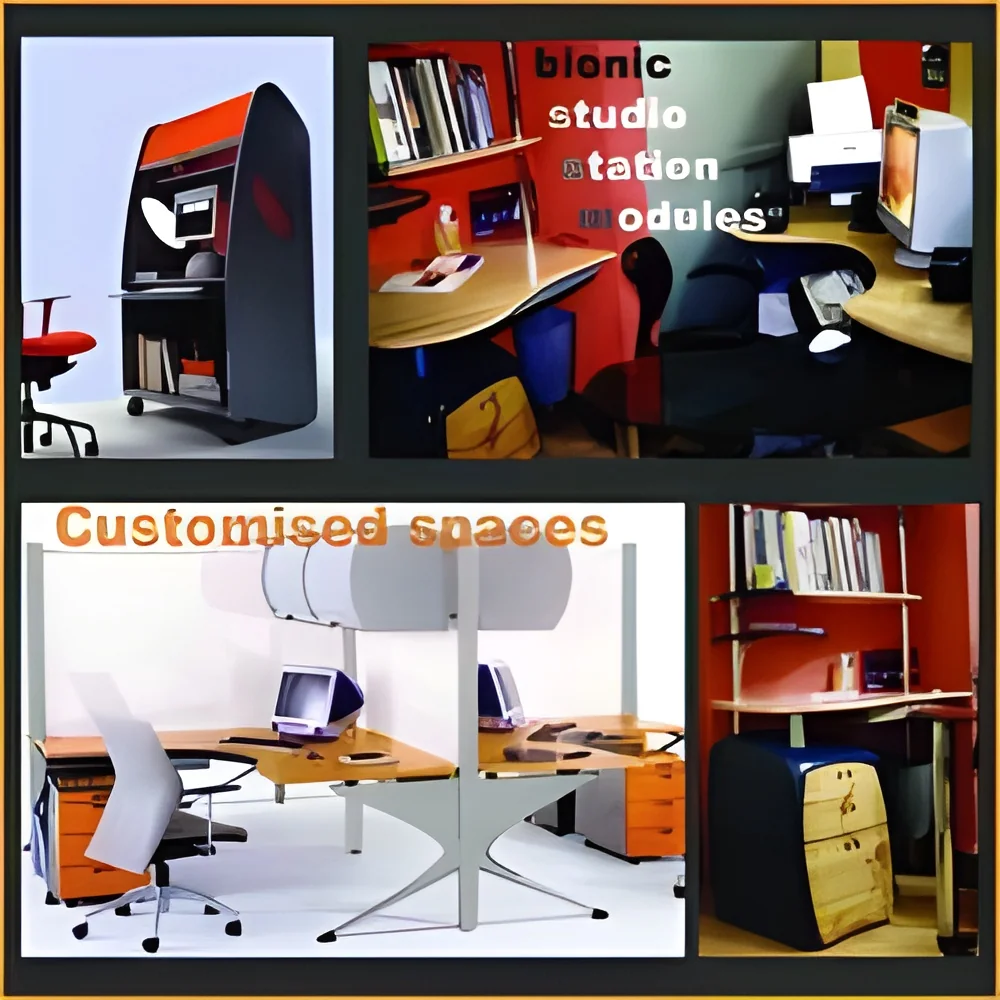
1. Technology: In tech companies, custom workstations and collaborative spaces foster innovation and teamwork.
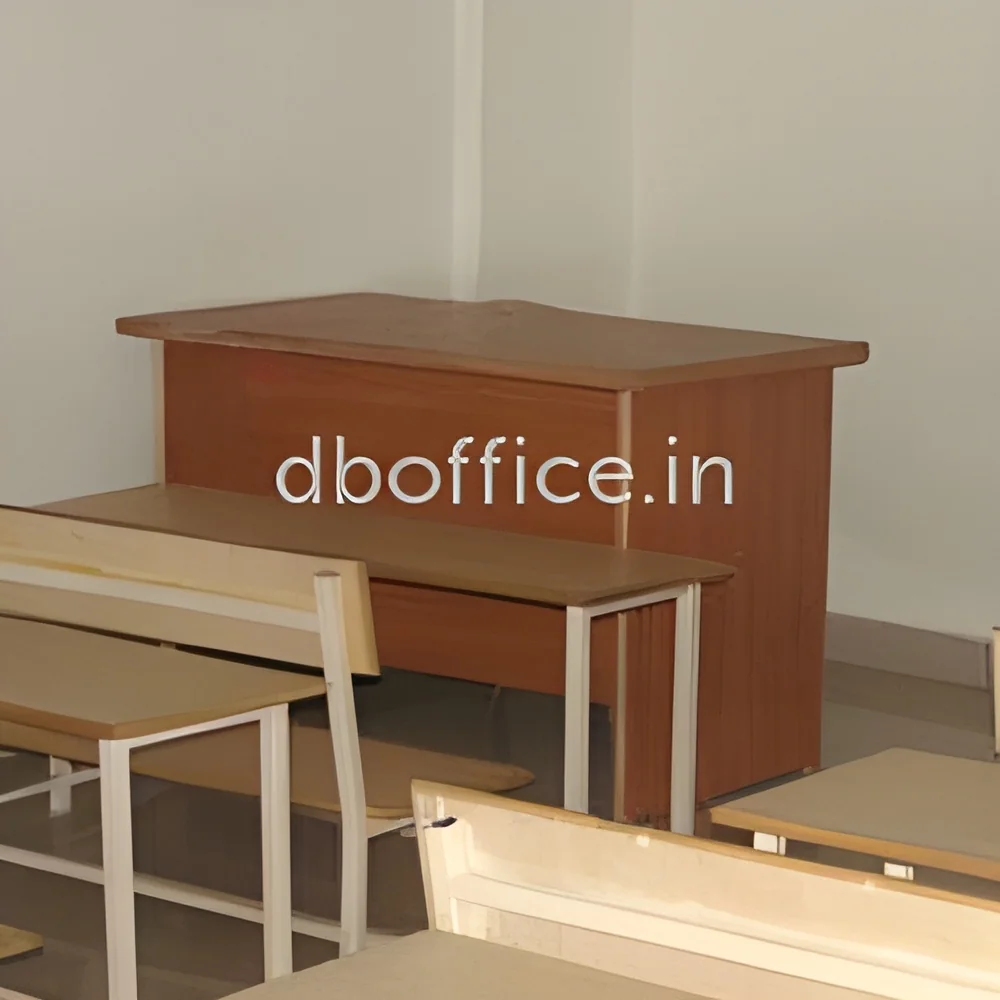
2. Education: Schools and universities utilize custom furniture for classrooms, libraries, and administrative offices to enhance learning environments.
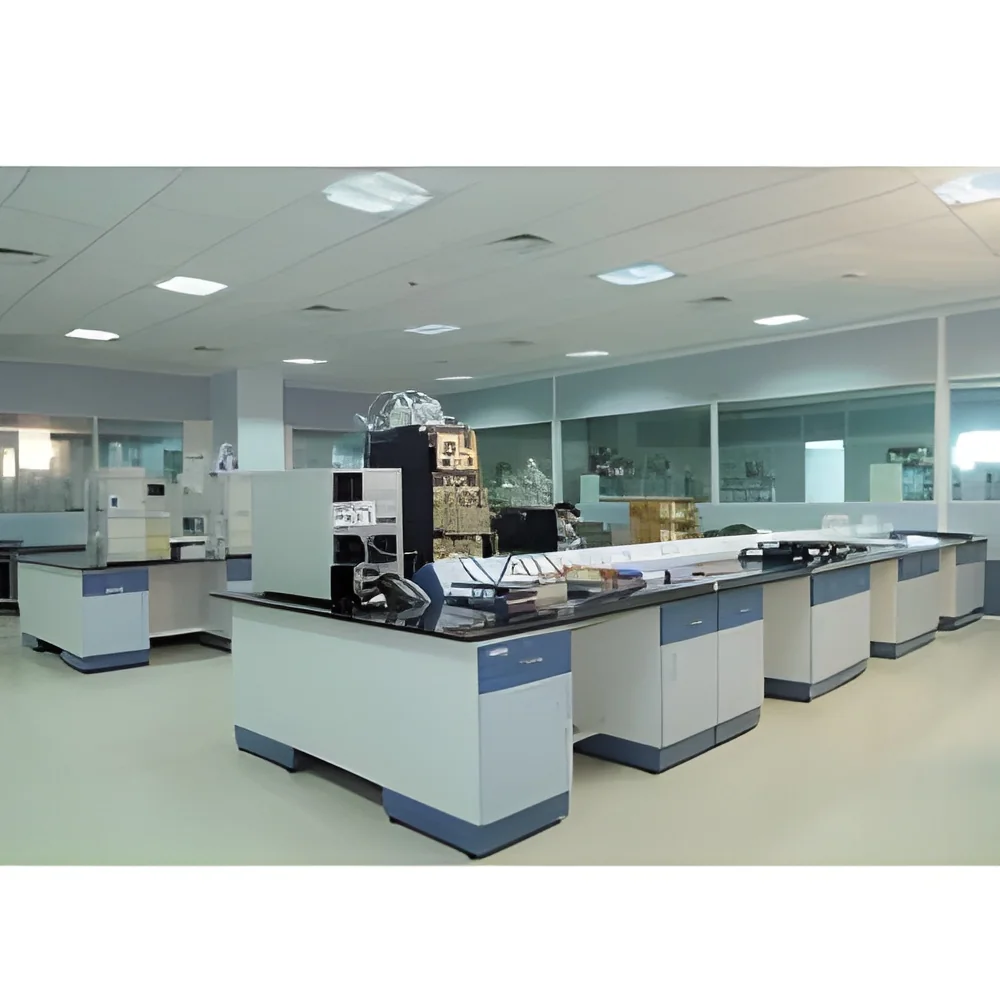
3. Healthcare: Medical facilities require specialized furniture that supports patient care and complies with health regulations.
4. Retail: Retail environments benefit from custom displays and checkout counters that can be tailored to enhance customer experience.
5. Hospitality: Hotels and restaurants use custom furniture to create unique atmospheres that reflect their brand identity.
6. Finance: Financial institutions often require secure and functional office setups that provide privacy and client comfort.
7. Creative Agencies: Design firms and advertising agencies invest in custom solutions that encourage creativity and collaboration among teams.
Product Variants and Subcategories
Custom-made office furniture offers significant diversity to meet various business needs.
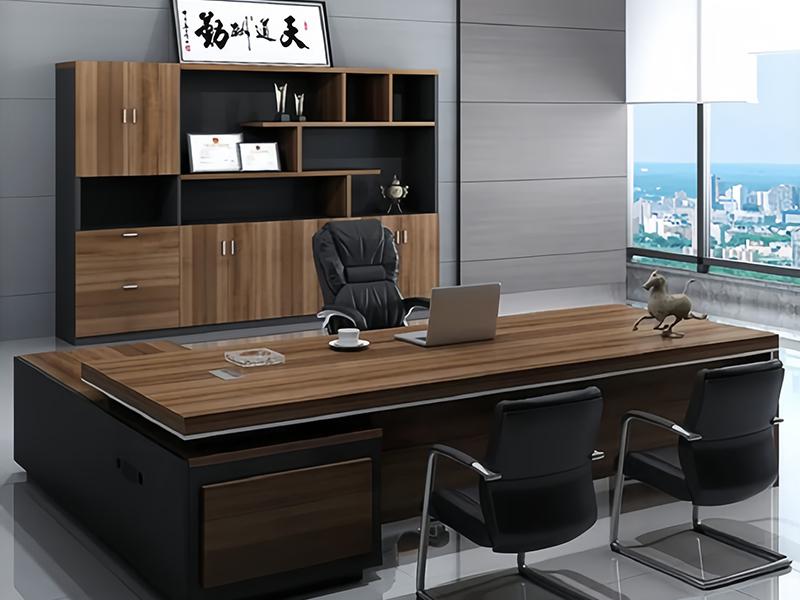
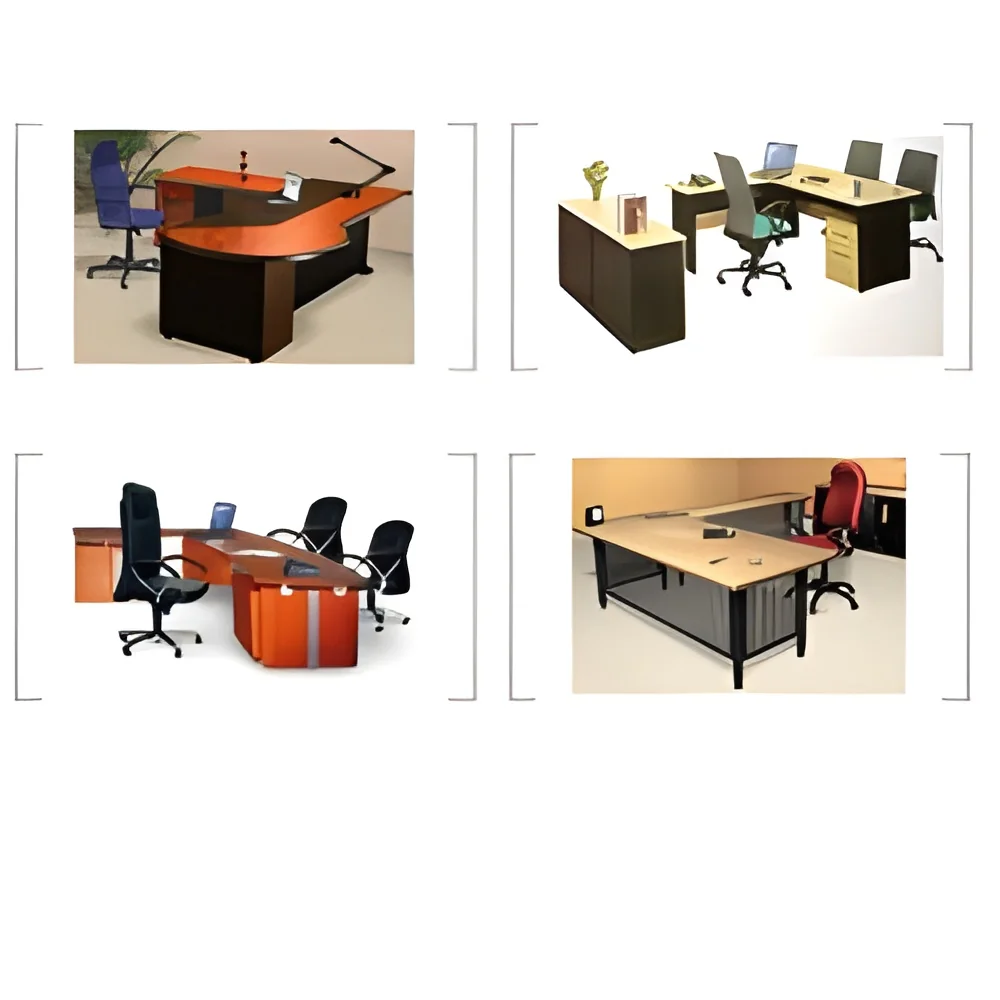
Executive Desks
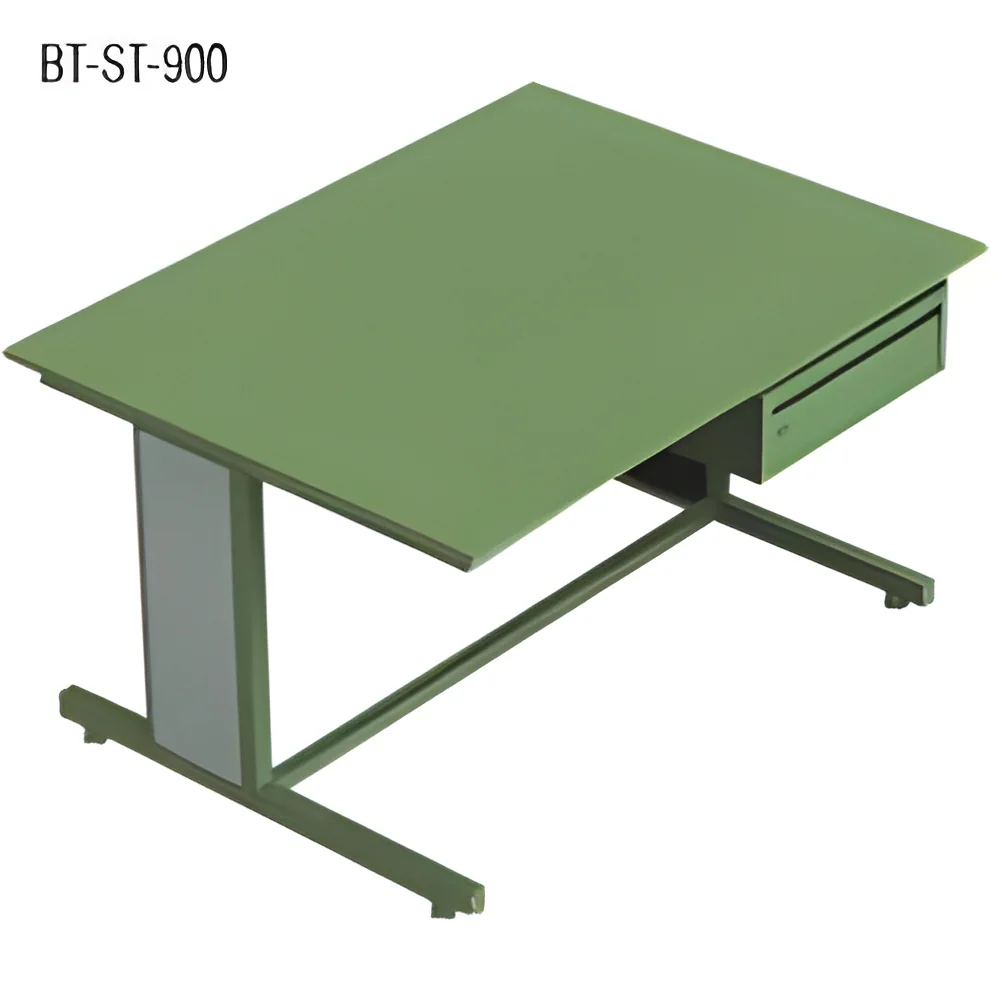
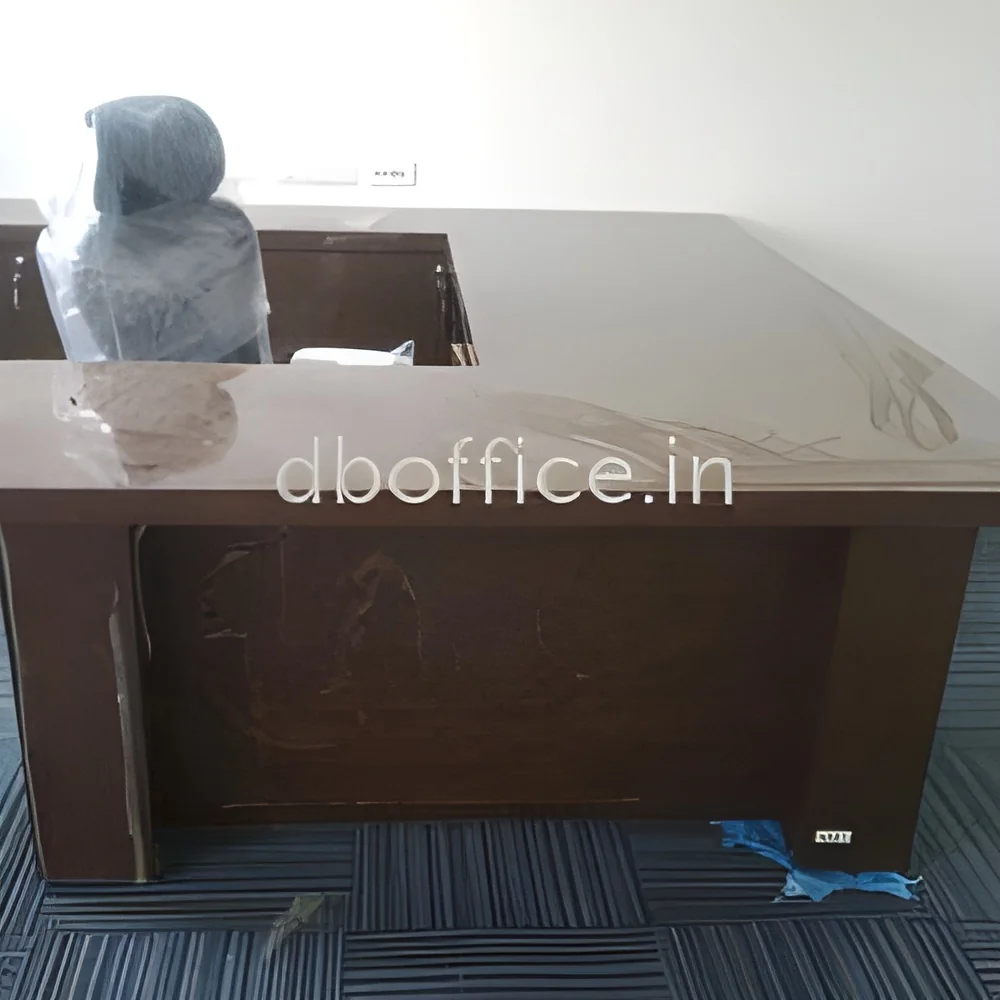
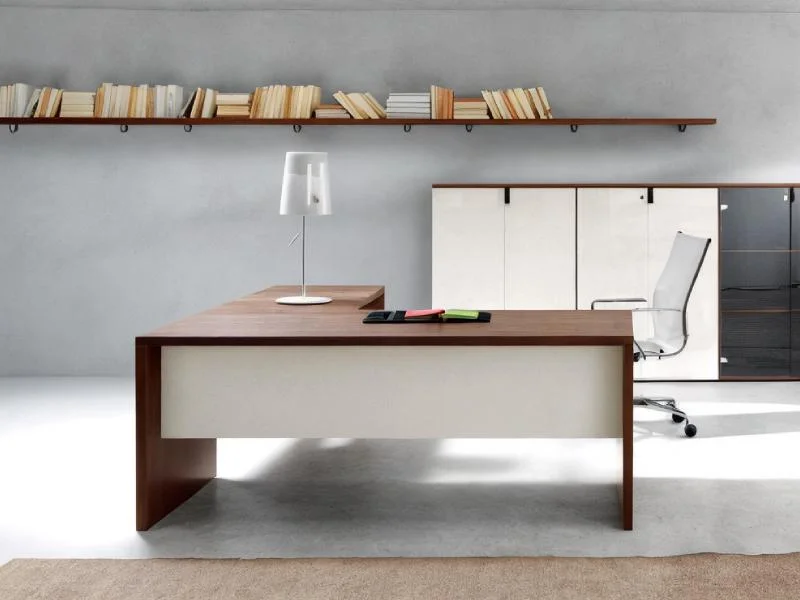
These desks are designed for high-level executives, often featuring premium materials and additional storage. They provide a professional aesthetic while ensuring functionality for daily tasks.
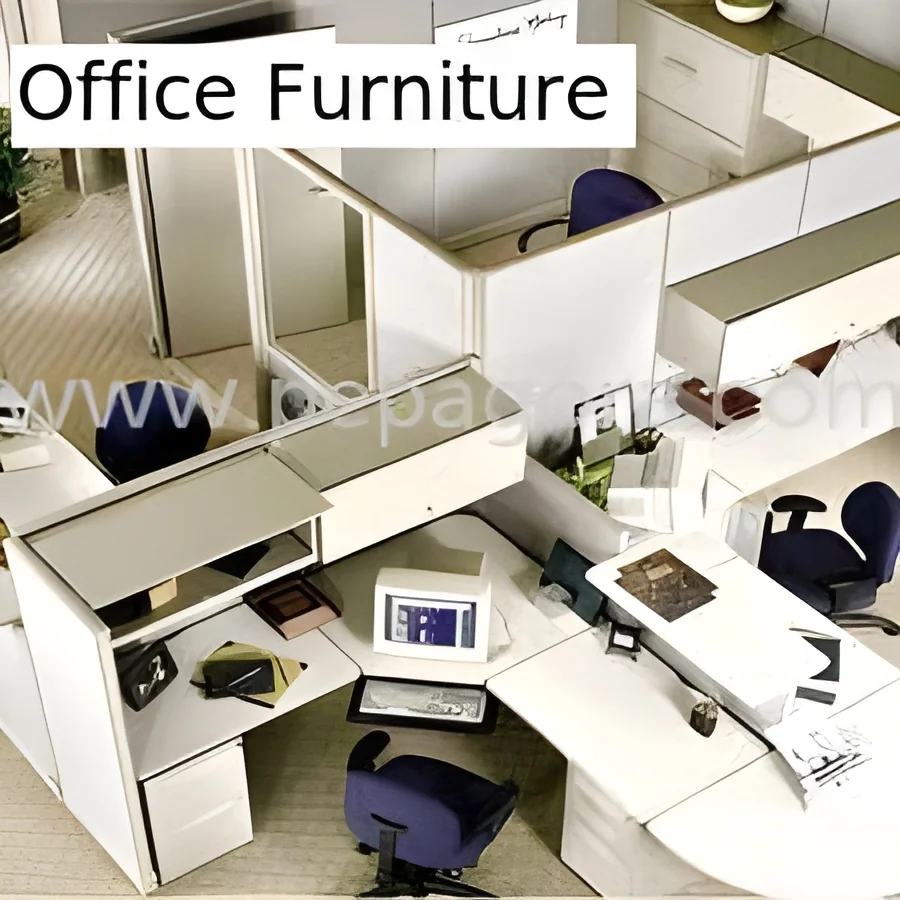
Collaborative Workstations
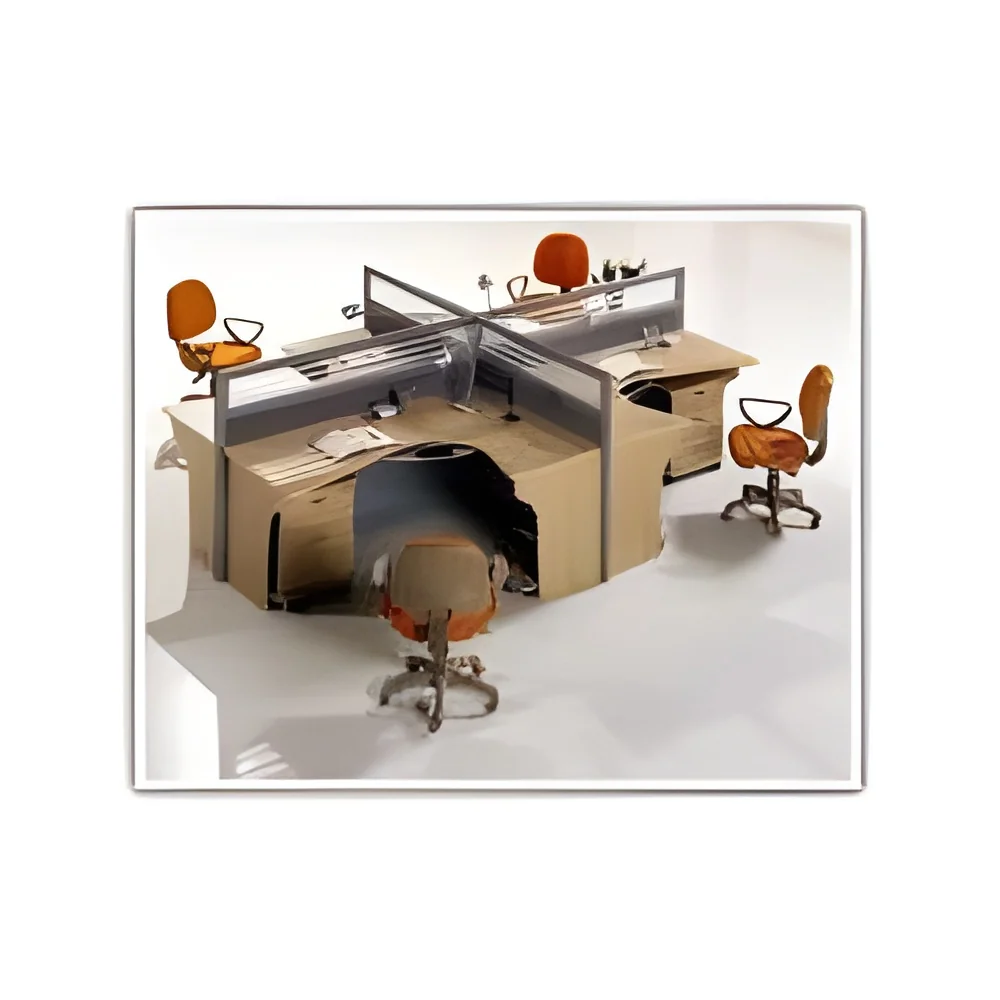
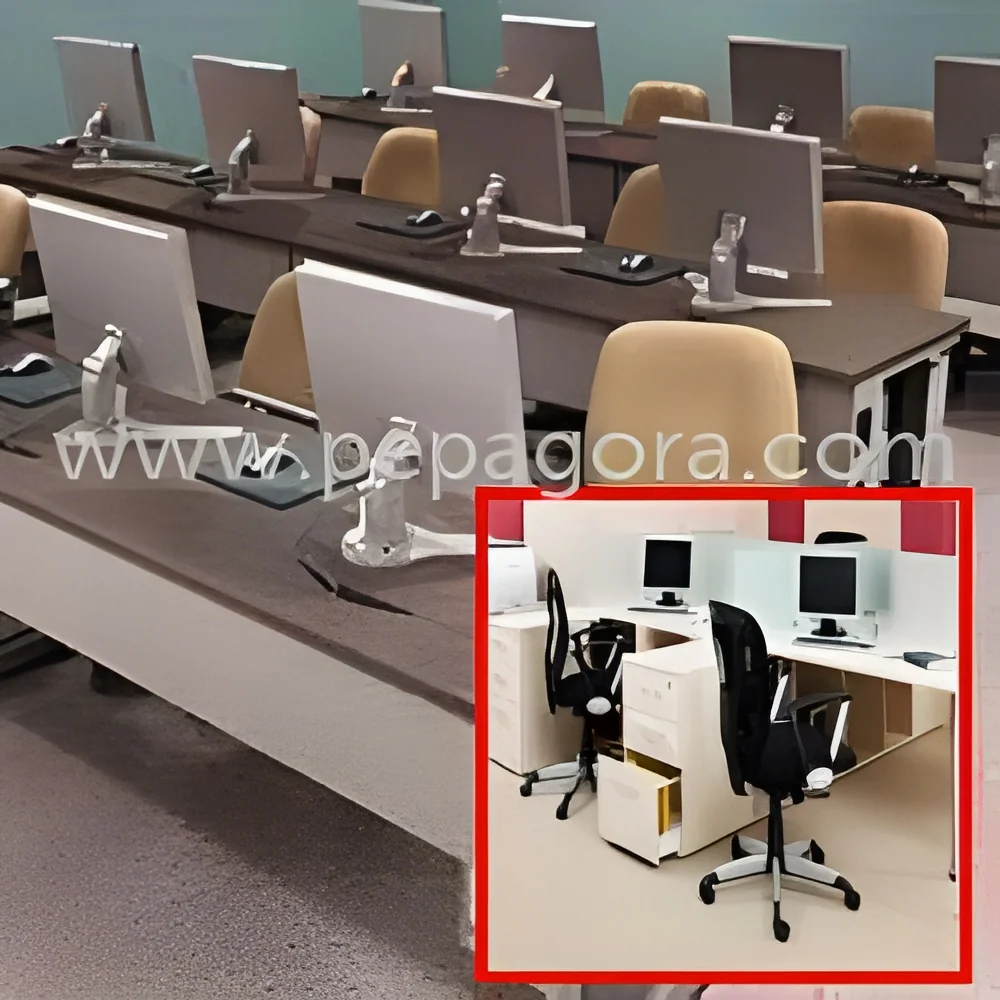
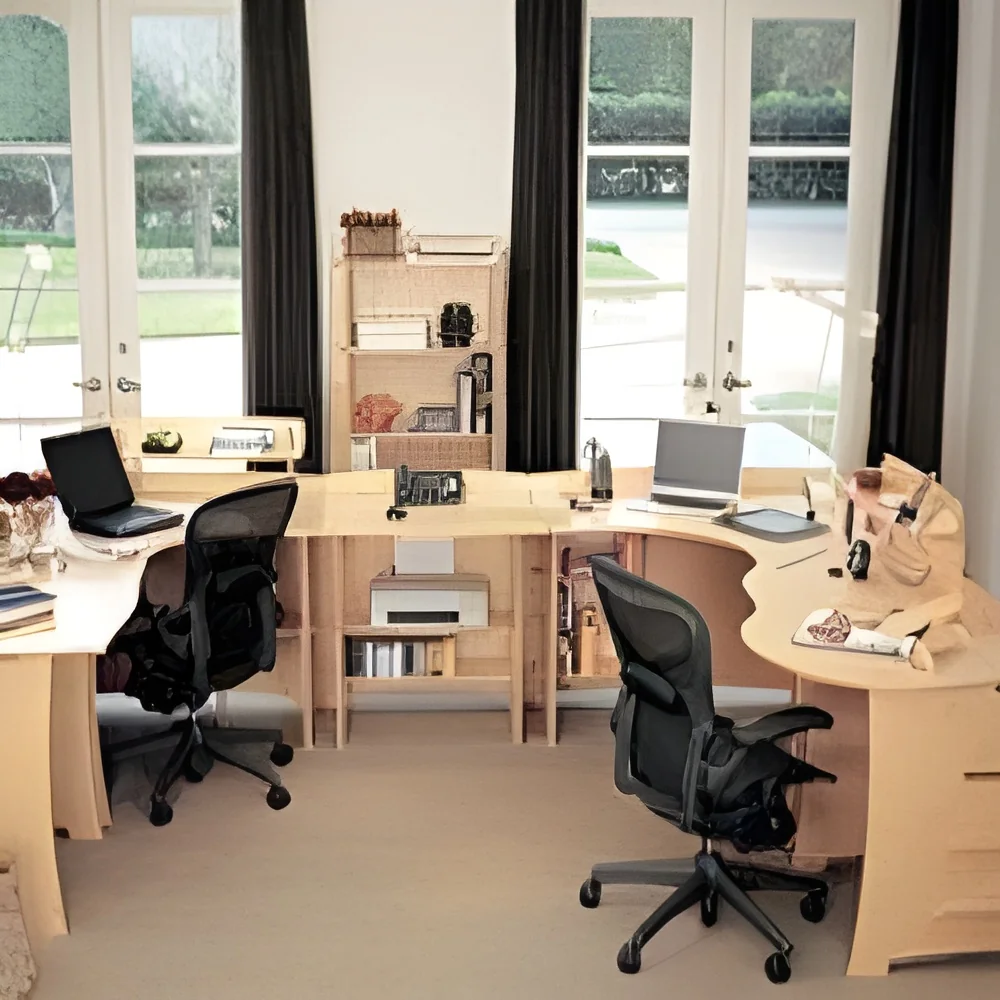
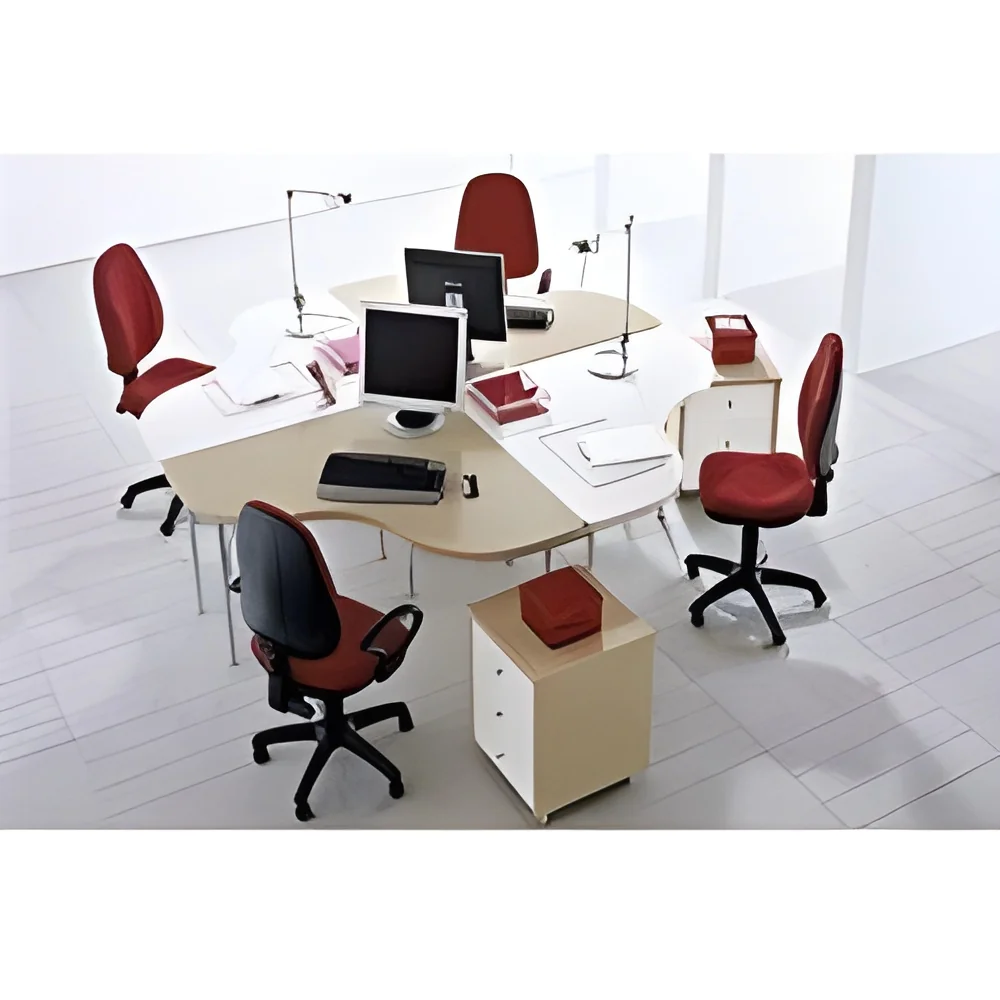
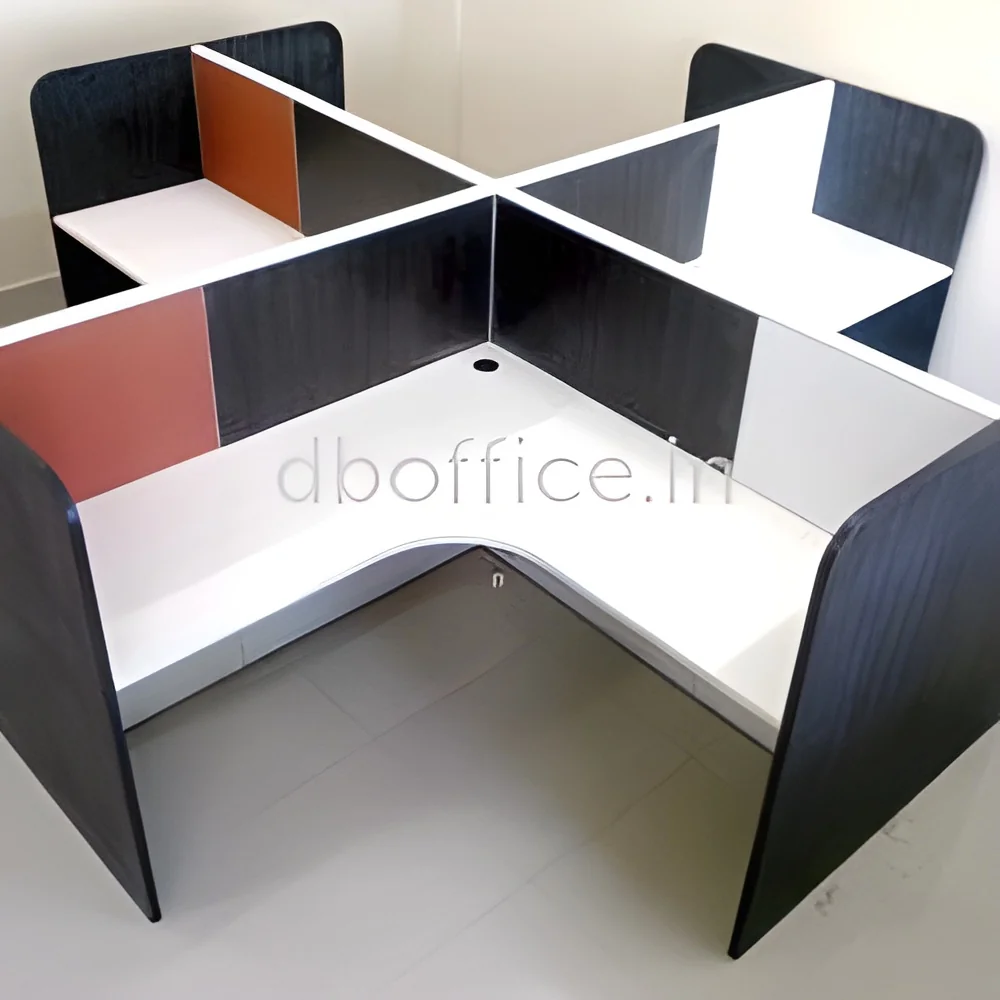
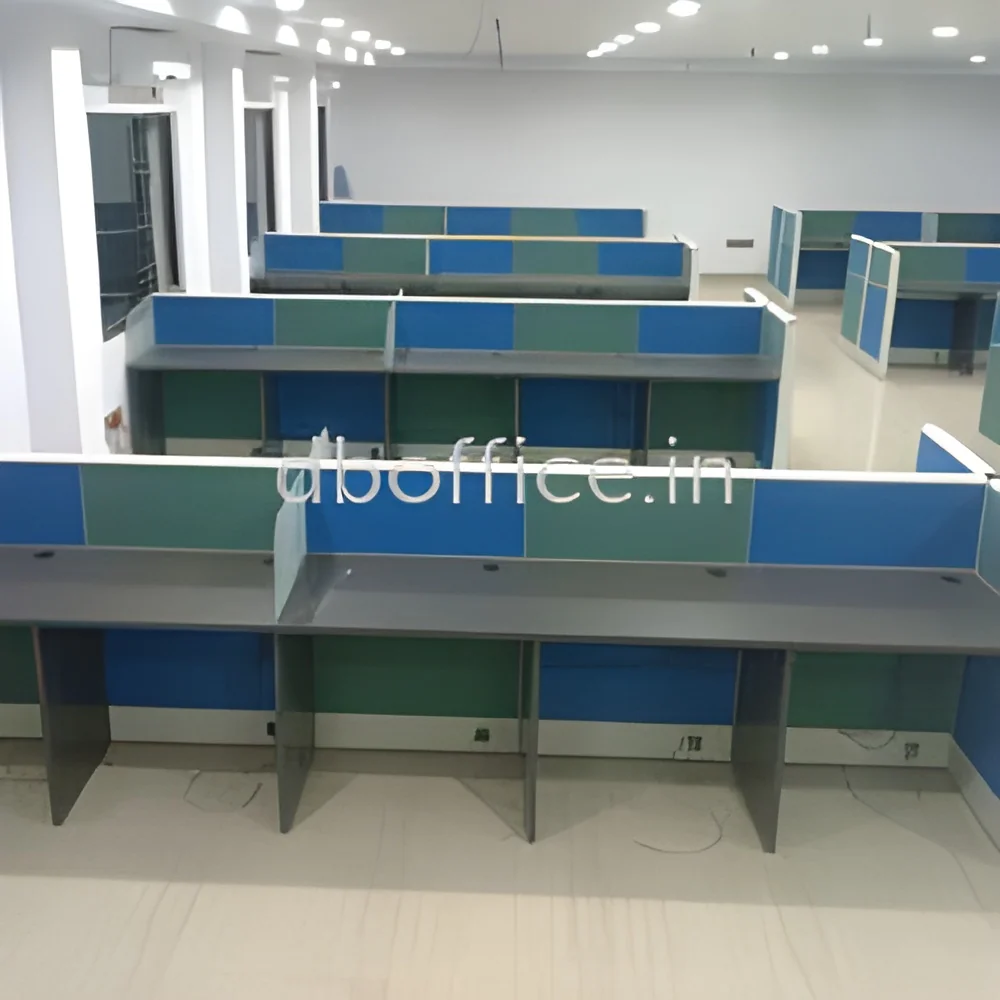
These furniture pieces are designed to promote teamwork and interaction among employees. They often include shared surfaces and modular components that can be reconfigured as needed.
Conference Furniture
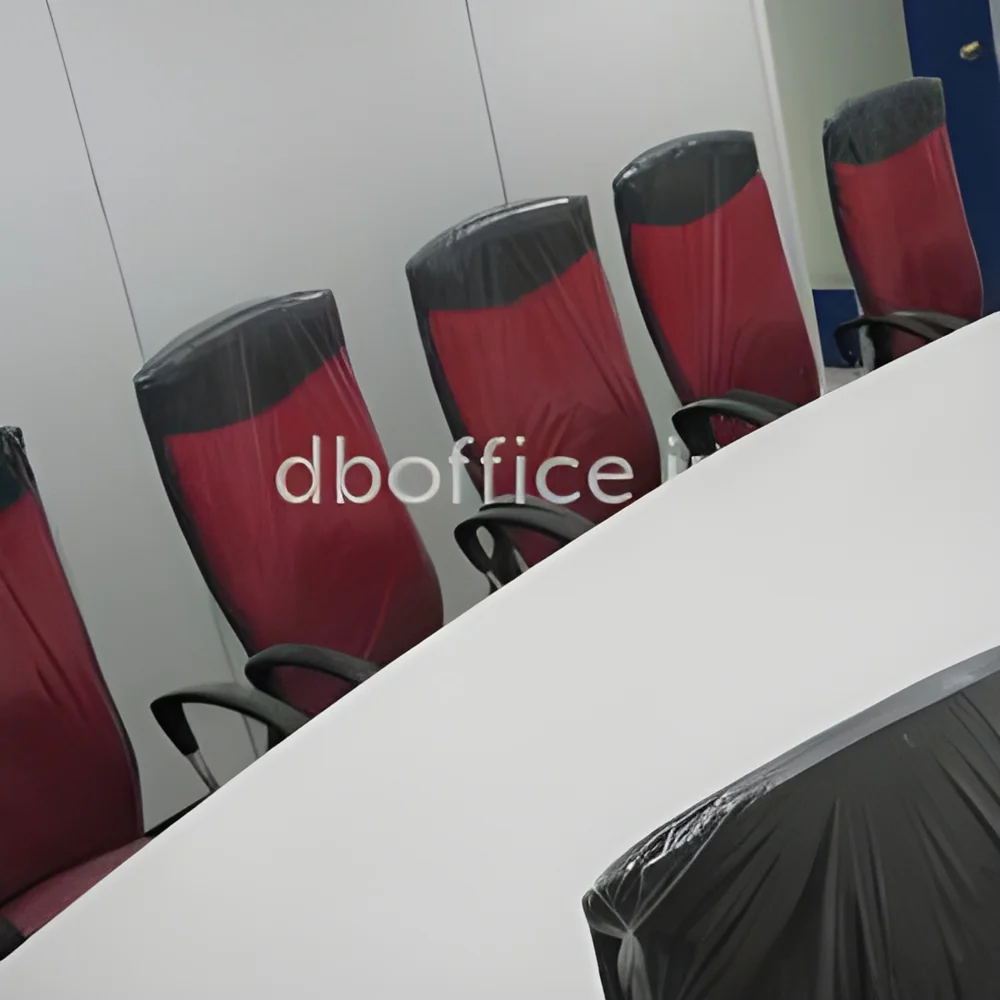
Custom conference tables and seating are essential for effective meetings. These pieces can be tailored in size and style to fit the specific aesthetic and functional requirements of a meeting space.
Reception Areas
Custom reception desks and seating enhance the first impression of a business. Tailored designs can reflect brand identity and create a welcoming environment for visitors.
Benefits and Advantages
Investing in custom-made office furniture brings several key benefits to businesses.
1. Enhanced Productivity: Tailored solutions can improve workflow and reduce distractions, leading to greater employee efficiency.
2. Improved Employee Satisfaction: Custom designs that prioritize comfort and aesthetics contribute to a positive work environment.
3. Space Optimization: Custom furniture allows businesses to maximize their available space effectively, accommodating specific layouts and needs.
4. Brand Representation: Customized furniture can reflect company values and branding, reinforcing corporate identity in the workspace.
5. Flexibility: Modular designs offer adaptability as business needs change, providing long-term value.
6. Compliance Assurance: Custom solutions can be designed to meet industry regulations and ergonomic guidelines, ensuring safety and comfort for employees.
Buying Guide for B2B Buyers
When sourcing custom-made office furniture, several key factors should be considered to ensure a successful purchase.
1. Quality Assessment: Evaluate the quality of materials and craftsmanship. Look for durable and sustainable options that will stand the test of time.
2. Supplier Verification: Research potential suppliers thoroughly. Check their track record, customer reviews, and production capabilities to ensure reliability.
3. Pricing and MOQ: Understand pricing structures and minimum order quantities, ensuring the costs align with your budget and procurement needs.
4. Delivery and Lead Times: Discuss logistics and delivery timelines with suppliers to ensure that furniture arrives when needed for installation.
5. Compliance Requirements: Be aware of any regulatory requirements relevant to your industry. Ensure that the furniture meets necessary safety and ergonomic standards.
Compliance and Certifications
Custom-made office furniture must adhere to various quality standards and certifications to ensure safety and performance.
ISO 9001 is a widely recognized standard that focuses on quality management systems. Furniture manufacturers certified under this standard demonstrate a commitment to quality and continuous improvement.
CE marking indicates compliance with European health, safety, and environmental protection standards. This certification helps buyers ensure that products are safe for use.
Manufacturers may also need to comply with specific safety and testing requirements relevant to their region or industry. This includes ensuring that materials used in furniture production do not pose health risks.
In addition to international standards, regional compliance considerations may vary. Buyers should be aware of local regulations that may affect their purchasing decisions.
Why Source Custom-Made Office Furniture from Pepagora?
Pepagora provides a trusted platform for sourcing custom-made office furniture, offering several key advantages to businesses.
Verified Supplier Network: Pepagora connects buyers with a network of verified suppliers. This ensures that businesses can source furniture from reputable manufacturers who meet quality standards.
Streamlined RFQ Process: The request for quotation (RFQ) system simplifies the procurement process. Buyers can easily compare quotes from multiple suppliers, facilitating informed purchasing decisions.
Trade Assurance and Support: Pepagora offers trade assurance and support services to protect buyers throughout the procurement process. This includes assistance with order tracking, payment security, and dispute resolution.
Regional Coverage: Pepagora serves a wide geographic area, including India, the GCC, and Southeast Asia. This broad reach allows businesses to access a diverse range of suppliers and products, enhancing their sourcing options.
By choosing Pepagora, businesses can confidently invest in custom-made office furniture that meets their specific needs while benefiting from a reliable sourcing platform.

 IN
IN