What are Office Partitions?
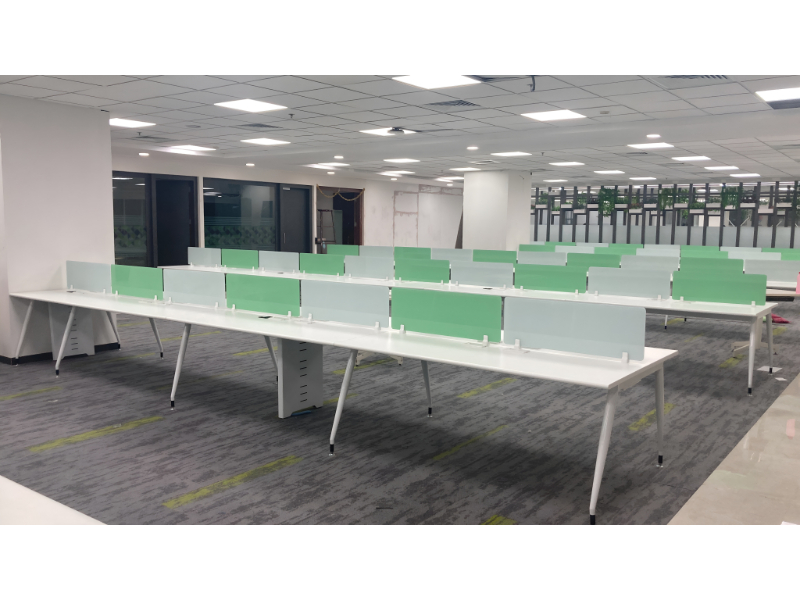
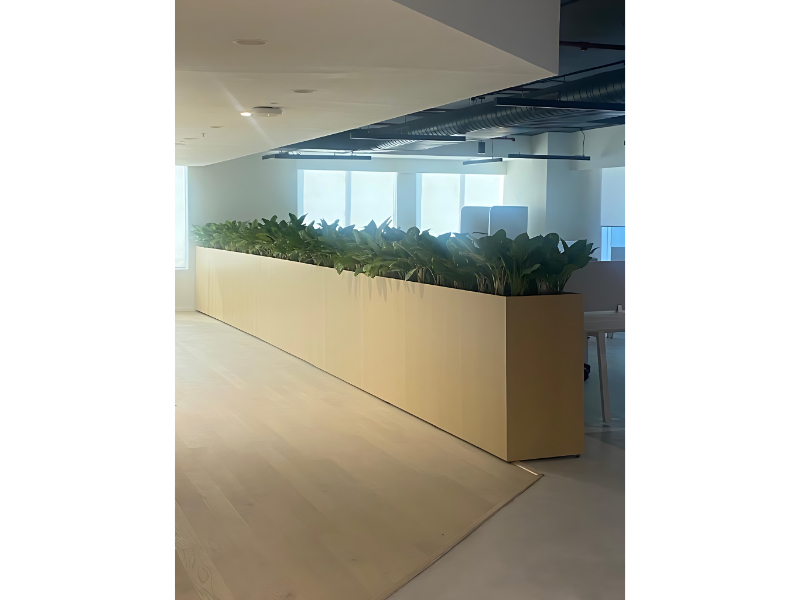
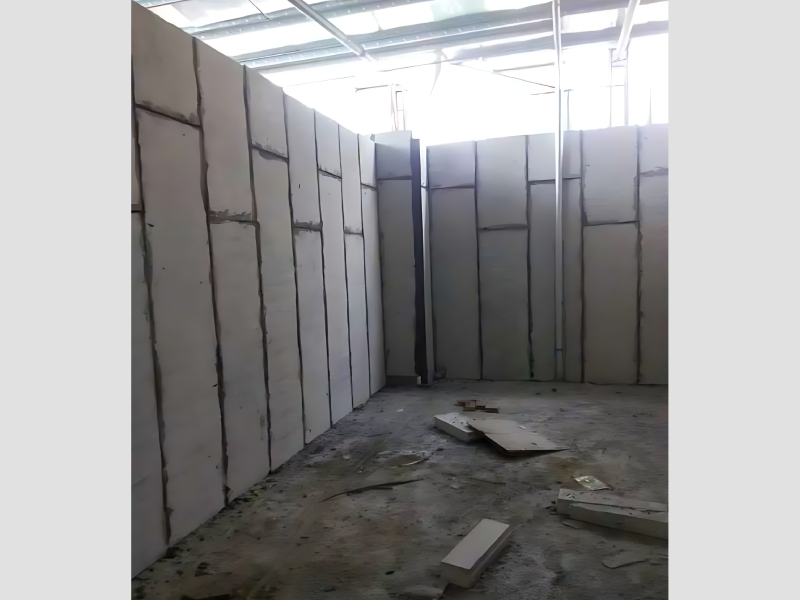
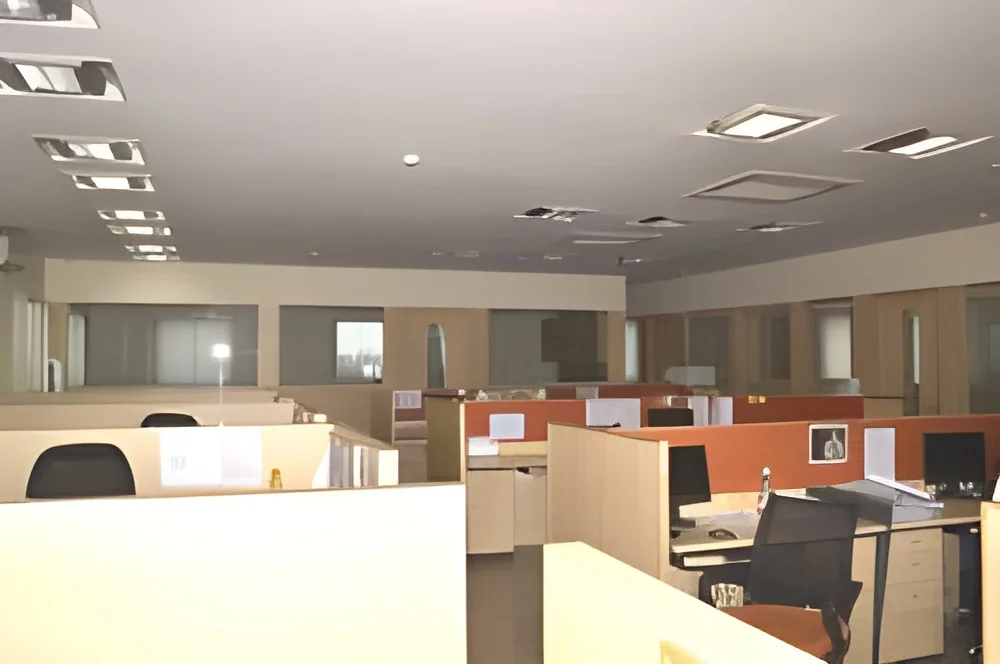
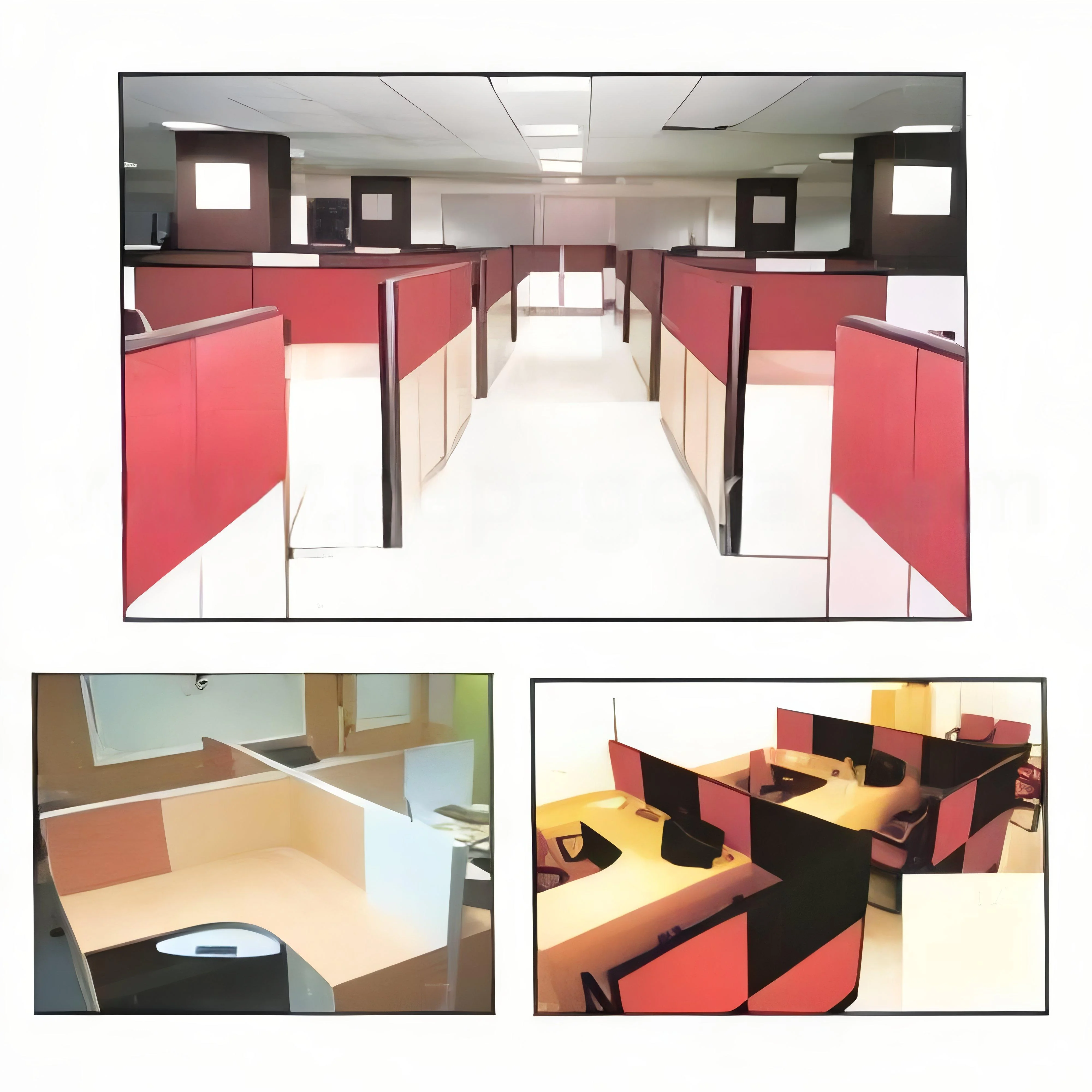
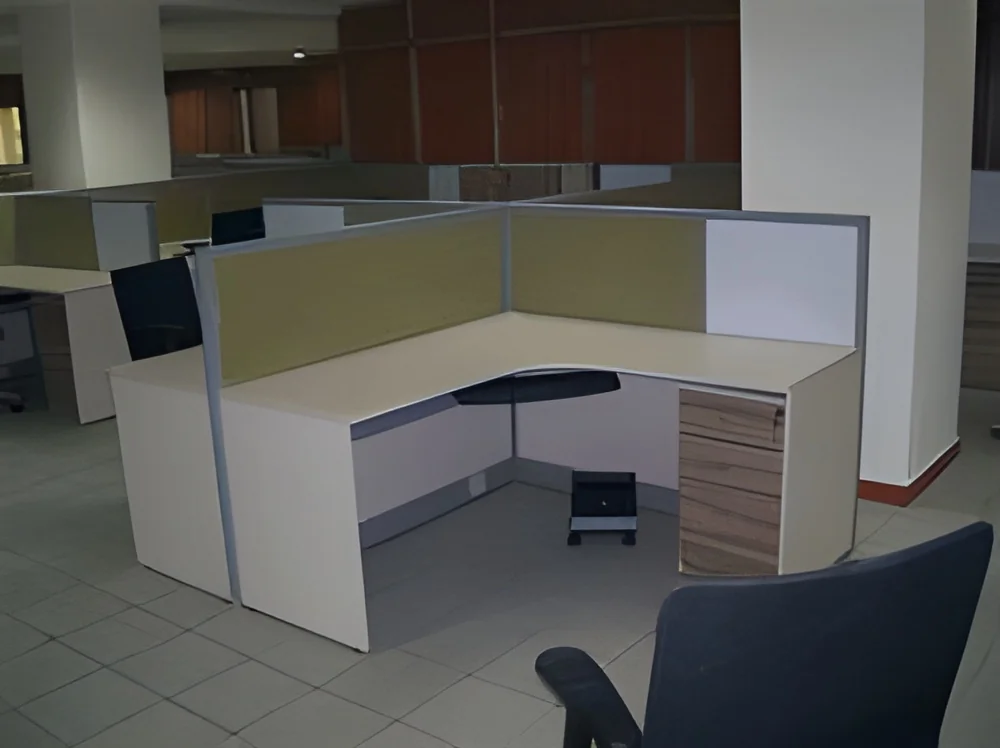
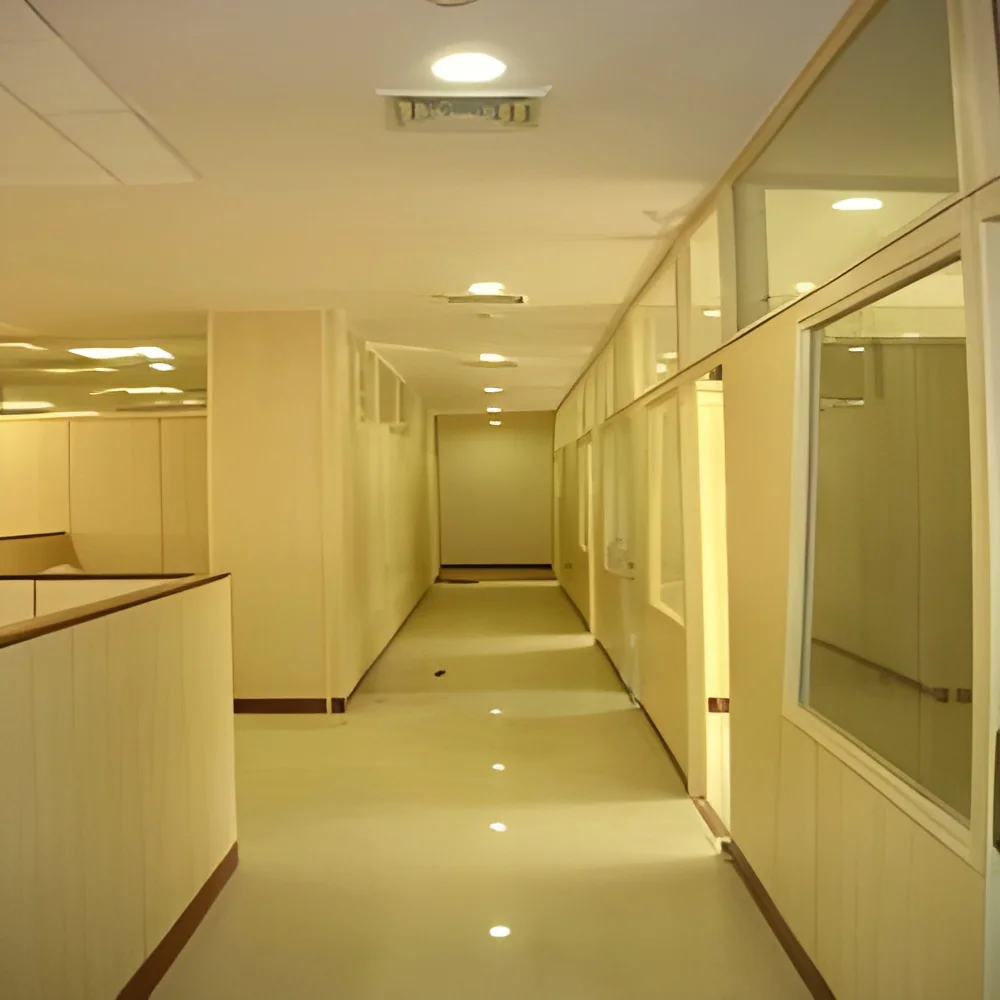
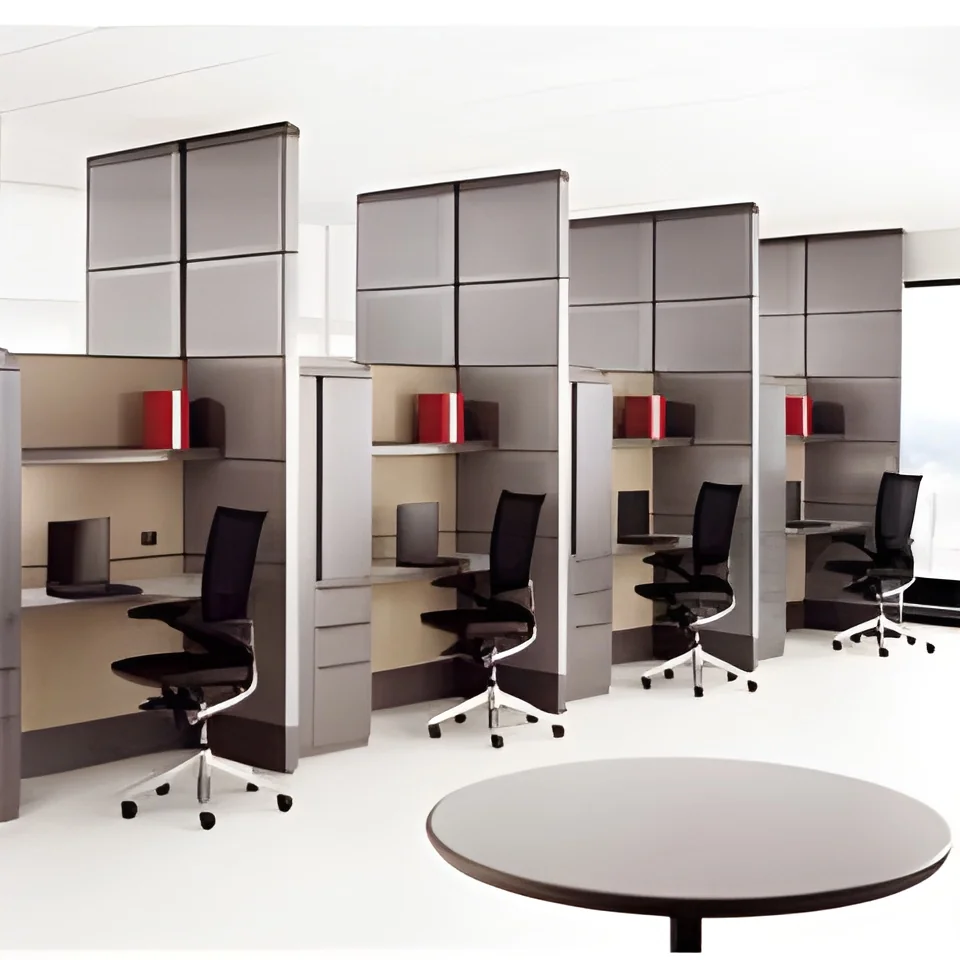
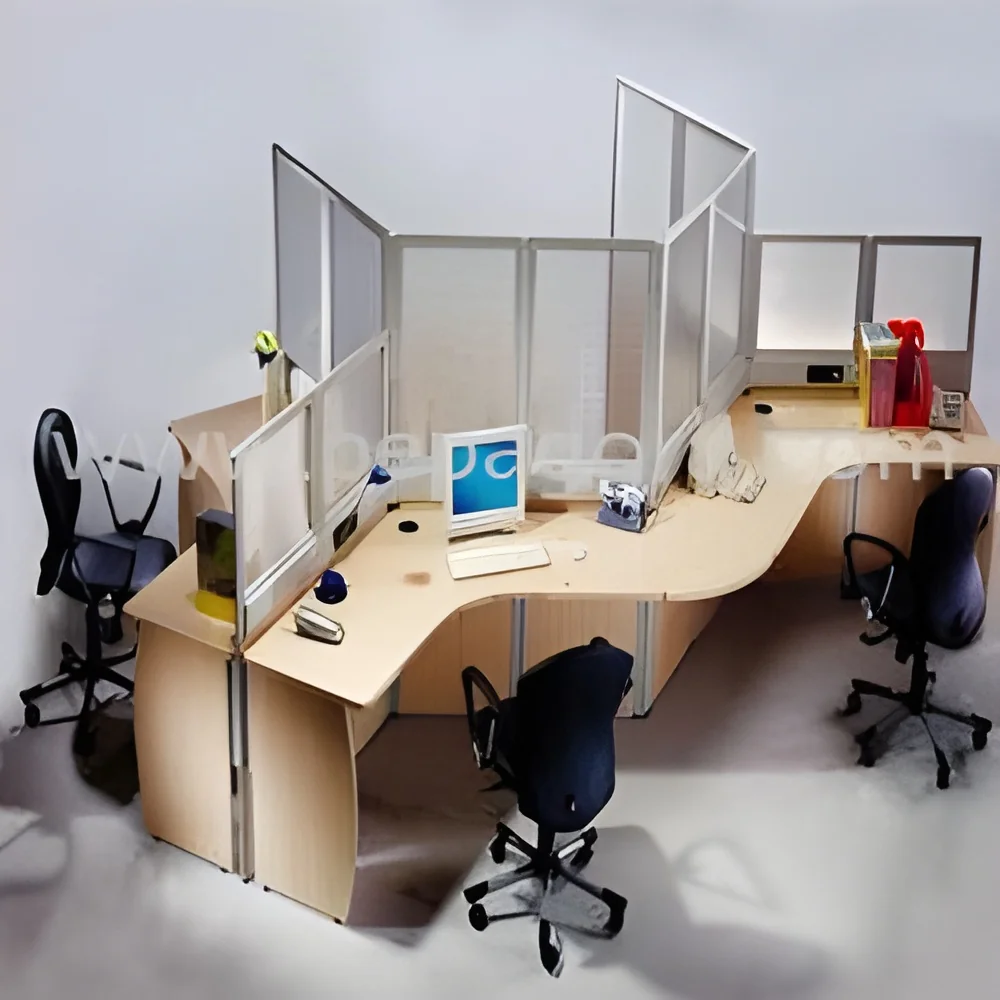
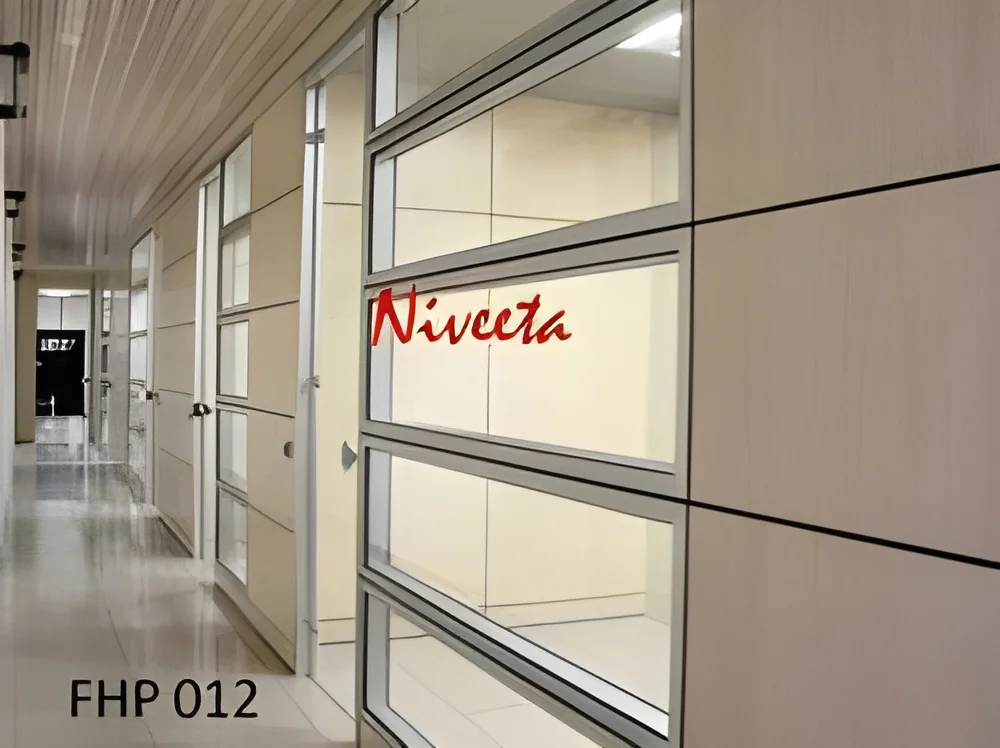
Office partitions are movable walls or dividers used to create separate workspaces within a larger office environment. They serve to enhance privacy, reduce noise, and increase the functionality of office space by allowing organizations to tailor their layout to various needs. Office partitions can be made from a variety of materials, including glass, fabric, and metal, which adds versatility to their design and application.
These systems are primarily used in corporate offices, co-working spaces, and educational institutions. They can be employed to create private offices, meeting rooms, and collaborative areas, promoting a more organized and efficient work environment. The relevance of office partitions has grown significantly in recent years, especially with the rise of open office layouts and the need for adaptable workspaces that can accommodate remote work and flexible office arrangements.
Key Features and Specifications
Office partitions come with a variety of features and specifications that cater to different business needs. These characteristics help businesses select the right partition system based on their requirements.
Key specifications include:
1. Material Type
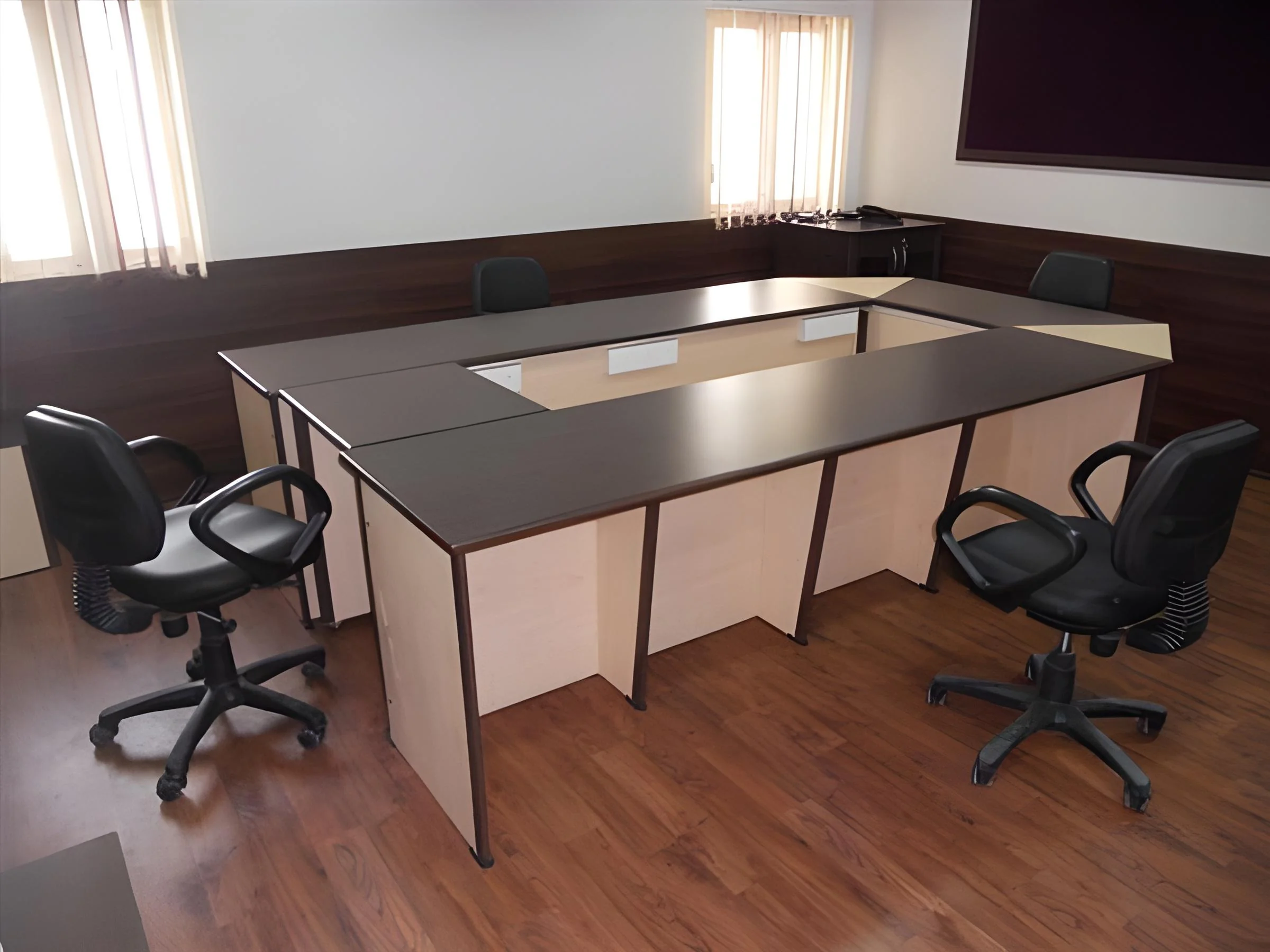
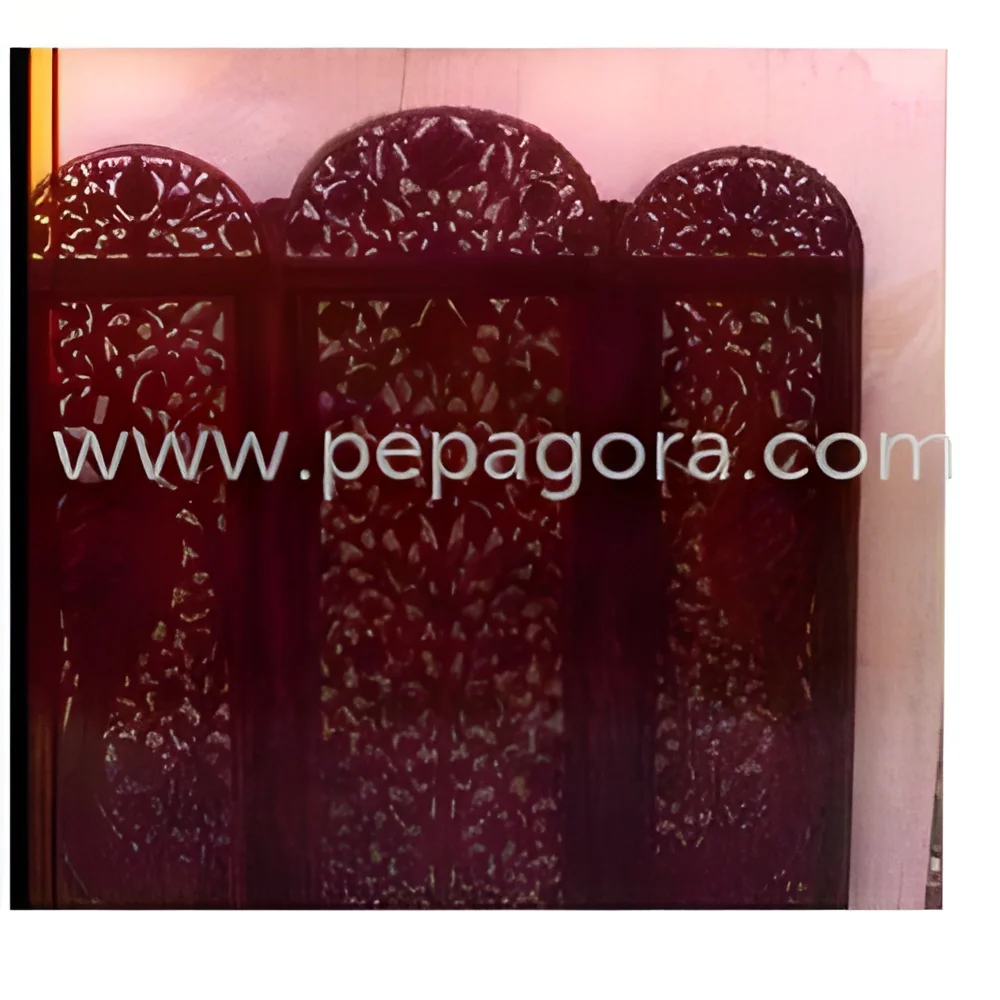
- Office partitions can be constructed from glass, fabric, metal, or wood.
- Each material offers different aesthetic and functional benefits.
2. Height Options
- Heights typically range from 48 inches to 72 inches.
- Custom heights may be available based on specific client needs.
3. Acoustic Performance
- Sound absorption ratings vary, often measured in decibels (dB).
- Higher ratings indicate better noise reduction, promoting a quieter work environment.
4. Design Flexibility
- Partitions can be customized in terms of color, finish, and layout.
- Modular designs allow for easy reconfiguration as needs change.
5. Mobility
- Many partitions are designed to be easily movable.
- This feature enhances adaptability in dynamic work environments.
6. Safety Standards
- Compliance with industry safety standards is crucial.
- Partitions should meet relevant fire safety and structural integrity regulations.
7. Installation Requirements
- Some partitions require professional installation, while others are designed for DIY assembly.
- Clear instructions and necessary hardware should be included.
In summary, understanding the key features and specifications of office partitions can help businesses make informed decisions that align with their workspace needs.
Common Applications and Use Cases
Office partitions are versatile solutions used across various industries.
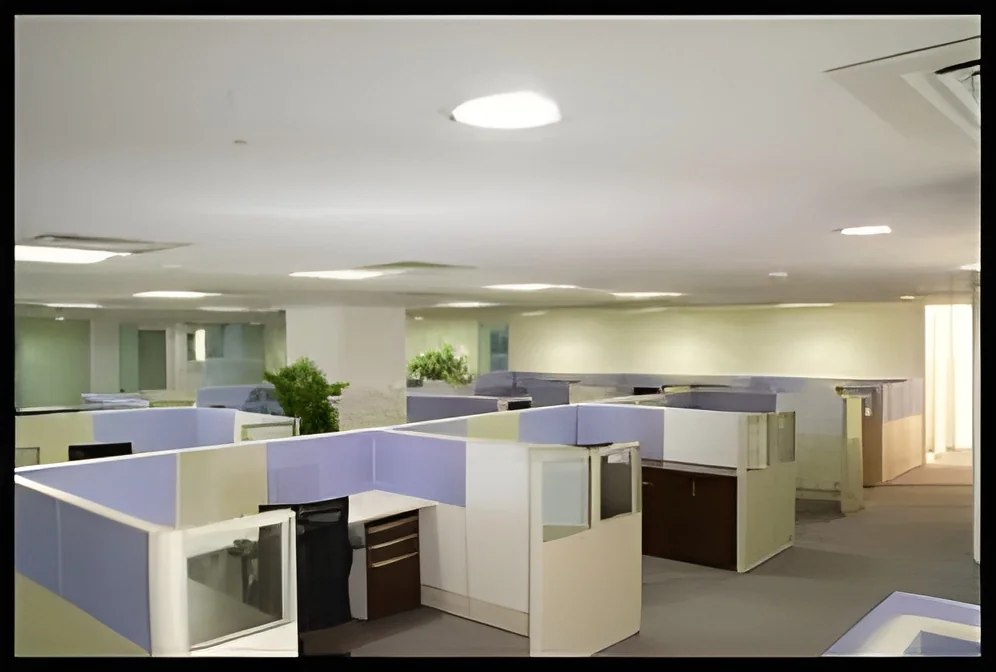
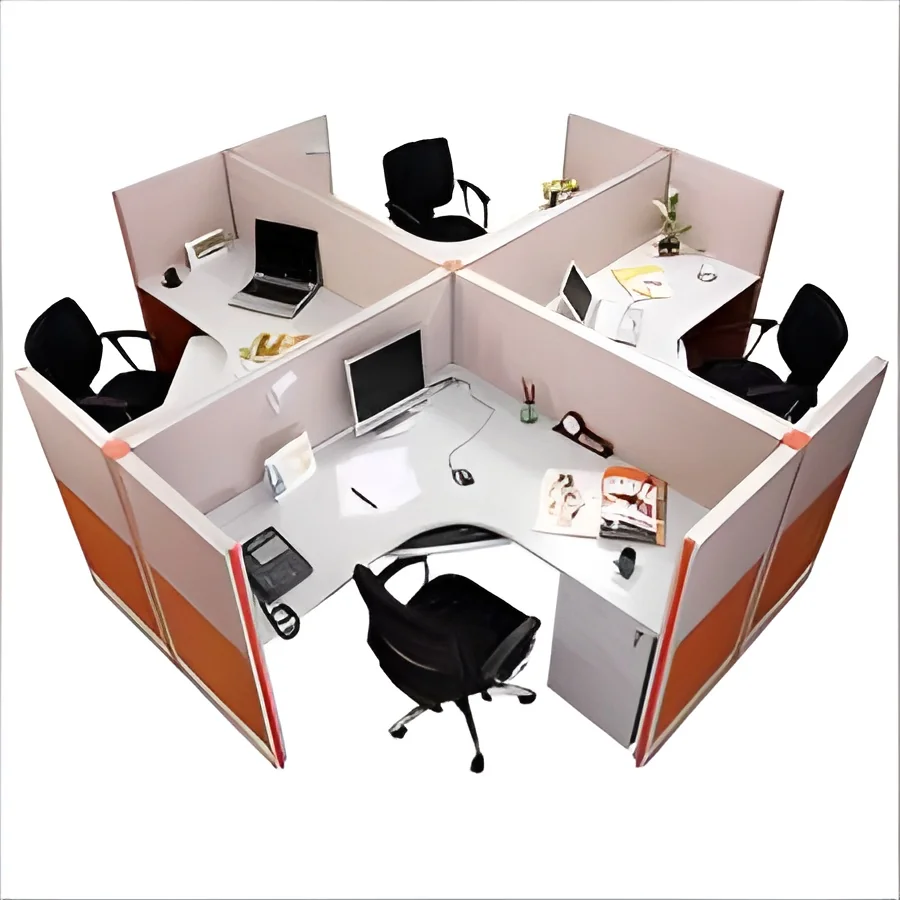
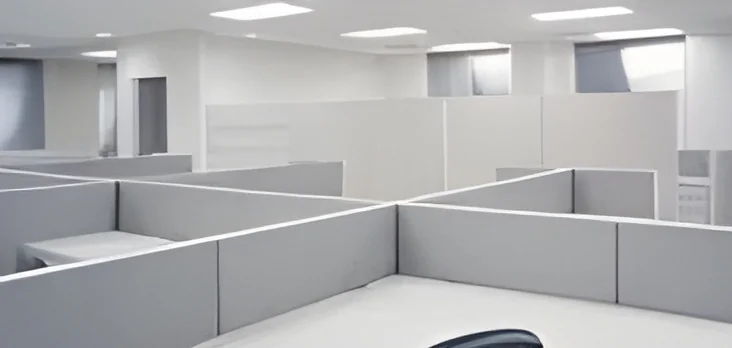
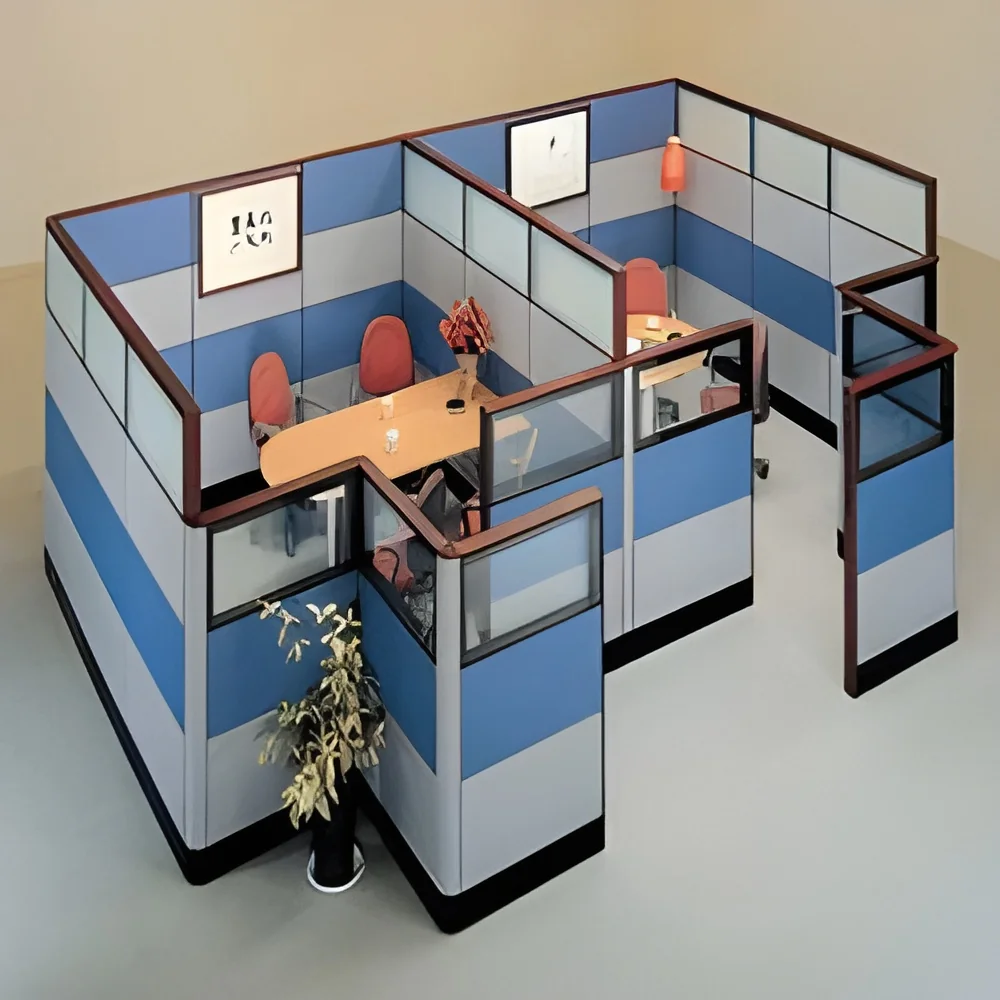
1. Corporate Offices: In corporate environments, partitions create individual workspaces for employees, enhancing focus and productivity while allowing for collaborative areas.
2. Co-Working Spaces: These spaces utilize partitions to create private offices and meeting rooms within an open layout, catering to freelancers and small businesses.
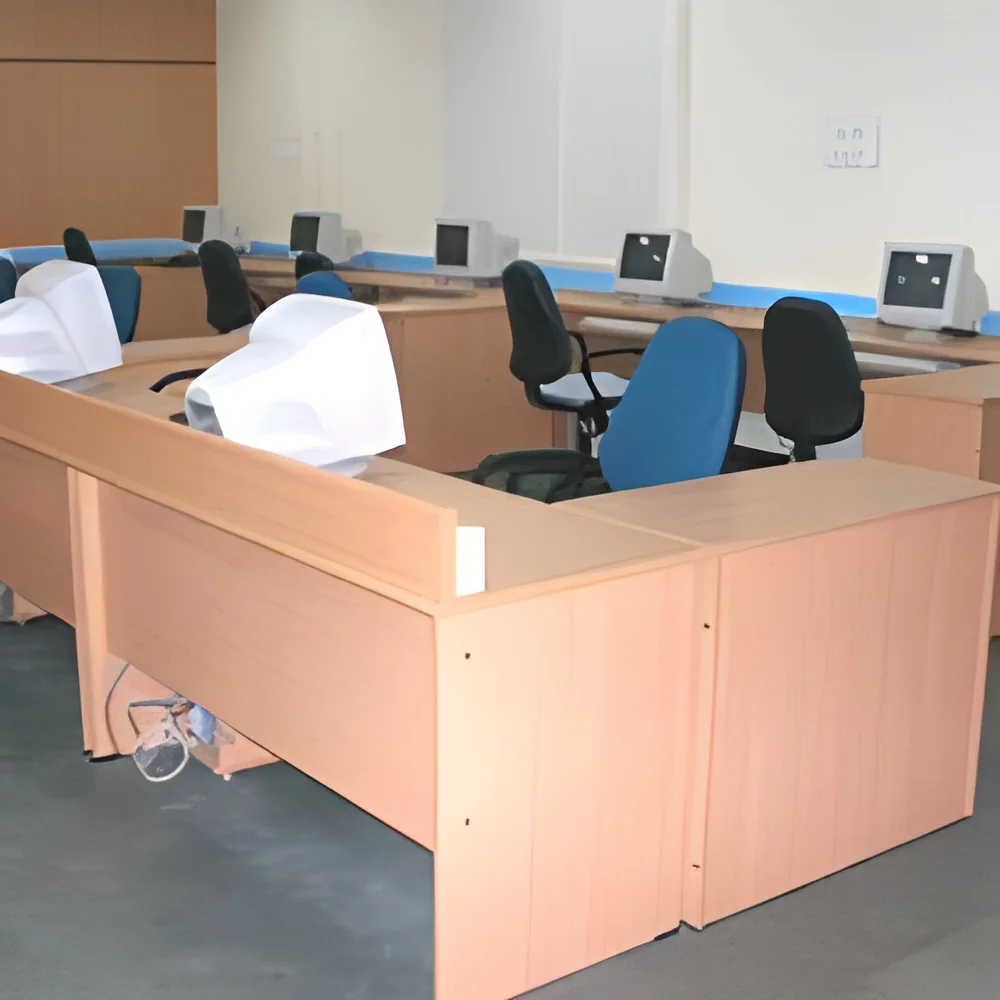
3. Educational Institutions: Schools and universities employ partitions to create classrooms or study areas, offering flexibility for different teaching formats and group sizes.
4. Healthcare Facilities: In clinics and hospitals, partitions can be used to create patient consultation areas and private recovery spaces, ensuring confidentiality and comfort.
5. Retail Environments: Retailers may use partitions to create distinct checkout areas or promotional displays, enhancing customer navigation and experience.
6. Government Offices: Public sector entities can employ partitions to facilitate the management of different departments and ensure secure spaces for sensitive information.
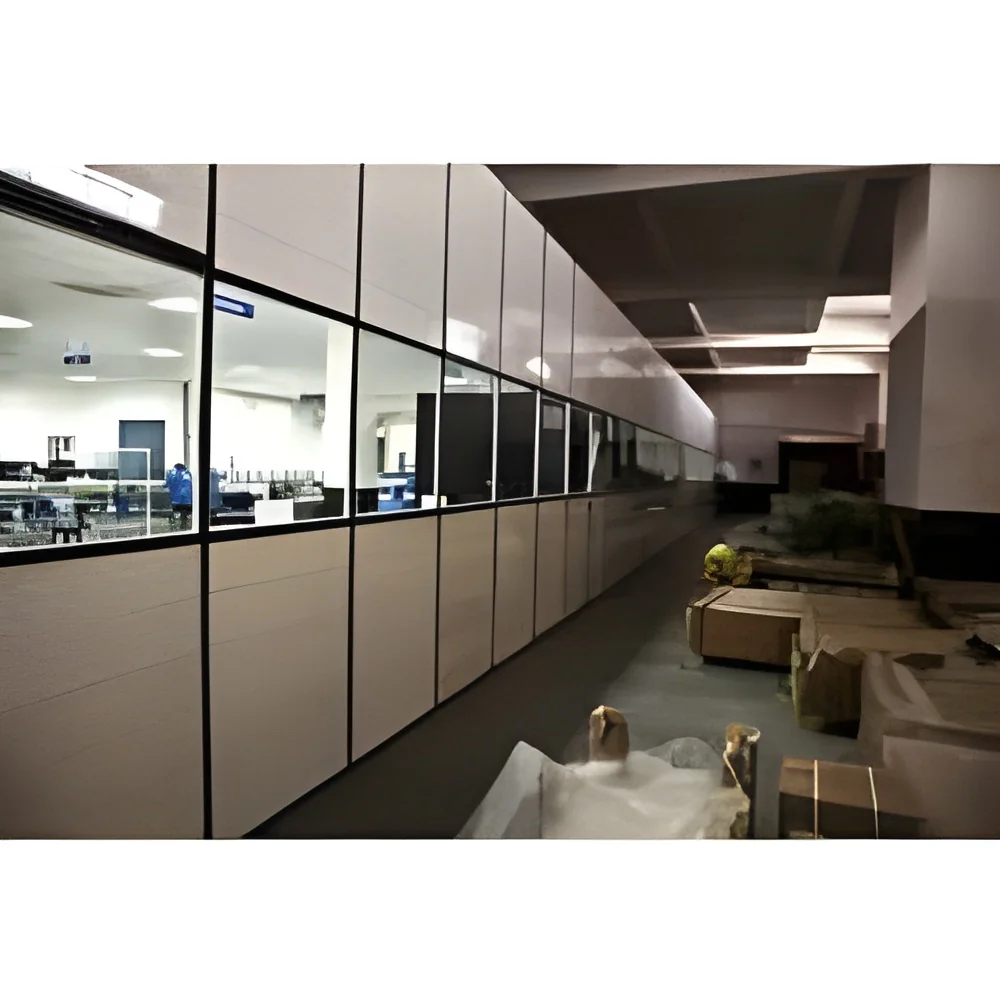
7. Manufacturing Facilities: Partitions help organize production lines and designate spaces for different operations, improving workflow efficiency.
Product Variants and Subcategories
Office partitions are available in a diverse range of styles and configurations, allowing businesses to choose products that align with their specific needs.
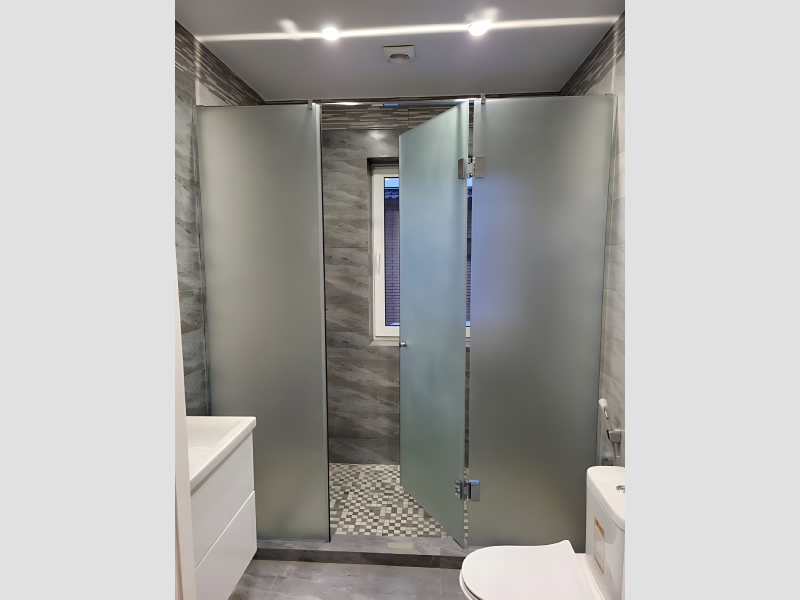
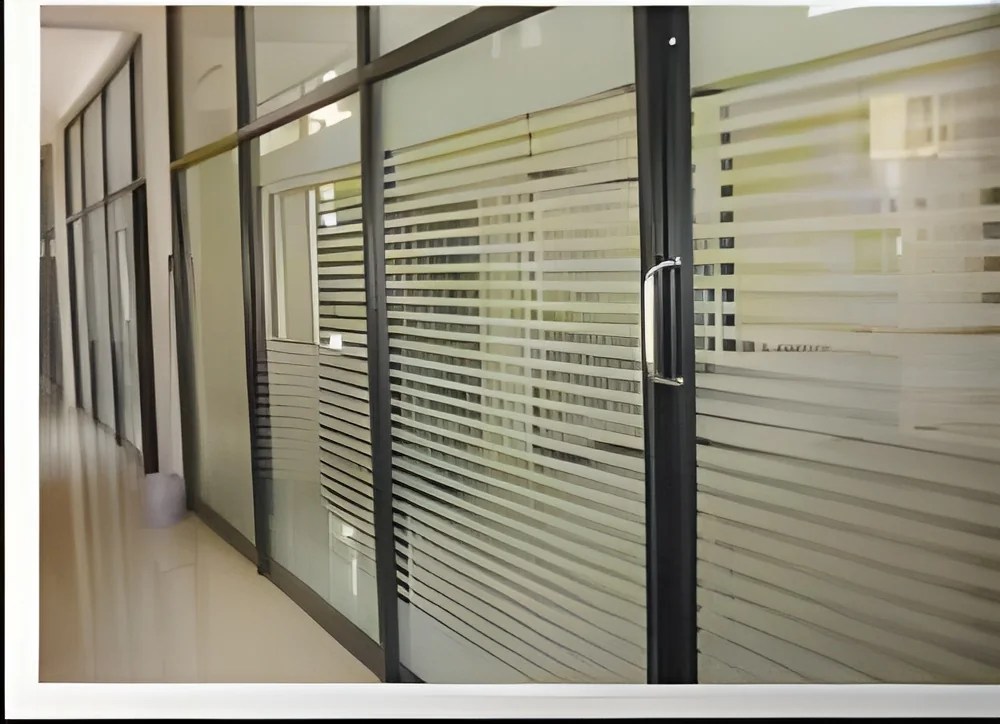
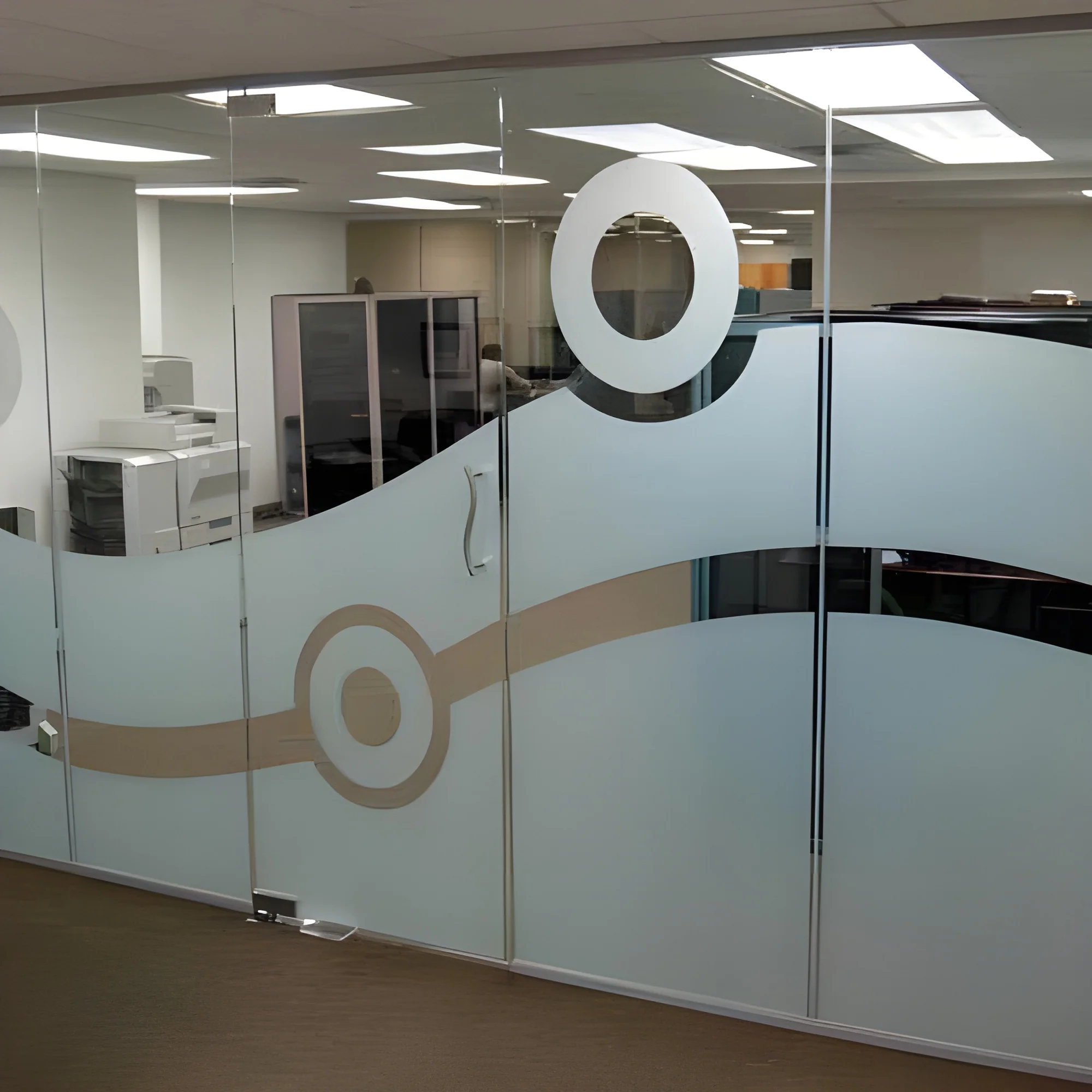
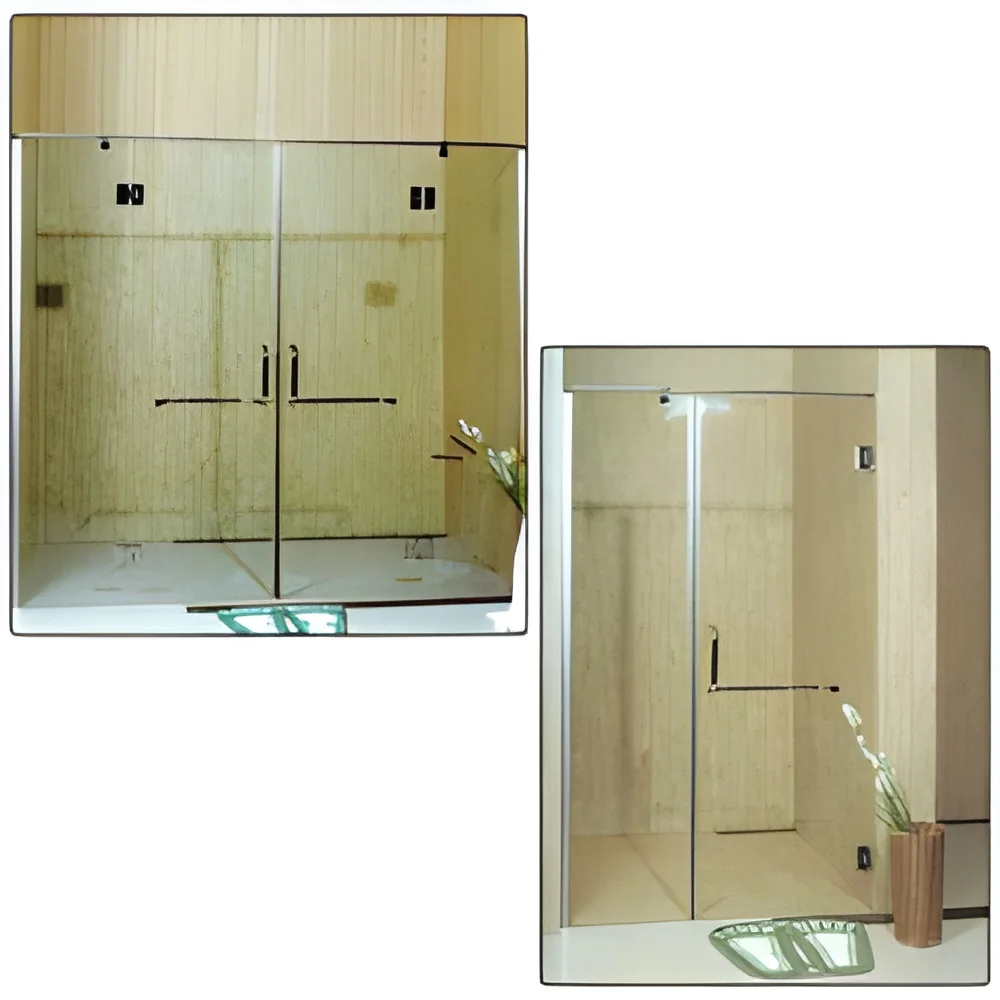
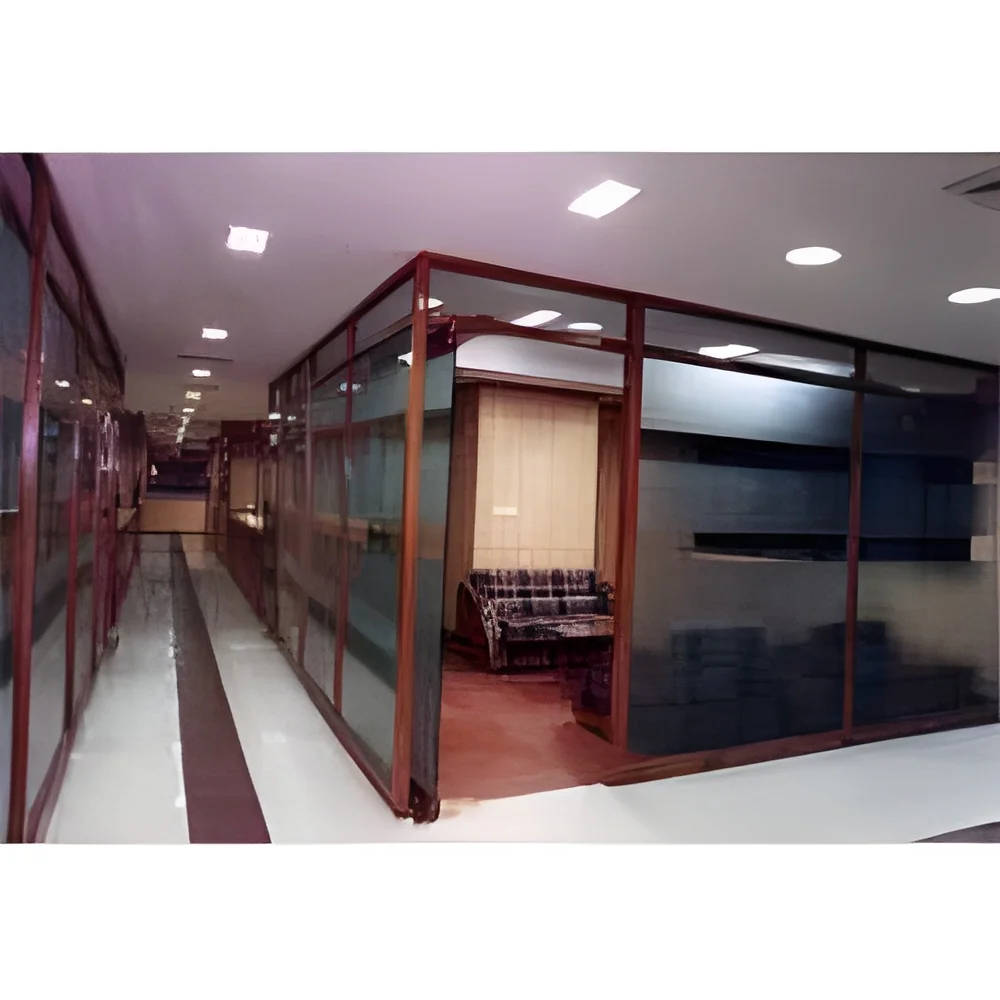
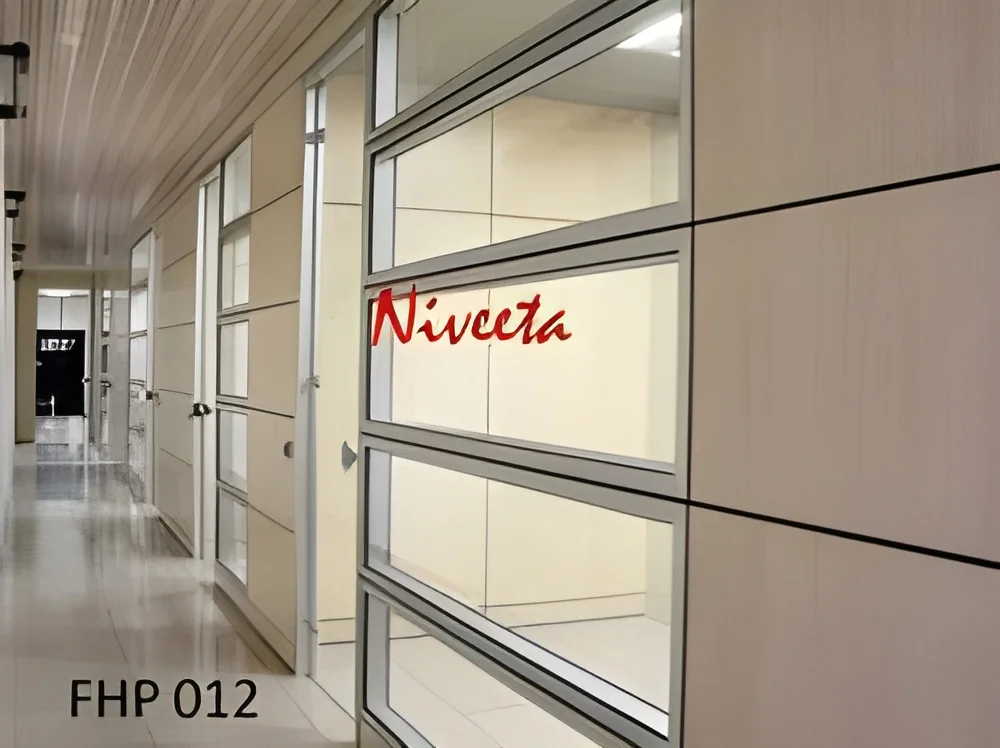
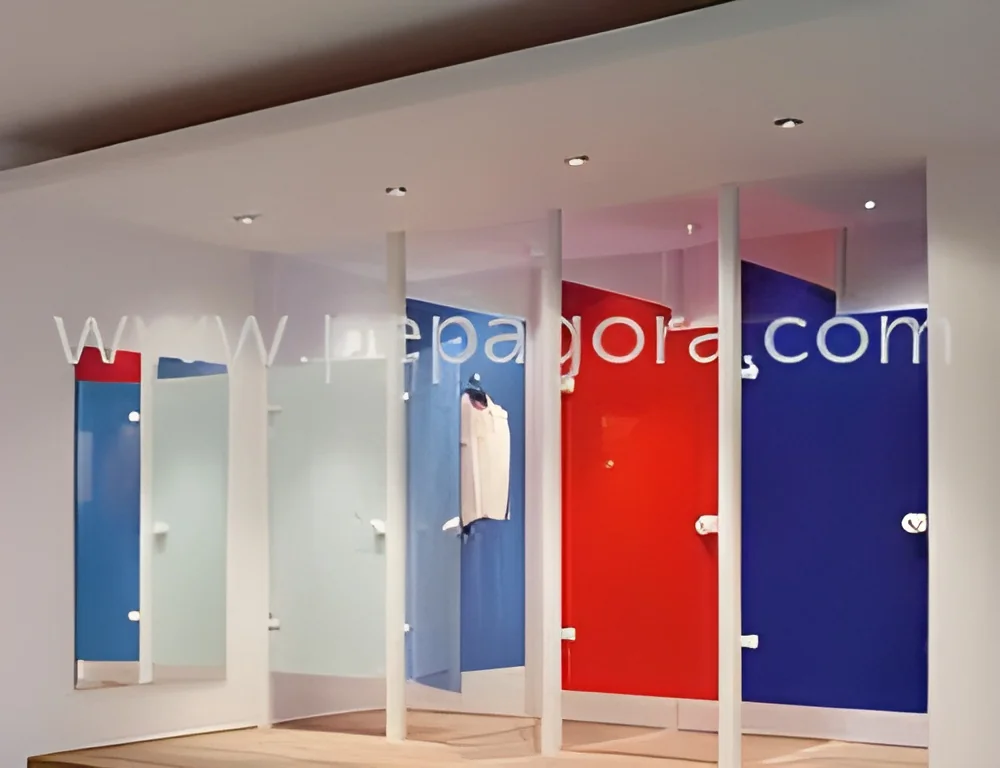
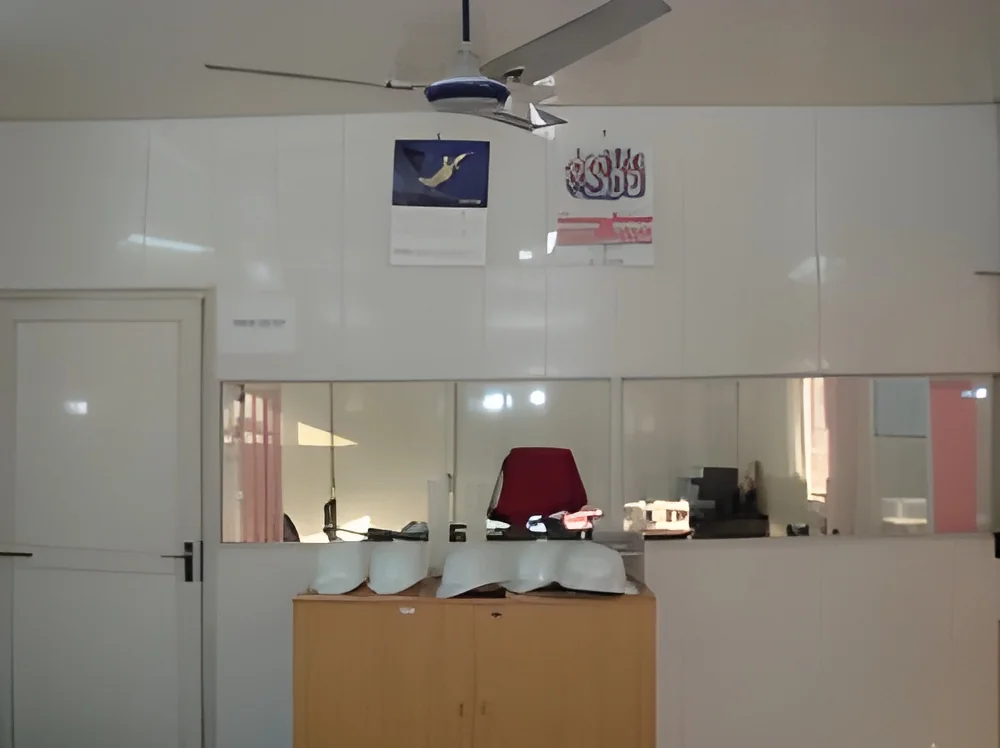
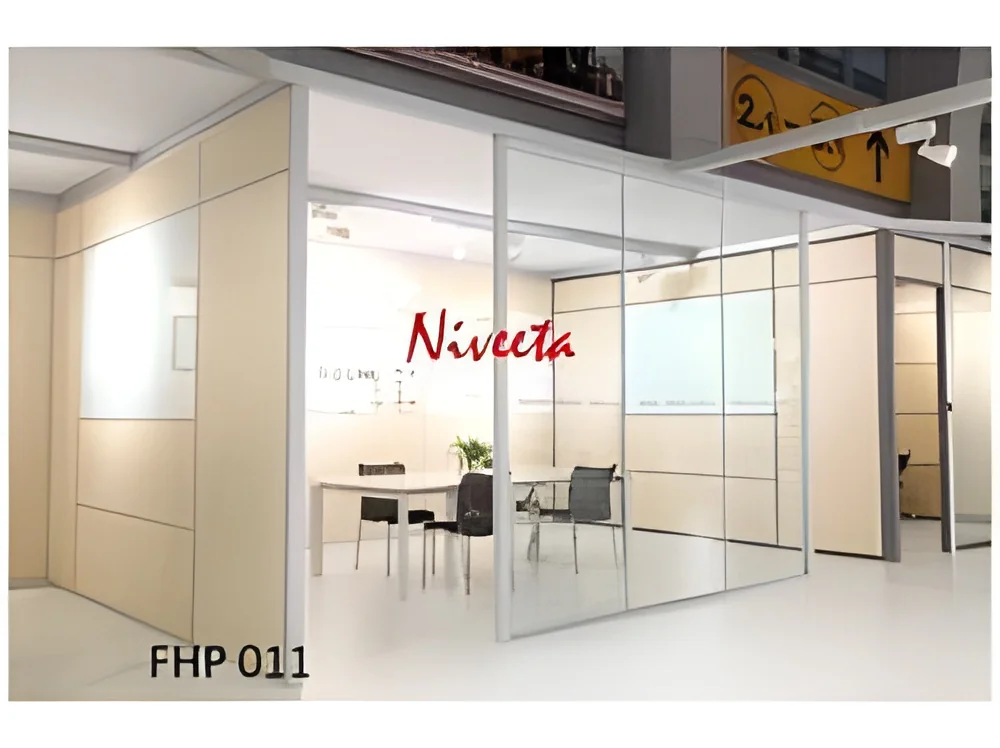
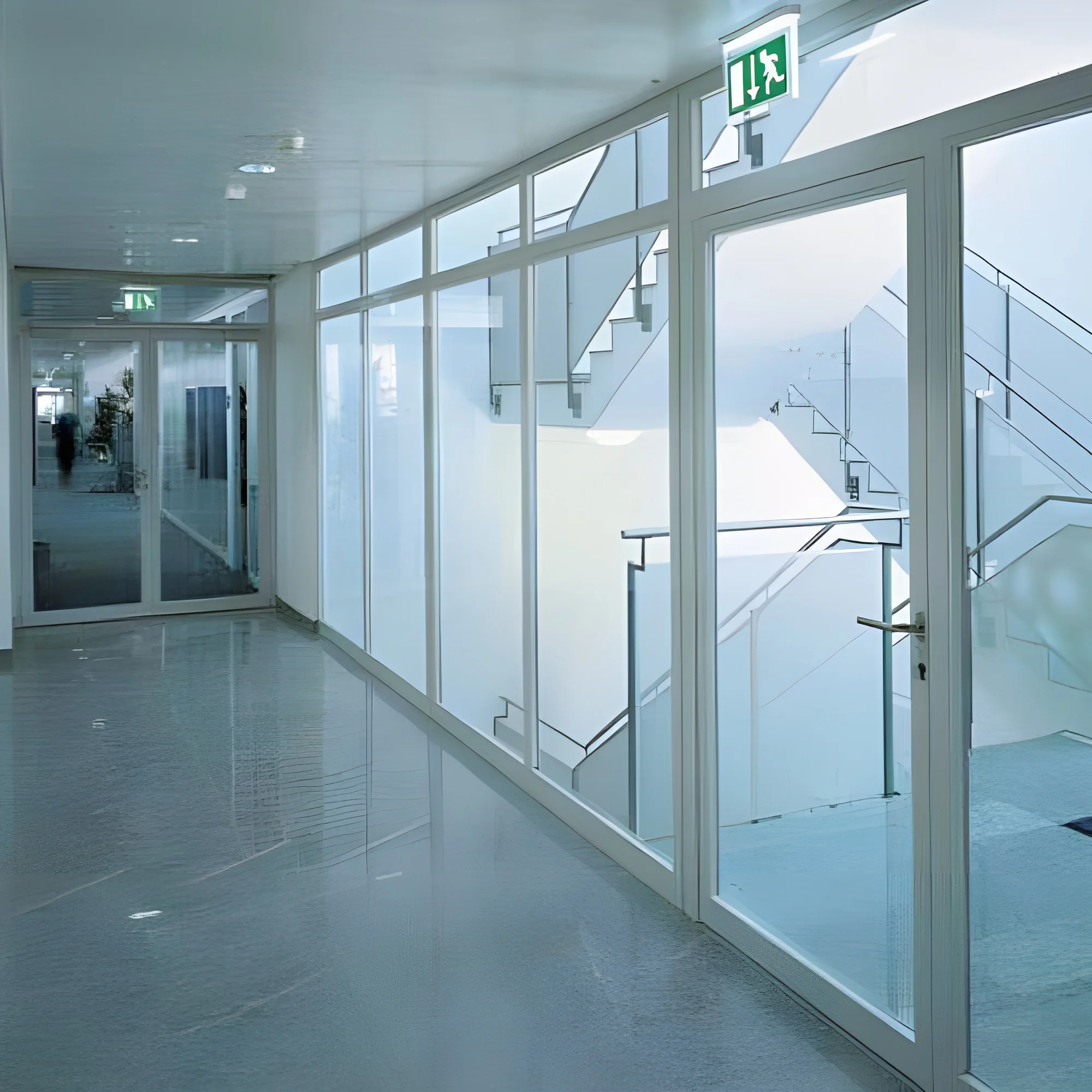
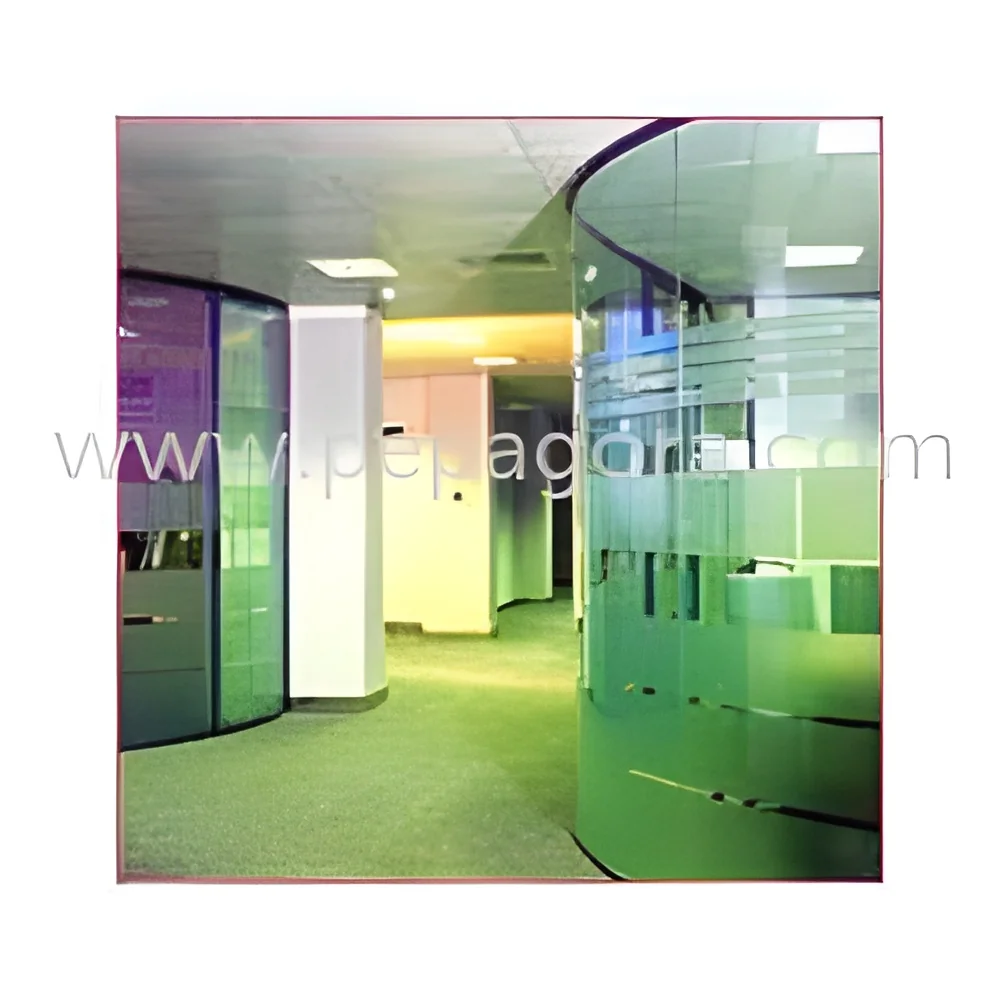
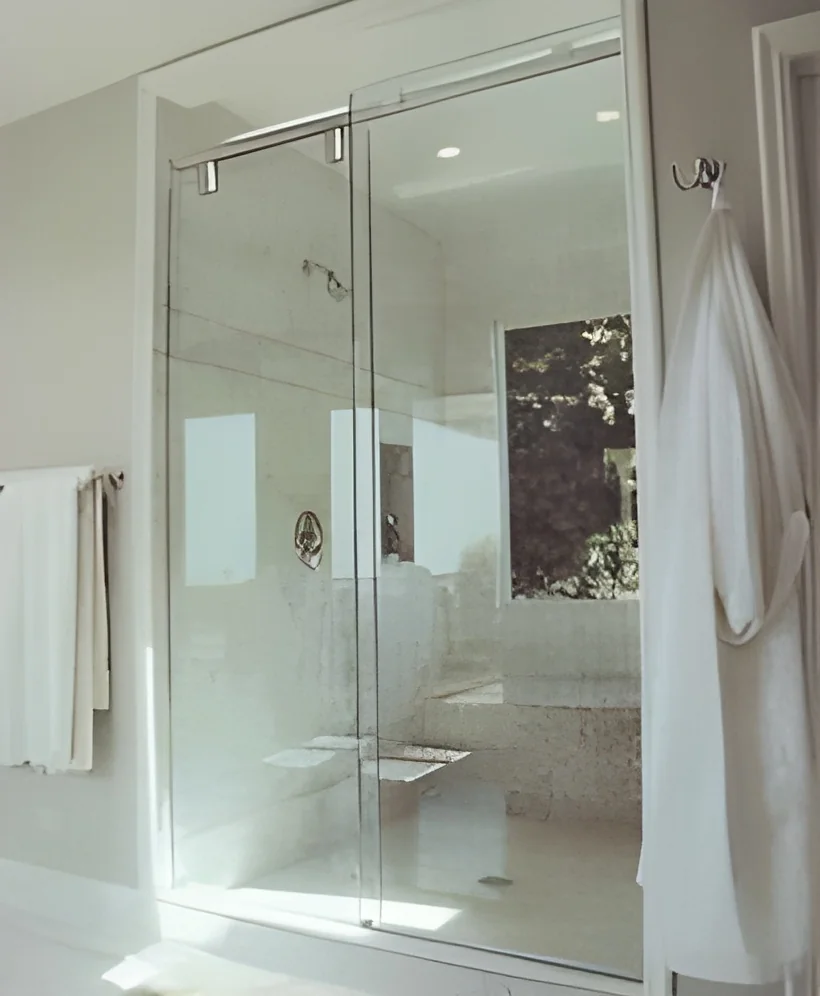
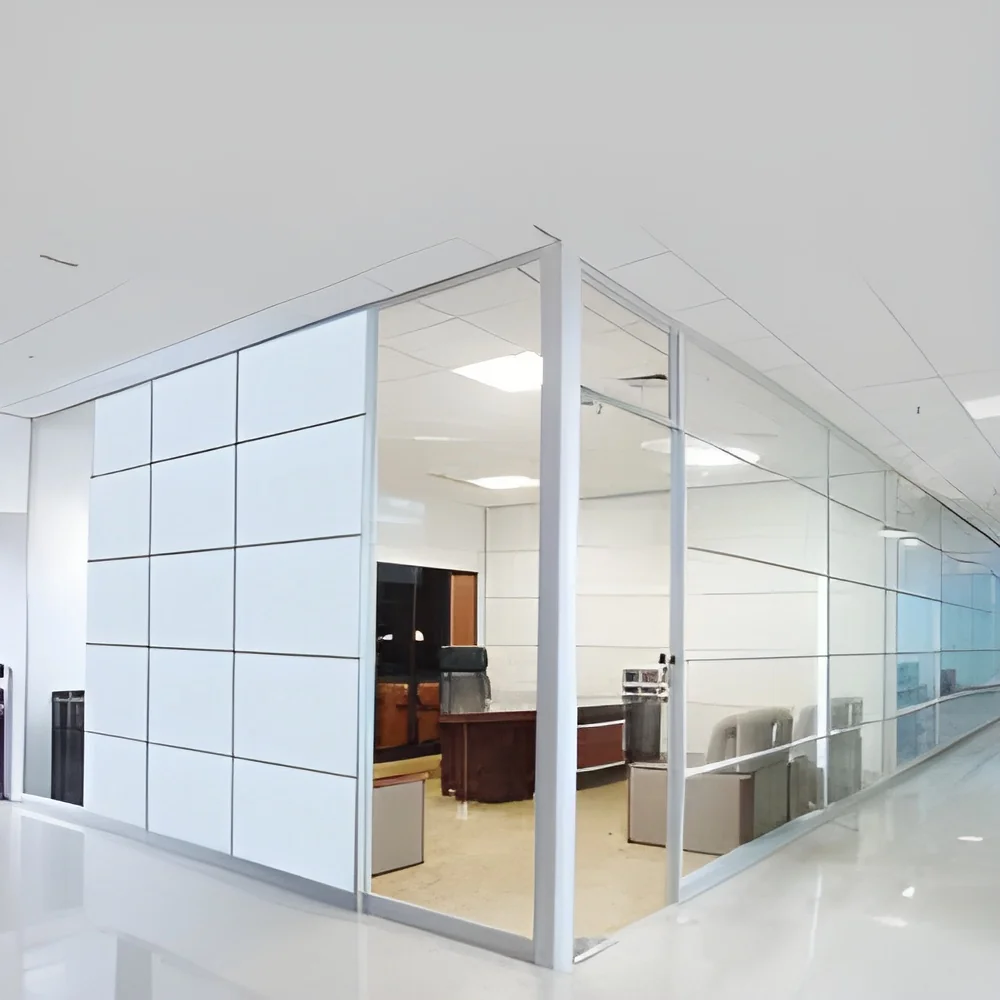
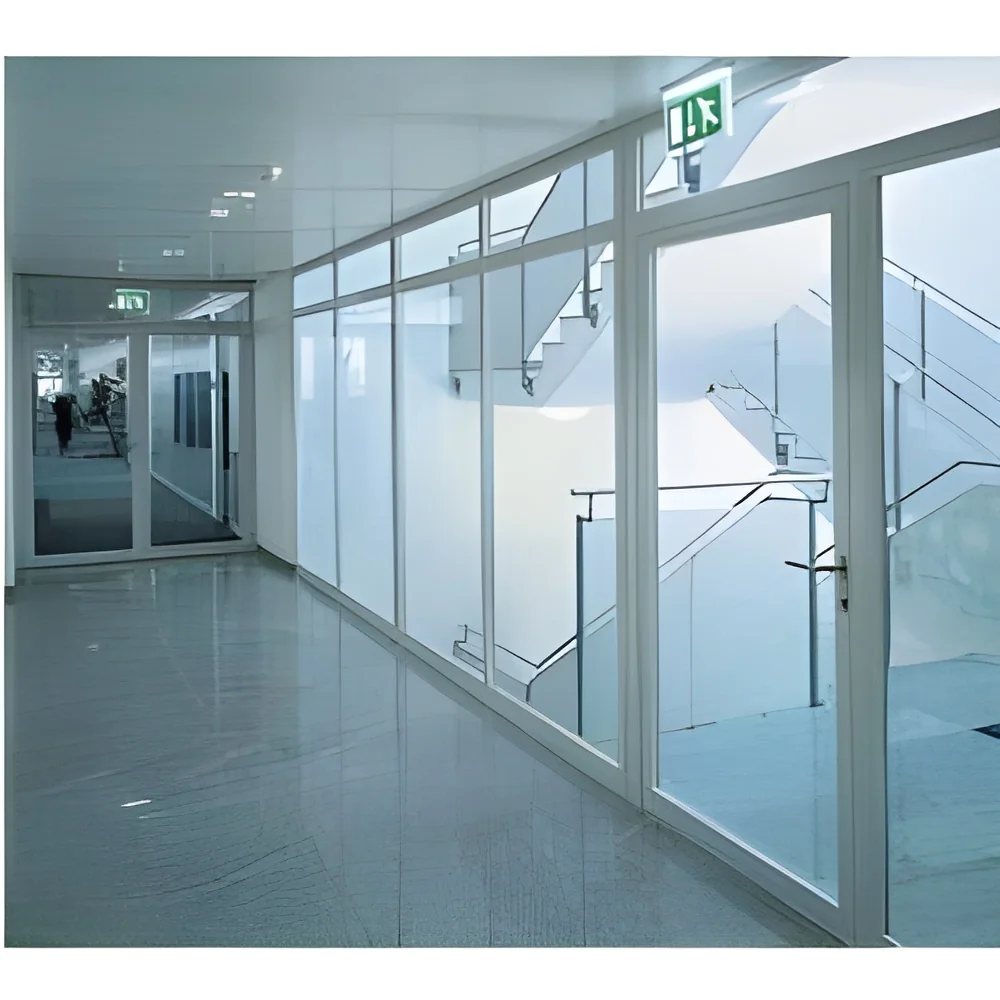
Glass Partitions: These partitions offer a modern aesthetic and allow natural light to flow through spaces, creating an open feel while maintaining privacy.
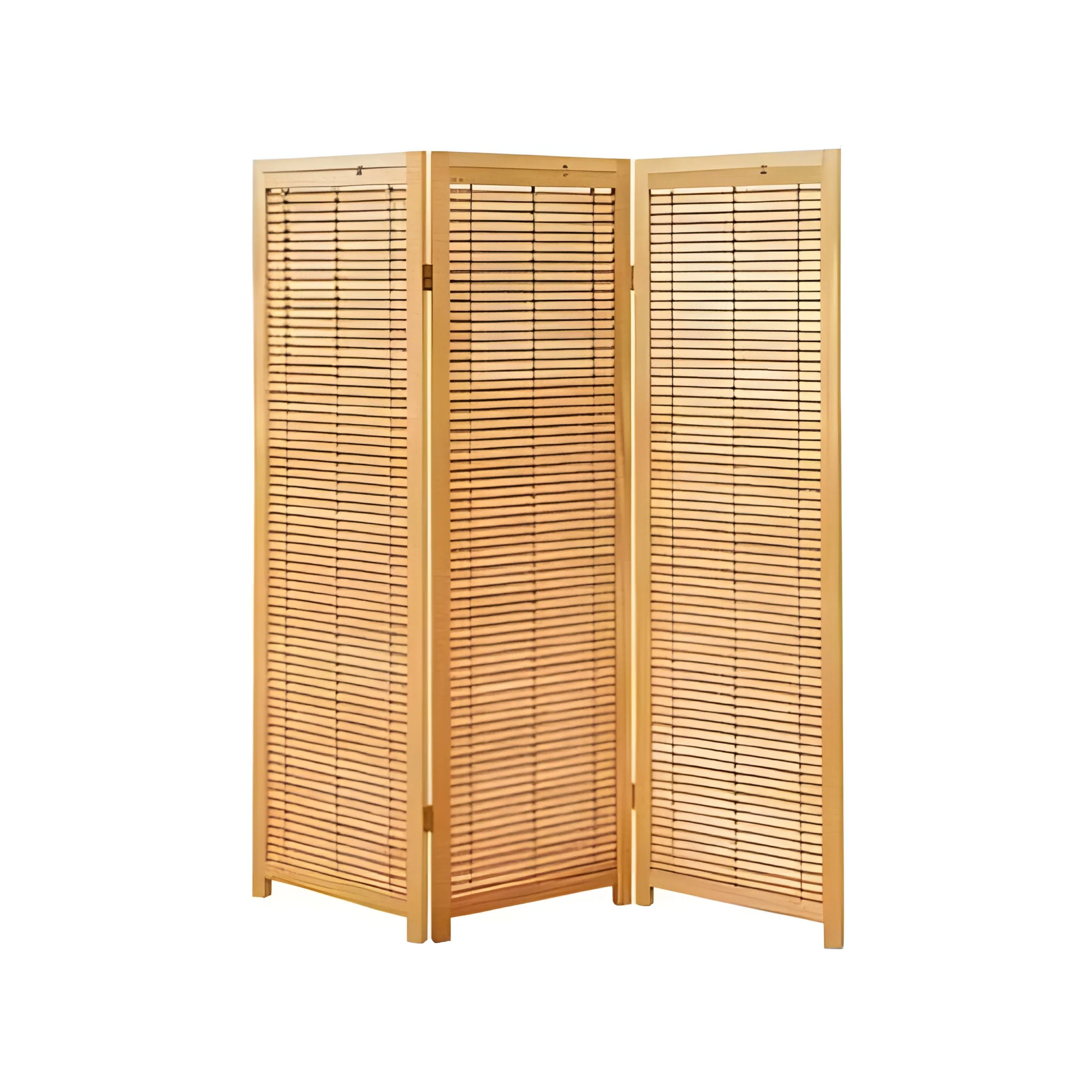
Movable Partitions: Designed for flexibility, movable partitions can be reconfigured quickly to adapt to changing office layouts or requirements.
Acoustic Partitions: Specially designed to minimize noise, these partitions are ideal for environments requiring high levels of concentration, such as law firms or financial institutions.
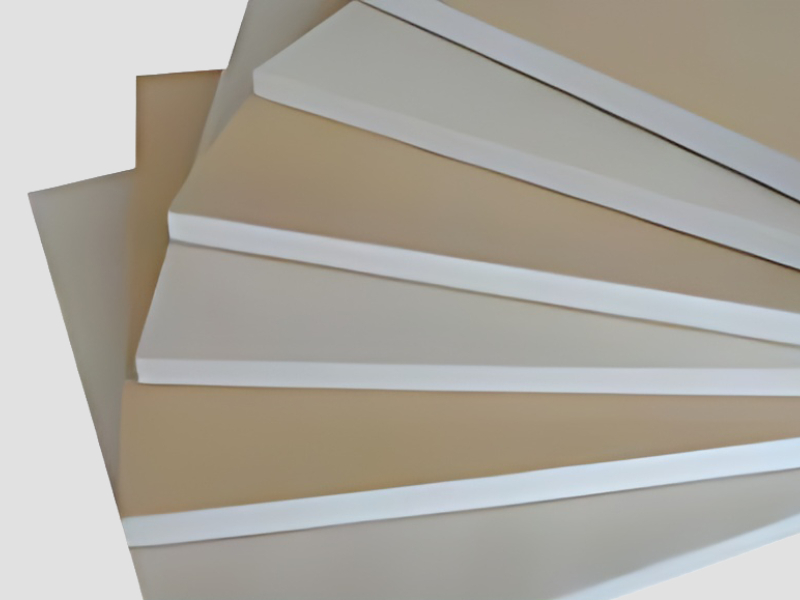
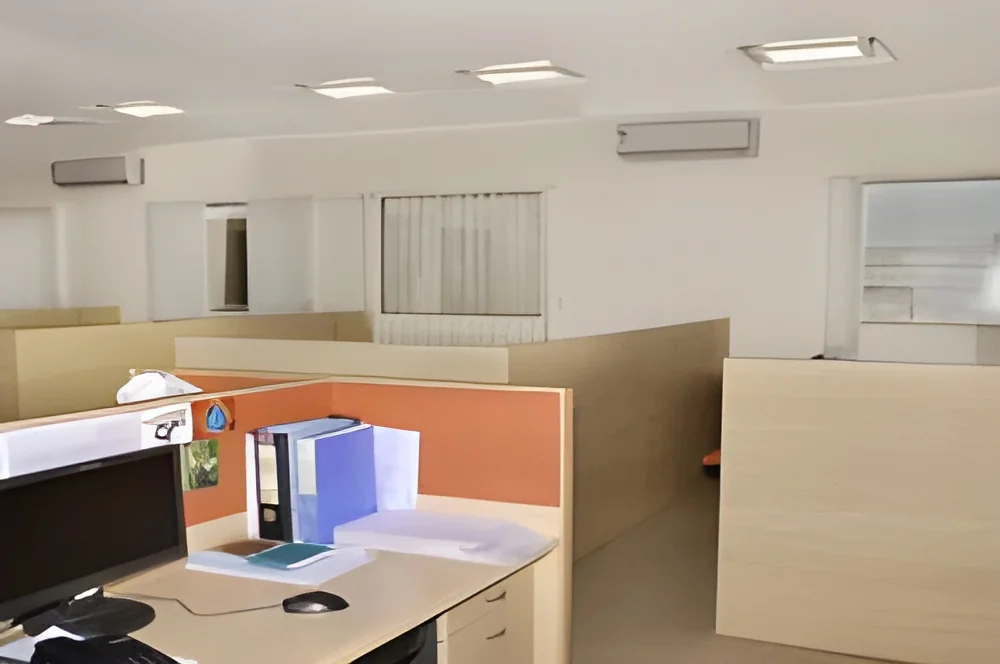
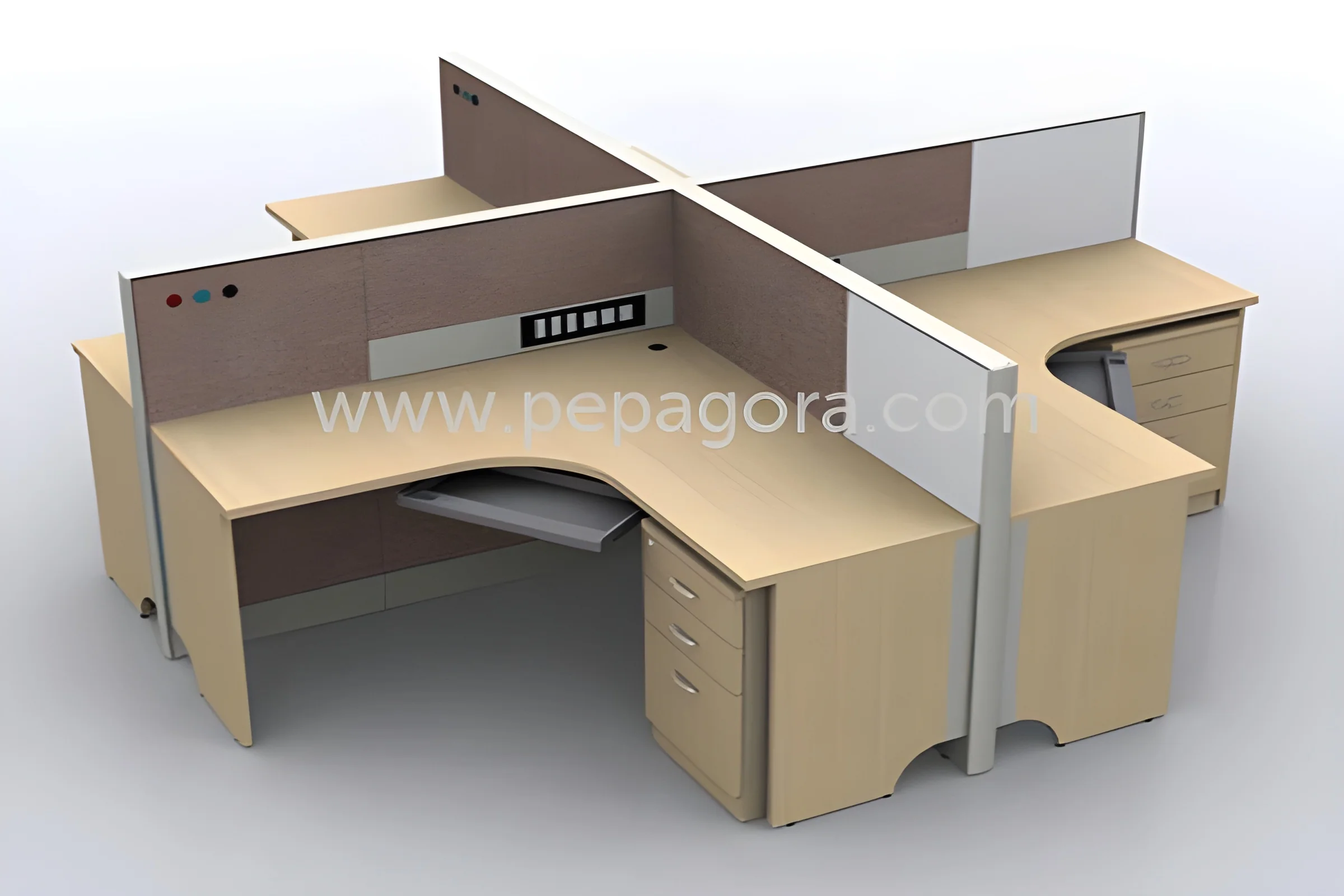
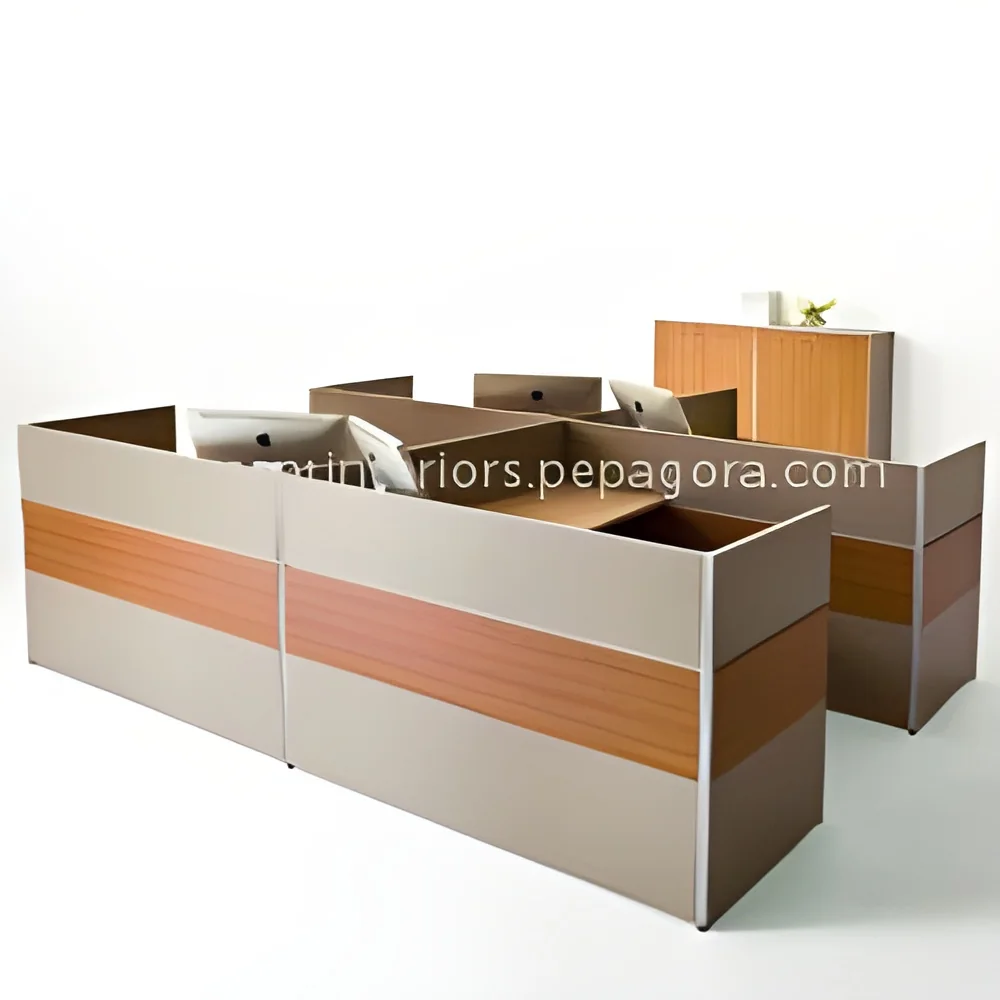
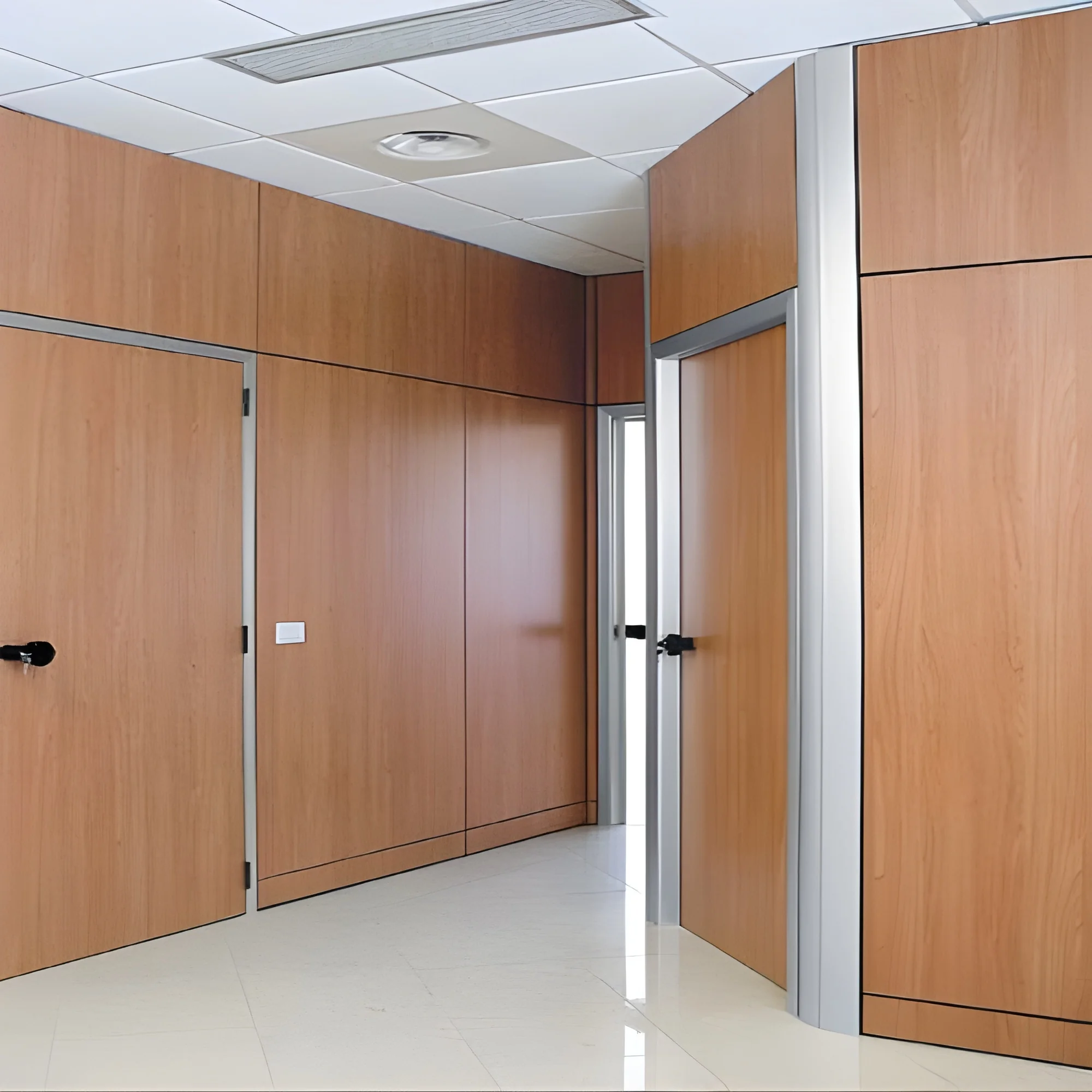
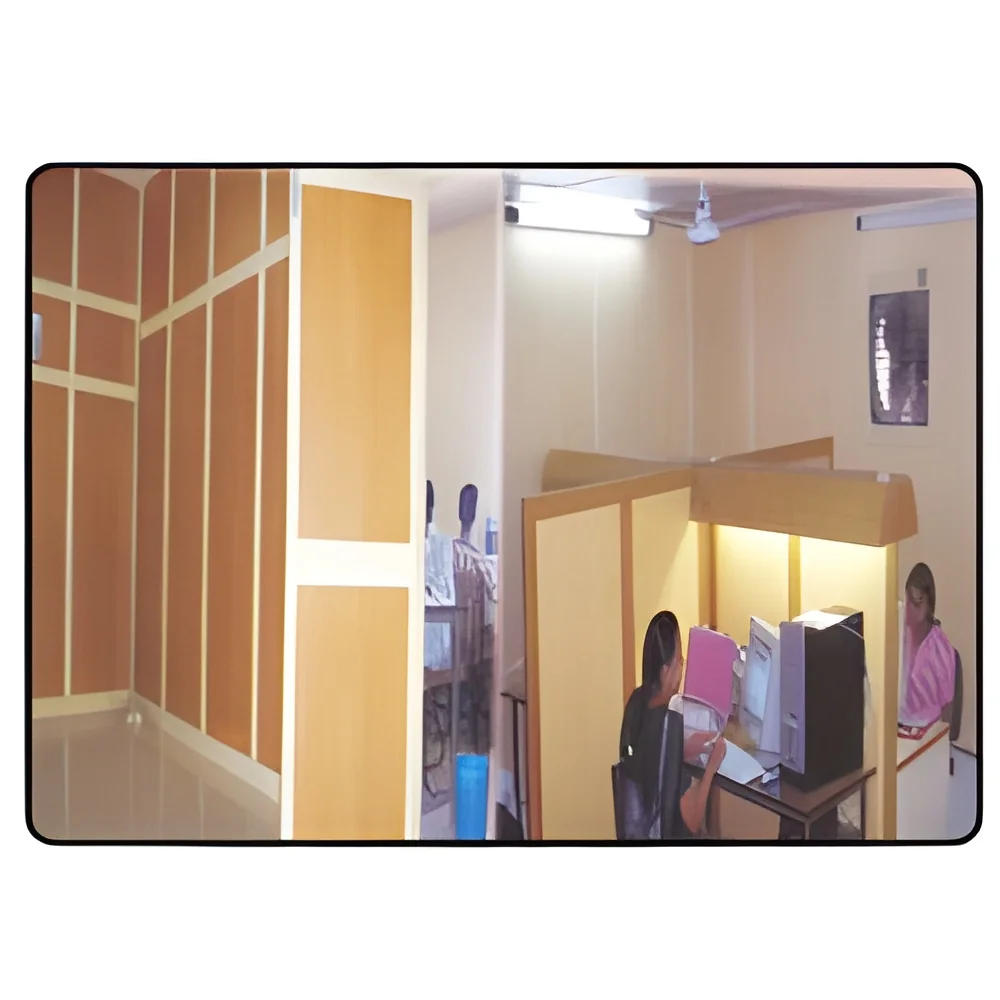
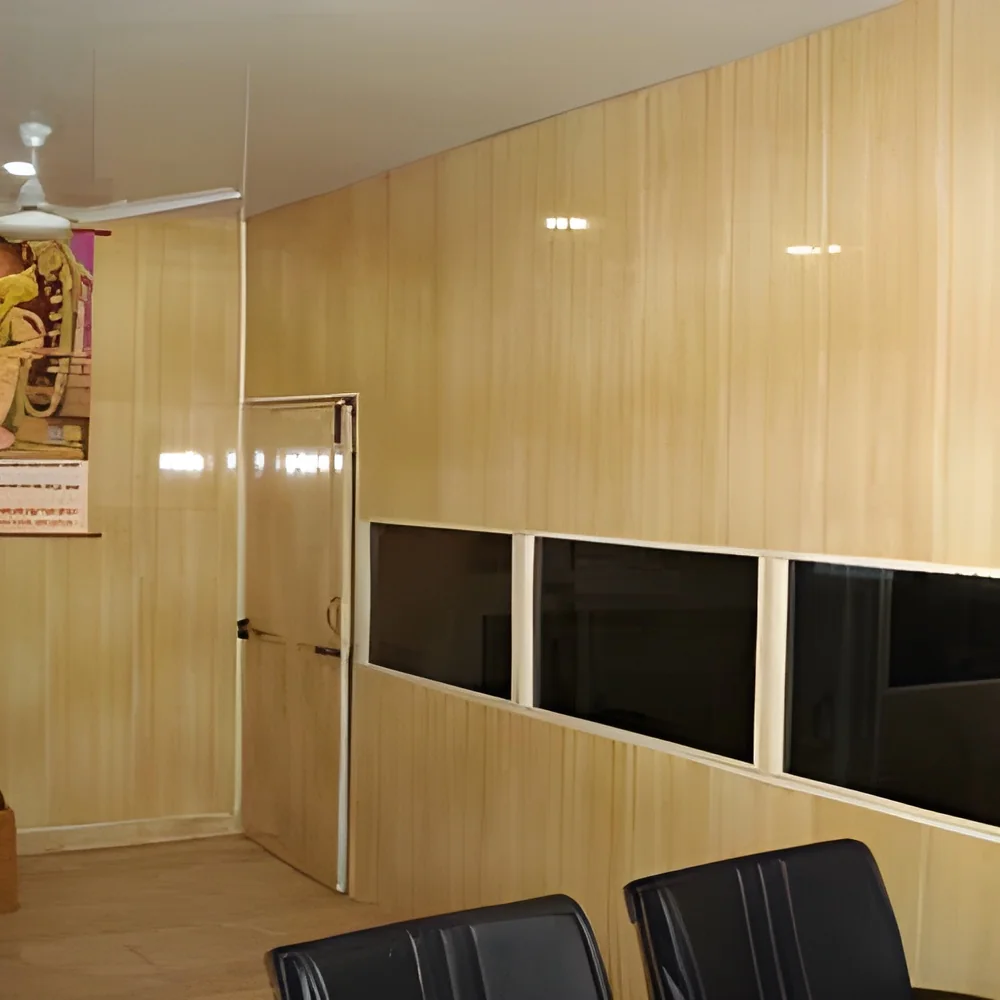
Panel Partitions: These partitions consist of solid panels that provide visual privacy and can be customized in various finishes to match office decor.
Benefits and Advantages
Investing in office partitions offers numerous advantages for businesses seeking to optimize their work environments.
1. Enhanced Privacy: Partitions create designated spaces that help employees focus and work more efficiently by minimizing distractions.
2. Noise Reduction: Many office partitions are designed with sound-absorbing materials, helping to create a quieter workplace conducive to productivity.
3. Space Optimization: By dividing larger areas into smaller, functional spaces, partitions maximize the use of available square footage.
4. Flexibility: Movable partitions allow organizations to easily adapt their office layouts as needs change, supporting dynamic work styles.
5. Aesthetic Appeal: Custom designs and materials enhance the overall look of an office, contributing to a more professional environment.
6. Cost-Effectiveness: In many cases, partitions can be more affordable than constructing permanent walls, allowing businesses to invest in other areas.
Buying Guide for B2B Buyers
When sourcing office partitions, businesses should consider several critical factors to ensure they select the best options for their needs.
1. Quality Assessment: Evaluate the materials and construction of the partitions to ensure they meet your durability and aesthetic standards. Request samples if possible.
2. Supplier Verification: Research potential suppliers to confirm their reliability and reputation in the market. Look for reviews or testimonials from other clients.
3. Pricing and MOQ: Understand the pricing structure and minimum order quantities (MOQ) applicable to your needs. Negotiate terms that fit your budget.
4. Delivery and Lead Times: Clarify the delivery schedules and lead times to ensure timely installation. Plan for any potential delays in procurement.
5. Compliance Requirements: Ensure that the partitions meet applicable industry regulations and safety standards. Request documentation of compliance from suppliers.
Compliance and Certifications
Office partitions must adhere to relevant quality standards and certifications to ensure safety and performance. Many products comply with international standards like ISO 9001, which governs quality management systems, ensuring that suppliers maintain consistent quality in their manufacturing processes.
Additionally, industry certifications such as CE indicate compliance with European health and safety standards. This certification reassures buyers that the partitions meet necessary safety requirements for workplace environments.
Safety and testing requirements are essential for partitions, particularly in environments where fire safety is a concern. Products should undergo rigorous testing to confirm that they meet fire resistance and structural integrity standards.
Regional compliance considerations may vary, so businesses should be aware of local regulations regarding building codes and materials used in office installations.
Why Source Office Partitions from Pepagora?
Pepagora provides a trusted platform for sourcing office partitions, offering several key advantages to B2B buyers.
Verified Supplier Network: Pepagora has established a network of verified suppliers, ensuring that buyers can access high-quality products from reputable manufacturers. This verification process helps mitigate risks associated with sourcing.
Streamlined RFQ Process: The request for quotation (RFQ) system is designed to simplify the procurement process. Buyers can easily submit their requirements and receive competitive quotes from multiple suppliers, saving time and effort.
Trade Assurance and Support: Pepagora offers trade assurance programs that protect buyers during the transaction process. This includes support for issue resolution and guarantees for product quality.
Regional Coverage: With a focus on markets in India, the Gulf Cooperation Council (GCC), and Southeast Asia, Pepagora ensures that businesses can source office partitions that meet regional needs and standards effectively.

 IN
IN