What are Computer Tables?
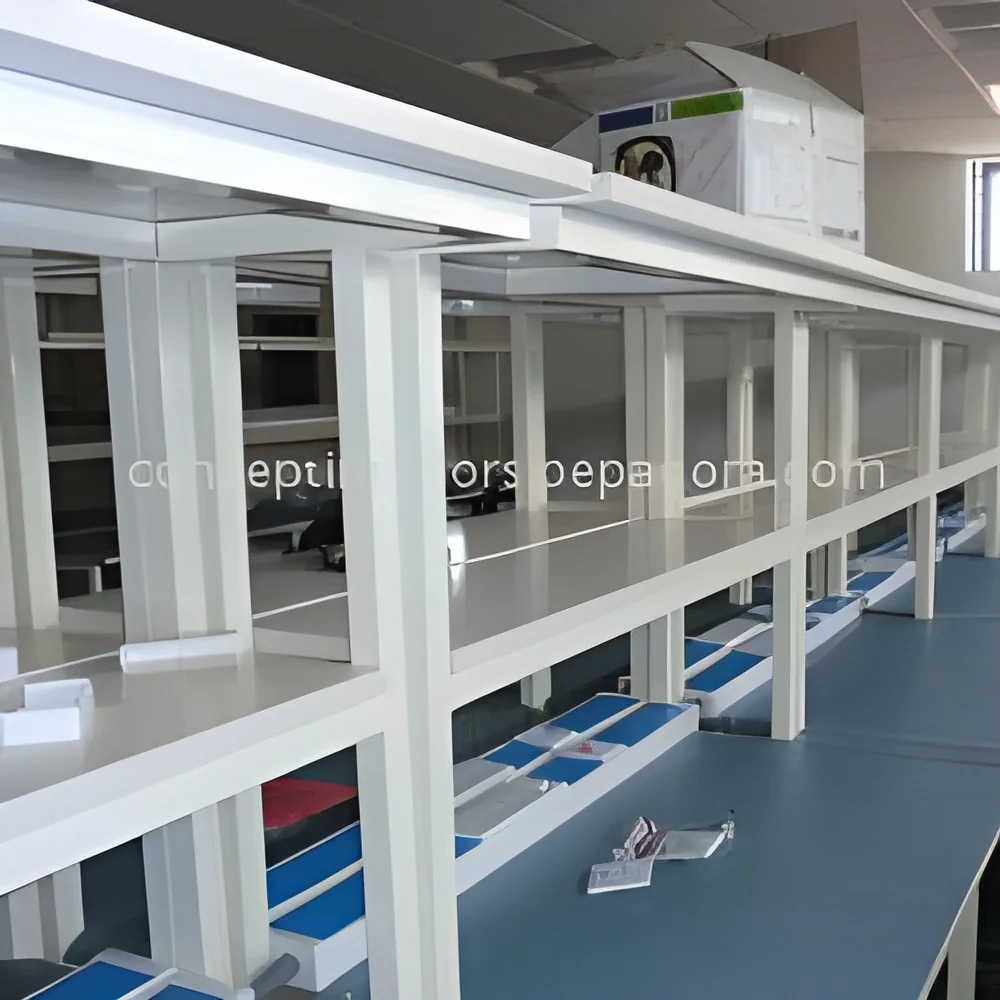
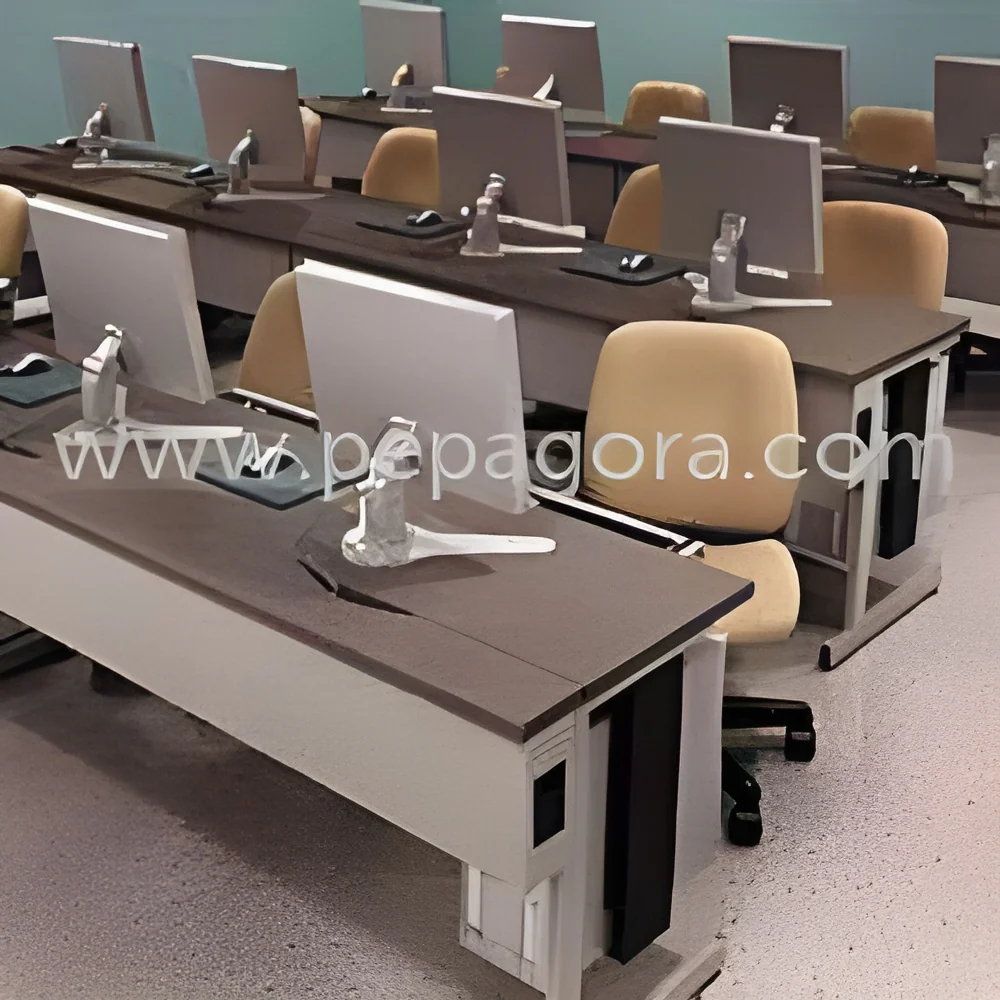
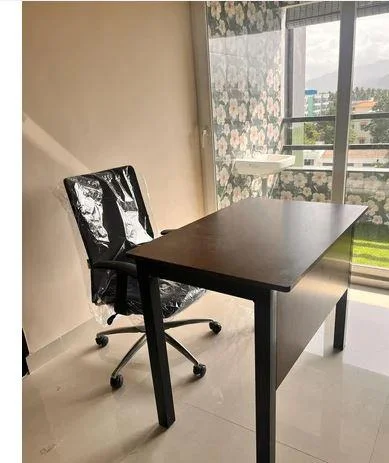
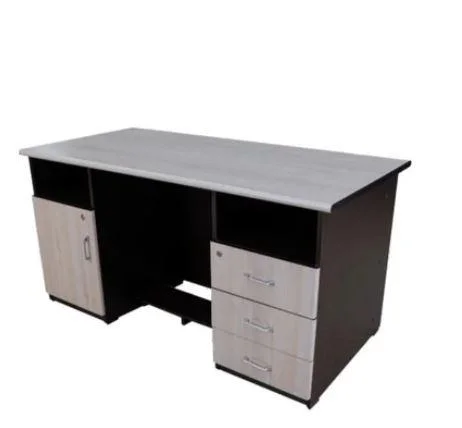
Computer tables are specialized furniture designed to accommodate computers and related equipment in various settings. They provide a stable and ergonomic workspace that enhances productivity and comfort for users. These tables are typically equipped with features that cater to the specific needs of computer users, such as adjustable heights, cable management systems, and ample surface area for multiple monitors and peripherals.
In business environments, computer tables are essential in offices, coworking spaces, and educational institutions. They support daily operations by creating a designated workspace for employees, students, and professionals. The ergonomic design of many computer tables helps reduce strain and discomfort during prolonged use, making them a crucial investment for organizations aiming to promote employee well-being and efficiency.
The market for computer tables is diverse, with various designs and configurations available to meet different industry requirements. With the growing emphasis on remote work and digital collaboration, the demand for high-quality computer tables has surged, highlighting their relevance across multiple sectors. Companies are increasingly seeking durable and functional furniture solutions that align with their workspace aesthetics and operational needs.
Key Features and Specifications
Computer tables come with a range of features and specifications designed to enhance usability and comfort. Understanding these specifications can help businesses select the right product for their needs.
Key specifications include:
1. Dimensions
- Various sizes to accommodate different spaces
- Common dimensions range from compact designs to large workstation tables
2. Material
- Construction materials include wood, metal, and composite materials
- Durability and aesthetic appeal are key considerations
3. Weight Capacity
- Tables designed to support varying weights
- Typical capacities range from 100 to 300 pounds
4. Height Adjustment
- Options for fixed, manual, or electric height adjustments
- Ergonomic features to promote comfortable use
5. Surface Finish
- Available in different finishes such as laminate, veneer, and paint
- Affects both appearance and durability
6. Cable Management
- Integrated systems to organize and conceal cables
- Enhances workspace cleanliness and safety
7. Mobility
- Some models include wheels for easy relocation
- Static options provide stability for fixed setups
8. Accessories
- Compatibility with monitor arms, keyboard trays, and storage solutions
- Customizable to fit specific user needs
In summary, selecting the right computer table involves considering dimensions, materials, and functional features that align with user requirements and workspace design.
Common Applications and Use Cases
Computer tables serve a variety of industries, each with unique applications.
1. Corporate Offices: These tables provide employees with ergonomic workspaces, enhancing productivity and comfort during long hours of computer use.
2. Educational Institutions: Schools and universities use computer tables in computer labs and libraries, facilitating student learning and research.
3. IT and Tech Companies: Businesses in the technology sector require robust tables that support multiple monitors and devices for programming and development tasks.
4. Home Offices: With the rise of remote work, individuals are investing in computer tables that optimize their home office setups for efficiency.
5. Design Studios: Creative professionals use specialized computer tables that accommodate design software and high-performance hardware.
6. Call Centers: Ergonomic tables are essential in call centers, where employees spend extended periods on the phone and computer.
7. Healthcare Facilities: Computer tables in hospitals and clinics provide staff with the ability to access patient records and manage information efficiently.
Product Variants and Subcategories
Computer tables come in diverse styles and configurations to meet various user needs.
Executive Desks
These are larger, more formal tables often found in corporate environments. They provide ample workspace and are designed to convey a professional image.
Height-Adjustable Desks
These tables allow users to switch between sitting and standing positions. They are ideal for promoting health and comfort in the workplace.
Compact Computer Tables
Designed for small spaces, these tables offer essential features in a minimalist design. They are perfect for home offices or shared workspaces.
Gaming Desks
These tables are tailored for gamers, featuring ergonomic designs and additional space for gaming peripherals. They often come with enhanced cable management and RGB lighting options.
Benefits and Advantages
Investing in computer tables provides numerous benefits to businesses and users alike.
Key benefits include:
1. Ergonomic Design: Many computer tables are designed to promote good posture and reduce strain, leading to improved comfort during extended use.
2. Increased Productivity: A well-organized and comfortable workspace enhances focus and efficiency, ultimately boosting productivity levels.
3. Customization Options: Many computer tables can be tailored with accessories and configurations to meet specific user preferences and needs.
4. Durability: High-quality materials ensure longevity, reducing the need for frequent replacements and maintenance.
5. Enhanced Aesthetics: A stylish computer table can improve the overall look of a workspace, contributing to a professional environment.
6. Space Optimization: Various designs allow businesses to maximize their available space, making them suitable for both large and small office setups.
Buying Guide for B2B Buyers
When sourcing computer tables, businesses should consider several key factors to ensure they make informed purchasing decisions.
1. Quality Assessment: Evaluate the materials and construction quality to ensure durability and longevity. Look for tables that meet industry standards for furniture.
2. Supplier Verification: Vet suppliers to ensure they are reputable and capable of providing quality products. Check for customer reviews and certification.
3. Pricing and MOQ: Consider the price range and minimum order quantities. Ensure that costs align with your budget while meeting your quality requirements.
4. Delivery and Lead Times: Assess delivery options and lead times to ensure timely receipt of products. This is critical for businesses with tight operational schedules.
5. Compliance Requirements: Ensure that the tables comply with any relevant regulations and standards within your industry. This may include safety certifications or environmental considerations.
Compliance and Certifications
Compliance and certifications play crucial roles in the quality assurance of computer tables.
Relevant quality standards such as ISO 9001 ensure that manufacturers adhere to consistent quality management systems. This helps maintain high production standards and reliability.
Industry certifications like CE indicate that products meet European health, safety, and environmental protection standards. This is essential for businesses operating in or exporting to regions with stringent regulations.
Safety and testing requirements are critical, particularly for tables used in environments where users spend long hours. Ensuring that tables are tested for stability and durability can prevent workplace injuries.
Businesses should also consider regional compliance, as different areas may have specific regulations governing furniture standards. Staying informed about these requirements is vital for compliance and customer safety.
Why Source Computer Tables from Pepagora?
Pepagora offers a trusted platform for sourcing computer tables, providing several key advantages for B2B buyers.
Verified Supplier Network: Pepagora connects buyers with a network of verified suppliers, ensuring that businesses can source quality products with confidence. This reduces the risk of unreliable suppliers and subpar products.
Streamlined RFQ Process: The quotation system simplifies the buying process, allowing businesses to request and receive quotes efficiently. This feature saves time and enhances decision-making.
Trade Assurance and Support: Pepagora provides trade assurance and buyer protection, offering support throughout the purchasing journey. This builds trust between buyers and suppliers.
Regional Coverage: Pepagora has a broad geographic reach, including India, GCC, and Southeast Asia. This enables businesses to find suitable suppliers close to their operations, improving logistics and reducing shipping times.

 IN
IN