What are Conference Room Furniture?
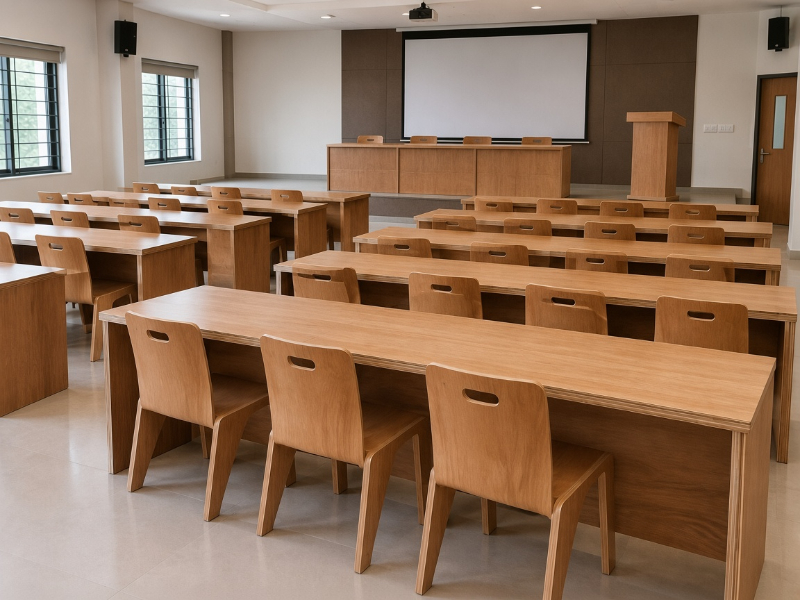
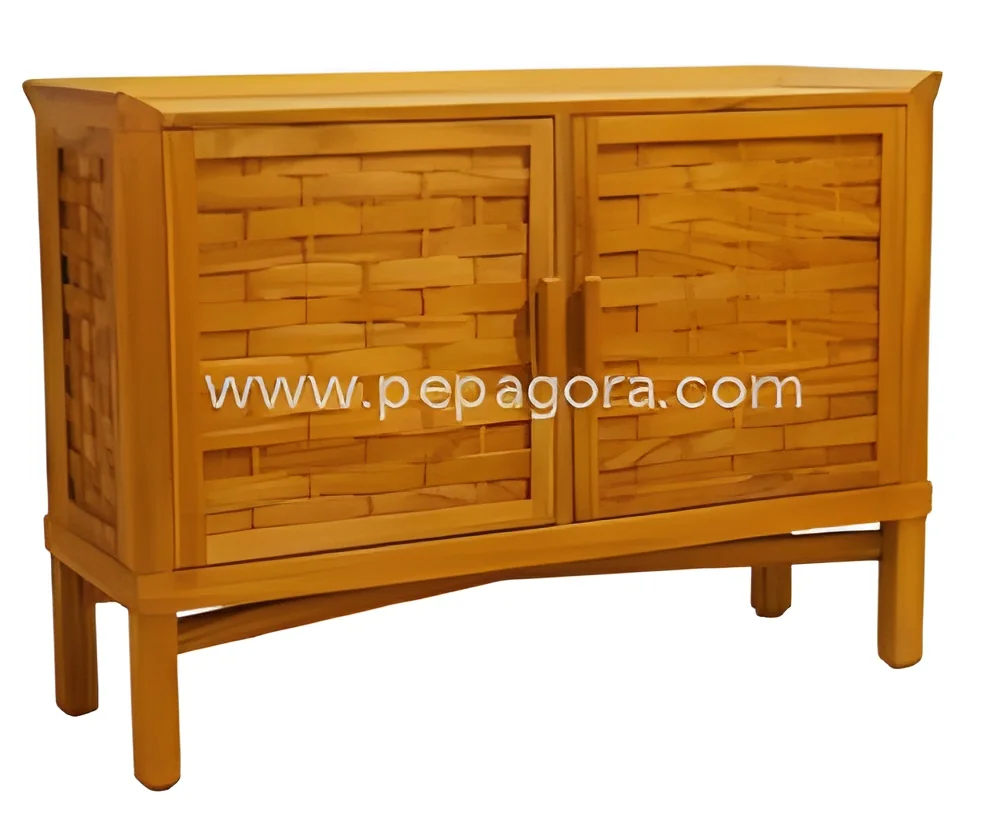
Conference room furniture encompasses a range of specialized furnishings designed for use in corporate and organizational meeting spaces. This category includes tables, chairs, presentation equipment, and other essential items that facilitate effective communication and collaboration during meetings. The primary goal of conference room furniture is to create a professional and functional environment that fosters discussion, brainstorming, and decision-making among attendees.
In business applications, conference room furniture is critical for hosting meetings, presentations, and workshops. It serves multiple purposes, from providing a comfortable and conducive setting for discussions to supporting advanced technology for presentations. The furniture is often tailored to accommodate various group sizes and meeting styles, making it versatile for different corporate needs. In the current market, there is a growing emphasis on ergonomic design and aesthetic appeal, as companies seek to enhance employee satisfaction and brand image.
As businesses continue to adapt to hybrid working models, the demand for high-quality conference room furniture has surged. Organizations recognize the importance of creating inviting and functional spaces that can accommodate both in-person and virtual meetings. The furniture industry is evolving to meet these needs, with a focus on sustainability, durability, and innovative designs.
Key Features and Specifications
When selecting conference room furniture, it is essential to consider key features and specifications that enhance functionality and comfort. High-quality furniture can significantly impact the effectiveness of meetings and overall workplace productivity.
Key specifications include:
1. Ergonomics
- Designed to support proper posture and reduce fatigue
- Adjustable features for chairs and tables
2. Durability
- Constructed from high-quality materials for long-lasting use
- Resistance to wear and tear from frequent use
3. Size and Configuration
- Available in various sizes to fit different meeting spaces
- Configurable options for flexibility in layout
4. Aesthetic Appeal
- Variety of styles and finishes to match corporate branding
- Modern designs that enhance the overall ambiance
5. Technology Integration
- Provision for cable management and power outlets
- Compatibility with audiovisual equipment
6. Mobility
- Options for lightweight and easily movable furniture
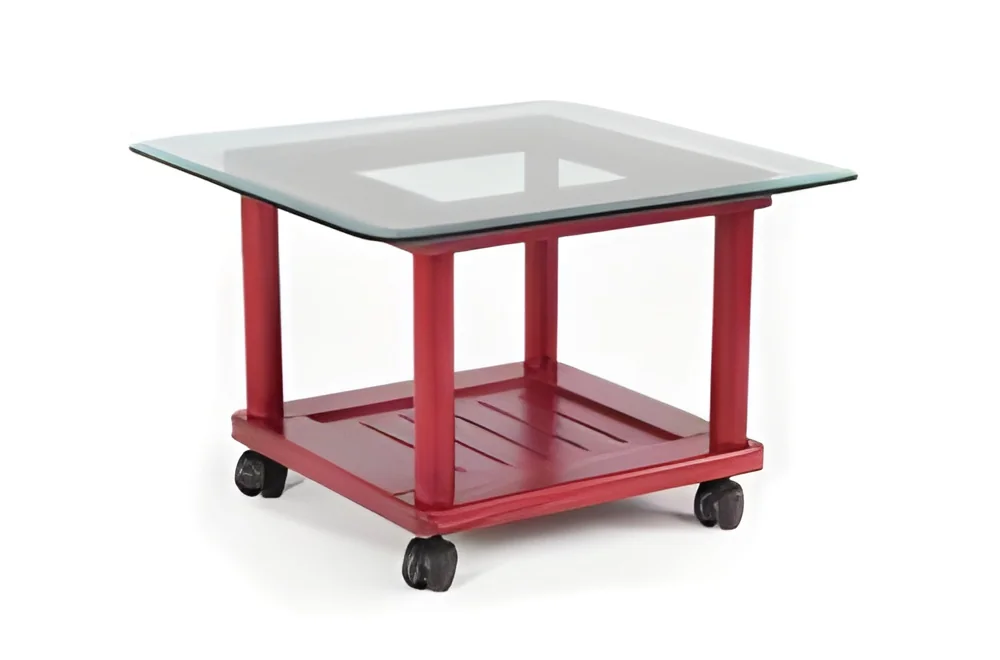
- Lockable wheels for stability during use
7. Customization
- Ability to tailor furniture to specific needs and preferences
- Selection of colors and materials to align with brand identity
In summary, conference room furniture should be chosen based on its ergonomic design, durability, and adaptability to various meeting formats. These specifications ensure that the furniture meets the dynamic needs of modern businesses.
Common Applications and Use Cases
Conference room furniture serves a wide range of industries, each with distinct needs and applications.
1. Corporate Offices: In corporate environments, conference rooms are essential for strategy meetings, team collaborations, and client presentations. High-quality furniture enhances professionalism and comfort.
2. Educational Institutions: Schools and universities utilize conference room furniture for faculty meetings, workshops, and student group discussions, requiring versatile and durable options.
3. Government Agencies: Government offices need conference room furniture for official meetings, public hearings, and collaborative projects, often prioritizing both functionality and compliance with regulations.
4. Healthcare Facilities: Hospitals and clinics use conference room furniture for staff meetings, training sessions, and patient consultations, focusing on ergonomic design for long hours of use.
5. Non-Profit Organizations: Non-profits utilize conference room furniture for community meetings, fundraising events, and volunteer training, often looking for cost-effective and adaptable solutions.
6. Technology Firms: Tech companies require conference room furniture that can accommodate technical setups for presentations and brainstorming sessions, emphasizing integrated technology features.
7. Legal Firms: Law offices rely on conference room furniture for client meetings and strategy sessions, requiring a professional appearance and comfortable seating for extended discussions.
Product Variants and Subcategories
Conference room furniture is diverse, offering various options to suit different preferences and requirements.
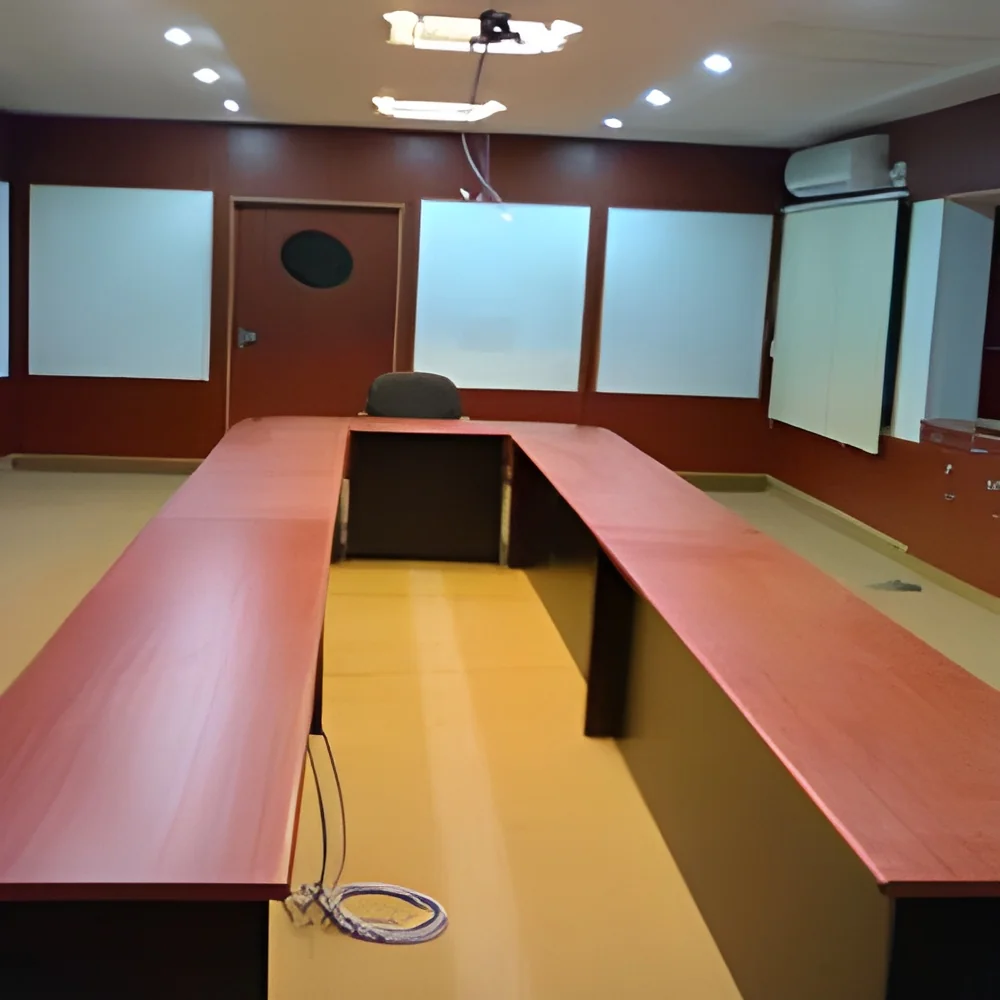
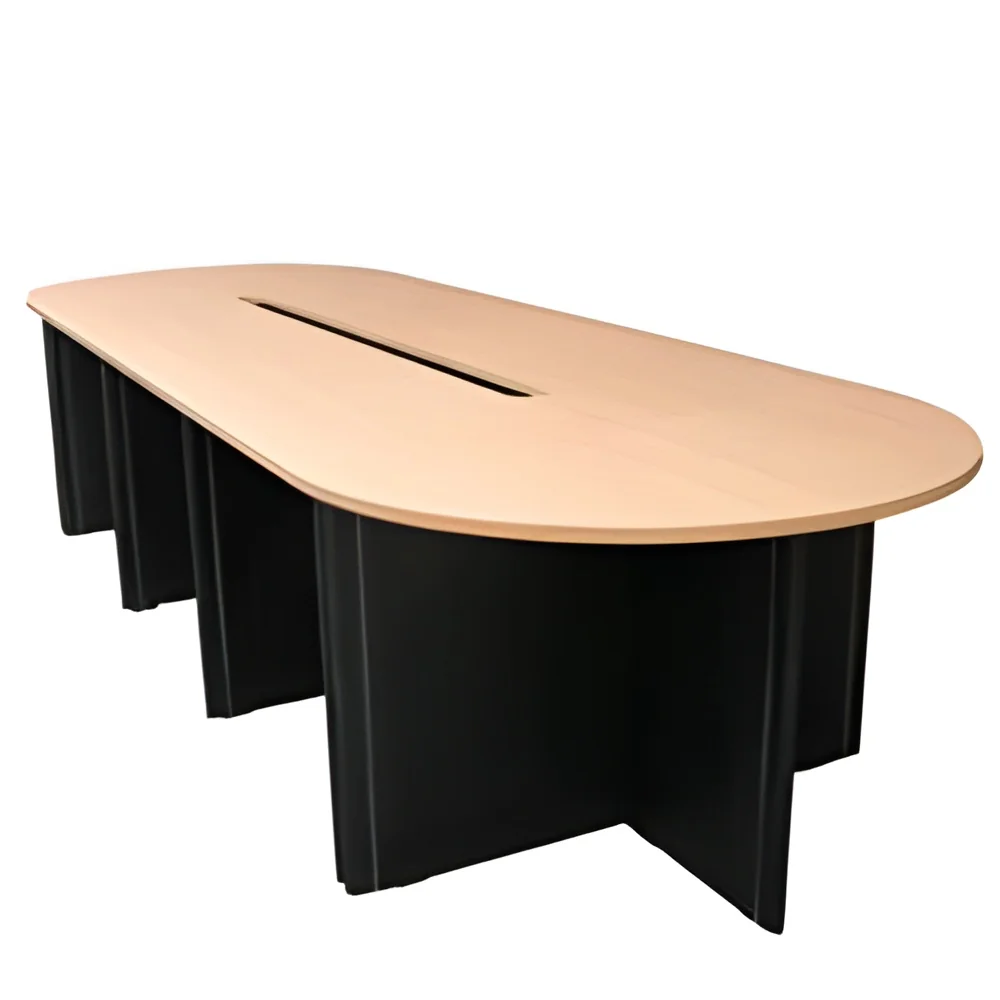
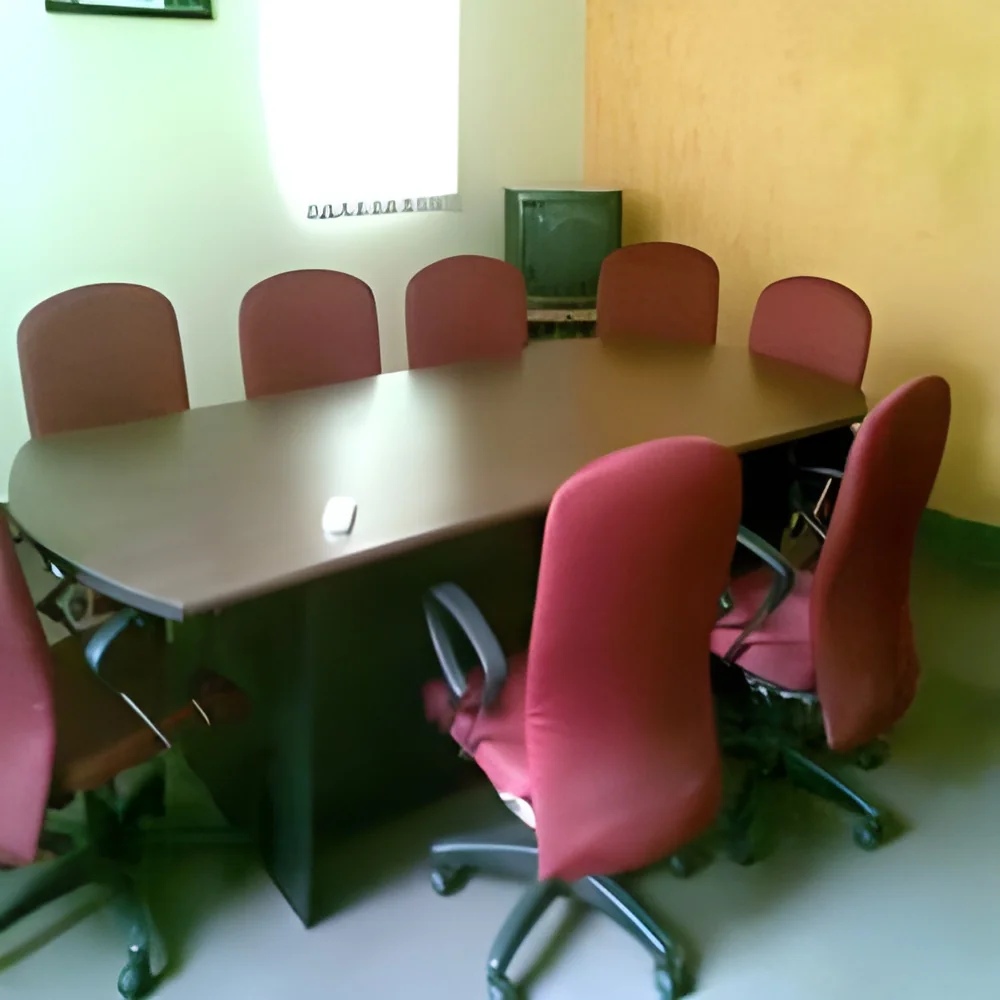
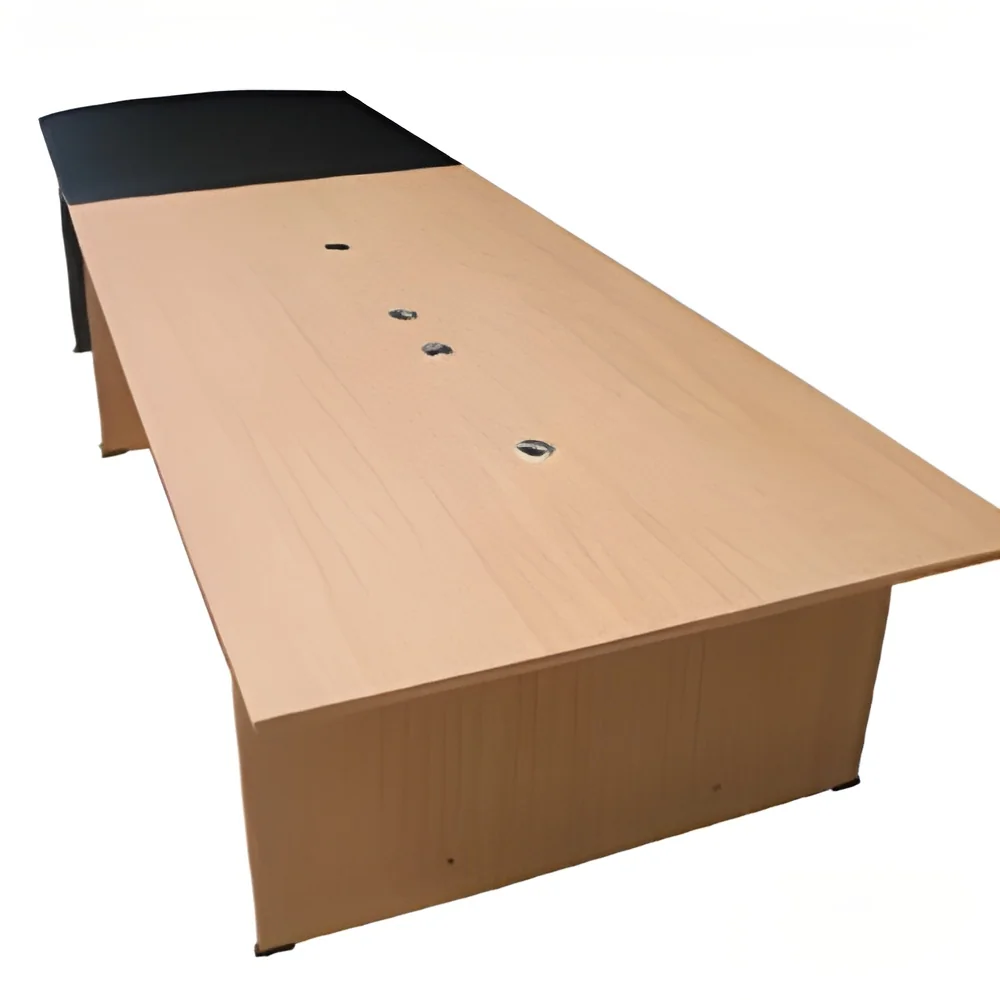
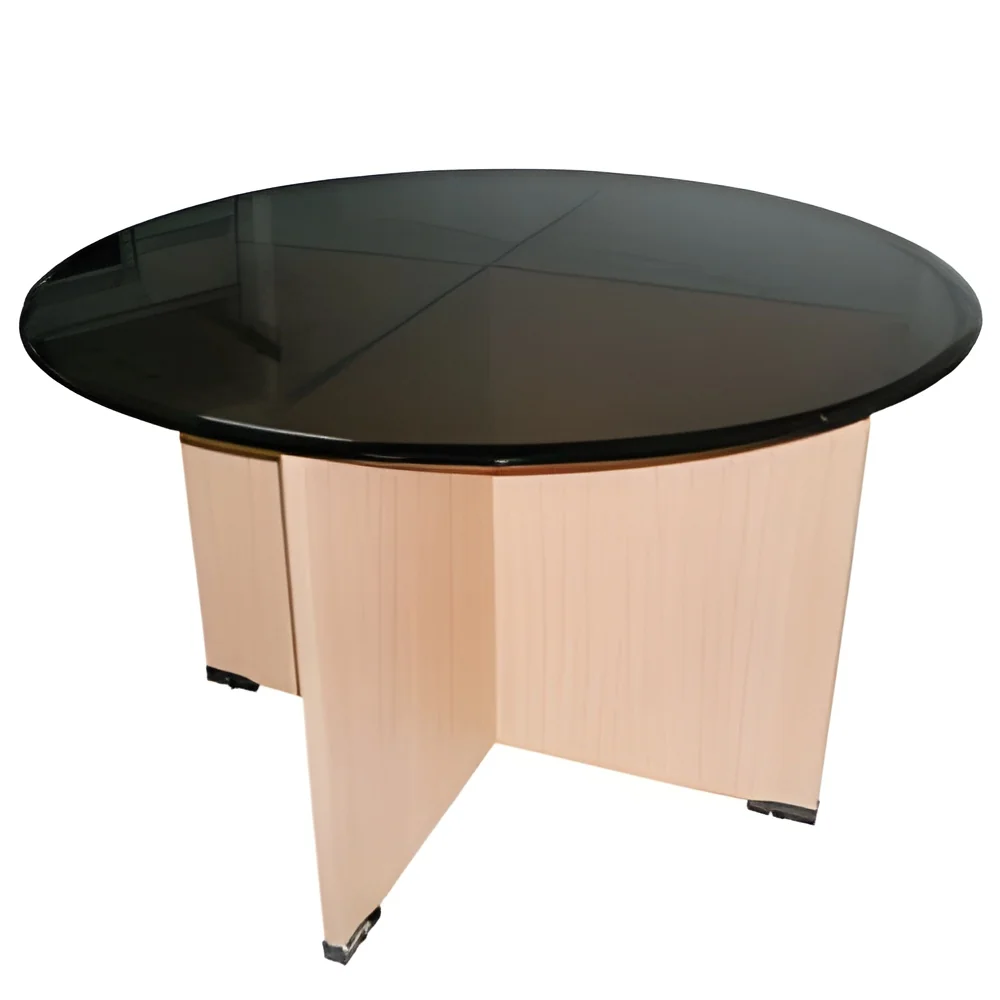
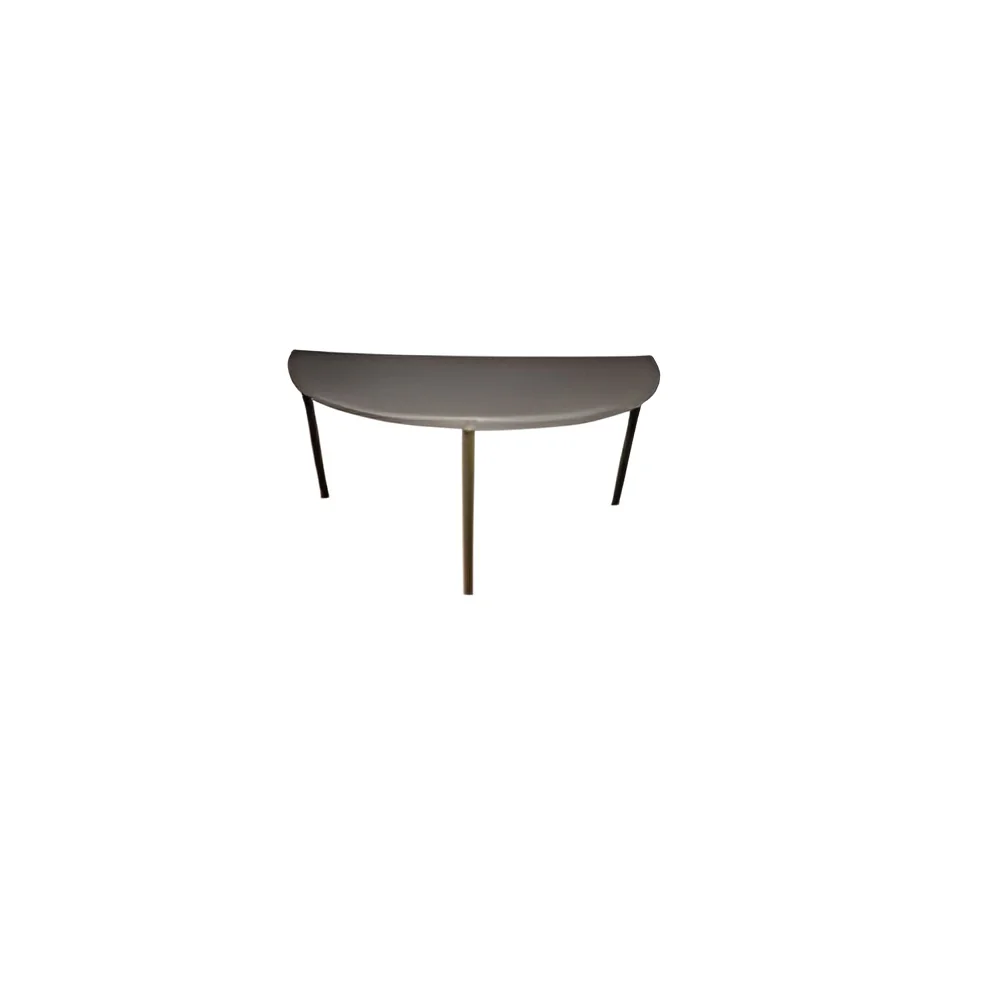
Conference Tables: These tables come in multiple shapes and sizes, including rectangular, round, and oval designs. They are often equipped with cable management systems to facilitate tech integration.
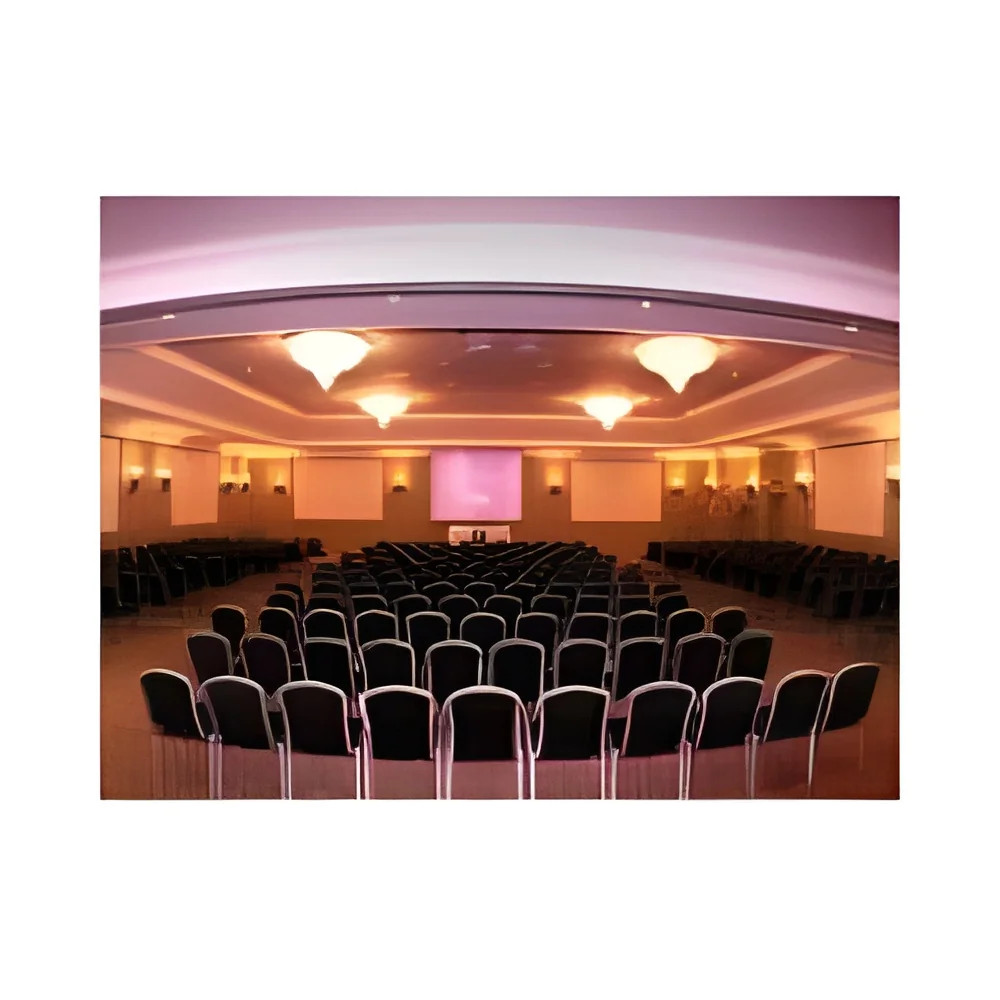
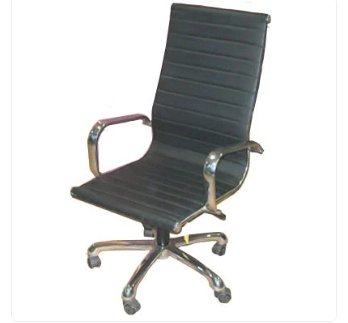
Chairs: Available in various styles, including executive, task, and collaborative chairs, these options focus on ergonomics and comfort for long meetings.
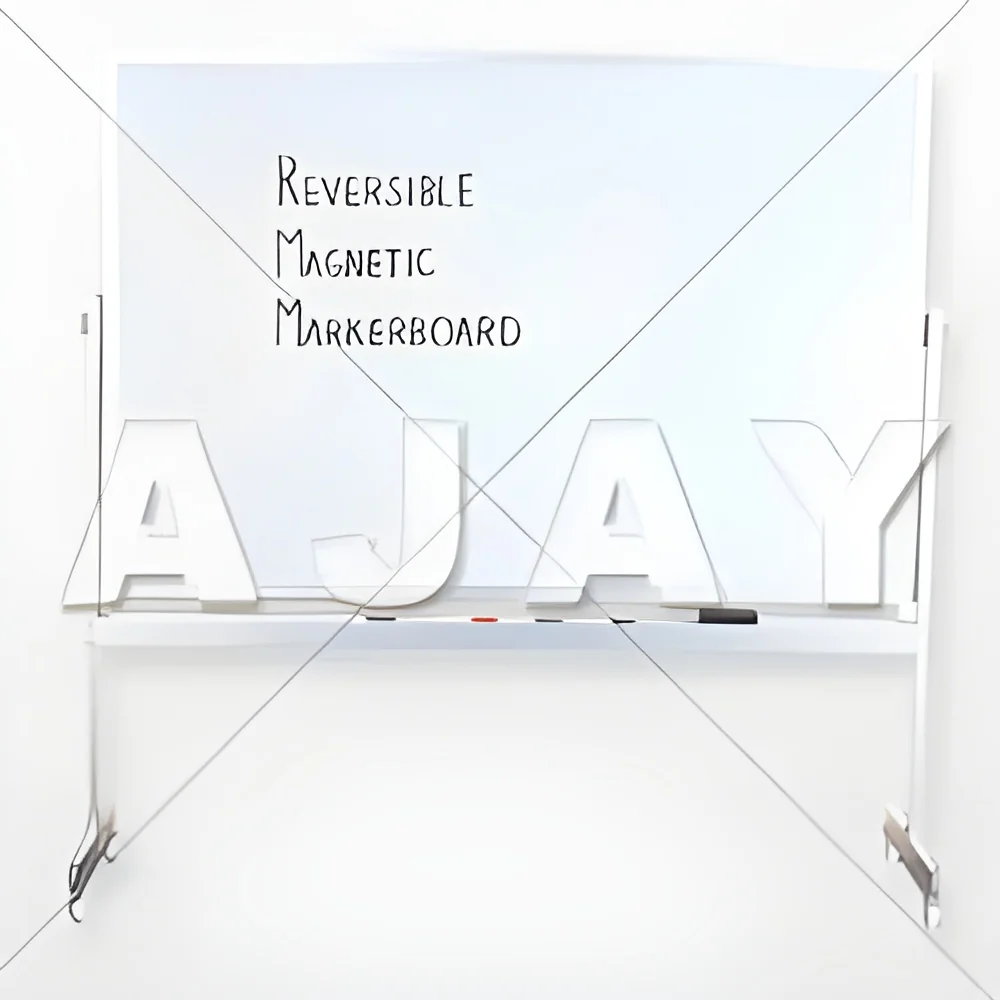
Presentation Stations: These specialized furniture pieces are designed for displaying presentations and often include integrated technology features for effective communication.
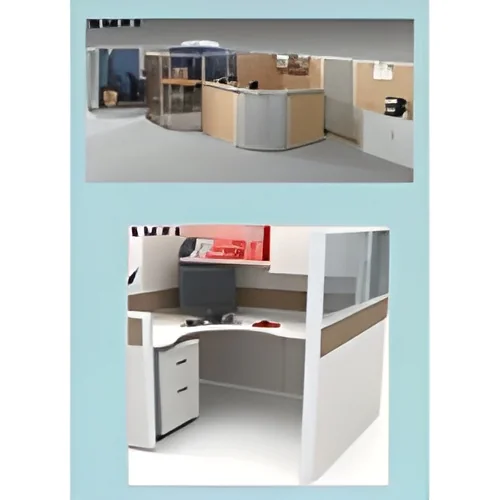
Collaborative Workstations: These adaptable setups promote teamwork and open communication, often featuring movable components to accommodate different group sizes.
Benefits and Advantages
Investing in quality conference room furniture provides several key benefits to organizations.
1. Enhanced Comfort: Ergonomically designed furniture reduces discomfort during meetings, allowing participants to focus on discussions rather than physical strain.
2. Improved Productivity: A well-furnished conference room creates an inviting atmosphere that encourages engagement and collaboration, leading to more productive meetings.
3. Professional Appearance: High-quality furniture enhances the overall aesthetic of the conference room, positively reflecting the organization’s brand image during client interactions.
4. Flexibility: Many furniture options allow for easy reconfiguration, enabling organizations to adapt their meeting spaces for different purposes and group sizes.
5. Technology Integration: Modern conference room furniture often includes features that support technology use, facilitating seamless presentations and discussions.
6. Durability: Investing in quality materials ensures that furniture withstands the rigors of frequent use, providing long-term value for organizations.
Buying Guide for B2B Buyers
When sourcing conference room furniture, B2B buyers should consider several important factors to ensure they make informed decisions.
1. Quality Assessment: Evaluate the materials and construction of the furniture to ensure it meets durability and ergonomic standards. Testing samples can help assess comfort and functionality.
2. Supplier Verification: Research suppliers to confirm their reliability and reputation in the market. Look for reviews and testimonials from previous clients to gauge their level of service.
3. Pricing and MOQ: Compare pricing structures among different suppliers and be aware of minimum order quantities. This information helps budget effectively while ensuring the required quantity is available.
4. Delivery and Lead Times: Inquire about logistics, including estimated delivery times and shipping options. Timely delivery is crucial for ensuring that meeting spaces are furnished as needed.
5. Compliance Requirements: Understand any industry-specific compliance standards that may apply to conference room furniture. This includes safety and quality certifications that must be met.
Compliance and Certifications
Conference room furniture must adhere to various quality standards and certifications to ensure safety and reliability. Key standards include ISO 9001, which focuses on quality management systems, ensuring that manufacturers maintain high levels of quality in their products.
Additionally, industry certifications such as CE indicate that the furniture meets specific health, safety, and environmental protection requirements within the European market.
Safety and testing requirements are critical considerations, as they ensure that the furniture is constructed to withstand regular use without compromising user safety. Regional compliance considerations may vary, so it is important to research specific regulations that apply to different geographic areas.
Why Source Conference Room Furniture from Pepagora?
Pepagora offers a trusted platform for sourcing conference room furniture, providing significant advantages to buyers seeking quality and reliability.
Verified Supplier Network: Pepagora connects buyers with a network of verified suppliers, ensuring that all products meet industry standards for quality and safety. This verification process builds trust and confidence in sourcing decisions.
Streamlined RFQ Process: The platform simplifies the request for quotation process, allowing buyers to easily compare offers from multiple suppliers. This efficiency helps organizations find the best deals and negotiate effectively.
Trade Assurance and Support: Pepagora provides trade assurance, protecting buyers from potential issues such as product quality and delivery delays. This support fosters a secure purchasing environment.
Regional Coverage: With a strong presence in regions such as India, the GCC, and Southeast Asia, Pepagora offers extensive geographic reach. This enables buyers to find suitable suppliers close to their location, optimizing logistics and delivery times.

 IN
IN