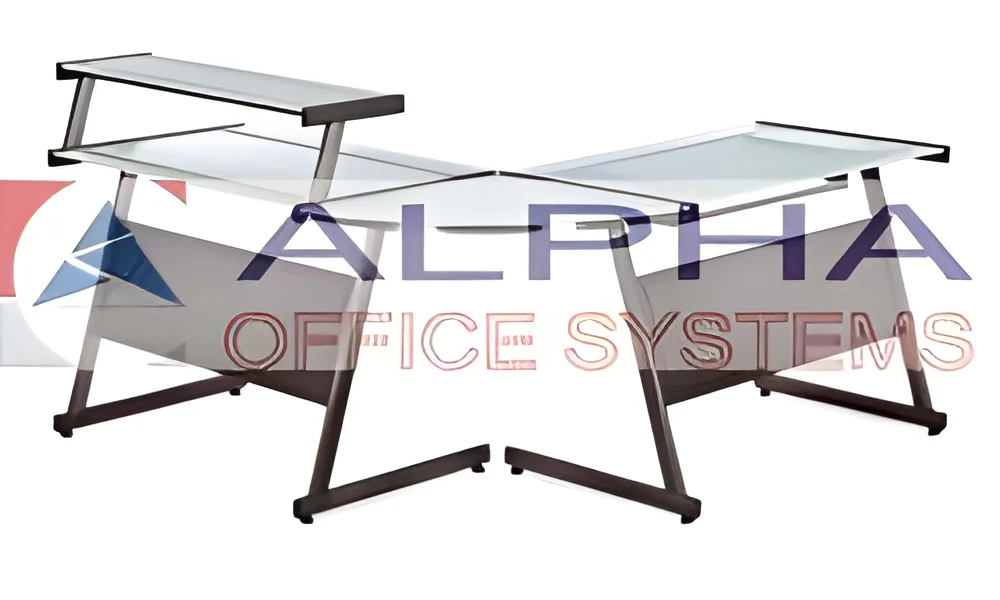
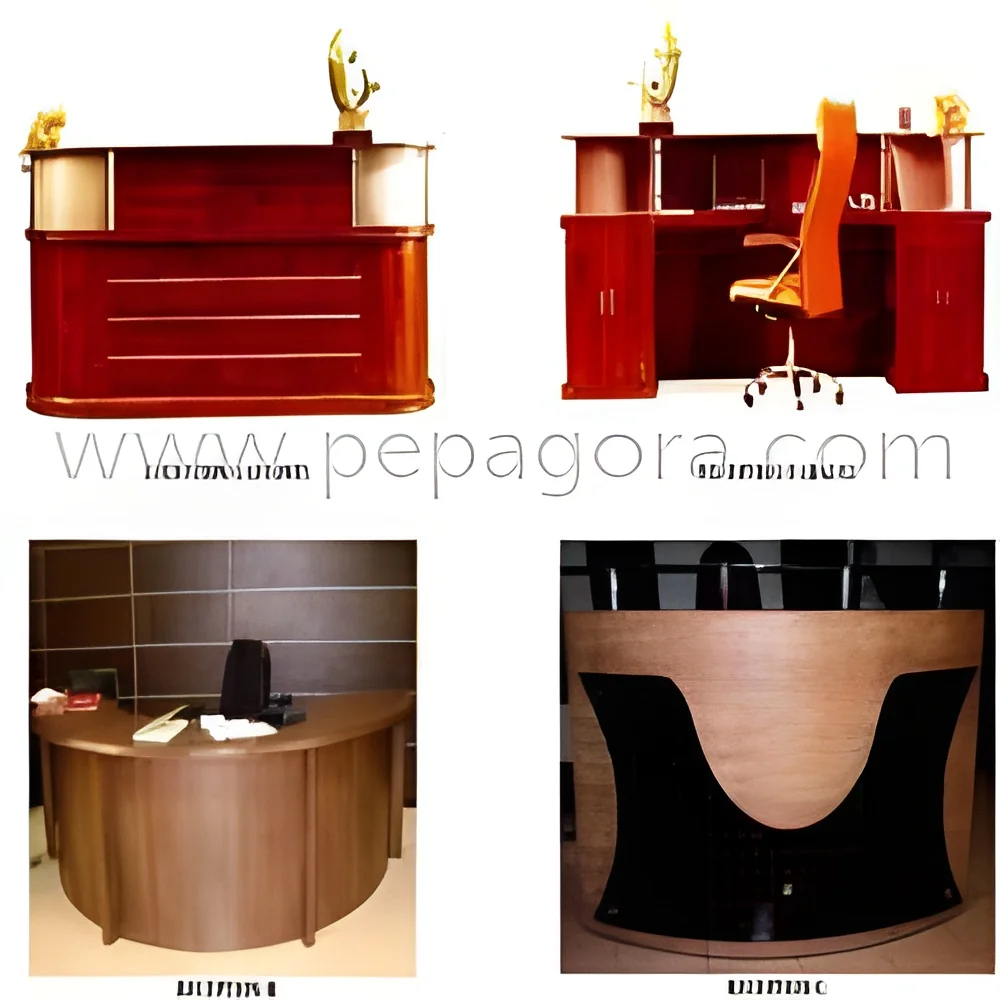
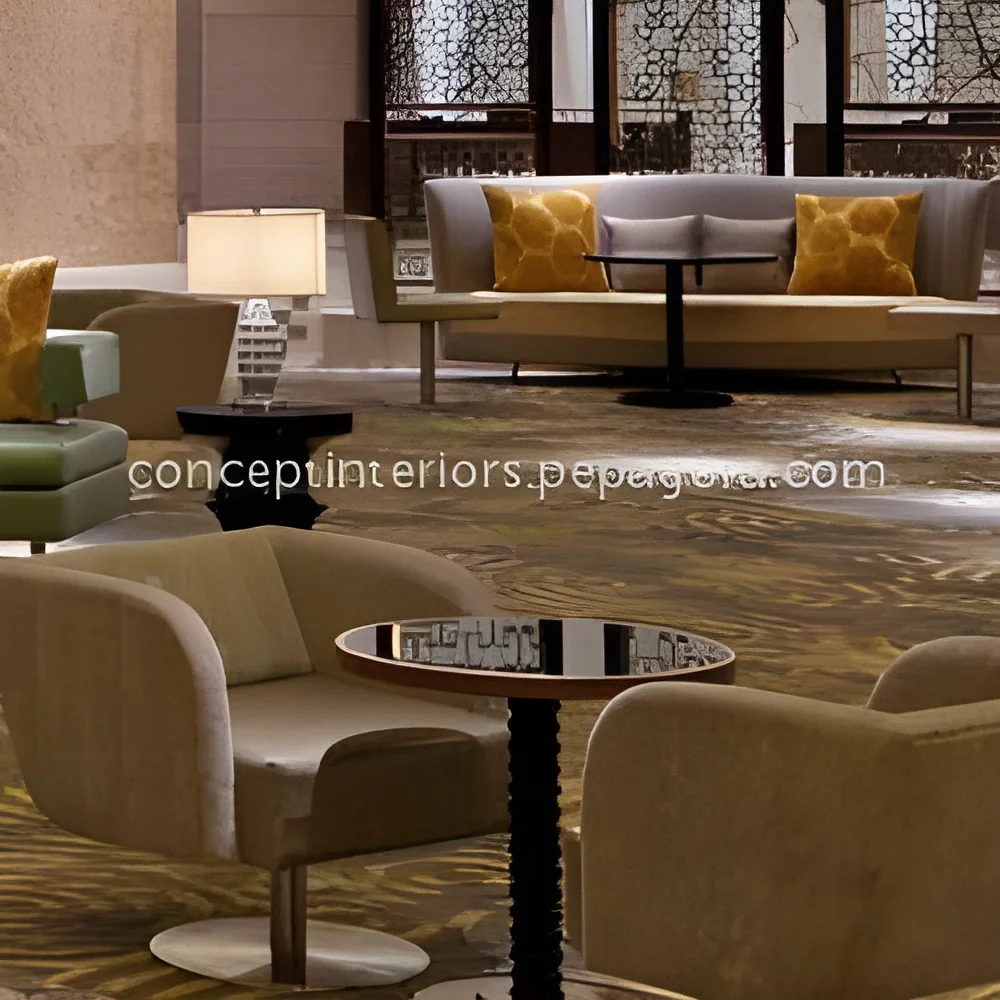
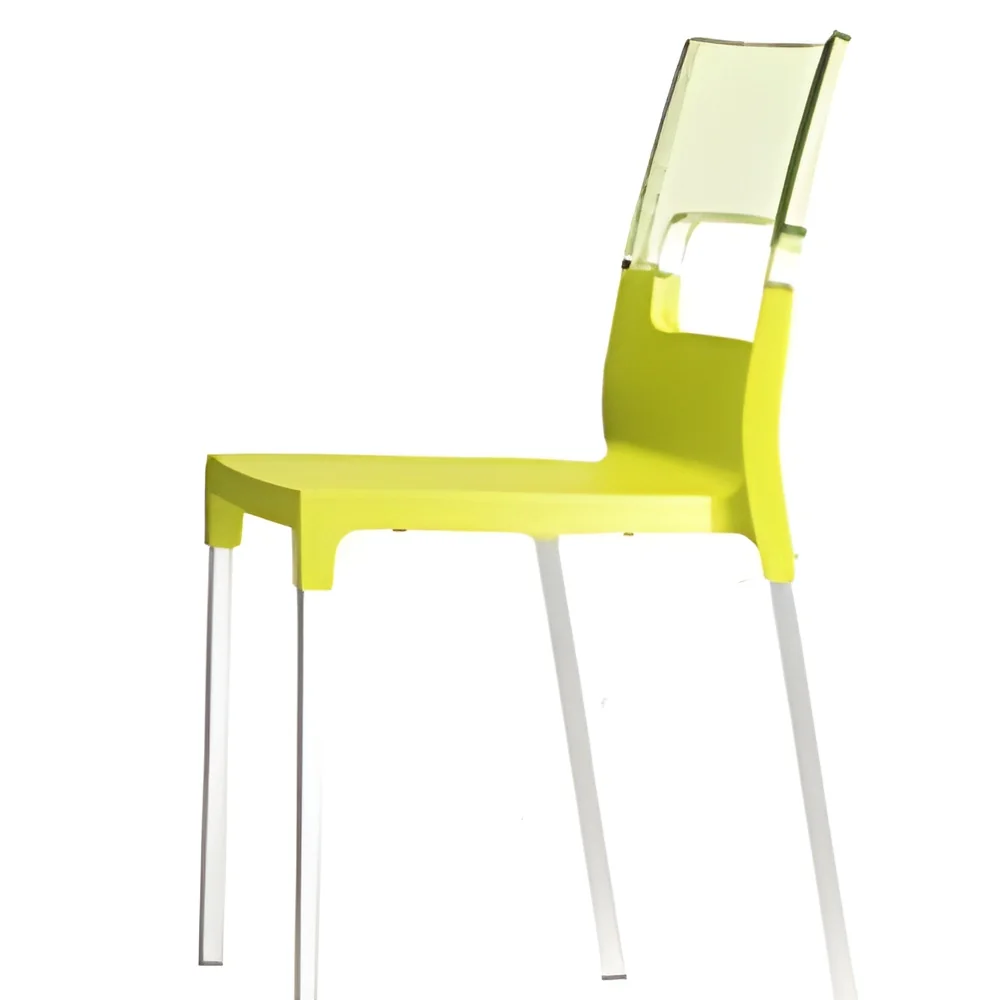
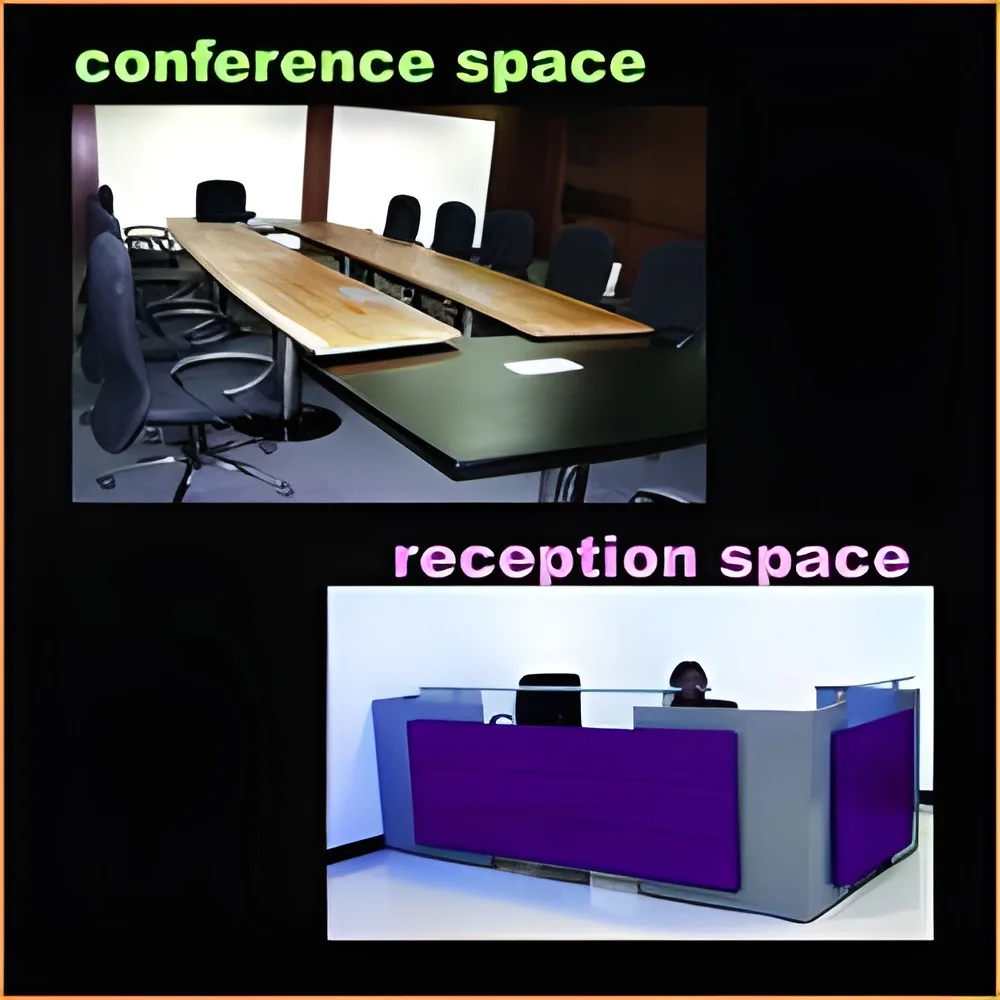
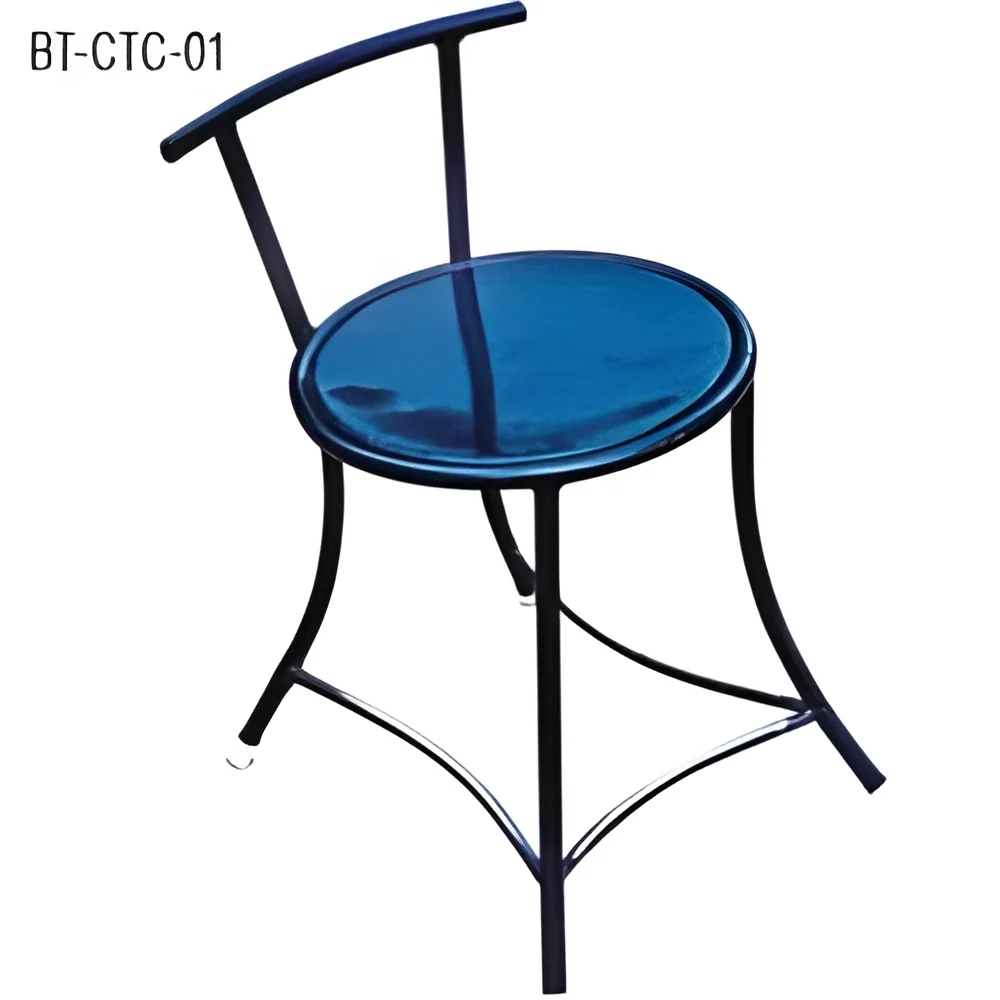
What are Reception Furniture?
Reception furniture refers to the specialized furnishings designed specifically for reception areas in businesses and organizations. These areas serve as the first point of contact for clients, visitors, and employees. Reception furniture typically includes items such as reception desks, seating arrangements, coffee tables, and display units that create a welcoming atmosphere while providing functional spaces for interaction and waiting.
The primary uses of reception furniture extend beyond mere aesthetics; they facilitate effective communication and ensure comfort for guests. Businesses utilize these furnishings to project professionalism and establish a positive first impression. Additionally, reception areas often serve as informal meeting spaces, making the selection of appropriate furniture crucial for both comfort and functionality.
In terms of industry relevance, reception furniture plays a significant role in various sectors including corporate offices, healthcare facilities, educational institutions, and hospitality environments. With growing emphasis on customer experience, the market for reception furniture continues to evolve, reflecting trends in design and functionality that cater to changing consumer preferences.
Key Features and Specifications
Reception furniture is characterized by several key features that enhance both usability and aesthetic appeal. These specifications ensure that the furniture meets the diverse needs of various business environments.
Key specifications include:
1. Material Quality
- Durable materials such as wood, metal, and high-grade plastics are commonly used.
- High resistance to wear and tear.
2. Ergonomics
- Designed to support comfortable seating positions.
- Adjustable features for user convenience.
3. Design Aesthetics
- Variety of styles, colors, and finishes to match office decor.
- Customizable options available for branding purposes.
4. Functionality
- Multi-functional pieces that can serve as storage, seating, or display.
- Easy to rearrange for different layouts.
5. Size Variability
- Available in various dimensions to fit different reception space sizes.
- Compact designs for limited areas.
6. Compliance Standards
- Meets industry standards for safety and quality, such as CE certification.
- Consideration for environmental impact in material sourcing.
7. Maintenance Requirements
- Easy to clean and maintain surfaces for high-traffic areas.
- Stain and scratch-resistant finishes.
8. Warranty and Support
- Typically come with warranties that cover manufacturing defects.
- Access to customer support for assembly and maintenance inquiries.
In summary, reception furniture is designed to combine style, comfort, and functionality, making it essential for creating a positive first impression in professional environments.
Common Applications and Use Cases
Reception furniture is utilized across a variety of industries, each with specific requirements and applications.
1. Corporate Offices: In corporate settings, reception areas are designed to impress clients and partners. Reception desks and seating arrangements create a professional environment that encourages engagement.
2. Healthcare Facilities: In hospitals and clinics, reception furniture must cater to patient comfort and accessibility. Waiting areas often include specialized seating that accommodates patients and their families.
3. Educational Institutions: Schools and universities use reception furniture in administrative offices and student services. These spaces require functional furniture that supports high traffic and diverse user needs.
4. Hospitality: Hotels and resorts invest in reception furniture to create welcoming lobbies that enhance the guest experience. Stylish seating and check-in desks are essential features.
5. Retail Spaces: Retailers use reception furniture to create inviting entryways. The design often encourages customers to explore the store while providing necessary information.
6. Government Offices: Government buildings utilize reception furniture to manage visitor flow and provide information. The furniture must be durable and easy to maintain.
7. Co-working Spaces: These modern workplaces require flexible reception areas that accommodate different working styles. Furniture is designed for adaptability and comfort.
Product Variants and Subcategories
Reception furniture comes in various designs and functions to meet different business needs.
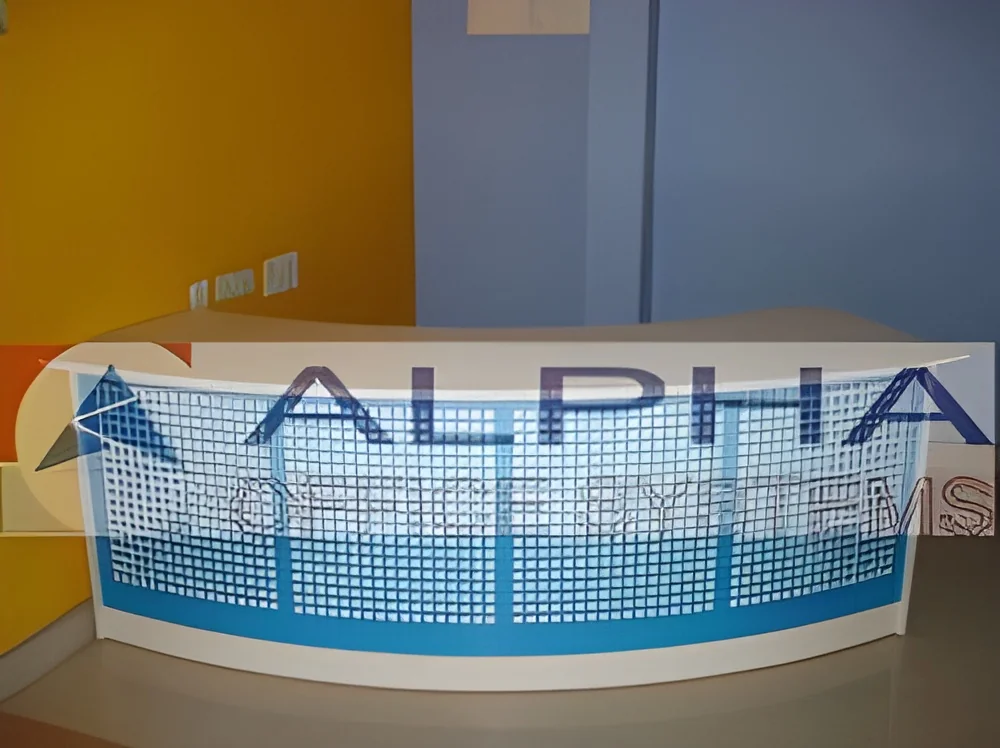
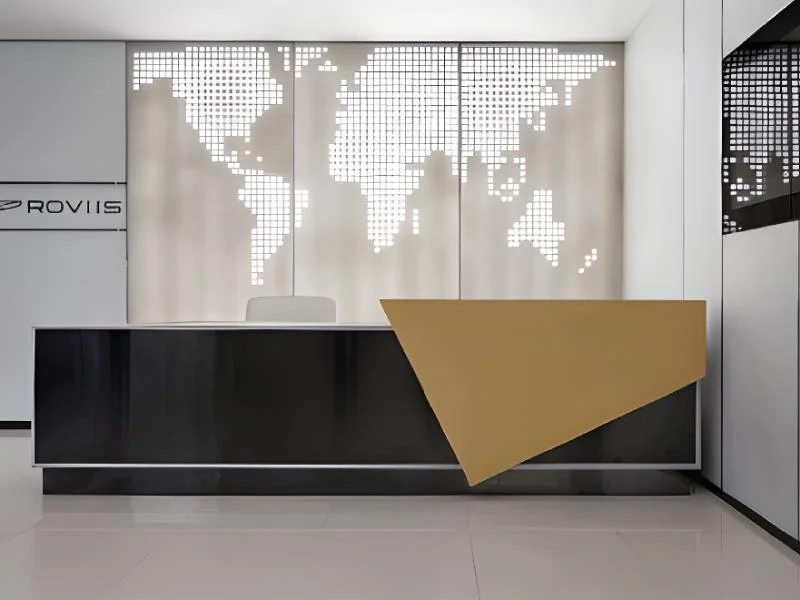
Reception Desks: These are often the focal point of any reception area. They feature ergonomic designs and may include built-in storage or technology integration for efficiency.
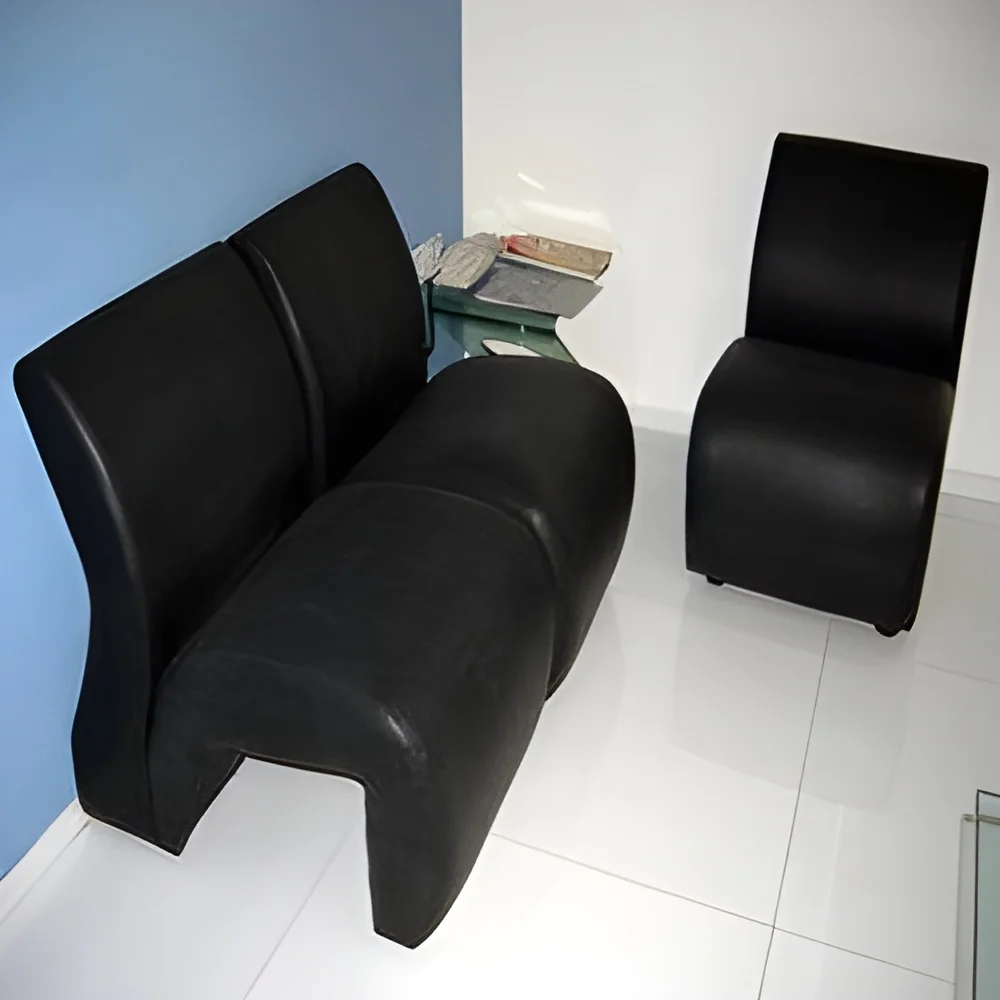
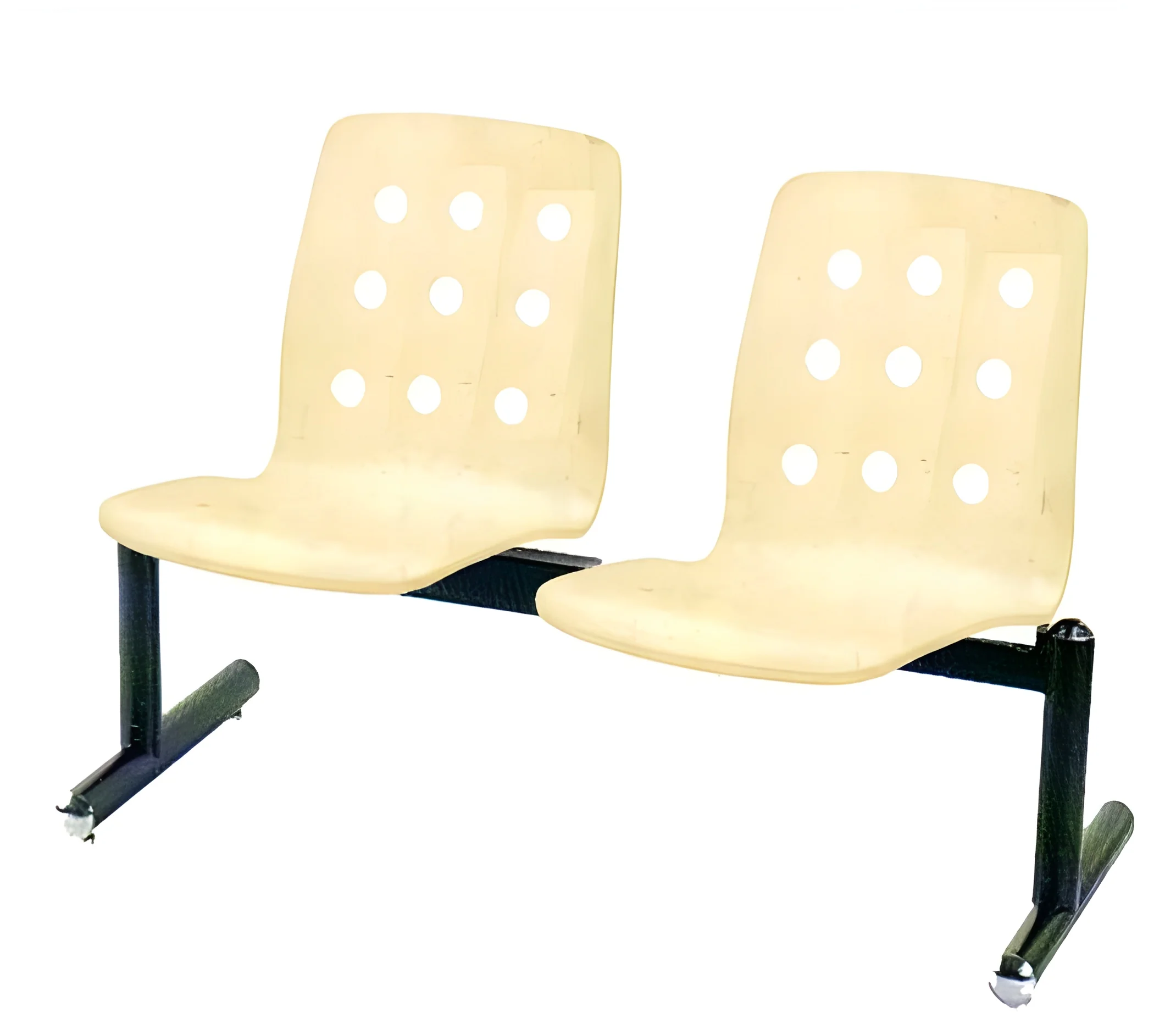
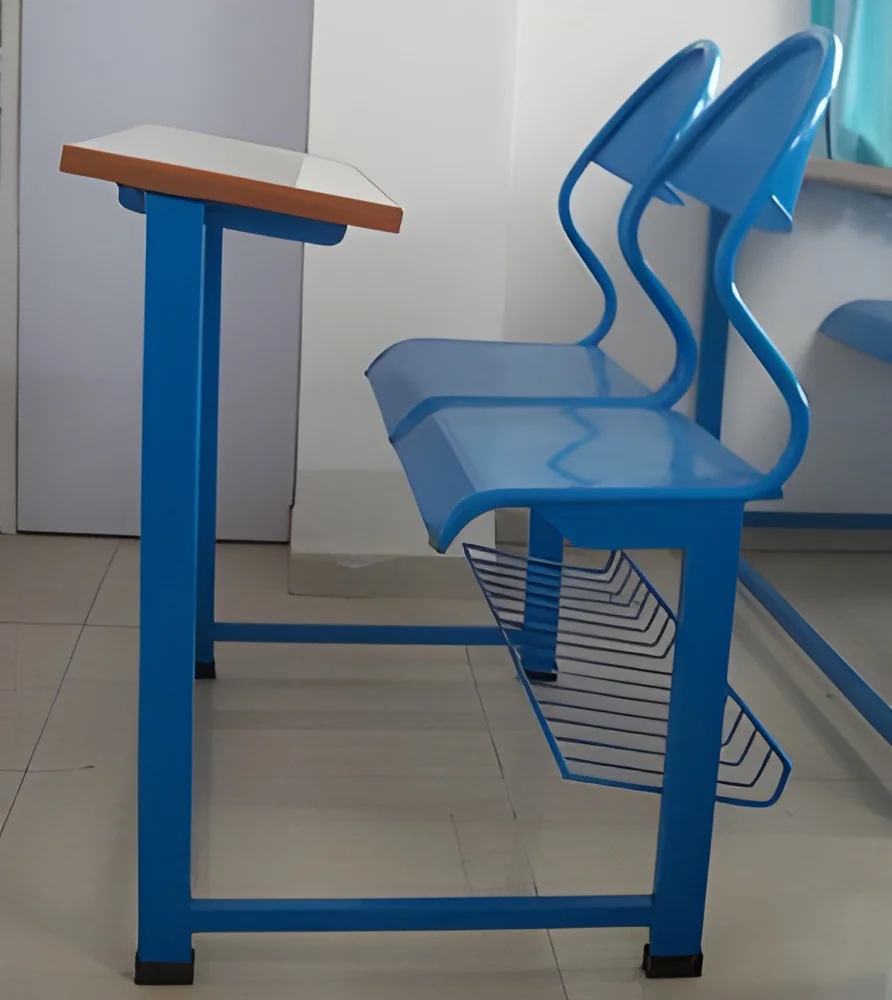
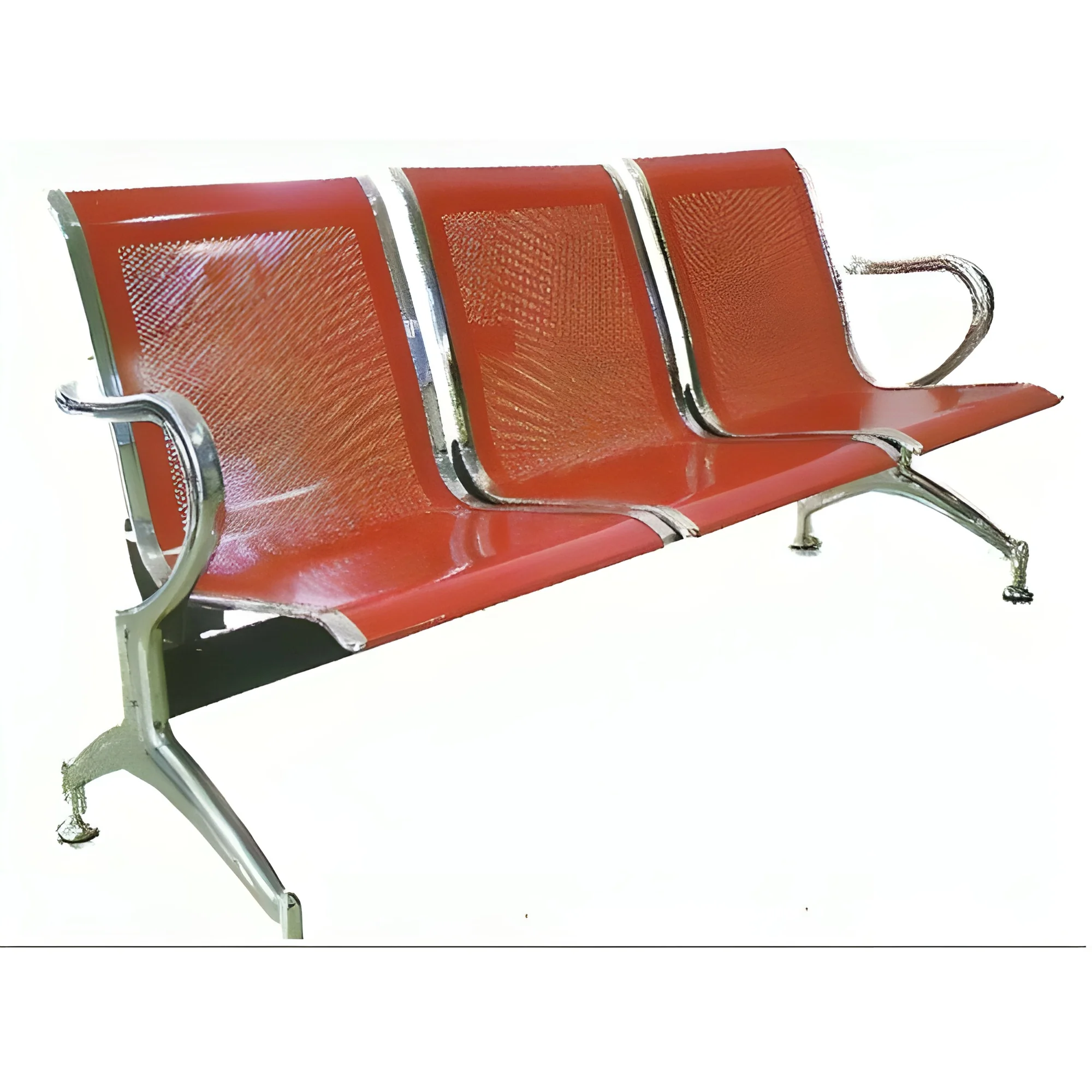
Waiting Area Seating: This category includes chairs, sofas, and benches designed for comfort and style. They are often modular, allowing for flexible arrangements in waiting areas.
Coffee Tables: These tables complement seating arrangements in reception areas. They are designed for aesthetics and functionality, often used for displaying magazines or brochures.
Display Units: Used to showcase promotional materials or company information, these units help in branding and engaging visitors.
Benefits and Advantages
The advantages of investing in reception furniture extend beyond aesthetics and comfort.
1. Professional Image: High-quality reception furniture enhances the overall image of a business. It creates a lasting first impression for clients and visitors.
2. Enhanced Comfort: Comfortable seating options improve the experience of waiting guests, reducing perceived wait times and enhancing satisfaction.
3. Increased Functionality: Multi-functional furniture allows for efficient use of space, accommodating various activities and interactions.
4. Customization Options: Many suppliers offer customizable options, allowing businesses to align furniture with their brand identity.
5. Durability: High-quality materials ensure longevity, reducing the need for frequent replacements and associated costs.
6. Improved Workflow: Well-designed reception areas can facilitate better communication and workflow, enhancing overall operational efficiency.
Buying Guide for B2B Buyers
When sourcing reception furniture, several critical factors should be considered to ensure an informed purchasing decision.
1. Quality Assessment: Evaluate the materials and construction quality of the furniture. Look for durability and resistance to wear, especially in high-traffic areas.
2. Supplier Verification: Research potential suppliers to ensure they are credible and reliable. Check for reviews, references, and compliance with industry standards.
3. Pricing and MOQ: Understand the pricing structures and minimum order quantities. Compare costs across different suppliers to find the best value.
4. Delivery and Lead Times: Discuss logistics with suppliers to understand delivery schedules. Ensure that lead times align with your project timelines.
5. Compliance Requirements: Verify that the furniture meets relevant safety and regulatory standards. This is especially important in healthcare and educational settings.
Compliance and Certifications
Compliance with industry standards and certifications is crucial for reception furniture. Key quality standards include ISO 9001, ensuring quality management in manufacturing processes.
Certification such as CE indicates that the furniture meets European safety and health requirements. This certification is particularly relevant for suppliers operating in international markets.
Safety and testing requirements are essential to ensure that the furniture is safe for use in various environments. This includes testing for stability, durability, and material safety.
Regional compliance considerations may vary, so it is vital for businesses to be aware of local regulations that apply to furniture in their specific industry.
Why Source Reception Furniture from Pepagora?
Pepagora offers a trusted platform for sourcing reception furniture, providing several key advantages for B2B buyers.
Verified Supplier Network: Pepagora connects buyers with a network of verified suppliers, ensuring that all vendors meet high standards for quality and reliability. This reduces the risk of sourcing from untrustworthy sources.
Streamlined RFQ Process: The platform features a streamlined request for quotation (RFQ) process, allowing businesses to easily compare offers from multiple suppliers. This saves time and enhances decision-making efficiency.
Trade Assurance and Support: Pepagora provides trade assurance, ensuring that buyers are protected throughout the purchasing process. Support services are available to assist with any inquiries or issues that may arise.
Regional Coverage: With a strong presence in India, the GCC, and Southeast Asia, Pepagora offers extensive regional coverage, making it easier for businesses to source locally while accessing a wide range of options.

 IN
IN