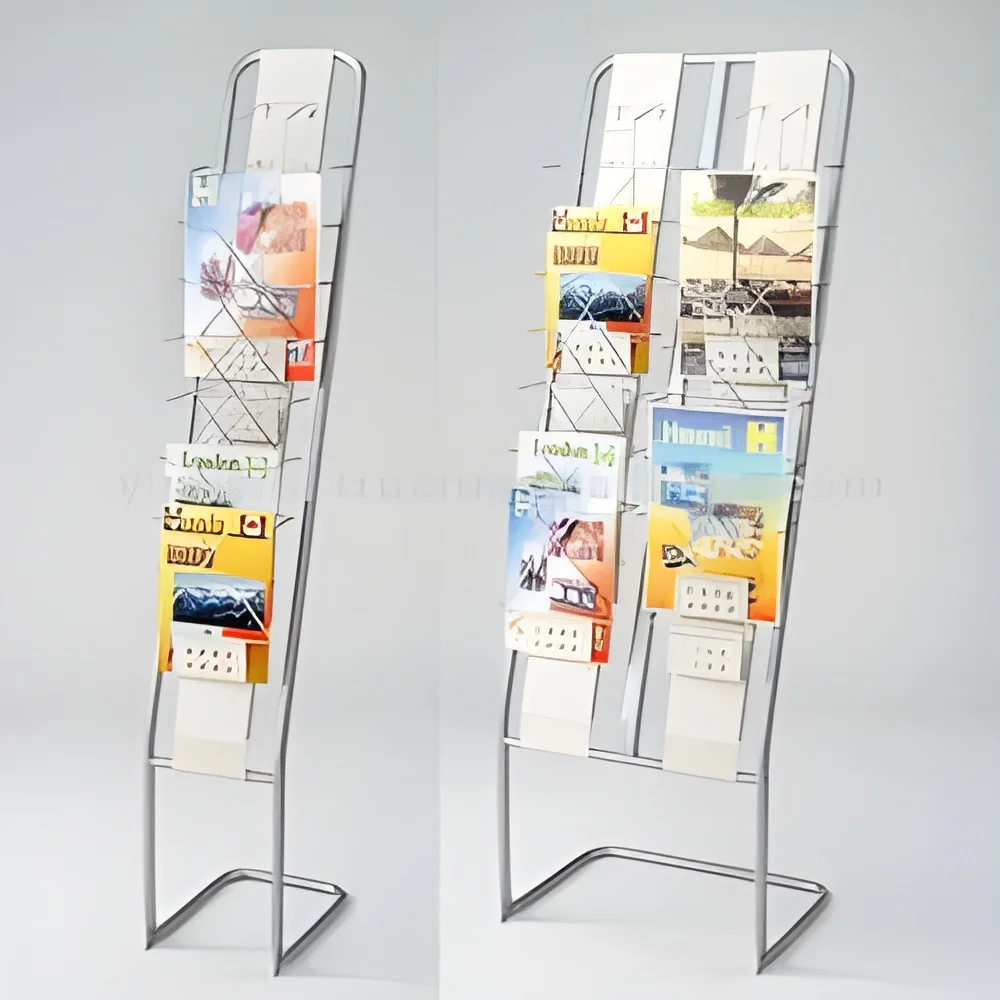
What are Brochure & Magazine Stands?
Brochure and magazine stands are specialized display units designed to hold and showcase printed materials such as brochures, magazines, flyers, and catalogs. These stands come in various styles and sizes, making them suitable for different environments, including offices, trade shows, and retail settings. They are typically constructed from durable materials such as metal, acrylic, or wood, ensuring longevity and stability while presenting literature attractively.
The primary uses of brochure and magazine stands include organizing promotional literature in a way that is accessible and visually appealing to customers and clients. Businesses utilize these stands to enhance their marketing efforts, providing potential customers with easy access to information about products and services. These displays are essential in environments where information dissemination is critical, such as reception areas, exhibition halls, and retail spaces.
In the current market, brochure and magazine stands are highly relevant across various industries. They serve as vital tools for businesses looking to improve customer engagement and brand visibility. With the rise of digital marketing, physical displays remain important, particularly in sectors where tactile interaction with printed materials influences purchasing decisions. Industries such as hospitality, healthcare, education, and retail continue to rely on these essential display solutions.
Key Features and Specifications
Brochure and magazine stands come with several features that enhance their functionality and usability. When selecting a stand, it is crucial to understand its specific features and specifications to ensure it meets your business needs.
Key specifications include:
1. Material
- Stands are available in a variety of materials including metal, acrylic, and wood.
- Each material offers different durability, aesthetics, and weight capacities.
2. Size and Capacity
- Stands come in various sizes, typically designed to hold multiple brochures or magazines.
- Capacity can range from single units to multi-tiered stands that hold dozens of items.
3. Design Type
- Options include floor-standing, wall-mounted, and tabletop designs.
- Each design serves different spatial requirements and usage scenarios.
4. Portability
- Some stands are designed for easy transport and storage.
- Features such as collapsibility or lightweight materials enhance mobility.
5. Customization Options
- Many manufacturers offer customization in terms of color, branding, and size.
- Custom stands can align better with brand identity.
6. Stability Features
- Stability features include weighted bases or non-slip grips to prevent tipping.
- These features are crucial in high-traffic areas.
7. Assembly Requirements
- Some stands may require assembly upon delivery, while others come ready-to-use.
- Understanding assembly needs can affect purchasing decisions.
In summary, the selection of brochure and magazine stands should be based on their specifications to meet specific business needs and enhance marketing efforts effectively.
Common Applications and Use Cases
Brochure and magazine stands find utility in a wide range of industries due to their versatility and effectiveness in displaying printed materials.
1. Retail: Retail stores use these stands to showcase promotional brochures and product catalogs, enhancing customer engagement and providing information at the point of sale.
2. Hospitality: Hotels and resorts often place brochure stands in lobbies to inform guests about local attractions, services, and amenities available during their stay.
3. Healthcare: Clinics and hospitals utilize brochure stands in waiting areas for distributing health-related information, allowing patients to easily access educational materials.
4. Education: Educational institutions use these stands to display information about courses, events, and programs, helping prospective students and parents make informed decisions.
5. Trade Shows: Exhibitors rely on brochure stands to present marketing materials and product information in a professional manner, attracting potential customers to their booths.
6. Corporate Offices: Businesses use these stands in reception areas to provide visitors with company literature, product information, and promotional materials, enhancing brand visibility.
7. Non-Profits: Non-profit organizations utilize brochure stands at events to share information about their missions, programs, and ways to get involved, increasing community awareness.
Product Variants and Subcategories
Brochure and magazine stands come in various forms to cater to different display needs and environments.
Floor-Standing Stands
These stands are typically tall and designed to hold multiple tiers of brochures or magazines. They are ideal for high-traffic areas and can display a large volume of materials effectively.
Wall-Mounted Stands
These space-saving options are mounted on walls, making them suitable for smaller areas. They allow for easy access to brochures without taking up floor space.
Tabletop Stands
Tabletop stands are compact and designed for placement on counters or tables. They are perfect for displaying promotional materials in retail settings or at events.
Rotating Stands
These stands feature a rotating design that allows for easy access to materials from multiple angles. They are often used in high-traffic environments, maximizing visibility.
Benefits and Advantages
The use of brochure and magazine stands offers several key benefits for businesses.
1. Enhanced Visibility: Brochure stands improve the visibility of printed materials, making it easy for customers to access important information.
2. Organized Presentation: They help organize literature, preventing clutter and ensuring a professional appearance in display areas.
3. Increased Customer Engagement: Well-placed stands encourage customers to interact with promotional materials, potentially leading to increased sales.
4. Versatile Usage: Brochure stands can be used in a variety of settings and industries, making them a flexible marketing tool.
5. Cost-Effective Marketing: They provide a low-cost solution for promoting products and services, especially when compared to digital advertising.
6. Easy to Update: Businesses can quickly change out literature in stands to reflect new promotions, ensuring information remains current.
Buying Guide for B2B Buyers
When sourcing brochure and magazine stands, several factors should be taken into account to make an informed purchasing decision.
1. Quality Assessment: Ensure that the stands are made from high-quality materials that can withstand frequent use. Look for reviews or ratings that reflect durability.
2. Supplier Verification: Vet suppliers carefully to confirm their credibility and reliability. Check for customer testimonials or case studies that highlight their track record.
3. Pricing and MOQ: Understand the pricing structure and any minimum order quantities (MOQ) required by suppliers. Compare prices to ensure you are getting a fair deal.
4. Delivery and Lead Times: Inquire about delivery options and lead times to ensure that the stands can be delivered when needed without delays.
5. Compliance Requirements: Be aware of any regulatory compliance requirements that may apply to the stands, especially if they will be used in specific industries like healthcare or education.
Compliance and Certifications
Brochure and magazine stands must adhere to certain quality standards and certifications to ensure safety and performance.
Relevant quality standards such as ISO 9001 ensure that manufacturers maintain high levels of quality management. This standard is essential for ensuring consistent product quality and customer satisfaction.
Industry certifications like CE indicate that the products meet European safety standards. This certification is crucial for businesses operating in or exporting to Europe.
Safety and testing requirements ensure that the stands are free from sharp edges or hazardous materials, making them safe for public use. Manufacturers must conduct thorough testing to comply with these regulations.
Additionally, regional compliance considerations may vary, so it is essential for businesses to verify that their chosen stands meet local standards before purchasing.
Why Source Brochure & Magazine Stands from Pepagora?
Pepagora offers a reliable platform for sourcing brochure and magazine stands, providing numerous advantages to B2B buyers.
Verified Supplier Network: Pepagora has a thorough vetting process for suppliers, ensuring that only trusted manufacturers are included in their network. This gives buyers peace of mind when selecting products.
Streamlined RFQ Process: The request for quotation (RFQ) system simplifies the procurement process, allowing buyers to receive multiple quotes from different suppliers efficiently. This feature helps in making informed decisions based on pricing and quality.
Trade Assurance and Support: Buyers benefit from trade assurance policies that protect their purchases. Pepagora offers support throughout the buying process, ensuring that any issues are addressed promptly.
Regional Coverage: With a strong presence in India, the GCC, and Southeast Asia, Pepagora provides comprehensive regional coverage, making it easier for businesses to find local suppliers and manage logistics effectively.

 IN
IN